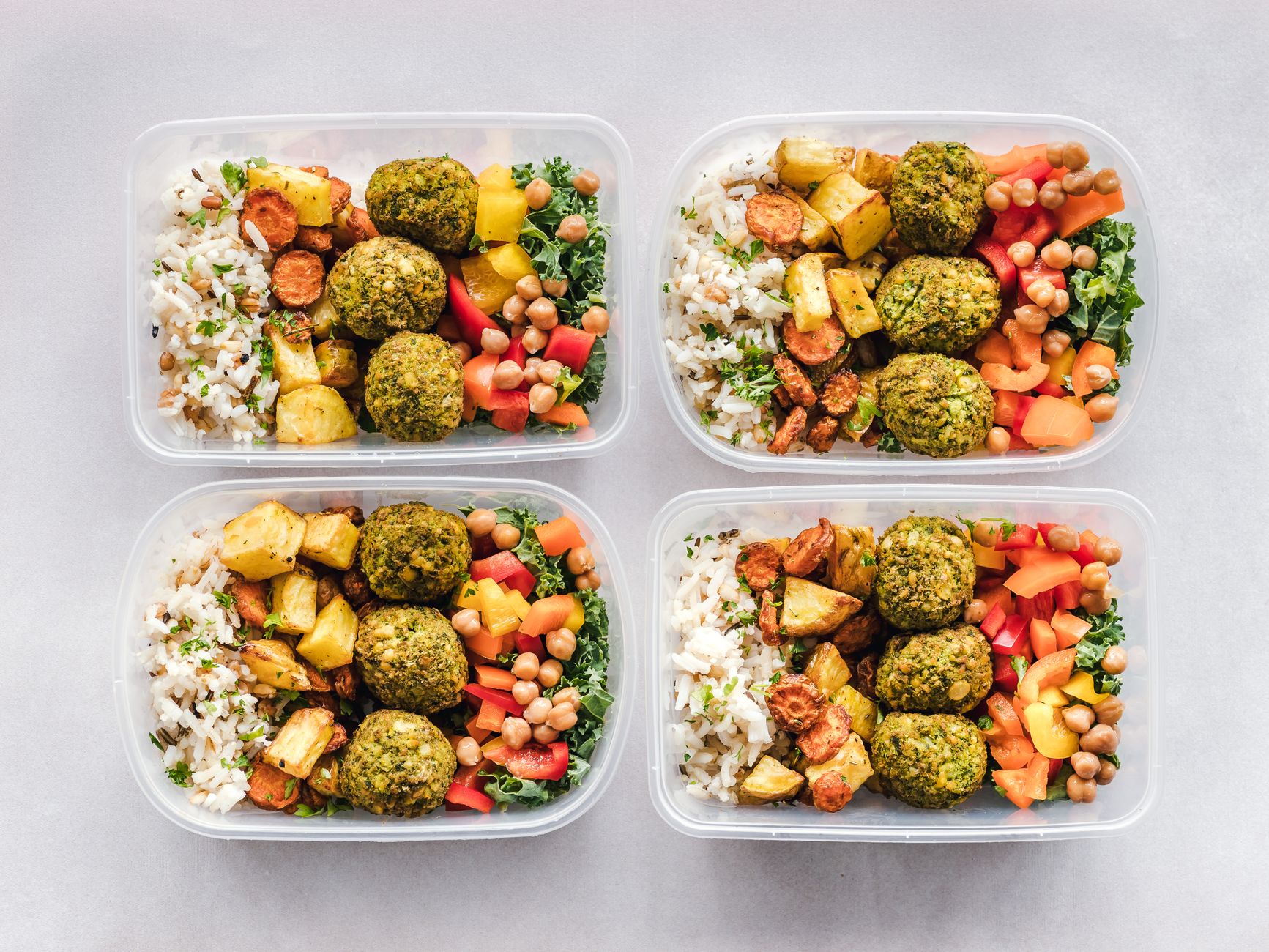
When you’re managing gestational diabetes, the goal is to **stabilize blood sugar** by focusing on foods that digest slowly and don’t spike your glucose levels. Think of your plate like a balanced equation: half non-starchy veggies, one-quarter lean protein, and one-quarter complex carbs. Avoiding refined carbs (white bread, sugary cereals) and opting for whole foods is key.
Here’s a quick breakdown of what to prioritize:
- Eat more:
- Non-starchy veggies: Spinach, broccoli, zucchini, bell peppers, cucumbers
- Lean proteins: Chicken breast, turkey, fish (salmon, cod), tofu, eggs
- Complex carbs: Quinoa, brown rice, sweet potatoes, whole-grain bread (look for 3g+ fiber per slice)
- Healthy fats: Avocados, nuts, seeds, olive oil
- Low-glycemic fruits: Berries, apples, pears, oranges (stick to 1 small serving, ~1 cup)
- Avoid or limit:
- Refined carbs: White bread, pasta, pastries, sugary cereals
- High-sugar foods: Candy, soda, fruit juices, sweetened yogurts
- Processed meats: Sausages, hot dogs, deli meats (high in sodium and preservatives)
- Trans fats: Fried foods, margarine, baked goods with "partially hydrogenated oils"
Many women worry they’ll have to give up their favorite foods entirely, but the key is portion control and smart swaps. For example, swap white rice for quinoa or cauliflower rice, and opt for dark chocolate (70%+) over milk chocolate. Even desserts can fit into your plan with the right approach — we’ll cover that later.
How many meals and snacks should a woman with gestational diabetes eat per day for best control?
One of the most common questions we hear is: "How often should I eat?" The answer isn’t one-size-fits-all, but research from the American College of Obstetricians and Gynecologists (ACOG) suggests **3 meals + 2–3 snacks per day** to help stabilize blood sugar. This approach prevents extreme spikes or crashes, which can be especially helpful if you’re managing fatigue or cravings.
Here’s a general structure to start with:
- Breakfast: Aim for protein + fiber (e.g., eggs + avocado toast on whole-grain bread)
- Mid-morning snack: A balanced combo (e.g., Greek yogurt + berries)
- Lunch: Lean protein + veggies + a small portion of complex carbs
- Afternoon snack: Nuts + cheese or hummus + veggie sticks
- Dinner: Similar to lunch but lighter on carbs if you’re sensitive
- Evening snack (if needed): Protein-rich option like cottage cheese or a small handful of almonds
If you’re active or feel hungry between meals, you can adjust this schedule. The goal is to keep blood sugar steady, so listen to your body and check your levels as directed by your provider. Many women find that eating every 3–4 hours helps them avoid energy crashes and cravings.

Is a gestational diabetes diet sample meal plan different from a regular pregnancy diet?
Great question! While a regular pregnancy diet focuses on overall nutrition and calorie needs (typically an extra 300–500 calories per day), a **gestational diabetes diet** is more targeted. It’s not about restriction — it’s about balancing carbs, protein, and fiber to prevent blood sugar spikes. Think of it like fine-tuning your engine rather than overhauling it.
The biggest differences:
You don’t have to eat drastically differently — just make smarter choices. For example, instead of a white bread sandwich, you might opt for whole-grain bread with hummus and veggies. Or swap a sugary smoothie for one with almond milk, spinach, and protein powder.
Can you still enjoy desserts safely on a gestational diabetes diet? Best low-glycemic alternatives
One of the biggest concerns we hear is: "Can I still have dessert?" The answer is yes — with strategy. The key is portion control and choosing low-glycemic options. Many women tell us they feel relieved to know they don’t have to give up sweets entirely, as long as they’re mindful.
Here are some safe dessert swaps:
- Dark chocolate (70%+ cocoa): 1 small square (10g) has about 3g carbs. Pair with almonds for protein.
- Berries with Greek yogurt: Strawberries or raspberries (½ cup) + ½ cup plain Greek yogurt (unsweetened). The fiber in berries slows sugar absorption.
- Chia pudding: Mix 2 tbsp chia seeds with unsweetened almond milk and a touch of vanilla. Let it sit overnight for a creamy, low-carb treat.
- Baked apples with cinnamon: Core an apple, sprinkle with cinnamon, and bake at 350°F for 20 minutes. Top with a dollop of whipped cream.
- Sugar-free gelatin: Made with stevia or monk fruit, these can be a fun, crunchy option.
If you’re craving something richer, try a small portion of sugar-free pudding or a square of sugar-free Jell-O. The American Diabetes Association notes that even small portions of sugar can add up, so moderation is key.
Pro tip: If you’re hosting guests or want to bake, use almond flour or coconut flour instead of white flour, and swap sugar for monk fruit or erythritol. Many women find they can enjoy homemade treats without spiking their blood sugar.
What are the best breakfast options for gestational diabetes that keep blood sugar stable all morning?
Breakfast is one of the most important meals for managing gestational diabetes, as it sets the tone for your blood sugar all day. The best options are high in protein and fiber to slow digestion and prevent spikes. Here are some top picks:
- Greek yogurt parfait:
- ½ cup plain Greek yogurt (unsweetened)
- ½ cup mixed berries
- 1 tbsp chia seeds
- 1 tbsp almond butter
- Avocado toast on whole-grain bread:
- 1 slice whole-grain bread (3g+ fiber)
- ½ avocado, mashed
- 1 poached egg
- Handful of spinach
- Omelet with veggies:
- 2 eggs
- ¼ cup bell peppers
- ¼ cup mushrooms
- 1 oz feta cheese
- Chia pudding with nuts:
- 2 tbsp chia seeds
- 1 cup unsweetened almond milk
- 1 tbsp almond butter
- Handful of walnuts
- Smoked salmon wrap:
- 1 low-carb tortilla (or lettuce wrap)
- 2 oz smoked salmon
- 1 tbsp cream cheese
- Handful of arugula
Many women find that smoothies can work too, but they need to be balanced. For example, blend:
- 1 cup unsweetened almond milk
- ½ banana (small portion of carbs)
- 1 scoop vanilla protein powder
- 1 tbsp peanut butter
- Handful of spinach
This combo provides protein to slow digestion and prevent a quick sugar spike.
How does portion control play a role in managing gestational diabetes through diet alone?
Portion control is everything when managing gestational diabetes. Even healthy foods can spike your blood sugar if you eat too much at once. The American Diabetes Association recommends using visual cues or measuring tools to stay on track. Here’s how to portion like a pro:
- Carbs: Aim for 1 cup cooked grains (like quinoa or brown rice) or ½ cup starchy veggies (like corn or peas) per meal. Use your hand as a guide: a palm-sized portion of rice or pasta is about right.
- Protein: A deck of cards-sized portion of meat or fish (3–4 oz). For eggs, that’s about 2 large eggs.
- Fats: A thumb-sized portion of nuts or oil. For cheese, it’s about 1 dice-sized cube.
- Fruits: 1 small fruit (like an apple or orange) or ½ cup berries. Use a standard measuring cup for accuracy.
Many women find that weighing or measuring portions at first helps them get a feel for what a serving size looks like. Over time, you’ll train your eye. For example, a standard cup of cooked pasta is about the size of a baseball, while a serving of nuts is roughly the size of your fist.
Pro tip: If you’re eating out, ask for sauces and dressings on the side. Many restaurant portions are oversized, so consider splitting a meal or taking half home.
What are the signs of blood sugar spikes or drops on a gestational diabetes diet and how to fix them?
Monitoring your blood sugar is key to managing gestational diabetes, but it’s also helpful to recognize the physical signs of spikes or drops. Here’s what to watch for and how to respond:
If you experience these symptoms, here’s how to respond:
- For a spike:
- Check your blood sugar immediately.
- If it’s high, wait 15–20 minutes and check again. If it’s still high, skip the next meal or snack and check again in an hour.
- Avoid sugary drinks or snacks — they’ll cause another spike.
- Increase your activity level (e.g., take a 10-minute walk) to help lower your blood sugar.
- For a drop:
- Consume 15g of fast-acting carbs, like 4 oz of fruit juice or 3–4 glucose tablets.
- Recheck your blood sugar in 15 minutes. If it’s still low, repeat.
- Avoid overeating after — this can cause another spike.
- Once stable, eat a balanced snack (protein + fiber) to prevent another dip.
Many women find that keeping a blood sugar log helps them identify patterns. Note what you ate, when you checked your levels, and how you felt. Over time, you’ll start to see which foods affect you the most.
Gestational diabetes diet sample meal plan for 36 weeks pregnant with portion sizes
Here’s a **sample day of eating** for a woman at 36 weeks pregnant with gestational diabetes. This plan includes balanced meals and snacks, with portion sizes clearly marked. Adjust based on your provider’s recommendations and your personal preferences.
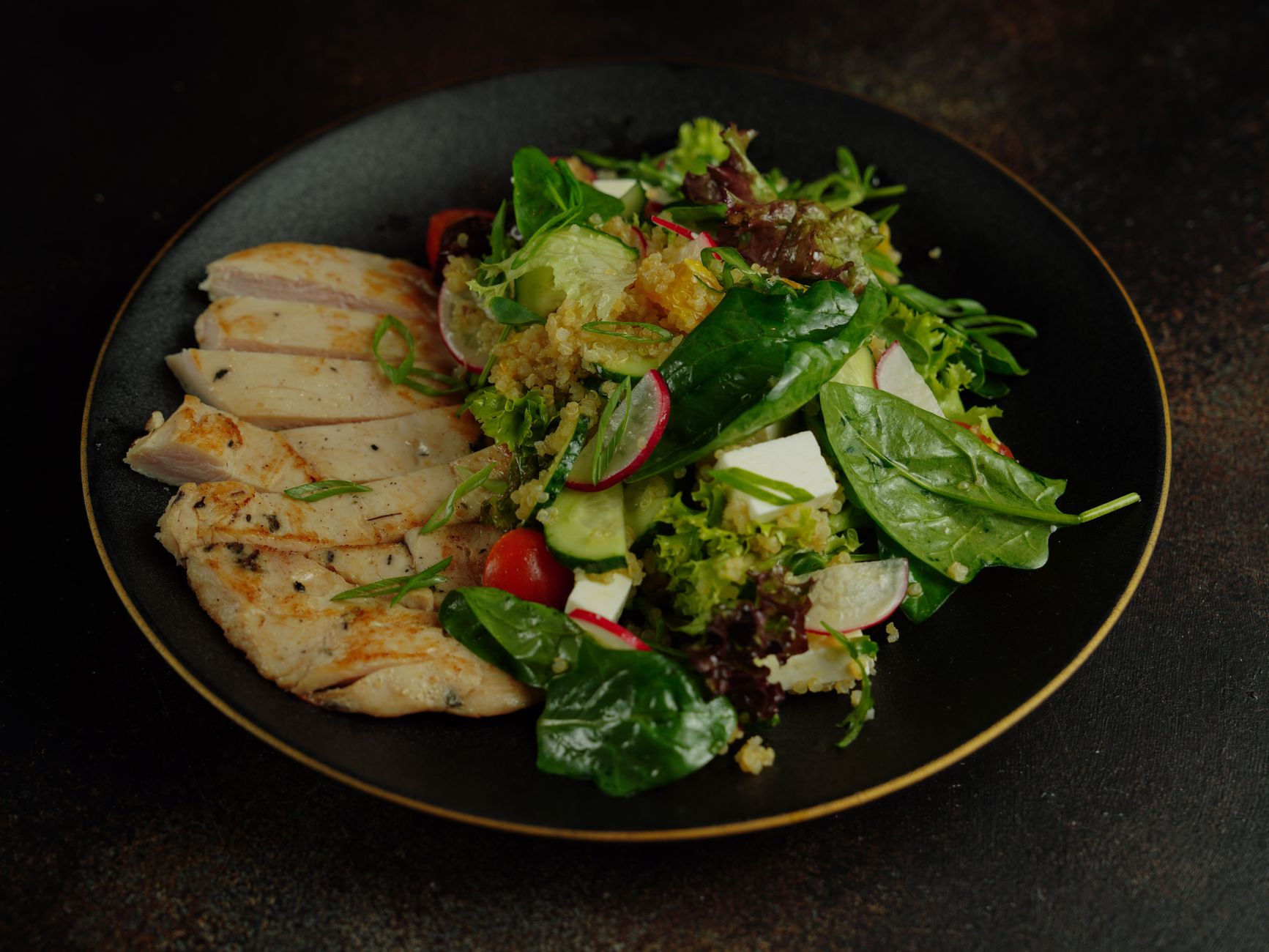
This plan keeps carbs in check while providing plenty of protein and fiber to keep you full and satisfied. If you’re managing twins or multiple pregnancies, you may need slightly larger portions (consult your provider), but the same principles apply: balance and portion control.
Best snacks for gestational diabetes that don’t cause insulin resistance or cravings
Snacks are your secret weapon for managing gestational diabetes — they help stabilize blood sugar between meals and prevent cravings. Here are some of the best options:
- Nuts and seeds: Almonds, walnuts, or pumpkin seeds (¼ cup). Pair with a piece of fruit for a balanced snack.
- Cheese and whole-grain crackers: 1 oz cheese (like cheddar or feta) + 4–5 whole-grain crackers.
- Hard-boiled eggs: 2 eggs with a sprinkle of salt and pepper. Easy to grab and go.
- Veggie sticks with dip: Carrots, cucumbers, or bell peppers with 2 tbsp hummus or guacamole.
- Cottage cheese with berries: ½ cup cottage cheese + ½ cup raspberries.
- Turkey and cheese roll-ups: 2 oz turkey + 1 slice cheese, rolled up with lettuce.
- Roasted chickpeas: ¼ cup for a crunchy, protein-packed snack.
- Avocado slices with sea salt: ½ avocado, sliced and sprinkled with sea salt.
Many women find that keeping snacks pre-portioned in the fridge or pantry helps them avoid overeating. For example, pre-portion nuts into small bags or hard-boiled eggs into containers. This way, you’re less likely to grab a handful and lose track of portions.
How to create a gestational diabetes diet meal plan that fits a busy work schedule
If you’re working full-time, meal prepping can feel overwhelming — but it’s totally doable with a little planning. The key is to batch-cook proteins and carbs on weekends and pair them with easy sides. Here’s how:
- Meal prep proteins:
- Cook a big batch of grilled chicken, turkey, or salmon. Store in the fridge for up to 4 days or freeze for later.
- Hard-boil a dozen eggs for quick snacks.
- Make a big pot of lentils or chickpeas for salads or bowls.
- Prep carbs in moderation:
- Cook quinoa or brown rice in bulk. Portion into containers (½ cup cooked per meal).
- Roast a big tray of veggies (sweet potatoes, zucchini, bell peppers) to grab and reheat.
- Keep emergency snacks handy:
- Pre-cut veggies + hummus in a container.
- Portioned nuts or seeds in small bags.
- Greek yogurt cups (unsweetened) in the fridge.
- Plan for leftovers:
- Double a favorite recipe (like a stir-fry or soup) and freeze half.
- Use meal prep containers to keep portions organized.
- Quick assembly meals:
- Pre-made salads: Toss greens with pre-cooked protein and veggies. Store dressing separately.
- Wrap kits: Tortillas + pre-cooked chicken + cheese + salsa (assemble at work).
Many women swear by slow cookers or Instant Pots for hands-off cooking. For example, throw in chicken, veggies, and broth in the morning, and dinner is ready by lunchtime. Pair it with a side salad or pre-portioned quinoa.
Does intermittent fasting work for gestational diabetes or does it worsen blood sugar control?
This is a hot topic, and the answer isn’t straightforward. While intermittent fasting (like the 16:8 method) can improve insulin sensitivity in some people, the American College of Obstetricians and Gynecologists (ACOG) advises caution during pregnancy. Here’s what research says:
- Potential benefits:
- May improve insulin sensitivity over time (if done safely).
- Can help with weight management if you’re not underweight.
- Risks:
- Can cause blood sugar drops if you skip meals, leading to dizziness or fatigue.
- May not be suitable for women with nausea or low blood pressure.
- Not recommended for women with uncontrolled gestational diabetes.
- Safer alternatives:
- Try time-restricted eating (e.g., eating within an 8-hour window) but ensure you’re still getting balanced meals.
- Focus on spreading carbs throughout the day to avoid spikes.
- If you’re active, you may tolerate fasting better — but always monitor your blood sugar.
If you’re curious about fasting, talk to your provider first. Some women find that a modified approach — like skipping breakfast but eating a balanced lunch — works well. The key is to never go more than 4–5 hours without eating to avoid low blood sugar.
Gestational diabetes diet sample day of eating for twins or multiple pregnancies
If you’re expecting twins or multiples, your calorie and nutrient needs are higher, but the gestational diabetes principles remain the same. The focus is still on balanced meals, portion control, and blood sugar stability. Here’s how to adjust:
- Increase portion sizes slightly (consult your provider for exact needs), but keep carbs in check.
- Prioritize protein and healthy fats to support fetal growth without spiking blood sugar.
- Eat more frequently — aim for 3 meals + 3–4 snacks to prevent energy crashes.
- Stay hydrated — twins or multiples increase fluid needs.
Here’s a modified sample day for twins:
Many women find that eating every 2–3 hours helps them feel more energized and prevents blood sugar dips. If you’re feeling fatigued, don’t hesitate to add an extra snack — your provider can help you adjust portions as needed.
How to transition from a regular pregnancy diet to a gestational diabetes diet without feeling deprived
Switching to a gestational diabetes diet doesn’t have to feel like a restriction — it’s more about smart swaps and mindful eating. Here’s how to ease into it without feeling deprived:
- Start with small changes:
- Swap white bread for whole-grain at breakfast.
- Add veggies to your favorite pasta dish.
- Choose water or unsweetened tea instead of soda.
- Focus on taste, not just nutrition:
- Use herbs and spices to make healthy meals flavorful (e.g., lemon, garlic, chili flakes).
- Try new recipes — you might discover a new favorite dish!
- Keep familiar foods in moderation:
- If you love pizza, order a slice with extra veggies and a side salad.
- If you crave ice cream, have a small portion of sugar-free or dark chocolate.
- Involve your support system:
- Ask your partner or friends to help with meal prep.
- Join online communities for gestational diabetes support — many women share recipes and tips!
- Celebrate progress, not perfection:
- If you have a slip-up, just reset at the next meal. One snack won’t ruin your day.
- Track how you feel — more energy, better sleep, or fewer cravings are all signs you’re on the right track.
Many women find that meal planning together makes it easier. Try a weekly grocery shop with your partner or a friend, and pick out healthy recipes you both enjoy. You might even discover new favorites!
Myth vs. Fact: Gestational Diabetes Diet
There are a lot of misconceptions about managing gestational diabetes through diet. Here’s the truth:
- Myth: You have to give up all sweets.
- Fact: You can still enjoy desserts in moderation. Focus on portion control and choose low-glycemic options like dark chocolate or berries with Greek yogurt.
- Myth: You should eat small, frequent meals to avoid spikes.
- Fact: While frequent meals can help some people, the key is balancing carbs, protein, and fiber at each meal. Some women do better with 3 meals + 2 snacks, while others prefer larger meals with fewer snacks.
- Myth: Gestational diabetes means you’ll have diabetes for life.
- Fact: About 5–10% of women with gestational diabetes develop type 2 diabetes later in life, but most can manage their blood sugar through diet and exercise. Regular follow-ups with your provider can help monitor your risk.
- Myth: You can’t eat dairy on a gestational diabetes diet.
- Fact: Dairy can fit into your diet, but opt for low-fat or fat-free options and watch portion sizes. Cheese, yogurt, and milk can be part of a balanced meal if chosen wisely.
Key Takeaways
- Focus on balanced meals with lean protein, non-starchy veggies, and complex carbs to stabilize blood sugar.
- Aim for 3 meals + 2–3 snacks per day to prevent spikes and crashes.
- Portion control is key — use visual cues or measuring tools to stay on track.
- Desserts can fit into your diet with smart swaps and portion control.
- Meal prep can save time and help you stay consistent, especially with a busy schedule.
- Monitor your blood sugar as directed by your provider and adjust your diet accordingly.
- If you’re expecting twins or multiples, increase portion sizes slightly but keep carbs in check.