

Quick take: A GERD-friendly grocery list for pregnancy should focus on low-acid, non-spicy, and low-fat foods while prioritizing nutrients like folate, calcium, and protein. Avoid tomatoes, citrus, garlic, onions, and fatty dairy — opt instead for oatmeal, bananas, lean proteins, and almond milk. Stock up on seasonal produce, batch-prep meals, and always check labels for hidden triggers like added sugar or preservatives. Learn how low-carb shopping can help with acid reflux if you're curious about alternative approaches. Bonus tip: Keep a small stash of GERD-friendly snacks like rice cakes or almond butter in your purse or car for those unexpected cravings or delays.
GERD-friendly grocery shopping list for pregnancy: Your complete 2026 guide
It was 2 AM when I realized I’d forgotten the one thing I needed most: a list. My grocery cart was overflowing with pre-cut melons and artisanal cheeses—all of which I’d later regret—while the essentials sat untouched on my kitchen counter. GERD during pregnancy had turned my favorite foods into landmines, and I was exhausted from trial and error. That’s when I remembered the rule I’d read somewhere: low-acid, low-fat, and gentle on digestion. But what does that actually look like in the grocery store?
If you’re navigating GERD during pregnancy—whether you’re dealing with sudden reflux for the first time or managing a flare-up of a chronic condition—you’re not alone. Up to 80% of pregnant women experience heartburn or acid reflux, thanks to hormonal changes that relax the valve between your stomach and esophagus [1]. The good news? With the right grocery list and meal planning, you can keep symptoms in check without sacrificing nutrition or joy in eating.
This guide is your complete 2026 playbook for GERD-friendly grocery shopping during pregnancy. We’ll break down what to buy, what to avoid, how to read labels like a pro, and even how to meal prep so you’re never caught off guard again. Think of it as your anti-heartburn grocery bible—packed with practical tips, nutrient-dense swaps, budget-friendly hacks, and even a guide to managing GERD symptoms when you’re on the go. Plus, we’ll address some of the most common questions, like whether you can safely enjoy occasional treats or how to navigate restaurant menus when out with friends.
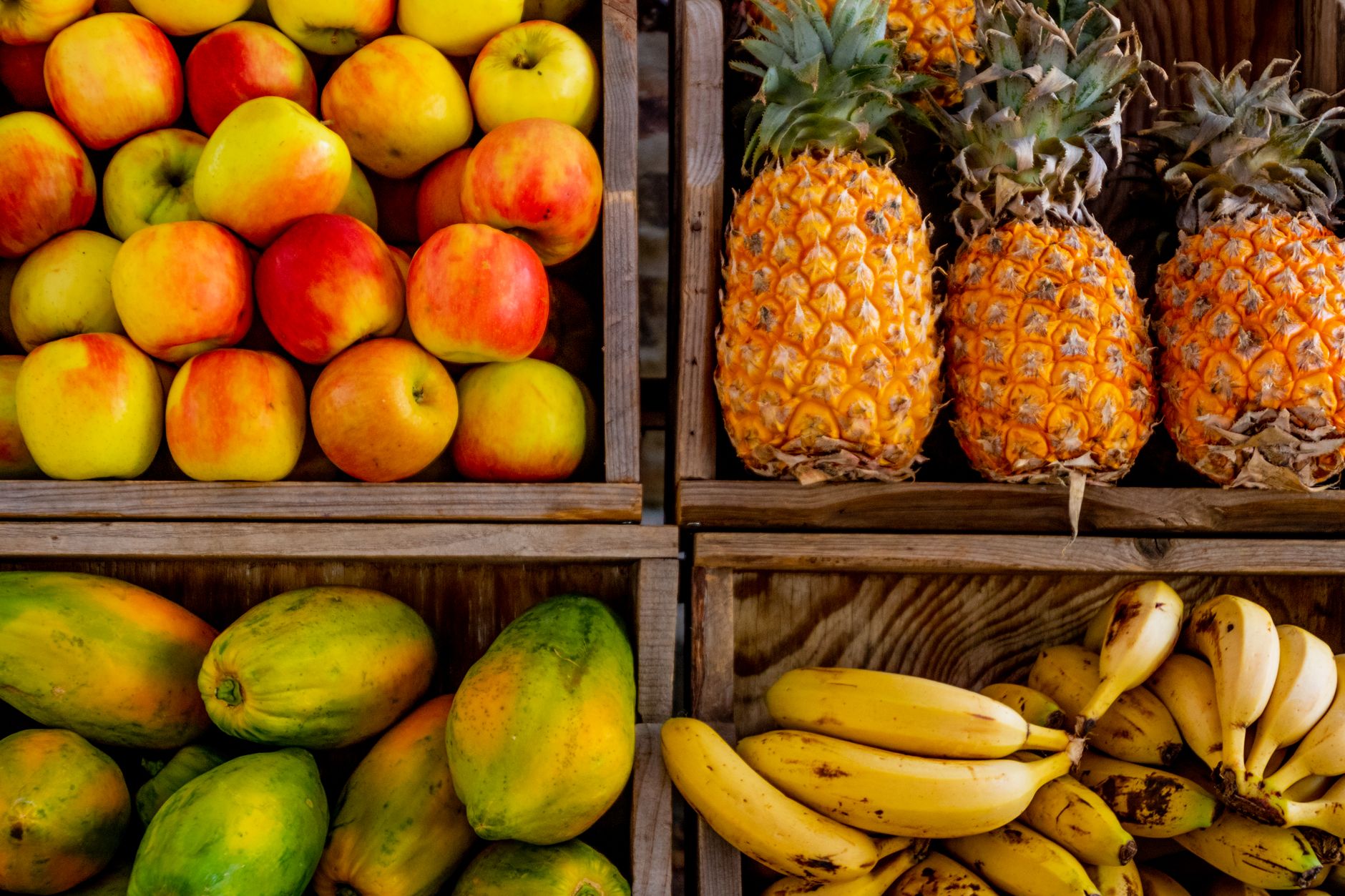
---Best low-acid fruits for GERD during pregnancy: What to stock up on
- Bananas: Naturally alkaline and easy to digest, bananas are a pregnancy GERD superstar. They’re also rich in potassium, which helps balance fluids—a bonus for morning sickness or swelling.
- Melons: Watermelon, cantaloupe, and honeydew are low-acid and hydrating. Just avoid seeds or overly ripe fruit, which can ferment and worsen reflux.
- Pears: Their soft texture and natural pectin content make pears gentle on digestion. Opt for ripe ones, which are sweeter and easier to tolerate.
- Apples: A little higher in acidity than bananas, but green apples (not red) are the safer bet. They’re also high in fiber, which supports healthy digestion.
- Peaches and plums: When ripe and soft, these fruits are low-acid and a great source of vitamin A.
What to avoid: Citrus fruits (oranges, grapefruit, lemons), pineapple, and tomatoes—even in fruit form—are high-acid triggers. If you crave tangy flavors, try a splash of low-acid fruit juice like apple or pear.
**Pro tip:** Pair fruits with a small amount of protein or healthy fat (like a handful of almonds or a tablespoon of almond butter) to slow digestion and prevent a spike in acid production.
**Nutrient focus:** These fruits provide folate (critical for preventing neural tube defects) and fiber, which supports healthy digestion. For more on folate-rich foods, check out our flexitarian diet guide.
---Top GERD-friendly proteins for a healthy pregnancy
Protein is essential for building your baby’s tissues and supporting your body’s increased demands, but not all proteins are GERD-friendly. The goal is to choose lean, low-fat options that won’t trigger acid reflux. Here’s what to prioritize:
- Skinless poultry: Chicken breast and turkey breast are low-fat and easy to digest. Opt for baked or grilled over fried.
- Lean fish: Salmon, cod, and tilapia are rich in omega-3s and low in fat. Avoid high-mercury fish like swordfish or king mackerel.
- Egg whites: If you tolerate eggs, the whites are a great protein source with minimal fat. Hard-boil them for an easy snack.
- Tofu and tempeh: Plant-based proteins that are low in fat and easy to digest. They’re also rich in iron and calcium.
- Lean cuts of beef: Sirloin or tenderloin, trimmed of fat, are better tolerated than marbled or fatty cuts.
- Legumes: Lentils, chickpeas, and black beans are high in fiber and protein. Soak them overnight to reduce gas, which can also trigger reflux.
What to avoid: Fried meats, fatty cuts of beef, processed meats (like sausages or hot dogs), and spicy seasonings (like chili powder or hot sauce). Even healthy fats like avocado or nuts can be problematic if eaten in large amounts or with high-acid foods.
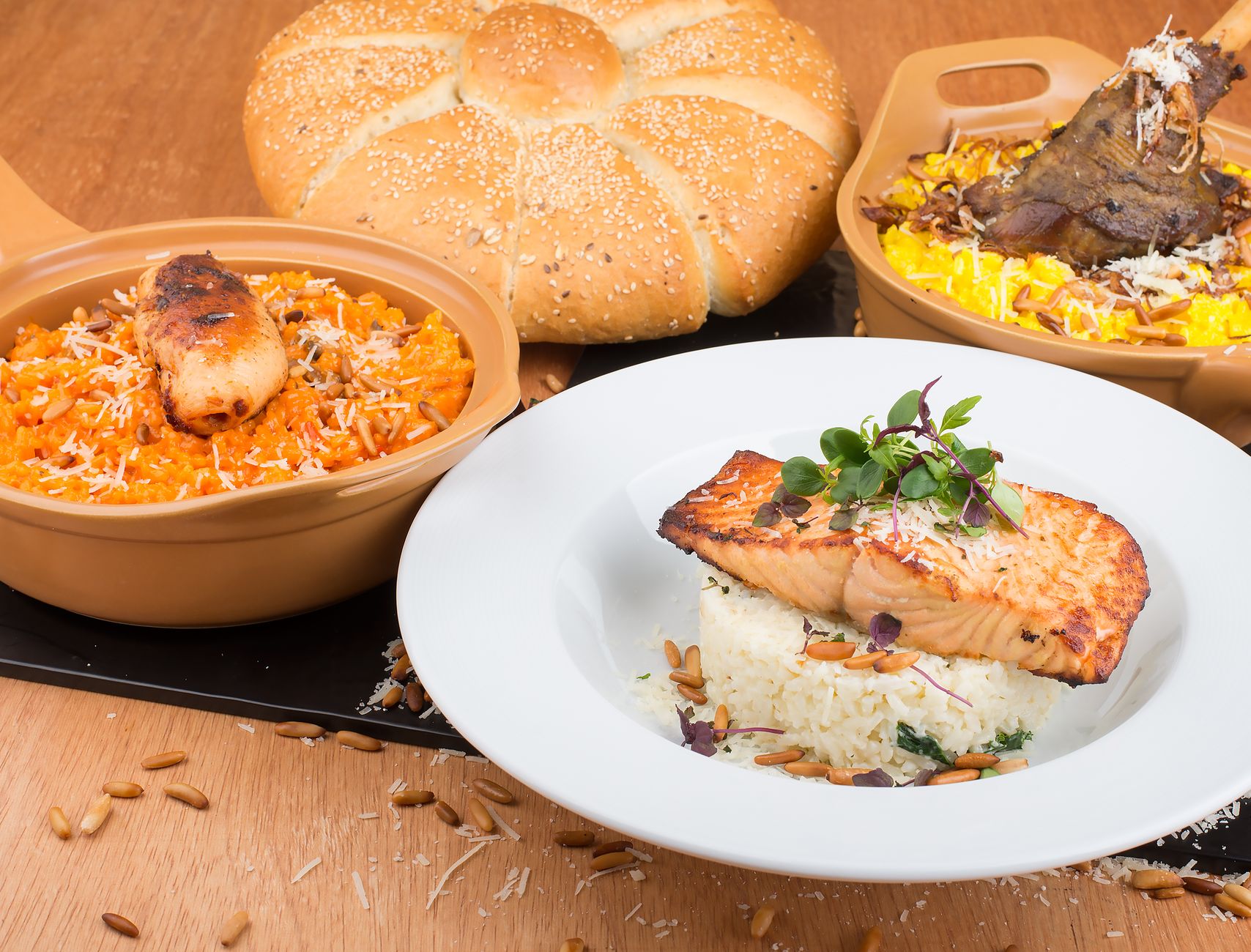
**Meal idea:** Try a gentle protein bowl with baked salmon, quinoa, and steamed zucchini. The combination of lean protein, complex carbs, and low-acid veggies is easy on digestion and nutrient-packed.
---How to read grocery labels for GERD-friendly foods
Reading labels can feel like deciphering hieroglyphics, but it’s a game-changer for managing GERD during pregnancy. Here’s what to look for—and what to avoid:
Watch for these red flags
- Added acids: Ingredients like citric acid, malic acid, or vinegar (even in small amounts) can trigger reflux. Look for them in dressings, sauces, and even some canned fruits.
- Spices: Garlic, onion, chili powder, and paprika are common triggers. Even "mild" spice blends can contain hidden garlic or onion powder.
- High-fat ingredients: Lard, coconut oil, palm kernel oil, and partially hydrogenated oils can slow digestion and worsen reflux.
- Preservatives: Artificial preservatives like sodium benzoate or sulfites can irritate the digestive tract. Opt for fresh or minimally processed foods whenever possible.
- High-sugar content: Even natural sugars can ferment in the gut, leading to bloating and reflux. Check the sugar content on yogurts, granola bars, and "healthy" snacks.
Look for these green flags
- Plain or single-ingredient foods: Oats, rice, plain yogurt (unsweetened), or fresh produce with no added ingredients.
- Low-acid canned goods: Canned fruits in their own juice (not syrup) or low-sodium vegetables.
- Lean protein labels: Look for terms like "skinless," "extra lean," or "99% fat-free."
- Alkaline water or coconut water: These can help neutralize stomach acid naturally.
- GERD-friendly certifications: Some brands label products as "low-acid" or "GERD-friendly." While not regulated, these can be a helpful starting point.
**Pro tip:** Use your phone’s camera to scan barcodes with apps like Yuka or Fooducate. These apps rate products for hidden additives and nutritional value, making it easier to spot GERD triggers.
---GERD-friendly dairy alternatives: What to buy and how to use them
Dairy can be a tricky category for GERD sufferers, but the right alternatives can provide essential nutrients like calcium and vitamin D without triggering reflux. Here’s what to look for:
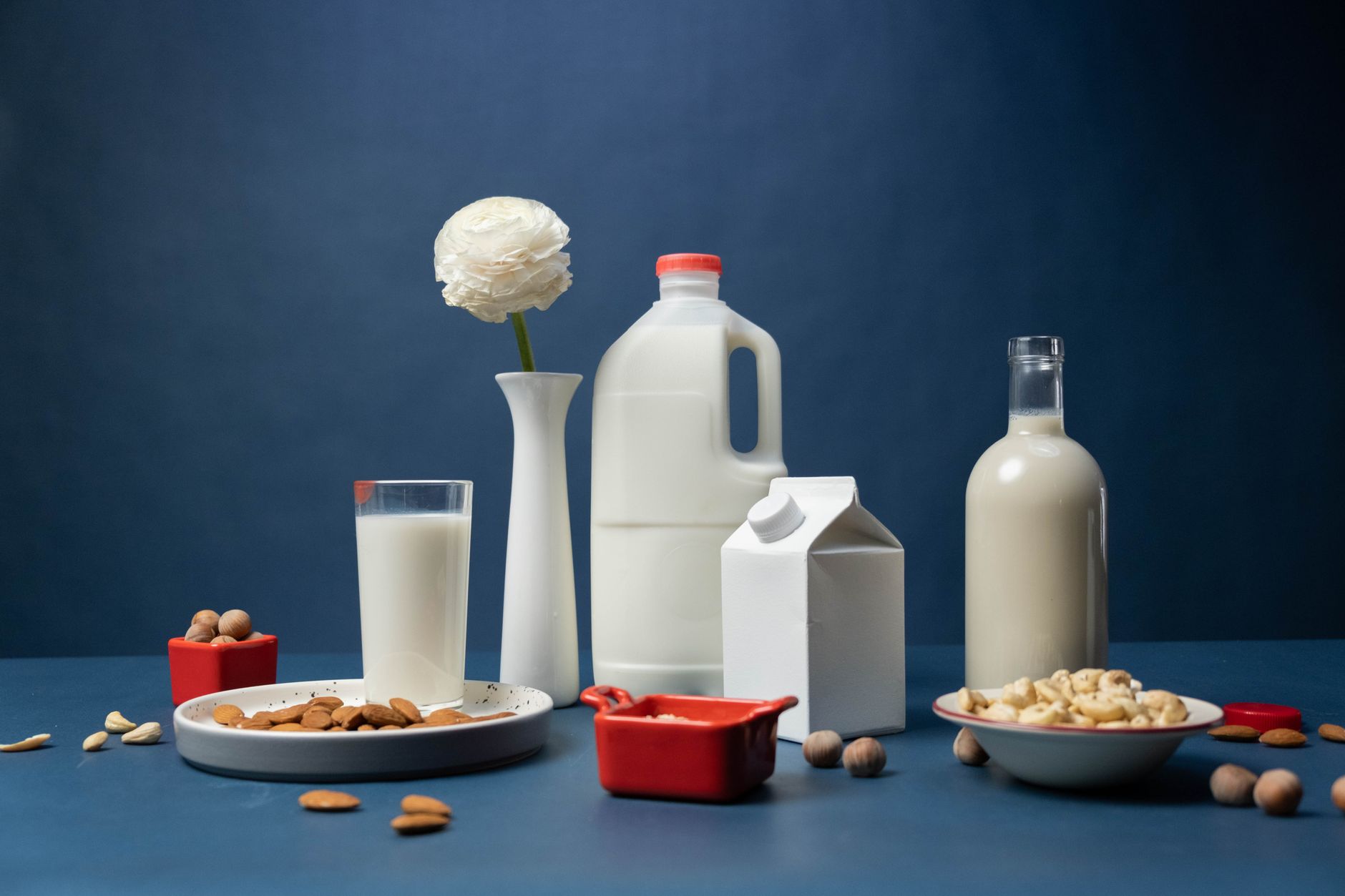
Many women with GERD find that full-fat dairy worsens symptoms because it relaxes the lower esophageal sphincter (LES), but low-fat or lactose-free options are often well-tolerated. If you’re avoiding dairy entirely, plant-based alternatives can be a great substitute. Here’s how to choose:
- Almond milk: Unsweetened and fortified with calcium and vitamin D. Choose unsweetened versions to avoid added sugars.
- Lactose-free milk: A great option if you miss the taste of dairy but need to avoid lactose. Look for brands like Lactaid or Fairlife.
- Coconut yogurt: A creamy, low-acid alternative to traditional yogurt. Check labels for added sugars.
- Oat milk: A neutral-tasting option that works well in smoothies or coffee. Opt for unsweetened varieties.
- Low-fat cheese: Some women tolerate small amounts of low-fat cheeses like mozzarella or feta. Try them in small portions to test tolerance.
How to use them: Incorporate these alternatives into smoothies, oatmeal, or as a milk substitute in recipes. For example, blend almond milk with banana and spinach for a nutrient-packed breakfast. If you’re craving something creamy, try coconut yogurt with a drizzle of honey and cinnamon.
Avoiding trigger foods while shopping for pregnancy: A visual guide
Creating a GERD-friendly grocery list is easier when you know what to avoid. Here’s a quick visual guide to help you navigate the aisles:
| Food Category | Avoid | GERD-Friendly Swap |
|---|---|---|
| Fruits | Oranges, grapefruit, lemons, pineapple, tomatoes | Bananas, melons, pears, green apples |
| Vegetables | Tomatoes, onions, garlic, spicy peppers | Zucchini, carrots, spinach, sweet potatoes |
| Proteins | Fried chicken, fatty cuts of beef, processed meats | Skinless chicken, lean fish, tofu, egg whites |
| Dairy | Full-fat milk, cheese, butter, cream | Almond milk, lactose-free milk, low-fat yogurt, coconut yogurt |
| Beverages | Coffee, soda, citrus juices, alcohol | Herbal tea, coconut water, alkaline water |
| Snacks | Chips, nuts (in large amounts), spicy seasonings | Rice cakes, plain popcorn, roasted chickpeas |
**Why this matters:** Avoiding triggers isn’t about deprivation—it’s about protecting your comfort and your baby’s health. For example, high-fat dairy can relax the lower esophageal sphincter (LES), making reflux worse, while low-fat options like almond milk or lactose-free yogurt are gentler on digestion.
**Representative story:** One reader, Sarah, shared that she used to crave spicy tacos during pregnancy. When she swapped them for grilled chicken tacos with avocado-free salsa and a side of plain rice, her reflux symptoms improved within days. "It was about finding the same flavors without the triggers," she said.
---Budget-friendly GERD-friendly grocery list for expectant moms
Managing GERD on a budget is totally doable—you just need to focus on seasonal, frozen, and store-brand staples. Here’s how to build a cost-effective GERD-friendly grocery list:
Affordable staples to stock up on
- Oats: Use for overnight oats or as a base for smoothies. They’re alkaline and high in fiber.
- Brown rice or quinoa: These complex carbs are gentle on digestion and versatile.
- Eggs: A protein powerhouse that’s cheap and easy to prepare.
- Canned tuna or salmon: Look for low-sodium options in water.
- Frozen vegetables: Just as nutritious as fresh, with no risk of spoilage.
- Plain yogurt (unsweetened): Choose store-brand options and add your own honey or fruit.
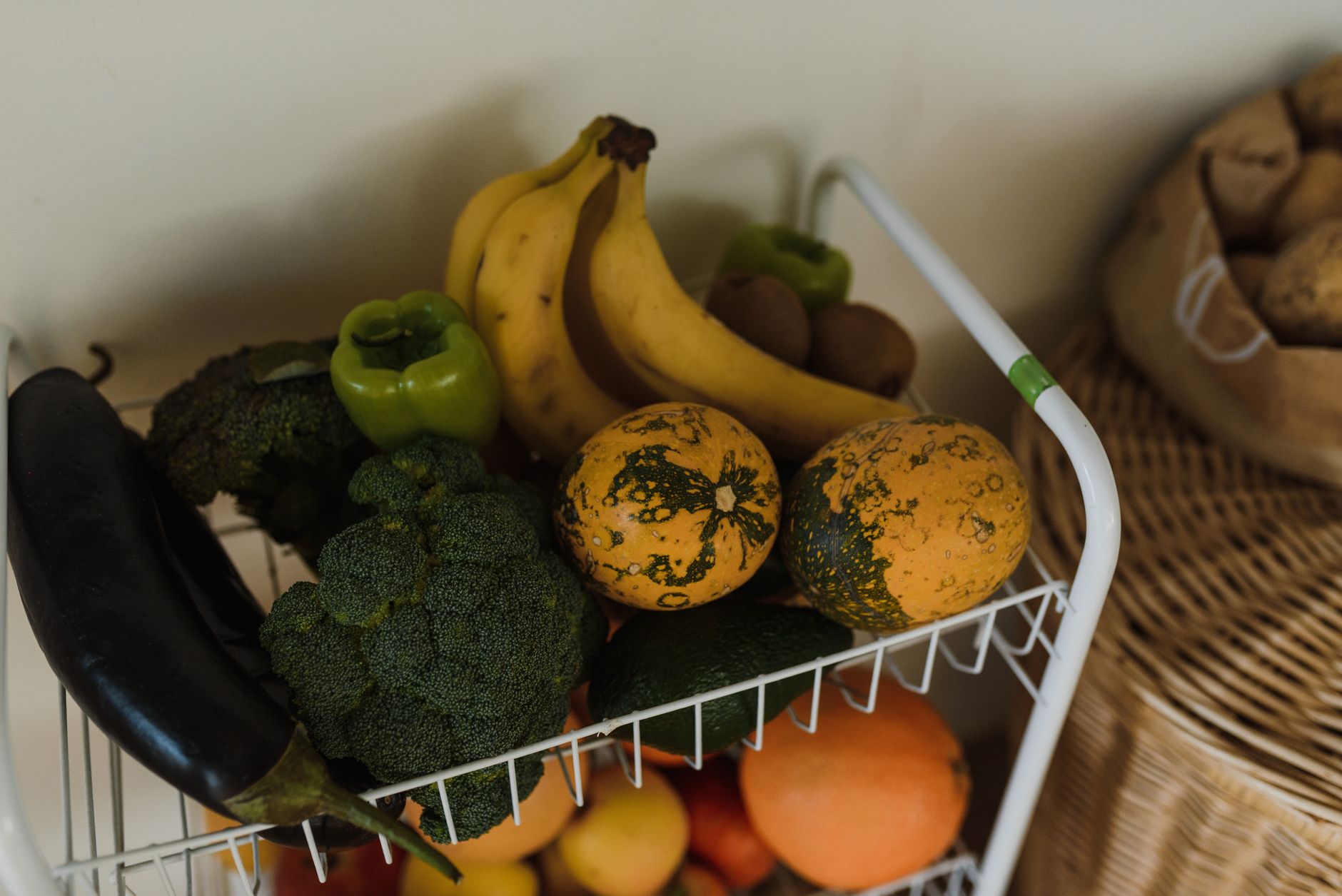
- Bananas and apples: These are among the cheapest low-acid fruits.
- Almond butter: A budget-friendly source of healthy fats and protein.
Money-saving tips
- Buy in bulk: Oats, rice, and frozen veggies are cheaper in larger quantities.
- Choose store brands: Many are just as safe and nutritious as name brands.
- Meal prep: Cook large batches of rice, quinoa, or grilled chicken to use in multiple meals.
- Avoid convenience foods: Pre-cut fruits, pre-made sauces, and frozen meals often contain hidden triggers.
- Use frozen fruits: Frozen bananas or berries (when ripe) are just as nutritious and often cheaper than fresh.
**Sample budget-friendly meal plan:
- Breakfast: Oatmeal with banana slices and almond butter.
- Lunch: Grilled chicken wrap with whole wheat tortilla, spinach, and plain yogurt dressing.
- Dinner: Baked salmon with steamed carrots and quinoa.
- Snack: Rice cakes with almond butter and a sprinkle of cinnamon.
**Nutrient focus:** This list ensures you’re getting folate (from eggs and leafy greens), iron (from lentils or spinach), and calcium (from fortified almond milk or yogurt). For more on budget-friendly nutrition, check out our Blue Zones diet guide for additional cost-saving tips.
---Seasonal grocery shopping tips for a GERD-friendly diet
Seasonal produce is fresher, cheaper, and often lower in acidity—making it a win for GERD during pregnancy. Here’s how to shop by season:
Spring
- Asparagus: Low-acid and rich in folate.
- Strawberries: While slightly acidic, they’re lower in acid than citrus fruits. Eat in moderation.
- Peas: A gentle, high-fiber veggie.
- Artichokes: Soothing for digestion.
- Rhubarb: When cooked, it’s low-acid and a great source of vitamin C.
Summer
- Watermelon: Hydrating and low-acid.
- Zucchini: Versatile and easy to digest.
- Cucumbers: Crunchy and refreshing.
- Corn: Choose fresh or frozen (avoid canned with added acids).
- Green beans: Low-acid and high in fiber.
Fall
- Squash (butternut, acorn): Low-acid and rich in vitamin A.
- Sweet potatoes: Gentle on digestion.
- Apples: Store well and are low-acid when ripe.
- Pears: Another fall favorite that’s easy to digest.
- Brussels sprouts: Cooked gently to avoid gas.
Winter
- Spinach: Packed with iron and folate.
- Carrots: Low-acid and sweet.
- Cabbage: Low-acid and high in vitamin C.
- Frozen berries: A budget-friendly way to get antioxidants.
- Root vegetables: Like beets and turnips, which are low-acid and versatile.
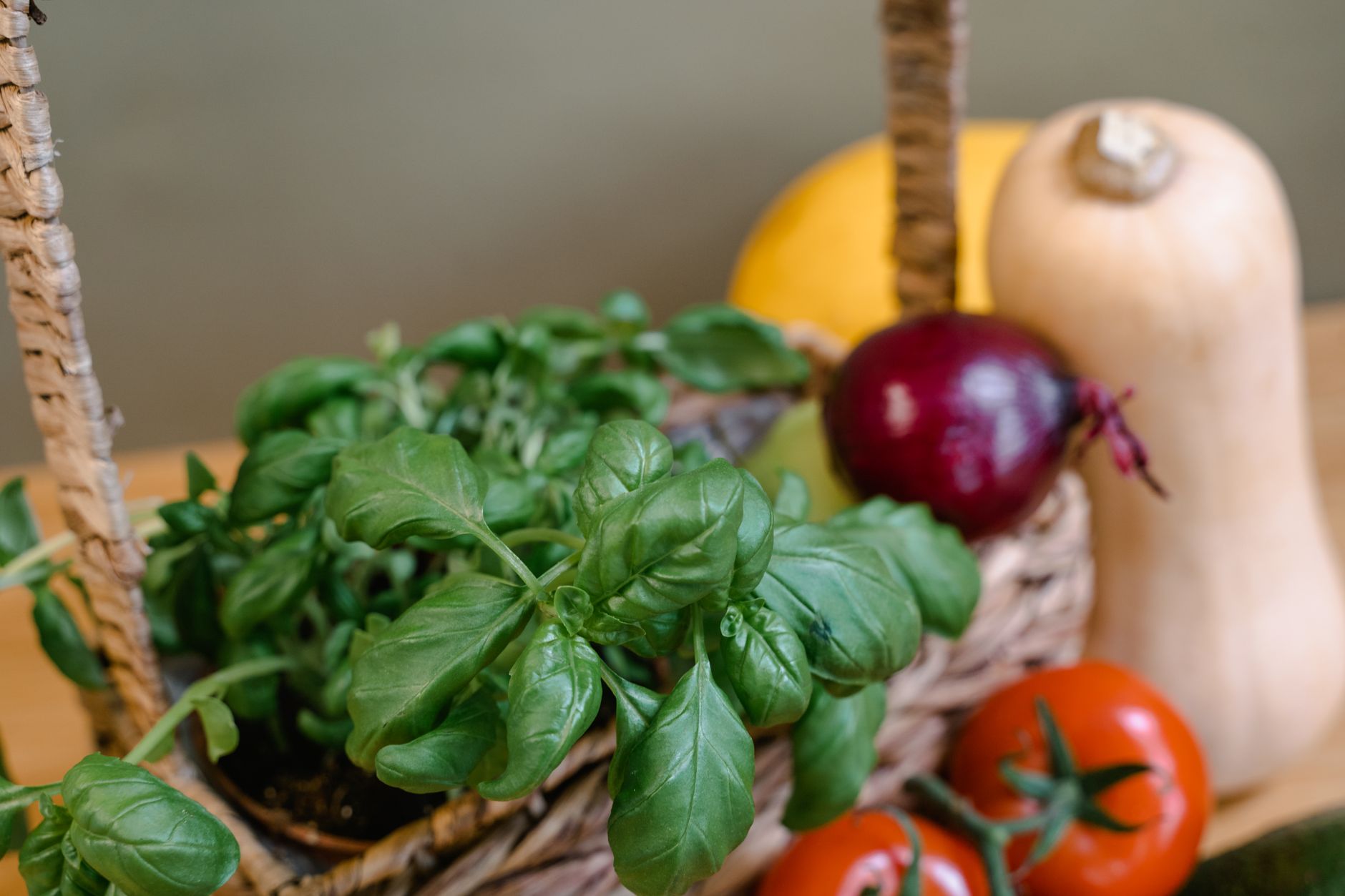
**Why seasonal matters:** Seasonal foods are picked at their peak, which means they’re more nutrient-dense and less likely to contain preservatives or additives that could trigger reflux. Plus, they’re often cheaper!
**Pro tip:** If you can’t find a seasonal GERD-friendly option, frozen is your next best friend. Just avoid anything with added salt or sugar.
---GERD-friendly snacks for pregnancy: On-the-go and emergency options
When GERD symptoms strike unexpectedly, having a stash of GERD-friendly snacks can make all the difference. Whether you're running late for a doctor’s appointment, dealing with a sudden craving, or just need a quick pick-me-up, these snacks are designed to keep your symptoms in check:
- Rice cakes: Light and easy to digest. Top with a small amount of almond butter or plain yogurt.
- Plain popcorn: Air-popped or lightly salted popcorn is a low-acid, fiber-rich snack.
- Roasted chickpeas: Crunchy and high in protein. Choose unsalted or lightly salted versions.
- Banana slices: Pair with a small handful of almonds for a balanced snack.
- Applesauce (unsweetened): A gentle, easy-to-digest option. Add a sprinkle of cinnamon for flavor.
- Hard-boiled eggs: Pre-peel and store in the fridge for a protein-packed snack.
- Crackers with hummus: Choose whole-grain crackers and low-acid hummus for a savory option.
- Coconut water: A hydrating, low-acid beverage that can help neutralize stomach acid.
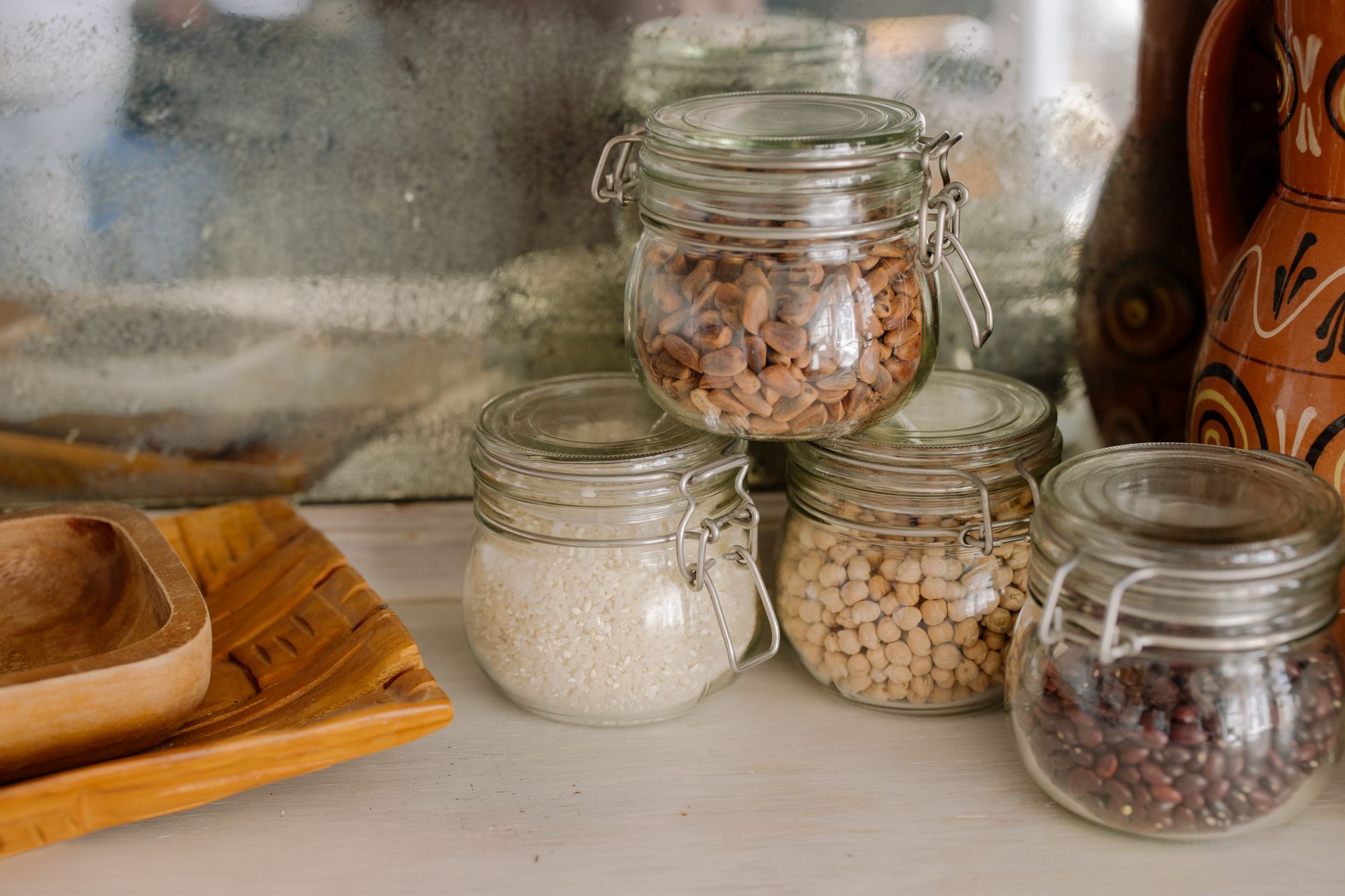
**Pro tip:** Keep a small cooler or insulated bag in your car or purse for these snacks. This way, you’re always prepared for unexpected cravings or delays.
---Meal prep ideas using GERD-friendly ingredients
Meal prepping is your secret weapon for managing GERD during pregnancy. It eliminates the stress of last-minute decisions and ensures you always have a gentle, nutrient-dense option on hand. Here are some easy ideas:
Breakfast
- Overnight oats: Mix ½ cup oats, ½ cup almond milk, 1 tbsp chia seeds, and a mashed banana. Let it sit overnight in the fridge. Top with cinnamon in the morning.
- Scrambled eggs with spinach: Whisk eggs with a handful of spinach and cook on low heat. Add a slice of whole-grain toast.
Lunch
- Quinoa salad: Cook quinoa and mix with diced zucchini, grilled chicken, and a light dressing of olive oil and lemon-free herbs.
- Tuna salad (low-acid): Mix canned tuna with plain yogurt, chopped celery, and a pinch of salt. Serve on whole-grain crackers.
Dinner
- Baked salmon with roasted veggies: Season salmon with lemon-free herbs (like dill or parsley) and roast with carrots and zucchini.
- Turkey and rice stuffing: Mix ground turkey with cooked rice, steamed spinach, and a touch of almond milk. Bake until tender.
Snacks
- Hard-boiled eggs: Peel and store in the fridge for a protein-packed snack.
- Rice cakes with almond butter: A crunchy, low-acid combo.
- Applesauce with cinnamon: Choose unsweetened and add a dash of cinnamon for flavor.
**Meal prep tips:
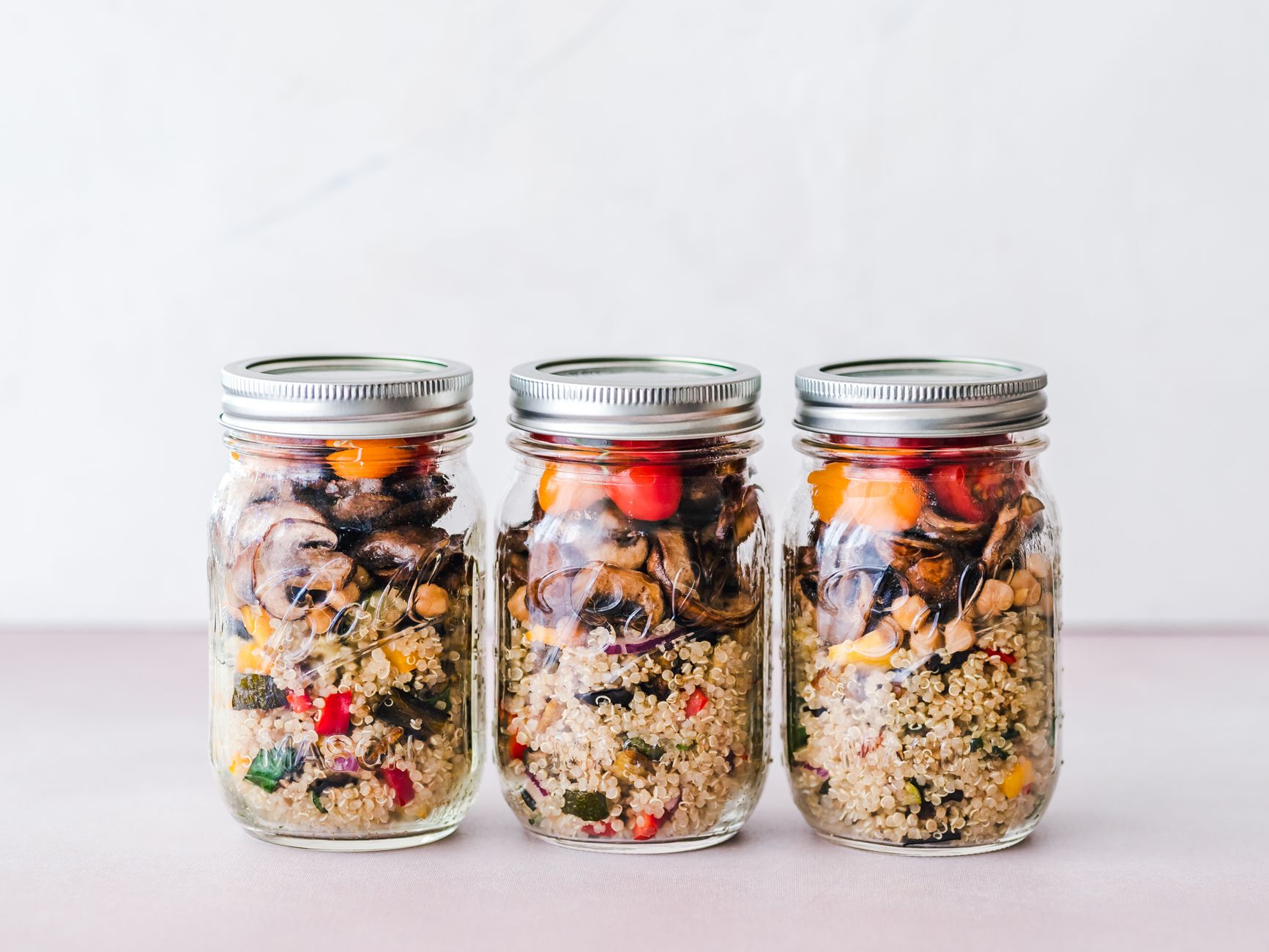
- Use airtight containers to keep meals fresh for up to 4 days.
- Label your meals with the date to avoid confusion.
- Pre-portion snacks like nuts or crackers to avoid overeating.
- Keep frozen portions of GERD-friendly meals (like soups or casseroles) for busy days.
- **Freezer-friendly GERD meals:** Try making a big batch of lentil soup or quinoa and vegetable stir-fry and freezing portions for later. These meals are nutrient-dense and easy to reheat.
Managing GERD when dining out or traveling
Navigating GERD-friendly eating isn’t just about grocery shopping—it’s also about managing symptoms when you’re out and about. Whether you’re dining out with friends or traveling for a family visit, these tips will help you stay comfortable:
**At restaurants:**
- Choose gentle options like grilled chicken, fish, or vegetable-based dishes.
- Avoid fried foods, heavy sauces, and spicy dishes.
- Opt for plain rice, quinoa, or mashed potatoes as sides.
- Ask for dressings and sauces on the side to control acidity levels.
- Skip citrus-based desserts and opt for fruit sorbet or plain pudding.
**When traveling:**
- Pack a small cooler with GERD-friendly snacks like rice cakes, almond butter, or banana slices.
- Choose hotels with room service options that offer low-acid meals.
- Avoid airplane meals, which often contain high-acid or fried foods. Opt for a low-acid snack like crackers or a small banana.
- Stay hydrated with alkaline water or coconut water.
- Bring antacids or your preferred GERD medication in your carry-on.
**Pro tip:** If you’re attending a social event where food options are limited, focus on the proteins and vegetables available. For example, if there’s a buffet, load up on grilled chicken and steamed veggies, and skip the heavy sauces and fried foods.
---Myth vs. fact: GERD-friendly eating during pregnancy
There’s a lot of misinformation out there about GERD and pregnancy. Let’s set the record straight:
Myth: "You have to avoid all dairy if you have GERD."
Fact: Many women with GERD can tolerate low-fat or lactose-free dairy. Full-fat dairy can relax the LES and worsen reflux, but options like almond milk, lactose-free milk, or low-fat yogurt are often well-tolerated. If dairy bothers you, try dairy-free alternatives like coconut yogurt or oat milk.
Myth: "Eating small, frequent meals will help GERD."
Fact: While small meals can reduce pressure on the stomach, eating too frequently can also trigger reflux. Aim for 3 balanced meals and 1–2 small snacks, but avoid eating within 2–3 hours of bedtime. If you’re hungry at night, opt for a light snack like plain crackers or a small banana.
Myth: "All citrus fruits are off-limits for GERD."
Fact: While citrus fruits like oranges and grapefruit are high-acid triggers, some women tolerate small amounts of low-acid fruits like apples or pears. It’s all about your personal tolerance. If citrus bothers you, try a splash of low-acid fruit juice or a small piece of fruit with a meal.
Myth: "GERD during pregnancy is just a nuisance—it won’t affect my baby."
Fact: While GERD itself doesn’t harm your baby, chronic reflux can lead to dehydration or poor nutrition if you’re avoiding too many foods. It’s important to stay hydrated and eat a varied diet to support both you and your baby’s health. If reflux is severe or persistent, talk to your provider about safe treatment options.
Myth: "Eating spicy food will always trigger GERD."
Fact: Spice tolerance varies widely. Some women with GERD can handle mild spices like cumin or basil without issues, while others react strongly to even small amounts. Pay attention to your body’s signals and adjust your diet accordingly.
---Key takeaways: Your GERD-friendly grocery shopping checklist
Here’s a quick recap of what to prioritize when shopping for GERD during pregnancy:
- Fruits: Bananas, melons, pears, green apples, peaches, and plums.
- Vegetables: Zucchini, carrots, spinach, sweet potatoes, asparagus, and Brussels sprouts.
- Proteins: Skinless chicken, lean fish, tofu, egg whites, and lean cuts of beef.
- Dairy: Almond milk, lactose-free milk, low-fat yogurt, and coconut yogurt.
- Grains: Oats, brown rice, quinoa, and whole-grain bread.
- Avoid: Citrus, tomatoes, garlic, onions, spicy foods, fatty meats, and high-acid fruits.
- Label-reading tip: Watch for added acids, spices, and high-fat ingredients.
- Meal prep: Cook in bulk and freeze portions for easy access.
- Seasonal shopping: Prioritize fresh, in-season produce.
- Budget hacks: Stock up on oats, eggs, frozen veggies, and store brands.
- On-the-go snacks: Keep a stash of rice cakes, almond butter, banana slices, and plain popcorn handy.
Frequently asked questions about GERD-friendly grocery shopping
What foods trigger GERD?
Common GERD triggers include high-acid foods like citrus fruits, tomatoes, and spicy foods; fatty or fried foods; garlic and onions; chocolate; caffeine; and carbonated beverages. Hormonal changes during pregnancy can make your body more sensitive to these triggers, so it’s important to identify your personal sensitivities. If you’re unsure, try keeping a food diary to track symptoms after meals.
Can I eat dairy with GERD?
Many women with GERD can tolerate low-fat or lactose-free dairy. Full-fat dairy, like whole milk or cheese, can relax the lower esophageal sphincter (LES) and worsen reflux. If you miss dairy, try alternatives like almond milk, coconut yogurt, or lactose-free options. Always check labels for added sugars or preservatives, which can also trigger symptoms.
What is a GERD-friendly diet?
A GERD-friendly diet focuses on low-acid, low-fat, and non-spicy foods while prioritizing nutrients like fiber, protein, and healthy fats. It avoids common triggers like citrus, tomatoes, garlic, onions, and fatty meats. The goal is to reduce stomach acid production and keep the LES valve strong. For more on dietary approaches, our flexitarian diet guide offers additional insights into gentle eating habits.
How to manage GERD during pregnancy?
Managing GERD during pregnancy involves a mix of dietary changes, lifestyle adjustments, and—if needed—medical guidance. Start by avoiding triggers, eating smaller meals, and staying upright after eating. Wear loose-fitting clothes to avoid pressure on your stomach, and sleep with your head elevated. If symptoms persist, talk to your provider about safe over-the-counter options or prescription treatments. Never take medication without consulting your doctor first.
What are the best low-acid fruits?
The best low-acid fruits for GERD include bananas, melons (


