of the trickiest parts of going dairy-free is uncovering the "hidden" dairy that lurks in many processed and packaged foods. It's not always obvious, and sometimes ingredients that sound innocuous can actually be dairy-derived. This is where your detective skills come in handy! Knowing what to look for can save you from accidental dairy consumption.
Unexpected Places Dairy Hides
Dairy isn't just in obvious places like milk, cheese, and yogurt. It's a common additive for flavor, texture, and as a binder in a surprising number of products.
- Baked Goods: Many breads, crackers, cookies, cakes, muffins, and pastries contain milk, butter, whey, or casein. Even some "crusty" breads can have milk washes or dairy ingredients.
- Snack Foods: Chips (especially "cheese" or "sour cream and onion" flavors), crackers, granola bars, and even some pretzels can contain dairy.
- Processed Meats: Hot dogs, sausages, deli meats, and pre-marinated chicken often use dairy as a binder or for flavor.
- Sauces, Dressings, and Marinades: Creamy salad dressings (ranch, blue cheese), certain BBQ sauces, some tomato sauces (especially those labeled "creamy"), and pre-made marinades can contain milk, cream, or cheese.
- Soups: Many canned or boxed soups, particularly cream-based ones like cream of mushroom or clam chowder, are obvious dairy culprits. But even some vegetable or chicken broths might contain dairy products for richness.
- Margarine and Butter Spreads: While many margarines are dairy-free, some contain whey or other milk solids. Always check the label.
- Chocolate and Candies: Most milk chocolate contains milk solids. Dark chocolate can be dairy-free, but check for cross-contamination warnings if you have a severe allergy. Many candies, especially caramel or creamy varieties, also contain dairy.
- Seasoning Blends: Some spice mixes, especially those for "ranch" or "cheese" flavors, contain dairy.
- Breakfast Cereals: A surprising number of cereals contain milk powder or whey.
- Medications and Supplements: Some pills, capsules, or powders use lactose as a filler. If this is a concern, discuss it with your pharmacist or doctor.
Common Hidden Dairy Ingredients to Watch Out For
Food manufacturers use various terms for dairy on ingredient lists. Familiarizing yourself with these will make label reading much faster and more effective. The Food Allergy Research & Education (FARE) organization recommends looking for these terms (among others) if you're avoiding milk.
Key dairy ingredients to look for on labels:
- Butter, butter fat, butter oil, butter acid, butter solids
- Casein, caseinates (e.g., sodium caseinate, calcium caseinate)
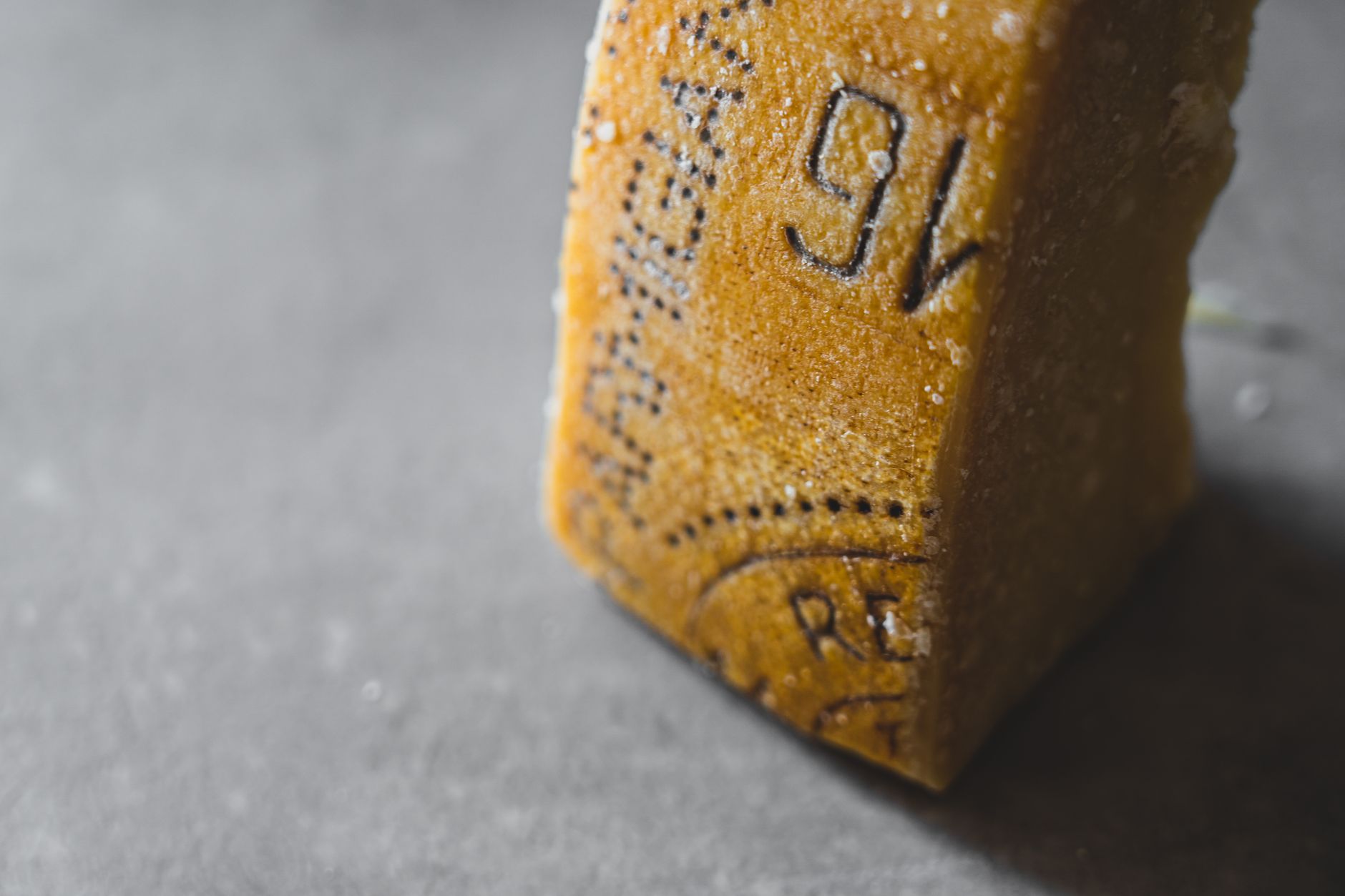
- Cheese, cheese culture, cheese flavor
- Cream
- Curds
- Ghee (clarified butter, still contains milk proteins)
- Lactalbumin, lactalbumin phosphate
- Lactoferrin
- Lactose
- Lactulose
- Milk (e.g., whole milk, skim milk, buttermilk, milk powder, milk protein, condensed milk, evaporated milk, dry milk solids)
- Nougat
- Pudding
- Rennet casein
- Sour cream, sour cream solids
- Whey (e.g., whey protein, whey powder, whey concentrate, delactosed whey)
- Yogurt, yogurt powder
Sometimes, manufacturers will use "non-dairy" on a label, but this can be misleading. According to the FDA, "non-dairy" doesn't necessarily mean free of all milk proteins. For instance, non-dairy creamers often contain sodium caseinate, a milk protein. If you have a severe dairy allergy, always look for "dairy-free" or "vegan" certifications, and carefully scrutinize the ingredient list for any of the terms above.
Best Dairy-Free Alternatives for Milk, Cheese, and Yogurt at the Grocery Store
One of the biggest adjustments when going dairy-free is finding satisfying substitutes for staples like milk, cheese, and yogurt. The good news is that the market for dairy-free alternatives has exploded in recent years, offering a fantastic array of options for every taste and culinary need. When you create your dairy-free grocery shopping list, these alternatives will be key.
Dairy-Free Milks: A World of Choices
Plant-based milks are versatile and can be used in everything from coffee and cereal to baking and cooking. Each type has a unique flavor profile and texture.
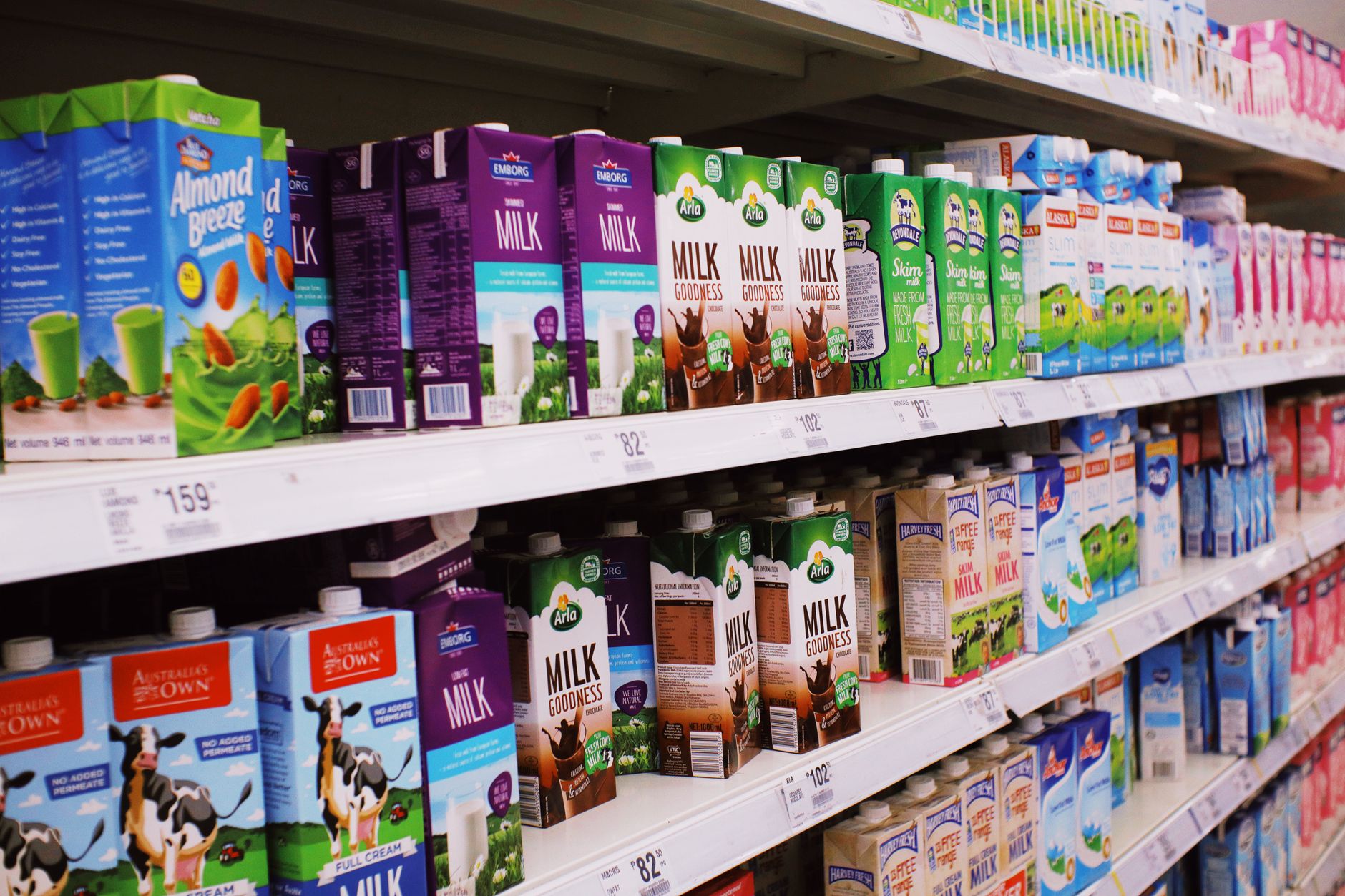
Tip: Always opt for unsweetened varieties to avoid added sugars, and check for fortification with calcium and Vitamin D, as these are important nutrients often found in dairy. The American Academy of Pediatrics recommends fortified plant milks for children over 12 months (except rice milk due to arsenic concerns and lower nutrient density), but always consult with a pediatrician or registered dietitian.
Dairy-Free Cheeses: Melting and Slicing
Dairy-free cheeses have come a long way. You can find shreds, slices, blocks, and cream cheese alternatives made from nuts (cashew, almond), coconut oil, or soy.
- Shreds: Great for pizzas, tacos, casseroles. Brands like Violife, Daiya, Miyoko's Kitchen, and Follow Your Heart offer cheddar, mozzarella, and other blends.
- Slices: Perfect for sandwiches, burgers, or grilled "cheese."
- Blocks/Spreads: Cashew-based cheeses offer a richer, more artisanal flavor for cheese boards or spreading on crackers. Dairy-free cream cheese (often almond or soy-based) is excellent for bagels or recipes.
- Parmesan Alternatives: Nutritional yeast is a popular choice for a cheesy flavor, or you can find grated vegan parmesan made from nuts or starches.
Consideration: Dairy-free cheeses can vary greatly in melt-ability and flavor. Experiment with a few brands to find your favorites. Many are made primarily from coconut oil or starches, so they may not offer the same protein content as dairy cheese.
Dairy-Free Yogurts: Creamy and Tangy
Similar to milks, dairy-free yogurts are available in a range of bases, each with its own texture and nutritional profile.
- Coconut Yogurt: Very creamy, rich, with a subtle coconut flavor. Often higher in fat, lower in protein.
- Almond Yogurt: Milder flavor, good for smoothies or with granola.
- Soy Yogurt: Often higher in protein, with a classic yogurt-like tang and texture.
- Oat Yogurt: Becoming more popular, offering a smooth texture and often good for those with nut allergies.
- Cashew Yogurt: Rich and creamy, often used for dessert-style yogurts.
Tip: Look for unsweetened, plain varieties to control sugar intake. Many dairy-free yogurts are also fortified with probiotics, which can support gut health. Check the label for calcium and Vitamin D fortification.
Other Dairy-Free Staples and Substitutes
- Butter Alternatives: Look for plant-based butter sticks or spreads made from olive oil, avocado oil, or coconut oil. Brands like Miyoko's Kitchen (cashew-based), Earth Balance, and Country Crock Plant Butter are popular. These work well for baking, cooking, and spreading.
- Sour Cream Alternatives: Often made from cultured cashews or soy, these can be used in recipes or as a topping.
- Ice Cream: An abundance of dairy-free ice creams are available, made from almond, coconut, oat, soy, or cashew bases.
By incorporating these fantastic dairy-free alternatives into your dairy-free diet grocery shopping list, you won't feel deprived and can continue to enjoy your favorite meals and treats with a plant-based twist.
Mastering the art of label reading is perhaps the most crucial skill for anyone embarking on a dairy-free diet. It empowers you to confidently identify safe products and avoid hidden dairy. It might seem daunting at first, but with a little practice, it will become second nature.
Understanding the "Contains" Statement
In the United States, the Food Allergen Labeling and Consumer Protection Act of 2004 (FALCPA) mandates that food labels clearly identify the presence of major food allergens, including milk. This means that if a product contains milk, it must be declared in one of two ways:
- Immediately after the ingredient list, in a "Contains" statement (e.g., "Contains: Milk, Soy").
- Within the ingredient list itself, by placing the common name of the allergen in parentheses following the ingredient (e.g., "whey (milk)").
This "Contains" statement is your first and fastest check. If you see "Contains: Milk," you know to put it back. However, always remember that this statement only covers the eight major allergens. It doesn't guarantee the absence of other dairy derivatives that might not be explicitly listed as "milk" but are still milk-based (e.g., caseinates, lactalbumin, etc., if not explicitly identified as "milk"). Therefore, a full ingredient list scan is still essential, especially for severe allergies or sensitivities.
Scanning the Ingredient List: A Step-by-Step Approach
1. Start with the "Contains" Statement: Quickly check for "Contains: Milk." If it's there, move on.
2. Look for Obvious Dairy: Scan the ingredient list for common dairy terms like milk, cream, cheese, butter, yogurt.
3. Hunt for Hidden Dairy: Now, look for the less obvious terms we listed earlier (whey, casein, lactose, lactalbumin, etc.). Be diligent.
4. "May Contain" or "Processed in a Facility": These advisory statements (e.g., "May contain milk," "Manufactured in a facility that also processes milk") indicate potential cross-contamination during manufacturing. For those with severe allergies, these products should generally be avoided. For those with intolerance or preference, it's a personal decision based on your sensitivity level. The FDA does not regulate these statements, so their reliability can vary.
Navigating Certifications and Labels
- "Dairy-Free" Label: This is generally the clearest indicator that a product does not contain dairy ingredients. However, it's not a legally defined term like "organic" or "gluten-free" in all regions, so a quick scan of the ingredient list for hidden dairy is still a good practice.
- "Vegan" Label: Products certified vegan are by definition dairy-free, as veganism excludes all animal products, including dairy. This is usually a very reliable indicator.
- "Lactose-Free" vs. "Dairy-Free": This is a critical distinction. Lactose-free products (like lactose-free milk or yogurt) still contain milk proteins (casein and whey), which are the allergens for many. Lactose-free products are suitable for those with lactose intolerance (difficulty digesting lactose sugar), but NOT for those with a milk allergy or sensitivity to milk proteins. If you're avoiding all dairy, "lactose-free" is generally not sufficient.
By making label reading a routine part of your dairy-free diet grocery shopping list, you'll gain confidence and make healthier choices effortlessly. It gets faster with practice!
Transitioning to a dairy-free lifestyle is much smoother when you approach grocery shopping and meal planning strategically. It's about setting yourself up for success, reducing stress, and ensuring you always have delicious, compliant options on hand.
The most effective way to shop dairy-free is with a well-thought-out list.
- Meal Plan First: Before you even think about the store, plan your meals for the week. This helps you identify exactly what ingredients you'll need, preventing impulse buys and wasted food.
- Categorize Your List: Organize your shopping list by grocery store sections (produce, pantry, frozen, dairy-free alternatives, etc.). This makes your trip more efficient, saving time and reducing the chances of forgetting items.
- Batch Cooking: Consider cooking larger batches of dairy-free staples like grains (quinoa, brown rice), roasted vegetables, or lentil soup at the beginning of the week. This provides quick components for meals and reduces cooking time on busy days.
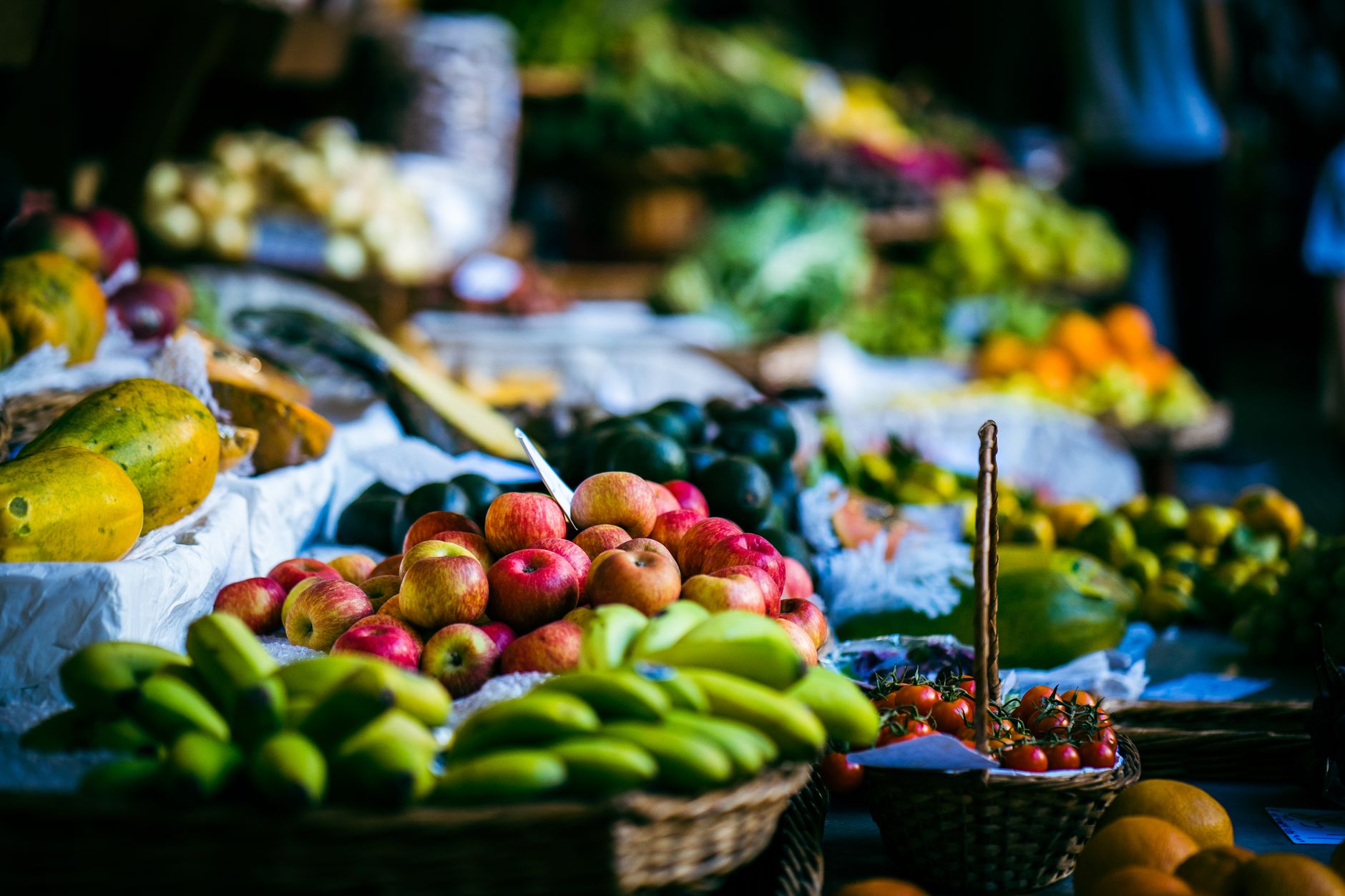
- Shop the Perimeter: The outer aisles of the grocery store typically hold the freshest, least processed foods: fruits, vegetables, lean meats, seafood, and the dairy-free alternatives section. These are naturally your safest bets.
- Explore New Brands: Don't be afraid to try different brands of dairy-free alternatives. As mentioned, they vary widely in taste and texture, and you might discover new favorites.
- Read Labels Every Time: Even if you've bought a product before, ingredients can change without warning. A quick scan of the "Contains" statement and key ingredients is always wise.
- Utilize Online Resources: Many grocery stores offer online shopping or curbside pickup, which can be a fantastic way to filter for "dairy-free" products and pre-read labels from home.
Nutritional Considerations for a Dairy-Free Diet
Dairy products are a significant source of calcium and Vitamin D in many diets. When you remove dairy, it's important to ensure you're getting these vital nutrients from other sources.
- Calcium:
- Fortified Plant Milks and Yogurts: Look for varieties fortified with calcium (aim for similar amounts as cow's milk, around 300mg per serving).
- Leafy Green Vegetables: Kale, collard greens, spinach, broccoli are good sources.
- Fortified Orange Juice: Some brands offer calcium-fortified juice.
- Beans and Legumes: White beans, chickpeas, and edamame contain calcium.
- Tofu: Especially calcium-set tofu.
- Fish: Canned salmon and sardines (with bones) are excellent sources.
- Vitamin D:
- Fortified Plant Milks: Many dairy-free milks are fortified with Vitamin D.
- Fatty Fish: Salmon, mackerel, tuna.
- Sunlight Exposure: Our bodies produce Vitamin D when exposed to sunlight, but this can be seasonal or dependent on skin type.
- Supplements: Given the challenges of obtaining enough Vitamin D from diet alone, many healthcare providers recommend a Vitamin D supplement, especially for women. Discuss this with your doctor.
- Other Nutrients: Ensure a varied diet to get enough protein (from legumes, nuts, seeds, meat, fish), B vitamins, and other minerals. A well-planned dairy-free diet can be incredibly nutrient-rich.
By being mindful of these nutritional needs and strategically planning your dairy-free diet grocery shopping list, you can maintain a balanced and healthy diet without dairy.
Is a Dairy-Free Diet Safe and Healthy for Pregnant or Breastfeeding Moms?
For pregnant or breastfeeding mothers, dietary choices carry extra weight, as they impact both mom and baby. The good news is that a dairy-free diet can be perfectly safe and healthy during these crucial stages, provided it's well-planned and nutritionally adequate. Many women choose to go dairy-free during pregnancy to manage symptoms like morning sickness or heartburn, or during breastfeeding if their baby shows signs of a dairy protein intolerance or allergy (like colic, reflux, or skin issues).
Nutritional Considerations During Pregnancy and Breastfeeding
The primary concern when eliminating dairy during pregnancy or lactation is ensuring adequate intake of key nutrients, particularly calcium, Vitamin D, and protein. These are vital for fetal development, bone health for both mom and baby, and overall maternal well-being.
- Calcium: The recommended daily intake for calcium during pregnancy and breastfeeding is 1,000-1,300 mg (depending on age). If dairy is removed, these needs must be met through other sources. Focus on calcium-fortified plant milks (almond, oat, soy), calcium-set tofu, dark leafy greens (kale, collards), fortified orange juice, and canned fish with bones (like sardines or salmon).
- Vitamin D: Essential for calcium absorption and bone health. Many fortified plant milks contain Vitamin D. Fatty fish (salmon, tuna), eggs, and mushrooms exposed to UV light are also sources. Given that dietary sources alone may not be sufficient, a Vitamin D supplement (often included in prenatal vitamins) is frequently recommended.
- Protein: Dairy provides significant protein. Ensure you're replacing it with other high-protein foods like lean meats, poultry, fish, eggs, legumes (beans, lentils), nuts, seeds, tofu, and tempeh.
The American Academy of Nutrition and Dietetics states that well-planned vegetarian and vegan diets, which are inherently dairy-free, are appropriate for all stages of the life cycle, including pregnancy and lactation. The key phrase here is "well-planned."
When to Consult Your Healthcare Provider
If you are pregnant or breastfeeding and considering a dairy-free diet, it is highly recommended to consult with your OB/GYN, midwife, or a registered dietitian. They can:
- Assess your current diet and nutritional needs.
- Help you create a balanced dairy-free meal plan.
- Recommend appropriate supplements (calcium, Vitamin D, or a comprehensive prenatal vitamin) to ensure you meet all your nutrient requirements for yourself and your baby.
- Provide guidance if you suspect your baby has a dairy intolerance or allergy.
Self-diagnosing and eliminating major food groups without professional guidance can lead to nutritional deficiencies. A healthcare professional can provide personalized advice and peace of mind.
Many women find a dairy-free diet beneficial during these times, especially if it alleviates uncomfortable symptoms for themselves or their baby. With careful planning and professional support, a dairy-free diet can be a healthy choice throughout pregnancy and lactation.
Budget-Friendly Dairy-Free Grocery List Ideas for Families
Eating dairy-free doesn't have to break the bank, even for families. While some specialty dairy-free alternatives can be pricey, focusing on naturally dairy-free whole foods and smart shopping strategies can make a dairy-free diet very affordable. The key is to prioritize staples and make the most of sales and bulk purchases.
Build Your List Around Affordable Staples
Many of the most budget-friendly foods are naturally dairy-free and highly nutritious.
- Legumes: Dried beans (black beans, kidney beans, pinto beans, chickpeas) and lentils are incredibly cheap, packed with protein and fiber, and versatile. Buy them in bulk and cook large batches. Canned beans are convenient but slightly more expensive; rinse well to reduce sodium.
- Grains: Rice (brown, white), oats (rolled oats for breakfast or baking), pasta (check labels for dairy), and corn tortillas are inexpensive staples.
- Seasonal Produce: Buy fruits and vegetables that are in season, as they are often cheaper and at their peak flavor. Frozen fruits and vegetables are also excellent, often more affordable, and just as nutritious as fresh, especially when out of season.
- Root Vegetables: Potatoes, sweet potatoes, carrots, and onions are cheap, filling, and store well.
- Eggs: A very affordable and versatile protein source.
- Inexpensive Proteins: Chicken thighs, ground turkey, or pork shoulder can be more budget-friendly than breast meat or beef steaks. Look for sales.
- Plan Meals Around Sales: Check weekly flyers from your local grocery stores and plan your dairy-free meals around what's on sale. If chicken is discounted, plan a few chicken-based meals.
- Buy in Bulk: For non-perishable items like dried beans, rice, oats, and certain nuts/seeds, buying larger quantities from bulk bins or warehouse clubs can significantly reduce costs.
- Cook from Scratch: Processed foods, even dairy-free ones, tend to be more expensive. Making your own sauces, dressings, and baked goods from scratch is almost always cheaper and healthier.
- DIY Dairy-Free Milks: If you have a good blender, making your own almond or oat milk can be more cost-effective than buying cartons, especially if you consume a lot.
- Limit Specialty Alternatives: While dairy-free cheeses and yogurts are fantastic, they can add up quickly. Use them judiciously or save them for special occasions, relying more on naturally dairy-free foods for everyday meals.
Sample Budget-Friendly Dairy-Free Grocery List for a Family
- Produce: Apples, bananas, oranges, carrots, broccoli (fresh or frozen), spinach (fresh or frozen), potatoes, sweet potatoes, onions, garlic.
- Pantry: Dried black beans, lentils, brown rice, rolled oats, whole wheat pasta (check label), canned diced tomatoes, tomato paste, olive oil, vegetable broth, peanut butter, flour, baking soda/powder.
- Proteins: Eggs, chicken thighs, ground turkey, canned tuna.
- Dairy-Free Alternatives (chosen strategically): Unsweetened fortified oat milk (for drinking/cereal), a block of dairy-free butter alternative.
- Snacks: Popcorn kernels (for air-popped), apples, bananas, carrots and hummus (check hummus label for dairy, though most is dairy-free).
By focusing on these strategies, your dairy-free diet grocery shopping list for your family can be both nutritious and economical. It's about being mindful and creative in the kitchen!
Easy Dairy-Free Meal Prep Ideas from Your Grocery Haul
Meal prepping is a game-changer for maintaining a dairy-free diet, especially when life gets busy. It saves time, reduces stress, and ensures you always have healthy, compliant meals ready to go. With a well-stocked dairy-free grocery haul, you can easily whip up components that come together for delicious meals throughout the week.
Breakfast Prep
- Overnight Oats: Combine rolled oats with unsweetened dairy-free milk (oat or almond work great), chia seeds, and your favorite dairy-free toppings (berries, banana slices, a drizzle of maple syrup, a spoonful of nut butter). Store in individual jars in the fridge.
- Breakfast Burrito Bowls: Cook a batch of scrambled eggs or tofu scramble with your favorite vegetables (onions, peppers, spinach). Cook some black beans and brown rice. Portion into containers. In the morning, reheat and add salsa and avocado.
- Baked Oatmeal Cups: Mix oats, dairy-free milk, mashed banana, and spices, then bake in muffin tins. These are perfect for grab-and-go breakfasts.
Lunch & Dinner Prep
- Sheet Pan Meals: Roast a large batch of chopped vegetables (broccoli, bell peppers, sweet potatoes, zucchini) with chicken or tofu, seasoned with herbs and olive oil. Store in containers. Reheat and serve with a side of pre-cooked quinoa or rice.
- Lentil or Bean Salads: Cook a big pot of lentils or chickpeas. Once cooled, mix with chopped cucumbers, tomatoes, red onion, fresh herbs, and a lemon-tahini dressing. This makes a hearty, portable salad that keeps well.
- Chicken or Tofu Stir-Fry Kits: Chop all your stir-fry vegetables (carrots, snap peas, mushrooms, bok choy) and marinate chicken or tofu in a dairy-free stir-fry sauce. Store components separately. When ready to eat, simply stir-fry quickly and serve over pre-cooked rice.
- Soup or Chili: A large pot of dairy-free lentil soup, black bean chili, or vegetable soup is perfect for meal prep. It's often even better the next day and can be portioned into individual servings for easy lunches or dinners.
Snack Prep
- Chopped Veggies with Dairy-Free Dip: Prepare carrot sticks, celery, bell pepper strips, and cucumber slices. Make a batch of homemade hummus (check label if buying pre-made) or a cashew-based dip.
- Trail Mix: Combine your favorite nuts, seeds, and dried fruits for a quick, energizing dairy-free snack.
- Hard-Boiled Eggs: Cook a dozen eggs at the start of the week for a quick protein boost.
Tips for Successful Dairy-Free Meal Prepping
- Invest in Good Containers: Airtight containers are essential for keeping food fresh and preventing leaks.
- Cool Foods Completely: Always allow cooked food to cool completely before portioning and refrigerating to prevent bacterial growth.
- Vary Your Meals: To avoid boredom, try to have 2-3 different meal options prepped for the week, or at least vary your sides and seasonings.
- Utilize Your Freezer: Many prepped meals (soups, stews, cooked grains) freeze beautifully, extending their shelf life and giving you even more options.
By incorporating these meal prep ideas into your routine, you'll find that maintaining a dairy-free diet becomes much easier and more enjoyable, ensuring you always have delicious, wholesome food at your fingertips.
Myth vs. Fact: Dairy-Free Diet
Myth: A dairy-free diet is automatically healthier and leads to weight loss.
Fact: While removing dairy can be beneficial for those with allergies, intolerances, or certain health conditions, a dairy-free diet isn't inherently healthier or a guaranteed weight-loss solution. Many dairy-free processed foods (like cookies, ice cream, or highly processed dairy-free cheeses) can be high in sugar, unhealthy fats, and calories. A healthy dairy-free diet focuses on whole, unprocessed foods and careful label reading, not just swapping dairy for any "dairy-free" alternative.
Myth: You can't get enough calcium or Vitamin D on a dairy-free diet without supplements.
Fact: It is absolutely possible to meet your calcium and Vitamin D needs on a dairy-free diet through food alone, though it requires conscious planning. Many plant-based foods are rich in calcium (dark leafy greens, fortified plant milks, calcium-set tofu, beans) and Vitamin D (fortified foods, fatty fish). However, for many, especially those with limited sun exposure or specific health needs (like pregnant women), a supplement is a practical and safe way to ensure adequate intake. Always discuss supplementation with your healthcare provider.
Myth: "Lactose-free" means a product is dairy-free and safe for milk allergies.
Fact: This is a common and important misconception. "Lactose-free" means the lactose sugar has been removed or broken down, making it suitable for individuals with lactose intolerance. However, lactose-free products still contain milk proteins (casein and whey), which are the actual allergens for those with a milk allergy. If you have a milk allergy or are avoiding all dairy proteins, lactose-free products are NOT safe. Always look for "dairy-free" or "vegan" labels and carefully check ingredient lists for milk proteins.
Key Takeaways
- Focus on Whole Foods First: Build your dairy-free diet grocery shopping list around naturally dairy-free items like fruits, vegetables, lean proteins, grains, nuts, and seeds.
- Become a Label Detective: Learn to identify common and hidden dairy ingredients (whey, casein, lactose, milk solids) on food labels. "Contains: Milk" is your fastest check.
- Distinguish "Lactose-Free" from "Dairy-Free": Lactose-free products still contain milk proteins and are not suitable for milk allergies.
- Embrace Dairy-Free Alternatives: Explore the wide range of plant-based milks, cheeses, yogurts, and butters available, choosing unsweetened and fortified options when possible.
- Prioritize Nutrient Intake: Ensure adequate calcium and Vitamin D from fortified foods or supplements, especially if pregnant or breastfeeding.
- Plan and Prep for Success: Meal planning and batch cooking can make a dairy-free lifestyle manageable and enjoyable, even on a budget.
Frequently Asked Questions
What can I buy at the grocery store that is dairy-free?
You can buy a vast array of naturally dairy-free foods, including all fresh fruits and vegetables, most unprocessed meats, poultry, fish, eggs, legumes (beans, lentils), nuts, seeds, and many whole grains like rice, oats, and quinoa. Additionally, the dairy-free aisle offers plant-based milks, yogurts, cheeses, and butters made from soy, almond, oat, or coconut.
What foods are naturally dairy-free?
Naturally dairy-free foods include all fresh fruits and vegetables, unprocessed meats (chicken, beef, pork, lamb), fish and seafood, eggs, legumes (beans, lentils, chickpeas), nuts and seeds, and most whole grains (rice, quinoa, oats). Healthy fats like olive oil, avocado, and nut butters (check for added dairy) are also naturally dairy-free.
What are some good dairy-free alternatives?
Excellent dairy-free alternatives include plant-based milks (almond, oat, soy, coconut, cashew) for drinking, cereal, and cooking. For cheese, look for shreds, slices, and blocks made from nuts or coconut oil. Dairy-free yogurts come in coconut, almond, soy, or oat bases. Plant-based butter alternatives are also widely available for baking and spreading.
Is a dairy-free diet healthy during pregnancy?
Yes, a dairy-free diet can be healthy and safe during pregnancy, provided it is well-planned and nutritionally adequate. It's crucial to ensure sufficient intake of calcium, Vitamin D, and protein from non-dairy sources like fortified plant milks, leafy greens, legumes, and lean proteins. Consulting with an OB/GYN or registered dietitian is highly recommended to ensure all nutritional needs are met for both mother and baby.
What are the hidden names for dairy?
Hidden dairy ingredients on food labels include whey, casein, lactose, lactalbumin, milk solids, milk protein, butterfat, ghee, and sodium caseinate. Even items like "non-dairy" creamers can contain milk proteins. Always read the full ingredient list carefully and look for a "Contains: Milk" statement, or opt for products explicitly labeled "dairy-free" or "vegan" for safety.
How do I start a dairy-free diet?
Start by focusing on naturally dairy-free whole foods. Gradually swap out dairy staples for alternatives you enjoy, such as plant-based milks and yogurts. Learn to read food labels diligently to identify hidden dairy. Meal planning and prepping can help you stay on track. Consider consulting a registered dietitian to ensure your diet is nutritionally balanced and sustainable.
When to See a Doctor or Specialist
While a dairy-free diet can be a healthy choice for many, it's always wise to consult with a healthcare professional, especially if you're making significant dietary changes due to health concerns, or if you are pregnant or breastfeeding.
You should see your doctor, an allergist, or a registered dietitian if:
- You suspect you or your child has a dairy allergy or intolerance, particularly if experiencing severe symptoms like hives, swelling, difficulty breathing, or severe digestive distress. An allergist can perform tests to confirm.
- You are experiencing persistent nutritional deficiencies or concerns about getting enough calcium, Vitamin D, or other vital nutrients on a dairy-free diet. A registered dietitian can help you create a balanced meal plan.
- You are pregnant or breastfeeding and are considering going dairy-free, to ensure you meet all your nutritional needs for yourself and your baby.
- You have any underlying health conditions that might be impacted by dietary changes.
- You've been dairy-free for a while and are still experiencing unexplained symptoms.
This article is for informational purposes only and is not a substitute for professional medical advice, diagnosis, or treatment. Always seek the advice of your physician or other qualified health provider with any questions you may have regarding a medical condition.
References
- Food Allergy Research & Education (FARE). Milk Allergy.
- U.S. Food and Drug Administration (FDA). Food Allergen Labeling and Consumer Protection Act of 2004 (FALCPA).
- U.S. Food and Drug Administration (FDA). What the "Non-Dairy" Claim Means.
- American Academy of Pediatrics. Soy Protein-Based Formulas: Recommendations on Their Use.
- Academy of Nutrition and Dietetics. Position of the Academy of Nutrition and Dietetics: Vegetarian Diets.
- National Institutes of Health (NIH) Office of Dietary Supplements. Calcium Fact Sheet for Health Professionals.
- National Institutes of Health (NIH) Office of Dietary Supplements. Vitamin D Fact Sheet for Health Professionals.