

Quick take: A GERD-friendly diet for pregnancy focuses on low-acid, low-fat, and easily digestible foods to reduce heartburn while supporting your baby’s needs. Stick to lean proteins, whole grains, non-citrus fruits, and healthy fats like olive oil, while avoiding spicy foods, caffeine, and large meals. Small, frequent snacks can help manage symptoms, and pregnancy-safe remedies like ginger tea or aloe vera juice may provide relief. Always check with your provider before making major dietary changes.
A GERD-friendly diet food list for beginners: The complete 2026 guide
Imagine it’s 2 AM, your belly is tight with that familiar burn, and you’re scrolling through your phone, desperate for an answer: *What can I actually eat without triggering another wave of acid reflux?* You’re not alone. GERD (gastroesophageal reflux disease) during pregnancy is a common struggle—especially when you’re already navigating morning sickness, food aversions, and the constant question of *what’s safe for my baby*. The good news? A few simple swaps can make a world of difference. We’ve put together a no-nonsense, science-backed food list to help you soothe your symptoms while keeping your baby’s needs front and center.
Many women tell us they feel overwhelmed by conflicting advice—some sources say citrus is off-limits, others claim dairy is the culprit, and then there’s the endless debate over spicy foods. The truth? It’s personal. Your GERD triggers might differ from your best friend’s, and what works for one pregnant woman might not work for another. This guide is your roadmap: a clear breakdown of what to eat, what to avoid, and how to build meals that actually work for your body—without the guesswork.
By the end of this article, you’ll have:
- A foolproof 1-day meal plan for busy moms-to-be with no cooking experience.
- 10 pregnancy-safe GERD snacks ranked by heartburn relief.
- A comparison table of foods to avoid and their acid reflux triggers.
- Quick fixes for nighttime GERD without medication.
- Ginger-infused smoothie recipes to soothe your throat.
Let’s start with the basics: what you can actually enjoy without that burning sensation creeping up your chest.
 ---
What are the best foods to eat when you have GERD during pregnancy—and how do they help?
1. Lean Proteins
Opt for skinless poultry, fish (like salmon or cod), tofu, or egg whites. These are low-fat and easy to digest, which means less pressure on your stomach. Lean proteins also help stabilize blood sugar, preventing energy crashes that might lead to overeating later.
2. Whole Grains
Swap white bread for whole-grain options like oatmeal, quinoa, or brown rice. These foods are high in fiber, which can help absorb excess stomach acid and keep things moving smoothly. A bowl of oatmeal in the morning can be a game-changer—just skip the sugary toppings.
3. Non-Citrus Fruits
Bananas, melons, pears, and apples (peeled) are your go-to fruits. They’re low in acid and packed with potassium, which can help balance electrolytes—especially important if you’re dealing with nausea or dehydration. Pro tip: Freeze grapes for a quick, soothing snack.
4. Healthy Fats
Instead of butter or margarine, reach for olive oil, avocado, or nuts (like almonds or walnuts). These fats are slower to digest, which can help keep your stomach fuller longer and reduce the likelihood of acid reflux. Just avoid frying foods—those can trigger symptoms.
5. Low-Acid Vegetables
Steamed or roasted carrots, zucchini, spinach, and green beans are gentle on your stomach. They’re also rich in vitamins like A and C, which support your immune system and your baby’s development. If you’re craving crunch, try cucumber slices or celery sticks.
6. Ginger and Aloe Vera
These aren’t just foods—they’re superheroes for GERD. Ginger has anti-inflammatory properties that can soothe your stomach lining, while aloe vera juice (in moderation) can reduce irritation. Sip ginger tea after meals or blend aloe vera into a smoothie for a calming effect.
Why do these foods work? It’s all about reducing acidity and easing digestion. High-fiber foods like oats and whole grains absorb excess acid, while lean proteins and healthy fats keep your stomach from overproducing acid. And non-citrus fruits? They’re like a gentle hug for your esophagus.
If you’re wondering how to fit these into meals, stay tuned—we’ll break down a simple 1-day plan next.
---How to create a simple 1-day GERD-friendly meal plan for pregnant women with no cooking experience
Cooking when you’re exhausted, nauseous, or battling heartburn can feel like an impossible task. But you don’t need to be a chef to eat well—just follow these simple, no-fuss ideas. This meal plan is designed for minimal prep, maximum relief, and zero stress.
Breakfast: Banana-Oat Smoothie
Blend 1 banana, ½ cup oats, 1 cup almond milk, and ½ teaspoon cinnamon. Add a handful of spinach for extra nutrients—you won’t even taste it! This smoothie is packed with fiber and healthy fats to keep you full and your acid levels stable.
Snack: Cucumber and Almonds
Slice a cucumber into rounds and pair it with ¼ cup sliced almonds. This combo is refreshing, crunchy, and easy to grab on the go. The almonds provide healthy fats, while the cucumber hydrates you without adding acid.
Lunch: Grilled Chicken and Quinoa Bowl
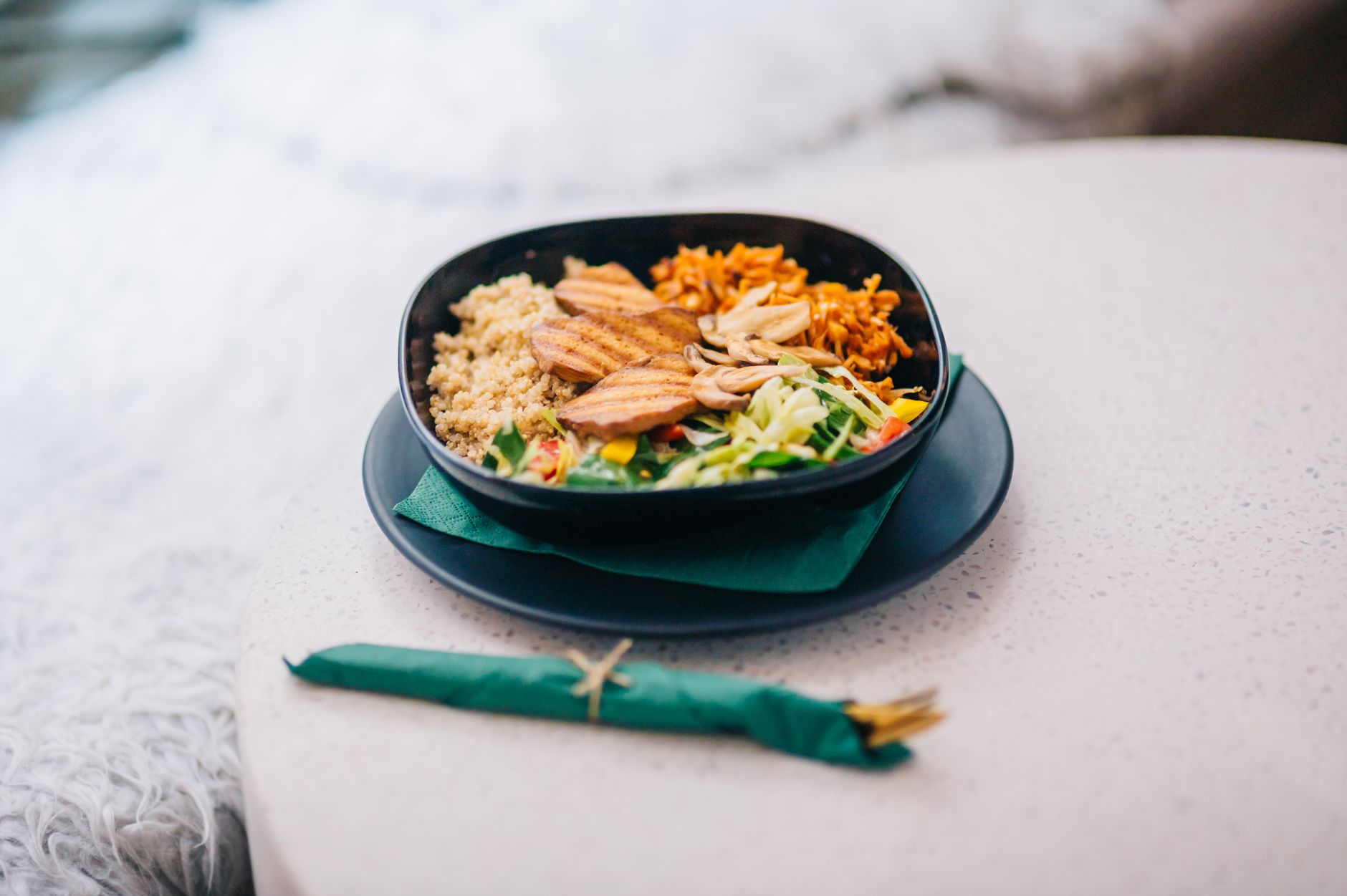
Pre-cook some chicken breast (or buy pre-grilled) and serve it over quinoa with steamed carrots and a drizzle of olive oil. Skip the heavy sauces—just season with salt and pepper. This meal is balanced, protein-rich, and gentle on your stomach.
Snack: Melon and Herbal Tea
Enjoy a cup of cantaloupe or honeydew melon with a cup of chamomile or peppermint tea. These fruits are low in acid, and the tea can help relax your digestive tract. Avoid citrus teas—they can worsen reflux.
Dinner: Baked Salmon with Mashed Potatoes
Bake salmon fillets (skinless) with a sprinkle of lemon zest (not juice) and serve with mashed potatoes made with olive oil and a pinch of salt. Skip the butter—it can slow digestion. Salmon is rich in omega-3s, which support both your heart and your baby’s brain development.
Before Bed: Ginger Tea and Toast
Sip a cup of ginger tea (steep fresh ginger in hot water) and enjoy a slice of whole-grain toast with almond butter. This light snack helps keep your stomach settled overnight and prevents nighttime reflux.
Pro tip: Eat smaller portions more frequently—this helps prevent your stomach from becoming overfull, which can push acid up your esophagus. And always wait at least 2–3 hours after eating before lying down.
Need more inspiration? Check out our DASH diet food list for more easy, heart-healthy meal ideas that also work well for GERD.
 ---
Are there any GERD-friendly snacks that are also safe for pregnancy—and what are the top 10?
Snacks are your lifeline when GERD symptoms strike. The key is to choose foods that are low in acid, easy to digest, and packed with nutrients. Here’s our top 10 list of pregnancy-safe, GERD-friendly snacks:
| Snack | Why It Works | How to Enjoy |
|---|---|---|
| Bananas | Low in acid, high in potassium, and easy to digest. | Eat plain or blend into a smoothie. |
| Almonds (unsalted) | Healthy fats help stabilize stomach acid. | Portion into small bags for easy grabbing. |
| Cucumber slices | Hydrating and neutral in acidity. | Pair with hummus (if tolerated) or eat alone. |
| Melon (cantaloupe or honeydew) | Low-acid fruit with high water content. | Slice and eat fresh or freeze for a cool treat. |
| Oatmeal (plain or with cinnamon) | Fiber absorbs excess stomach acid. | Prep overnight for a quick breakfast or snack. |
| Ginger tea | Soothes nausea and reduces inflammation. | Steep fresh ginger in hot water and sip slowly. |
| Avocado (ripe) | Healthy fats help keep acid levels balanced. | Spread on whole-grain toast or eat with crackers. |
| Pears (peeled) | Low in acid and rich in fiber. | Enjoy fresh or add to a salad. |
| Whole-grain crackers | Easy to digest and help settle the stomach. | Pair with almond butter for extra protein. |
| Aloe vera juice (diluted) | Reduces irritation in the esophagus. | Mix with water or herbal tea—follow label instructions. |
Many women we talk to find that keeping snacks like these on hand helps them avoid reaching for trigger foods when heartburn strikes. If you’re craving something sweet, try a small square of dark chocolate (70% or higher)—it’s less likely to trigger reflux than milk chocolate.
For more snack ideas, explore our AIP diet food list, which also focuses on anti-inflammatory, easy-to-digest options.
---How does a GERD-friendly diet differ from a regular pregnancy diet—and what should you avoid?
Pregnancy diets are all about nourishing you and your baby, but GERD adds another layer of complexity. While a regular pregnancy diet might include a wide variety of foods, a GERD-friendly diet focuses on reducing acidity and easing digestion. Here’s how they differ—and what you should steer clear of:
Key Differences
| Regular Pregnancy Diet | GERD-Friendly Pregnancy Diet |
|---|---|
| Includes citrus fruits (oranges, lemons) | Avoids citrus fruits—high acidity can trigger reflux. |
| Encourages dairy (milk, cheese) | Limits dairy—some women find it worsens symptoms. |
| Includes spicy foods | Avoids spicy foods—can relax the LES and increase acid. |
| Encourages large meals | Focuses on small, frequent meals—prevents overfilling the stomach. |
| Includes caffeine (coffee, tea) | Avoids caffeine—relaxes the LES and increases acid production. |
| Encourages fried foods | Avoids fried foods—slow to digest and can worsen reflux. |
What to Avoid
Foods that commonly trigger GERD during pregnancy include:
- Citrus fruits and juices (oranges, lemons, grapefruit).
- Tomatoes and tomato-based sauces (like ketchup or marinara).
- Spicy foods (chili peppers, hot sauce, curry).
- Chocolate (especially milk chocolate).
- Caffeinated beverages (coffee, black tea, energy drinks).
- Fatty or fried foods (fast food, fried chicken, greasy burgers).
- Mint (can relax the LES).
- Alcohol (avoid entirely during pregnancy).
- Carbonated drinks (soda, sparkling water).
If you’re wondering why some of these foods are off-limits, it’s because they either increase stomach acid, relax the LES, or slow digestion. For example, caffeine relaxes the LES, allowing stomach acid to creep up into your esophagus. Spicy foods can irritate the lining of your esophagus, making reflux feel even worse.
If you’re craving something you know is a trigger, try to satisfy the craving with a GERD-friendly alternative. For example, if you love citrus, opt for melon instead. If you crave chocolate, reach for a small square of dark chocolate.
---What are the signs that my GERD symptoms are worsening during pregnancy—and when to see a doctor?
GERD symptoms can fluctuate during pregnancy, especially as your uterus grows and puts pressure on your stomach. While occasional heartburn is normal, certain signs mean your symptoms are worsening—and it’s time to check in with your provider. Here’s what to watch for:
Signs Your GERD Is Getting Worse
- Frequent heartburn (more than twice a week).
- Difficulty swallowing (feeling like food is sticking in your throat).
- Chest pain or pressure (especially if it radiates to your arm or jaw—this could be a sign of something more serious like acid reflux-related esophagitis).
- Persistent nausea or vomiting (beyond typical morning sickness).
- Weight loss or difficulty eating (due to pain or discomfort).
- Blood in your stool or vomit (this is a medical emergency).
- Shortness of breath or wheezing (could indicate aspiration of stomach acid).
When to See Your Doctor
If you’re experiencing any of the above symptoms, especially chest pain, difficulty swallowing, or blood in your stool, contact your healthcare provider immediately. While GERD is common during pregnancy, these red flags could signal something more serious, like:
- Esophagitis (inflammation of the esophagus).
- Gastroparesis (delayed stomach emptying).
- A hiatal hernia (where part of your stomach pushes into your chest).
Your provider might recommend:
- Over-the-counter antacids (like Tums or Maalox) or H2 blockers (like famotidine).
- Prescription-strength PPIs (like omeprazole) if needed.
- Lifestyle adjustments, like sleeping propped up or avoiding meals 2–3 hours before bedtime.
If you’re unsure whether your symptoms are pregnancy-related or something else, your provider can help rule out other conditions. Many women find that their GERD improves after delivery, but it’s always best to get personalized advice.
For more on managing digestive issues during pregnancy, check out our diabetic diet guide, which also covers foods that support gut health.
---Can I still enjoy coffee or tea with milk while pregnant if I have GERD—and what are the alternatives?
Coffee and tea are some of the most beloved (and belovedly avoided) beverages during pregnancy—especially when GERD is in the mix. The short answer? It depends. While some women tolerate small amounts of coffee or tea without issues, others find that caffeine and dairy trigger their reflux. Here’s what you need to know:
Coffee: The GERD Trigger?
Coffee is a double whammy for GERD:
- Caffeine relaxes the LES, allowing stomach acid to creep up into your esophagus.
- Acidity in coffee can irritate the lining of your stomach and esophagus.
If you love coffee, try these alternatives:
- Decaf coffee (lower in caffeine but still has some acidity—opt for a low-acid roast).
- Chicory root coffee (a caffeine-free alternative that’s gentler on the stomach).
- Golden milk (turmeric latte) (anti-inflammatory and caffeine-free).
- Dandelion root tea (bitter but soothing for digestion).
Tea with Milk: The Dairy Dilemma
Milk can be a tricky one. While some women find it soothes their reflux (thanks to its high fat content, which coats the esophagus), others find it worsens symptoms. If you’re sensitive to dairy, try:
- Herbal teas (chamomile, peppermint, ginger) (avoid citrus or mint if they trigger reflux).
- Almond or oat milk lattes (lower in acid than cow’s milk).
- Coconut water (hydrating and naturally alkaline).
If you’re craving something warm and comforting, try a cup of ginger tea with a splash of almond milk. The ginger soothes your stomach, while the almond milk provides a creamy texture without the dairy.
For more caffeine-free alternatives, explore our Blue Zones diet guide, which highlights hydrating, low-acid beverages like herbal infusions and fruit teas.
---How to manage GERD symptoms at night while sleeping during pregnancy without medication
Nighttime GERD can feel like a cruel twist—your body’s supposed to be resting, but your stomach is working overtime. The good news? There are plenty of non-medication strategies to help you sleep soundly. Here’s how to keep acid where it belongs:
1. Elevate Your Head
Use an extra pillow or prop yourself up with a wedge pillow to keep your upper body elevated at least 6 inches. This helps prevent stomach acid from flowing back into your esophagus while you sleep.
2. Avoid Late-Night Snacks
Try to finish eating 2–3 hours before bedtime. If you’re hungry, opt for a small, GERD-friendly snack like a banana or a handful of almonds. Avoid heavy or fatty foods, which can linger in your stomach and trigger reflux.
3. Wear Loose-Fitting Pajamas
Tight clothing can put pressure on your stomach and worsen reflux. Opt for loose, comfortable pajamas to give your digestive system room to breathe.
4. Try Ginger or Aloe Vera
Sip a cup of ginger tea or a small amount of diluted aloe vera juice before bed. Both can help soothe your stomach and reduce inflammation.
5. Avoid Alcohol and Smoking
Both alcohol and smoking relax the LES, making reflux more likely. If you’re craving a nightcap, opt for a small glass of water or herbal tea instead.
6. Sleep on Your Left Side
Some women find that sleeping on their left side helps reduce reflux symptoms. This position can help keep stomach acid where it belongs.
If you’re still struggling, try a sleep position experiment: sleep on your left side for a few nights, then switch to your right. See which position works best for you.
For more tips on improving sleep during pregnancy, check out our dairy-free diet guide, which includes relaxation techniques for better rest.
---What are the worst foods for GERD during pregnancy—and how do they trigger acid reflux?
Some foods are like red flags for GERD—they’re delicious, but they also set off a chain reaction of acid production, LES relaxation, and digestive discomfort. Here’s a breakdown of the worst offenders and why they’re problematic:
1. Spicy Foods
Chili peppers, hot sauce, and spicy curries can irritate the lining of your esophagus, making reflux feel even worse. They also relax the LES, allowing stomach acid to creep up into your throat.
2. Citrus Fruits and Juices
Oranges, lemons, grapefruit, and their juices are high in acid, which can irritate your esophagus and trigger heartburn. Even small amounts can cause discomfort.
3. Tomatoes and Tomato-Based Sauces
Tomatoes are acidic and can worsen reflux symptoms. Avoid marinara sauce, ketchup, and salsa if you’re prone to heartburn.
4. Chocolate
Chocolate contains methylxanthines, which relax the LES and increase stomach acid production. Dark chocolate is slightly less problematic than milk chocolate, but it’s still best to enjoy in moderation.
5. Caffeinated Beverages
Coffee, black tea, and energy drinks relax the LES and increase acid production. Even decaf coffee can be problematic due to its acidity.
6. Fried and Fatty Foods
Fried foods and fatty meats slow digestion, which can lead to overfilling your stomach and triggering reflux. Opt for lean proteins and baked or grilled foods instead.
7. Mint
Mint relaxes the LES, making it easier for stomach acid to flow back into your esophagus. Avoid peppermint tea and mint-flavored candies if you’re sensitive to reflux.
8. Carbonated Drinks
Soda and sparkling water can cause bloating and pressure on your stomach, leading to reflux. Stick to still water or herbal teas instead.
If you’re craving one of these foods, try a GERD-friendly alternative. For example, if you love spicy food, opt for mild flavors with plenty of vegetables. If you crave citrus, reach for melon or pears instead.
---Best GERD-friendly breakfast ideas for pregnant women with heartburn relief
Breakfast is often the meal that sets the tone for your day—especially when GERD is in the mix. The goal is to start your morning with something gentle on your stomach, easy to digest, and packed with nutrients. Here are our top picks:
1. Banana-Oat Smoothie
Blend 1 banana, ½ cup oats, 1 cup almond milk, and ½ teaspoon cinnamon. Add a handful of spinach for extra nutrients—you won’t even taste it! This smoothie is packed with fiber and healthy fats to keep you full and your acid levels stable.
2. Scrambled Eggs with Whole-Grain Toast
Scramble 2 eggs in olive oil (no butter) and serve with a slice of whole-grain toast. Skip the cheese and heavy sauces—just season with salt and pepper. Eggs are a great source of protein, and whole-grain toast provides fiber.
3. Chia Pudding
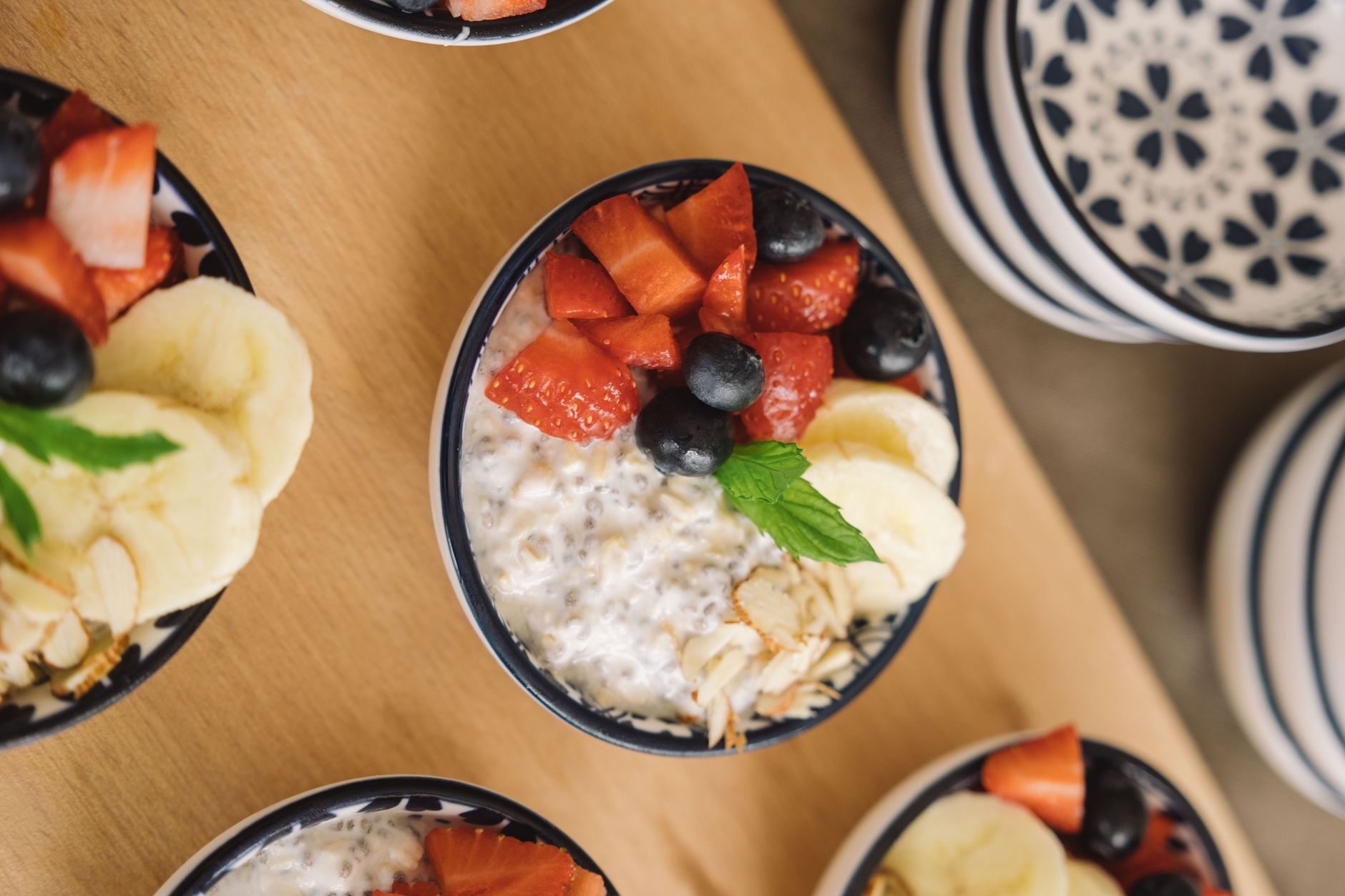
Mix 2 tablespoons chia seeds with 1 cup almond milk and a teaspoon of honey. Let it sit overnight in the fridge, then top with sliced bananas or melon in the morning. Chia seeds are high in fiber and omega-3s, which help keep your stomach happy.
4. Avocado Toast
Mash ½ avocado on whole-grain toast and top with a sprinkle of salt and pepper. Avocado is rich in healthy fats, which help stabilize stomach acid. Skip the eggs or cheese if they trigger your reflux.
5. Ginger and Honey Toast
Toast a slice of whole-grain bread and spread with a thin layer of almond butter. Top with a drizzle of honey and a sprinkle of fresh ginger. This combo is soothing for your stomach and provides a quick energy boost.
If you’re not a morning person, try preparing these breakfasts the night before. Chia pudding and overnight oats are perfect for meal prep—they’re ready to eat as soon as you wake up.
---How to reduce GERD symptoms naturally during pregnancy without changing my diet completely
We get it—you don’t want to overhaul your entire diet, especially when you’re already navigating pregnancy cravings and restrictions. The good news? There are plenty of small, natural tweaks you can make to reduce GERD symptoms without drastic changes. Here’s how:
1. Eat Smaller, More Frequent Meals
Instead of three large meals, try five or six smaller ones throughout the day. This prevents your stomach from becoming overfull, which can push acid up your esophagus. Aim for balanced meals with lean protein, whole grains, and low-acid vegetables.
2. Chew Thoroughly
Poor chewing can lead to larger food particles entering your stomach, which can slow digestion and increase acid production. Take your time chewing each bite—this also helps you feel more satisfied with smaller portions.
3. Stay Upright After Eating
Avoid lying down for at least 2–3 hours after a meal. Instead, take a short walk or sit upright. This helps prevent stomach acid from flowing back into your esophagus.
4. Drink Plenty of Water
Staying hydrated helps dilute stomach acid and keeps your digestive system moving smoothly. Aim for at least 8 cups of water a day, and sip throughout the day rather than chugging large amounts at once.
5. Manage Stress
Stress can worsen GERD symptoms by increasing stomach acid production. Try relaxation techniques like deep breathing, meditation, or gentle yoga. Even a 5-minute breathing exercise can make a difference.
6. Sleep on Your Left Side
As mentioned earlier, sleeping on your left side can help reduce reflux symptoms. Try it for a few nights and see if it makes a difference.
If you’re looking for more natural ways to support your digestion, explore our AIP diet guide, which includes anti-inflammatory foods and practices to soothe your gut.
---GERD-friendly dinner recipes for pregnant women that are easy to digest and delicious
Dinner doesn’t have to be complicated or boring—especially when you’re managing GERD. Here are three easy, delicious, and easy-to-digest dinner ideas:
1. Baked Salmon with Mashed Potatoes
Bake salmon fillets with a sprinkle of lemon zest (not juice) and serve with mashed potatoes made with olive oil and a pinch of salt. Skip the butter—it can slow digestion. Salmon is rich in omega-3s, which support both your heart and your baby’s brain development.
2. Grilled Chicken with Quinoa and Steamed Carrots
Grilled chicken breast (seasoned with salt and pepper) over quinoa with steamed carrots and a drizzle of olive oil. This meal is balanced, protein-rich, and gentle on your stomach. Skip the heavy sauces—just season with herbs like parsley or basil.
3. Lentil and Spinach Soup
Cook lentils with low-sodium vegetable broth, spinach, and a pinch of turmeric. This soup is packed with fiber and protein, and it’s easy to digest. Serve with a slice of whole-grain bread if you’re hungry for more.
For more easy dinner ideas, check out our DASH diet guide, which includes heart-healthy meals that also work well for GERD.
---Can I eat spicy food while pregnant with GERD—and what are the safest options?
Spicy food is a love-it-or-hate-it category for many women, especially when GERD is involved. The short answer? It depends on your tolerance. While some women can enjoy mild spices without issues, others find that even small amounts trigger reflux. Here’s what you need to know:
How Spicy Food Triggers GERD
Spicy foods contain capsaicin, which can irritate the lining of your esophagus and relax the LES. This allows stomach acid to creep up into your throat, worsening reflux symptoms. If you’re sensitive to spice, even mild flavors can be problematic.
Safest Spicy Options
If you love spice but want to avoid reflux triggers, try these milder alternatives:
- Ginger (adds warmth without irritation).
- Turmeric (anti-inflammatory and gentle).
- Cumin (earthy and easy to digest).
- Mild chili powder (less capsaicin than hot sauce).
How to Enjoy Spice Without Reflux
If you’re craving spice, try these tips:
- Start with small amounts and gradually increase if tolerated.
- Avoid spicy foods late in the day, as they can worsen nighttime reflux.
- Pair spicy foods with plenty of non-spicy vegetables to balance the heat.
- Stay hydrated—water can help dilute capsaicin and reduce irritation.
If you’re unsure whether spicy food is safe for you, listen to your body. If you notice increased heartburn or discomfort, it’s best to avoid it.
---How to tell if my GERD is caused by pregnancy—or something else—and what to do next
GERD symptoms during pregnancy can feel like a rollercoaster—sometimes they’re mild, other times they’re relentless. But how do you know if your reflux is pregnancy-related or something else entirely? Here’s how to tell the difference:
Signs Your GERD Is Pregnancy-Related
- Symptoms worsen as your pregnancy progresses (especially after the first trimester).
- You experience heartburn after eating or lying down.
- Your symptoms improve after delivery.
- You’ve had no history of GERD before pregnancy.
Signs Your GERD Might Be Something Else
- You’ve had GERD symptoms before pregnancy.
- Your symptoms are severe or persistent (even after dietary changes).
- You experience difficulty swallowing or chest pain (which could indicate esophagitis or a hiatal hernia).
- You notice blood in your stool or vomit.
- You’re losing weight unintentionally.
What to Do Next
If you


