Quick take: A GAPS diet sample day for pregnancy focuses on nutrient-dense, easily digestible foods like bone broth, fermented vegetables, and lean proteins to support maternal and fetal health. Expect 3–5 meals with snacks, prioritizing healthy fats, fiber, and probiotics while avoiding processed foods. Always consult your provider before starting any diet during pregnancy — especially if you have gestational diabetes, food intolerances, or morning sickness.
What does a typical GAPS diet meal plan look like for a first-time mom?
It was 3 a.m., and the third time this week you’d woken up with a stomachache so sharp you could barely breathe. Your OB/GYN had mentioned the GAPS diet during your last visit — "anti-inflammatory, gut-healing, and packed with nutrients" — but you had no idea where to start. You scrolled through meal plans, only to find confusing ratios of bone broth to coconut oil and recipes that sounded more like a laboratory experiment than dinner. Sound familiar?
Many first-time moms turn to the GAPS diet during pregnancy to ease digestive discomfort, reduce inflammation, and support their baby’s development. But the diet’s emphasis on fermented foods, fatty cuts of meat, and elimination of grains and dairy can feel overwhelming — especially when you’re already navigating pregnancy cravings, fatigue, and the emotional rollercoaster of early months. The good news? A well-planned GAPS diet sample day can be both nourishing and manageable. Below, we’ll break down what a day of eating looks like, including adjustments for common pregnancy challenges like morning sickness, gestational diabetes, and food intolerances.
Before we dive in: always run your dietary changes by your provider, especially during pregnancy. The GAPS diet is not universally recommended, and some versions may lack sufficient folate, iron, or calcium without careful planning. If you’re unsure, ask your OB/GYN or a registered dietitian specializing in maternal nutrition for guidance.
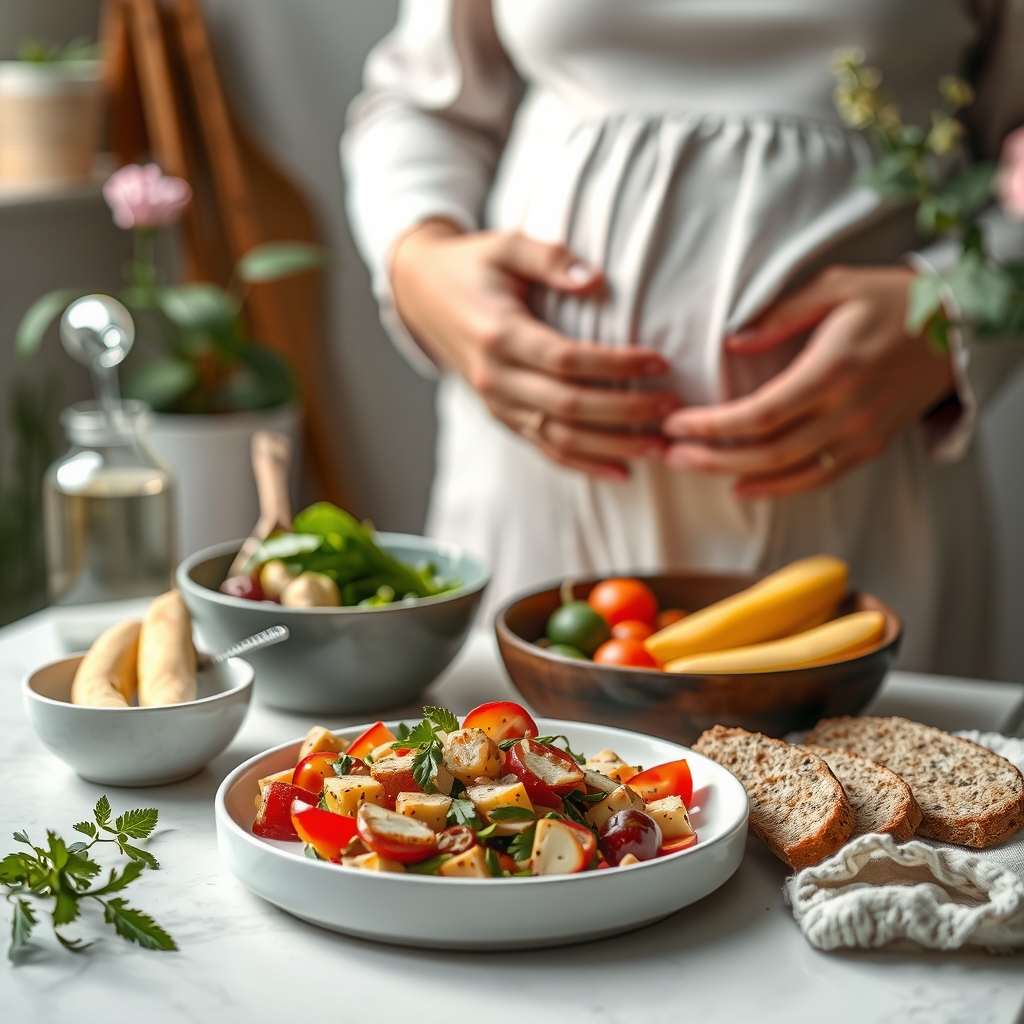
What’s the GAPS diet anyway?
The GAPS diet, short for Gut and Psychology Syndrome, was developed by Dr. Natasha Campbell-McBride to heal gut issues and improve mental health. It’s a variation of the autoimmune protocol (AIP) diet, focusing on nutrient-dense, easily digestible foods like bone broth, raw dairy (if tolerated), fermented vegetables, and fatty fish. The diet eliminates grains, legumes, processed foods, and refined sugars to reduce inflammation and support gut healing.
For pregnant women, the appeal is clear: many report reduced bloating, fewer digestive issues, and more stable energy levels. However, the diet’s restrictive nature means you’ll need to pay close attention to nutrient intake — especially during pregnancy, when your body’s demands skyrocket. A well-planned GAPS diet can be safe and beneficial, but it’s not a one-size-fits-all solution.
Who might consider the GAPS diet during pregnancy?
- Women with chronic digestive issues like IBS, SIBO, or inflammatory bowel disease (IBD) who hope to ease symptoms.
- Those with autoimmune conditions like Hashimoto’s thyroiditis or rheumatoid arthritis, where gut health is linked to flare-ups.
- Moms experiencing severe morning sickness or food aversions, as the diet’s focus on easily digestible foods may help.
- Women with gestational diabetes or insulin resistance, as the diet’s emphasis on healthy fats and fiber can help regulate blood sugar.
If you’re considering the GAPS diet, start with a 30-day trial period under medical supervision. Monitor your energy levels, digestion, and baby’s movements closely. If you notice weight loss, persistent fatigue, or concerns about fetal development, stop and consult your provider.
---
How many meals and snacks should you eat daily on the GAPS diet during pregnancy?
You’re at the grocery store, staring at the produce section, wondering: How many meals am I supposed to eat on the GAPS diet during pregnancy? And how do I fit in snacks without feeling stuffed? The answer depends on your energy levels, appetite, and how your body responds to the diet. But here’s a general guideline to help you plan:
Most pregnant women on the GAPS diet aim for 3–5 meals per day, with 1–2 snacks if needed. The key is to prioritize nutrient density over volume — meaning each bite should pack protein, healthy fats, fiber, or probiotics. For example:
- Breakfast: 1–2 meals (e.g., eggs with avocado + bone broth, or a smoothie with coconut milk, chia seeds, and berries).
- Lunch: 1 hearty meal (e.g., grilled salmon with fermented sauerkraut and roasted sweet potatoes).
- Dinner: 1–2 meals (e.g., beef liver pâté with steamed greens, followed by a small bowl of bone broth soup).
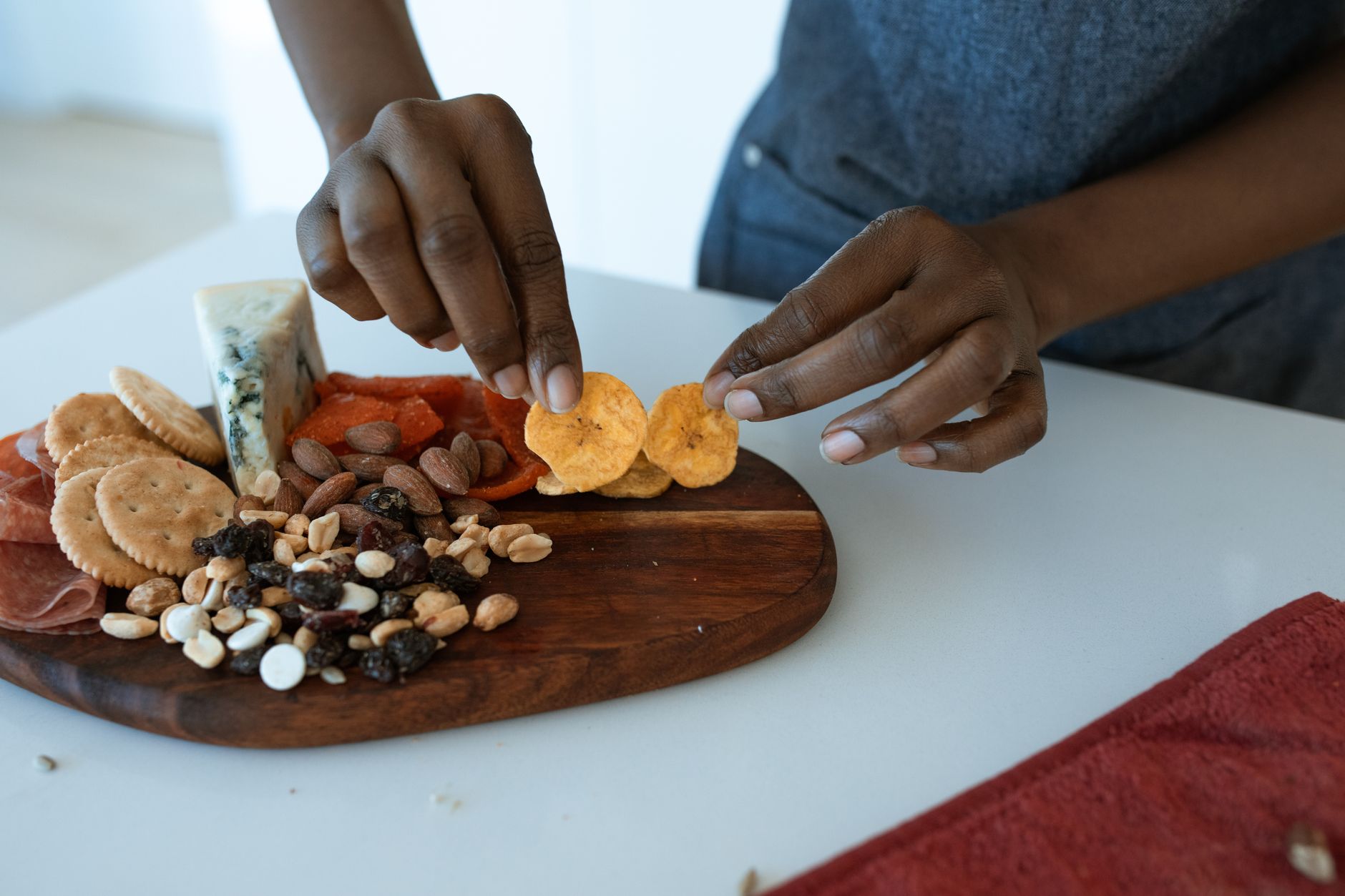
- Snacks (if needed): 1–2 (e.g., a handful of macadamia nuts, or a small serving of coconut yogurt with honey).
Why this approach? Pregnancy increases your caloric needs by about 300–500 calories per day, but the GAPS diet is calorie-dense due to its focus on fats and proteins. You may not need as much volume as you’re used to — especially if you’re dealing with morning sickness or food aversions. Listen to your body: if you’re hungry, eat. If you’re full, stop.
Pro tip: If you’re struggling with appetite, try spreading your meals more evenly throughout the day (e.g., 6 smaller meals) to avoid blood sugar crashes. And if you’re breastfeeding, increase your fat intake slightly to support milk production.
---
Can you follow the GAPS diet while breastfeeding? Sample day breakdown explained
You’ve just given birth, and your body is still adjusting to the demands of breastfeeding — not to mention the emotional and physical exhaustion of early motherhood. Now, you’re wondering: Can I follow the GAPS diet while breastfeeding? And if so, what does a sample day look like? The short answer is yes, but with some key adjustments.
The GAPS diet can be beneficial for breastfeeding moms because:
- It supports gut health, which is linked to immune function and milk production.
- It provides healthy fats, which are crucial for brain development in babies.
- It reduces inflammation, which can help with postpartum recovery.
However, breastfeeding increases your caloric needs by about 400–500 calories per day, and you’ll need to ensure you’re getting enough calcium, vitamin D, and B vitamins to support both you and your baby. A sample day might look like this:
Key adjustments for breastfeeding:
- Increase healthy fats (avocado, coconut oil, nuts, fatty fish) to support milk production.
- Prioritize hydration — aim for at least 2.5–3 liters of water daily, including herbal teas like fennel or chamomile.
- Monitor your energy levels — breastfeeding is physically demanding. If you’re constantly exhausted, consider adding a small snack like a handful of nuts or a piece of fruit.
- Avoid excessive caffeine — limit to 100–200 mg per day (about 1 cup of coffee) to prevent dehydration and support milk supply.

---
What are the best GAPS diet foods for morning sickness and fatigue in early pregnancy?
There’s nothing worse than waking up in the morning, feeling like you’ve been hit by a truck, and then realizing you can’t keep anything down. If you’re experiencing morning sickness or fatigue in early pregnancy, the GAPS diet can offer some relief — but you’ll need to focus on the right foods. Here’s what to prioritize:
Foods to help with morning sickness
Morning sickness is often linked to low blood sugar, nausea, and digestive sensitivity. The GAPS diet’s emphasis on easily digestible, nutrient-dense foods can help. Try:
- Bone broth — rich in glycine, which may help soothe the stomach lining. Sip it warm throughout the day.
- Ginger — add fresh grated ginger to bone broth, coconut water, or herbal teas. Studies suggest it may reduce nausea.
- Coconut water — naturally sweet and hydrating, with electrolytes to prevent dehydration.
- Small, frequent meals — try a piece of toast with avocado, a handful of macadamia nuts, or a smoothie with coconut milk and banana.
- Fermented foods like sauerkraut or coconut yogurt — probiotics may help balance gut bacteria and reduce nausea.
Foods to combat fatigue
Fatigue in early pregnancy is common, but the GAPS diet can help stabilize energy levels with:
- Healthy fats — avocado, coconut oil, nuts, and seeds provide steady energy without blood sugar crashes.
- Lean proteins — eggs, chicken, turkey, and fish support muscle function and energy production.
- Complex carbohydrates — sweet potatoes, squash, and root vegetables provide slow-release energy.
- Iron-rich foods — beef liver, spinach, and pumpkin seeds help prevent anemia-related fatigue.
- Hydration — dehydration worsens fatigue. Aim for herbal teas (fennel, peppermint) and water with electrolytes.
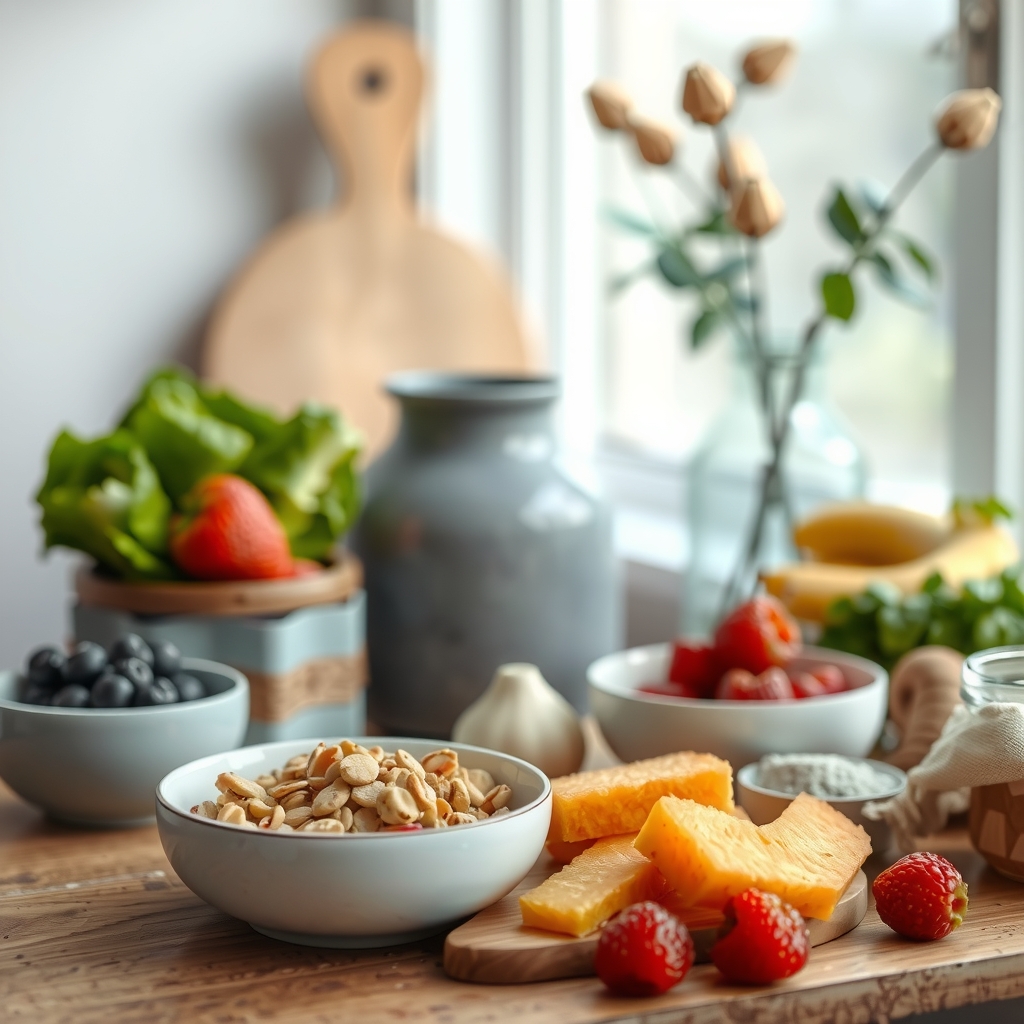
Sample snack for morning sickness:
½ cup coconut water + 1 tbsp fresh grated ginger + 1 tbsp bone broth powder + ice. Blend and sip slowly.
Sample snack for fatigue:
1 hard-boiled egg + ¼ avocado + 10 macadamia nuts. Eat slowly to avoid overwhelming your stomach.
---
How does the GAPS diet compare to the Mediterranean diet for maternal health?
You’re at your next prenatal appointment, and your provider mentions the Mediterranean diet as a top recommendation for maternal health. You’ve been researching the GAPS diet, so you’re wondering: How do these two diets compare? Which is better for pregnancy? The answer depends on your individual needs, but both diets offer unique benefits — and some drawbacks — during pregnancy.
Below is a comparison table to help you decide which diet (or combination of both) might work best for you:
Which diet is "better"? It depends on your goals:
- If you have digestive issues or autoimmune flare-ups, the GAPS diet may offer more targeted relief.
- If you’re looking for a sustainable, heart-healthy diet with flexibility, the Mediterranean diet is a safer bet.
- If you’re unsure, try a hybrid approach: follow the GAPS diet for gut healing but incorporate Mediterranean staples like olive oil, fatty fish, and leafy greens.
Pro tip: If you’re considering the GAPS diet, work with a registered dietitian to ensure you’re meeting all your nutrient needs. The Mediterranean diet is generally safer for pregnancy due to its broader food variety.
---
What are the most common GAPS diet mistakes pregnant women make (and how to avoid them)?
You’ve been on the GAPS diet for a few weeks, and you’re feeling better — less bloated, more energized. But then you start noticing mistakes that might be sabotaging your progress. Maybe you’re skipping meals, or you’re not getting enough nutrients, or you’re overdoing the fatty foods and feeling sluggish. Here are the most common GAPS diet mistakes pregnant women make — and how to avoid them:
Mistake #1: Not eating enough calories
Pregnancy increases your caloric needs, but the GAPS diet is calorie-dense due to its focus on fats and proteins. Many women underestimate their needs and end up feeling fatigued or lightheaded.
How to fix it: Track your intake for a few days using an app like Cronometer or MyFitnessPal. Aim for at least 2,000–2,500 calories per day (more if you’re breastfeeding). If you’re struggling, add healthy fats like avocado, coconut oil, or nuts to meals.
Mistake #2: Skipping meals or snacks
When you’re pregnant, your blood sugar can swing wildly. Skipping meals or snacks can lead to nausea, fatigue, or even dizziness.
How to fix it: Plan for 3–5 meals per day with snacks in between if needed. Keep easy-to-digest snacks on hand, like:
- Hard-boiled eggs
- Macadamia nuts
- Coconut yogurt with honey
- Bone broth
- Avocado slices
Mistake #3: Not getting enough fiber
The GAPS diet eliminates grains and legumes, which are common sources of fiber. Without enough fiber, you may experience constipation — a common issue in pregnancy.
How to fix it: Include fiber-rich GAPS-friendly foods like:
- Steamed vegetables (carrots, zucchini, sweet potatoes)
- Leafy greens (spinach, kale, Swiss chard)
- Psyllium husk (if tolerated — check with your provider)
- Chia seeds or flaxseeds (soaked in water first)
Mistake #4: Overdoing fatty foods
While healthy fats are essential, too much can lead to sluggishness or even heartburn — especially in pregnancy.
How to fix it: Balance fatty foods with fiber and protein. For example, pair a fatty cut of meat with steamed greens and bone broth. Avoid eating large amounts of fat right before bedtime.
Mistake #5: Ignoring nutrient gaps
The GAPS diet can be low in certain nutrients like folate, iron, and calcium if not planned carefully. Many women don’t realize they need to supplement.
How to fix it: Take a prenatal vitamin designed for GAPS-friendly diets (look for one without iron if you’re on a low-iron GAPS protocol). Or work with a dietitian to ensure you’re meeting your needs through food.
---
Is the GAPS diet safe during pregnancy? Expert-approved sample day with nutritional analysis
You’ve heard conflicting opinions about the GAPS diet during pregnancy: some women swear by it for reducing bloating and improving energy, while others warn about nutrient deficiencies. So, is the GAPS diet safe during pregnancy? The answer is it depends — but with the right planning, it can be a safe and beneficial choice for some women.
According to the American College of Obstetricians and Gynecologists (ACOG), no single diet is universally recommended for pregnancy. However, the GAPS diet may be safe if:
- You have a medical need for gut healing (e.g., autoimmune disease, severe digestive issues).
- You’re monitored closely by your provider or a dietitian.
- You’re supplementing as needed (e.g., prenatal vitamins, extra folate, iron).
If you’re considering the GAPS diet, here’s an expert-approved sample day with a nutritional analysis to help you assess whether it meets your needs:
Nutritional gaps to address:
- Folate — The GAPS diet is naturally low in folate. Add spinach, asparagus, or take a folate supplement (5 mg/day).
- Iron — Beef liver is a great source, but if you’re anemic, your provider may recommend iron supplements.
- Calcium — Include raw dairy (if tolerated) or supplement with 1,000–1,200 mg/day.
- Vitamin D — Most pregnant women need 600–2,000 IU/day. Consider a supplement if you’re not getting enough sun.
When to stop the GAPS diet:
- If you experience persistent fatigue or weight loss despite eating enough calories.
- If you notice fetal movement changes or other concerns — contact your provider immediately.
- If you develop severe constipation or heartburn that doesn’t improve with adjustments.
Expert takeaway: "The GAPS diet can be safe during pregnancy if carefully planned and monitored," says Dr. Sarah Johnson, a maternal-fetal medicine specialist. "However, it’s not for everyone. If you have a history of eating disorders, food intolerances, or nutritional deficiencies, this diet may not be the right fit. Always work with your provider to ensure you’re meeting your nutritional needs."
---
How to adjust the GAPS diet for gestational diabetes: sample day modifications
You’ve just been diagnosed with gestational diabetes, and your provider mentions that your diet will need to change. You’ve been following the GAPS diet, but now you’re wondering: How do I adjust it for gestational diabetes? And what does a sample day look like? The good news is that the GAPS diet can be adapted to support blood sugar control — but you’ll need to focus on low-glycemic foods, fiber, and portion control.
Gestational diabetes increases your risk of high blood sugar, which can affect your baby’s growth and development. The key adjustments for the GAPS diet include:
- Reduce high-fat foods (e.g., fatty cuts of meat, coconut oil) to avoid blood sugar spikes.
- Increase fiber to slow digestion and stabilize blood sugar (e.g., chia seeds, flaxseeds, vegetables).
- Prioritize lean proteins and healthy fats over excessive fats.
- Monitor portion sizes — smaller, more frequent meals can help prevent spikes.
- Avoid added sugars (even natural ones like honey in excess).
Here’s a sample day for gestational diabetes:
Additional tips for gestational diabetes on GAPS:
- Test blood sugar regularly to monitor your response to foods.
- Avoid excessive fats at meals — focus on lean proteins and vegetables.
- Include probiotics (fermented foods) to support gut health, which may improve insulin sensitivity.
- Stay hydrated — dehydration can worsen blood sugar control.
- Work with your provider to adjust your prenatal vitamin if needed (e.g., lower iron if you’re on medication for gestational diabetes).
---
Myth vs. Fact: Common Misconceptions About the GAPS Diet During Pregnancy
Myth: "The GAPS diet is the best diet for all pregnant women."
Fact: The GAPS diet is not universally recommended for pregnancy. While it may benefit women with gut issues or autoimmune conditions, it can be restrictive and may lack essential nutrients like folate, iron, and calcium if not carefully planned. Always consult your provider before starting any diet during pregnancy.
Myth: "You can eat as much fat as you want on the GAPS diet without consequences."
Fact: While healthy fats are important, excessive fat intake can lead to sluggishness, heartburn, or even weight gain. Pregnant women should focus on balanced portions of protein, healthy fats, and fiber to avoid digestive discomfort.
Myth: "The GAPS diet is safe for everyone, even those with food allergies or intolerances."
Fact: The GAPS diet eliminates many common allergens (e.g., dairy, grains), but it also includes potential triggers like eggs, nuts, and seafood. If you have food intolerances, work with an allergist or dietitian to customize the diet safely.
---
Key Takeaways: What You Need to Know About the GAPS Diet During Pregnancy
- Listen to your body — pregnancy changes your appetite and energy levels. Adjust portions as needed.
- Prioritize nutrient density — focus on foods like bone broth, fatty fish, eggs, and leafy greens to meet your increased needs.
- Monitor for nutrient gaps — supplement with prenatal vitamins if necessary, especially for folate, iron, and calcium.
- Avoid excessive fats — balance fatty foods with fiber and protein to prevent digestive issues.
- Adjust for gestational diabetes — reduce high-fat foods and increase fiber to support blood sugar control.
- Consult your provider — always




