czema, or atopic dermatitis, is a chronic skin condition characterized by dry, itchy, and inflamed skin. It often appears as red, scaly patches that can crack and bleed if scratched. While the exact cause is unknown, researchers believe a combination of genetic, environmental, and immune system factors play a role. For many people, diet can influence inflammation and skin health, making it a valuable tool in managing symptoms.
The skin’s natural barrier function is crucial for preventing irritation and infection. When this barrier is compromised—whether by genetics, environmental factors, or diet—it can lead to flare-ups. Certain foods can exacerbate inflammation, while others can support skin healing and reduce symptoms. The goal isn’t perfection; it’s about identifying your personal triggers and making small, sustainable changes.
Research suggests that diets rich in omega-3 fatty acids, antioxidants, and probiotics may help reduce eczema symptoms by lowering inflammation and supporting skin repair. Meanwhile, foods high in sugar, gluten, dairy, and processed ingredients are often linked to flare-ups. If you’re unsure where to start, we recommend keeping a food diary to track your meals and symptoms over the course of a few weeks. This can help you pinpoint patterns and identify your specific triggers.
For more on how diet impacts skin health, check out our acne diet guide, which covers similar principles for another common inflammatory skin condition.
---
Best breakfast foods for eczema: Your anti-inflammatory starter pack
When it comes to eczema-friendly breakfasts, the focus should be on foods that reduce inflammation and support skin health. Here’s what to prioritize:
- Omega-3 fatty acids: Found in fatty fish (salmon, mackerel), flaxseeds, chia seeds, and walnuts. These help reduce inflammation and support skin barrier function.
- Zinc-rich foods: Oysters, pumpkin seeds, lentils, and chickpeas. Zinc plays a key role in skin repair and immune function.
- Probiotics: Yogurt (if tolerated), kefir, sauerkraut, and kimchi. Probiotics support gut health, which is linked to skin health.
- Antioxidant-rich foods: Berries, leafy greens, and dark chocolate (70% or higher). Antioxidants help combat oxidative stress, which can worsen eczema.
- Whole grains: Quinoa, brown rice, and oats. These provide fiber and nutrients that support overall health.
Conversely, foods that often trigger eczema flare-ups include:
- Dairy (milk, cheese, butter)
- Gluten-containing grains (wheat, barley, rye)
- Processed sugars and refined carbs (white bread, pastries, sugary cereals)
- High-histamine foods (aged cheeses, fermented foods, cured meats)
- Common allergens like eggs, nuts, and soy (if sensitive)
If you’re unsure whether a particular food triggers your eczema, consider an elimination diet under the guidance of a healthcare provider or dietitian. This can help you identify personal sensitivities.
---
Easy eczema-friendly breakfast recipes: Start your day right
Now that you know what to eat, let’s get practical. Here are some simple, delicious, and eczema-friendly breakfast ideas to kickstart your day.

1. Chia Pudding with Berries and Walnuts
This recipe is packed with omega-3s, antioxidants, and fiber—perfect for calming inflammation and supporting skin health.
- Mix 3 tablespoons of chia seeds with 1 cup of unsweetened almond milk in a jar.
- Add 1 teaspoon of vanilla extract and a pinch of cinnamon.
- Stir well and let it sit for 10 minutes, then refrigerate overnight (or at least 4 hours).
- Top with fresh berries, walnuts, and a drizzle of honey (if tolerated).
Why it works: Chia seeds are rich in omega-3s, and berries are loaded with antioxidants that help reduce inflammation.
---
2. Avocado and Smoked Salmon Toast
This breakfast is a powerhouse of omega-3s and healthy fats, which are essential for reducing eczema flare-ups.
- Toast a slice of gluten-free bread (such as almond flour or seed-based bread).
- Mash half an avocado and spread it on the toast.
- Top with smoked salmon, a sprinkle of everything bagel seasoning, and a handful of microgreens.
Why it works: Avocado provides healthy fats, while smoked salmon is rich in omega-3s and protein, both of which support skin health.
---
3. Oatmeal with Almond Butter and Banana
Oatmeal is a classic eczema-friendly breakfast because it’s gentle on the skin and packed with nutrients. Here’s how to make it even better.
- Cook ½ cup of certified gluten-free oats with water or unsweetened almond milk.
- Once cooked, stir in 1 tablespoon of almond butter and a sliced banana.
- Top with a sprinkle of pumpkin seeds for extra zinc.
Why it works: Oats are rich in beta-glucans, which support immune function, and almond butter provides healthy fats.
---
4. Smoothie Bowl with Spinach, Mango, and Flaxseeds
This vibrant smoothie bowl is a great way to start your day with a nutrient-packed meal.
- Blend 1 cup of spinach, ½ cup of frozen mango, ½ banana, and 1 tablespoon of flaxseeds with water or almond milk.
- Pour into a bowl and top with sliced kiwi, coconut flakes, and a sprinkle of hemp seeds.
Why it works: Spinach is rich in antioxidants, mango provides vitamin C for skin repair, and flaxseeds add omega-3s.
---
Gluten-free eczema diet breakfast ideas: What to eat and avoid
If gluten is a trigger for your eczema, you’ll want to focus on naturally gluten-free grains and alternatives. Many people with eczema also have non-celiac gluten sensitivity, which can worsen symptoms like itching and inflammation.
Here are some gluten-free breakfast options to try:
- Buckwheat porridge: Buckwheat is a gluten-free grain that’s high in fiber and magnesium, both of which support skin health.
- Quinoa breakfast bowl: Cook quinoa overnight and top with fresh fruit, nuts, and seeds.
- Chia pudding (as above): Always a safe bet for gluten-free diets.
- Sweet potato hash: Diced sweet potatoes, onions, and bell peppers cooked with olive oil and spices.
- Nut-based "oatmeal": Blend almond flour or cashew flour with water to make a creamy base, then top with berries and nuts.
When avoiding gluten, watch out for hidden sources in sauces, broths, and processed foods. Always check labels for cross-contamination warnings if you have celiac disease.
For more gluten-free meal ideas, check out our AIP elimination diet guide, which includes similar gluten-free options for other inflammatory conditions.
---
Low-histamine breakfast options for eczema
If you suspect histamine intolerance is contributing to your eczema flare-ups, you’ll want to focus on low-histamine foods. Histamines are compounds that can trigger inflammation and worsen skin reactions in sensitive individuals.
Here are some low-histamine breakfast ideas:
- Freshly made oatmeal: Cooked with fresh water and topped with fresh fruit (like apples or pears).
- Rice cakes with avocado and cucumber: A simple, low-histamine option that’s easy to prepare.
- Fresh fruit smoothie: Made with fresh pineapple, banana, and coconut water (avoid canned or fermented fruits).
- Scrambled eggs with sautéed spinach: Eggs are low in histamine when freshly prepared.
- Quinoa with fresh herbs and olive oil: Quinoa is a low-histamine grain that’s easy to digest.
Avoid high-histamine foods like aged cheeses, cured meats, fermented foods (like sauerkraut or kimchi), and leftovers that have been stored for more than 24 hours. If you’re unsure whether histamine is a trigger, consider working with a dietitian to create a low-histamine meal plan.
---
Anti-inflammatory breakfast meals for eczema
Inflammation is at the root of many eczema flare-ups, so focusing on anti-inflammatory foods is key. These meals are designed to reduce inflammation and support skin healing.
1. Turmeric Golden Milk Oatmeal
Turmeric is a powerful anti-inflammatory spice that can help reduce eczema symptoms.
- Cook ½ cup of gluten-free oats with water or coconut milk.
- Once cooked, stir in ½ teaspoon of turmeric, a pinch of black pepper (to enhance turmeric absorption), and a drizzle of honey.
- Top with sliced almonds and a sprinkle of cinnamon.
---
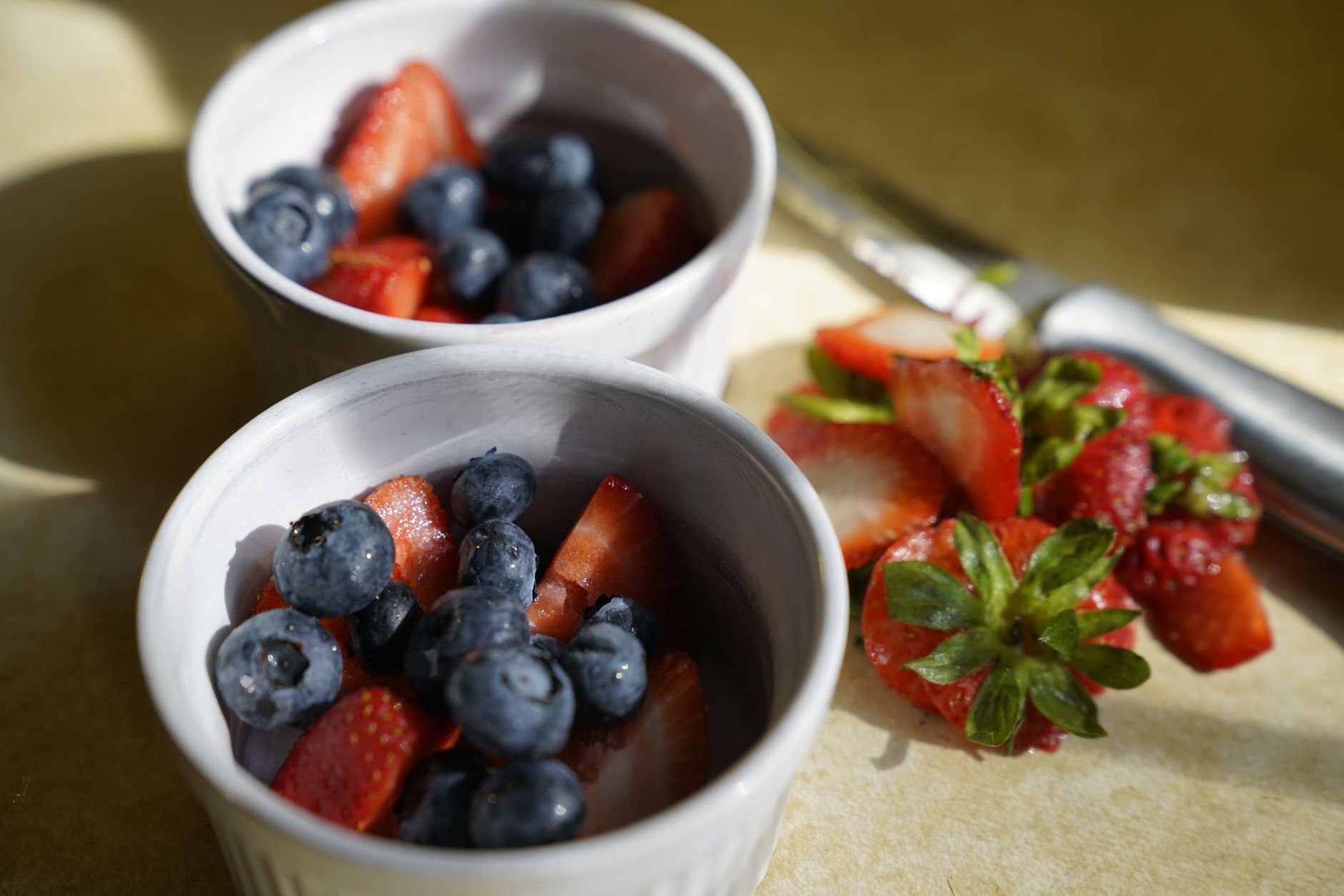
2. Berries and Walnuts with Almond Butter
This simple bowl is packed with antioxidants and healthy fats.
- Mix ½ cup of mixed berries (blueberries, raspberries, strawberries) with 1 tablespoon of almond butter.
- Top with a handful of walnuts and a sprinkle of chia seeds.
---
How to make eczema-friendly oatmeal breakfast: Step-by-step guide
Oatmeal is one of the most versatile and eczema-friendly breakfasts you can make. Here’s how to customize it to suit your needs.
Basic Eczema-Friendly Oatmeal
- Cook ½ cup of certified gluten-free oats with 1 cup of water or unsweetened almond milk.
- Once cooked, stir in 1 tablespoon of almond butter or chia seeds.
- Top with fresh fruit (like banana, berries, or apple slices) and a sprinkle of pumpkin seeds.
Protein-Packed Oatmeal
- Cook oats as above, then stir in 1 scoop of plant-based protein powder (ensure it’s dairy-free and gluten-free).
- Top with a handful of walnuts and a drizzle of maple syrup (if tolerated).
Spiced Oatmeal with Cinnamon and Nutmeg
- Cook oats with water or coconut milk.
- Stir in ½ teaspoon of cinnamon and a pinch of nutmeg.
- Top with sliced pear and a sprinkle of flaxseeds.
Pro tip: If you’re short on time, try overnight oats. Mix your oats with milk (or a milk alternative) and let them sit in the fridge overnight. In the morning, stir in your toppings and enjoy!
---
Vegan eczema diet breakfast recipes
If you follow a vegan diet, you can still enjoy delicious and eczema-friendly breakfasts. Focus on plant-based sources of omega-3s, zinc, and antioxidants.
1. Tofu Scramble with Spinach and Avocado
- Crumble ½ block of firm tofu into a pan.
- Add a splash of water or plant-based milk and cook until soft.
- Stir in sautéed spinach and sliced avocado.
- Serve with gluten-free toast or a side of roasted sweet potatoes.
---
2. Chia Seed Pancakes
- Blend ½ cup of oat flour, 1 tablespoon of chia seeds, 1 banana, and ½ cup of almond milk.
- Cook small portions in a pan until golden brown.
- Top with fresh berries and a drizzle of maple syrup.
---
3. Lentil and Vegetable Breakfast Bowl
- Cook ½ cup of lentils until tender.
- Sauté diced bell peppers, onions, and spinach in olive oil.
- Mix the lentils with the sautéed vegetables and top with a sprinkle of pumpkin seeds.
For more vegan meal ideas, check out our autism diet breakfast guide, which includes similar plant-based options for other dietary needs.
---
Eczema diet breakfast for kids: Simple and kid-approved
Getting kids to eat eczema-friendly breakfasts can be a challenge, but with a little creativity, you can make healthy meals fun and appealing. Here are some kid-friendly ideas:
- Banana "Sushi": Spread almond butter on a whole-grain tortilla, add banana slices, roll it up, and slice into bite-sized pieces.
- Yogurt Parfait: Layer gluten-free yogurt with fresh berries and granola (ensure the granola is dairy-free and low-sugar).
- Mini Oatmeal Muffins: Bake oatmeal muffins with mashed banana, chia seeds, and a touch of cinnamon. Cut into small squares for easy snacking.
- Avocado Toast Faces: Use avocado toast as a canvas to create fun faces with sliced cucumbers, cherry tomatoes, and olives.
- Smoothie Popsicles: Blend spinach, banana, and almond milk, then freeze in popsicle molds for a cool, healthy treat.
Involve your kids in the cooking process—they’re more likely to try foods they’ve helped prepare. And remember, consistency is key. It may take time for their bodies to adjust to new foods, but small changes can make a big difference in managing eczema symptoms.
---
Eczema diet breakfast meal plan week: Sample 7-day plan
Planning ahead can make it easier to stick to an eczema-friendly diet. Here’s a sample meal plan for the week:
Pro tip: Batch-cook components like oats, chia pudding, or lentils on weekends to save time during the week. This way, you can quickly assemble breakfasts without spending extra time in the kitchen.
---
Eczema diet breakfast smoothie recipes
Smoothies are a fantastic way to pack in nutrients quickly, especially on busy mornings. Here are three eczema-friendly smoothie recipes to try:
1. Green Detox Smoothie
- Blend 1 cup of spinach, ½ banana, ½ cup of frozen mango, 1 tablespoon of flaxseeds, and 1 cup of coconut water.
- Add ice if you prefer a thicker texture.
- Top with a sprinkle of hemp seeds for extra protein.
---
2. Berry Blast Smoothie
- Blend ½ cup of mixed berries, ½ cup of almond milk, 1 tablespoon of almond butter, and 1 teaspoon of chia seeds.
- Add a handful of ice for a refreshing texture.
- Optional: Add a scoop of plant-based protein powder for extra protein.
---
3. Tropical Turmeric Smoothie
- Blend ½ cup of pineapple, ½ banana, ½ teaspoon of turmeric, 1 cup of coconut milk, and a pinch of black pepper.
- Add ice to chill and thicken.
- Top with a sprinkle of coconut flakes.
Smoothies are a great way to sneak in extra nutrients, especially if you’re not a big fan of eating vegetables. Just be mindful of added sugars in pre-made smoothie packs—always opt for fresh or frozen ingredients.
---
Eczema diet breakfast for pregnant women: Safe and nourishing options
Pregnancy can exacerbate eczema symptoms due to hormonal changes and increased stress on the body. Focus on nutrient-dense, anti-inflammatory foods to support both your skin and your baby’s development.
Here are some safe and nourishing breakfast ideas:
- Avocado and Egg Toast: Whole-grain toast with mashed avocado and a soft-boiled egg. Avocado provides healthy fats, and eggs are rich in choline, which supports brain development.
- Greek Yogurt (if tolerated) with Honey and Walnuts: Greek yogurt is high in protein and calcium, while walnuts provide omega-3s.
- Sweet Potato Hash with Spinach: Diced sweet potatoes, onions, and spinach cooked in olive oil. Sweet potatoes are rich in beta-carotene, which supports skin health.
- Chia Pudding with Coconut Milk and Berries: Chia seeds are rich in omega-3s and fiber, while berries provide antioxidants.
- Scrambled Tofu with Sautéed Vegetables: A great vegan option packed with protein and nutrients.
Always consult your healthcare provider before making significant dietary changes during pregnancy. If you suspect a specific food is triggering your eczema, consider an elimination diet under medical supervision.
---
Eczema diet breakfast low sugar: Keeping it balanced
Sugar can worsen inflammation and eczema symptoms, so it’s important to choose low-sugar breakfasts. Focus on natural sweetness from fruits and avoid refined sugars and artificial sweeteners.
Here are some low-sugar breakfast ideas:
- Oatmeal with Cinnamon and Apple Slices: Skip the honey or syrup and let the natural sweetness of apples shine.
- Avocado and Smoked Salmon on Gluten-Free Toast: Avocado provides healthy fats, and salmon is rich in omega-3s.
- Smoothie with Spinach, Banana, and Almond Butter: Bananas add natural sweetness without added sugars.
- Chia Pudding with Fresh Berries: Berries are low in sugar and high in antioxidants.
- Hard-Boiled Eggs with Hummus and Veggies: A protein-packed, low-sugar option that’s easy to prepare.
If you crave something sweet, opt for naturally sweetened foods like berries, apples, or pears. Avoid cereals, granola bars, and pastries, which are often loaded with hidden sugars.
---
Eczema diet breakfast for night shift workers: Quick and easy ideas
Night shift workers often struggle to find time for breakfast, but fueling your body properly is especially important for managing eczema symptoms. Here are some quick and easy breakfast ideas:
- Pre-Made Smoothie Packs: Blend your ingredients the night before and store in the fridge for a grab-and-go option.
- Microwave Oatmeal: Cook oats in the microwave and top with nuts, seeds, or fresh fruit.
- Hard-Boiled Eggs and Avocado: Prep hard-boiled eggs the night before and pair with avocado for a protein-packed breakfast.
- Gluten-Free Granola Bars: Look for bars made with oats, nuts, and seeds—avoid those with added sugars or dairy.
- Cottage Cheese (if tolerated) with Pineapple: Cottage cheese is high in protein, and pineapple provides natural sweetness.
Meal prepping is your best friend when you’re working nights. Spend a few minutes on your day off prepping ingredients or even full meals to save time during the week.
---
Myth vs. Fact: Eczema diet misconceptions
There are plenty of myths surrounding eczema and diet. Let’s set the record straight:
Myth: "You have to eliminate all dairy to manage eczema."
Fact: Dairy is a common trigger for many people with eczema, but it’s not the only culprit. If you suspect dairy is a trigger, try eliminating it for a few weeks and monitor your symptoms. However, dairy isn’t the issue for everyone—some people tolerate it just fine. If you rely on dairy for calcium or protein, consider fortified plant-based alternatives.
---
Myth: "Gluten-free diets are only for people with celiac disease."
Fact: While gluten-free diets are essential for those with celiac disease, many people with non-celiac gluten sensitivity experience improved eczema symptoms when they avoid gluten. If you suspect gluten is a trigger, consider an elimination diet under the guidance of a healthcare provider.
---
Myth: "Processed foods won’t affect my eczema because they’re not 'real' food."
Fact: Processed foods—even if they’re "natural" or "organic"—can still trigger eczema flare-ups. The issue isn’t whether the food is "real" or not; it’s about additives, preservatives, and inflammatory ingredients like refined sugars and unhealthy fats. Focus on whole, minimally processed foods to support skin health.
---
Myth: "Eczema is just a skin problem—diet won’t make a difference."
Fact: While eczema is primarily a skin condition, diet plays a significant role in managing inflammation and symptoms. Many people with eczema report improvements when they focus on anti-inflammatory foods and avoid triggers. Think of diet as a tool to support your skin’s natural healing process.
---
Key takeaways: Your eczema-friendly breakfast checklist
Here’s a quick recap of what to prioritize in your eczema-friendly breakfast:
- Focus on omega-3s (flaxseeds, chia seeds, walnuts, fatty fish) to reduce inflammation.
- Include zinc-rich foods (pumpkin seeds, lentils, chickpeas) to support skin repair.
- Avoid common triggers like dairy, gluten, processed sugars, and high-histamine foods if they worsen your symptoms.
- Experiment with gluten-free and low-histamine options if you suspect these are triggers.
- Prep breakfast ahead to save time and stay consistent with your diet.
- Listen to your body—keep a food diary to track what works and what doesn’t.
- Consult a dietitian or healthcare provider if you’re unsure about your specific triggers or need personalized advice.
---
Frequently asked questions about eczema diet breakfast
What are the best breakfast foods for eczema?
The best breakfast foods for eczema are those rich in omega-3s, zinc, and antioxidants. Think chia pudding with berries, avocado toast with smoked salmon, oatmeal with almond butter, and smoothie bowls with spinach and flaxseeds. These foods help reduce inflammation and support skin health.
---
Can oatmeal help with eczema?
Yes! Oatmeal is often recommended for eczema because it’s gentle on the skin and packed with beta-glucans, which support immune function. Certified gluten-free oats are best if you suspect gluten sensitivity. Just be mindful of toppings—avoid dairy, sugar, and processed ingredients.
---
Are there any breakfast foods that trigger eczema?
Common breakfast foods that can trigger eczema include dairy (milk, cheese, yogurt), gluten-containing grains (wheat, barley, rye), processed sugars (cereals, pastries), and high-histamine foods (aged cheeses, cured meats). If you’re unsure, try an elimination diet to identify your personal triggers.
---
How to prepare a gluten-free breakfast for eczema?
Start with naturally gluten-free grains like quinoa, buckwheat, or certified gluten-free oats. Swap wheat-based bread for almond flour or seed-based bread. Avoid sauces and broths with hidden gluten, and always check labels for cross-contamination warnings. Some easy gluten-free breakfasts include chia pudding, buckwheat porridge, and sweet potato hash.
---
What is an anti-inflammatory breakfast for eczema?
An anti-inflammatory breakfast for eczema should include foods like turmeric golden milk oatmeal, berries and walnuts with almond butter, and smoothie bowls with spinach, mango, and flaxseeds. These meals are designed to reduce inflammation and support skin healing with omega-3s, antioxidants, and anti-inflammatory spices.
---
Do eggs cause eczema flare-ups?
Eggs can be a trigger for some people with eczema, especially those with egg allergies or sensitivities. If you suspect eggs are a problem, try eliminating them for a few weeks and monitor your symptoms. If you tolerate eggs well, they’re a great source of protein and choline, which supports skin health.
---
How do I know if my breakfast is triggering my eczema?
Keep a food diary to track your meals and symptoms over the course of a few weeks. Note when flare-ups occur and what you ate leading up to them. If you notice a pattern, consider eliminating the suspected trigger for a few weeks to see if your symptoms improve. Always consult a healthcare provider before making significant dietary changes.
---
When to see a doctor or specialist
If you’ve tried adjusting your diet and your eczema symptoms persist or worsen, it’s time to see a healthcare provider. They can help you identify personal triggers, rule out other conditions, and provide guidance on managing your symptoms. For eczema specifically, consider seeing a dermatologist, who can also recommend topical treatments or prescription medications if needed.
Seek immediate medical attention if you experience severe symptoms like widespread skin infections, extreme pain, or difficulty breathing—these could indicate a more serious condition.
Remember, this article is for informational purposes only and not a substitute for professional medical advice. Always consult your healthcare provider with any questions or concerns about your eczema or diet.
---
References
- American Academy of Dermatology. (2023). *Atopic Dermatitis (Eczema): Diet and Nutrition*. Retrieved from [www.aad.org](https://www.aad.org)
- National Eczema Association. (2022). *Diet and Eczema*. Retrieved from [nationaleczema.org](https://nationaleczema.org)
- Mayo Clinic. (2023). *Atopic Dermatitis (Eczema): Diagnosis and Treatment*. Retrieved from [mayoclinic.org](https://www.mayoclinic.org)
- Harvard T.H. Chan School of Public Health. (2021). *Diet and Inflammation*. Retrieved from [hsph.harvard.edu](https://www.hsph.harvard.edu)
- British Skin Foundation. (2023). *Eczema and Diet*. Retrieved from [britishskinfoundation.org.uk](https://www.britishskinfoundation.org.uk)




