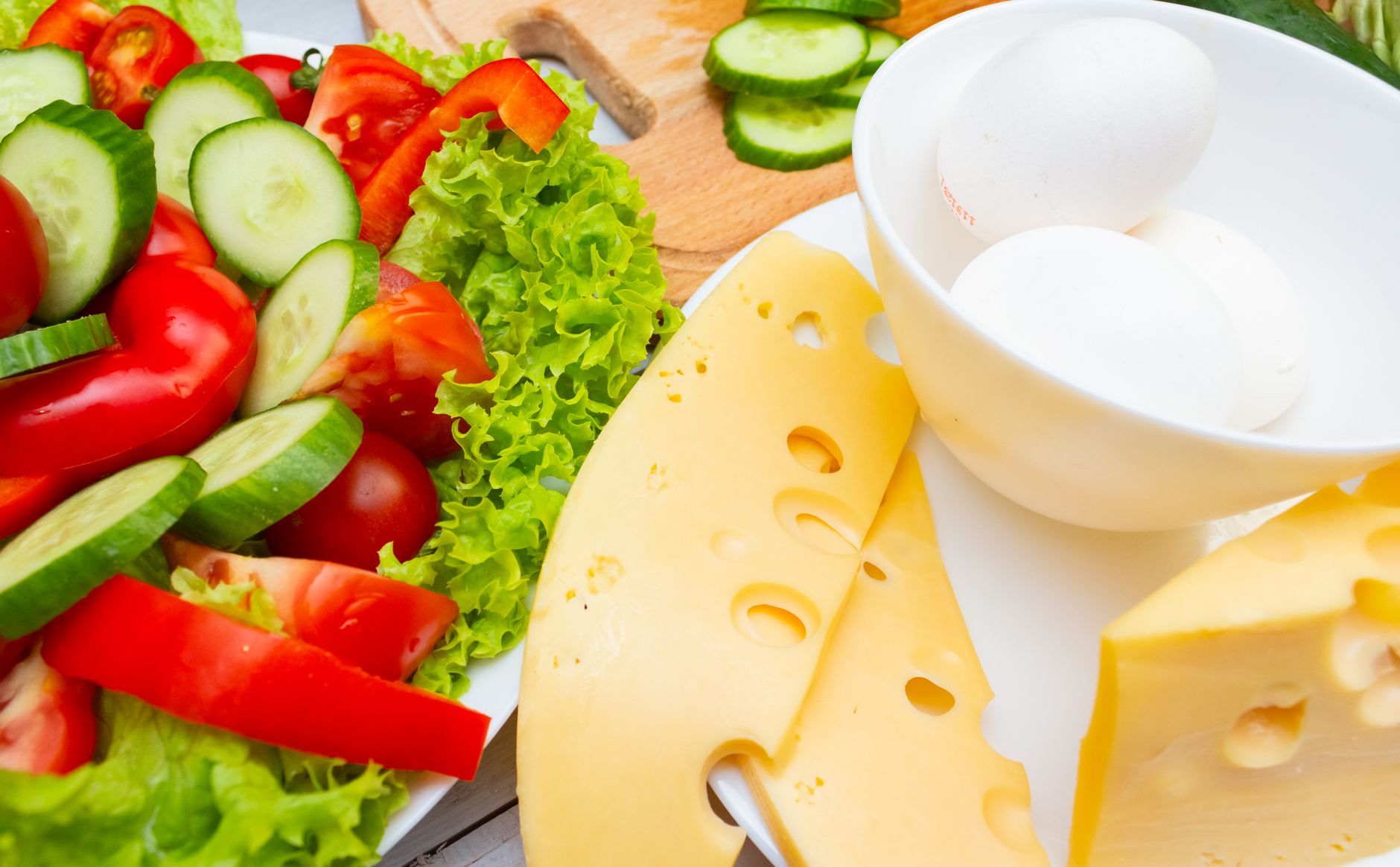
Struggling with a dairy-free diet? Discover a **7-day dairy-free meal plan** packed with delicious, nutrient-rich recipes to simplify healthy eating in 2026—no
By Shubhra Mishra — a mom of two who turned her own confusion during pregnancy into BumpBites, a global mission to make food choices clear, safe, and stress-free for every expecting mother. 💛
Check whether any food is safe during pregnancy with the BumpBites Food Safety Checker.
Quick take: A dairy-free 7-day meal plan is your ticket to delicious, nutrient-packed meals without the lactose or casein. Whether you're avoiding dairy for lactose intolerance, pregnancy, weight loss, or simply exploring a new way of eating, this guide gives you everything you need—from a beginner-friendly plan to high-protein options for athletes, plus a grocery list to make prep a breeze. Just remember: calcium and vitamin D are key, and you’ll need to swap in smart alternatives like fortified plant milks or leafy greens. **Pro tip:** If you're transitioning, start by identifying hidden dairy in sauces, bread, and processed snacks—many people are surprised by how much they consume without realizing it.
You’re staring at your fridge at 9pm, exhausted, and wondering: “What can I actually eat without dairy?”
This is the moment many of us have been there. Maybe you’ve just been diagnosed with lactose intolerance, or you’re trying to conceive and your doctor suggested cutting back on dairy. Perhaps you’re an athlete looking to optimize your diet or a parent navigating picky eaters. Whatever the reason, a dairy-free diet doesn’t have to mean sacrificing flavor, nutrition, or convenience.
We’ve created a 7-day dairy-free meal plan that’s packed with real, approachable recipes—no boring salads or sad smoothies here. Think hearty breakfasts, protein-packed lunches, and satisfying dinners that will keep you full and energized. And yes, we’ve included high-protein options for athletes, kid-friendly meals, and even a pregnancy-safe plan—because your diet matters at every stage of life.
Here’s the good news: a dairy-free diet can actually be richer in nutrients if you choose the right foods. We’ll walk you through calcium and vitamin D alternatives, how to meal prep like a pro, and even common mistakes to avoid. But we’ll also dive into how to transition smoothly—because even the most well-planned diet can feel overwhelming if you’re not prepared. Let’s get started.
---
What is a dairy-free diet? And why would you choose one?
First, let’s clarify: a dairy-free diet means avoiding all forms of dairy—milk, cheese, yogurt, butter, cream, and even hidden sources like casein (a protein found in many processed foods). This isn’t the same as lactose-free, which only cuts out the sugar in milk. If you’re avoiding dairy, you’re eliminating both lactose and casein, which can be helpful for people with lactose intolerance or casein sensitivity.
Some people choose a dairy-free diet for health reasons—like PCOS, acne, or digestive issues—while others do it for ethical or environmental reasons. And yes, it’s absolutely safe for children (with proper nutrition planning) and even during pregnancy, though you’ll want to ensure you’re getting enough calcium and vitamin D.
**Did you know?** Many people don’t realize how much dairy hides in foods like salad dressings, bread, and even some medications. According to the FDA’s Food Allergen Labeling and Consumer Protection Act, dairy is one of the top eight allergens, so always check labels for terms like "whey," "casein," or "lactose." We’ll cover that in our gluten-free meal plan guide too, since cross-contamination is a real concern for those with allergies.
---
Dairy-free 7-day meal plan for beginners: Your first week made easy
If you’re new to dairy-free eating, don’t worry—we’ve designed this plan to be simple, flavorful, and satisfying. Each day includes breakfast, lunch, dinner, and two snacks, with a focus on whole foods and minimal processing. Here’s what a typical day might look like:
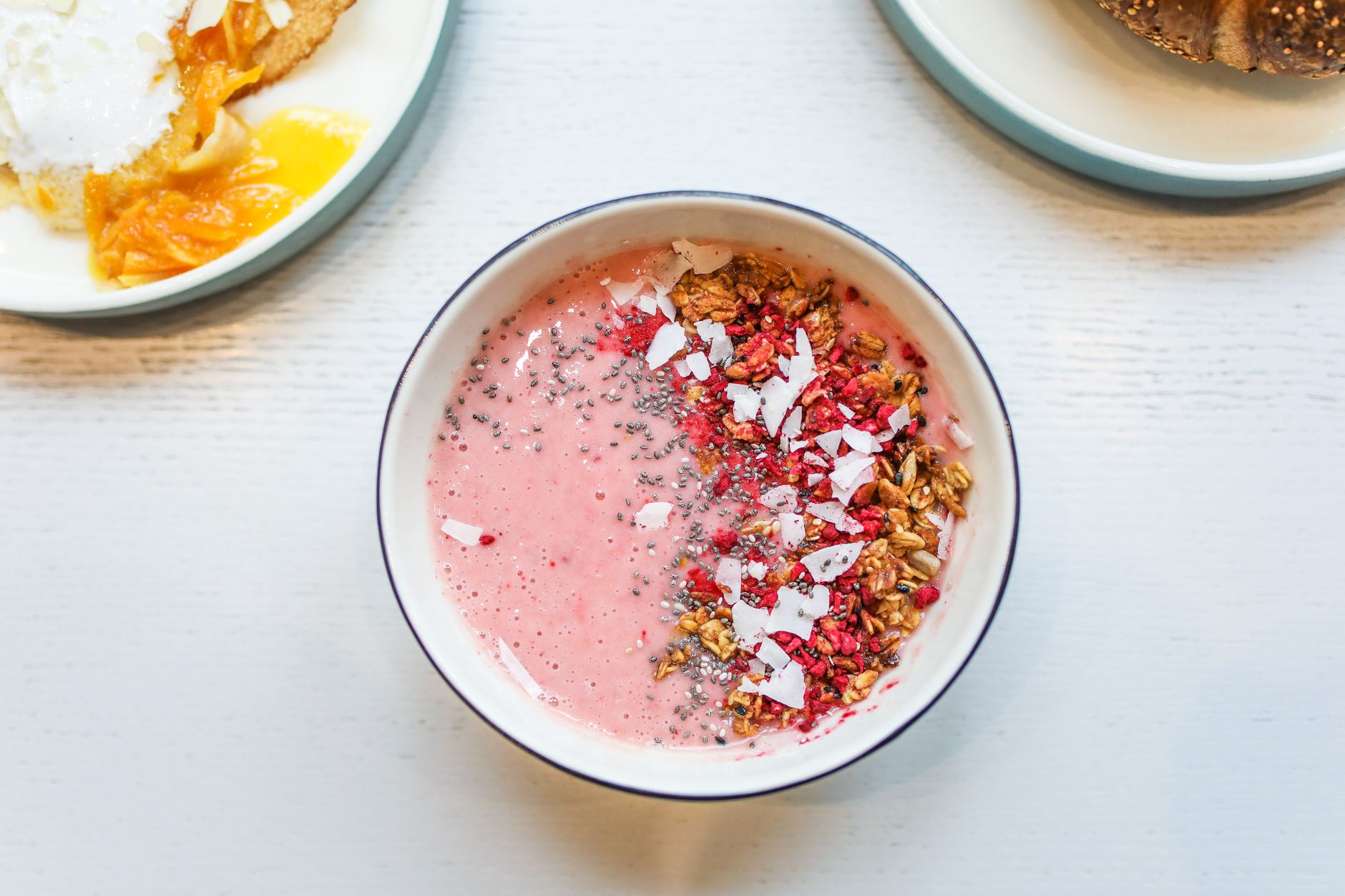
Start your day right with these dairy-free breakfast ideas.
Day 1: Easy and satisfying
Breakfast: Chia pudding with almond milk, topped with banana and walnuts
Snack: Handful of almonds and an apple
Lunch: Grilled chicken salad with mixed greens, avocado, cherry tomatoes, and balsamic dressing
Snack: Rice cakes with almond butter and sliced strawberries
Dinner: Baked salmon with roasted sweet potatoes and steamed broccoli
**Why it works:** This day is packed with protein, healthy fats, and fiber to keep you full and energized. The chia pudding is a great way to start the day without dairy, and the salmon provides omega-3s for brain health.
---
Dairy-free 7-day meal plan for weight loss: Calorie-conscious and delicious
If your goal is weight loss, we’ve focused on nutrient-dense, lower-calorie meals that still keep you satisfied. The key is balancing protein, fiber, and healthy fats to curb cravings and support metabolism. Here’s how to structure your week:
Focus on lean proteins, whole grains, and veggies to stay full and lose weight.
Day 4: High-protein, low-calorie
Breakfast: Scrambled tofu with spinach, mushrooms, and turmeric (cooked in olive oil)
Snack: Celery sticks with sunflower seed butter
Lunch: Turkey lettuce wraps with avocado, shredded carrots, and a squeeze of lime
Snack: Sliced cucumber with hummus
Dinner: Grilled shrimp skewers with zucchini noodles and pesto (made with basil, olive oil, and nutritional yeast)
**Pro tip:** Drink plenty of water, and consider adding a carnivore diet-inspired approach for a few days if you’re struggling with cravings—sometimes cutting out all carbs (even healthy ones) can help reset your appetite. **Did you know?** According to the NHS, reducing refined carbs can help stabilize blood sugar and reduce cravings for many people.
---
Dairy-free 7-day meal plan for pregnancy: Safe and nutritious
If you’re pregnant and avoiding dairy, your focus should be on calcium, vitamin D, and protein to support your baby’s development. Many women worry about getting enough nutrients, but with the right planning, a dairy-free pregnancy diet is totally doable. Here’s what to prioritize:
**One reader shared:** *“I was so nervous about cutting dairy during my first trimester, but my midwife assured me that as long as I was eating enough leafy greens, fortified plant milks, and nuts, I’d be fine. I swapped my yogurt for coconut yogurt and added chia seeds to my smoothies—it’s been a game-changer!”*
Day 2: Pregnancy-focused
Breakfast: Smoothie with spinach, frozen mango, fortified almond milk, and flaxseeds
Snack: Handful of pumpkin seeds and an orange
Lunch: Quinoa bowl with chickpeas, roasted sweet potatoes, and tahini dressing
Snack: Sliced pear with almond butter
Dinner: Baked chicken with roasted Brussels sprouts and mashed cauliflower (made with olive oil and garlic)
**Why it matters:** Spinach and fortified almond milk provide calcium, while pumpkin seeds are rich in zinc—a key nutrient for pregnancy. Always check with your healthcare provider before making major dietary changes, but this plan ensures you’re covering your bases. **According to the ACOG**, pregnant women need about 1,000 mg of calcium and 600 IU of vitamin D daily. Leafy greens and fortified foods are excellent sources.
---
Dairy-free 7-day meal plan with high protein: For athletes and active lifestyles
If you’re an athlete or just someone who needs extra protein to fuel your workouts, we’ve designed a plan with lean meats, legumes, and plant-based proteins to keep you strong and energized. Here’s how to structure your high-protein days:
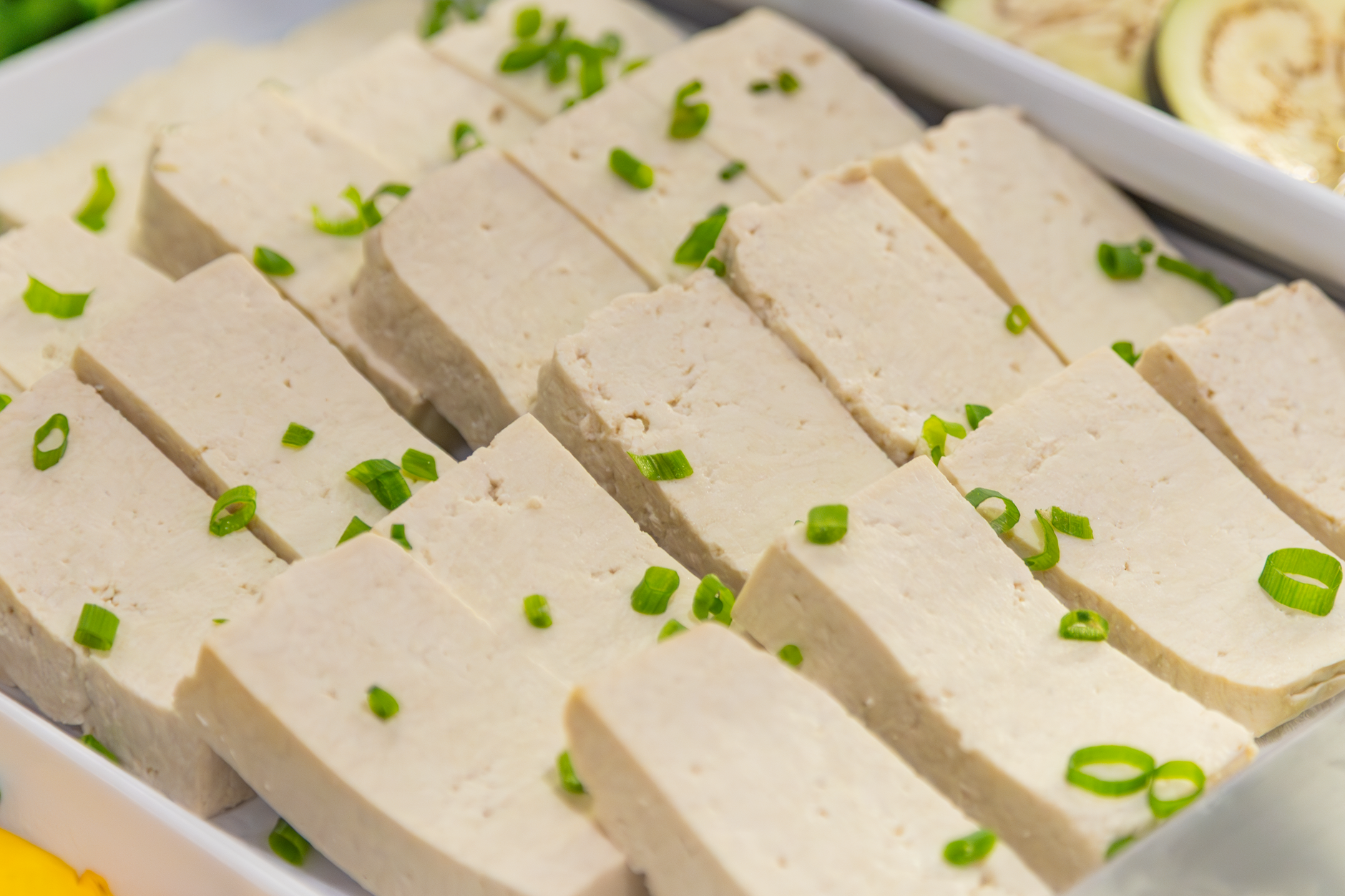
Fuel your workouts with these protein-packed dairy-free meals.
Day 5: Protein-packed power day
Breakfast: Scrambled eggs with sautéed kale and turkey bacon
Snack: Protein shake with pea protein powder, banana, and coconut water
Lunch: Grilled chicken breast with roasted chickpeas and quinoa
Snack: Hard-boiled eggs with sea salt
Dinner: Beef stir-fry with bell peppers, broccoli, and tamari sauce over brown rice
**Protein sources to try:**
Eggs
Chicken, turkey, and lean beef
Lentils, chickpeas, and black beans
Tofu and tempeh
Pea protein powder (great for shakes)
---
Dairy-free 7-day meal plan for kids: Fun and kid-approved
Feeding kids a dairy-free diet can feel overwhelming, but it doesn’t have to be. The key is making meals fun, familiar, and flavorful while ensuring they’re getting all the nutrients they need. Here’s how to do it:
**One mom shared:** *“My 5-year-old used to refuse anything that wasn’t cheese or milk, but I swapped in dairy-free ‘mac and cheese’ (made with cauliflower and nutritional yeast) and he loved it. Now he asks for it all the time!”*
Day 3: Kid-friendly favorites
Breakfast: Whole-grain pancakes with almond butter and sliced banana
Snack: Popcorn with a sprinkle of nutritional yeast
Lunch: Turkey and avocado roll-ups with whole-grain tortillas and carrot sticks
Snack: Smoothie with frozen strawberries, spinach, and coconut yogurt
Dinner: Baked chicken nuggets (made with almond flour) with roasted sweet potato fries
**Tips for picky eaters:**
Let them help with meal prep—kids are more likely to try foods they’ve touched.
Use fun shapes (cookie cutters for sandwiches, star-shaped veggies).
Introduce one new food at a time.
**Pro tip:** According to the NHS, involving kids in grocery shopping can help them become more adventurous eaters.
---
Dairy-free meal prep tips: Smooth transitions and time-saving hacks
Transitioning to a dairy-free diet can feel like navigating a maze if you’re not prepared. The key is planning ahead—whether it’s swapping out pantry staples or learning to read labels. Here’s how to make the shift smoother:
Hidden Dairy Swaps
Many processed foods contain dairy in unexpected places. Here’s what to watch for and how to replace it:
Salad dressings: Swap for olive oil + lemon juice or balsamic vinegar.
Bread and baked goods: Look for dairy-free labels or make your own using almond flour or coconut oil.
Frozen meals: Opt for fresh or homemade meals—many frozen dinners contain hidden dairy.
Medications: Some pills contain lactose. Ask your pharmacist for lactose-free alternatives.
Transition Timeline
Week
Focus
Example Action
Week 1
Identify hidden dairy
Read labels on your top 10 pantry items.
Week 2
Swap staples
Replace milk with fortified almond milk and butter with coconut oil.
Week 3
Meal prep basics
Batch-cook grains and proteins for the week.
Week 4+
Explore new recipes
Try a new dairy-free recipe each week.
---
Dairy-free 7-day meal plan grocery list: Your shopping checklist
To make this meal plan work, you’ll need a few key pantry staples and fresh ingredients. Here’s what to stock up on:
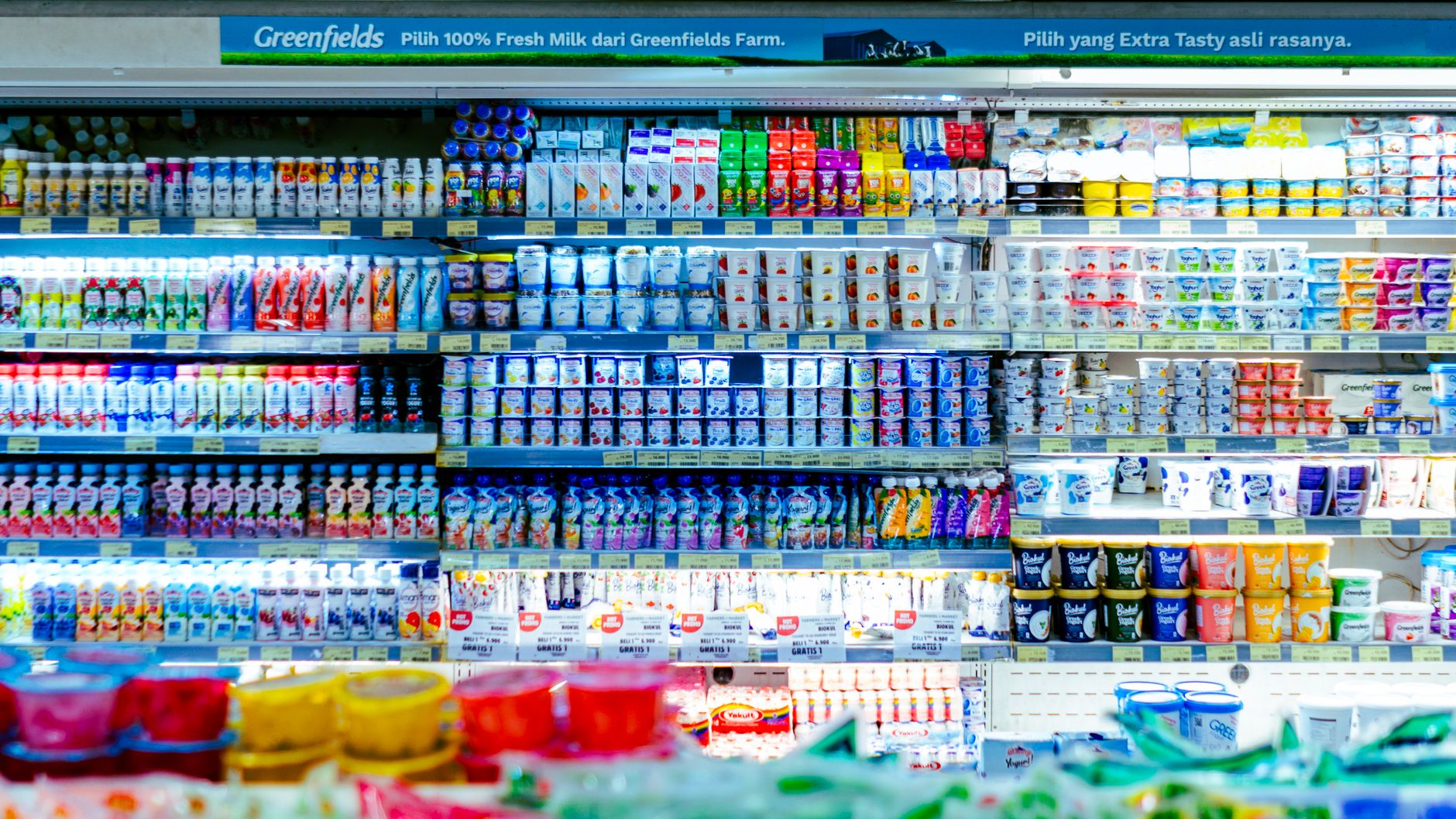
Your dairy-free grocery list, organized and ready to go.
Pantry Staples
Category
Examples
Plant-based milks
Almond, coconut, oat, or soy milk (fortified with calcium and vitamin D)
Dairy-free 7-day meal plan recipes: 3 easy, crowd-pleasing recipes
Let’s dive into three simple, delicious recipes that will become staples in your dairy-free kitchen:
1. Creamy Coconut Curry with Chickpeas
Ingredients: Chicken breast, coconut milk, red curry paste, chickpeas, bell peppers, spinach, garlic, ginger, brown rice.
Why it’s great: This dish is rich, creamy (thanks to coconut milk), and packed with protein and fiber. It’s also naturally dairy-free and freezes well for meal prep.
Why it’s great: This quick weeknight dinner is protein-rich, full of flavor, and ready in 20 minutes. Pair it with roasted sweet potatoes for a complete meal.
---
Dairy-free 7-day meal plan nutrition facts: What you’re really eating
One of the biggest concerns with a dairy-free diet is whether you’re getting enough calcium, vitamin D, and protein. The good news is that many plant-based foods are excellent sources of these nutrients. Here’s a quick breakdown:
See how dairy-free meals can be just as nutrient-dense as traditional ones.
**Pro tip:** If you’re worried about nutrient gaps, consider a fruitarian-inspired approach for a few days—it’s surprisingly rich in vitamins and minerals, though it’s not sustainable long-term. **According to the FDA**, vitamin D deficiency is common, so consider a supplement if you’re not getting enough from food or sunlight.
---
Dairy-free 7-day meal plan shopping list: Organized by section
To make your trip to the store a breeze, here’s your organized grocery list, broken down by section of the store:
Produce
Spinach (1 bunch or bag)
Kale (1 bunch)
Broccoli (2 heads)
Brussels sprouts (1 lb)
Sweet potatoes (3–4)
Regular potatoes (3–4)
Avocados (3)
Bananas (6)
Apples (4)
Oranges (4)
Lemons (2)
Bell peppers (3)
Cherry tomatoes (1 pint)
Asparagus (1 bunch)
---
Dairy-free 7-day meal plan for athletes: Fueling performance
If you’re an athlete, your body needs extra protein and carbs to recover and perform at your best. Here’s how to adapt this plan for active lifestyles:
Key Adjustments for Athletes
Increase protein intake: Aim for 1.6–2.2 grams of protein per kilogram of body weight. Prioritize lean meats, eggs, and plant-based proteins like tofu and tempeh.
Add complex carbs: Fuel workouts with whole grains like quinoa, brown rice, and sweet potatoes. These provide sustained energy.
Hydrate well: Electrolytes are crucial, especially if you sweat a lot. Add coconut water or a pinch of sea salt to your water.
Post-workout recovery: Pair protein with carbs (like a smoothie with pea protein and banana) within 30–60 minutes after exercise.
Sample Athlete’s Day
Breakfast: Protein smoothie with pea protein, banana, almond milk, and flaxseeds
Snack: Hard-boiled eggs with sea salt and a handful of almonds
Lunch: Grilled chicken wrap with avocado, spinach, and hummus in a whole-grain tortilla
Snack: Greek-style coconut yogurt with granola and berries
Dinner: Beef stir-fry with broccoli, bell peppers, and brown rice
---
Dairy-free 7-day meal plan for lactose intolerance: What’s the difference?
If you have lactose intolerance, you can’t digest lactose—the sugar in milk—but you might still tolerate small amounts of dairy or dairy products made with lactase enzymes. Here’s how to navigate it:
**Key difference:** Lactose intolerance means you can’t digest lactose, but casein sensitivity is different—it’s an immune reaction to the protein in milk. If you suspect both, a dairy-free diet is your best bet.
Tips for Lactose Intolerance
Look for lactose-free dairy if you can tolerate small amounts (like lactose-free milk or cheese).
Avoid hidden dairy in processed foods like salad dressings, bread, and some medications.
Try dairy-free alternatives like almond milk, coconut yogurt, and nutritional yeast for cheesy flavor.
---
Dairy-free meal prep tips and storage: Save time and reduce waste
Meal prepping is your best friend when it comes to sticking to a dairy-free diet. Here’s how to do it right:
Tips for Success
Cook in batches: Roast a big tray of veggies or cook a pot of grains once a week to use in multiple meals.
Use airtight containers: Store meals in glass or BPA-free plastic containers to keep them fresh.
Freeze extras: Soups, stews, and casseroles freeze well for up to 3 months.
Label everything: Write the date and contents on containers so you know what’s inside.
Storage Times
Food
Fridge (days)
Freezer (months)
Cooked grains (quinoa, rice)
5
3
Cooked meats (chicken, beef)
3–4
3–4
Soups and stews
4–5
3–6
Fresh veggies (uncooked)
3–5
N/A
Hard-boiled eggs
1 week
1–2
---
Dairy-free 7-day meal plan for digestive health: Gut-friendly swaps
If your digestive system is sensitive, a dairy-free diet can be a game-changer. Many people with IBS, SIBO, or general bloating find relief by eliminating dairy. Here’s how to make your dairy-free meals even more gut-friendly:
**Did you know?** According to the Irritable Bowel Syndrome Foundation, dairy is one of the top triggers for IBS symptoms in many people. The key is focusing on low-FODMAP foods to reduce bloating and discomfort.
Gut-Friendly Swaps
Instead of regular yogurt: Try coconut yogurt or a low-FODMAP probiotic drink.
Instead of regular cheese: Use nutritional yeast or dairy-free cheese made with coconut oil.
Instead of high-lactose milk: Opt for lactose-free milk or oat milk (lower in FODMAPs).
Instead of fermented dairy (like kefir): Try water kefir or coconut kefir.
Sample Gut-Friendly Day
Breakfast: Oatmeal with chia seeds, coconut milk, and blueberries
Snack: Rice cakes with sunflower seed butter
Lunch: Grilled chicken salad with arugula, cucumber, and olive oil dressing
Snack: Carrot sticks with hummus
Dinner: Baked salmon with roasted zucchini and quinoa
---
Common pitfalls of a dairy-free diet (and how to avoid them)
Even the best meal plans can go wrong if you’re not careful. Here are the most common mistakes—and how to fix them:
1. Not replacing calcium and vitamin D
Mistake: Assuming you don’t need to worry about these nutrients because you’re not eating dairy.
Fix: Drink fortified plant milks, eat leafy greens, and consider a supplement if needed. The DASH diet is a great model for balancing these nutrients.
2. Relying too much on processed dairy-free alternatives
Mistake: Buying pre-packaged dairy-free cheese or ice cream, which can be high in sodium or additives.
Fix: Make your own alternatives (like homemade almond milk or nutritional yeast cheese sauce) or choose minimally processed options.
3. Skipping protein
Mistake: Thinking plant-based meals are automatically low in protein.
Fix: Include legumes, tofu, tempeh, nuts, and seeds in every meal to keep protein levels high.
---
Dairy-free snacks: Quick and satisfying options
Snacks are the secret to staying on track with any diet. Here are some quick, satisfying, and dairy-free snack ideas to keep you full and energized:
No-Prep Snacks
Fresh fruit with nut butter
Veggie sticks with hummus
Handful of nuts or seeds
Rice cakes with avocado
Dark chocolate (85% or higher, dairy-free)
Quick Prep Snacks
Energy balls (dates, oats, cocoa powder, and nut butter)
Hard-boiled eggs with salt and pepper
Roasted chickpeas (tossed in olive oil and spices)
Dairy-free yogurt with granola
Apple slices with almond butter
---
Myth vs. fact: Separating dairy-free diet truths from misconceptions
Myth: A dairy-free diet is automatically healthier.
Fact: Not necessarily. A diet high in processed dairy-free alternatives (like vegan junk food) can be just as unhealthy as a standard Western diet. Focus on whole foods, and you’ll see the benefits.
Myth: You’ll automatically lose weight on a dairy-free diet.
Fact: Weight loss depends on your overall calorie intake and activity level, not just whether you’re eating dairy. Many people lose weight by cutting out dairy because it’s often high in saturated fats, but the real key is balance. **According to the AHA**, reducing saturated fats can support heart health, but overall calorie intake is what matters most for weight loss.
Myth: Dairy-free diets are only for people with allergies or intolerances.
Fact: Some people choose dairy-free for ethical, environmental, or personal preference reasons. It’s a lifestyle choice, not just a medical necessity.
---
Key takeaways: Your dairy-free diet checklist
Focus on calcium-rich foods like leafy greens, fortified plant milks, and nuts to replace dairy.
Prioritize protein sources like eggs, tofu, tempeh, lentils, and lean meats to stay full and energized.
Meal prep in batches to save time and reduce waste—cook grains, roast veggies, and batch-cook proteins.
Avoid hidden dairy in processed foods by reading labels carefully.
If you’re pregnant or an athlete, adjust your plan to include extra protein and nutrients.
Listen to your body—if you feel fatigued or sluggish, you might need to adjust your intake.
Transition gradually by swapping one dairy product at a time to avoid overwhelming yourself.
---
Frequently asked questions about dairy-free diets
What is a dairy-free diet?
A dairy-free diet means avoiding all forms of dairy, including milk, cheese, yogurt, butter, and even hidden sources like casein in processed foods. It’s different from lactose-free, which only cuts out the sugar in milk. Many people choose this diet for health, ethical, or environmental reasons, but it’s also necessary for those with lactose intolerance or casein sensitivity.
How do you make a dairy-free meal plan?
Start by identifying your goals—whether it’s weight loss, pregnancy, or simply avoiding dairy. Focus on whole foods like leafy greens, nuts, seeds, legumes, and lean proteins. Swap dairy in recipes with plant-based alternatives like almond milk, coconut yogurt, or nutritional yeast. Always check labels for hidden dairy, and consider consulting a dietitian for personalized advice.
Can you have a dairy-free diet during pregnancy?
Yes, but you’ll need to be extra mindful of getting enough calcium, vitamin D
Not sure about the label on Dairy Free Diet Meal Plan 7 Day products?
Snap the ingredients list and SafeFilter checks every ingredient for your stage — only 3 free scans this month, then you're locked until reset. Unlimited from $7/mo or $50/yr.
When Shubhra Mishra was expecting her first child in 2016, she was overwhelmed by conflicting food advice — one site said yes, another said never. By the time her second baby arrived in 2019, she realized millions of mothers face the same confusion.
That sparked a five-year journey through clinical nutrition papers, cultural diets, and expert conversations — all leading to BumpBites: a calm, compassionate space where science meets everyday motherhood.
Her long-term vision is to build a global community ensuring safe, supported, and free deliveriesfor every mother — because no woman should face pregnancy alone or uninformed. 🌿
🌍 Stand with mothers, shape safer guidance
Join a small circle of experts who review BumpBites articles so expecting parents everywhere can decide with confidence.