Quick take: A Crohn’s diet sample day balances easy-to-digest, anti-inflammatory foods while avoiding triggers like high-FODMAPs, spicy foods, and excessive fiber. Start with a low-FODMAP breakfast like oatmeal with almond milk, move through gentle protein sources (boiled eggs, chicken, fish), and include nutrient-dense snacks like banana slices or pumpkin seeds. For flares, focus on small, bland meals; for remission, add variety like low-FODMAP French-inspired dishes or anti-inflammatory meals. Always consult your dietitian to tailor portions to your energy needs and symptoms.
Crohn’s Diet Sample Day of Eating: The Complete 2026 Guide
You’re staring at your empty fridge at 9 PM, stomach rumbling, and the last thing you want is another meal that might send you to the bathroom by dawn. Crohn’s disease doesn’t just steal your appetite—it rewrites the rules of what you can eat without paying for it later. You’ve heard “low-FODMAP” and “anti-inflammatory” thrown around, but translating that into a real meal feels like solving a puzzle with missing pieces. One reader, a 32-year-old marketing manager, texted us after a flare-up: *“I spent $80 on ‘safe’ snacks last week and still felt like I was eating cardboard. How do I actually eat without triggering symptoms?”*
Here’s the truth: there’s no one-size-fits-all Crohn’s diet, but a structured approach—rooted in science and tested by real people—can turn mealtime from a minefield into a manageable rhythm. This guide isn’t just a meal plan; it’s a framework to adapt as your body (and symptoms) change. Whether you’re navigating a flare, aiming for weight gain, or just trying to keep things predictable, we’ll break down what a day of eating looks like—with practical swaps, expert-backed principles, and even a sample week to print and tweak.
First, a quick note: Crohn’s disease is an inflammatory bowel disease (IBD) that affects the digestive tract, causing symptoms like diarrhea, abdominal pain, fatigue, and weight loss. Diet alone can’t cure it, but it can help manage inflammation, reduce flare-ups, and support gut healing—especially when paired with medication and medical care. Always work with a registered dietitian (ideally one specializing in IBD) to personalize this plan to your triggers and nutritional needs.
Let’s start with the basics—then dive into the meals, snacks, and strategies that make a Crohn’s diet work in real life.
---
What does a typical Crohn’s diet sample day look like for a beginner?
If you’re new to managing Crohn’s with diet, the first step is simplicity. Think of this phase like learning to drive: you start with parallel parking (small, safe meals) before tackling highway merges (varied, nutrient-dense foods). A beginner-friendly day focuses on:
- Low-FODMAP foods (fermentable carbs that can trigger bloating and pain—more on this below).
- Gentle proteins like boiled eggs, chicken, or fish (easy to digest, high in protein).
- Anti-inflammatory fats like olive oil, avocado, or nuts (in moderation).
- Small, frequent meals (3 main meals + 2–3 snacks) to avoid overwhelming your gut.
**Here’s a starter template for your first week:**
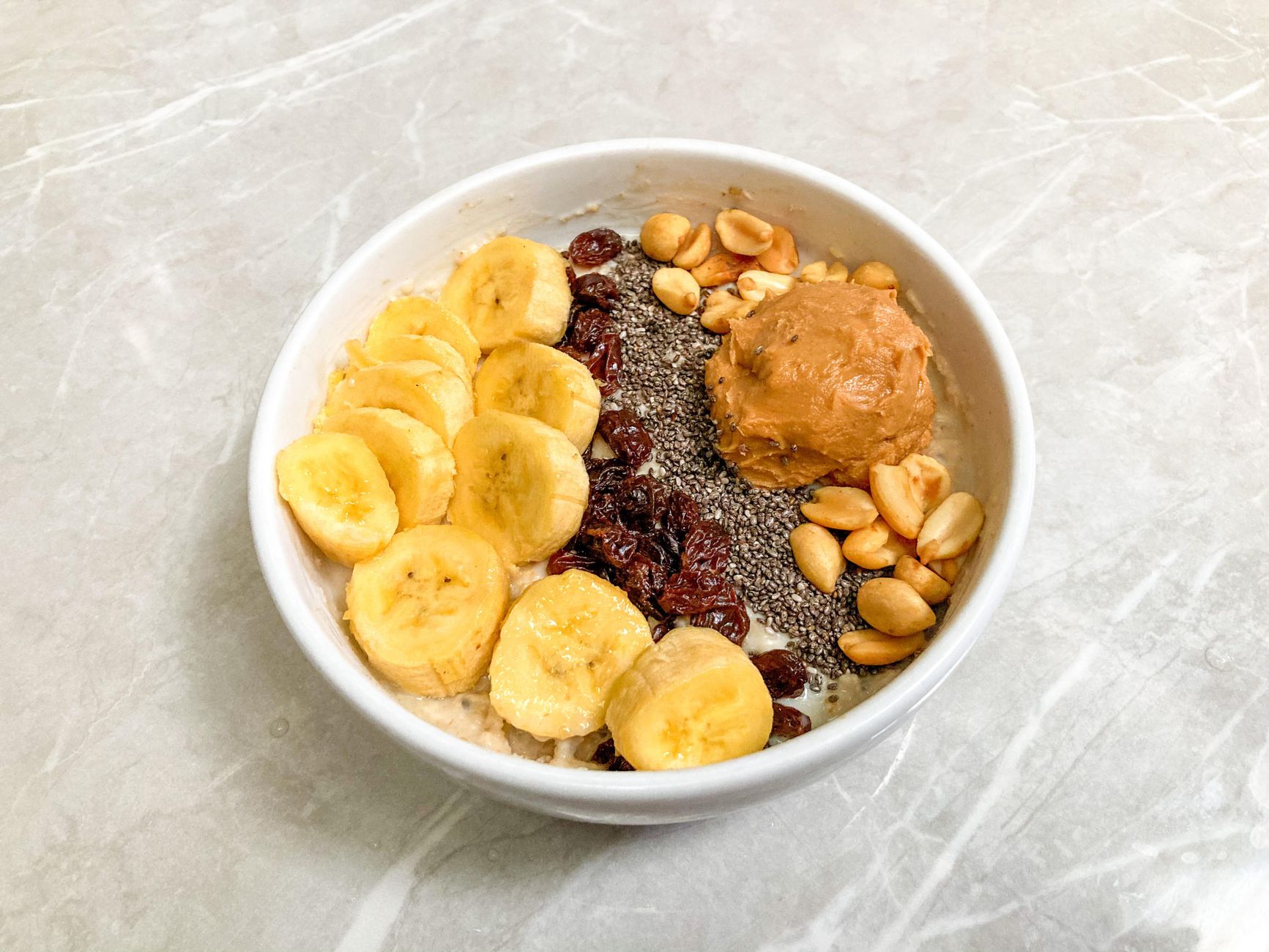
- Breakfast: Oatmeal cooked in water or lactose-free milk, topped with banana slices (ripe = lower FODMAP than green) and pumpkin seeds.
- Snack: Plain rice cakes with almond butter (1 tbsp).
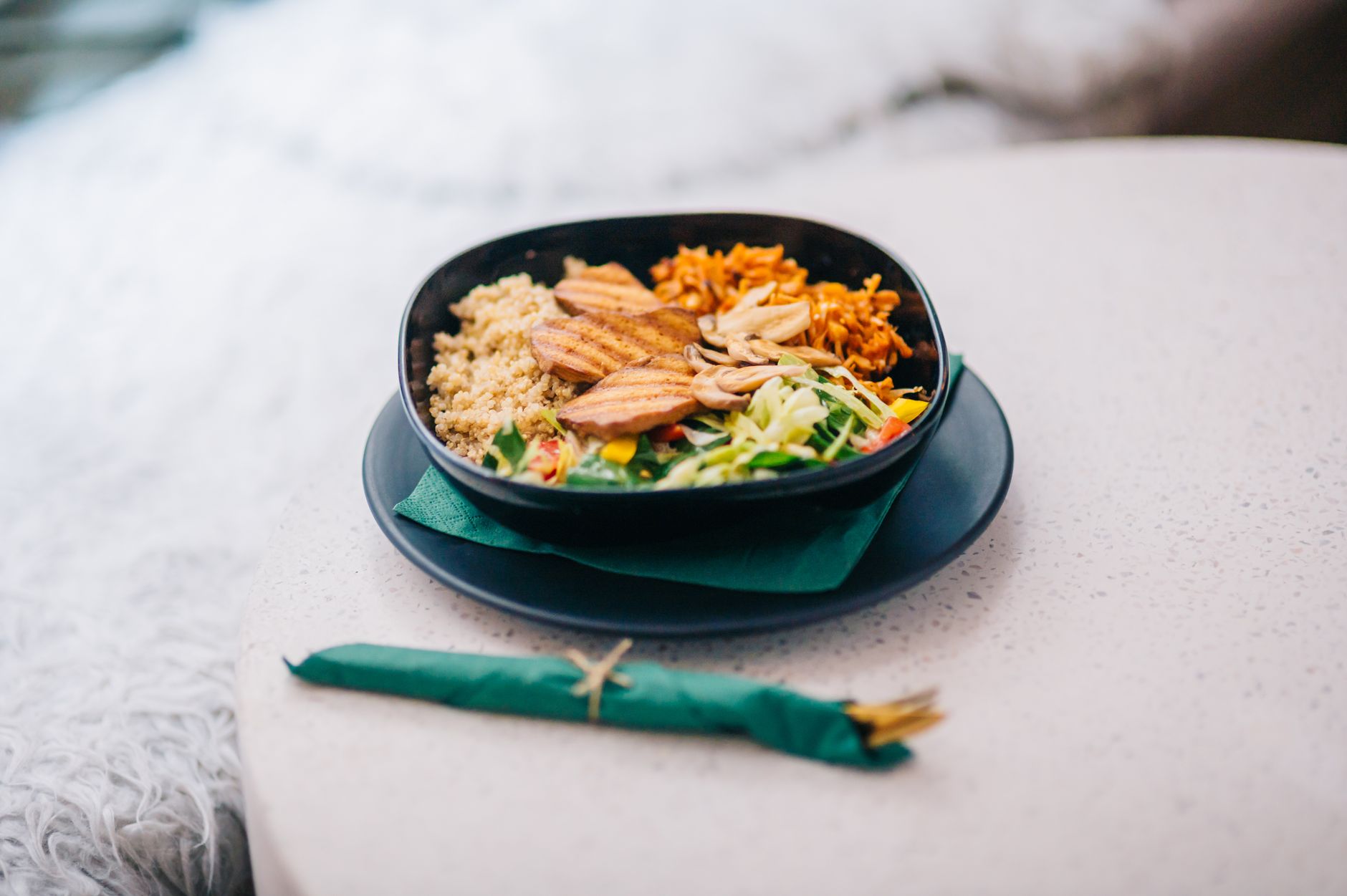
- Lunch: Baked chicken breast with steamed carrots and quinoa (cooked well-past al dente).
- Snack: Hard-boiled eggs (peeled and prepped ahead) with a pinch of salt.
- Dinner: Salmon (wild-caught, skin-on) with mashed potatoes (made with olive oil and a splash of lactose-free milk).
- Evening snack (if needed): Lactose-free yogurt with a drizzle of honey.
Why this works: Every item avoids high-FODMAP foods (like onions, garlic, or apples) and focuses on foods that are easily digestible and nutrient-dense. The banana is ripe (lower FODMAP than green), the quinoa is overcooked to reduce fiber, and the salmon provides omega-3s for gut healing. Compare this to the DASH diet, which also emphasizes lean proteins and veggies—but Crohn’s often requires even more gentle prep.
**Pro tip:** Keep a food diary for a week to track what works and what doesn’t. Apps like MyFODMAP or Cronometer can help log meals and symptoms. Many people find that even “safe” foods like dairy or gluten-free grains can trigger flare-ups—so pay attention to patterns.
 >
---
Sample Crohn’s diet meal plan for a week with low FODMAP foods
Ready to see a full week? Below is a low-FODMAP meal plan designed for remission (not flare-ups). Adjust portions based on your energy needs—some days you’ll need more calories for weight gain; others, you’ll want to reduce volume during a flare. Always check with your dietitian before making big changes.
Note on portion sizes: Crohn’s often leads to malabsorption, so focus on nutrient density over volume. A typical day might look like:
- Breakfast: 150–200 calories
- Snack: 100–150 calories
- Lunch: 300–400 calories
- Snack: 100–150 calories
- Dinner: 400–500 calories
- Evening snack (if needed): 100–200 calories
**Total: ~1,250–1,600 calories/day** (adjust up or down as needed). If you’re underweight or struggling with weight gain, aim for the higher end and add healthy fats like olive oil or avocado.
Sample Week (Low-FODMAP):
Key notes:
- Hydration: Drink 8–10 cups of water daily, especially if you’re on steroids or have diarrhea. Herbal teas (like chamomile or ginger) can help soothe the gut.
- Cooking methods: Steaming, boiling, or baking are gentler than frying. Avoid raw veggies if they bother you—cook them until soft.
- Portion control: Start with smaller portions and increase as tolerated. Overloading your gut can trigger symptoms.
What if you’re not feeling well? If this plan feels overwhelming, simplify further. Focus on one food group at a time—for example, prioritize protein for a week, then add carbs, then fats. This helps isolate triggers.
 >
---
How to create a Crohn’s diet sample day that includes protein shakes and smoothies
Protein shakes and smoothies can be lifesavers for Crohn’s—especially if you’re struggling with weight loss, nausea, or just don’t feel like chewing. The key is nutrient density and gentle ingredients. Here’s how to make them work for you.
Protein shake basics:
- Protein source: Lactose-free whey, pea protein, or soy protein (avoid high-FODMAP options like casein).
- Liquid base: Lactose-free milk, coconut water, or almond milk (unsweetened).
- Add-ins: Banana (ripe), pumpkin seeds, chia seeds, or flaxseed for fiber and healthy fats.
- Avoid: High-FODMAP fruits (apples, pears, mango), dairy-based yogurt, and sugary additives.
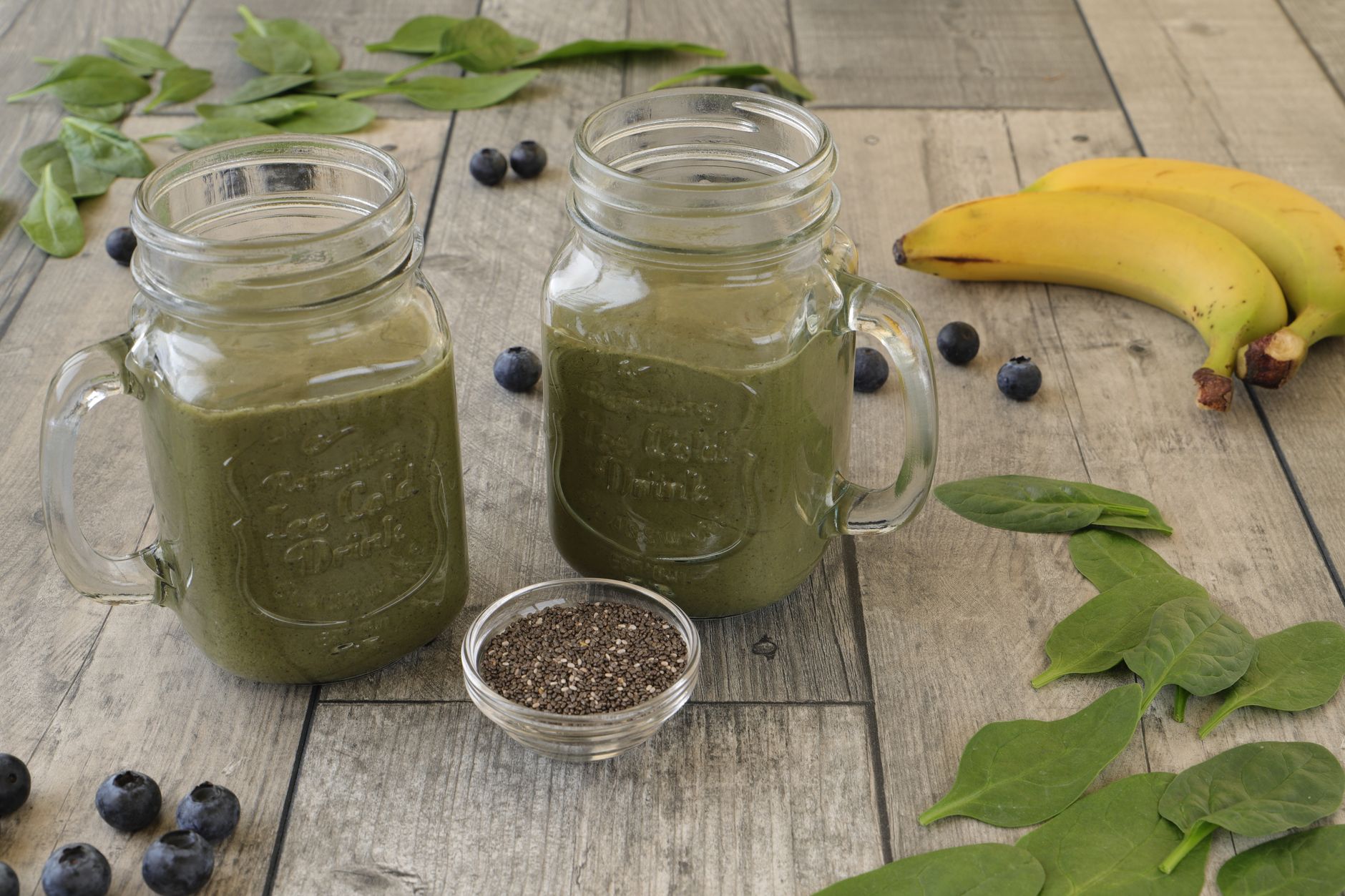
Sample protein shake recipe (low-FODMAP):
- 1 cup lactose-free milk (or almond milk)
- 1 scoop pea protein powder
- ½ ripe banana (frozen works well)
- 1 tbsp pumpkin seeds
- 1 tsp flaxseed
- Ice (optional)
Blend until smooth. Drink immediately—protein shakes don’t keep well.
Smoothie tips:
- Use ripe, low-FODMAP fruits like banana, blueberries (½ cup), or watermelon.
- Add healthy fats like avocado or nut butter to slow digestion and keep you full.
- Skip seeds with high-FODMAPs (like chia or flax) if they bother you—opt for pumpkin seeds instead.
Sample smoothie recipe (gut-friendly):
- 1 cup lactose-free yogurt (or coconut yogurt)
- ½ cup blueberries
- ½ ripe banana
- 1 tbsp almond butter
- ½ cup lactose-free milk
- 1 tsp honey (optional)
Blend and enjoy! This smoothie provides protein, fiber, and antioxidants without triggering symptoms.
When to use shakes/smoothies:
- As a meal replacement if you’re too nauseous to eat.
- As a post-workout recovery drink (especially if you’re active—see the next section).
- As a bedtime snack to support gut healing overnight.
Watch out for:
- Too much fiber at once (can worsen bloating).
- High-sugar additives (even natural ones like honey can spike blood sugar).
- Underestimating calories—shakes can be a great way to increase nutrient intake without bulk.
 >
---
Crohn’s diet sample day for pregnant women: safe foods and portion sizes
Pregnancy and Crohn’s is a double whammy: your body is already working overtime, and your diet needs to support both your baby’s growth and your gut’s healing. The good news? Many Crohn’s-safe foods are also excellent for pregnancy—just with a few extra precautions.
Key adjustments for pregnant women with Crohn’s:
- Increase calories by 300–500/day (aim for 2,200–2,800 calories depending on your pre-pregnancy weight).
- Prioritize folate, iron, and omega-3s (critical for fetal development and gut healing).
- Avoid raw or undercooked foods (like sushi or rare meat) to prevent foodborne illness.
- Monitor vitamin D and B12—deficiencies are common in Crohn’s and can worsen during pregnancy.
Sample pregnancy-friendly Crohn’s day:
- Breakfast: Scrambled eggs with spinach (cooked in olive oil) + 1 slice toast with almond butter.
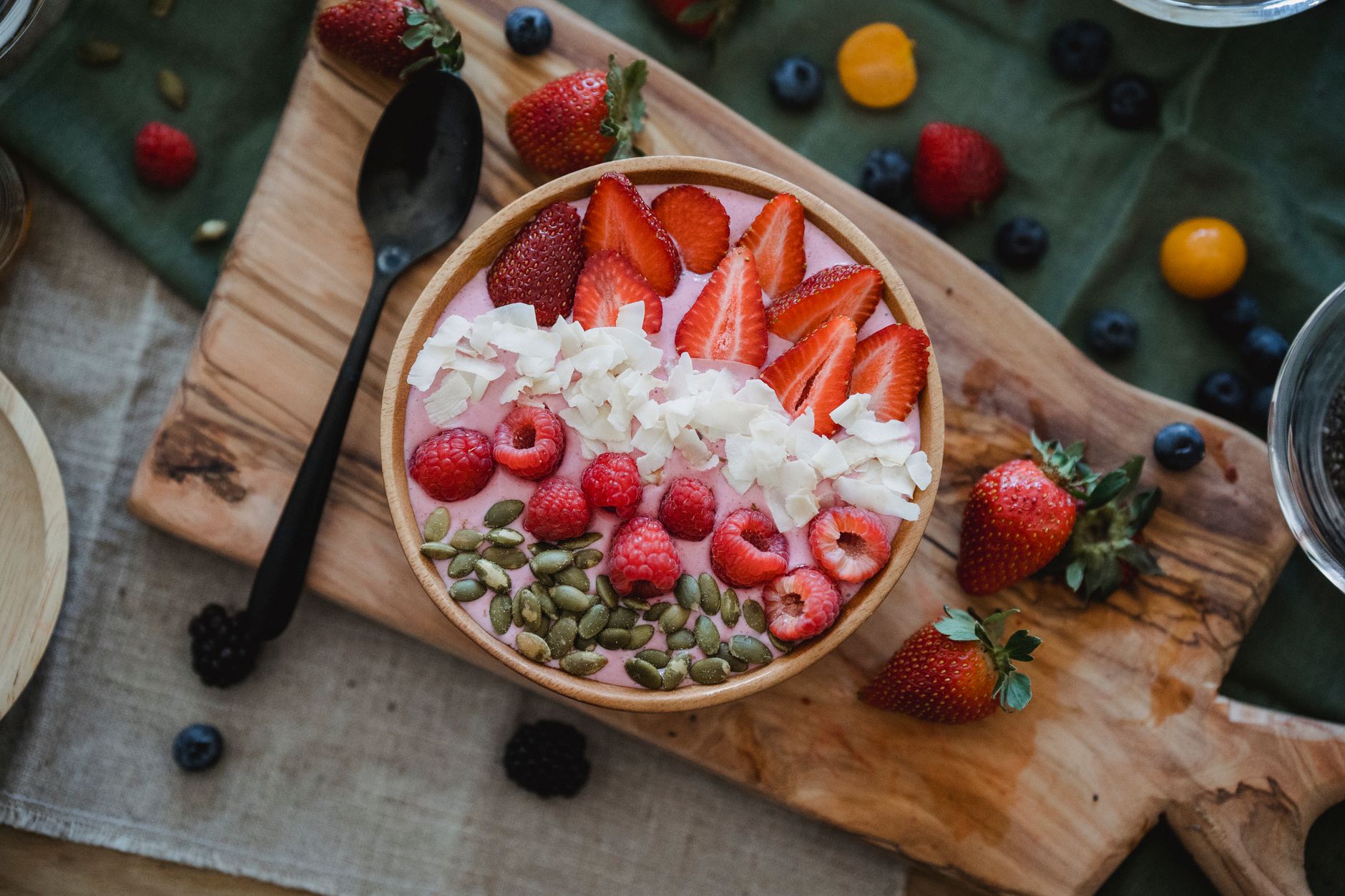
- Snack: Lactose-free yogurt with blueberries and pumpkin seeds.
- Lunch: Grilled chicken salad (lettuce, cucumber, olive oil dressing) with quinoa.
- Snack: Smoothie: Lactose-free milk, banana, pea protein powder, and flaxseed.
- Dinner: Baked salmon with mashed sweet potato (olive oil + lactose-free milk) and steamed carrots.
- Evening snack: Cottage cheese (lactose-free) with cucumber slices.
Safe foods for pregnancy + Crohn’s:
- Proteins: Chicken, turkey, fish (wild-caught, low-mercury like salmon), eggs, lentils (cooked well).
- Carbs: White rice, quinoa, oats, gluten-free pasta (cooked al dente).
- Fats: Olive oil, avocado, nuts (in moderation), lactose-free dairy.
- Fruits/veggies: Bananas, blueberries, carrots, spinach, zucchini (cooked).
Avoid:
- High-FODMAP foods (onions, garlic, apples, pears).
- Raw sprouts or undercooked meats.
- Excessive caffeine (stick to 200 mg/day).
Supplements to discuss with your provider:
- Prenatal vitamin (with folate and iron).
- Vitamin D (many Crohn’s patients are deficient).
- Omega-3s (DHA/EPA for brain development).
- Probiotics (if tolerated—some strains can help gut healing).
When to call your provider:
- If you’re losing weight despite eating more.
- If you have persistent diarrhea or blood in your stool.
- If you’re experiencing severe nausea or vomiting.
Representative story: “I was terrified I’d have to choose between my baby’s health and my Crohn’s,” says Sarah, 30, who was diagnosed with Crohn’s before pregnancy. “My dietitian helped me plan meals that were both nutrient-dense and gut-friendly. I started each day with a smoothie (lactose-free milk, banana, pea protein, flaxseed) and added extra calories with healthy fats like avocado and olive oil. I also took my prenatal vitamin at night with a small snack to avoid nausea. By the second trimester, I was gaining weight steadily—and my flare-ups were fewer.”
 >
---
Crohn’s diet sample day for kids with Crohn’s disease: easy recipes and snacks
Kids with Crohn’s face a unique challenge: they need to eat enough to grow, but their gut can’t always handle the same foods as adults. The goal is nutrient-dense, easy-to-eat meals that feel like fun—not punishment. Many parents find that blending, baking, or finger foods help kids stay on track.
Key principles for kids:
- Small portions (1–2 tbsp per food group per meal).
- Gentle textures (mashed, pureed, or soft-cooked).
- Involve them in prep—kids are more likely to eat what they help make.
- Avoid choking hazards (whole nuts, hard raw veggies, large chunks).
Sample kid-friendly Crohn’s day:
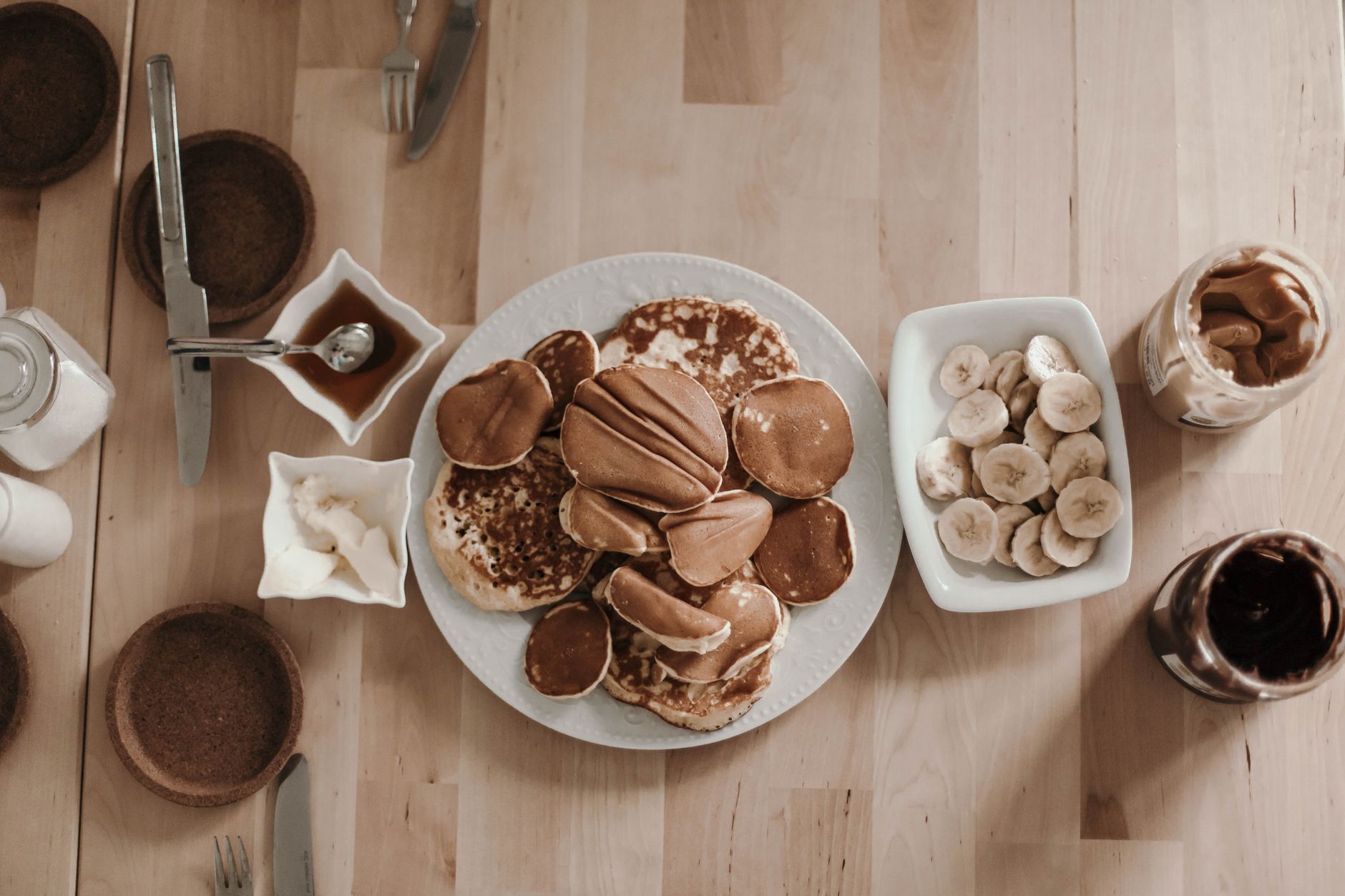
- Breakfast: Banana pancakes (blended banana + egg + oat flour) with almond butter.
- Snack: Lactose-free yogurt with blueberries and granola (low-FODMAP).
- Lunch: Turkey and cheese roll-ups (lactose-free cheese) with cucumber slices.
- Snack: Applesauce (unsweetened) with a sprinkle of pumpkin seeds.
- Dinner: Baked chicken nuggets (homemade with almond flour) with mashed potatoes and steamed carrots.
- Evening snack: Smoothie (lactose-free milk, banana, pea protein).
Easy recipes:
- Banana pancakes: Blend 1 ripe banana, 1 egg, and ¼ cup oat flour. Cook like regular pancakes. Top with almond butter.
- Turkey and cheese roll-ups: Slice turkey breast and lactose-free cheese thinly. Roll up with cucumber slices.
- Baked chicken nuggets: Mix shredded chicken, almond flour, and egg. Bake at 400°F for 15 minutes.
- Mashed sweet potato: Boil sweet potatoes until soft, mash with olive oil and a splash of lactose-free milk.
Snack ideas:
- Rice cakes with almond butter.
- Lactose-free yogurt with honey.
- Steamed carrot sticks with hummus (low-FODMAP).
- Hard-boiled egg slices.
- Pumpkin seed butter on crackers.
Tips for picky eaters:
- Let them dip everything (e.g., veggies in hummus, fruit in yogurt).
- Use fun shapes (cookie cutters for sandwiches, star-shaped fruit slices).
- Hide veggies in smoothies or muffins (e.g., spinach in banana smoothies).
- Keep safe snacks visible (e.g., a bowl of rice cakes on the counter).
When to see a specialist:
- If your child is failing to thrive (not gaining weight).
- If they have blood in stool or severe pain.
- If they’re refusing all foods for more than a day.
Representative story: “My 8-year-old son, Jake, used to refuse every meal until we started making ‘build-your-own’ lunches,” says Emily, a mom of two. “He’d pick his favorite bread (gluten-free), his favorite protein (turkey or chicken), and his favorite veggie (steamed carrots or cucumber). We’d let him assemble it like a sandwich bar. He now eats 80% of his meals without complaint—and his energy levels have improved!”
 >
---
Crohn’s diet sample day for active adults: balanced macros and anti-inflammatory foods
If you’re active and managing Crohn’s, you’re juggling two priorities: fueling workouts and soothing your gut. The good news? Many anti-inflammatory foods also support muscle recovery and endurance. The challenge? Some of your favorite pre/post-workout foods (like high-FODMAP fruits or dairy-heavy protein shakes) might not sit well.
Macro breakdown for active adults with Crohn’s:
- Protein: 1.2–1.6g per kg of body weight (e.g., 80–100g for a 70kg person).
- Carbs: 4–6g per kg (focus on low-FODMAP options).
- Fats: 0.6–0.8g per kg (healthy fats for recovery).
Sample active-adult Crohn’s day:
- Breakfast (pre-workout): Scrambled eggs with spinach and a slice of toast with almond butter.
- Snack (post-workout): Lactose-free chocolate milk (replenishes electrolytes and provides protein).
- Lunch: Grilled chicken with quinoa and roasted carrots.
- Snack: Smoothie: Lactose-free milk, banana, pea protein, and flaxseed.
- Dinner (high-protein): Baked salmon with mashed sweet potato and steamed green beans.
- Evening snack: Cottage cheese (lactose-free) with cucumber slices.
Anti-inflammatory foods to prioritize:
- Fatty fish (salmon, sardines—high in omega-3s).
- Leafy greens (spinach, kale—cooked to reduce oxalates).
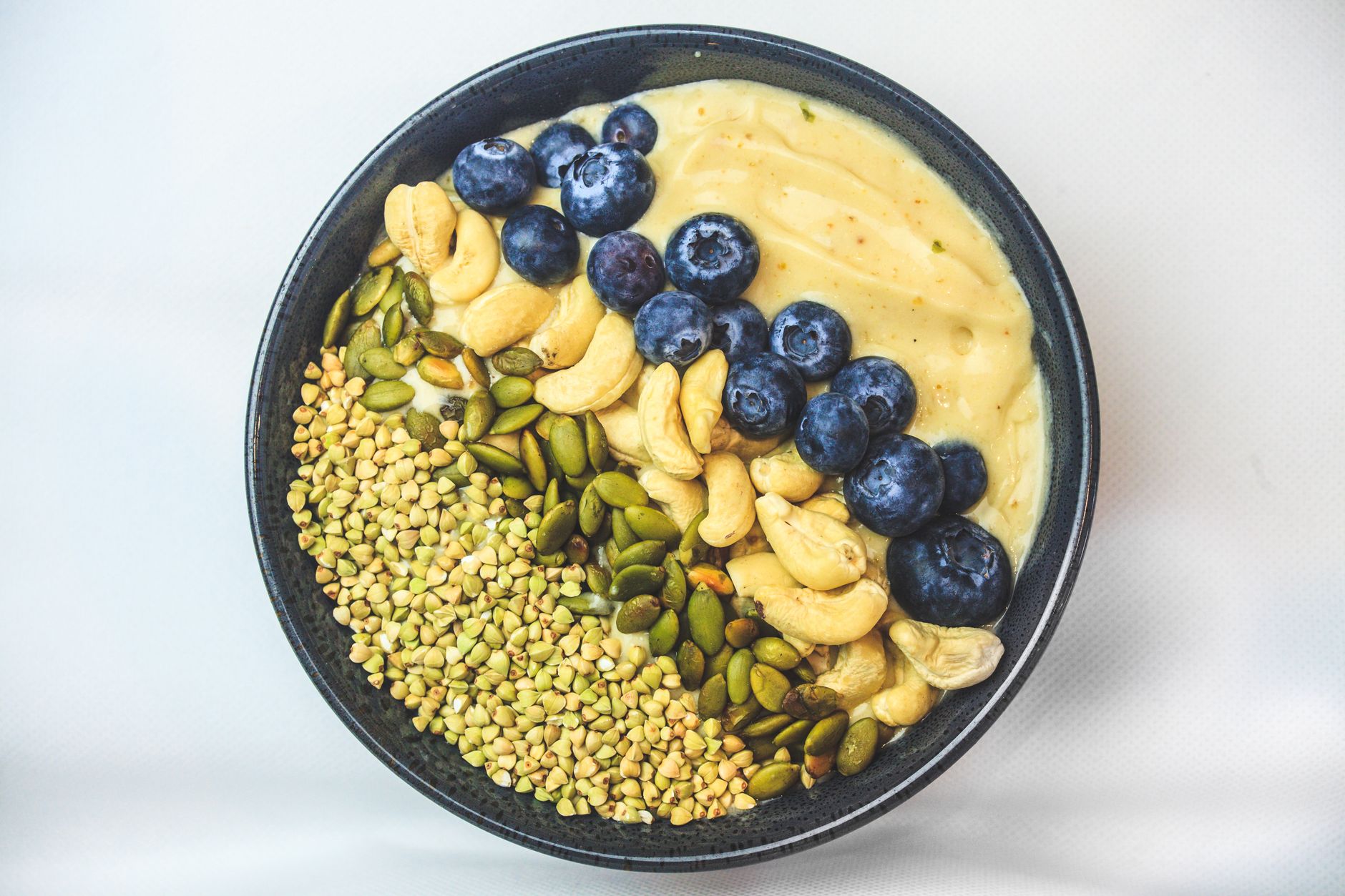
- Berries (blueberries, strawberries—low-FODMAP in moderation).
- Nuts/seeds (pumpkin seeds, almonds—low-FODMAP in small amounts).
- Turmeric and ginger (anti-inflammatory spices—add to smoothies or meals).
Pre/post-workout swaps:
- Avoid: High-FODMAP fruits (apples, pears), dairy-based protein shakes.
- Use instead:
- Pre-workout: Banana + almond butter (easy carbs + protein).
- Post-workout: Lactose-free chocolate milk (protein + electrolytes).
- Recovery snack: Hard-boiled eggs + rice cakes (protein + carbs).
Hydration for active adults:
- Drink 16–20 oz of water 2 hours before exercise.
- Sip electrolyte-rich fluids during workouts (coconut water or lactose-free sports drinks).
- Replenish with zinc and vitamin D (common deficiencies in Crohn’s).
When to adjust your diet:
- If you experience diarrhea or abdominal pain during/after exercise, reduce fiber temporarily.
- If you’re losing weight despite eating enough, work with a dietitian to boost calories.
- If you’re exhausted all the time, check for nutrient deficiencies (iron, B12, vitamin D).
Representative story: “I’m a runner with Crohn’s, and I was terrified I’d have to quit,” says Priya, 34. “My coach and dietitian helped me plan meals around my runs. I’d eat a banana with almond butter before my morning run, then recover with lactose-free chocolate milk. On long runs, I’d pack rice cakes with peanut butter for quick carbs. I’ve been able to maintain my mileage without flare-ups—and my gut feels stronger than ever.”
 >
---
Best low-FODMAP breakfast for Crohn’s
Breakfast is often the hardest meal for people with Crohn’s—especially if you’re waking up with nausea or a sensitive stomach. The best low-FODMAP breakfasts are gentle on digestion, nutrient-dense, and easy to prepare ahead.
Top 5 low-FODMAP breakfasts:
Why these work:
- Oatmeal: Oats are low-FODMAP in small portions and provide slow-release energy.
- Eggs: Eggs are one of the most gentle, nutrient-dense proteins for Crohn’s.
- Yogurt: Lactose-free yogurt provides probiotics (if tolerated) and protein.
- Smoothies: Blending reduces fiber and makes nutrients easier to absorb.
- Toast: Gluten-free toast is a




