

Quick take: Starting a celiac-safe diet can feel overwhelming, but the good news is that most whole, naturally gluten-free foods are also nutrient-dense and delicious. Think fresh produce, lean proteins, and naturally gluten-free grains like quinoa and rice. The key is learning to read labels carefully, avoiding hidden gluten, and setting up your kitchen to prevent cross-contamination. With a little practice, you’ll find that gluten-free meals can be just as satisfying—and sometimes even more flavorful—than gluten-containing ones.
You’re staring at the grocery store shelves, holding a box of cereal that’s been your go-to for years, wondering: “Is this safe?” This is the moment many newly diagnosed celiacs face—and it’s the moment we’re here to help you navigate.
Celiac disease affects about 1% of the global population, yet many people don’t realize they have it until symptoms like fatigue, digestive issues, or unexplained weight loss become too difficult to ignore. For those who’ve just received a diagnosis, the news can feel like a seismic shift: no more bread, no more pasta, no more “easy” meals. But here’s the truth: a celiac-safe diet isn’t about deprivation—it’s about discovery. You’ll find vibrant new flavors, unexpected comfort foods, and a whole world of whole foods that work *for* your body, not against it.
This guide is your roadmap. We’ll break down what you *can* eat, how to decode food labels like a pro, and even how to cook with confidence so you never have to worry about cross-contamination again. By the end, you’ll have a foolproof gluten-free grocery list, quick and easy recipes, and the knowledge to dine out or travel without stress. Let’s get started.
---What foods are safe on a celiac diet for beginners?
Here’s a quick breakdown of food categories that are typically gluten-free:
- Fruits and vegetables: All fresh, frozen, or canned fruits and vegetables are safe. Look for labels that say “no added ingredients” or “100% fruit/vegetable” to avoid hidden gluten.
- Proteins: Meat, poultry, fish, and eggs are naturally gluten-free. Just be sure they’re not processed with gluten-containing additives.
- Dairy: Milk, cheese, yogurt, and butter are safe unless they’ve been flavored or processed with gluten-containing ingredients. If you’re also managing lactose intolerance or dairy sensitivities, we’ve got a guide to help you navigate that too.
- Naturally gluten-free grains: Rice, quinoa, buckwheat, millet, amaranth, sorghum, and gluten-free oats (certified!) are all excellent choices. We’ll dive deeper into the best grains for you in the next section.
- Nuts and seeds: Almonds, cashews, chia seeds, flaxseeds, and pumpkin seeds are all safe in their natural forms.
- Legumes: Beans, lentils, and peas are gluten-free and packed with fiber and protein.
- Fats and oils: Olive oil, coconut oil, avocado oil, and butter are all safe. Just check labels on flavored oils or spreads.
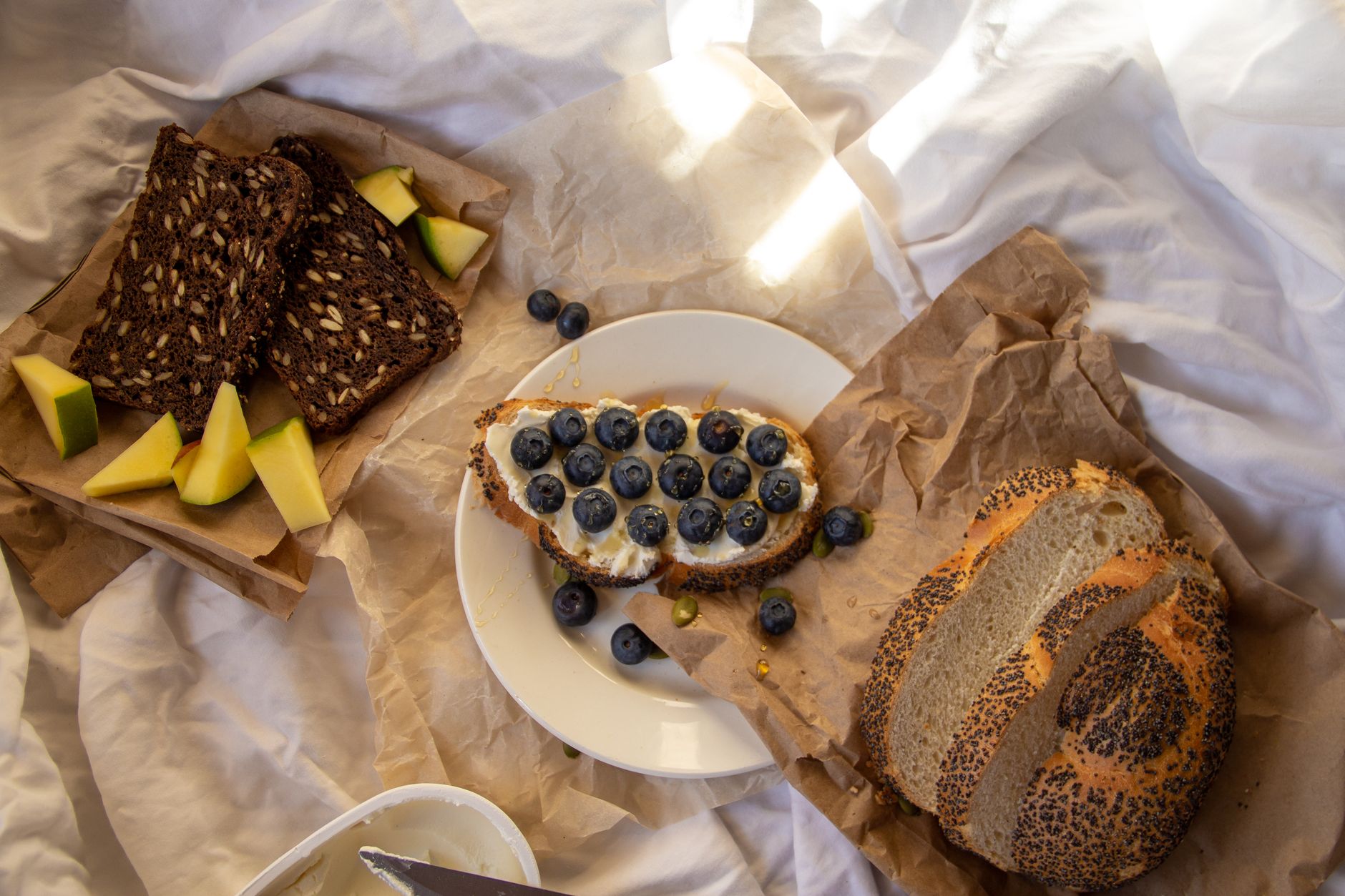
Many women we’ve spoken with describe the initial adjustment as “like learning to cook from scratch.” One reader, Sarah, shared: *“I used to rely on pre-packaged meals, and now I’m making everything from scratch—it’s weirdly freeing. I feel like I’m giving my body back its power.”*
Pro tip: If you’re unsure about a food, err on the side of caution. When in doubt, check the label or call the manufacturer. And remember: just because a food is gluten-free doesn’t mean it’s automatically healthy. Focus on whole, minimally processed foods to keep your meals both safe *and* nourishing.
---Gluten-free breakfast ideas for celiac beginners
Breakfast is often the easiest meal to adapt to a gluten-free diet—especially when you start with simple, whole foods. The key is to swap refined grains for naturally gluten-free alternatives without sacrificing flavor or satisfaction. Here are some easy, beginner-friendly ideas to get you started:
- Scrambled eggs with avocado and cherry tomatoes: A protein-packed start to the day. Add a sprinkle of feta cheese (ensure it’s gluten-free) for extra flavor.
- Greek yogurt parfait: Layer gluten-free yogurt with fresh berries, chia seeds, and a drizzle of honey. Top with a handful of nuts for crunch.
- Smoothie bowl: Blend frozen bananas, spinach, almond milk, and a scoop of gluten-free protein powder. Top with sliced banana, coconut flakes, and granola made from gluten-free oats.
- Chia pudding: Mix 3 tablespoons of chia seeds with 1 cup of almond milk and a touch of vanilla extract. Let it sit overnight in the fridge, then top with fruit in the morning.
- Gluten-free toast with nut butter: Use certified gluten-free bread and spread with almond or peanut butter. Add sliced banana or a sprinkle of cinnamon for extra flavor.
- Omelet with veggies and cheese: Whisk eggs with a little milk, then cook with sautéed mushrooms, spinach, and cheese. Serve with a side of fresh fruit.
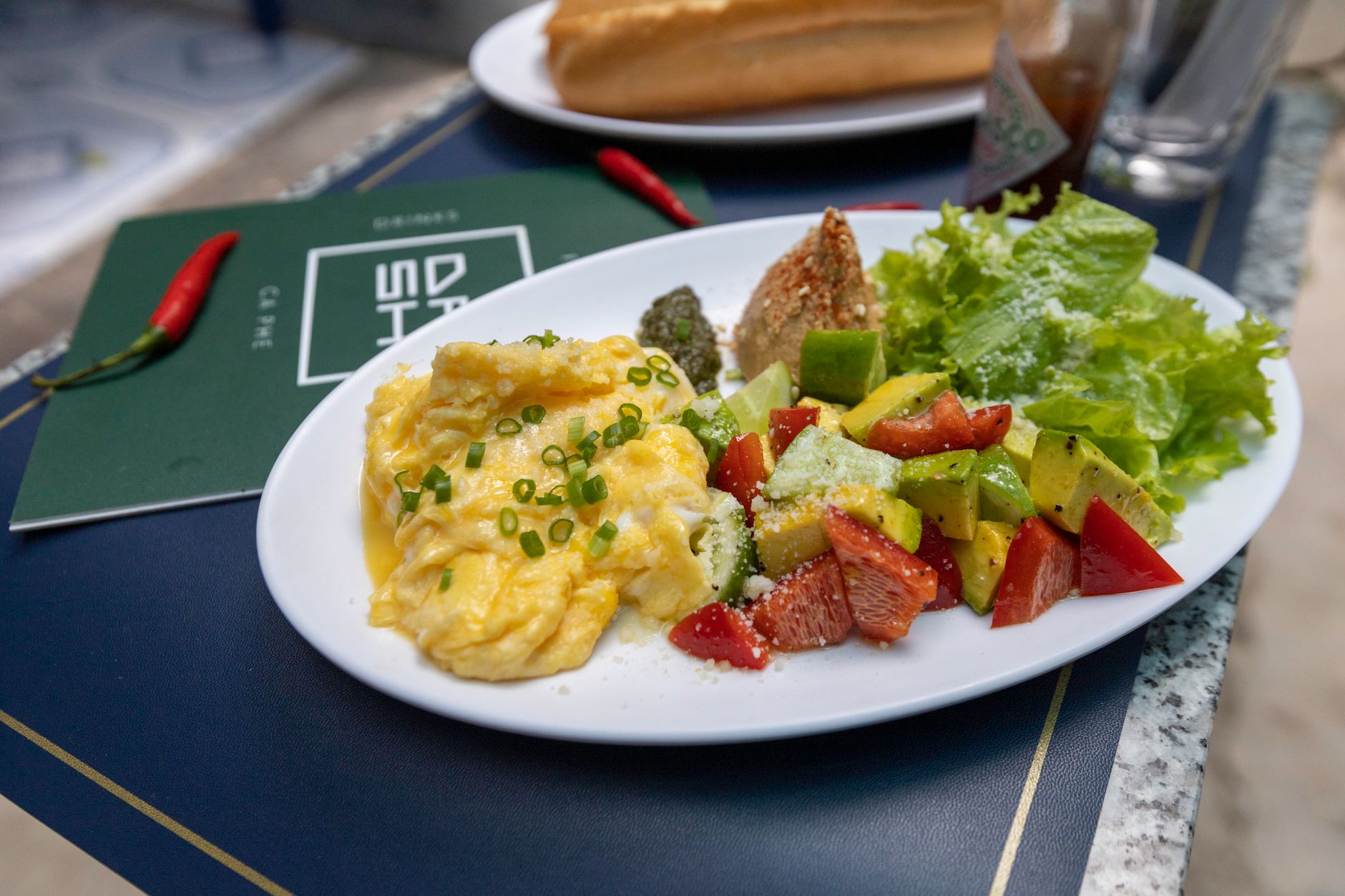
If you’re craving something warmer, try a gluten-free pancake recipe. Many women find that making their own pancakes from scratch—using almond flour or a gluten-free flour blend—is easier and more cost-effective than buying pre-made mixes. For a quick fix, frozen gluten-free pancakes or waffles can be a lifesaver, but always check the label for hidden gluten.
Remember: breakfast doesn’t have to be complicated. The goal is to fuel your body with nutrients while keeping things simple. If you’re short on time, even a handful of nuts and a piece of fruit can make a satisfying start to your day.
---How to read labels for celiac safe foods
Reading food labels is one of the most critical skills you’ll develop on a celiac-safe diet. Gluten can hide in unexpected places, and even small amounts can trigger symptoms. Here’s how to decode labels like a pro:
1. Look for the gluten-free certification
Always check for a gluten-free certification from a reputable organization, such as the Gluten-Free Certification Organization (GFCO) or the Celiac Disease Foundation. These labels indicate that the product has been tested and meets strict gluten-free standards (typically less than 20 parts per million of gluten).
2. Watch for these warning words
Gluten can hide under many names. Be on the lookout for these ingredients:
- Wheat
- Barley
- Rye
- Malt
- Brewers yeast
- Hydrolyzed wheat protein
- Modified food starch (unless specified as corn, tapioca, or potato)
- Natural flavors (can sometimes contain gluten)
3. Understand the "may contain" statements
Labels like “may contain wheat” or “processed in a facility with wheat” are red flags. If you’re highly sensitive or newly diagnosed, it’s best to avoid these products entirely. If you’re unsure, contact the manufacturer directly—they’re required by law to provide this information.
4. Check for cross-contamination risks
Even if a product is gluten-free, it may have been processed in a facility that also handles gluten-containing foods. Look for labels that specify “processed in a dedicated gluten-free facility” or “certified gluten-free.”
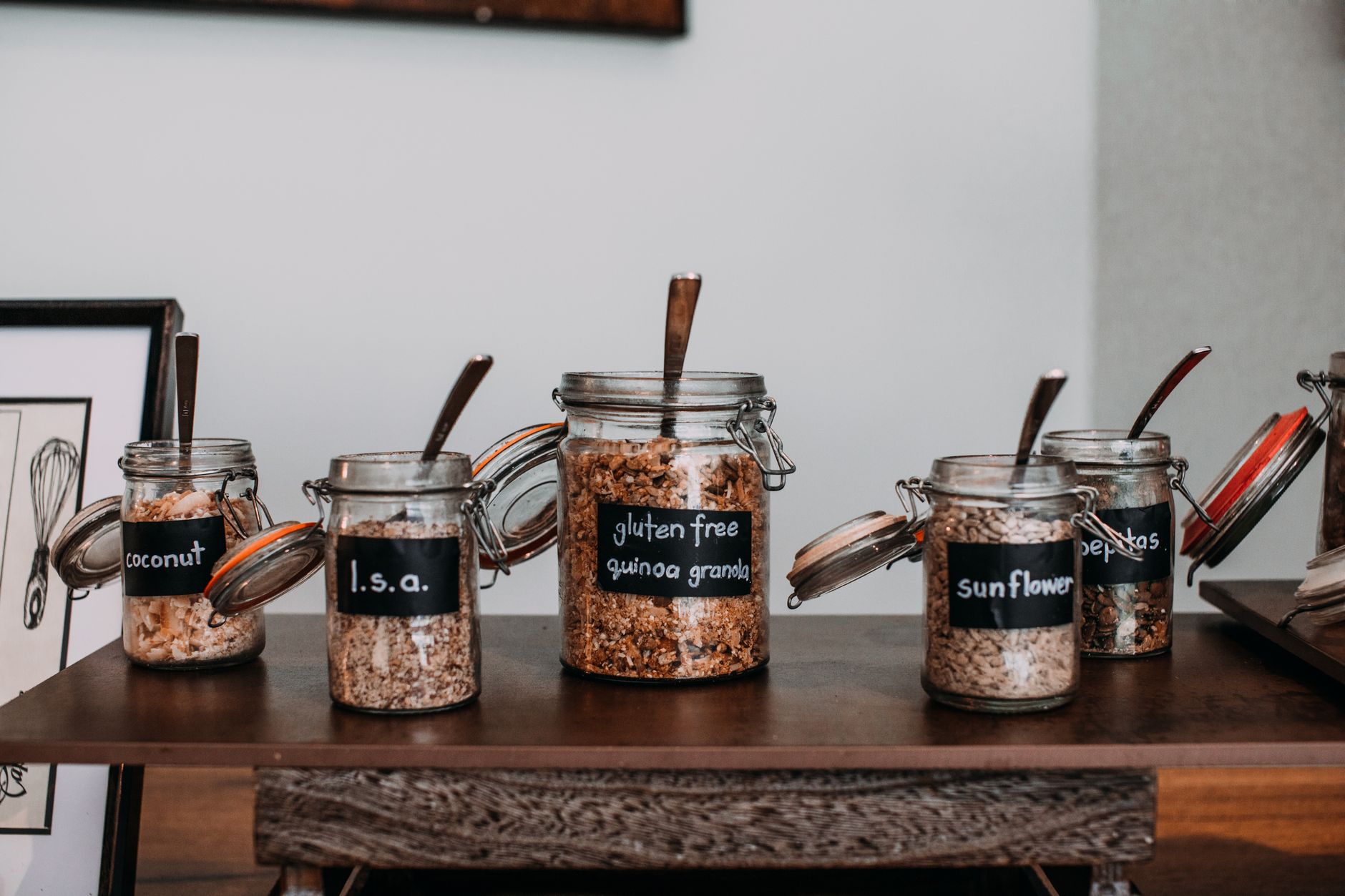
Pro tip: Use apps like Find Me Gluten Free or Gluten Free Registry to scan barcodes and get instant label insights. These tools can save you time and reduce the stress of grocery shopping.
One reader, Emily, shared: *“I used to panic every time I went to the store, but now I’ve got my label-reading game down. I even teach my kids to check for the gluten-free badge—it’s become a family habit!”*
---Best gluten-free grains for celiac beginners
Grains are a staple in many diets, but if you’re newly diagnosed with celiac disease, you’ll need to swap traditional wheat, barley, and rye for gluten-free alternatives. The good news? There are plenty of delicious and nutritious options to choose from. Here’s a breakdown of the best gluten-free grains for beginners:
| Gluten-Free Grain | Nutritional Benefits | How to Use It | Where to Find It |
|---|---|---|---|
| Quinoa | Complete protein, high in fiber, rich in magnesium and iron | Use as a rice substitute, in salads, or as a breakfast porridge | Most health food stores, bulk bins, and mainstream grocery aisles |
| Rice (white, brown, basmati, jasmine) | Low in fiber (white rice), high in fiber (brown rice), gluten-free and easy to digest | Serve as a side dish, make fried rice, or use in risotto | Every grocery store |
| Buckwheat | High in protein and fiber, rich in antioxidants, naturally gluten-free (despite the name!) | Use in porridge, salads, or as a pasta substitute | Health food stores, Asian markets, and some mainstream grocers |
| Millet | High in fiber, magnesium, and phosphorus, easy to digest | Use in breakfast cereals, soups, or as a side dish | Bulk bins, health food stores, and some international markets |
| Amaranth | Complete protein, high in fiber, rich in calcium and iron | Use as a rice substitute, in soups, or as a topping for salads | Health food stores and online retailers |
| Sorghum | High in fiber, protein, and antioxidants, naturally gluten-free | Use in porridge, bread, or as a side dish | Bulk bins and health food stores |
| Certified gluten-free oats | High in fiber, beta-glucan (good for heart health), and magnesium | Use in oatmeal, granola, or baking (ensure they’re certified gluten-free!) | Look for “certified gluten-free” labels on oat packages |
Many women find that experimenting with these grains opens up a whole new world of flavors. For example, quinoa can be cooked like rice and pairs beautifully with roasted vegetables and grilled chicken. Buckwheat, despite its name, is a fantastic alternative to pasta—try it in a hearty lentil soup or as a bed for a fresh salad.
If you’re used to wheat-based products like bread or pasta, you might find that gluten-free versions take a little getting used to. But with time, you’ll discover that these grains can be just as satisfying—if not more so—than their gluten-containing counterparts.
---Quick gluten-free lunch recipes for celiac beginners
Lunch is another meal where gluten-free swaps can be both easy and delicious. The key is to focus on fresh, whole foods and simple prep. Here are five quick and satisfying gluten-free lunch ideas that take less than 30 minutes to prepare:
1. Mediterranean chickpea salad
Mix canned chickpeas (drained and rinsed), diced cucumber, cherry tomatoes, red onion, Kalamata olives, and feta cheese. Toss with olive oil, lemon juice, salt, and pepper. Serve over a bed of mixed greens or with gluten-free pita.
2. Grilled chicken and avocado wrap
Use a gluten-free tortilla (check the label!) and fill it with grilled chicken, sliced avocado, spinach, and a smear of hummus. Roll it up and slice in half for a portable, protein-packed lunch.
3. Quinoa and black bean bowl
Cook quinoa according to package instructions. In a bowl, mix quinoa with black beans, corn, diced bell peppers, and avocado. Top with salsa and a dollop of Greek yogurt (ensure it’s gluten-free).
4. Turkey and cheese lettuce wraps
Shred cooked turkey breast and mix with gluten-free mustard, diced celery, and a touch of honey. Spoon the mixture into large lettuce leaves (like romaine or butter lettuce) and wrap tightly. Add a side of sliced apples or baby carrots.
5. Tuna salad with gluten-free crackers
Mix canned tuna (in water) with Greek yogurt (instead of mayo), diced celery, red onion, and lemon juice. Serve with gluten-free crackers or over a bed of greens.
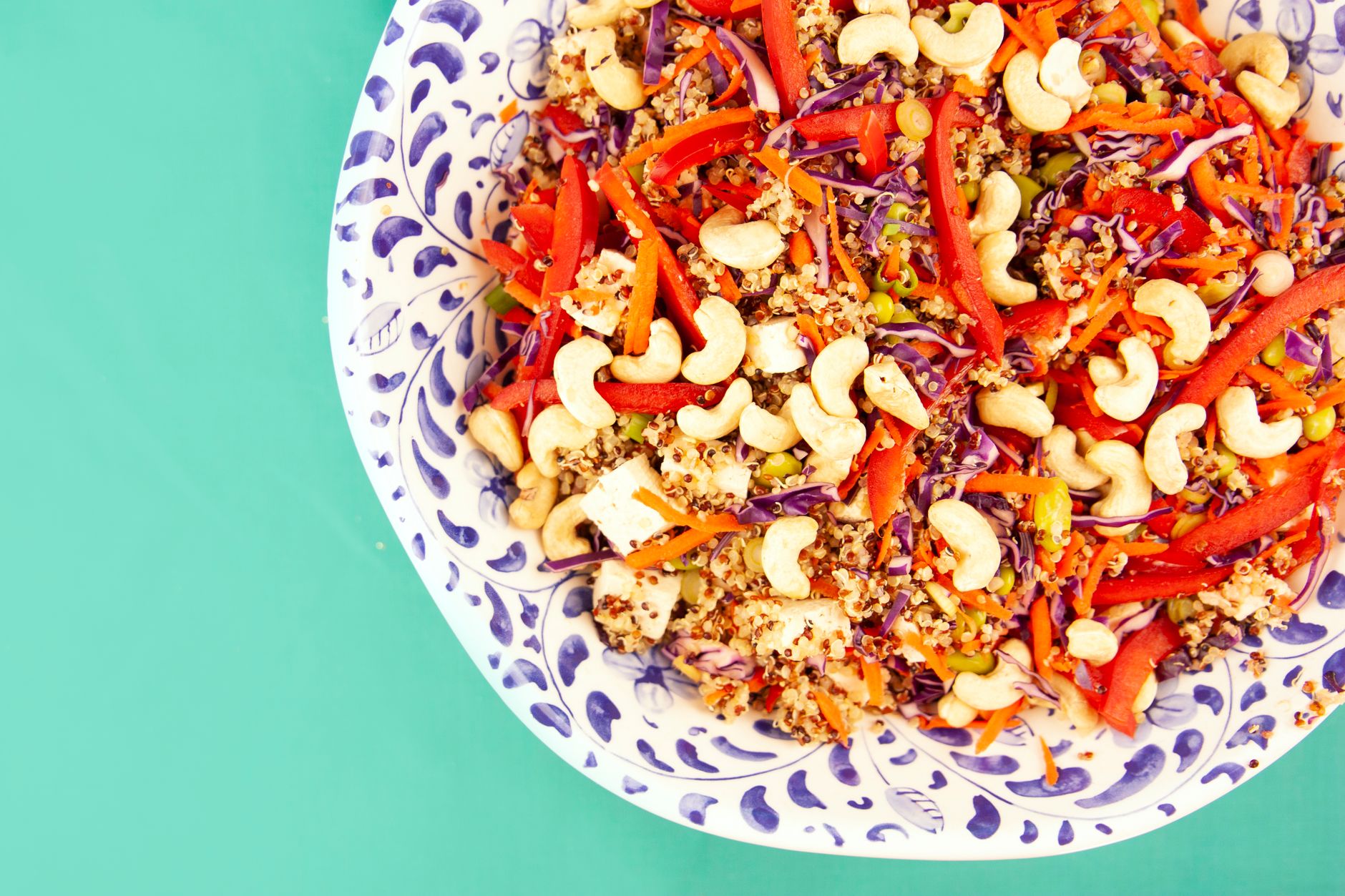
For those who love leftovers, double the recipe and store portions in the fridge for the week. Many of these meals can be prepped ahead of time, making weeknights a breeze. If you’re short on time, frozen gluten-free meals can be a lifesaver—just be sure to check the labels carefully.
---How to avoid cross-contamination when cooking for celiac
Cross-contamination is one of the biggest challenges for people with celiac disease. Even a tiny amount of gluten can trigger symptoms, so it’s essential to set up your kitchen to minimize risk. Here’s how to do it safely:
1. Designate a gluten-free zone
If possible, set aside a specific area of your kitchen for gluten-free cooking. This could mean using a separate cutting board, colander, and utensils. If that’s not feasible, clean all surfaces thoroughly with hot, soapy water before preparing gluten-free meals.
2. Use separate utensils and cookware
Shared utensils, pots, and pans can spread gluten from one meal to another. Invest in a set of dedicated gluten-free utensils, or at least label your existing ones to avoid confusion. Non-stick pans are great for gluten-free cooking because they require less oil and are easier to clean.
3. Wash hands and surfaces thoroughly
Gluten particles can linger on surfaces, so always wash your hands, cutting boards, and countertops with hot, soapy water before and after cooking gluten-free meals. For extra safety, use a mild disinfectant like bleach solution (1 tablespoon of bleach per gallon of water) to clean surfaces that have come into contact with gluten.
4. Avoid shared appliances
Toasters, blenders, and food processors can harbor gluten if they’ve been used to prepare gluten-containing foods. If you share these appliances, clean them thoroughly between uses or consider purchasing a dedicated gluten-free version.
5. Store gluten-free foods separately
Keep gluten-free foods in airtight containers or bags to prevent cross-contamination from other ingredients. Store them on higher shelves or in a separate pantry if possible. When grocery shopping, place gluten-free items in your cart last to avoid accidental contamination from other foods.
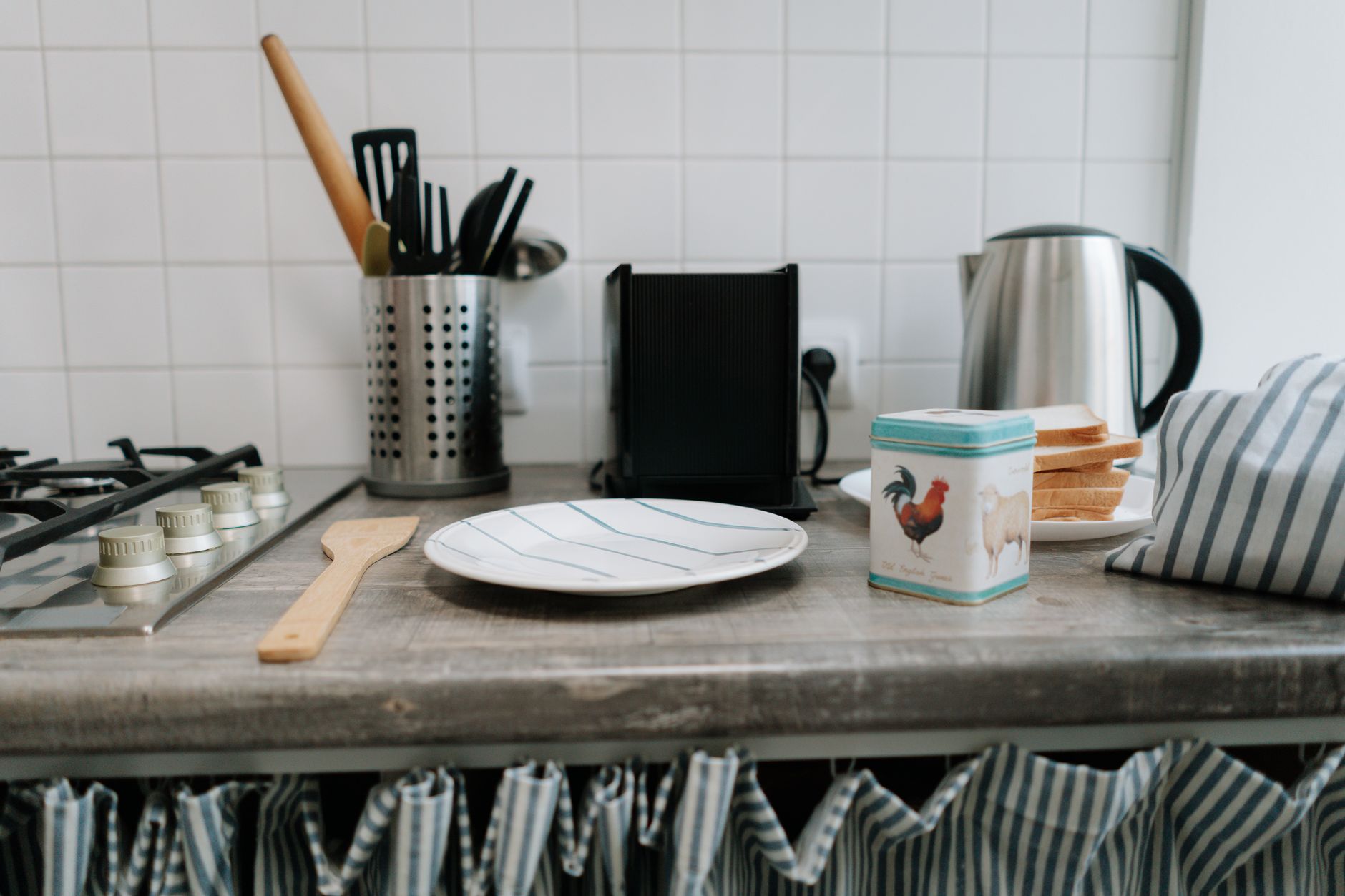
Many women find that starting with small, manageable changes makes the transition easier. For example, you might begin by dedicating one night a week to gluten-free cooking and gradually expand from there. If you live with others who eat gluten, communicate openly about your needs and work together to keep your shared spaces safe.
---Gluten-free snack ideas for celiac patients
Snacks are an essential part of any diet, but they can be tricky when you’re avoiding gluten. The good news? There are plenty of naturally gluten-free options that are both satisfying and nutritious. Here are some of our favorite gluten-free snack ideas:
- Fresh fruit with nut butter: Apple slices with almond butter or banana with peanut butter are classic combos that are easy to pack for on-the-go.
- Veggie sticks with hummus: Carrots, celery, and bell peppers paired with homemade or store-bought gluten-free hummus make a crunchy, protein-packed snack.
- Cheese and gluten-free crackers: Look for crackers labeled “gluten-free” and pair them with your favorite cheese. Pair with grapes or berries for a sweet-and-savory combo.
- Trail mix: Combine nuts, seeds, dried fruit, and a few dark chocolate chips (ensure they’re gluten-free). Avoid mixes that contain pretzels or cereal.
- Popcorn: Air-popped popcorn is naturally gluten-free. Just be sure to avoid pre-packaged popcorn with added flavors or coatings.
- Hard-boiled eggs: A protein-packed snack that’s easy to prepare in bulk. Sprinkle with salt and pepper or add a dash of paprika for extra flavor.
- Gluten-free energy bars: Brands like EnviroKidz, Larabar, or RXBAR offer naturally gluten-free options. Always check the label to confirm.
- Olives and nuts: A simple, salty snack that’s rich in healthy fats. Pair with a handful of gluten-free crackers for extra crunch.
If you’re craving something sweet, try making your own gluten-free granola bars using gluten-free oats, honey, nuts, and dried fruit. Bake them at a low temperature to keep them chewy and enjoy as a homemade treat.
Pro tip: Keep a stash of gluten-free snacks in your bag, car, and desk for when hunger strikes unexpectedly. Having safe options on hand will help you avoid risky food choices when you’re on the go.
---How to make a gluten-free grocery list for celiac
Creating a gluten-free grocery list can feel overwhelming at first, but breaking it down into categories makes it much easier. Below is a sample list to get you started. Remember to always check labels, even on foods that appear naturally gluten-free.
Produce
- Fresh fruits (apples, bananas, berries, oranges, etc.)
- Fresh vegetables (spinach, carrots, broccoli, bell peppers, etc.)
- Frozen fruits and vegetables (no added ingredients)
- Canned fruits and vegetables (in 100% juice or water, no added gluten)
Proteins
- Meat (chicken, beef, pork, lamb)
- Fish and seafood (salmon, shrimp, cod, etc.)
- Eggs
- Dairy (milk, cheese, yogurt, butter—check for gluten-free labels)
- Nuts and seeds (almonds, cashews, chia seeds, flaxseeds, etc.)
- Legumes (beans, lentils, peas)
Gluten-Free Grains and Starches
- Quinoa
- Rice (white, brown, basmati, jasmine)
- Certified gluten-free oats
- Buckwheat
- Millet
- Amaranth
- Sorghum
- Gluten-free pasta
- Gluten-free bread and tortillas
Pantry Staples
- Olive oil, coconut oil, avocado oil
- Nut butters (almond, peanut, sunflower)
- Gluten-free soy sauce or tamari
- Gluten-free broths
- Spices and herbs (check for additives)
- Gluten-free chocolate and sweets
Beverages
- Water
- Almond milk, coconut milk, oat milk (ensure gluten-free)
- Coffee and tea (check for additives)
- Gluten-free juice
Before you head to the store, print out or save this list to your phone. As you become more comfortable with gluten-free shopping, you’ll start to recognize safe brands and products more easily. And don’t forget to check the AIP diet guide if you’re also managing other sensitivities like dairy or nightshades.
---Cooking tips for celiac safe meals
Cooking gluten-free doesn’t have to be complicated, but there are a few tips and tricks that can make the process smoother. Here’s what you need to know:
1. Master the basics of gluten-free cooking
Many gluten-free recipes rely on alternative flours like almond, coconut, or rice flour. Experiment with these to find your favorites. For example, almond flour works well in baking, while rice flour is great for thickening sauces.
2. Use gluten-free substitutes wisely
Not all gluten-free substitutes are created equal. For example, gluten-free bread can sometimes be dry or dense, so it’s worth trying a few brands to find one you like. Similarly, gluten-free pasta may have a slightly different texture than traditional pasta, but it can still be delicious when cooked properly.
3. Season generously
Gluten-free foods can sometimes lack depth of flavor, so don’t be afraid to season your meals well. Fresh herbs, spices, citrus zest, and umami-rich ingredients like soy sauce (or tamari) can elevate your dishes.
4. Don’t skip the fat
Healthy fats like olive oil, avocado oil, and butter add richness to gluten-free meals. They also help absorb fat-soluble vitamins, which are essential for overall health.
5. Let flavors develop
Gluten-free meals often benefit from slow cooking or marinating. For example, grilling or roasting meats and vegetables allows flavors to meld together beautifully. Similarly, marinating chicken or tofu in gluten-free sauces before cooking can make a big difference.
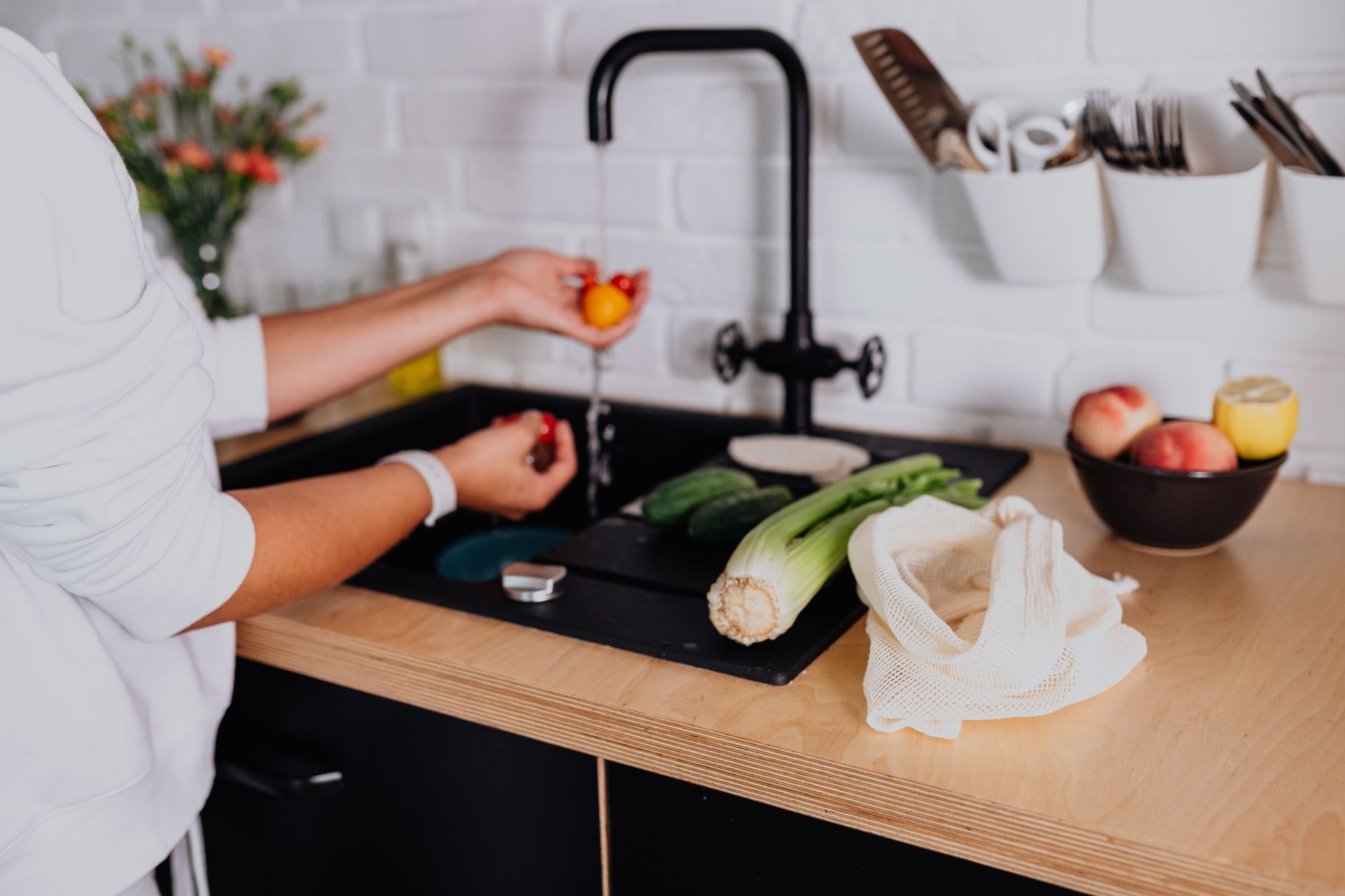
One reader, Lisa, shared: *“I used to think gluten-free cooking was boring, but now I love experimenting with new spices and techniques. My meals are more flavorful than ever!”*
---Gluten-free meal plan for beginners (7-day sample)
Here’s a simple 7-day gluten-free meal plan to help you get started. This plan focuses on whole, nutrient-dense foods and includes a mix of breakfasts, lunches, dinners, and snacks. Adjust portions based on your hunger and activity level.
| Day | Breakfast | Lunch | Dinner | Snacks |
|---|---|---|---|---|
| Monday | Scrambled eggs with avocado and cherry tomatoes | Mediterranean chickpea salad | Grilled chicken with quinoa and roasted vegetables | Apple slices with almond butter, handful of nuts |
| Tuesday | Greek yogurt parfait with berries and chia seeds | Turkey and cheese lettuce wraps | Baked salmon with sweet potato and steamed broccoli | Carrot sticks with hummus, dark chocolate |
| Wednesday | Smoothie bowl with banana, spinach, and almond milk | Quinoa and black bean bowl with avocado | Stuffed bell peppers with ground turkey and rice | Trail mix, cheese cubes |
| Thursday | Chia pudding with coconut milk and mango | Grilled chicken Caesar salad (gluten-free dressing) | Beef stir-fry with rice and mixed vegetables | Popcorn, olives |
| Friday | Gluten-free toast with nut butter and banana | Tuna salad with gluten-free crackers | Lemon herb chicken with roasted potatoes and green beans | Hard-boiled eggs, celery sticks |
| Saturday | Omelet with spinach, mushrooms, and cheese | Grilled shrimp salad with mixed greens and balsamic dressing | Vegetarian chili with corn and black beans | Fresh fruit, gluten-free granola |
| Sunday | Buckwheat porridge with berries and honey | Quinoa salad with roasted vegetables and feta | Herb-roasted chicken with mashed cauliflower and asparagus | Cheese and gluten-free crackers, nuts |
This meal plan is a starting point—feel free to swap in your favorite gluten-free recipes or dishes. The key is to keep things varied and enjoyable so you stay committed to your diet long-term.
---Managing nutritional deficiencies on a celiac-safe diet
Switching to a gluten-free diet can sometimes lead to nutritional deficiencies, particularly if you’re avoiding a wide range of foods or replacing staples like bread and pasta with less nutrient-dense alternatives. Here’s how to stay balanced:
1. Focus on nutrient-dense gluten-free grains
While white rice and gluten-free pasta are convenient, they’re often low in fiber and other nutrients. Opt for whole gluten-free grains like quinoa, buckwheat, and amaranth, which are rich in fiber, protein, and minerals.
2. Include a variety of vegetables and fruits
Vegetables and fruits provide essential vitamins, minerals, and fiber. Aim for a rainbow of colors to ensure you’re getting a wide range of nutrients. Frozen vegetables are a great budget-friendly option and retain their nutritional value.
3. Choose lean proteins
Protein is crucial for muscle repair and overall health. Include a variety of lean proteins like chicken, fish, eggs, and legumes in your meals. If you’re vegetarian or vegan, ensure you’re getting enough protein from sources like tofu, tempeh, and gluten-free protein powders.
4. Don’t forget healthy fats
Healthy fats from sources like avocados, nuts, seeds, and olive oil support brain health, hormone balance, and nutrient absorption. Include these in your diet daily.
5. Consider supplements if needed
Some people with celiac disease may benefit from supplements, particularly if they struggle to get enough nutrients from food alone. Common supplements include:
- Vitamin D
- Iron
- Folate (folic acid)
- Vitamin B12
- Calcium and vitamin D (for bone health)
Always consult your healthcare provider before starting any supplements.
One reader, Jennifer, shared: *“I was surprised to find I was deficient in iron after going gluten-free. My doctor recommended a supplement, and I also made sure to include more leafy greens and lean meats in my diet. It made a big difference in how I felt!”*
---Dining out and traveling with celiac disease
Dining out and traveling can feel intimidating when you’re managing celiac disease, but with the right preparation, it’s entirely possible to enjoy meals away from home safely. Here’s how:
1. Research restaurants in advance
Use apps like Find Me Gluten Free or Gluten Free Registry to find restaurants with gluten-free options. Many chains now have dedicated gluten-free menus, which can be a lifesaver.
2. Communicate clearly with staff
When ordering, explain that you have celiac disease and cannot tolerate even trace amounts of gluten. Ask about cross-contamination risks, such as shared fryers or cutting boards. Many restaurants are happy to accommodate once they understand the seriousness of your condition.
3. Stick to simple, safe foods
When in doubt, opt for fresh, unprocessed foods like grilled meats, salads (with gluten-free dressing), or steamed vegetables. Avoid sauces, dressings, and marinades that may contain hidden gluten.
4. Pack safe snacks for travel
When flying or taking road trips, bring along gluten-free snacks to avoid hunger-related mishaps. Packaged snacks like nuts, gluten-free crackers, or fruit are easy to carry and keep you safe.
5. Learn key phrases in different languages
If you’re traveling internationally, familiarize yourself with phrases like “Is this dish gluten-free?” or “Does this restaurant have a gluten-free menu?” in the local language. This can help you navigate menus and communicate your needs effectively.
Many women find that traveling with celiac disease becomes easier with practice. One reader, Priya, shared: *“At first, I was terrified to travel, but now I plan ahead and feel confident ordering safely. I’ve even discovered some amazing gluten-free restaurants along the way!”*
---Myth vs. Fact: Gluten-Free Diet
Myth: A gluten-free diet is just for people with celiac disease.
Fact: While a gluten-free diet is medically necessary for those with celiac disease,


