

Quick take: If you're pregnant or breastfeeding and considering the carnivore diet, prioritize high-quality animal foods like grass-fed beef, wild-caught fish, and pastured eggs while ensuring you're meeting your nutrient needs for you and your baby. Always consult your healthcare provider before making major dietary changes during pregnancy, and consider working with a dietitian experienced in carnivore or pregnancy nutrition. This diet can be safe for some women, but it requires careful planning to avoid deficiencies.Carnivore Diet Food List for Beginners: The Complete 2026 Guide
You’re scrolling through your phone at 2am, heart racing, when you see it again: that comment from a friend in your pregnancy group—*"I’ve been on carnivore for 6 months and my PCOS cleared up!"*—followed by a photo of a steak so rare it’s still bleeding. You pause. You’ve been struggling with morning sickness, cravings, and energy crashes since you found out you were pregnant. Maybe this is it? Maybe the answer is simpler than another smoothie or another "mom-approved" meal replacement bar.
But here’s the thing: you’ve also seen the warnings. The cautionary tales about women who tried keto during pregnancy and ended up with low milk supply, or the moms who swore by carnivore and later realized they were missing critical nutrients. You’re not sure if you can trust it. And you’re definitely not sure how to start—especially when you’re carrying a tiny human who needs every vitamin, mineral, and nutrient you can give.
You’re not alone. Many women—especially those with PCOS, gestational diabetes, or chronic fatigue—are turning to the carnivore diet in hopes of easing symptoms before or during pregnancy. But the carnivore diet isn’t like the keto diet or even the paleo diet; it’s a radical departure from everything you’ve been told about eating for two. So how do you navigate it safely? What foods are actually okay to eat? And—most importantly—how do you make sure you and your baby are getting what you need?
This guide is for you. We’ll walk you through the complete carnivore diet food list for beginners, including what to eat during pregnancy and breastfeeding, how much to eat daily, and how to avoid risks. We’ll compare it to other diets like Mediterranean and primal for maternal health, and we’ll give you a sample meal plan tailored for pregnancy. By the end, you’ll know whether carnivore is right for you—and if so, how to do it safely.
Before we dive in, a quick note: this is informational content only. If you’re pregnant or breastfeeding, you must consult your healthcare provider before starting any new diet. What works for one woman may not work for another, and your provider can help you monitor your health and your baby’s development. If you’re considering carnivore for fertility or PCOS before pregnancy, the same caution applies.
--- ##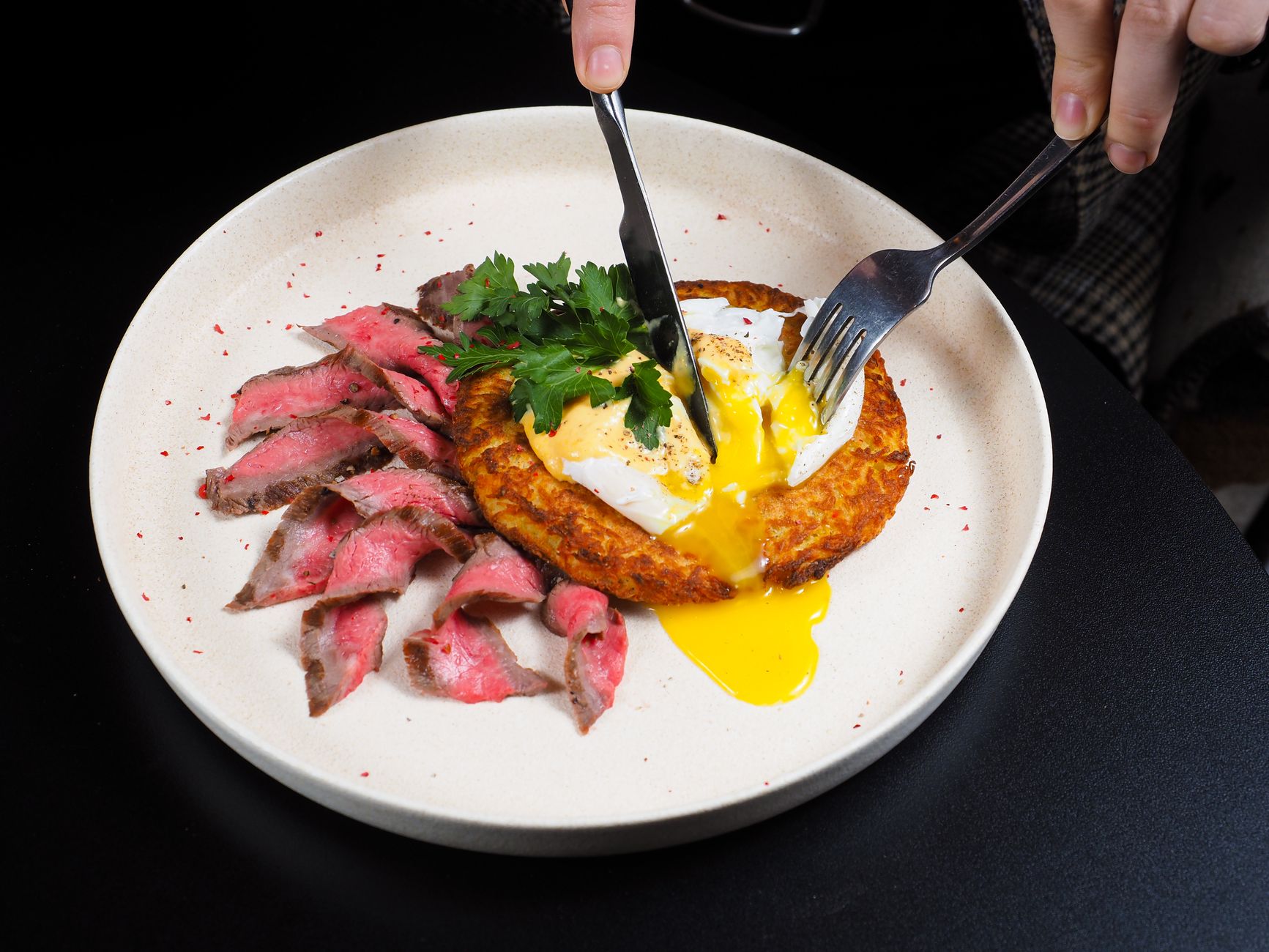 **What Are the Best Animal-Based Foods to Start With on a Carnivore Diet for Pregnancy?**
If you’re pregnant and thinking about carnivore, your first question is probably: *What the heck can I actually eat?* The good news is that carnivore is simpler than most diets—no counting macros, no tracking carbs, no stressing over "clean" labels. But during pregnancy, the stakes are higher. You’re not just feeding yourself; you’re feeding a growing baby whose tiny body needs every nutrient in the right amounts.
Here’s the breakdown of the best animal-based foods to start with, ranked by nutrition and safety for pregnancy:
### **1. Grass-Fed and Pasture-Raised Beef**
Why it matters: Grass-fed beef is rich in omega-3s, vitamin A, and B vitamins, all of which support fetal brain development and reduce inflammation. It’s also higher in conjugated linoleic acid (CLA), which may help with weight management and immune function.
What to choose:
- **Ground beef** (80/20 or higher fat content for energy)
- **Ribeye, sirloin, or NY strip** (leaner cuts for variety)
- **Organ meats** (liver, heart, kidney—packed with B12, iron, and choline, which is critical for your baby’s nervous system)
*Pro tip:* Start with small portions of organ meats (1–2 oz) to ease into the taste and avoid digestive upset.
### **2. Wild-Caught Fish**
Why it matters: Fish like salmon, sardines, and mackerel are loaded with DHA and EPA, essential for your baby’s brain and eye development. They’re also a great source of selenium and iodine, which support thyroid function—a big deal during pregnancy.
What to choose (and what to avoid):
- **Safe picks:** Wild-caught salmon, sardines, anchovies, herring, and trout (look for labels like "wild-caught" or "sustainable seafood").
- **Avoid:** Large predatory fish (shark, swordfish, king mackerel, tilefish) due to mercury concerns.
- **How much?** Aim for 2–3 servings per week (about 8–12 oz total). If you eat fish daily, opt for smaller, lower-mercury fish like sardines.
### **3. Pasture-Raised Eggs**
Why it matters: Eggs are one of the most nutrient-dense foods on the planet, packed with choline (for brain development), vitamin D, and high-quality protein. Pasture-raised eggs have even more omega-3s and vitamin A than conventional eggs.
What to choose:
- **Pasture-raised or free-range eggs** (look for labels like "pasture-raised" or "happy chickens").
- **Egg yolks** (the nutrient powerhouse—don’t skip them!).
*How to eat them:* Scrambled, boiled, or fried in ghee or butter. Many women find eggs help with morning sickness—try them first thing in the morning if nausea is an issue.
### **4. Full-Fat Dairy (If Tolerated)**
Why it matters: Dairy provides calcium, vitamin K2, and fat-soluble vitamins (A, D, E, K), all of which are crucial for bone development and immune function. However, dairy can be inflammatory for some women, especially those with PCOS or gestational diabetes.
What to choose (and how much):
- **Grass-fed butter, ghee, or heavy cream** (easier to digest than milk).
- **Aged cheeses** (like cheddar or gouda—lower in lactose).
- **Kefir or yogurt** (if tolerated—probiotics can support gut health).
*Caution:* If you’re lactose intolerant or notice bloating, skip dairy and focus on other fat sources like bone broth or organ meats.
### **5. Bone Broth**
Why it matters: Bone broth is a gut-healing powerhouse, rich in collagen, glycine, and minerals like calcium and magnesium. It also supports hydration and electrolytes, which can be tricky to balance on a carnivore diet.
What to choose:
- **Homemade or high-quality store-bought** (look for broth made from pasture-raised animals, no additives).
- **How to use it:** Sip it like tea, use it as a base for soups, or add it to coffee for extra fat and flavor.
### **6. Poultry (Chicken, Turkey, Duck)**
Why it matters: Chicken and turkey are leaner than beef but still provide high-quality protein, B vitamins, and selenium. Dark meat (like thighs and drumsticks) has more fat and nutrients than white meat.
What to choose:
- **Pasture-raised or free-range** (higher in omega-3s).
- **Skin-on** (for extra fat and flavor).
*Tip:* Rotisserie chicken is a great convenience option—just check for added sugars or preservatives.
### **7. Fatty Cuts of Meat (Ribs, Bacon, Pork Belly)**
Why it matters: Fat isn’t the enemy—it’s essential for hormone production, satiety, and nutrient absorption. Fatty cuts provide energy without the crash of refined carbs.
What to choose:
- **Pork belly, bacon (sugar-free), ribs, or lamb chops**.
- **How to cook it:** Slow-cooked, smoked, or grilled with herbs (rosemary, garlic, thyme).
*Caution:* If you’re breastfeeding, fatty cuts can be harder to digest for some women. Start with smaller portions and see how you feel.
---
##
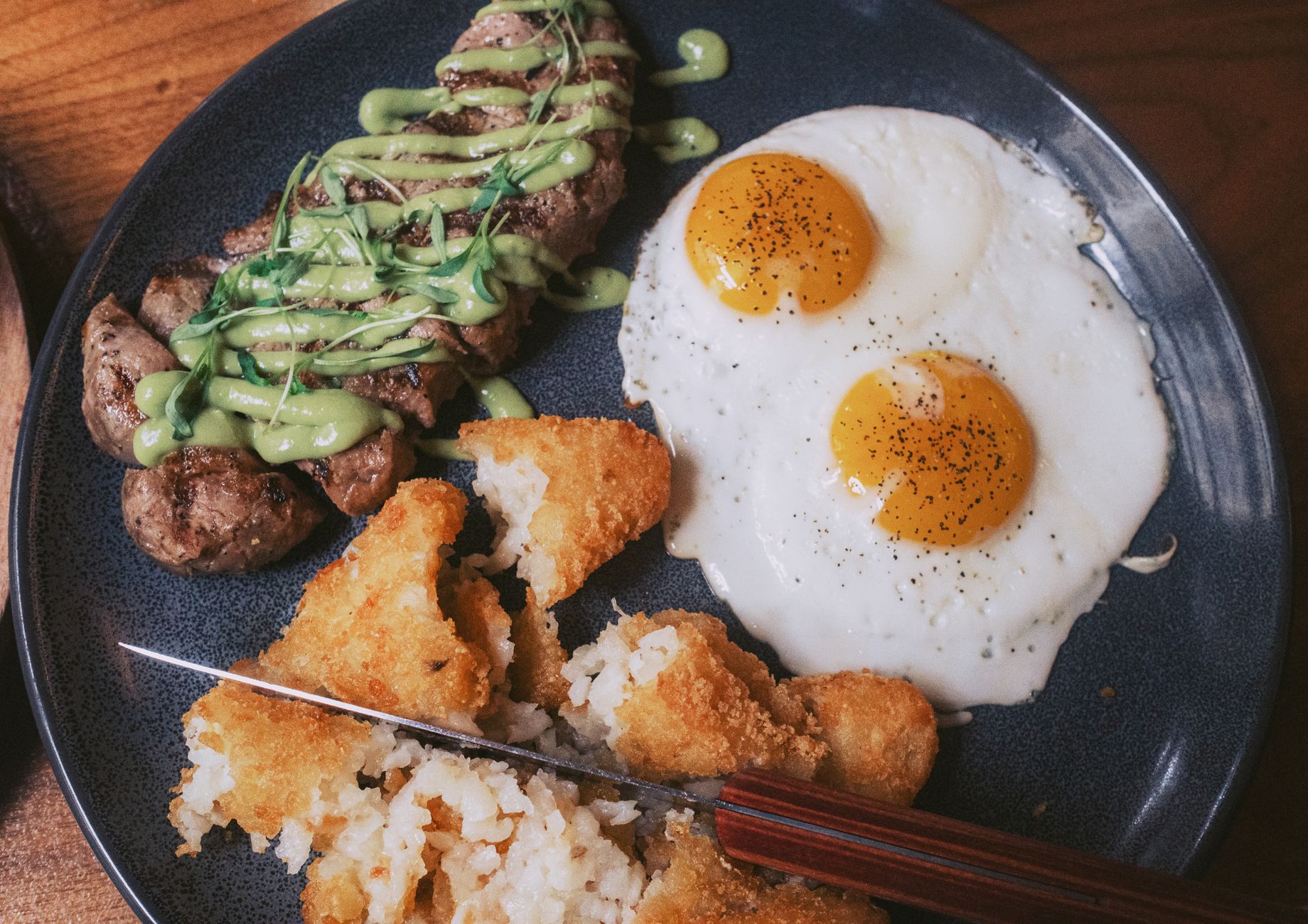 **How Much Meat and Animal Products Should a Beginner Eat Daily on the Carnivore Diet?**
One of the biggest questions for carnivore beginners is: *How much should I eat?* The answer isn’t one-size-fits-all, especially when you’re pregnant or breastfeeding. Your caloric and nutrient needs increase during these stages, so you’ll likely need to eat more than you did before pregnancy.
### **General Guidelines for Pregnancy**
- **Protein:** Aim for 100–120 grams per day (more if you’re active or carrying multiples). Protein needs increase by about 25 grams during pregnancy.
- **Fat:** Fat should make up 30–40% of your calories. This helps with hormone production and keeps you full.
- **Calories:** Most pregnant women need 300–500 extra calories per day (but this varies by individual).
- **Volume:** Eat until you’re comfortably full. On carnivore, this usually means 2–4 lbs of meat and animal products per day, depending on your size and activity level.
### **Sample Daily Breakdown for a Pregnant Woman**
| Food Type | Amount (Daily) | Notes |
|--------------------|-------------------------|----------------------------------------|
| Grass-fed beef | 1.5–2 lbs | Include organ meats 2–3x/week |
| Wild-caught fish | 8–12 oz | 2–3 servings/week |
| Pasture-raised eggs| 3–4 eggs | Yolks included |
| Full-fat dairy | 1–2 servings | Butter, ghee, or aged cheese |
| Bone broth | 1–2 cups | Drink or use in cooking |
| Fatty cuts | 1–2 servings | Ribs, bacon, pork belly |
### **Adjusting for Breastfeeding**
If you’re breastfeeding, you’ll need even more:
- **Protein:** 120–150 grams/day.
- **Calories:** 400–500 extra calories/day (your body burns about 500 extra calories daily while breastfeeding).
- **Hydration:** Drink at least 3 liters of water daily (fat and protein are dehydrating).
### **Signs You’re Eating Enough**
- You’re not constantly hungry.
- Your energy levels are stable (no crashes).
- You’re gaining weight appropriately (1–4 lbs per month in pregnancy).
- Your baby is moving well (if you’re in the second or third trimester).
### **Signs You Need to Eat More**
- You’re feeling faint or dizzy.
- You’re experiencing extreme fatigue.
- Your baby’s movements seem less active (see your provider if this happens).
---
##
 **Are There Any Risks of a Carnivore Diet During Early Pregnancy or Breastfeeding?**
The carnivore diet isn’t officially endorsed by medical organizations like the American College of Obstetricians and Gynecologists (ACOG) for pregnancy or breastfeeding. That said, many women do it safely—but it requires vigilance. The risks come from nutrient deficiencies, not the diet itself. Here’s what to watch for:
### **Potential Risks**
1. **Nutrient Deficiencies**
- **Folate (B9):** Critical for preventing neural tube defects. Meat provides some folate, but you may need a supplement.
- **Vitamin C:** Not found in animal foods—you’ll need to supplement or eat organ meats cooked in vitamin C-rich broths.
- **Magnesium:** Important for muscle and nerve function. Meat has some, but you may need extra (especially if you’re constipated).
- **Fiber:** If you’re used to plant foods, the lack of fiber can cause constipation—bone broth and water help.
2. **Heavy Metals and Contaminants**
- **Mercury:** Found in some fish (see the list above for safe picks).
- **Pesticides/Hormones:** If you’re not eating organic, grass-fed, or pasture-raised animal products, you may be exposed to residues.
3. **Digestive Issues**
- **Constipation:** Common on carnivore due to low fiber. Drink plenty of water and include bone broth.
- **Heartburn:** Fat can relax the lower esophageal sphincter. Eat smaller, more frequent meals.
4. **Impact on Milk Supply (Breastfeeding)**
- Some women report lower milk supply on carnivore due to lower fluid intake and lack of lactogenic foods (like oats or flaxseeds). If this happens, consider adding a lactation supplement like fenugreek (consult your provider first).
### **How to Mitigate Risks**
- **Supplement strategically:**
- **Prenatal vitamin** (with folate, iron, and DHA).
- **Vitamin C** (500–1,000 mg/day).
- **Magnesium glycinate** (if you’re cramping or constipated).
- **Probiotics** (to support gut health).
- **Prioritize quality:** Stick to grass-fed, pasture-raised, wild-caught animal products.
- **Monitor symptoms:** If you feel unwell, dizzy, or notice changes in your baby’s movements, see your provider immediately.
### **When to Avoid Carnivore During Pregnancy**
- If you have a history of gestational diabetes or PCOS that’s poorly managed.
- If you’re underweight or have a history of low birth weight babies.
- If you’re anemic or have iron deficiency (meat helps, but you may need extra iron).
- If you’re vegan or vegetarian and transitioning—this diet is a big shift and may not be sustainable long-term.
---
##
 **What Are the Essential Nutrients Missing in a Carnivore Diet and How to Supplement Them Safely?**
Even on carnivore, some nutrients are hard to get enough of—especially during pregnancy. Here’s a breakdown of what you might be missing and how to fill the gaps:
| **Nutrient** | **Why It Matters** | **Food Sources on Carnivore** | **Supplement Recommendation** |
|--------------------|--------------------------------------------|--------------------------------------------|--------------------------------------------------|
| **Folate (B9)** | Prevents neural tube defects in baby. | Organ meats (liver), eggs. | Prenatal vitamin (400–800 mcg DFE). |
| **Vitamin C** | Supports immune function and collagen. | None (meat doesn’t contain it). | 500–1,000 mg/day (ascorbic acid or liposomal). |
| **Magnesium** | Prevents cramps, supports nerve function. | Meat, bone broth (small amounts). | 300–400 mg/day (glycinate or citrate). |
| **Fiber** | Prevents constipation. | None (unless you eat bone broth). | Drink bone broth, stay hydrated. |
| **Iodine** | Supports thyroid function. | Dairy (if tolerated), seafood. | 150 mcg/day (if not eating dairy/seafood daily). |
| **Vitamin K2** | Supports bone and heart health. | Dairy (if tolerated), egg yolks. | 90–120 mcg/day (if avoiding dairy). |
| **Choline** | Critical for brain development. | Eggs, liver. | 450 mg/day (if not eating enough eggs/liver). |
| **Omega-3s** | Supports baby’s brain and eye development. | Wild fish, organ meats. | 200–300 mg DHA/EPA daily (if not eating fish 2–3x/week). |
### **How to Choose Supplements**
- **Prenatal vitamin:** Look for one with DHA, folate (as L-methylfolate), and vitamin K2.
- **Vitamin C:** Liposomal vitamin C is better absorbed than powder or tablets.
- **Magnesium:** Glycinate is gentler on the stomach than oxide.
- **Probiotics:** Look for strains like Lactobacillus and Bifidobacterium to support gut health.
### **What to Avoid Supplementing**
- **Vitamin A (retinol):** Too much can be harmful. Get it from food (liver, eggs) instead.
- **Iron (unless deficient):** Too much iron during pregnancy can cause constipation and nausea.
---
##
 **Can You Eat Dairy Like Cheese and Butter on a Strict Carnivore Diet While Pregnant?**
This is one of the most debated topics in carnivore circles—especially for pregnant women. The short answer: **yes, but with caution**. Dairy isn’t a "must" on carnivore, but it can be a helpful addition if you tolerate it well.
### **Pros of Dairy During Pregnancy**
- **Calcium and vitamin D:** Supports bone development and immune function.
- **Probiotics:** Some dairy (like kefir or yogurt) contains live cultures that support gut health.
- **Convenience:** Cheese and butter are easy to add to meals.
### **Cons of Dairy During Pregnancy**
- **Lactose intolerance:** Many women experience bloating or gas from dairy.
- **Inflammation:** Some women with PCOS or autoimmune conditions find dairy triggers inflammation.
- **Hormones:** Conventionally raised dairy may contain hormones that could affect pregnancy.
### **How to Eat Dairy Safely on Carnivore**
- **Choose grass-fed, organic, or raw dairy** when possible to avoid hormones and antibiotics.
- **Start with small amounts** (1 oz of cheese or 1 tbsp of butter) to test tolerance.
- **Avoid processed cheeses** (like American cheese) and sugary yogurts.
- **If you’re sensitive:** Stick to butter, ghee, or aged cheeses (lower in lactose).
### **Alternatives if You Can’t Tolerate Dairy**
- **Bone broth** (for calcium and minerals).
- **Egg yolks** (for vitamin D and K2).
- **Organ meats** (for calcium and phosphorus).
---
##
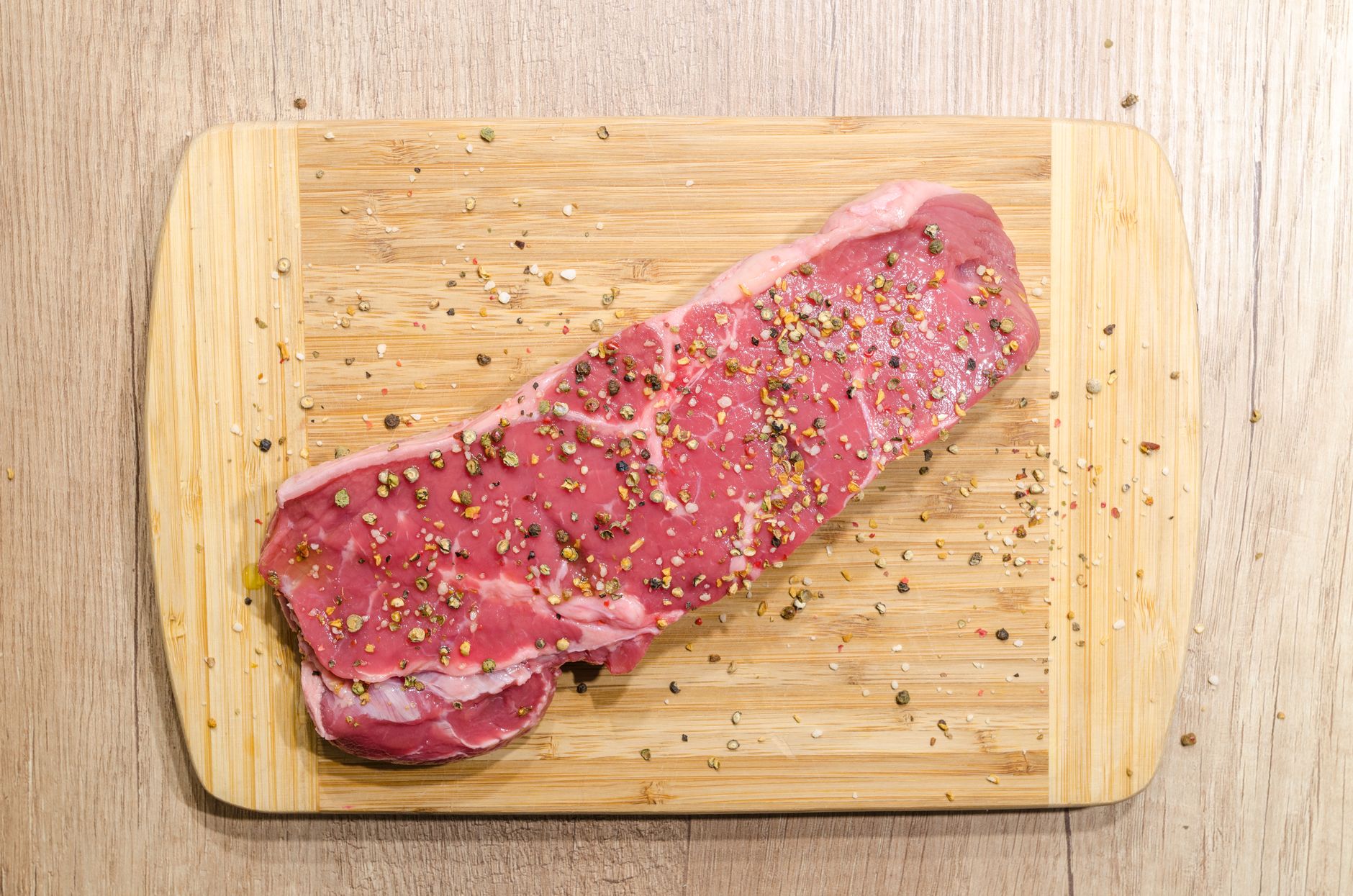 **What’s a Sample 1-Day Carnivore Meal Plan for Beginners with Pregnancy in Mind?**
Here’s a simple, nutrient-dense 1-day meal plan designed for a pregnant woman on carnivore. Adjust portions based on your hunger and energy needs.
| **Meal** | **Food** | **Notes** |
|----------------|-----------------------------------------------|--------------------------------------------|
| **Breakfast** | 3 scrambled eggs (pasture-raised) + 1 tbsp butter | Add a side of bone broth for hydration. |
| **Snack** | 1 cup grass-fed beef liver pâté on cucumber slices | Start with small portions if new to liver. |
| **Lunch** | 6 oz ribeye steak (rare) + 1 tbsp ghee | Season with salt and herbs. |
| **Snack** | 1 oz cheddar cheese + 4 oz wild salmon | If dairy is tolerated. |
| **Dinner** | 8 oz slow-cooked pork belly + 1 cup bone broth | Add rosemary for flavor. |
| **Before Bed** | 1 cup bone broth + 1 tbsp heavy cream | Helps with digestion and hydration. |
### **Hydration and Electrolytes**
- Drink 3 liters of water daily.
- Add a pinch of sea salt or Himalayan salt to your water or broth for electrolytes.
- If you’re constipated, try magnesium citrate or prune juice (though prune juice isn’t carnivore—use it occasionally if needed).
### **Adjustments for Breastfeeding**
- Increase portions by 20–30%.
- Add an extra serving of fatty cuts (like bacon or ribs) for calories.
- Drink 4 liters of water daily.
---
##
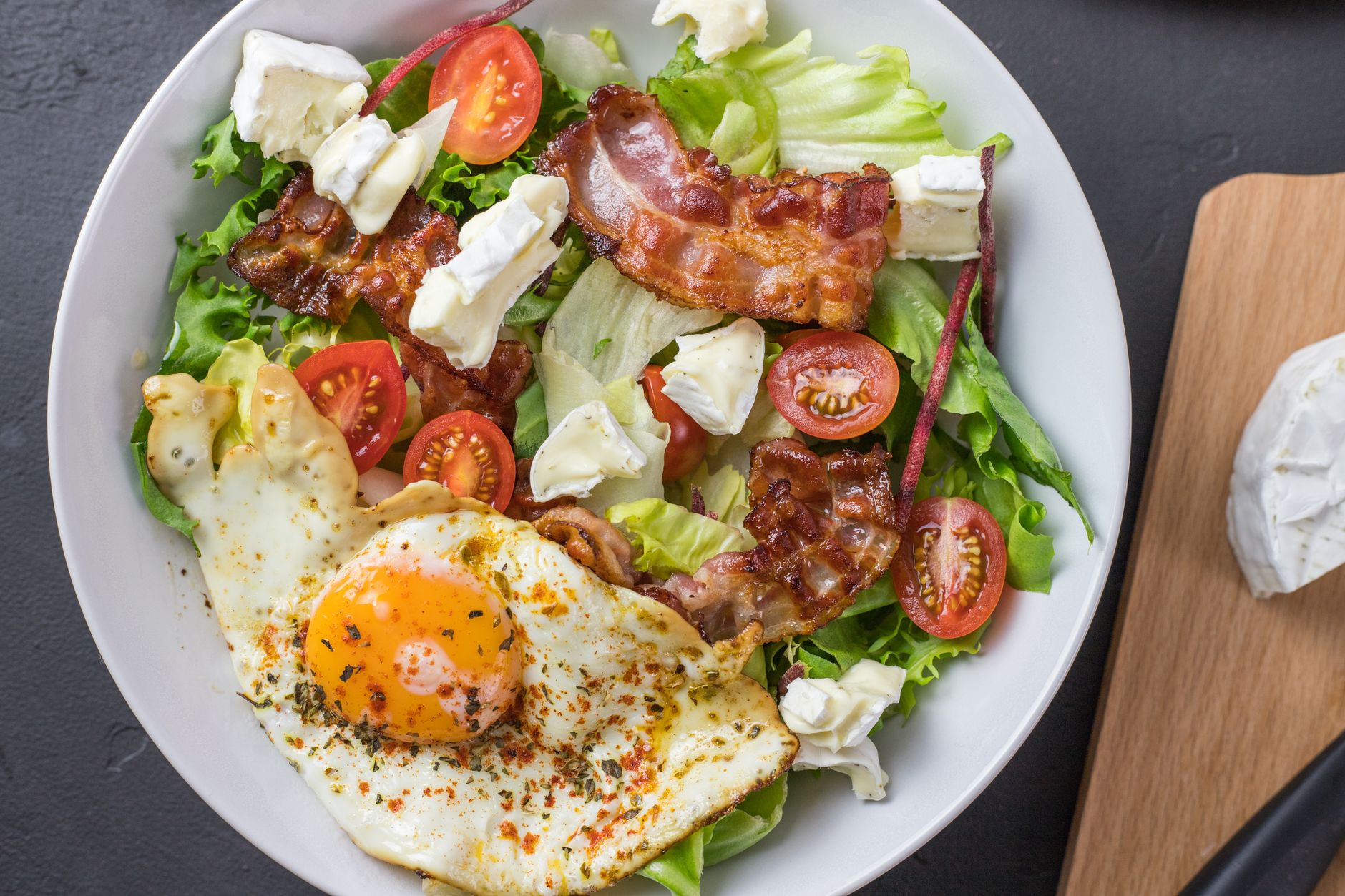 **How Does the Carnivore Diet Compare to a Keto or Paleo Diet for Maternal Health?**
If you’re weighing your options, here’s how carnivore stacks up against other popular diets for pregnancy and breastfeeding:
| **Factor** | **Carnivore Diet** | **Keto Diet** | **Paleo Diet** |
|--------------------------|--------------------------------------------|--------------------------------------------|--------------------------------------------|
| **Protein Source** | Animal-only (meat, eggs, dairy). | Animal + some plant fats (nuts, seeds). | Animal + plant (veggies, fruits, nuts). |
| **Fat Content** | High (30–40% of calories). | Very high (70–80% of calories). | Moderate (20–30% of calories). |
| **Carbs** | <5g/day (if strict). | <20–50g/day. | <100g/day (mostly from veggies/fruits). |
| **Fiber** | None (unless drinking bone broth). | None (unless eating nuts/seeds). | Moderate (from veggies/fruits). |
| **Nutrient Density** | High (if eating organ meats, wild fish). | Moderate (depends on food choices). | High (if including variety of plants). |
| **Ease of Pregnancy** | Possible, but requires monitoring. | Possible, but keto acidosis risk. | Easier (more variety). |
| **Breastfeeding Impact** | May reduce milk supply (low fluid intake). | Possible (low carb can affect lactation). | Neutral (plenty of fluids). |
| **Best For** | Women with PCOS, autoimmune issues, or severe food sensitivities. | Women who need rapid fat loss (not recommended in pregnancy). | Women who want a balanced, plant-inclusive diet. |
### **Which Diet Is Best for You?**
- **Choose carnivore if:** You have severe food intolerances, PCOS, or autoimmune conditions, and you’re willing to monitor nutrients closely.
- **Choose keto if:** You’re not pregnant and need to lose weight (but avoid keto during pregnancy unless under medical supervision).
- **Choose paleo if:** You want a more balanced diet with plants and less restriction.
---
##
 **What Are the Signs That a Carnivore Diet Isn’t Working for You During Pregnancy?**
Not every woman thrives on carnivore during pregnancy. Here are the red flags that it might not be right for you:
### **Physical Signs**
- **Extreme fatigue or dizziness** (could indicate low blood sugar or iron deficiency).
- **Constipation despite drinking bone broth** (may need to supplement fiber or magnesium).
- **Heartburn or acid reflux** (fat can relax the esophageal sphincter).
- **Unintended weight loss** (you should be gaining weight during pregnancy).
- **Babies’ movements seem less active** (see your provider immediately).
### **Emotional Signs**
- **Persistent anxiety or mood swings** (nutrient deficiencies can affect serotonin).
- **Loss of appetite** (if you’re not eating enough, you and your baby aren’t getting enough nutrients).
- **Food aversions or cravings** (your body may be telling you it needs something else).
### **What to Do If You’re Not Thriving**
1. **Add back small amounts of plant foods** (like avocados or coconut oil) to see if symptoms improve.
2. **Increase your fat intake** (if you’re feeling weak, you may need more calories).
3. **Supplement aggressively** (focus on folate, vitamin C, and magnesium).
4. **Talk to your provider**—they may recommend switching to a DASH diet or another balanced approach.
5. **Consider working with a dietitian** experienced in carnivore or pregnancy nutrition.
---
##
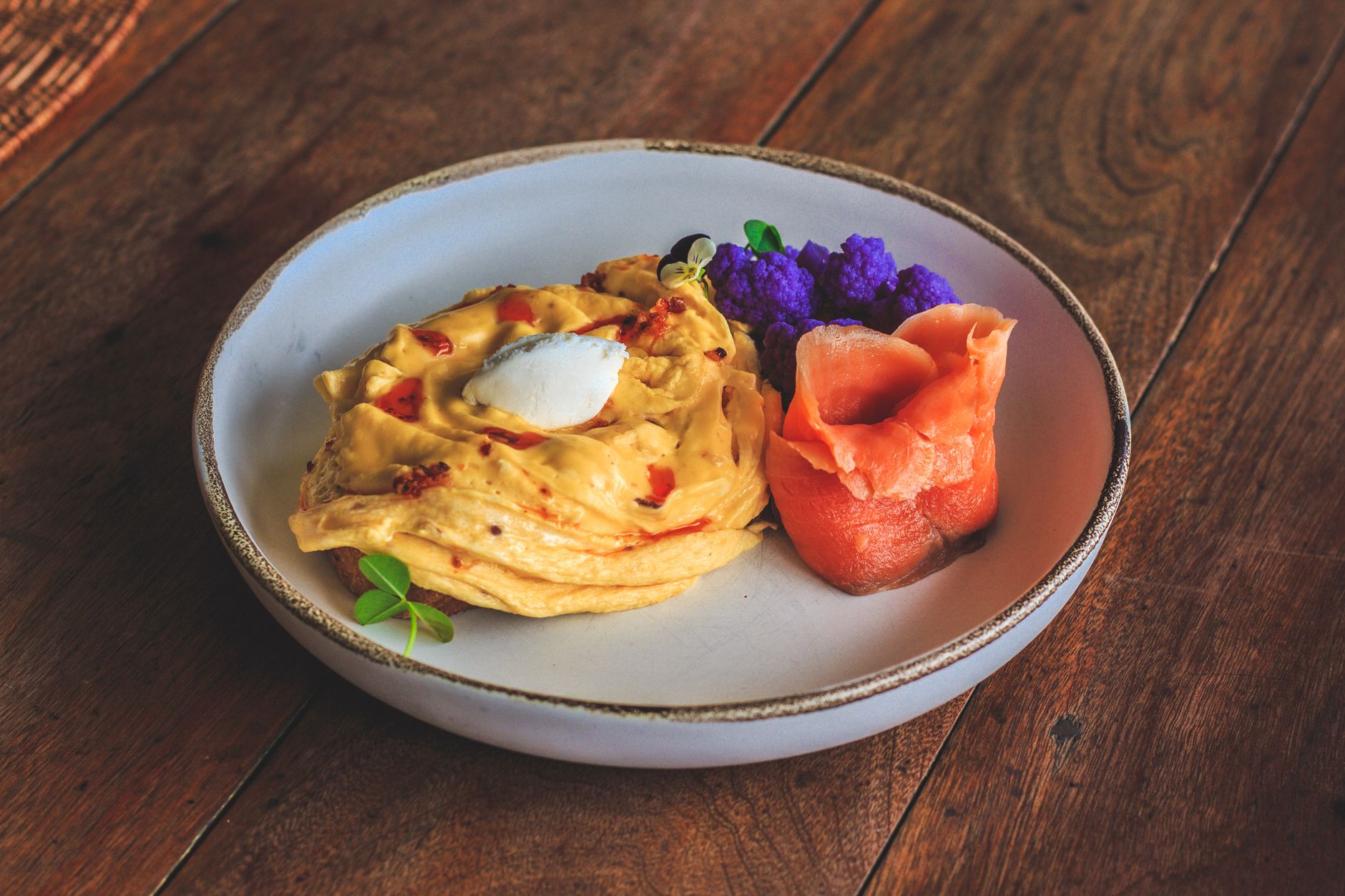 **Best Carnivore Diet Foods for Pregnant Women with Gestational Diabetes**
If you’ve been diagnosed with gestational diabetes, your carnivore approach needs to focus on stable blood sugar and insulin sensitivity. Here’s how to adapt:
### **Foods to Prioritize**
- **High-fat, low-carb animal foods** (fat slows digestion and stabilizes blood sugar).
- Grass-fed beef (especially fatty cuts like ribeye).
- Wild-caught salmon and sardines (high in healthy fats).
- Pasture-raised eggs (especially yolks).
- Bone broth (for hydration and electrolytes).
- **Organ meats** (liver is high in chromium, which helps regulate blood sugar).
### **Foods to Limit or Avoid**
- **Processed meats** (bacon, sausages—often contain nitrates and added sugars).
- **Dairy** (if it spikes your blood sugar—some women with gestational diabetes react poorly to dairy).
- **Fatty cuts if they cause bloating** (can affect digestion).
### **Sample Meal Plan for Gestational Diabetes**
| **Meal** | **Food** | **Notes** |
|----------------|-----------------------------------------------|--------------------------------------------|
| **Breakfast** | 3 scrambled eggs + 1 oz cheddar cheese | Skip if dairy spikes your blood sugar. |
| **Snack** | 6 oz sirloin steak + 1 tbsp butter | Season with salt and herbs. |
| **Lunch** | 8 oz chicken thighs (skin-on) + bone broth | Slow-cooked for tenderness. |
| **Snack** | 1 cup beef liver pâté + cucumber slices | Start with small portions. |
| **Dinner** | 6 oz wild salmon + 1 tbsp ghee | Season with lemon and dill. |
### **Monitoring Blood Sugar**
- Check your blood sugar before and after meals to see how different foods affect you.
- If you notice spikes, reduce portion sizes or switch to leaner cuts.
- **Avoid fasting**—eat small, frequent meals to keep blood sugar stable.
---
##
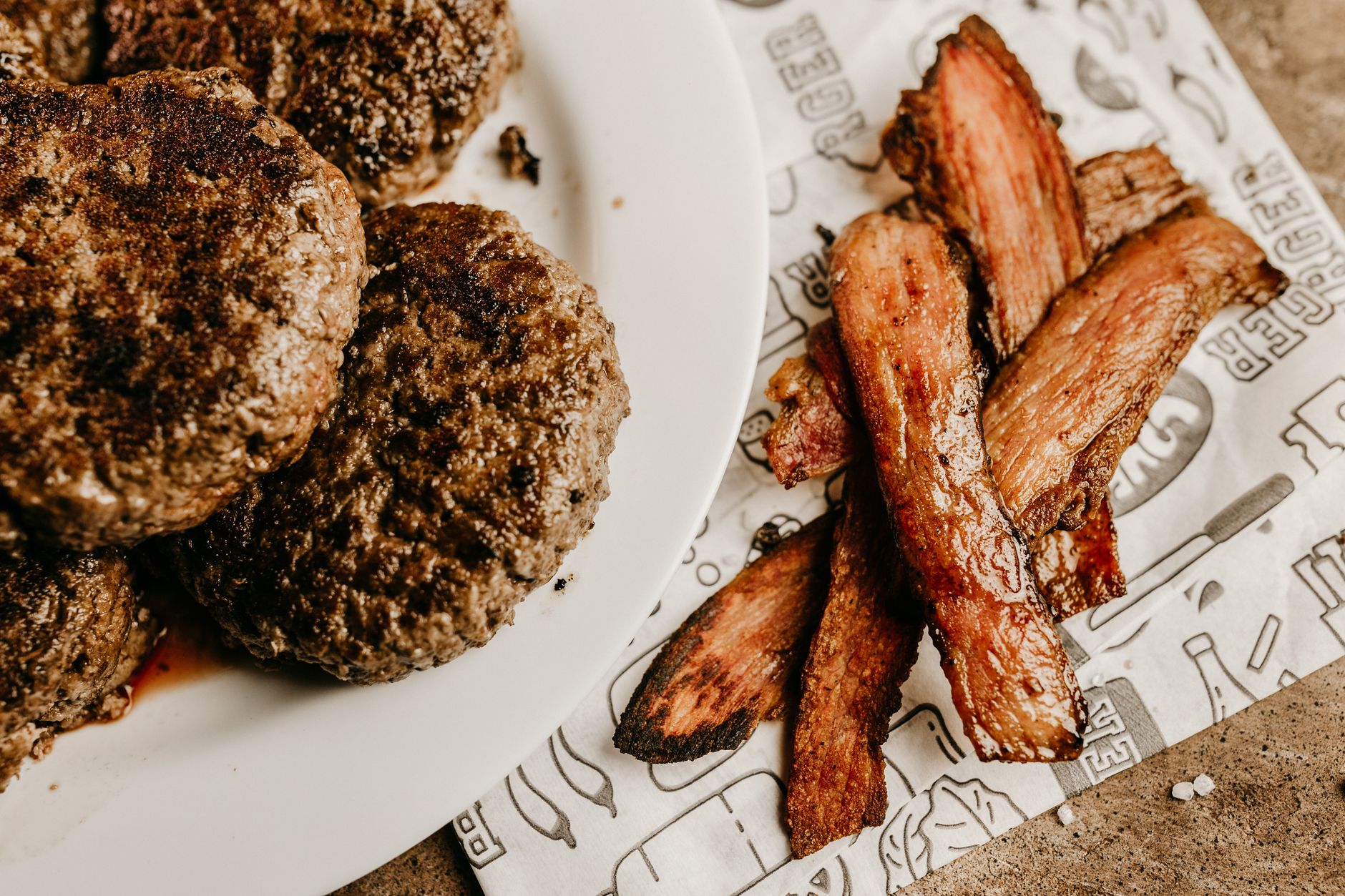 **Can You Eat Fatty Cuts of Meat Like Ribs and Bacon on a Carnivore Diet While Breastfeeding?**
Yes, but with some caution. Fatty cuts are great for calories and satiety, but they can be harder to digest during breastfeeding—especially if you’re new to carnivore.
### **Pros of Fatty Cuts While Breastfeeding**
- **High in calories** (you need 400–500 extra calories daily while breastfeeding).
- **Rich in fat-soluble vitamins** (A, D, E, K—critical for milk production).
- **Keeps you full** (reduces cravings for snacks).
### **Cons and Solutions**
- **Digestive issues:** Fat can slow digestion and cause bloating. If this happens:
- Start with small portions (2–3 oz) and gradually increase.
- Drink bone broth or water to help digestion.
- Avoid fatty cuts if you’re constipated (try leaner meats instead).
- **Milk supply:** Some women report lower milk supply if they’re not drinking enough fluids. Make sure you’re hydrated!
### **Best Fatty Cuts for Breastfeeding**
- **Pork belly** (cooked slowly until crispy).
- **Ribs** (slow-cooked with herbs).
- **Bacon (sugar-free)** (in moderation).
- **Lamb chops** (rich and flavorful).
### **How to Cook Fatty Cuts for Easier Digestion**
- **Slow-cook or braise** (tenderizes meat and makes it easier to digest).
- **Add spices** (ginger, turmeric, or garlic can aid digestion).
- **Pair with probiotics** (bone broth or fermented foods help gut health).
---
##
**How to Transition Safely from Omnivore to Carnivore Diet During Early Pregnancy**
Switching to carnivore during pregnancy isn’t as simple as cutting out plants overnight. Here’s how to do it gradually and safely:
### **Step 1: Start with Meat and Fat (2–3 Weeks)**
- Replace one meal per day with meat and fat (e.g., steak + butter).
- Add bone broth to replace plant-based soups.
- If you’re craving carbs, try cauliflower rice or zucchini noodles (cooked in ghee) to ease the transition.
### **Step 2: Add Eggs and Dairy (If Tolerated) (1–2 Weeks)**
- Incorporate pasture-raised eggs and grass-fed butter.
- If dairy is tolerated, add aged cheese or kefir.
### **Step 3: Remove All Plants (After 4–6 Weeks)**
- Once you’re comfortable with meat, eggs, and dairy, eliminate all plant foods.
- Focus on organ meats, fatty cuts, and wild fish for nutrient density.
### **Step 4: Monitor Symptoms**
- Watch for digestive changes, energy levels, and baby’s movements.
- If you feel unwell, add back small amounts of plants (like avocados or coconut oil).
### **Sample Transition Plan**
| **Week** | **Action** |
|----------|--------------------------------------------|
| 1 | Replace breakfast with eggs + butter. |
| 2 | Replace lunch with steak + bone broth. |
| 3 | Replace dinner with ribs + ghee. |
| 4 | Add pasture-raised eggs to every meal. |
| 5 | Remove all plant-based foods. |
---
##
 **What Are the Benefits of a Carnivore Diet for PCOS and Fertility Before Pregnancy?**
Many women with PCOS report improvements on carnivore, including:
- **Reduced insulin resistance** (meat and fat help stabilize blood sugar).
- **Lower inflammation** (eliminating processed foods and plants that may trigger inflammation).
- **Hormonal balance** (some women see regular cycles after switching to carnivore).
- **Weight loss** (if overweight, losing weight can improve fertility).
### **How Carnivore Helps PCOS**
- **Fat and protein** keep you full and reduce cravings for sugary foods.
- **Organ meats** provide choline and B vitamins, which support liver detox (


