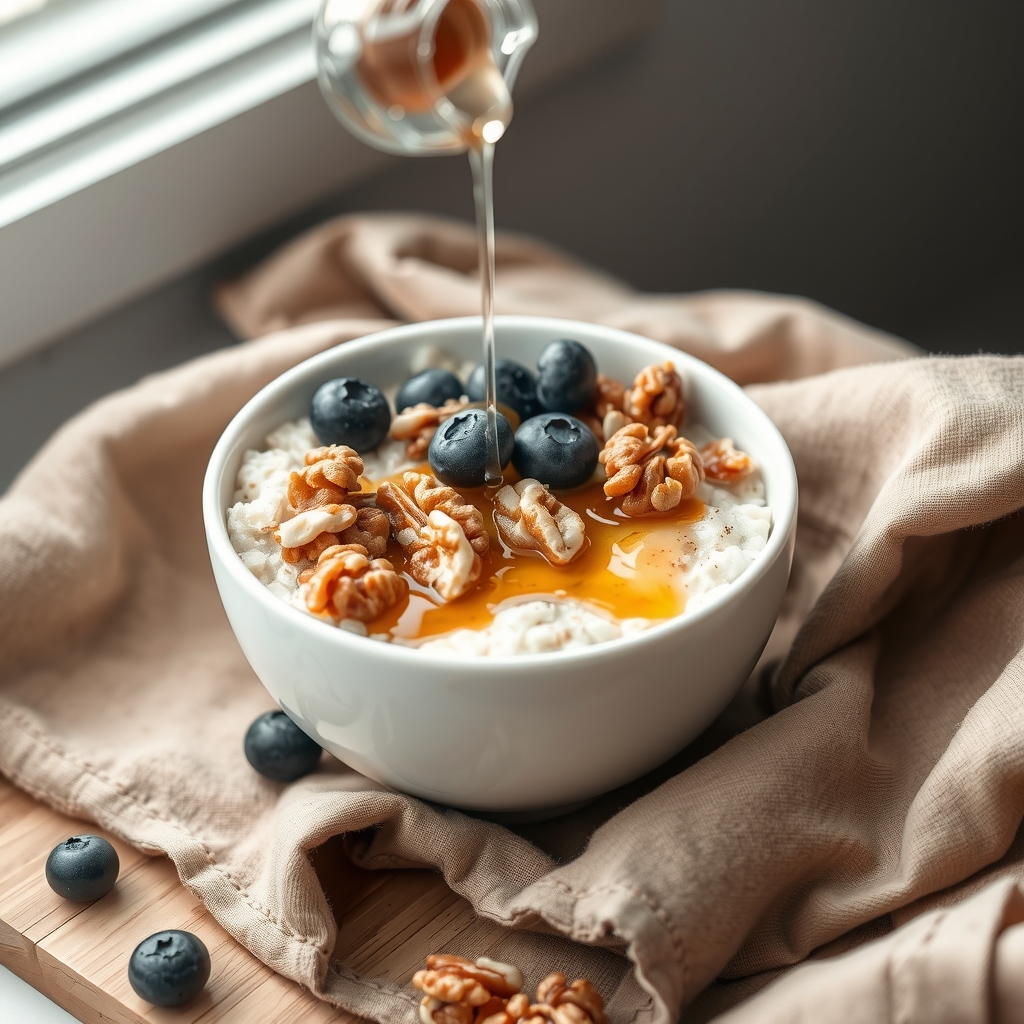
- High in fiber (keeps you full and supports digestion).
- Rich in plant-based protein (beans, lentils, nuts, seeds).
- Loaded with antioxidants and anti-inflammatory foods (berries, leafy greens, turmeric).
- Low in added sugar and refined carbs (no pastries or sugary cereals).
One reader, Maria from Chicago, shared how she transformed her mornings after switching to Blue Zones breakfasts: “I used to rely on coffee and a muffin, but now I start with a lentil and vegetable soup, and I’m never hungry again. My energy crashes are a thing of the past.”
If you’re curious about the broader benefits of the Blue Zones diet, our article Blue Zones Diet Benefits and Side Effects: Science-Backed Truths dives deeper into how this lifestyle can impact your health long-term.
---
Blue Zones diet breakfast ideas for weight loss
If your goal is to shed pounds—and keep them off—the Blue Zones diet is a fantastic choice. Unlike crash diets that leave you starving, these breakfasts are designed to stabilize blood sugar, curb cravings, and promote satiety. Here’s how to hack your morning meal for weight loss:
**Key strategies:**
- Prioritize high-fiber foods (oats, beans, vegetables) to slow digestion and keep you full.
- Add healthy fats (avocado, nuts, olive oil) to reduce hunger hormones.
- Avoid liquid calories—skip sugary juices or coffee creamer.
- Start with plant-based protein (lentils, chickpeas, tofu) to preserve muscle.
Recipe: Savory Lentil and Spinach Breakfast Bowl
This meal is packed with protein and fiber, making it perfect for weight loss. 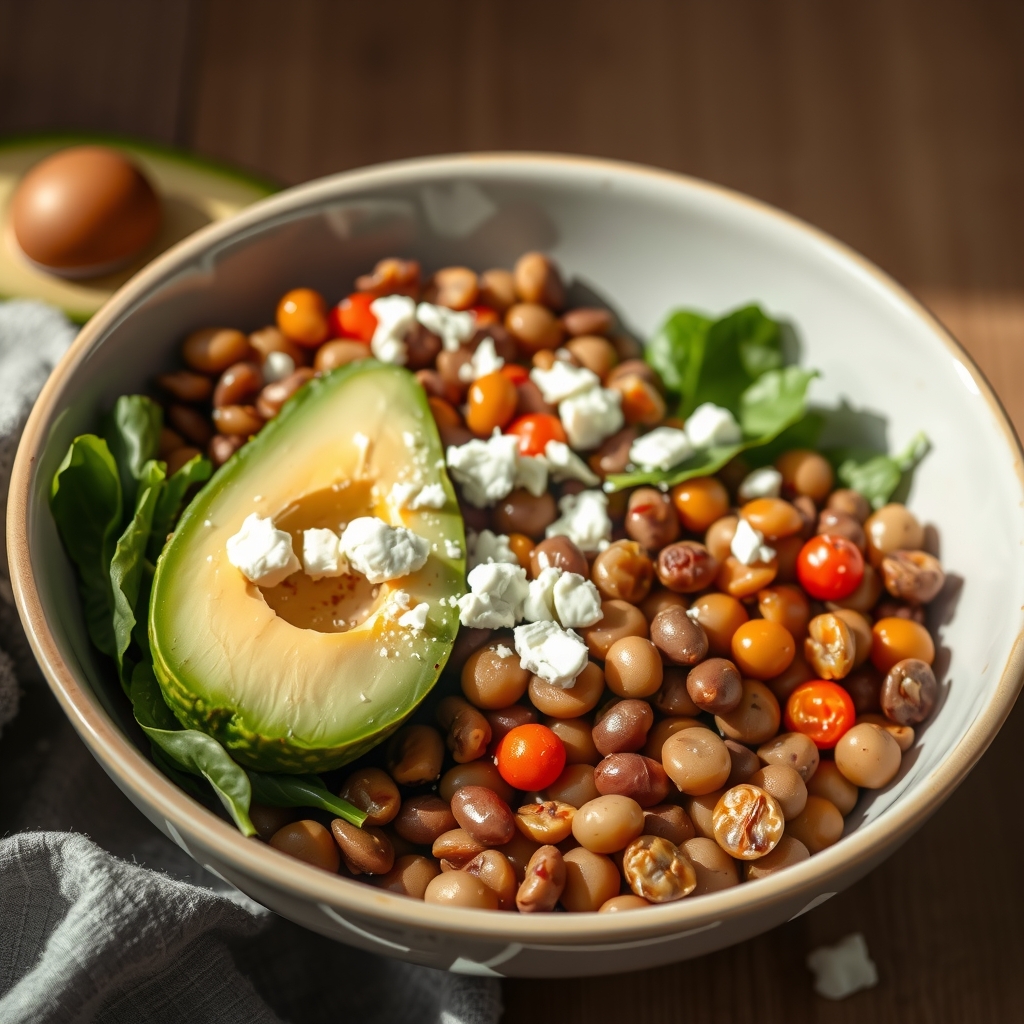
- Cook ½ cup dried lentils (or use canned, drained) until tender.
- Sauté 1 cup chopped spinach in 1 tsp olive oil until wilted.
- Mix in ¼ cup diced tomatoes, ¼ cup crumbled feta, and a pinch of turmeric.
- Serve with ¼ avocado, sliced almonds, and a drizzle of olive oil.
Nutrition per serving: 350 calories, 15g protein, 22g fiber, 18g healthy fats.
**Why it works:** Lentils provide 18g of protein per cup, while the avocado and olive oil add healthy fats to keep you full until lunch. The fiber-rich vegetables prevent blood sugar spikes, which are a major driver of cravings.
For more weight-loss-friendly breakfasts, check out our 100+ Easy Atkins Diet Breakfast Ideas for Weight Loss in 2026—though the Blue Zones approach is far more sustainable long-term.
---
Blue Zones diet breakfast ideas for energy boost
Ever feel like you’re running on fumes by 10 AM? That’s your body crying out for the right fuel. The Blue Zones diet focuses on complex carbs, healthy fats, and plant-based protein to provide steady, long-lasting energy—no crash included. Here’s how to build breakfasts that power you through the day:
**Energy-boosting principles:**
- Combine complex carbs (oats, quinoa, sweet potatoes) with protein (nuts, seeds, legumes) to stabilize blood sugar.
- Include antioxidant-rich foods (berries, dark leafy greens) to reduce inflammation and mental fog.
- Avoid refined sugars, which cause energy spikes and crashes.
- Hydrate with water or herbal tea—dehydration worsens fatigue.
Recipe: Blueberry-Oat Power Bowl
This bowl is like a vitamin shot for your brain and body. 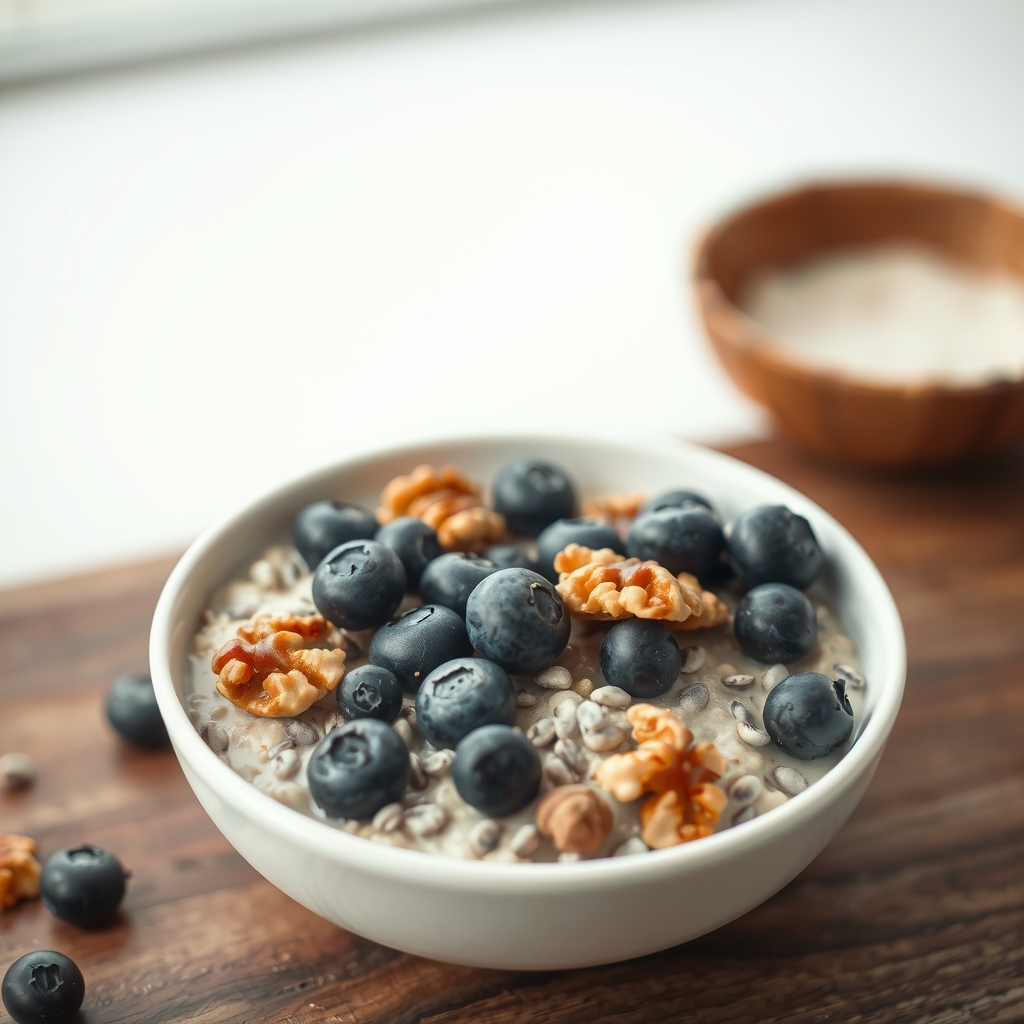
- Cook ½ cup steel-cut oats in water or unsweetened almond milk until creamy.
- Top with ½ cup fresh blueberries, 1 tbsp chia seeds, 1 tbsp chopped walnuts, and a sprinkle of cinnamon.
- Drizzle with 1 tsp olive oil and a pinch of sea salt.
Nutrition per serving: 380 calories, 12g protein, 10g fiber, 15g healthy fats.
**Why it works:** The oats provide slow-digesting carbs, while the blueberries and walnuts deliver antioxidants and omega-3s to support brain function. The chia seeds add fiber and plant-based protein, keeping you energized for hours.
If you’re short on time, swap steel-cut oats for rolled oats and prep the night before by soaking them in almond milk with a spoonful of flaxseed.
---
Blue Zones diet breakfast ideas vegetarian options
Vegetarianism aligns perfectly with the Blue Zones diet, which is naturally plant-forward. The key is to focus on legumes, whole grains, nuts, seeds, and vegetables to create balanced, protein-rich meals. Here are some vegetarian-friendly ideas:
Recipe: Chickpea Flour Pancakes with Avocado
These pancakes are a great way to start your day with plant-based protein and healthy fats. 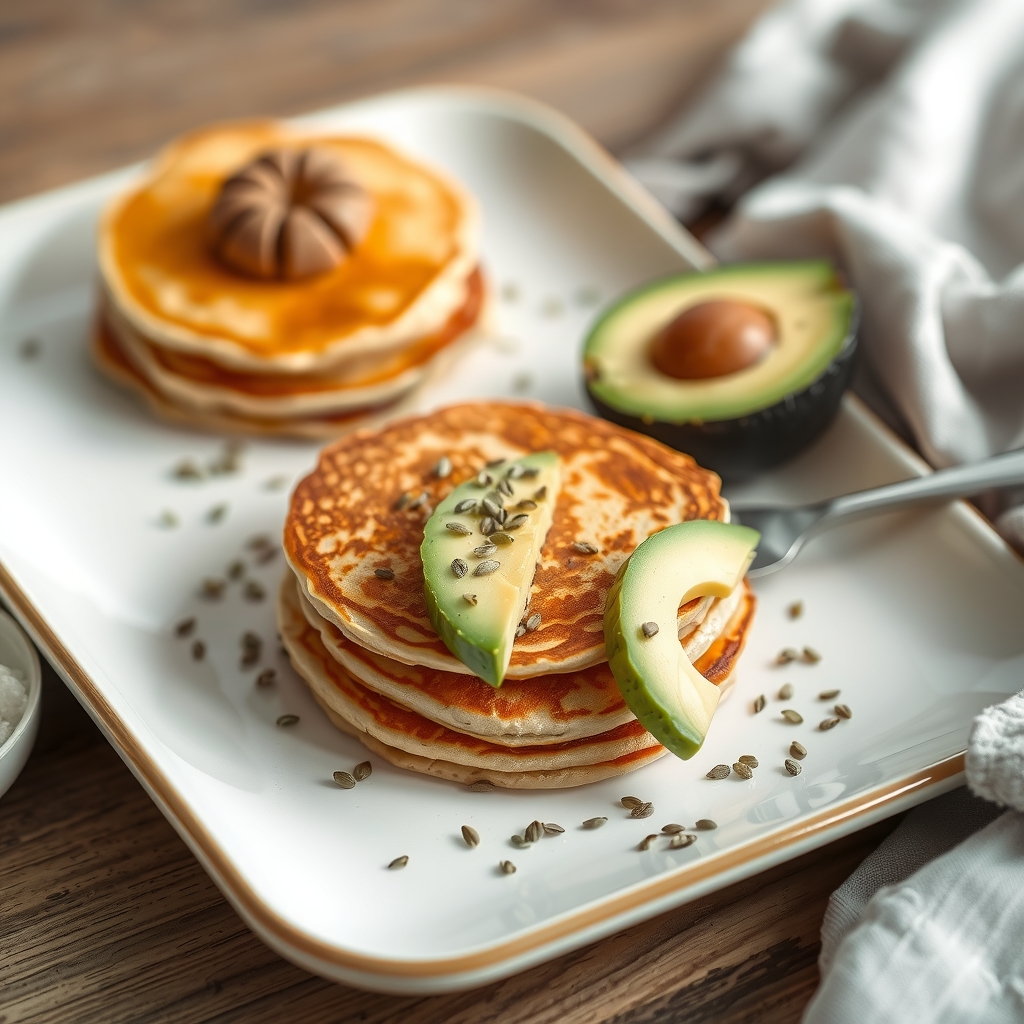
- Blend ½ cup chickpea flour, ½ cup water, 1 tsp baking powder, and a pinch of salt into a batter.
- Cook small spoonfuls in a nonstick pan with 1 tsp olive oil until golden on both sides.
- Serve with ¼ avocado, sliced cucumber, and a sprinkle of hemp seeds.
Nutrition per serving (2 pancakes): 280 calories, 10g protein, 8g fiber, 12g healthy fats.
**Why it works:** Chickpea flour is a complete protein, meaning it contains all essential amino acids. The avocado adds healthy fats, and the cucumber provides hydration and crunch.
For more vegetarian breakfast ideas, explore our Delicious AIP Elimination Diet Breakfast Ideas for 2026, though the Blue Zones approach is less restrictive and more sustainable.
---
Blue Zones diet breakfast ideas for heart health
Heart disease is the leading cause of death worldwide, but the Blue Zones diet is one of the most effective ways to protect your cardiovascular system. The focus is on anti-inflammatory foods, healthy fats, and fiber to lower cholesterol, reduce blood pressure, and improve circulation. Here’s how to build heart-healthy breakfasts:
**Heart-healthy principles:**
- Use olive oil instead of butter or margarine.
- Include omega-3s (flaxseeds, walnuts, chia seeds) to reduce inflammation.
- Choose whole grains (quinoa, brown rice, whole wheat) over refined grains.
- Avoid trans fats and limit saturated fats from animal products.
Recipe: Smoked Salmon and Avocado Toast
This is a classic Blue Zones-inspired breakfast that’s rich in omega-3s and healthy fats. 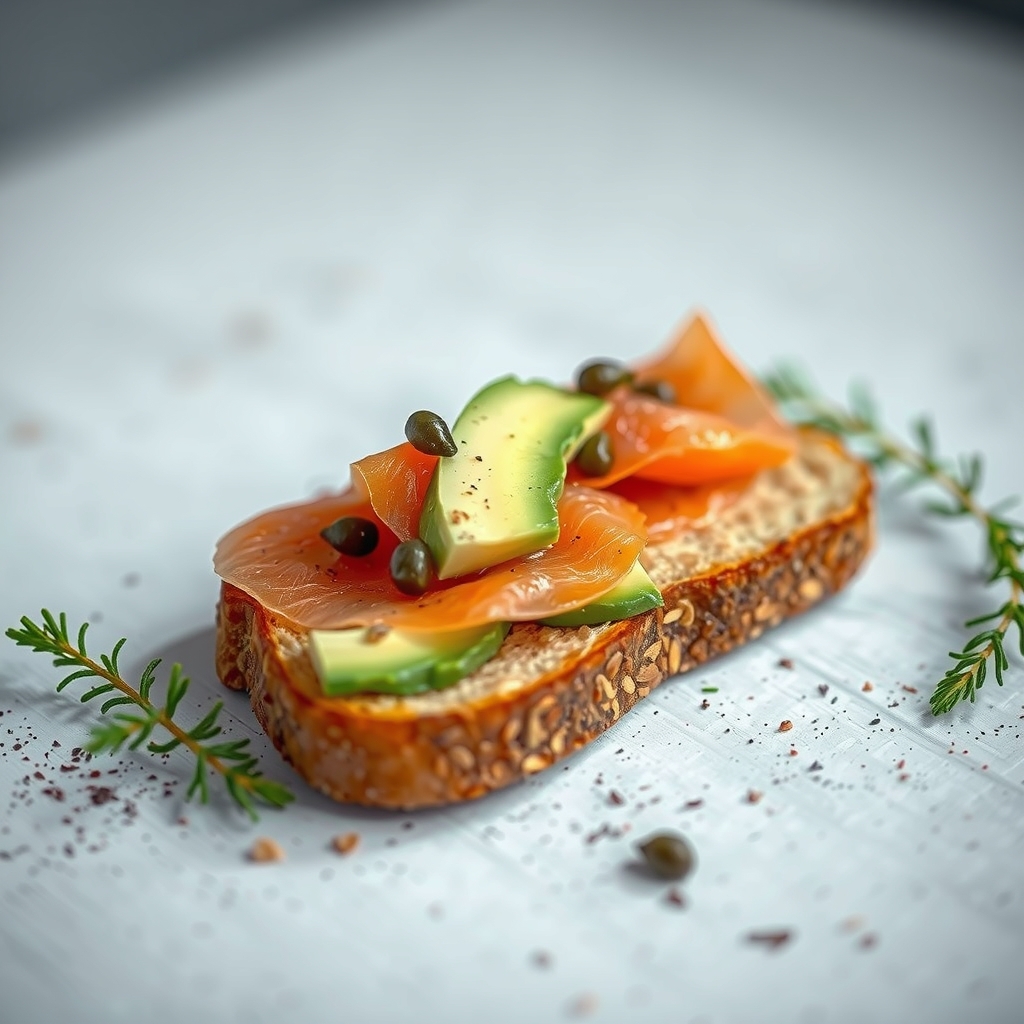
- Toast 1 slice of whole-grain sourdough.
- Spread with ¼ avocado, mashed with a pinch of salt and lemon juice.
- Top with 2 oz smoked salmon, 1 tbsp capers, and a sprinkle of fresh dill.
Nutrition per serving: 320 calories, 18g protein, 6g fiber, 16g healthy fats.
**Why it works:** Smoked salmon is one of the best sources of omega-3 fatty acids, which reduce triglycerides and lower the risk of heart disease. The avocado adds monounsaturated fats, and the whole-grain bread provides fiber to support heart health.
If you’re vegetarian, swap the salmon for tofu or tempeh marinated in soy sauce and smoked paprika for a similar effect.
---
Blue Zones diet breakfast ideas low sugar recipes
If you’re watching your sugar intake—whether for blood sugar control, weight loss, or general health—the Blue Zones diet is your best friend. These breakfasts avoid refined sugar entirely and rely on natural sweetness from fruits and whole foods. Here’s how to keep it low-sugar:
**Low-sugar strategies:**
- Avoid sugary cereals, granola bars, and pastries.
- Use natural sweeteners like dates, figs, or a small amount of honey (if tolerated).
- Opt for unsweetened plant milks (almond, oat, or coconut) instead of flavored versions.
- Choose low-glycemic fruits like berries, apples, and pears.
Recipe: Turmeric Golden Milk Oatmeal
This warm, spiced oatmeal is naturally sweetened and packed with anti-inflammatory turmeric. 
- Cook ½ cup rolled oats in 1 cup unsweetened almond milk until creamy.
- Stir in ½ tsp turmeric, ¼ tsp cinnamon, and a pinch of black pepper (enhances turmeric absorption).
- Top with ¼ cup sliced banana (for natural sweetness) and 1 tbsp chopped walnuts.
Nutrition per serving: 350 calories, 10g protein, 12g fiber, 10g healthy fats.
**Why it works:** The turmeric reduces inflammation, the oats provide slow-digesting carbs, and the banana adds natural sweetness without spiking blood sugar. The walnuts add healthy fats to keep you full.
For more low-sugar breakfast ideas, our Blue Zones Diet Grocery List: 2026’s Healthiest Shopping Guide includes a full list of approved low-sugar staples.
---
Blue Zones diet breakfast ideas for busy mornings
We get it—morning routines are chaotic. The Blue Zones diet isn’t about complicated prep; it’s about simple, repeatable meals that fit into even the busiest schedules. Here’s how to make it work:
**Busy-morning tips:**
- Prep overnight oats or chia pudding the night before.
- Keep frozen vegetables and canned beans on hand for quick cooking.
- Use whole-grain toast with avocado as a 5-minute meal.
- Batch-cook grains like quinoa or brown rice for the week.
- Invest in a slow cooker for overnight soups or stews.
Recipe: 5-Minute Avocado Toast with Egg
This is the ultimate busy-morning meal. 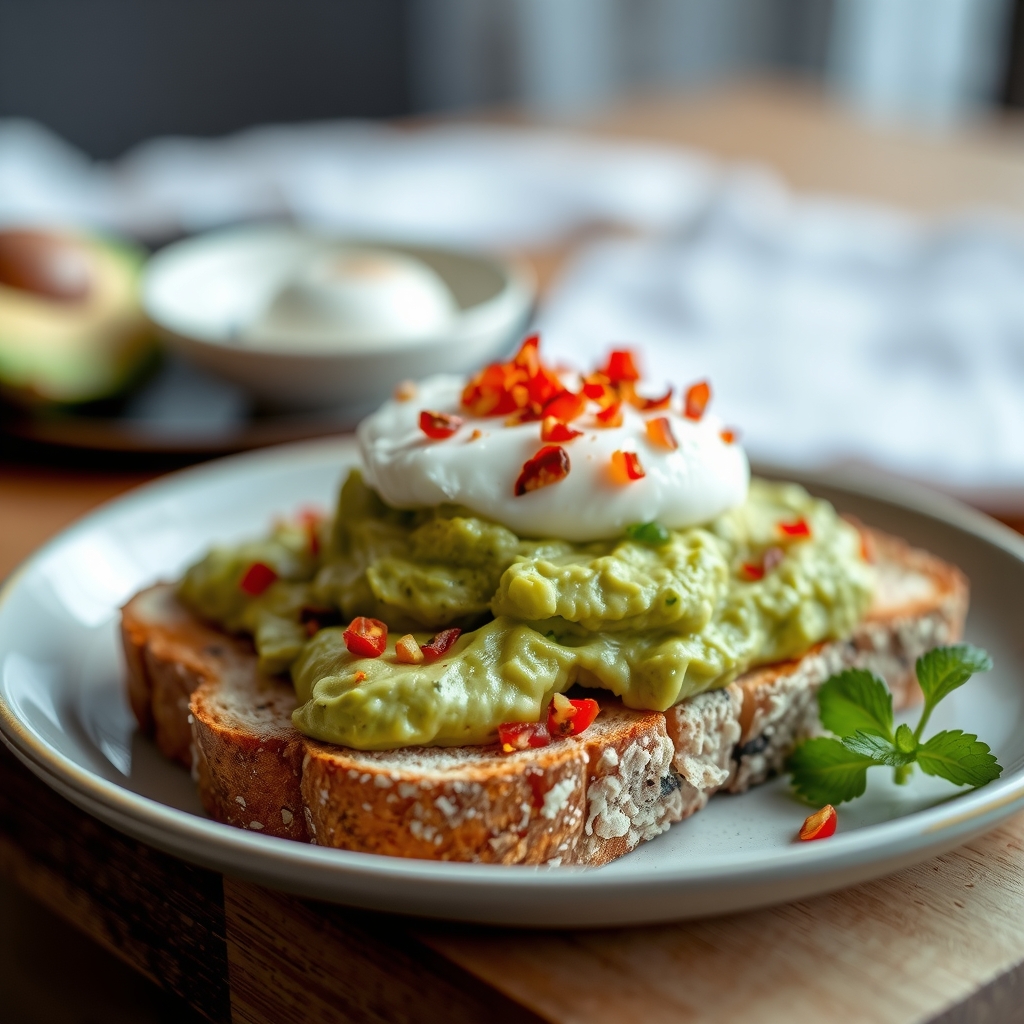
- Toast 1 slice of whole-grain sourdough.
- Mash ¼ avocado on top and sprinkle with salt, pepper, and chili flakes.
- Top with a soft-boiled or poached egg (or a sprinkle of nutritional yeast for a vegan option).
Nutrition per serving: 300 calories, 12g protein, 8g fiber, 18g healthy fats.
**Why it works:** Avocado provides healthy fats, the egg adds protein, and the whole-grain toast keeps you full. It takes less than 5 minutes and requires no fancy equipment.
For more no-fuss breakfast ideas, check out our Blue Zones Diet Food List: 2026 Beginner-Friendly Meals for a full list of easy swaps.
---
Blue Zones diet breakfast ideas with plant-based protein
Plant-based protein is a cornerstone of the Blue Zones diet, and it’s easier to incorporate than you think. The goal is to combine different plant sources (like beans + grains) to create a complete protein profile. Here are some high-protein vegetarian breakfast ideas:
Recipe: Tofu Scramble with Spinach and Quinoa
This meal is packed with protein and fiber to keep you full and energized. 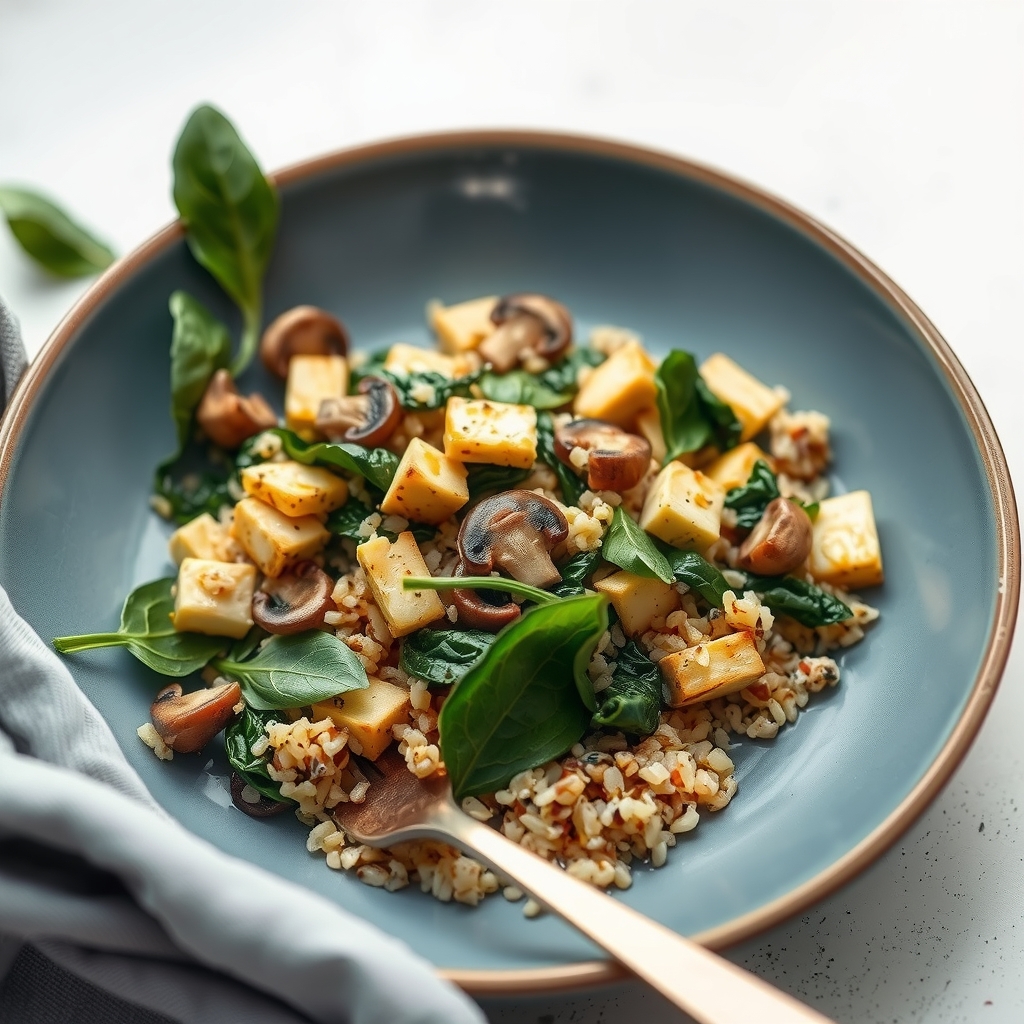
- Crumble ½ block firm tofu into a pan with 1 tsp olive oil.
- Add ½ cup chopped spinach, ¼ cup diced mushrooms, and ¼ cup cooked quinoa.
- Season with turmeric, garlic powder, salt, and pepper. Cook until heated through.
- Serve with a side of sliced avocado.
Nutrition per serving: 380 calories, 22g protein, 10g fiber, 15g healthy fats.
**Why it works:** Tofu is a complete protein, and the quinoa adds extra fiber and nutrients. The spinach and mushrooms provide antioxidants, while the avocado adds healthy fats.
For more plant-based protein ideas, our Blue Zones Diet Grocery List includes a full guide to the best plant-based protein sources.
---
Blue Zones diet breakfast ideas for anti-inflammatory benefits
Chronic inflammation is linked to nearly every modern disease, from heart disease to diabetes to autoimmune conditions. The Blue Zones diet is naturally anti-inflammatory, thanks to its emphasis on whole foods, healthy fats, and antioxidants. Here’s how to build breakfasts that reduce inflammation:
**Anti-inflammatory principles:**
- Include omega-3s (flaxseeds, walnuts, chia seeds).
- Use turmeric, ginger, and garlic in cooking.
- Choose leafy greens (spinach, kale, Swiss chard).
- Avoid processed foods and refined sugars.
Recipe: Turmeric Chickpea Flour Pancakes with Spinach
These pancakes are a powerhouse of anti-inflammatory ingredients. 
- Blend ½ cup chickpea flour, ½ cup water, ½ tsp turmeric, ¼ tsp ginger, and a pinch of salt into a batter.
- Cook small spoonfuls in a nonstick pan with 1 tsp olive oil until golden.
- Serve with ½ cup sautéed spinach and a sprinkle of hemp seeds.
Nutrition per serving (2 pancakes): 300 calories, 12g protein, 8g fiber, 14g healthy fats.
**Why it works:** Turmeric is one of the most potent anti-inflammatory spices, while the chickpea flour provides protein and fiber. The spinach adds antioxidants, and the hemp seeds provide omega-3s.
---
How does the Blue Zones diet compare to other popular breakfast diets?
If you’re curious how the Blue Zones diet stacks up against other popular breakfast trends, here’s a quick comparison:
The Blue Zones diet is unique because it’s not about restriction but about sustainable, whole-food eating. Unlike keto or Atkins, it doesn’t eliminate entire food groups (like carbs) and is much easier to maintain long-term. The Mediterranean diet shares similarities, but the Blue Zones approach is even more plant-focused and includes specific longevity-boosting foods like legumes and turmeric.
If you’re curious about the science behind the Blue Zones diet, our article Blue Zones Diet Benefits and Side Effects: Science-Backed Truths breaks down the research.
---
Common misconceptions about Blue Zones breakfasts
Let’s clear up a few myths to help you get started on the right foot:
- Myth: Blue Zones breakfasts are boring and repetitive.
- Fact: While the diet focuses on whole foods, there’s endless variety! Think lentil stews, turmeric golden milk, chickpea pancakes, and avocado toast—all packed with flavor and nutrition. The key is to rotate ingredients to keep meals interesting.
- Myth: You have to eat a huge breakfast to feel full.
- Fact: The Blue Zones diet encourages nutrient-dense meals, not necessarily large portions. A small bowl of lentil soup with whole-grain bread can be just as satisfying as a big plate of eggs and bacon.
- Myth: Blue Zones breakfasts are expensive.
- Fact: Many Blue Zones staples—like beans, oats, and seasonal vegetables—are affordable and budget-friendly. Our Blue Zones Diet Grocery List includes tips for shopping on a budget.
- Myth: You can’t eat dessert or sweets on the Blue Zones diet.
- Fact: The diet avoids refined sugar, but natural sweeteners like dates, figs, or a small amount of honey are fine in moderation. The focus is on whole foods, not deprivation.
---
Key takeaways for Blue Zones breakfasts
- Prioritize plants: Fill half your plate with vegetables, legumes, and whole grains.
- Add healthy fats: Include nuts, seeds, avocado, or olive oil to every meal.
- Include protein: Aim for plant-based protein (beans, lentils, tofu) or fish at least a few times a week.
- Avoid processed foods: Skip sugary cereals, pastries, and packaged snacks.
- Stay hydrated: Start your day with water or herbal tea instead of sugary coffee drinks.
- Meal prep ahead: Cook grains and chop vegetables in advance to save time.
---
Frequently asked questions about Blue Zones breakfasts
What are the best breakfast foods in the Blue Zones diet?
The best Blue Zones breakfast foods are those that are whole, unprocessed, and packed with nutrients. Think:
- Oats, quinoa, and brown rice (for complex carbs).
- Lentils, chickpeas, and black beans (for plant-based protein).
- Berries, apples, and pears (for natural sweetness and fiber).
- Avocado, nuts, and seeds (for healthy fats).
- Leafy greens, spinach, and kale (for antioxidants).
These foods work together to provide steady energy, reduce inflammation, and support long-term health.
How does the Blue Zones diet affect breakfast choices?
The Blue Zones diet shifts your breakfast focus from convenience (cereal, pastries) to nutrition. Instead of relying on refined carbs and added sugars, you’re encouraged to build meals around fiber, protein, and healthy fats. This approach keeps you full longer, stabilizes blood sugar, and reduces cravings throughout the day.
Can the Blue Zones diet help with weight loss in the morning?
Absolutely! The Blue Zones diet is naturally weight-loss friendly because it prioritizes whole foods that keep you full and satisfied. By avoiding refined sugars and processed foods, you’ll naturally consume fewer calories without feeling deprived. The fiber and protein in Blue Zones breakfasts also help regulate appetite hormones, reducing cravings later in the day.
What are some quick Blue Zones diet breakfast ideas?
If you’re short on time, these quick ideas fit the Blue Zones principles:
- Avocado toast with eggs: Whole-grain toast with mashed avocado and a soft-boiled egg.
- Overnight oats: Rolled oats soaked in almond milk with chia seeds, berries, and nuts.
- Chickpea flour pancakes: Quick to cook and packed with protein.
- Smoothie bowl: Blend spinach, banana, almond butter, and unsweetened almond milk, then top with nuts and seeds.
Is the Blue Zones diet suitable for vegetarians at breakfast?
Yes! The Blue Zones diet is naturally vegetarian-friendly, with a strong emphasis on legumes, whole grains, nuts, and seeds. Many of the recipes in this guide are vegetarian or can be easily adapted. For example, swap fish for tofu or tempeh, and use plant-based milks in oatmeal or smoothies.
How many calories should a Blue Zones diet breakfast contain?
There’s no one-size-fits-all answer, but a typical Blue Zones breakfast falls between 300–500 calories, depending on your activity level and goals. The key is to focus on nutrient density rather than calorie count. A small bowl of lentil soup with whole-grain bread might be 300 calories but packed with protein and fiber, while a large plate of eggs and bacon could be 500 calories but high in saturated fat.
---
When to see a doctor or specialist
While the Blue Zones diet is generally safe and beneficial for most people, there are a few scenarios where you should consult a healthcare provider before making major dietary changes:
- If you have diabetes or insulin resistance, work with a dietitian to ensure your meals support blood sugar control.
- If you’re pregnant or breastfeeding, some adjustments may be needed to meet increased nutrient needs.
- If you have kidney disease, high potassium foods (like spinach and tomatoes) should be monitored.
- If you’re underweight or have an eating disorder history, focus on gradual, sustainable changes.
For general guidance, a registered dietitian or nutritionist can help tailor the Blue Zones diet to your specific needs. If you’re unsure whether this diet is right for you, start with a simple swap—like replacing your morning muffin with a bowl of oatmeal—and see how you feel.
---
References
- Buettner, D. (2008). *The Blue Zones: Lessons for Living Longer From the People Who’ve Lived the Longest*. National Geographic.
- American Heart Association. (2021). *Diet and Lifestyle Recommendations for Cardiovascular Health*. www.heart.org
- Harvard T.H. Chan School of Public Health. (2020). *The Mediterranean Diet and Longevity*. www.hsph.harvard.edu
- Mayo Clinic. (2022). *Plant-Based Diets: How to Get Started*. www.mayoclinic.org
- National Institutes of Health. (2021). *Dietary Guidelines for Americans*. www.nal.usda.gov
- The Menopause Society (NAMS). (2023). *Nutrition and Menopause*. www.menopause.org