

Quick take: The Blue Zones diet is one of the safest, most evidence-backed ways to eat during pregnancy—it’s packed with nutrient-dense, plant-forward foods that support fetal development, reduce pregnancy complications, and even ease morning sickness. Your grocery list should prioritize whole grains, legumes, leafy greens, fermented foods, and healthy fats while avoiding processed sugars, refined carbs, and certain high-mercury fish. For expectant moms, the key is adapting the diet to your specific needs—whether you’re managing gestational diabetes, dealing with allergies, or prepping for postpartum recovery. We’ll break down exactly what to buy, how to budget, and how to tweak the diet for twins or high-risk pregnancies. Plus, we’ll cover how to meal prep efficiently, shop at budget-friendly stores like Walmart or Target, and even address common concerns like morning sickness and food cravings—so you can feel confident every time you step into the grocery store.Blue Zones Diet Grocery Shopping List: The Complete 2026 Guide
You’re standing in the grocery store aisle at 9pm, your belly rumbling, your phone glowing with another "is this safe?" Google search. You’re three months pregnant, and the last thing you want is to make a mistake that could affect your baby’s development—or your sanity. You’ve heard the Blue Zones diet is one of the healthiest ways to eat, but now you’re staring at shelves of processed snacks and wondering: *What the heck do I even buy?*
Trust me, you’re not alone. Many women tell us they feel overwhelmed by the conflicting advice out there—especially when it comes to pregnancy nutrition. The Blue Zones diet, inspired by the longevity hotspots around the world, is a plant-heavy, whole-foods approach that’s been linked to lower risks of gestational diabetes, preeclampsia, and even postpartum depression. But translating that into a grocery list that works for *you*—whether you’re craving sweet potatoes or trying to avoid dairy—isn’t always straightforward.
This guide is your lifeline. We’ll walk you through exactly what to buy for a Blue Zones pregnancy, how to budget smartly, and how to adapt the diet for gestational diabetes, twins, allergies, or postpartum recovery. You’ll get a 7-day meal plan, a foods-to-avoid checklist, and even tips for shopping at Walmart or Target without sacrificing quality. And yes, we’ll tackle the big question: *Is this diet safe for pregnancy?*—with real expert-backed answers.
Let’s get started.
--- ## **What Are the Essential Blue Zones Diet Ingredients to Buy for a Healthy Pregnancy?**When you’re pregnant, every bite counts—not just for your energy, but for your baby’s growth. The Blue Zones diet focuses on whole, minimally processed foods that are rich in fiber, healthy fats, and micronutrients like folate, iron, and omega-3s. Here’s what your cart should always include:
### **1. The Foundation: Whole Grains & Legumes** Blue Zones communities thrive on beans, lentils, and whole grains because they’re packed with plant-based protein, fiber, and B vitamins—critical for preventing neural tube defects and supporting your expanding blood volume. Prioritize: - **Beans & lentils**: Black beans, chickpeas, lentils, and mung beans (canned or dried). - **Whole grains**: Brown rice, quinoa, barley, millet, and whole-wheat pasta (look for "100% whole grain" labels). - **Ancient grains**: Farro, amaranth, and teff (great for adding texture and nutrients). - **Sprouted grains**: Sprouted brown rice or quinoa can be easier to digest during pregnancy.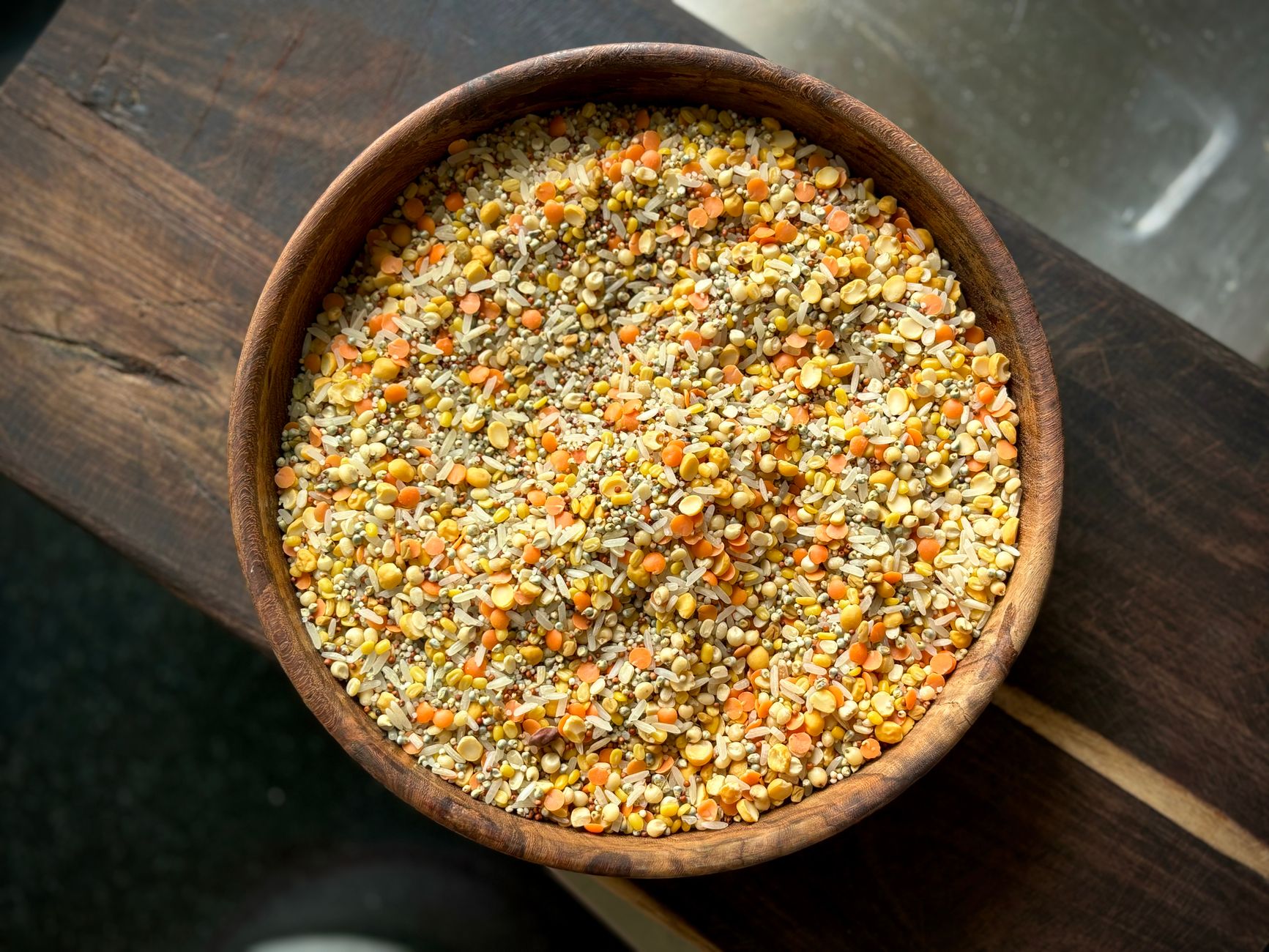
Let’s be real: pregnancy budgets don’t stretch far. The good news? The Blue Zones diet is one of the most budget-friendly pregnancy diets out there—especially if you focus on staples like beans, rice, and seasonal veggies. Here’s how to shop smart:
### **1. Buy in Bulk (But Smartly)** - **Beans & lentils**: Buy dried beans in bulk (they’re cheaper than canned and last forever). - **Whole grains**: Opt for large bags of brown rice or quinoa (they’re versatile and filling). - **Nuts & seeds**: Split a bag with a friend or buy in smaller quantities to avoid spoilage. - **Frozen veggies**: Often cheaper than fresh and just as nutritious. ### **2. Seasonal & Local Wins** - **Produce**: Buy what’s in season (e.g., sweet potatoes in fall, berries in summer) for the best prices. - **Frozen veggies**: Just as nutritious as fresh, often cheaper, and no waste. - **Meat**: Buy frozen or pre-cut meats to save time and money. ### **3. DIY Fermented Foods** - **Sauerkraut or kimchi**: Make your own with cabbage, garlic, and a pinch of salt (takes 2 weeks). - **Kefir**: Start a small batch with kefir grains (reusable!). - **Homemade nut butters**: Blend almonds or peanuts in a food processor for a cheaper alternative to store-bought. ### **4. Meat & Fish on Sale** - **Buy frozen fish**: Wild-caught salmon or sardines freeze well and are often cheaper than fresh. - **Use leftovers**: Cook a big batch of lentils or beans and repurpose them into soups, salads, or wraps. - **Buy in bulk**: Purchase larger quantities of lean meats when they’re on sale and freeze portions. ### **5. Smart Snack Swaps** - **Instead of**: Pre-packaged granola bars (often loaded with sugar). - **Buy**: Oats, nuts, and dried fruit to make your own energy balls. - **Instead of**: Store-bought hummus, make your own with chickpeas, tahini, and lemon juice. - **Instead of**: Sugary cereals, opt for plain oatmeal or whole-grain toast with almond butter.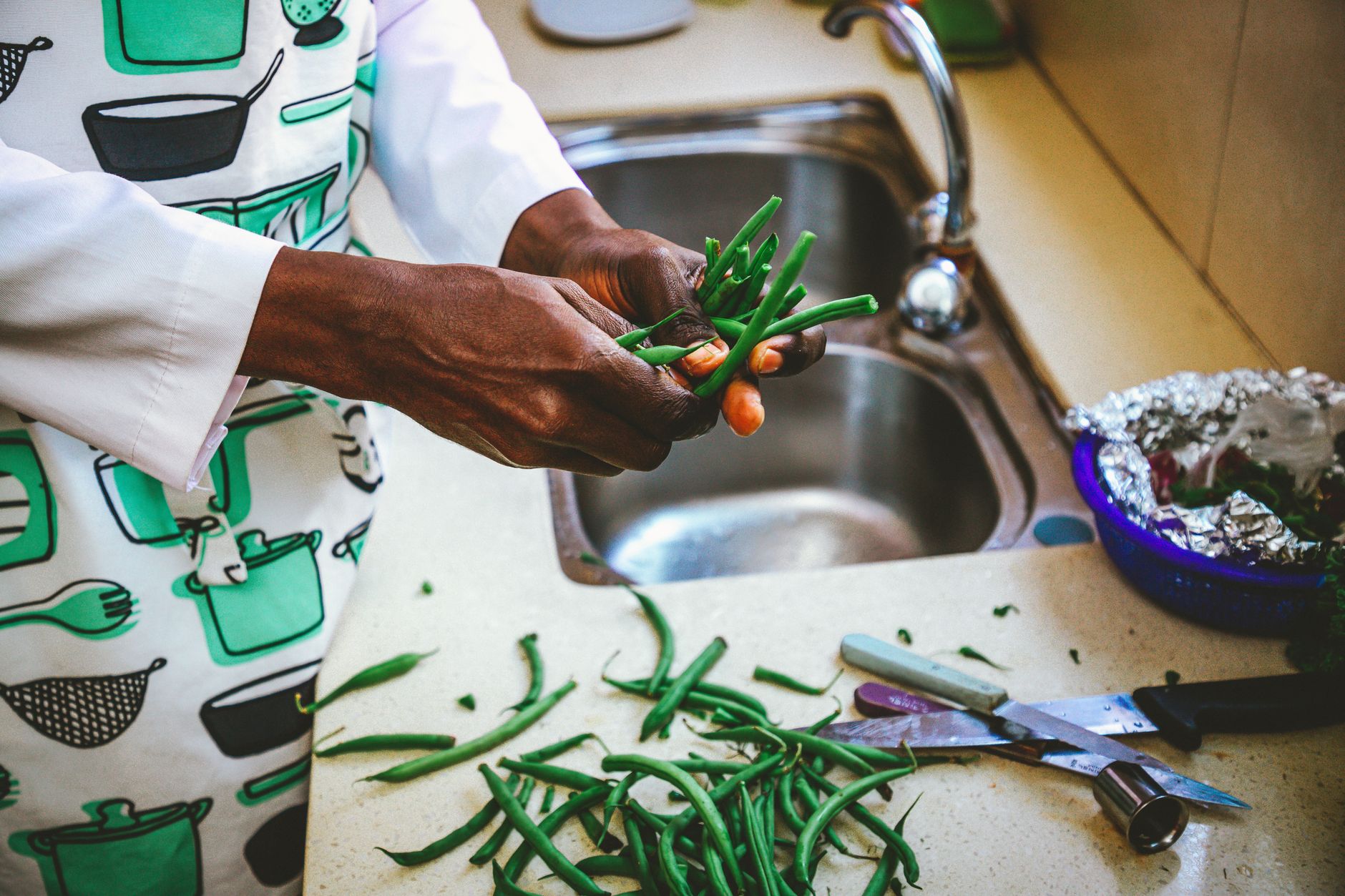
If you’re expecting twins or have a high-risk pregnancy, your nutritional needs may be even higher. The Blue Zones diet can still be a great foundation, but you’ll need to focus on extra calories, protein, and key nutrients like iron, folate, and omega-3s. Here’s how to adjust:
### **1. Increase Caloric Intake** - **Add healthy fats**: Extra avocado, olive oil, or nuts to meals. - **Boost grains and legumes**: Aim for larger portions of brown rice, quinoa, or lentils. - **Include nutrient-dense snacks**: Trail mix, smoothies with added protein powder, or whole-grain toast with almond butter. ### **2. Prioritize Protein** - **Add more plant-based proteins**: Include tempeh, tofu, or extra servings of beans and lentils. - **Increase fish intake**: Wild-caught salmon or sardines 3–4 times per week. - **Consider protein shakes**: If you’re struggling to meet protein needs, a plant-based protein shake can help. ### **3. Focus on Key Nutrients** - **Iron-rich foods**: Spinach, lentils, and fortified cereals (pair with vitamin C for better absorption). - **Folate**: Extra leafy greens, beans, and fortified whole grains. - **Omega-3s**: Flaxseeds, chia seeds, and fatty fish (or an algae-based DHA supplement if needed). - **Calcium**: Leafy greens, fortified plant milks, and almonds. ### **4. Monitor Portion Sizes** - **Consult your provider**: They may recommend specific calorie targets for your situation. - **Track intake**: Use a food diary or app to ensure you’re meeting your needs without overeating. ### **5. Stay Hydrated** - **Drink more water**: Twins or high-risk pregnancies can increase dehydration risk. - **Herbal teas**: Ginger or peppermint tea can help with nausea and digestion. --- ## **Blue Zones Diet Foods to Avoid During Pregnancy: A Complete Guide**Not everything in the Blue Zones diet is pregnancy-approved. Some foods—even healthy ones—need caution during pregnancy. Here’s what to limit or avoid:
### **1. High-Mercury Fish** Some fish in the Blue Zones diet (like tuna) are high in mercury, which can harm baby’s developing nervous system. Skip: - **Shark, swordfish, king mackerel, tilefish**. - **Limit albacore (white) tuna** to 6 oz/week. - **Avoid raw fish**: Sushi, sashimi, or ceviche (opt for cooked fish instead). ### **2. Raw or Undercooked Foods** - **Sushi**: Avoid raw fish (opt for cooked sushi like temaki or rolls with cooked shrimp). - **Soft cheeses**: Brie, feta, and blue cheese (risk of listeria). - **Raw sprouts**: Can contain bacteria like E. coli. - **Raw eggs**: Avoid in dishes like homemade mayo or tiramisu. ### **3. Excessive Caffeine** - Stick to 200 mg/day (about 1–2 cups of coffee). - Choose herbal teas (like chamomile or peppermint) for relaxation. - Avoid energy drinks and excessive black tea or soda. ### **4. Processed Sugars & Refined Carbs** - Skip: White bread, pastries, sugary cereals, and sweets. - Instead: Whole grains, fruit, and natural sweeteners like dates. - **Watch added sugars**: Even in "healthy" foods like granola or yogurt. ### **5. Alcohol** - The Blue Zones diet doesn’t include alcohol, and there’s no safe amount during pregnancy. ### **6. Unpasteurized Juices** - Avoid fresh-squeezed or unpasteurized juices (risk of listeria). - Opt for pasteurized juices or make your own at home. ### **7. Excessive Salt** - Limit processed snacks, deli meats, and canned soups (high in sodium). - Season meals with herbs, garlic, and lemon instead. --- ## **How Does the Blue Zones Diet Compare to Other Pregnancy-Friendly Diets?**You’ve probably heard of the Mediterranean diet, the DASH diet, or even the AIP elimination diet for pregnancy. How does the Blue Zones diet stack up?
Here’s a quick comparison:
| Feature | Blue Zones Diet | Mediterranean Diet | AIP Elimination Diet | Flexitarian Diet |
|---|---|---|---|---|
| Plant Focus | 90%+ plant-based, with small amounts of fish/meat | High in plants, moderate fish/meat/dairy | 100% plant-based (no dairy, nightshades, etc.) | Mostly plant-based, with occasional meat |
| Protein Sources | Beans, lentils, fish, eggs, small meat portions | Fish, poultry, legumes, dairy | Plant-based (tofu, tempeh, nuts) | Flexible (beans, tofu, meat, fish) |
| Dairy | Limited (fermented options like yogurt) | Moderate (Greek yogurt, cheese) | Avoids all dairy | Flexible (often includes dairy) |
| Best For | Longevity, gestational diabetes prevention, budget-friendly | Heart health, general pregnancy wellness | Autoimmune conditions, food sensitivities | Flexible plant-heavy eating |
| Pregnancy Safety | ✅ Very safe with proper fish choices | ✅ Safe and well-researched | ⚠️ Only if medically advised (restrictive) | ✅ Safe if well-planned |
| Flexibility | Highly adaptable (vegan, vegetarian, or omnivore) | Moderate (includes some animal products) | Low (highly restrictive) | Very high (flexible with meat/dairy) |
**Why the Blue Zones diet might be your best bet:**
- It’s one of the most researched longevity diets, linked to lower inflammation and better metabolic health—key for preventing gestational diabetes. - It’s easier on the wallet than Mediterranean-style diets (which often include pricier fish and olive oil). - It’s flexible for dietary restrictions (e.g., vegan or vegetarian adaptations). - It emphasizes whole foods and minimal processing, which is ideal for pregnancy.If you’re managing gestational diabetes or allergies, you might need to tweak it (more on that below). But for most women, it’s a fantastic foundation.
--- ## **What Are the Best Blue Zones Diet Snacks for Gestational Diabetes Prevention?**Gestational diabetes affects 1 in 7 pregnancies, but diet can make a huge difference. The Blue Zones diet is naturally low-glycemic, meaning it helps stabilize blood sugar. Here are the best snacks to keep on hand:
### **1. Protein-Packed Snacks** - **Hard-boiled eggs** with a sprinkle of sea salt. - **Hummus** with sliced bell peppers or cucumber. - **Roasted chickpeas** (toss with olive oil, salt, and paprika; bake until crispy). - **Cottage cheese** (if dairy is tolerated) with pineapple or peaches. ### **2. Fiber-Rich Options** - **Apple slices** with almond butter. - **Carrot sticks** with guacamole. - **Edamame** (steamed with sea salt). - **Chia pudding** (chia seeds + coconut milk + cinnamon). ### **3. Healthy Fats for Satiety** - **Handful of walnuts** or almonds. - **Avocado slices** with lemon juice. - **Olives** (great for salty cravings). - **Nut butter packets** (for on-the-go energy). ### **4. Fermented Foods for Gut Health** - **Sauerkraut** with a sprinkle of flaxseeds. - **Kefir** (unsweetened) with a drizzle of honey. - **Miso soup** (low-sodium version). - **Kimchi** (ensure it’s pasteurized if concerned about listeria). ### **5. Sweet Treats (Low-Glycemic)** - **Dark chocolate** (85%+ cocoa) with a few berries. - **Dates stuffed with almond butter**. - **Chia pudding** (chia seeds + coconut milk + cinnamon). - **Smoothies**: Blend spinach, almond butter, and frozen berries.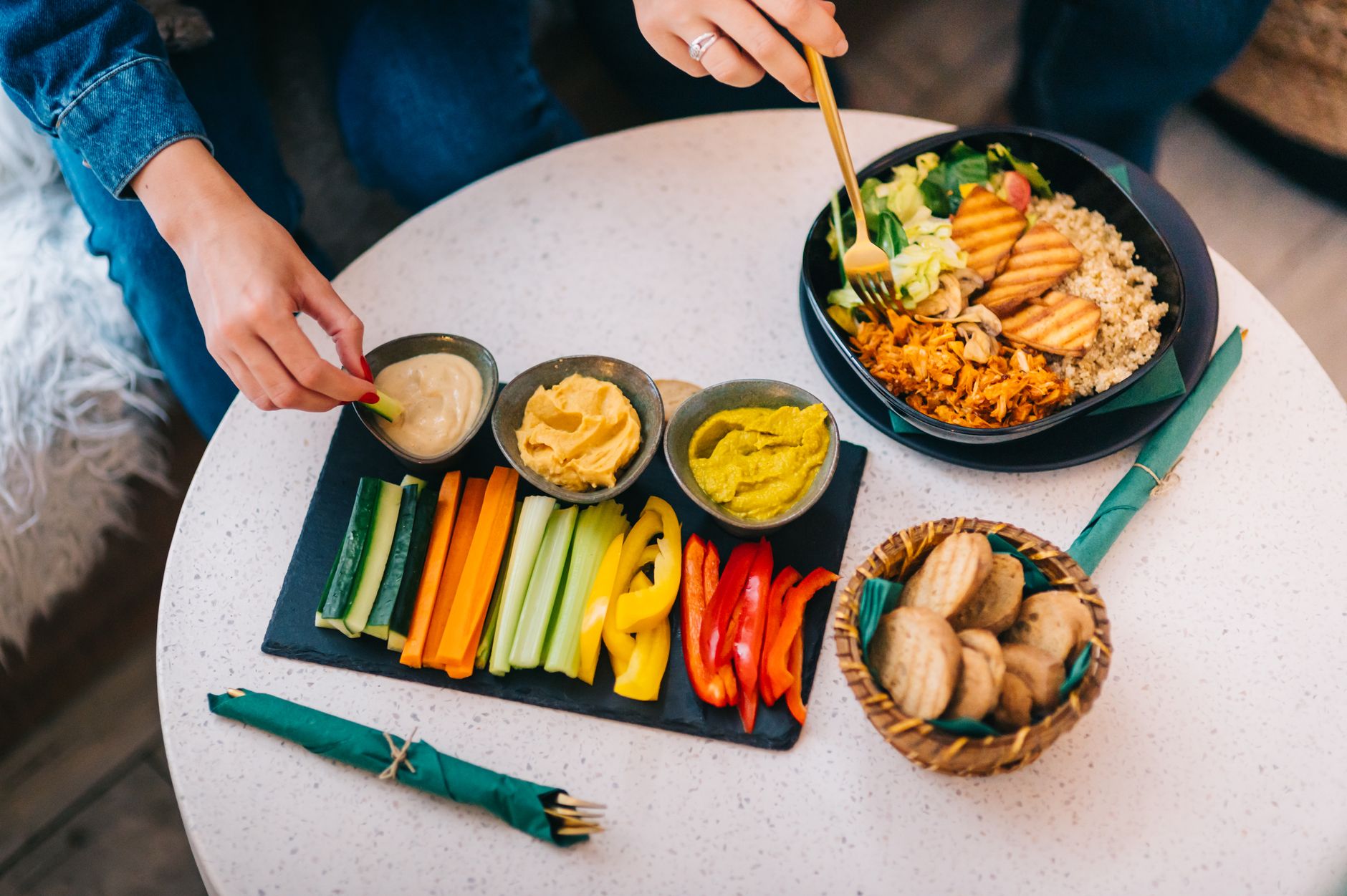
Meal prepping during pregnancy is a game-changer—it saves time, reduces stress, and ensures you’re eating nutrient-dense meals even on busy days. Here’s how to do it the Blue Zones way:
### **1. Plan Your Meals for the Week** Pick 3–4 staple meals (e.g., lentil curry, quinoa bowls, baked salmon with veggies) and 2–3 easy sides (like roasted sweet potatoes or a big batch of beans). ### **2. Shop Once, Cook Twice** - **Cook a big pot of beans or rice** on Sunday and use them in multiple meals (e.g., tacos, salads, soups). - **Roast a tray of veggies** (sweet potatoes, Brussels sprouts, zucchini) to add to meals all week. - **Pre-chop onions and garlic** to save time during the week. ### **3. Prep Snacks in Advance** - **Portion nuts and seeds** into small containers. - **Slice veggies** and store in the fridge for quick snacks. - **Make energy balls** (dates + oats + cocoa powder) for on-the-go fuel. - **Pre-make smoothie packs**: Freeze berries and spinach in bags for quick blending. ### **4. Freeze for Later** - **Soups and stews**: Freeze in portions for busy days. - **Baked fish**: Cook a big batch of salmon and freeze for quick meals. - **Muffins or bread**: Make whole-grain muffins (like banana-oat) for easy breakfasts. - **Burritos or wraps**: Assemble and freeze for a quick lunch. ### **5. Keep It Simple** - **Breakfast**: Overnight oats (oats + chia seeds + berries + almond milk). - **Lunch**: Wraps with hummus, greens, and roasted veggies. - **Dinner**: Sheet-pan meals (chicken + sweet potatoes + broccoli). - **Dessert**: Baked apples with cinnamon and walnuts. --- ## **Blue Zones Diet Grocery List for Vegan/Vegetarian Moms-to-Be: What to Prioritize?**Following the Blue Zones diet as a vegan or vegetarian is totally doable—you just need to focus on plant-based protein, iron, and omega-3s. Here’s your adapted grocery list:
### **1. Protein Powerhouses** - **Beans & lentils**: Black beans, lentils, chickpeas (aim for 1–2 servings/day). - **Tofu & tempeh**: Great for stir-fries or grilling. - **Seitan**: A wheat-based protein (if gluten isn’t an issue). - **Nuts & seeds**: Hemp seeds, chia seeds, and tahini (for healthy fats). - **Plant-based proteins**: Pea protein or hemp protein powders for smoothies. ### **2. Iron-Rich Foods** - **Leafy greens**: Spinach, kale, Swiss chard. - **Fortified cereals**: Look for iron-fortified oats or whole-grain bread. - **Dried fruits**: Apricots, raisins, or prunes (for iron + fiber). - **Legumes**: Lentils, chickpeas, and black beans. ### **3. Omega-3 Sources** - **Flaxseeds & chia seeds**: Grind them fresh for better absorption. - **Walnuts**: Snack on a handful daily. - **Algae-based DHA supplements**: If you’re not eating fish, a supplement can help. - **Hemp seeds**: Rich in omega-3s and easy to add to meals. ### **4. Calcium & Vitamin D** - **Fortified plant milks**: Almond or soy milk with added calcium. - **Leafy greens**: Kale or bok choy (steamed for better calcium absorption). - **Sunlight**: Get outside for 15–20 minutes/day to boost vitamin D. - **Fortified tofu**: Some brands are fortified with calcium. ### **5. B12 (Critical for Vegans!)** - **Supplement**: A daily B12 supplement is non-negotiable for vegans. - **Fortified foods**: Nutritional yeast or B12-fortified cereals. - **Miso or tempeh**: Some fermented foods contain small amounts of B12. ### **6. Zinc & Other Micronutrients** - **Pumpkin seeds**: Rich in zinc and magnesium. - **Whole grains**: Quinoa, brown rice, and oats for a variety of nutrients. - **Mushrooms**: Some varieties (like shiitake) are rich in B vitamins.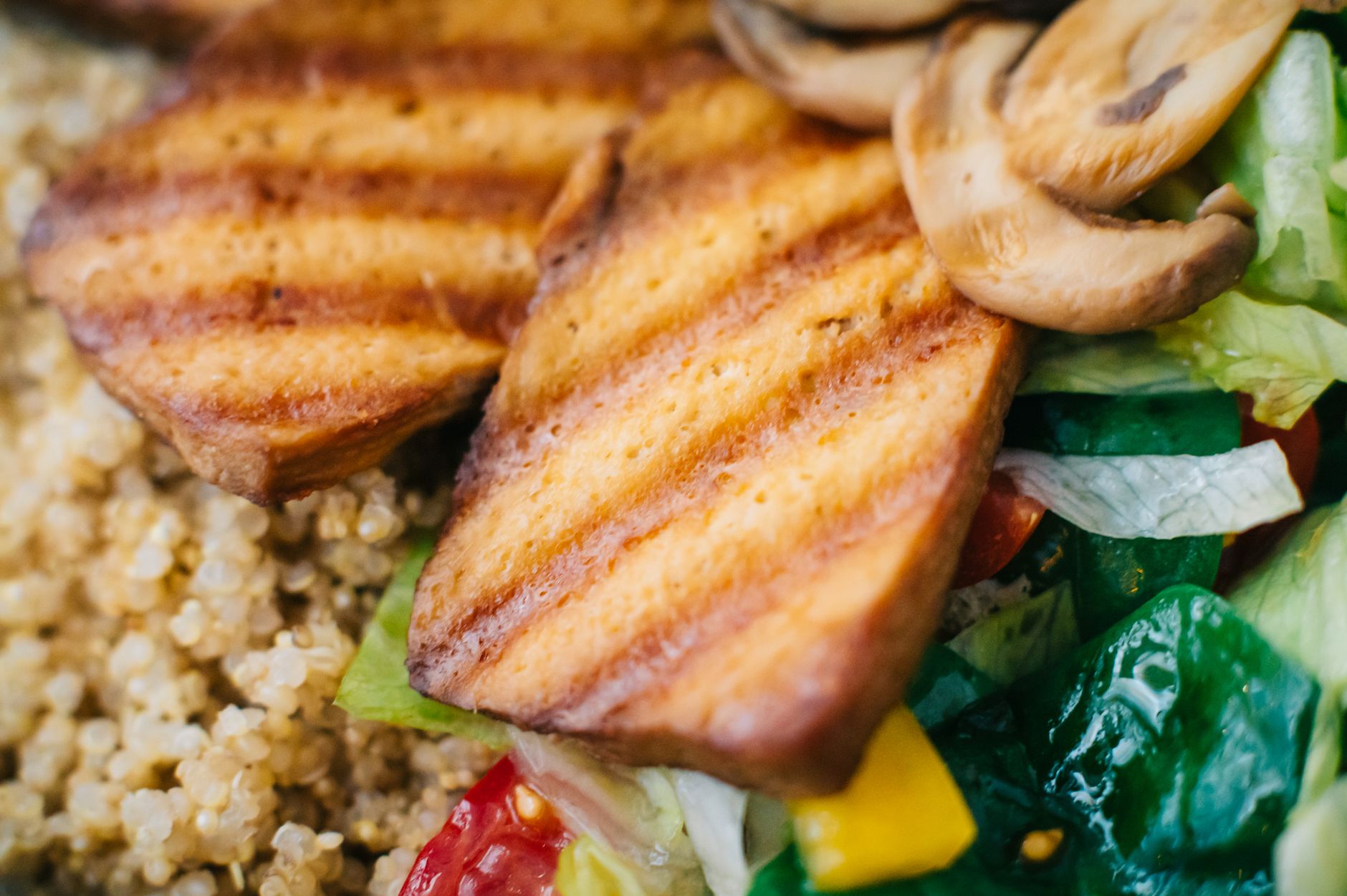
After birth, your body needs nutrient-dense foods to heal, support milk supply, and restore energy. The Blue Zones diet can help with postpartum recovery by focusing on:
### **1. Foods to Boost Milk Supply** - **Oats**: Add to smoothies or overnight oats. - **Fenugreek seeds**: Soak and drink as tea (check with your provider first). - **Almonds & flaxseeds**: Snack on a handful daily. - **Leafy greens**: Spinach or kale smoothies. - **Garlic & ginger**: Add to soups or teas for immune support. ### **2. Healing & Energy-Rich Foods** - **Bone broth**: Rich in collagen for tissue repair (add to soups or sip warm). - **Sweet potatoes**: Roast for a potassium boost (helps with fatigue). - **Berries**: High in antioxidants to fight inflammation. - **Lean proteins**: Chicken, turkey, or lentils for muscle recovery. ### **3. Gut-Healing Foods** - **Fermented foods**: Sauerkraut, kefir, or kimchi (for probiotics). - **Bone broth**: Soothes digestion and reduces bloating. - **Probiotic-rich foods**: Yogurt (if tolerated) or coconut yogurt. ### **4. Easy Postpartum Meals** - **Chia pudding**: Chia seeds + coconut milk + berries (prep overnight). - **Lentil soup**: Hearty and protein-packed. - **Sheet-pan salmon**: Wild-caught salmon with roasted veggies. - **Quinoa bowls**: Quinoa, black beans, avocado, and salsa. ### **5. Hydration & Electrolytes** - **Coconut water**: Natural electrolytes to combat fatigue. - **Herbal teas**: Ginger or chamomile for relaxation and digestion. - **Water-rich foods**: Watermelon, cucumbers, and oranges. --- ## **How to Shop for Blue Zones Diet Ingredients at Walmart or Target**You don’t need a fancy grocery store to follow the Blue Zones diet during pregnancy. Walmart and Target offer budget-friendly options for many staples. Here’s how to shop smart:
### **1. Walmart Tips** - **Beans & lentils**: Buy dried beans in bulk (often cheaper than canned). - **Whole grains**: Walmart’s Great Value brown rice and quinoa are affordable. - **Frozen veggies**: Their frozen produce section is well-stocked and cost-effective. - **Fatty fish**: Look for wild-caught salmon or sardines in the frozen seafood aisle. - **Nuts & seeds**: Buy in bulk bins or pre-packaged options. - **Fermented foods**: Check the refrigerated section for sauerkraut or kimchi. ### **2. Target Tips** - **Organic produce**: Target’s Simple Truth line offers affordable organic options. - **Meat & seafood**: Their Simply Balanced or Good & Gather lines provide high-quality proteins. - **Snacks**: Look for almond butter, hummus, or roasted chickpeas in the snack aisle. - **Bulk bins**: Target’s bulk section is great for nuts, seeds, and grains. - **Frozen meals**: Their frozen meal section often includes healthy, pre-portioned options. ### **3. Store-Brand Savings** - **Walmart’s Great Value**: Affordable beans, rice, and canned goods. - **Target’s Good & Gather**: High-quality, budget-friendly staples. - **Costco or Sam’s Club**: If you have a membership, bulk purchases can save money long-term. ### **4. Online Shopping** - **Amazon Fresh**: For hard-to-find items like wild-caught fish or specialty fermented foods. - **Thrive Market**: Subscription-based service for organic and bulk Blue Zones staples. - **Local farmers' markets**: Check for seasonal produce deals. ### **5. Seasonal Swaps** - **Fall**: Sweet potatoes, squash, and apples. - **Winter**: Citrus fruits, root vegetables, and leafy greens. - **Spring**: Asparagus, strawberries, and fresh herbs. - **Summer**: Berries, tomatoes, and corn. --- ## **Myth vs. Fact: Blue Zones Diet During Pregnancy**There’s a lot of misinformation out there. Let’s clear up the most common myths:
### **Myth: "The Blue Zones diet is too restrictive for pregnancy."** Fact: While it emphasizes whole foods, the diet is flexible and adaptable. You can still enjoy small portions of treats (like dark chocolate) and adjust based on cravings or allergies. The key is 80/20—80% whole foods, 20% flexibility. For example, if you’re craving pizza, opt for a whole-grain crust with veggie toppings and lean protein. ### **Myth: "You can’t eat enough protein on a plant-based Blue Zones diet."** Fact: Beans, lentils, tofu, and nuts provide all the protein you need. Pairing them with grains (like rice and beans) creates a complete amino acid profile. Many women thrive on plant-based proteins during pregnancy, and the Blue Zones diet makes it easy with its emphasis on legumes and whole grains. ### **Myth: "All fish is safe in the Blue Zones diet during pregnancy."** Fact: Some fish (like tuna or swordfish) are high in mercury and should be limited or avoided. Stick to low-mercury options like salmon, sardines, and trout (2–3x/week). If you’re unsure, consult your provider or check the FDA’s fish advice for pregnant women. ### **Myth: "The Blue Zones diet will automatically prevent gestational diabetes."** Fact: While it’s less likely to cause blood sugar spikes than high-carb diets, individual metabolism matters. If you’re at risk, monitor your blood sugar and work with your provider. The diet’s focus on fiber, healthy fats, and low-glycemic carbs makes it a great preventive tool, but consistency and monitoring are key. ### **Myth: "You have to cook from scratch to follow the Blue Zones diet."** Fact: While homemade meals are ideal, frozen and pre-packaged options can work too. Look for frozen veggies, canned beans (no added salt), and pre-cut fruits. Just check labels for added sugars or preservatives. The goal is to prioritize whole foods, not perfection. --- ## **Key Takeaways: Your Blue Zones Diet Grocery Shopping Checklist**Here’s your quick-reference list for a Blue Zones pregnancy diet:
- Grains & Legumes: Brown rice, quinoa, lentils, chickpeas, black beans.
- Leafy Greens: Spinach, kale, Swiss chard, collard greens.
- Healthy Fats: Walnuts, almonds, chia seeds, extra virgin olive oil.
- Fatty Fish: Wild-caught salmon, sardines, mackerel (2–3x/week).
- Fermented Foods: Sauerkraut, kimchi, kefir, miso.
- Fruits: Berries, citrus, apples, pears.
- Snacks: Hummus + veggies, hard-boiled eggs, roasted chickpeas.
- Avoid: Processed sugars, high-mercury fish, raw sprouts, excessive caffeine.
- Budget Tips: Buy in bulk, choose seasonal produce, meal prep, and use store brands.
- Postpartum Focus: Bone broth, oats, leafy greens, and fermented foods for healing and milk supply.


