he autism diet isn't a single standardized plan but rather a collection of dietary approaches that often include reducing gluten, dairy, artificial additives, and processed foods. The goal is to support gut health, reduce inflammation, and provide the body with essential nutrients that may be lacking due to dietary restrictions or sensory aversions.
Here are the key nutritional priorities for an autism diet:
- Protein: Essential for brain function and muscle repair. Opt for lean meats, fish, eggs, legumes, and plant-based proteins.
- Healthy fats: Support brain health and reduce inflammation. Include avocados, nuts, seeds, olive oil, and fatty fish like salmon.
- Complex carbohydrates: Provide sustained energy. Focus on whole grains, fruits, and vegetables when tolerated.
- Fiber: Supports digestive health, but introduce it gradually to avoid discomfort.
- Vitamins and minerals: Especially B vitamins, magnesium, zinc, and omega-3s, which are often emphasized in autism-supportive diets.
Many individuals with autism also benefit from avoiding common allergens like gluten and dairy, which can exacerbate digestive issues and sensory sensitivities. If you suspect food sensitivities, consider working with a dietitian to identify triggers through an elimination diet or food challenge.
For more on how dietary changes can support brain health, check out our 7-Day ADHD Diet Meal Plan, which shares similar principles for focus and cognitive function.
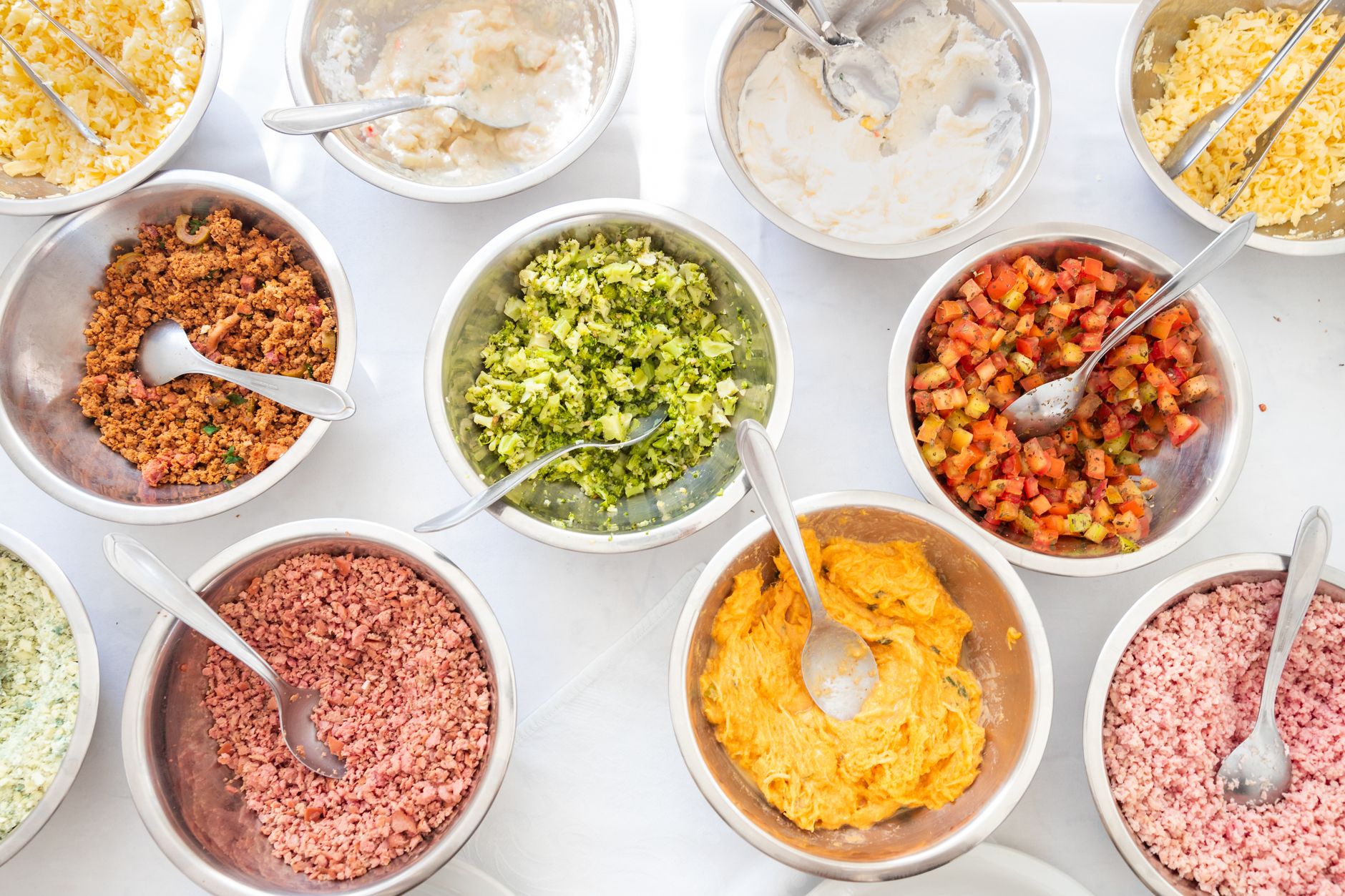 Autism diet meal plan 7 day for toddlers: sensory-friendly and easy to eat
Toddlers with autism often have very specific sensory preferences—some foods are too crunchy, others too mushy, and textures can be overwhelming. The goal is to offer a variety of textures and flavors while keeping meals simple and familiar.
"My toddler used to refuse anything brown," one mom told us. "Now, I bake sweet potatoes into fun shapes with cookie cutters, and he'll eat them. It's all about making food feel safe and exciting."
Here are some toddler-friendly autism diet meal ideas:
For toddlers who are picky, consider offering a "safe food" alongside new options. For example, if your child loves chicken nuggets, try making them at home with gluten-free breadcrumbs and serving them with a new veggie dip.
Autism diet meal plan 7 day for adults with allergies: safe and satisfying
Adults with autism often have multiple food sensitivities or allergies, making meal planning a bit more complex. The key is to focus on safe, nutrient-dense foods while avoiding common triggers like gluten, dairy, and soy.
One reader shared, "I spent years avoiding gluten and dairy, but my meals felt so boring. Then I discovered quinoa, coconut milk, and almond butter—now I have energy and don't feel sluggish anymore."
Here are some allergy-friendly autism diet meal ideas for adults:
For adults managing allergies, it's crucial to read labels carefully and avoid cross-contamination. If you're unsure about a product, contact the manufacturer or choose certified allergy-friendly brands.
Autism diet meal plan 7 day gluten free: simple swaps and delicious meals
Gluten-free diets are commonly recommended for individuals with autism, particularly those who also have celiac disease or non-celiac gluten sensitivity. The good news is that gluten-free cooking doesn't have to be boring—there are plenty of delicious and satisfying swaps available.
"I thought going gluten-free would mean giving up pasta forever," said one reader. "But then I discovered chickpea pasta, and it's become a family favorite!"
Here are some gluten-free autism diet meal ideas:
For more gluten-free meal ideas, check out our 7-Day AIP Elimination Diet Meal Plan, which shares similar principles for gut health and inflammation reduction.
Autism diet meal plan 7 day low FODMAP: gentle on digestion
The low FODMAP diet is often recommended for individuals with autism who experience digestive issues like bloating, gas, or constipation. FODMAPs (fermentable oligosaccharides, disaccharides, monosaccharides, and polyols) are short-chain carbohydrates that can be difficult to digest for some people.
"I used to feel like a balloon after every meal," shared one reader. "Cutting out high-FODMAP foods like onions and garlic made a huge difference in my digestion—and my energy levels!"
Here are some low-FODMAP autism diet meal ideas:
For more on managing digestive symptoms, our 7-Day GAPS Diet Meal Plan provides additional strategies for gut health.
Autism diet meal plan 7 day with dairy alternatives: creamy and satisfying
Dairy is another common trigger for individuals with autism, whether due to lactose intolerance, casein sensitivity, or general digestive discomfort. Fortunately, there are plenty of delicious dairy-free alternatives that can keep meals creamy and satisfying.
"I thought I'd miss cheese forever," said one reader. "But then I discovered nutritional yeast and coconut yogurt—now I have my fix without the discomfort!"
Here are some dairy-free autism diet meal ideas:
Autism diet meal plan 7 day for picky eaters: strategies that work
Picky eating is incredibly common in autism, and the key is to offer a variety of foods in a low-pressure environment. The goal isn't to force new foods but to gradually introduce them in a way that feels safe and familiar.
"My son used to only eat goldfish crackers and applesauce," shared one mom. "Now, we have a 'one-bite rule'—he just has to try one bite of a new food, and if he doesn't like it, it's okay. Slowly, he's trying more things!"
Here are some strategies for picky eaters:
- Offer familiar foods alongside new options. For example, if your child loves chicken nuggets, try making them at home with gluten-free breadcrumbs and serving them with a new veggie dip.
- Involve them in meal prep. Kids are more likely to try foods they've helped prepare. Let them wash veggies, stir ingredients, or assemble their own meals.
- Keep portions small. Overwhelming amounts of food can be intimidating. Start with a single bite or a small portion.
- Use fun shapes and presentations. Cut food into fun shapes with cookie cutters, or arrange meals on a plate in a visually appealing way.
- Stay calm and positive. Avoid pressuring or forcing your child to eat. Keep mealtimes relaxed and enjoyable.
Here are some picky-eater-friendly autism diet meal ideas:
 Autism diet meal plan 7 day grocery list: budget-friendly and organized
Meal prepping an autism diet can feel overwhelming, but with a well-organized grocery list and some simple strategies, it can become a manageable part of your routine. The key is to focus on whole, nutrient-dense foods and batch-cook staples like grains, proteins, and veggies.
Here’s a budget-friendly grocery list for the 7-day autism diet meal plan, organized by category:
Proteins
- Chicken breast or thighs
- Ground turkey or beef
- Salmon or other fatty fish
- Eggs
- Canned chickpeas or black beans
- Lentils or quinoa
- Almond butter or sunflower seed butter
Grains and Starches
- Gluten-free oats
- Quinoa or brown rice
- Sweet potatoes
- Potatoes (for mashing or roasting)
- Gluten-free pasta or rice noodles
Vegetables
- Spinach or kale
- Carrots
- Zucchini
- Bell peppers
- Cucumber
- Green beans
- Broccoli
Fruits
- Bananas
- Apples (for low-FODMAP options, choose low-sugar varieties like Gala)
- Berries (strawberries, blueberries)
- Avocados
Dairy Alternatives
- Almond milk or coconut milk
- Coconut yogurt
- Nutritional yeast (for a cheesy flavor)
Pantry Staples
- Olive oil
- Gluten-free tamari or coconut aminos
- Chia seeds
- Almond butter
- Gluten-free bread or tortillas
- Popcorn kernels
Snacks
- Rice cakes
- Roasted chickpeas
- Gluten-free crackers
- Applesauce pouches
For more budget-friendly meal ideas, check out our Adenomyosis Diet Meal Plan, which shares tips for saving money while eating well.
Autism diet meal plan 7 day meal prep: tips for success
Meal prepping for an autism diet can save time and reduce stress, especially when dealing with sensory sensitivities and dietary restrictions. The key is to prep in advance but keep meals flexible enough to accommodate changing preferences.
Here are some meal prep tips:
- Batch-cook proteins and grains. Cook a large batch of chicken, ground turkey, or quinoa at the beginning of the week and store in portion-sized containers. This makes it easy to assemble meals throughout the week.
- Pre-cut veggies. Wash and chop veggies at the start of the week and store them in airtight containers. This makes it easy to grab and add to meals.
- Use freezer-friendly meals. Many autism-friendly meals can be frozen, such as soups, stews, or cooked grains. Label and date them for easy retrieval.
- Keep snacks visible and accessible. Store snacks in clear containers on the counter or fridge so they’re easy to grab when hunger strikes.
- Involve your child in meal prep. Kids are more likely to try foods they’ve helped prepare. Let them wash veggies, stir ingredients, or assemble their own meals.
Here’s a simple meal prep plan for the week:
How does an autism diet improve symptoms?
The autism diet isn’t a cure for autism, but some individuals report improvements in digestive symptoms, sensory sensitivities, and overall well-being when they reduce common triggers like gluten, dairy, and artificial additives. Here’s how it might help:
- Reduces digestive discomfort. Many individuals with autism experience digestive issues like bloating, gas, or constipation. Eliminating common allergens and processed foods can ease these symptoms.
- Supports gut health. A diet rich in fiber, healthy fats, and probiotics can improve gut microbiome diversity, which may indirectly support brain health.
- Reduces inflammation. Processed foods and artificial additives can contribute to inflammation in the body. An autism diet focuses on whole, anti-inflammatory foods.
- Provides consistent nutrition. Sensory aversions can lead to nutrient deficiencies. A well-planned autism diet ensures adequate intake of essential vitamins and minerals.
- Improves sensory tolerance. Some individuals find that reducing strong flavors, textures, or additives makes mealtimes less overwhelming.
It’s important to note that results vary widely. Some individuals may see significant improvements, while others may not notice a difference. Always work with a healthcare provider or dietitian to tailor the diet to your specific needs.
Can an autism diet be followed by adults?
Absolutely! While many autism diet resources focus on children, adults with autism can also benefit from dietary adjustments. The key is to focus on whole, nutrient-dense foods while avoiding common triggers like gluten, dairy, and processed foods.
For adults, the autism diet can be particularly helpful if you experience digestive issues, sensory sensitivities, or energy fluctuations. Many adults with autism also benefit from meal planning strategies that accommodate picky eating or sensory preferences.
Here are some tips for adults following an autism diet:
- Focus on convenience. Busy adults need quick, easy meals. Opt for pre-cut veggies, pre-cooked proteins, or frozen meals that fit the diet.
- Keep snacks accessible. Store snacks in your bag, desk, or car so you always have something to eat when hunger strikes.
- Experiment with flavors. Use herbs, spices, and sauces to keep meals interesting. Many autism-friendly meals can be elevated with bold flavors.
- Stay hydrated. Dehydration can worsen sensory sensitivities and fatigue. Keep water or herbal teas on hand.
Is a gluten-free autism diet necessary?
Not necessarily. While gluten-free diets are commonly recommended for individuals with autism, they are not universally necessary. Some people with autism may have celiac disease or non-celiac gluten sensitivity, while others may not tolerate gluten well due to digestive issues. However, gluten isn’t the only trigger—dairy, artificial additives, and processed foods can also contribute to discomfort.
The decision to go gluten-free should be based on individual needs and symptoms. If you suspect gluten sensitivity, consider working with a healthcare provider or dietitian to identify triggers through an elimination diet or food challenge.
For more on gluten-free diets, our AIP Elimination Diet Sample Day provides additional insights into gut health and inflammation.
What is the best protein source for an autism diet?
The best protein source for an autism diet depends on individual preferences, allergies, and sensory needs. Here are some of the most common and beneficial options:
For picky eaters, consider hiding protein in familiar foods. For example, blend lentils into meatballs or mix ground turkey with finely chopped veggies for a familiar texture.
How to meal prep for an autism diet 7 day plan
Meal prepping for an autism diet can feel daunting, but breaking it down into manageable steps makes it easier. Here’s a step-by-step guide to prepping for the week:
- Plan your meals. Use the 7-day meal plan above as a starting point. Adjust based on your family’s preferences and allergies.
- Make a grocery list. Organize your list by category (proteins, veggies, grains, etc.) to save time at the store.
- Batch-cook proteins. Cook a large batch of chicken, ground turkey, or fish at the beginning of the week. Divide into portion-sized containers and freeze or refrigerate.
- Prep veggies. Wash, chop, and store veggies in airtight containers. This makes it easy to grab and add to meals throughout the week.
- Cook grains in advance. Quinoa, rice, and sweet potatoes can be cooked in bulk and stored for up to 5 days in the fridge or frozen.
- Pre-portion snacks. Divide snacks like nuts, crackers, or cheese cubes into small containers for easy grab-and-go options.
- Label everything. Use labels to indicate the contents and date of each container. This helps avoid confusion and ensures you use food before it spoils.
- Keep meals flexible. Prep a few base ingredients (like proteins and grains) so you can assemble meals as needed. This accommodates changing preferences or sensory sensitivities.
For more meal prep tips, check out our ADHD Diet Meal Plan, which shares strategies for planning ahead and staying organized.




