Quick take: An ADHD diet isn't a magic cure, but focusing on protein-rich foods, healthy fats, complex carbs, and omega-3s can help stabilize blood sugar, reduce inflammation, and support dopamine production—key factors in managing ADHD symptoms. Start with the 7-day meal plan below, pair it with consistent meal timing, and experiment with supplements like zinc or magnesium. If you're pregnant or breastfeeding, consult your provider before making major dietary changes. **Pro tip:** Pair this diet with a 10-minute daily movement habit—even a brisk walk—to amplify focus benefits.
What is the best ADHD diet for adults and children?
It was 2:47 a.m., and your brain felt like a squirrel on a caffeine bender. You’d just finished your third cup of coffee, and still, the grocery list was a muddled mess of half-remembered items. ADHD isn’t just about forgetfulness—it’s about the way your body processes food, how your brain handles sugar crashes, and the subtle (or not-so-subtle) ways your diet can either fuel focus or fuel frustration.
There’s no one-size-fits-all "ADHD diet," but research suggests that certain foods can help stabilize energy, improve mood, and reduce hyperactivity and impulsivity by supporting brain chemistry and reducing inflammation. Think of it as nutritional support for your nervous system—not a cure, but a tool to help you function better. The best ADHD diets emphasize whole foods, balanced macronutrients, and foods rich in omega-3s, antioxidants, and probiotics.
For many families, the challenge isn’t just *what* to eat, but *how* to make it stick. One reader, Sarah, a mom of two kids with ADHD, described her morning routine: “I’d pack lunches the night before, but by lunchtime, my son had traded his sandwich for the entire school vending machine. My daughter would refuse anything green. We were stuck in this cycle of stress and takeout.” The good news? Small tweaks—like swapping processed snacks for nuts and seeds or adding protein to every meal—can make a noticeable difference.
Let’s break down the science, the practical steps, and the meal plan that could help you or your family feel more like your best selves.
What does the science say?
The link between diet and ADHD has been studied for decades. A 2022 meta-analysis published in the Journal of Attention Disorders found that diets rich in omega-3 fatty acids, antioxidants, and fiber were associated with improved ADHD symptoms, particularly in children. For adults, the focus often shifts to stabilizing blood sugar and reducing inflammation, which can exacerbate ADHD-related brain fog and emotional dysregulation.
Key nutrients to prioritize include:
- Omega-3 fatty acids (found in fatty fish, flaxseeds, walnuts): Support brain cell membranes and reduce inflammation.
- Protein (lean meats, eggs, legumes, tofu, Greek yogurt): Helps regulate dopamine, a neurotransmitter linked to focus and motivation.
- Complex carbohydrates (whole grains, vegetables, fruits): Provide steady energy without the sugar spikes that can worsen impulsivity.
- Antioxidants (berries, dark leafy greens, nuts, dark chocolate): Combat oxidative stress, which may worsen ADHD symptoms.
- Probiotics (fermented foods, yogurt, kefir): Emerging research suggests gut health plays a role in ADHD symptoms.
On the flip side, foods high in sugar, artificial additives, and trans fats can worsen hyperactivity, inattention, and mood swings. While no single diet "cures" ADHD, these nutritional strategies can help manage symptoms and improve overall well-being.
How does ADHD impact food choices?
ADHD can make meal planning feel like navigating a minefield. Many people with ADHD struggle with executive dysfunction, which can lead to impulsive eating, forgetting meals, or bingeing on high-calorie, low-nutrient foods. The good news is that diet can help counteract some of these challenges by providing steady energy and improving mood regulation.
For example, people with ADHD often experience "hangry" moments—when hunger leads to irritability or frustration. By focusing on balanced meals with protein, fiber, and healthy fats, you can help prevent these energy crashes. Additionally, the act of meal prep itself can feel overwhelming, so breaking tasks into smaller steps (like prepping snacks for the week) can make a big difference.
Common myths debunked
Myth: An ADHD diet is just a sugar-free diet.
Fact: While cutting out refined sugar is a good start, the ADHD diet is about more than just avoiding sweets. It’s about balancing nutrients to support brain function. For example, a diet rich in protein and healthy fats can be just as important as avoiding sugar.
Myth: You have to give up all your favorite foods.
Fact: The goal isn’t deprivation—it’s awareness. You can still enjoy treats like dark chocolate (70% cocoa or higher) or homemade baked goods made with whole grains and natural sweeteners. The key is moderation and timing.
Myth: ADHD diets only work for kids.
Fact: Adults with ADHD often benefit just as much, if not more, from dietary changes. Many adults struggle with impulsive eating, emotional eating, or neglecting meals altogether—all of which can be addressed with a structured, nutrient-dense diet.
Myth: You need to eliminate all gluten or dairy.
Fact: Unless you have a diagnosed sensitivity or allergy, there’s no evidence that eliminating gluten or dairy is necessary for managing ADHD. However, some people find relief by reducing these foods, so it’s worth experimenting under the guidance of a healthcare provider.
7-Day ADHD Meal Plan for Improved Focus and Energy
Ready to put theory into practice? Below is a 7-day meal plan designed to support ADHD symptoms with whole foods, balanced nutrition, and minimal processed ingredients. Each day includes breakfast, lunch, dinner, and snacks, with a focus on protein, healthy fats, and complex carbs.

Day 1
- Breakfast: Scrambled eggs with spinach and feta, whole-grain toast with almond butter, and a side of sliced apples.
- Snack: Handful of walnuts and a small orange.
- Lunch: Grilled chicken salad with mixed greens, cherry tomatoes, cucumber, avocado, and balsamic vinaigrette.
- Snack: Greek yogurt with chia seeds and blueberries.
- Dinner: Baked salmon with quinoa and roasted Brussels sprouts.
Day 2
- Breakfast: Overnight oats with almond milk, flaxseeds, and sliced bananas.
- Snack: Hard-boiled eggs and carrot sticks with hummus.
- Lunch: Turkey and avocado wrap in a whole-wheat tortilla with side salad.
- Snack: Cottage cheese with pineapple chunks.
- Dinner: Lean beef stir-fry with bell peppers, broccoli, and brown rice.
Day 3
- Breakfast: Smoothie with spinach, frozen mango, Greek yogurt, and flaxseeds.
- Snack: Almonds and a pear.
- Lunch: Lentil soup with a side of whole-grain bread.
- Snack: Tuna salad with whole-grain crackers.
- Dinner: Baked cod with mashed cauliflower and sautéed green beans.
Day 4
- Breakfast: Chia pudding with coconut milk, topped with raspberries and walnuts.
- Snack: Turkey slices and cucumber slices.
- Lunch: Quinoa bowl with black beans, corn, avocado, and lime dressing.
- Snack: Hard cheese cubes and grapes.
- Dinner: Grilled shrimp skewers with roasted sweet potatoes and asparagus.
Day 5
- Breakfast: Whole-grain toast with avocado and a poached egg.
- Snack: Handful of pumpkin seeds and an apple.
- Lunch: Chicken Caesar salad (with whole-grain croutons and light dressing).
- Snack: Greek yogurt with honey and walnuts.
- Dinner: Turkey meatballs with zucchini noodles and marinara sauce.
Day 6
- Breakfast: Veggie omelet with mushrooms, onions, and whole-grain toast.
- Snack: Sliced bell peppers with guacamole.
- Lunch: Grilled chicken and vegetable kebabs with couscous.
- Snack: Edamame with sea salt.
- Dinner: Baked chicken thighs with roasted carrots and wild rice.
Day 7
- Breakfast: Smoothie bowl with banana, spinach, Greek yogurt, and granola.
- Snack: Trail mix with nuts, seeds, and dried fruit (no added sugar).
- Lunch: Tuna-stuffed avocado with whole-grain crackers.
- Snack: Cottage cheese with sliced peaches.
- Dinner: Beef and vegetable stir-fry with brown rice.
ADHD-Friendly Snack Ideas
Snacks are crucial for ADHD—especially when hunger strikes unexpectedly. Here are some ADHD-friendly options that are easy to grab and go:
- Hard-boiled eggs with a sprinkle of salt and pepper.
- Hummus with sliced veggies (carrots, cucumbers, bell peppers).
- Cheese cubes or slices with whole-grain crackers.
- Roasted chickpeas or edamame.
- Dark chocolate-covered almonds (70% cocoa or higher).
- Pre-portioned nuts and seeds (almonds, walnuts, pumpkin seeds).
ADHD Diet Foods to Eat and Avoid List
Not sure what to prioritize in the grocery store? Below is a quick reference guide to help you build an ADHD-friendly pantry.
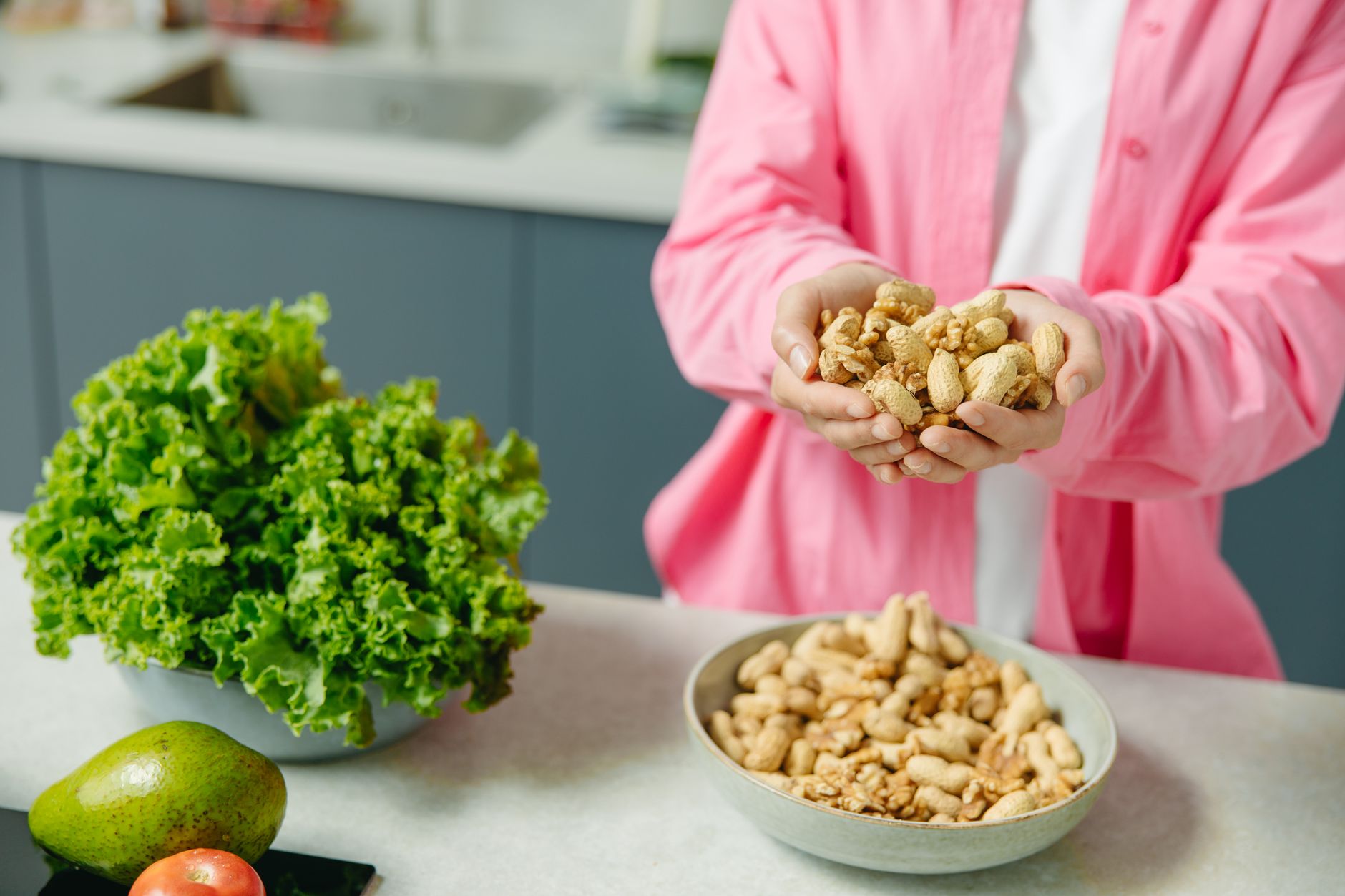
Foods to Eat
Foods to Limit or Avoid
Grocery shopping with ADHD can feel overwhelming, but breaking it down into manageable steps can help. Start by making a list of your top 10–15 essential foods (e.g., eggs, Greek yogurt, nuts, leafy greens). Use the "two-basket method": one basket for staples and one for treats. This way, you can still enjoy occasional indulgences without derailing your plan.
Consider shopping online for delivery or curbside pickup to avoid the sensory overload of a crowded store. Apps like Instacart or Walmart+ can also help streamline the process.
Is an ADHD Diet Safe During Pregnancy or Breastfeeding?
If you're pregnant or breastfeeding and managing ADHD, it’s important to focus on a balanced, nutrient-dense diet that supports both your brain and your baby’s development. While the ADHD diet principles—like prioritizing protein, healthy fats, and complex carbs—remain relevant, there are some additional considerations to keep in mind.
For example, while omega-3s are beneficial for brain health, it’s important to ensure you’re getting them from safe sources, such as fatty fish (like salmon or sardines) that are low in mercury. The FDA’s guidelines can help you choose the safest options.
If you’re avoiding certain foods due to sensitivities or allergies, work with your healthcare provider to ensure you’re still meeting your nutritional needs. For instance, if you’re eliminating gluten or dairy, consider supplementing with calcium and vitamin D if necessary.
As for supplements, always consult your provider before starting anything new. Some supplements, like folic acid and iron, are crucial during pregnancy, while others—like certain herbal remedies—may not be safe. The American College of Obstetricians and Gynecologists (ACOG) provides detailed guidelines on safe supplements during pregnancy.
ADHD and Pregnancy: Special Considerations
Pregnancy can amplify ADHD symptoms due to hormonal fluctuations, fatigue, and the added stress of planning for a new baby. Focus on foods that support both your brain and your baby’s development, such as:
- Leafy greens (spinach, kale) for folate, which supports fetal development.
- Lean proteins (chicken, fish, beans) for steady energy and dopamine support.
- Healthy fats (avocados, nuts, olive oil) for brain health and satiety.
- Complex carbs (whole grains, fruits, vegetables) to stabilize blood sugar and energy levels.
How Does an ADHD Diet Affect Brain Function and Symptoms?
ADHD isn’t caused by diet, but research suggests that certain foods can influence brain chemistry and reduce inflammation, which may help manage symptoms. Here’s how:
1. Blood Sugar Stability
Foods high in refined sugar or simple carbs can cause rapid spikes and crashes in blood sugar, leading to mood swings, irritability, and difficulty focusing. By focusing on complex carbs and protein-rich foods, you can help stabilize energy levels and reduce these fluctuations.
2. Dopamine Support
Dopamine is a neurotransmitter linked to motivation, focus, and reward. Foods rich in protein (like eggs, chicken, and fish) provide the amino acids needed to produce dopamine. Additionally, omega-3 fatty acids may help regulate dopamine levels, improving focus and reducing impulsivity.
3. Inflammation Reduction
Chronic inflammation has been linked to ADHD symptoms. Foods high in omega-3s, antioxidants, and fiber can help reduce inflammation, potentially easing some of the brain fog and emotional dysregulation associated with ADHD.
4. Gut-Brain Connection
Emerging research suggests that gut health plays a role in ADHD symptoms. Probiotics and prebiotic foods (like yogurt, sauerkraut, and bananas) may help support a healthy gut microbiome, which could indirectly improve focus and mood.
5. The Role of Hydration
Dehydration can worsen ADHD symptoms by reducing cognitive function and increasing fatigue. Aim for at least 8 cups of water a day, and consider adding electrolytes (like those in coconut water) if you’re prone to forgetting to drink. A reusable water bottle with time markers can help you stay on track.
Easy ADHD Meal Prep Tips for Busy Parents
Let’s be real: meal prep with ADHD can feel like herding cats. The key is to keep it simple, structured, and—dare we say—fun. Here are some practical tips to make meal planning easier:
1. Plan Around Your Schedule
If mornings are chaotic, focus on easy breakfasts like overnight oats or smoothies that require minimal prep the night before. Similarly, if evenings are the only time you can cook, batch-cook proteins and grains for the week.
2. Use the "Two-Brain Rule"
If you’re prone to forgetting, try the "two-brain rule": keep one set of groceries in the fridge for quick meals and another set in your car or at work for emergencies. For example, always have a stash of nuts, jerky, or protein bars handy.
3. Involve the Family
Kids with ADHD often respond well to structure and choice. Let them pick a few snacks or meals each week. You can also turn meal prep into a game—who can assemble a healthy lunchbox the fastest?
4. Repurpose Leftovers
Cook once, eat twice. For example, roast a big batch of chicken on Sunday and use it for lunches (chicken salad) and dinners (stir-fry) throughout the week.
5. Keep It Simple
Focus on a few go-to meals and snacks that everyone enjoys. For example, hard-boiled eggs, Greek yogurt, and veggie sticks with hummus are always a win. If a meal flops, don’t stress—just move on to the next one.
6. Use Visual Cues
If you struggle with remembering what’s in the fridge, use clear containers or labels. Apps like Our Home Based can also help you track groceries and meals.
7. Set Up a "Snack Station"
Designate a spot in your kitchen or pantry for healthy snacks that are easy to grab. Include pre-cut veggies, cheese cubes, nuts, and yogurt. This way, when hunger strikes, you’re less likely to reach for less nutritious options.
What Supplements Support ADHD Diet Effectiveness?
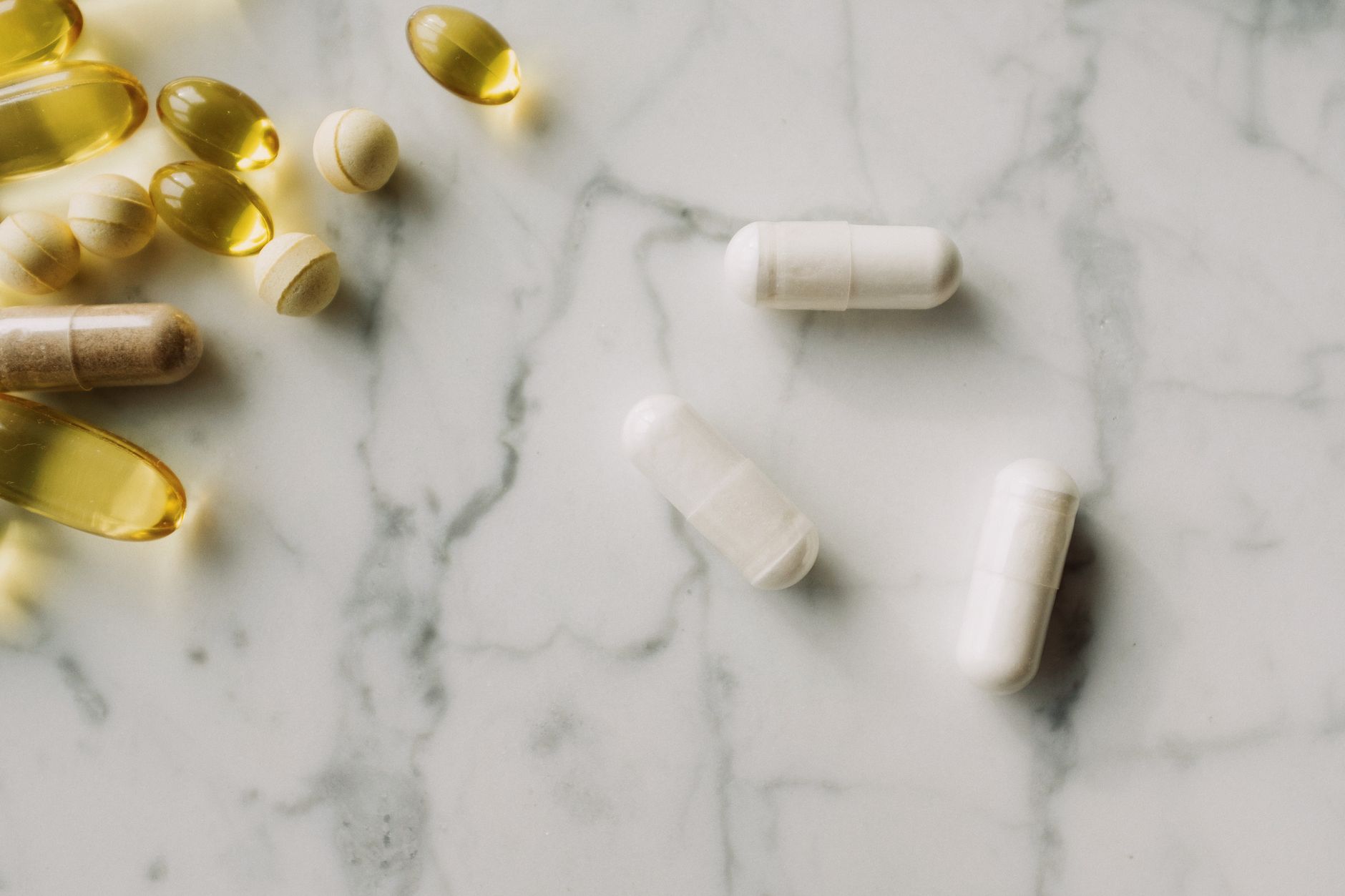
While diet is the foundation, some supplements may complement an ADHD-friendly eating plan. Always consult your healthcare provider before starting any new supplement, especially if you’re pregnant, breastfeeding, or taking medication.
Supplement Safety Tips
Not all supplements are created equal, and quality varies widely. Look for third-party certifications like USP or NSF on the label. Avoid supplements with artificial additives or fillers. If you’re unsure about a supplement’s safety, ask your healthcare provider for guidance.
How Long Does It Take for an ADHD Diet to Show Results?
One of the most common questions we hear is: "How soon will I see a difference?" The answer varies, but many people notice improvements within 2–4 weeks. Here’s what to expect:
- First Week: You might feel more energized and less sluggish due to better hydration and reduced processed foods.
- Second Week: Blood sugar stability may lead to fewer mood swings and improved focus during meals.
- Third Week Onward: Reductions in inflammation and improved gut health may contribute to better emotional regulation and cognitive function.
It’s important to approach this as a long-term lifestyle change rather than a quick fix. Consistency is key, and what works for one person may not work for another. If you’re not seeing improvements after 8–12 weeks, consider working with a dietitian or healthcare provider to refine your approach.
Tracking Progress
To track your progress, keep a simple journal or use an app like MyFitnessPal to log your meals and symptoms. Note any improvements in focus, energy, or mood. You might also track your sleep, hydration, and stress levels, as these can all impact ADHD symptoms.
ADHD Diet for Anxiety and Depression
ADHD often co-occurs with anxiety and depression, and diet can play a significant role in managing these symptoms. Foods that support brain health—like those rich in omega-3s, magnesium, and probiotics—can also help regulate mood. For example:
- Omega-3s may reduce symptoms of depression and anxiety by supporting brain cell membranes.
- Complex carbs can help stabilize serotonin levels, which may improve mood.
- Probiotics may influence gut-brain axis, potentially easing anxiety.
- Magnesium is linked to reduced anxiety and improved sleep.
If you’re managing anxiety or depression alongside ADHD, consider pairing the ADHD diet with other evidence-based strategies, such as regular exercise, mindfulness practices, and therapy. For more on managing anxiety with food, check out our article on the Mediterranean diet for anxiety—many of the principles overlap.
Mindful Eating for ADHD
Mindful eating can be especially helpful for people with ADHD, as it encourages awareness of hunger and fullness cues. Try these tips:
- Eat without distractions (like TV or your phone) to fully enjoy your meal.
- Take small bites and chew thoroughly to aid digestion and satisfaction.
- Pause before reaching for a snack to ask yourself if you’re truly hungry or just seeking comfort.
ADHD-Friendly Cooking Techniques
Cooking with ADHD can feel overwhelming, but simple techniques can make a big difference. Here are a few tips to streamline your cooking:
1. Use a Slow Cooker
Slow cookers are perfect for ADHD-friendly meals because they require minimal active time. Toss in ingredients in the morning, and dinner is ready when you get home. Try recipes like shredded chicken, pulled pork, or vegetable stews.
2. Batch Cook and Freeze
Cook large batches of soups, stews, or casseroles and freeze them in individual portions. This way, you always have a healthy meal ready to go. Label your freezer containers with the date and contents for easy retrieval.
3. Pre-Cut and Pre-Wash
Pre-cut vegetables and store them in airtight containers in the fridge. This way, you can quickly toss them into salads, stir-fries, or snacks without the hassle of chopping. Consider investing in a mandoline slicer to speed up the process.
4. Use Pre-Cooked Proteins
Pre-cooked proteins like rotisserie chicken, canned tuna, or pre-cooked shrimp can save time and reduce decision fatigue. Pair them with pre-washed greens and your favorite dressing for a quick and healthy meal.
5. One-Pot Meals
One-pot meals like stir-fries, soups, and casseroles minimize cleanup and reduce the number of dishes you have to wash. Plus, they’re often easier to prepare with limited ingredients.
Myth vs. Fact: ADHD Diet Edition
Let’s clear up a few common misconceptions:
- Myth: An ADHD diet can cure ADHD.
Fact: While diet can help manage symptoms, it won’t cure ADHD. Think of it as a supportive tool, not a replacement for medication or therapy if those are part of your treatment plan.
- Myth: You have to eliminate all gluten or dairy.
Fact: Unless you have celiac disease or a gluten sensitivity, there’s no evidence that eliminating gluten or dairy is necessary for managing ADHD. However, some people report improved focus or reduced inflammation when eliminating these foods, so it’s worth experimenting under the guidance of a healthcare provider.
- Myth: You have to give up all your favorite foods.
Fact: Moderation is key. Enjoying a treat occasionally won’t derail your progress—just be mindful of timing and portion sizes.
- Myth: ADHD diets are only for kids.
Fact: Adults with ADHD often benefit just as much, if not more, from dietary changes. Many adults struggle with impulsive eating or neglecting meals, which can be addressed with a structured diet.
- Myth: ADHD diets are restrictive and hard to follow.
Fact: The ADHD diet is about balance and flexibility. Focus on adding nutrient-dense foods to your diet rather than eliminating entire food groups. Small, sustainable changes are more effective in the long run.
Key Takeaways
- An ADHD diet focuses on whole foods, balanced macronutrients, and foods rich in omega-3s, antioxidants, and probiotics.
- Prioritize protein, healthy fats, and complex carbs to stabilize energy and support brain function.
- Limit processed sugars, artificial additives, and trans fats, which can worsen ADHD symptoms.
- Meal prep and planning can make a big difference, especially for busy families. Keep it simple and involve the whole household.
- Supplements like omega-3s, magnesium, and zinc may complement an ADHD-friendly diet, but always consult your provider first.
- Results vary, but many people notice improvements in focus and energy within 2–4 weeks.
- If you’re pregnant or breastfeeding, focus on nutrient-dense foods and consult your provider before making major changes.
- Use simple cooking techniques and meal prep strategies to make healthy eating more manageable.
- Mindful eating and tracking progress can help you stay accountable and make adjustments as needed.
Frequently Asked Questions
What foods should I avoid with ADHD?
The biggest culprits are foods that cause blood sugar spikes and crashes, like refined sugars, white flour products, and processed snacks. Artificial additives, trans fats, and excessive caffeine can also worsen symptoms. For a full list, see our ADHD diet foods to eat and avoid section above.
What is the best diet for ADHD brain?
There’s no single "best" diet, but the Mediterranean diet—rich in omega-3s, antioxidants, and fiber—is often recommended for its brain-boosting benefits. However, any diet that prioritizes whole foods, balanced macronutrients, and minimal processed ingredients can help. For a structured plan, try our 7-day Mediterranean diet meal plan or the GAPS diet, which some find helpful for reducing inflammation.
Can diet cure ADHD?
No, diet alone cannot "cure" ADHD. However, it




