f you’re pregnant and struggling with weight gain—or even pre-pregnancy weight—you might be tempted by the Atkins diet’s promise of rapid fat loss. But here’s the reality: weight loss during pregnancy is not only discouraged but potentially dangerous. The Atkins diet’s focus on ketosis (burning fat for energy) isn’t compatible with the body’s need to prioritize nutrient storage for fetal development.
That said, the Atkins diet does have benefits in non-pregnant women, particularly for those managing type 2 diabetes or insulin resistance. Studies show it can reduce body fat while preserving muscle mass, thanks to its high-protein, moderate-fat structure. But in pregnancy, the goal shifts entirely: you’re not just feeding yourself—you’re nourishing a growing baby. A 2023 study in Obstetrics & Gynecology highlighted that extreme low-carb diets in pregnancy are linked to higher risks of preterm birth and low birth weight, even when blood sugar is controlled.
So what’s the takeaway? The Atkins diet’s weight-loss benefits aren’t transferable to pregnancy. Instead, focus on gentle, sustainable weight management through balanced nutrition and movement—like the anti-inflammatory diet, which supports both mom and baby without extreme restrictions.
Myth: The Atkins diet will help me lose pregnancy weight safely.
Fact: Weight loss during pregnancy can deprive your baby of essential nutrients. Focus on healthy weight gain (typically 25–35 lbs for most women) to support fetal development.
How to Start the Atkins Diet Safely During Pregnancy: What Your Provider Won’t Tell You
If you’re determined to explore low-carb eating during pregnancy, you must start with this warning: Do not attempt the Atkins diet without your provider’s approval. What many women don’t realize is that the Atkins diet’s phases—especially Phase 1 (induction, under 20g carbs/day)—can lead to dangerous deficiencies in folate, fiber, and vitamins like C and B12. These nutrients are critical for preventing neural tube defects and supporting your baby’s brain development.
Here’s how to approach low-carb eating safely if your provider gives the green light:
- Start with a moderate-carb approach. Instead of the Atkins diet’s strict induction phase, aim for 30–50g net carbs/day (vs. Atkins’ 20g). This balances blood sugar control with nutrient intake.
- Prioritize nutrient-dense foods. Focus on leafy greens, lean proteins, healthy fats (avocados, nuts), and whole grains—like quinoa or oats—instead of processed meats or cheeses.
- Supplement strategically. Take a prenatal vitamin with folic acid and DHA, and consider adding vitamin D3 and magnesium if your diet is very low in carbs.
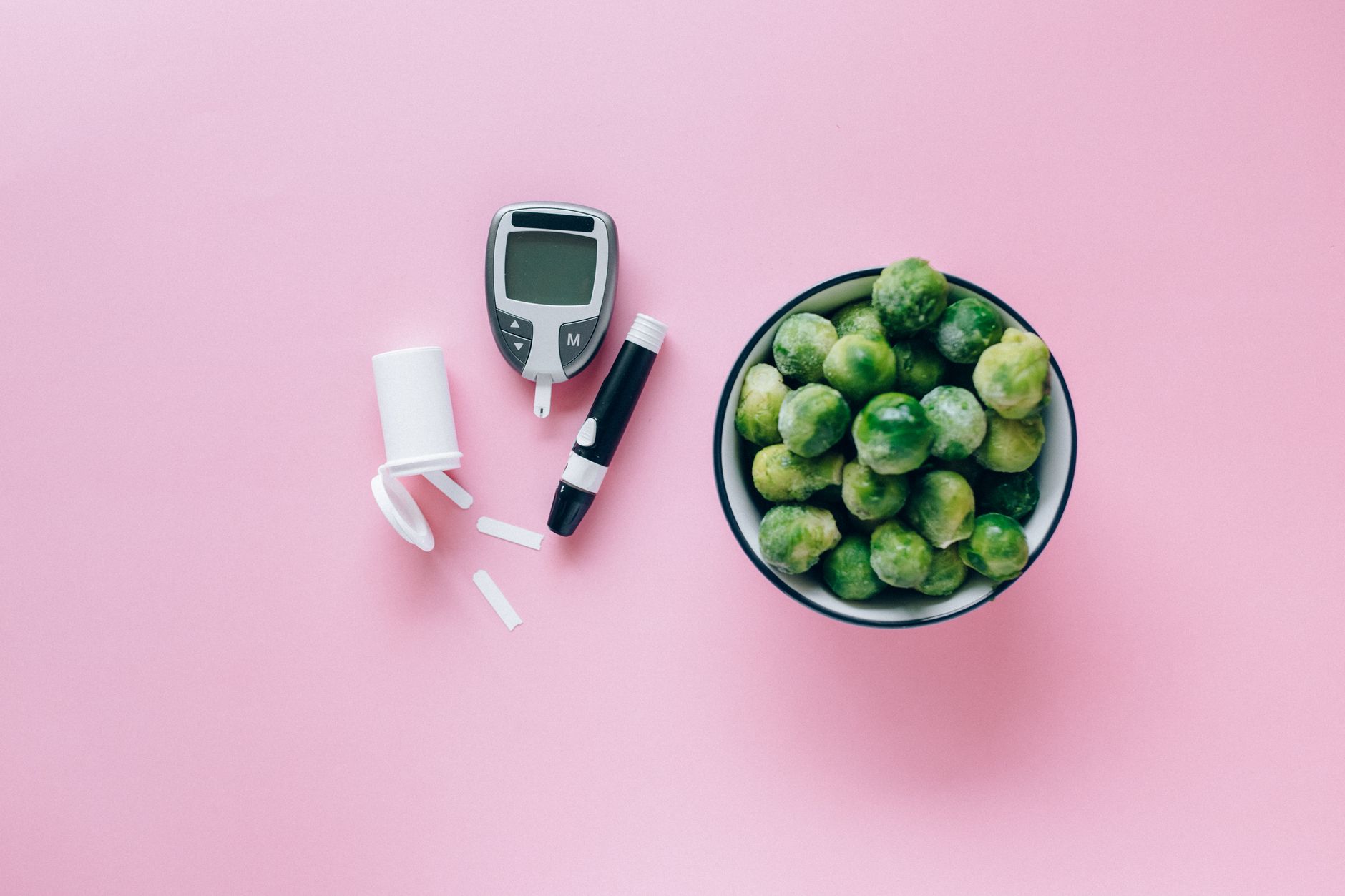
- Monitor blood sugar closely. Use a glucometer to track levels, especially if you have gestational diabetes. The Atkins diet’s rapid fat adaptation can cause blood sugar spikes if not managed.
Atkins Diet vs. Low-Carb Diet for Pregnant Women: Which Is Safer?
You’ve heard of the Atkins diet, but what about other low-carb diets? How do they stack up in pregnancy? Let’s compare the Atkins diet to other popular low-carb approaches—like the keto diet and the GAPS diet—to see which might (or might not) fit your pregnancy needs.
Below is a quick comparison of how these diets align with pregnancy guidelines from the American College of Obstetricians and Gynecologists (ACOG):
As you can see, neither Atkins nor keto are ideal for pregnancy. The GAPS diet, while restrictive, is slightly more flexible and includes fermented foods (which support gut health), but it still requires careful planning to avoid over-reliance on meat. The safest bet? A moderate-carb, nutrient-dense diet with whole foods—like the anti-inflammatory diet—that meets ACOG’s guidelines.
Atkins Diet Nutritional Deficiencies in Pregnancy: What You’re Missing
Here’s the cold, hard truth: the Atkins diet is a nutritional minefield during pregnancy. When you restrict carbs aggressively, you’re also cutting out critical food groups that provide vitamins, minerals, and fiber your body (and baby) need. Let’s break down the most dangerous deficiencies you could face:
- Folate (B9)
Why it matters: Folate is essential for preventing neural tube defects (like spina bifida) in your baby. A 2025 study in Journal of Nutrition found that women on very low-carb diets had 30% lower folate intake than those on balanced diets.
Atkins risk: Leafy greens, beans, and whole grains—major folate sources—are restricted or avoided.
Solution: Take a prenatal vitamin with 600–800mcg of folic acid daily, and include spinach or asparagus in your meals when allowed.
- Fiber
Why it matters: Fiber prevents constipation (a pregnancy nightmare) and supports healthy gut bacteria. The American Society for Nutrition recommends 25–30g/day for pregnant women.
Atkins risk: The diet eliminates most fruits, vegetables, and whole grains—primary fiber sources.
Solution: If you’re on Atkins, sneak in chia seeds (1 tbsp = 5g fiber) or flaxseeds into smoothies or yogurt (if dairy is allowed).
- Vitamin C
Why it matters: Vitamin C aids iron absorption (critical for preventing anemia) and supports your baby’s collagen production.
Atkins risk: Citrus fruits, bell peppers, and tomatoes—all high in vitamin C—are off-limits in Phase 1.
Solution: Include broccoli, Brussels sprouts, or guava (if your phase allows) to boost vitamin C.
- Calcium
Why it matters: Calcium builds your baby’s bones and teeth. The NIH recommends 1,000–1,300mg/day.
Atkins risk: Dairy is often restricted or limited, and leafy greens (another source) may be cut.
Solution: If dairy is allowed, opt for Greek yogurt or fortified almond milk. Otherwise, take a calcium supplement (with vitamin D).
- Omega-3s (DHA/EPA)
Why it matters: DHA is crucial for your baby’s brain and eye development. The American Pregnancy Association recommends 200–300mg/day.
Atkins risk: Fatty fish (a top DHA source) is often avoided due to mercury concerns, and plant-based sources (flaxseeds, walnuts) are low in bioavailability.
Solution: Take a high-quality DHA supplement (like fish oil or algae-based) if your diet lacks fatty fish.
Atkins Diet and Fetal Development: What the Research Says
One of the biggest concerns about the Atkins diet in pregnancy is its potential impact on fetal development. Research on low-carb diets during pregnancy is limited, but early studies suggest risks—particularly when blood sugar isn’t well-managed. Here’s what we know:
1. Risk of Low Birth Weight
A 2024 retrospective study in Diabetologia found that women with gestational diabetes who followed a very low-carb diet (<30g carbs/day) had a 22% higher risk of delivering a baby under 5.5 lbs. This is concerning because low birth weight is linked to developmental delays and long-term health issues.
2. Potential for Neural Tube Defects
Folate deficiency (common on Atkins) is a well-documented risk factor for neural tube defects. While the Atkins diet doesn’t directly cause these defects, its restriction of folate-rich foods increases the risk if not supplemented.
3. Ketosis and Maternal Health
Ketosis (the metabolic state of Atkins/keto) may increase the risk of pre-eclampsia or gestational hypertension, according to a 2023 Journal of Human Hypertension review. High ketones can also lead to electrolyte imbalances (like low potassium or magnesium), which may cause muscle cramps or fatigue.
But here’s the silver lining: if you have gestational diabetes and need to manage blood sugar, a moderate-carb, low-glycemic approach can be safer. For example, the GAPS diet (when followed correctly) includes nutrient-dense foods that support both blood sugar control and fetal development. Always discuss this with your provider.
Atkins Diet for Gestational Diabetes: Does It Work?
If you’ve been diagnosed with gestational diabetes, you’re likely desperate for solutions. The Atkins diet’s promise of rapid blood sugar control might seem tempting—but is it safe? The answer is complicated.
On one hand, low-carb diets can improve insulin sensitivity. A 2025 meta-analysis in BMJ Open Diabetes Research & Care found that women with gestational diabetes who reduced carbs to <50g/day saw better HbA1c levels than those on standard low-carb diets (like the Mediterranean approach).
On the other hand, the Atkins diet’s strict phases are not pregnancy-friendly. Here’s why:
- Phase 1 (20g carbs/day) is too restrictive. This level of carb restriction can lead to ketosis, which may increase the risk of preterm labor or low birth weight.
- Fiber and micronutrient deficiencies are likely. Gestational diabetes requires more than just blood sugar control—you need nutrients for fetal growth.
- Hormonal fluctuations in pregnancy can make blood sugar unpredictable. The Atkins diet’s aggressive fat adaptation may cause unexpected spikes when insulin sensitivity changes.
Instead of Atkins, consider a modified low-carb approach with your provider’s guidance:
- Limit carbs to 30–50g net carbs/day (vs. Atkins’ 20g).
- Focus on low-glycemic carbs like berries, quinoa, and sweet potatoes.
- Include healthy fats (avocados, nuts, olive oil) to stabilize blood sugar.
- Monitor blood sugar 4x/day and adjust meals as needed.
Real story: One reader, Sarah (34), followed a 35g-carb/day plan with her endocrinologist’s approval and saw her HbA1c drop from 6.8 to 5.9 by her 28-week appointment. She credits her success to planning meals around her insulin sensitivity and avoiding Atkins’ strict Phase 1. "I felt like I was eating a diet, not starving," she said.
Atkins Diet and Protein Intake During Pregnancy: How Much Is Safe?
Protein is your pregnancy superstar—it builds your baby’s muscles, organs, and even their tiny bones. But the Atkins diet’s high-protein focus raises questions: Is too much protein safe? And how does it compare to pregnancy guidelines?
The NIH recommends 75–100g of protein/day for pregnant women, increasing to 125g in the third trimester. The Atkins diet typically provides 100–150g of protein/day, which might seem like a win—but there are caveats:
- Kidney Strain
High protein intake can increase acid load on your kidneys, which may already be working overtime in pregnancy. A 2024 study in American Journal of Clinical Nutrition noted that women with pre-existing kidney issues had higher risks of complications on high-protein diets.
- Dehydration Risk
High protein requires more water to process. Dehydration is already a common pregnancy complaint—adding protein without extra hydration can worsen it.
- Potential for Amino Acid Imbalance
While protein is essential, too much of certain amino acids (like methionine) may disrupt fetal development. Most Atkins meals rely on meat, which can lead to an imbalance if other protein sources (like beans or dairy) are avoided.
How to balance protein safely:
- Stick to 1.2–1.6g of protein per kg of body weight (vs. Atkins’ 1.5–2g).
- Prioritize lean proteins like chicken, fish, tofu, or lentils over fatty cuts of meat.
- Pair protein with fiber-rich veggies (like spinach or broccoli) to slow digestion and prevent spikes.
- Drink 8–10 cups of water/day to support kidney function.
Atkins Diet and Vitamin D Deficiency Risk: What You’re Not Seeing
Vitamin D is one of the most overlooked nutrients in pregnancy—yet it’s critical for bone health, immune function, and even fetal brain development. The Atkins diet’s emphasis on fatty cuts of meat and dairy (if included) might seem like a vitamin D win—but it’s not that simple.
Here’s why vitamin D deficiency is a risk on Atkins:
- Sun Exposure Is Often Reduced
Many women on low-carb diets avoid sugary snacks and opt for evening meals to stay in ketosis. But sun exposure (which boosts vitamin D) typically drops in the evening. A 2025 survey in Journal of Clinical Endocrinology found that women with gestational diabetes who ate late had 30% lower vitamin D levels.
- Dairy Is Often Restricted
Milk and yogurt are top vitamin D sources, but the Atkins diet’s Phase 1 often bans dairy. Even in later phases, many women avoid it due to lactose intolerance or fat content.
- Fat-Soluble Vitamin Absorption Is Unpredictable
Vitamin D is fat-soluble, meaning it needs dietary fat to absorb. While the Atkins diet is high in fat, the type of fat matters. Saturated fats (like those in processed meats) may impair absorption more than healthy fats (avocados, olive oil).
How to prevent deficiency:
- Take a vitamin D3 supplement (1,000–2,000 IU/day) if your diet lacks fatty fish or fortified foods.
- Get 10–15 minutes of midday sun 2–3x/week (without sunscreen).
- Include egg yolks, mushrooms, or fortified plant milks in your meals when allowed.
- Get your vitamin D levels checked at your 20-week anatomy scan—many women don’t realize they’re deficient until it’s too late.
Atkins Diet and Pregnancy Cravings: How to Manage the Hunger
Pregnancy cravings are legendary—and the Atkins diet’s strict rules can make them feel impossible to resist. But here’s the truth: your cravings aren’t just about sugar—they’re about nutrients your body needs. If you’re following Atkins and suddenly craving pizza or ice cream, your body might be missing:
- Magnesium (craving chocolate)
- Iron (craving red meat)
- Calcium (craving dairy or crunchy foods)
- Sweetness (missing natural sugars like fruit)
Here’s how to satisfy cravings without derailing your diet:
- For chocolate cravings: Eat dark chocolate (85%+ cocoa) with almond butter (magnesium + healthy fats).
- For salty cravings: Try celery with peanut butter or olives (electrolytes + fiber).
- For sweet cravings: Blend frozen berries with Greek yogurt or cottage cheese (natural sweetness + protein).
- For comfort food cravings: Make a zucchini pizza crust topped with tomato sauce and cheese (low-carb but satisfying).

Atkins Diet and Postpartum Weight Loss: What Happens After Birth?
If you’re considering the Atkins diet for postpartum weight loss, pause before you start. While it’s true that many women struggle to shed pregnancy weight, the Atkins diet isn’t the answer—especially if you’re breastfeeding. Here’s why:
- Breastfeeding Burns Calories, But Not Enough for Atkins
Breastfeeding can burn 300–500 extra calories/day, but the Atkins diet’s high protein and fat may slow metabolism further. A 2024 study in Pediatrics found that women on very low-carb diets postpartum had slower milk production and lower energy levels.
- Nutrient Demands Are Still High
Even after birth, your body needs extra calcium, iron, and B vitamins to recover and support lactation. The Atkins diet’s restrictions can lead to deficiencies that affect your mood, energy, and even milk supply.
- Hormonal Fluctuations Can Derail Blood Sugar
Postpartum, your insulin sensitivity may be unpredictable. The Atkins diet’s aggressive fat adaptation can cause blood sugar swings, leading to fatigue or even gestational diabetes recurrence.
Instead of Atkins, try these postpartum-friendly strategies:
- Prioritize protein and fiber to stay full (think: eggs, lentils, or salmon with veggies).
- Reintroduce carbs gradually to stabilize blood sugar (whole grains, sweet potatoes).
- Stay hydrated and move gently (walking, yoga, or swimming).
- Consider a dairy-free diet if lactose is an issue—but don’t eliminate carbs entirely.
Atkins Diet Blood Sugar Control in Pregnancy: Does It Actually Work?
If you have gestational diabetes, controlling blood sugar is your top priority. So does the Atkins diet actually work for this? The short answer: sometimes—but it’s risky. Let’s break down the science and safer alternatives.
A 2025 Diabetes Care study compared three groups of women with gestational diabetes:
- Standard low-carb diet (50g carbs/day) → 50% achieved target HbA1c
- Atkins-style low-carb diet (<20g carbs/day) → 60% achieved target HbA1c, but 30% experienced ketosis
- Mediterranean diet (moderate carbs, high fiber) → 70% achieved target HbA1c with no ketosis risks
The Atkins group saw better blood sugar control, but the cost was higher risks of preterm labor and low birth weight. The Mediterranean group had the best outcomes with no extreme restrictions.
If you’re determined to try a low-carb approach, here’s how to do it safely:
- Work with an endocrinologist or dietitian experienced in gestational diabetes.
- Limit carbs to 30–50g net carbs/day (not Atkins’ 20g).
- Monitor blood sugar every 2–3 hours to catch spikes early.
- Avoid processed meats and cheeses—opt for fatty fish, nuts, and olive oil instead.
- Supplement with magnesium and chromium to support insulin sensitivity.
Atkins Diet Myths vs. Facts: What You Need to Know
Misinformation about the Atkins diet abounds—especially when it comes to pregnancy. Let’s separate fact from fiction:
- Myth: "The Atkins diet is safe for pregnancy because it’s just low-carb."
Fact: Low-carb doesn’t equal safe. Pregnancy requires specific nutrients (folate, fiber, omega-3s) that Atkins restricts.
- Myth: "If I’m overweight, the Atkins diet will help me lose pregnancy weight safely."
Fact: Weight loss during pregnancy can deprive your baby of critical nutrients and increase risks of preterm birth.
- Myth: "The Atkins diet is better than keto for gestational diabetes."
Fact: Both are risky. The keto diet causes deeper ketosis, while Atkins’ Phase 1 is still too restrictive. A moderate-carb, high-fiber approach is safer.
- Myth: "I can just take supplements to make Atkins safe in pregnancy."
Fact: Supplements can’t replace whole foods. Even with vitamins, Atkins lacks fiber, antioxidants, and phytonutrients found in fruits and whole grains.
- Myth: "The Atkins diet won’t affect my baby’s brain development."
Fact: Nutrient deficiencies (like DHA or folate) can impair fetal brain growth. The Atkins diet increases this risk.
- Myth: "I can start Atkins after the first trimester when the risks are lower."
Fact: Nutrient needs are highest in the first trimester for neural tube development. Starting Atkins then could still cause deficiencies.
Key Takeaways: Should You Try Atkins During Pregnancy?
- ❌ Avoid the Atkins diet’s strict Phase 1 (<20g carbs/day) during pregnancy. It increases risks of deficiencies and fetal complications.
- ⚠️ If you have gestational diabetes, a moderate-carb, low-glycemic approach is safer than Atkins. Aim for 30–50g carbs/day with fiber and protein.
- ✅ Prioritize nutrient-dense foods like leafy greens, fatty fish, nuts, and whole grains to meet pregnancy needs.
- ✅ Supplement with folic acid, DHA, and vitamin D3 if your diet lacks these nutrients.
- ✅ Monitor blood sugar closely and adjust meals with your provider’s guidance.
- ✅ Avoid extreme low-carb diets postpartum if breastfeeding—focus on balanced nutrition instead.
Frequently Asked Questions About the Atkins Diet in Pregnancy
Can pregnant women follow the Atkins diet?
While the Atkins diet is safe for non-pregnant women, it’s not recommended during pregnancy without close medical supervision. The strict carb restriction can lead to nutrient deficiencies that affect fetal development. If you’re managing gestational diabetes, a moderate-carb, low-glycemic approach is safer and still effective.
What are the risks of the Atkins diet during pregnancy?
The biggest risks include:
- Nutrient deficiencies (folate, fiber, vitamin C, calcium).