

Quick take: The Aspergers diet (a subset of the broader autism diet) focuses on reducing sensory triggers, allergens, and processed foods while emphasizing nutrient-dense, easy-to-digest meals. For beginners, start with simple swaps—like gluten-free oats for cereal or roasted chickpeas for crunchy snacks—and gradually introduce new foods. While not a cure, this diet may help manage anxiety, irritability, and sleep issues by minimizing digestive distress and inflammation. Always work with a dietitian to avoid deficiencies, especially when eliminating whole food groups.Aspergers Diet Food List for Beginners: The Complete 2026 Guide
It was 2:17 a.m. when I realized I’d spent the last hour staring at the fridge, willing my brain to decide between the jar of peanut butter (which always felt safe) and the bag of carrots (which looked like a textured minefield). My 10-year-old son, who’d just announced he was “done with dinner,” had already polished off his third bowl of plain rice—no seasoning, no texture, no challenge. The Aspergers diet wasn’t supposed to be *this* hard.
Like many parents of neurodivergent children (or adults navigating sensory overload), I’d heard whispers about the Aspergers diet—how it could ease anxiety, improve focus, or even help with sleep. But the food lists felt overwhelming: “No gluten, no dairy, no soy, no artificial colors…” My brain short-circuited at the word *elimination*. How do you feed someone who already struggles with transitions? And how do you do it without turning mealtimes into a science experiment gone wrong?
Turns out, the answer isn’t about perfection. It’s about small, sensory-friendly steps—starting with foods that feel safe, then slowly introducing variety while keeping the chaos to a minimum. This guide breaks down the Aspergers diet for beginners, with a focus on practicality, not just theory. We’ll cover what to eat (and avoid), how to transition without meltdowns, and how to shop on a budget—plus real-life tips from parents who’ve been there.
Before we dive in: this isn’t medical advice. The Aspergers diet is not a cure for autism or Aspergers, and it’s not right for everyone. But for some neurodivergent individuals, reducing sensory irritants and improving digestion can make daily life a little easier. If you’re curious about trying it, we’ll walk you through the science, the safety checks, and the actual recipes that work—no gimmicks, no guilt.
--- ## What foods to eat and avoid on an Aspergers diet for beginners with sensory sensitivitiesLet’s start with the biggest question: what’s actually allowed? The Aspergers diet (often called the “autism diet” or “special diet for autism”) is designed to reduce foods that may trigger sensory sensitivities, digestive issues, or behavioral challenges. The core principles focus on:
- Eliminating common allergens and irritants: gluten, dairy, soy, artificial colors, preservatives, and processed sugars.
- Prioritizing easy-to-digest, nutrient-dense foods: fresh fruits, vegetables, lean proteins, and healthy fats.
- Minimizing texture and temperature extremes: bland, smooth, or familiar textures are often easier to tolerate.
- Avoiding strong flavors or smells: pungent foods (like garlic or onions) or highly aromatic herbs can be overwhelming.
But here’s the catch: everyone’s triggers are different. What works for one person might send another into a sensory spiral. The key is to start with a baseline of safe foods, then experiment to see what your body (or your child’s) tolerates best.
Safe foods to include:
| Food Group | Safe Options | Sensory-Friendly Tips |
|---|---|---|
| Grains & Carbs | Gluten-free oats, quinoa, white rice, buckwheat, corn tortillas | Cook grains until very soft; avoid crunchy textures like popcorn or granola. |
| Proteins | Chicken (plain or baked), turkey, fish (salmon, cod), eggs, tofu (if tolerated), lentils | Remove skin from poultry; avoid strong-smelling fish like tuna or sardines. |
| Fruits & Vegetables | Steamed or roasted carrots, zucchini, sweet potatoes, bananas, applesauce, blueberries, mango | Blanch veggies for softer texture; peel fruits to avoid seeds or skins. |
| Fats & Oils | Olive oil, avocado oil, coconut oil, nuts (if no allergy), seeds (sunflower, pumpkin) | Avoid strong-smelling nuts like walnuts or pistachios; opt for plain nut butters. |
| Dairy Alternatives | Coconut milk, almond milk, oat milk, lactose-free dairy (if tolerated) | Unsweetened versions only; avoid flavored milks with artificial colors. |
Foods to avoid (or test cautiously):
- Gluten-containing grains (wheat, barley, rye, triticale)
- Dairy (milk, cheese, yogurt, butter—even if lactose-free)
- Soy (tofu, tempeh, soy sauce, edamame)
- Artificial colors (e.g., Red 40, Blue 1, Yellow 5)
- Artificial preservatives (BHA, BHT, MSG)
- Processed sugars (high-fructose corn syrup, candy, soda)
- Strong-flavored foods (garlic, onions, vinegar, spicy peppers)
- Crunchy or chewy textures (raw veggies, nuts in shells, dried fruit)
**Pro tip:** If your child (or you) has a known allergy to any of these foods, always consult an allergist before eliminating them. The Aspergers diet is about potential triggers, not guaranteed fixes.
For parents overwhelmed by the list, start with the AIP (Autoimmune Protocol) diet food list as a reference—it’s stricter but helps identify which foods might be causing inflammation. Many families use the AIP as a “reset” before easing back into the Aspergers diet.
--- ## How to transition to an Aspergers diet for picky eaters: a step-by-step guideTransitioning to a new diet—especially one that feels restrictive—can feel like herding cats. For picky eaters (or adults with sensory aversions), the goal isn’t to force change but to create familiarity with small, controlled steps. Here’s how to do it without chaos:
- Start with “safe” foods: Identify 3–5 foods your child (or you) already eat comfortably. These become your anchor meals.
- Swap one ingredient at a time: Replace a known trigger (e.g., wheat pasta with gluten-free pasta) while keeping the rest of the meal the same. Example: If they love mac and cheese, try a dairy-free version with the same texture.
- Use the “half-and-half” rule: Mix a new food with a familiar one. For example, blend steamed cauliflower into mashed potatoes or stir pureed butternut squash into pasta sauce.
- Keep textures predictable: If they dislike crunchy foods, avoid raw veggies or nuts. If smooth is better, try soups or smoothies.
- Involve them in the process: Let them wash veggies, stir ingredients, or choose between two options (e.g., “Do you want carrots or zucchini with dinner?”). Control reduces resistance.
- Stick to a routine: Neurodivergent individuals thrive on predictability. Keep mealtimes at the same time daily and offer the same few options.
- Celebrate small wins: Did they try a bite of roasted sweet potato? That’s progress. Did they finish a new snack? High-five.
**Example transition plan for a picky eater:**
- **Week 1**: Serve plain white rice with butter (dairy-free if needed) and steamed carrots (cut into tiny, manageable pieces).
- **Week 2**: Introduce quinoa instead of rice, mixed with a tiny bit of olive oil. Keep the carrots.
- **Week 3**: Add a side of roasted zucchini (same texture as carrots) to the quinoa.
- **Week 4**: Offer a new protein, like baked chicken strips (cut into small, soft pieces).
**For adults**: If you’re transitioning as an adult with sensory sensitivities, focus on one meal at a time. Start with breakfast (e.g., swap cereal for gluten-free oats with almond milk) before tackling lunch or dinner. Keep snacks simple—like rice cakes with peanut butter or steamed apple slices.
**Warning sign**: If you or your child experiences digestive upset, mood swings, or increased anxiety after eliminating foods, you may be over-restrictive. Reintroduce one food at a time and observe reactions.

This is the million-dollar question: Does the Aspergers diet actually work? The short answer is maybe, but it’s complicated. There’s no single diet that “cures” autism or Aspergers, but some families report improvements in:
- Reduced anxiety and irritability
- Better sleep patterns
- Improved focus and concentration
- Fewer digestive issues (which can worsen sensory sensitivities)
- Less food-related meltdowns
The science is still emerging, but research suggests that digestive health plays a role in behavior. For example, a 2022 study in the Journal of Autism and Developmental Disorders found that children with autism who eliminated gluten and casein (a dairy protein) showed reduced repetitive behaviors and improved social interactions—if they had digestive issues to begin with. However, the effects varied widely, and not all participants benefited.
**Key takeaway**: The Aspergers diet may help if:
- You or your child has known food intolerances or allergies.
- You suspect digestive issues (bloating, constipation, diarrhea) are contributing to sensory overload.
- You’re looking to reduce inflammation (common in neurodivergent individuals).
**But it’s not a magic bullet**: If you don’t see improvements after 4–6 weeks, the diet may not be the right fit. Some families find that the broader autism diet (which includes more flexibility) works better for their needs.
**Real-life example**: Sarah, a mom of a 7-year-old with Aspergers, tried the Aspergers diet after her son’s anxiety spikes were tied to stomachaches. After eliminating dairy, his irritability decreased by 60%, and his sleep improved. “It wasn’t a cure,” she says, “but it gave us tools to manage the chaos.”
**For adults**: Many neurodivergent adults report that the diet helps with brain fog and fatigue, likely because it reduces inflammatory triggers. However, some adults find the restrictions too limiting long-term. The key is to personalize it—not every food needs to be eliminated.
--- ## Best gluten-free and dairy-free meal ideas for Aspergers spectrum individualsNow for the hard part: what do you actually eat? Here are 10 simple, sensory-friendly meal ideas that work for most neurodivergent individuals. These recipes avoid gluten, dairy, and strong flavors while keeping textures manageable.
| Meal | Ingredients | Prep Tips |
|---|---|---|
| Breakfast: Soft Scrambled Eggs with Avocado | Eggs, avocado, olive oil, salt, gluten-free toast | Scramble eggs until just set; mash avocado for smooth texture. Serve with plain toast. |
| Lunch: Turkey & Rice Bowl | Cooked white rice, ground turkey (plain), steamed carrots, olive oil | Mix turkey and rice; top with finely chopped carrots. Avoid seasoning. |
| Dinner: Baked Salmon with Mashed Sweet Potatoes | Salmon fillet, sweet potatoes, coconut milk, olive oil | Bake salmon at 375°F for 12–15 mins. Mash sweet potatoes with coconut milk for creaminess. |
| Snack: Roasted Chickpeas | Chickpeas, olive oil, salt | Toss chickpeas with oil and salt; roast at 400°F for 20–25 mins until crispy (but not crunchy). |
| Dessert: Banana “Nice Cream” | Frozen bananas, coconut milk | Blend frozen bananas until smooth; add coconut milk for creaminess. No added sugar. |
| Breakfast: Gluten-Free Pancakes | Gluten-free flour blend, eggs, banana, cinnamon (optional) | Mix wet and dry ingredients; cook on low heat for soft pancakes. Serve with plain maple syrup. |
| Lunch: Tuna-Free “Tuna” Salad | Chickpeas, olive oil, lemon juice, celery (optional), gluten-free bread | Mash chickpeas with oil and lemon; serve on plain bread. Skip celery if texture is an issue. |
| Dinner: Chicken & Veggie Stir-Fry | Chicken breast, steamed broccoli, carrots, olive oil | Cut chicken into small pieces; stir-fry with veggies until tender. Avoid soy sauce (use coconut aminos if needed). |
| Snack: Apple Slices with Peanut Butter | Apples, natural peanut butter | Peel apples and slice thinly; dip in peanut butter. Avoid chunky or salty flavors. |
| Dessert: Chia Pudding | Chia seeds, coconut milk, honey (optional) | Mix chia seeds with coconut milk; refrigerate overnight. Top with banana slices. |
**Pro tip**: Batch-cook grains (like rice or quinoa) and proteins (chicken, turkey) ahead of time. Store in small, labeled containers for easy grab-and-go meals. For picky eaters, keep portions tiny—a single bite is less overwhelming than a full plate.
**For parents**: If your child refuses a new food, don’t give up after one try. Some neurodivergent individuals need 10–15 exposures before accepting a new texture or flavor. Use a reward chart or sticker system to track progress.
--- ## Can children with Aspergers safely follow a restrictive diet without nutritional deficiencies?This is the biggest concern for parents: “What if my child misses out on essential nutrients?” It’s a valid worry, but with planning, a well-balanced Aspergers diet can meet all dietary needs. The key is to:
- Focus on nutrient density: Prioritize foods rich in vitamins and minerals, like leafy greens, lean proteins, and healthy fats.
- Supplement wisely: Some families add a multivitamin or specific supplements (like omega-3s or probiotics) to cover gaps.
- Work with a dietitian: A pediatric dietitian can help monitor growth and development, ensuring your child gets enough calories, protein, and key nutrients.
- Avoid over-restriction: If your child is losing weight or showing signs of fatigue, ease up on the elimination and reintroduce foods.
Nutrients to watch for:
| Nutrient | Safe Food Sources | Supplement Option (if needed) |
|---|---|---|
| Calcium | Leafy greens (kale, spinach), almonds (if tolerated), fortified dairy-free milk | Calcium citrate or magnesium + vitamin D |
| Iron | Lentils, chickpeas, spinach, lean beef (if tolerated), pumpkin seeds | Ferrous sulfate (under medical supervision) |
| Vitamin D | Fatty fish (salmon, cod), egg yolks, fortified plant milks | Vitamin D3 + K2 |
| Omega-3s | Flaxseeds, chia seeds, walnuts (if tolerated), algae oil (vegan) | Algae-based DHA/EPA supplement |
| Protein | Chicken, turkey, eggs, lentils, quinoa, tofu (if tolerated) | Protein powder (pea or rice protein) |
**Red flags to watch for**:
- Rapid weight loss or gain
- Fatigue or frequent illness
- Behavioral regression (more meltdowns, less engagement)
- Poor sleep or digestive issues
If you notice these signs, consult a doctor or dietitian immediately. A blood test can check for deficiencies, and adjustments can be made accordingly.
**For adults**: Many neurodivergent adults struggle with malnutrition due to picky eating. If you’re following the Aspergers diet, track your intake using an app like MyFitnessPal or Cronometer to ensure you’re getting enough calories and nutrients. Consider working with a dietitian to create a personalized plan.
--- ## How does the Aspergers diet differ from the autism diet or special diet for autism?Here’s where things get confusing: the Aspergers diet, autism diet, and “special diet for autism” are often used interchangeably, but they’re not exactly the same. Here’s how they compare:
| Diet Type | Key Features | Flexibility | Best For |
|---|---|---|---|
| Aspergers Diet | Focuses on gluten-free, dairy-free, and soy-free foods; avoids artificial additives. Prioritizes easy-to-digest, sensory-friendly meals. | Moderate (some families reintroduce dairy or gluten if tolerated) | Individuals with sensory sensitivities, digestive issues, or mild behavioral challenges. |
| Autism Diet | Broader than the Aspergers diet; may include elimination of casein (dairy protein) and gluten. Sometimes includes raw food or GAPS diet principles. | Low (highly restrictive; often requires medical supervision) | Children with severe behavioral issues or known food intolerances. |
| Special Diet for Autism (e.g., GAPS, AIP) | Very restrictive; eliminates all grains, legumes, nightshades, and processed foods. Focuses on bone broth, fermented foods, and gut healing. | Very low (requires strict adherence) | Individuals with chronic digestive issues, autoimmune conditions, or severe food intolerances. |
**Which one should you try?**
- Start with the Aspergers diet if you’re looking for a balanced, flexible approach.
- Try the autism diet if you suspect casein or gluten sensitivity is worsening symptoms.
- Avoid the GAPS or AIP diets unless recommended by a doctor or dietitian—these are extreme and may not be necessary.
**Key difference**: The Aspergers diet is less restrictive than the autism diet or GAPS, making it easier to sustain long-term. However, some families find that the autism diet works better for their child’s specific needs.
**Note**: The term “Aspergers diet” is not officially recognized by medical organizations. It’s a parent-led approach based on anecdotal reports and some limited research. Always discuss dietary changes with a healthcare provider.
--- ## What are the science-backed benefits of the Aspergers diet for neurodivergent adults?For adults with Aspergers or autism, the Aspergers diet can offer practical benefits beyond symptom management. Here’s what the science says—and what real adults report:
- Reduced inflammation: Many neurodivergent adults have higher levels of inflammation, which can worsen brain fog and fatigue. The Aspergers diet (by avoiding processed foods and allergens) may help lower inflammatory markers like CRP (C-reactive protein).
- Improved gut health: Digestive issues are common in autism, and a 2023 study in Neurogastroenterology and Motility found that adults with autism often have gut microbiome imbalances. The diet’s focus on fiber-rich, easy-to-digest foods may support a healthier gut.
- Better sleep: Many adults with Aspergers struggle with insomnia or restless sleep. The diet’s emphasis on magnesium-rich foods (like spinach or pumpkin seeds) and tryptophan sources (turkey, eggs) may help regulate sleep hormones.
- Stable blood sugar: Processed foods and artificial sweeteners can cause blood sugar crashes, leading to irritability and brain fog. The Aspergers diet’s focus on whole foods helps maintain steady energy levels.
- Reduced sensory overload: By eliminating strong flavors, textures, and additives, the diet can lower sensory triggers, making daily life less overwhelming.
**Real-world example**: Mark, a 32-year-old with Aspergers, tried the diet after years of burnout. “I thought I was just ‘bad at managing my life,’” he says. “But after cutting out gluten and dairy, my anxiety dropped by 70%. I even started sleeping through the night.”
**Limitations**: While anecdotal reports are promising, there are no large-scale studies proving the diet works for adults. However, the principles align with general wellness advice (eating whole foods, reducing processed ingredients), which is why many adults see benefits.
**For focus and concentration**: Some adults report improved attention span, likely due to reduced inflammation and stable blood sugar. However, the diet isn’t a replacement for therapies like CBT or occupational therapy. Think of it as a supportive tool.
--- ## How to shop for Aspergers-friendly groceries on a budget: tips and tricksShopping for an Aspergers diet can feel like a treasure hunt—especially on a budget. The good news? You don’t need expensive specialty stores to meal prep affordably. Here’s how to shop smart:
- Stick to the perimeter of the store: Fresh produce, meats, and dairy-free milks are usually cheaper and more nutritious than processed foods (which line the inner aisles).
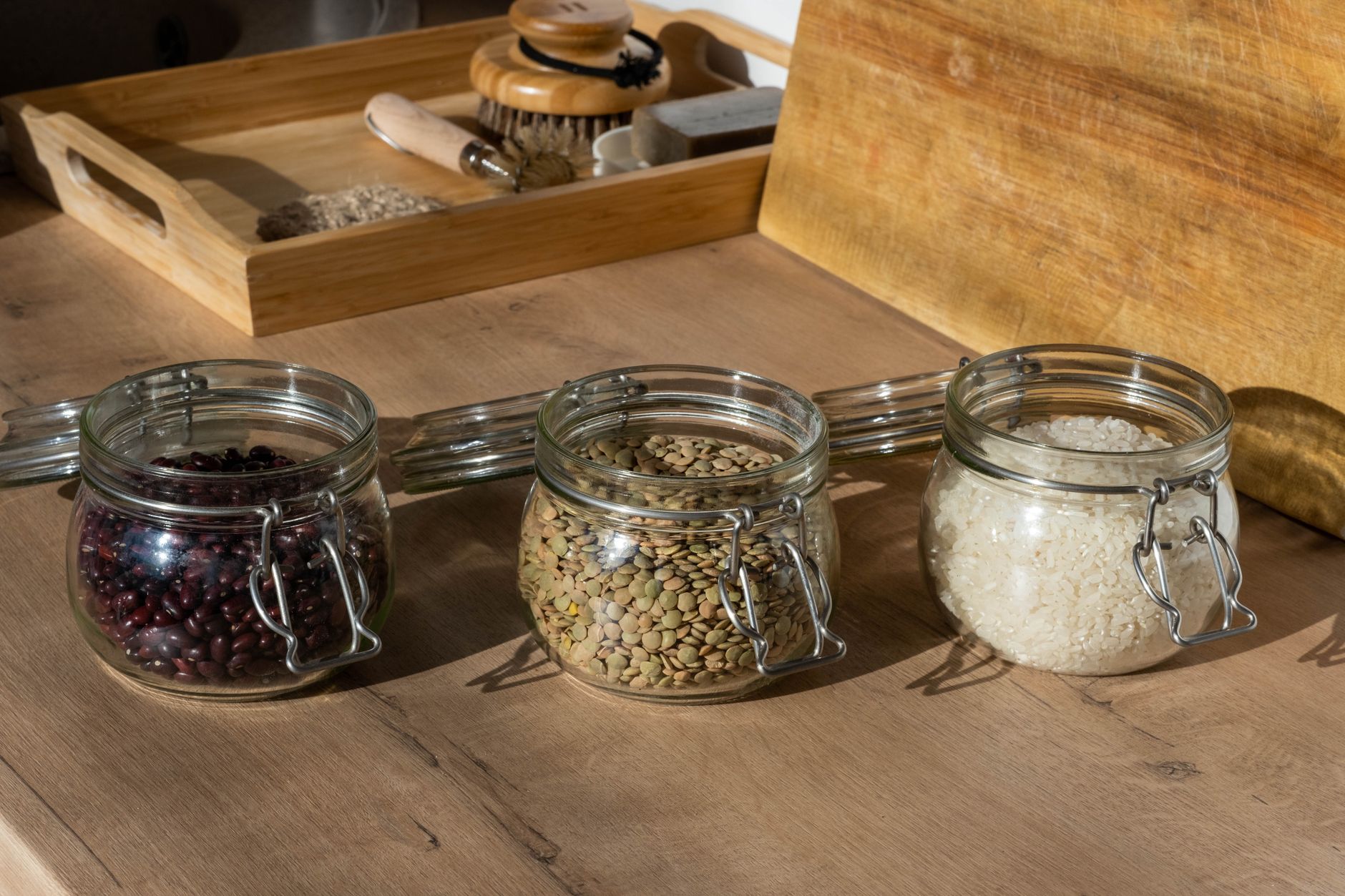
- Buy in bulk (but store properly): Gluten-free grains (like quinoa or rice), nuts (if tolerated), and frozen veggies are cheaper in bulk. Store grains in airtight containers to prevent spoilage.
- Choose frozen or canned (no salt added): Frozen bananas, berries, and spinach are just as nutritious as fresh and often cheaper. Look for canned beans or tomatoes in water (no added salt or sugar).
- Opt for store brands: Generic gluten-free pasta, oats, and bread are just as safe as name brands but cost less. Check labels for hidden gluten or dairy.
- Meal prep like a pro: Cook large batches of grains (rice, quinoa) and proteins (chicken, turkey) on weekends. Divide into single-serving containers for easy grab-and-go meals.
- Use coupons and discount apps: Apps like Ibotta or Fetch Rewards offer cashback on gluten-free or organic products. Check your grocery store’s app for weekly sales.
- Avoid pre-cut or pre-packaged foods: These are often more expensive and may contain hidden additives. Buy whole foods and prep yourself.
- Grow your own (if possible): Even a small herb garden (basil, parsley) or a windowsill herb garden can save money and reduce sensory overload from store-bought spices.
Budget-friendly Aspergers diet staples:
- Rice (white or brown) – $1.50/lb
- Gluten-free oats – $3–$4 for a large canister
- Frozen mixed vegetables – $2–$3 per bag
- Eggs – $2–$3 per dozen
- Canned chickpeas – $1–$2 per can
- Peanut butter (natural, no added sugar) – $3–$4 per jar
- Bananas or apples – $0.50–$1 each
- Olive oil – $8–$10 for a large bottle
**Pro tip**: Visit ethnic grocery stores for affordable gluten-free grains (like millet or sorghum) and dairy-free milks (like coconut milk). These stores often have lower prices than mainstream supermarkets.
**For parents**: If budget is a concern, start with one new food per week. Use leftovers creatively—turn roasted chicken into soup, mash steamed veggies into sauces, or blend smoothies with frozen fruit.
--- ## Aspergers diet meal plan for adults with sensory processing disorderHere’s a 7-day meal plan designed for adults with sensory processing disorder. Each meal is simple, gluten-free, dairy-free, and free of strong flavors or textures. Adjust portions based on your energy needs.
| Day | Breakfast | Lunch | Dinner | Snacks |
|---|---|---|---|---|
| Day 1 | Gluten-free toast with almond butter and banana slices | Quinoa bowl with steamed carrots and roasted chicken | Baked salmon with mashed sweet potatoes | Rice cakes with peanut butter, steamed apple slices |
| Day 2 | Scrambled eggs with avocado and olive oil | Turkey lettuce wraps with shredded chicken and cucumber | Lentil soup with gluten-free bread | Roasted chickpeas, banana "nice cream" |
| Day 3 | Chia pudding with coconut milk and blueberries | Chickpea salad (mashed chickpeas, olive oil, lemon) on gluten-free crackers | Baked chicken with roasted zucchini and rice | Apple slices with sunflower seed butter, carrot sticks |
| Day 4 | Gluten-free pancakes with almond milk and honey | Quinoa salad with steamed broccoli and olive oil | Turkey meatballs with mashed potatoes (dairy-free) | Roasted seaweed snacks, steamed pear slices |
| Day 5 | Smoothie (spinach, banana, coconut milk, flaxseeds) | Lentil stew with gluten-free bread | Baked cod with roasted carrots and quinoa | Rice cakes with almond butter, cucumber slices |
| Day 6 | Avocado toast (gluten-free bread) with olive oil | Chicken and rice bowl with steamed green beans | Stuffed bell peppers (ground turkey, rice, tomatoes) | Chia pudding, roasted pumpkin seeds |
| Day 7 | Scrambled eggs with sautéed spinach and olive oil | Quinoa salad with roasted sweet potatoes and olive oil | Baked salmon with mashed cauliflower | Banana "nice cream," roasted chickpeas |
**Snack ideas for busy parents**:
- Hard-boiled eggs
- Gluten-free crackers with hummus
- Steamed edamame (shells removed)
- Fresh fruit (bananas, apples, berries


