

Quick take: An anti-inflammatory diet during pregnancy can ease morning sickness, reduce swelling, and support postpartum recovery—but it requires extra care. Focus on nutrient-dense foods like fatty fish, leafy greens, and berries while avoiding processed foods, refined sugars, and excessive caffeine. Always check with your provider before making major dietary changes, especially if you have gestational diabetes, IBS, or food aversions. Below is a 7-day meal plan tailored for pregnant women, with adjustments for common pregnancy challenges like bloating, fatigue, and aversions.Anti-Inflammatory Diet Meal Plan 7 Day: The Complete 2026 Guide for Pregnant Women

It was 6:30 a.m. on a Tuesday, and I was staring at my empty stomach with a sinking feeling. My morning sickness had flared up again—this time with a vengeance—and the thought of toast or even crackers made my stomach revolt. I fumbled through my mental list of "safe" foods, but nothing felt right. Then I remembered the anti-inflammatory diet my provider had mentioned during my last appointment. Maybe this wasn’t just about reducing inflammation; maybe it could help with the nausea too.
Fast-forward a few weeks, and I’ve learned that an anti-inflammatory diet isn’t just a trendy buzzword—it’s a practical tool for pregnancy. It can help manage swelling, ease heartburn, and even support postpartum recovery. But with food aversions, gestational diabetes, or IBS throwing curveballs, it’s not as simple as grabbing a salad. That’s why I’ve created this 7-day anti-inflammatory meal plan for pregnant women, designed to address common pregnancy challenges while keeping meals simple, satisfying, and safe.
This plan prioritizes whole, nutrient-dense foods like fatty fish, leafy greens, berries, and healthy fats while avoiding processed foods, refined sugars, and excessive caffeine—all while being mindful of pregnancy-specific needs. Whether you're dealing with morning sickness, fatigue, or bloating, these meals are built to work for you.
Before we dive in, a quick note: Always consult your healthcare provider before making significant dietary changes during pregnancy, especially if you have gestational diabetes, IBS, or other conditions. What works for one woman may not work for another, and your provider can tailor this plan to your unique needs. This meal plan is a starting point, not a one-size-fits-all solution.
--- ## What foods to eat and avoid on an anti-inflammatory diet during pregnancyWhen you’re pregnant, your body is already working overtime—so why not give it the best fuel possible? An anti-inflammatory diet focuses on foods that reduce chronic inflammation, which can help ease pregnancy discomforts like swelling, heartburn, and even acne. But with pregnancy comes extra caution. Not all anti-inflammatory foods are safe in equal amounts, and some foods you might normally avoid for inflammation could be problematic during pregnancy.
Here’s a breakdown of what to prioritize—and what to limit or avoid—while keeping your baby’s needs in mind.
### Foods to Eat: Your Anti-Inflammatory Pregnancy Pantry Think of these as your "go-to" foods for reducing inflammation while supporting your growing baby: - **Fatty fish (wild-caught salmon, sardines, mackerel):** Rich in omega-3s, which fight inflammation and support your baby’s brain development. Aim for 2–3 servings per week, but avoid high-mercury fish like shark or swordfish. - **Leafy greens (spinach, kale, Swiss chard):** Packed with fiber, vitamins A and C, and antioxidants. Great for reducing swelling and supporting your immune system. - **Berries (blueberries, strawberries, raspberries):** High in antioxidants and fiber, which help combat inflammation and keep blood sugar stable—especially important if you’re managing gestational diabetes. - **Healthy fats (avocados, olive oil, nuts, seeds):** These support brain health for both you and your baby while keeping you full and satisfied. - **Turmeric and ginger:** Both have powerful anti-inflammatory properties. Ginger can also help with nausea—perfect for morning sickness! - **Bone broth:** Rich in collagen and minerals, it supports gut health and reduces inflammation. Just make sure it’s homemade or from a trusted source to avoid excess sodium. ### Foods to Avoid or Limit: The Inflammation and Pregnancy Red Flags While these foods are generally anti-inflammatory, they may not be ideal during pregnancy due to mercury, caffeine, or other concerns: - **Processed meats (sausages, deli meats):** Linked to higher inflammation and potential risks like listeria. Opt for fresh, unprocessed meats instead. - **Refined sugars and white flour:** Can spike blood sugar and contribute to inflammation. Swap for whole grains like quinoa or oats. - **Excessive caffeine:** More than 200mg per day (about 1–2 cups of coffee) may increase the risk of miscarriage. Stick to herbal teas like chamomile or ginger. - **Alcohol:** Avoid entirely during pregnancy, as it can harm your baby’s development. - **Fried or fast foods:** High in inflammatory oils and unhealthy fats. Opt for baked, grilled, or steamed options instead.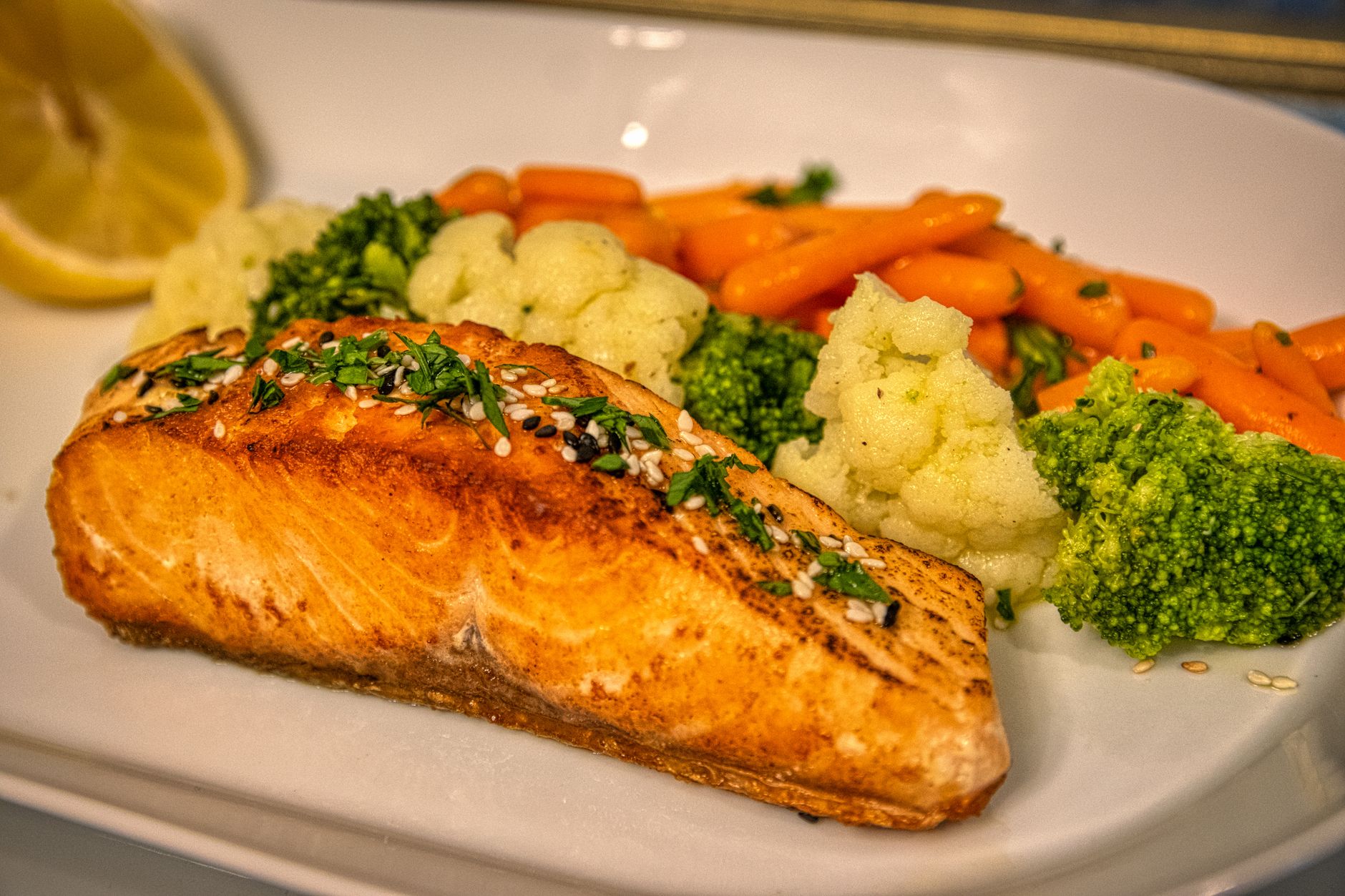
For more on managing food aversions, check out our guide on how an elimination diet can help during pregnancy.
--- ## How to create a 7-day anti-inflammatory meal plan for morning sickness reliefMorning sickness isn’t just a morning thing—it can strike at any hour, and when it does, even the thought of food can feel overwhelming. The good news? An anti-inflammatory diet can help stabilize your blood sugar, reduce nausea, and keep you energized. The key is to focus on small, frequent meals that are easy to digest and packed with anti-inflammatory nutrients.
Here’s how to structure your days:
### The Morning Sickness Survival Kit - **Start your day with ginger tea or ginger shots.** Ginger has been shown to reduce nausea in pregnant women. Try sipping a warm cup of ginger tea in the morning or adding fresh ginger to your water. - **Opt for bland but nutrient-dense foods.** Think toast with avocado, banana, or a smoothie with spinach, banana, and almond butter. - **Avoid strong smells.** If the scent of coffee or spices triggers nausea, stick to plain herbal teas or diluted fruit juices. ### Sample Anti-Inflammatory Meals for Morning Sickness Relief - **Breakfast:** Smoothie with spinach, banana, almond butter, and flaxseeds (rich in omega-3s). - **Snack:** Crackers with hummus or a small apple with peanut butter. - **Lunch:** Grilled chicken salad with mixed greens, avocado, and olive oil dressing. - **Snack:** Ginger tea with a handful of almonds. - **Dinner:** Baked salmon with roasted sweet potatoes and steamed broccoli.If you’re struggling to keep anything down, don’t worry—focus on what you can tolerate. Even small sips of coconut water or herbal teas count as hydration and nutrition.
--- ## Best anti-inflammatory snacks for gestational diabetes managementGestational diabetes means your body isn’t processing sugar as efficiently as it should, and that can make snacking a minefield. The goal? Keep your blood sugar stable while still enjoying flavorful, anti-inflammatory snacks. The key is balancing protein, fiber, and healthy fats to slow digestion and prevent spikes.
Here are some of the best anti-inflammatory snacks for gestational diabetes:
### Top Anti-Inflammatory Snacks | Snack | Why It Works | Serving Size | |----------------------|---------------------------------------|-----------------------| | Almonds | Healthy fats and fiber stabilize blood sugar | 1 oz (about 23 almonds) | | Greek yogurt | Protein and probiotics support gut health | ½ cup plain, unsweetened | | Avocado slices | Monounsaturated fats reduce inflammation | ½ medium avocado | | Hummus with veggies | Fiber and plant-based protein | ¼ cup hummus + carrot sticks | | Chia pudding | Omega-3s and fiber slow sugar absorption | 2 tbsp chia seeds + almond milk | | Hard-boiled eggs | Protein keeps you full and stable | 1 egg | ### What to Avoid - Sugary granola bars or fruit snacks (even if they’re "natural"). - White bread or crackers (they spike blood sugar quickly). - Processed deli meats (high in sodium and preservatives).For more ideas, check out our 7-Day GAPS Diet Meal Plan, which focuses on gut-healing foods that can also support blood sugar balance.
--- ## Anti-inflammatory breakfast ideas for reducing pregnancy swellingSwelling during pregnancy is common, but an anti-inflammatory breakfast can help reduce water retention and bloating. The goal is to focus on foods rich in potassium (like bananas and spinach), magnesium (nuts and seeds), and omega-3s (fatty fish and flaxseeds), which all help flush excess sodium and reduce inflammation.
### Top Breakfasts to Fight Swelling - **Spinach and feta omelet:** Whip up an omelet with spinach, feta, and a sprinkle of turmeric for anti-inflammatory benefits. - **Chia pudding with berries:** Mix chia seeds with almond milk, top with blueberries, and let it sit overnight. The omega-3s in chia seeds help reduce swelling. - **Avocado toast on whole-grain bread:** Mash avocado on whole-grain toast and top with a sprinkle of sea salt and pepper. - **Greek yogurt parfait:** Layer Greek yogurt with granola (made from oats and nuts) and sliced strawberries. - **Smoked salmon and cream cheese on whole-grain crackers:** The omega-3s in salmon help combat inflammation, while the cream cheese adds a touch of creaminess.For more anti-inflammatory breakfast ideas, check out our AIP meal plan sample day—many of those meals are pregnancy-friendly too!
--- ## Sample anti-inflammatory dinner recipes for postpartum recoveryPostpartum recovery is all about nourishing your body as it heals—both inside and out. An anti-inflammatory diet can help reduce pain, support milk supply (if breastfeeding), and boost energy levels. Focus on foods rich in protein, iron, and healthy fats to help your body rebuild.
### Easy and Nourishing Postpartum Dinners - **Lentil and vegetable stew:** Lentils are packed with iron and fiber, while vegetables like carrots and spinach add vitamins and antioxidants. Serve with a side of whole-grain bread. - **Baked chicken with roasted sweet potatoes and green beans:** Chicken provides protein for healing, while sweet potatoes are rich in vitamin A and fiber. - **Salmon with quinoa and asparagus:** Salmon is high in omega-3s, which reduce inflammation, and quinoa provides a complete protein. - **Turmeric chicken soup:** A warm, comforting soup with bone broth, chicken, turmeric, and ginger—perfect for soothing a tired body. - **Stuffed bell peppers with black beans and brown rice:** Black beans provide fiber and plant-based protein, while brown rice adds complex carbs for energy.If you’re breastfeeding, make sure to include foods rich in omega-3s (like salmon and flaxseeds) and choline (found in eggs and liver), which support brain development in your baby.
--- ## How to adjust an anti-inflammatory diet for food aversions in early pregnancyFood aversions are one of the most frustrating (and mysterious) parts of early pregnancy. One day you love the smell of coffee, the next you can’t stand it. The key is to find nutrient-dense alternatives that don’t trigger your nausea or aversions. Here’s how to adapt your anti-inflammatory diet when food aversions strike:
### Strategies for Food Aversions 1. **Focus on texture and temperature:** If you can’t stand hot food, opt for cold or room-temperature meals like salads, smoothies, or yogurt parfaits. 2. **Blend it:** If you’re avoiding raw vegetables, try blending them into soups or smoothies. 3. **Prioritize hydration:** Sip on herbal teas, coconut water, or infused water (like cucumber-mint) to stay hydrated without relying on aversive foods. 4. **Keep it simple:** Stick to bland but nutrient-dense foods like bananas, toast, or crackers if your stomach is sensitive. 5. **Experiment with flavors:** If you’re avoiding spicy foods, try adding herbs like basil or mint instead. ### Sample Adjustments - **Aversion to fish?** Swap salmon for flaxseeds or walnuts for omega-3s. - **Aversion to dairy?** Use almond milk or coconut yogurt instead of regular yogurt. - **Aversion to eggs?** Opt for tofu or chickpeas as a protein source. - **Aversion to meat?** Try lentils, beans, or tempeh for plant-based protein.If food aversions are severely limiting your nutrition, consider working with a dietitian who specializes in pregnancy nutrition. They can help you find creative ways to meet your needs.
--- ## Anti-inflammatory diet meal plan 7 day for pregnant women with IBSPregnancy and IBS can be a challenging combo—hormonal changes slow digestion, and inflammation can worsen symptoms. The good news? An anti-inflammatory diet can help ease IBS symptoms while supporting your baby’s health. The key is focusing on low-FODMAP foods (when possible) and prioritizing soluble fiber to soothe your digestive tract.
### IBS-Friendly Anti-Inflammatory Meals - **Breakfast:** Oatmeal with almond butter and banana (soluble fiber helps digestion). - **Snack:** Rice cakes with hummus (low-FODMAP and easy to digest). - **Lunch:** Grilled chicken with quinoa and steamed carrots (protein and fiber for stability). - **Snack:** Coconut water (hydration without irritation). - **Dinner:** Baked cod with mashed sweet potatoes and sautéed spinach (gentle on the stomach). ### Foods to Avoid with IBS - High-FODMAP foods like onions, garlic, apples, and certain beans. - Spicy foods or excessive caffeine, which can irritate the digestive tract. - Processed foods, which are hard to digest and can worsen inflammation.For more on managing IBS during pregnancy, check out our carnivore diet guide—while it’s not ideal for everyone, the simplicity of protein-focused meals can be helpful for some IBS sufferers.
--- ## Easy anti-inflammatory lunch ideas for pregnancy fatigue reductionPregnancy fatigue is real—and an anti-inflammatory lunch can help boost your energy without a crash. Focus on meals rich in iron (for oxygen transport), magnesium (for muscle relaxation), and B vitamins (for energy). The goal is to avoid blood sugar spikes that leave you crashing later.
### Energy-Boosting Lunch Ideas - **Quinoa salad with chickpeas and avocado:** Quinoa provides complete protein, chickpeas add fiber, and avocado gives healthy fats. - **Turmeric chicken wrap:** Whole-grain wrap with grilled chicken, spinach, and a drizzle of olive oil. - **Lentil soup with a side of whole-grain bread:** Lentils are iron-rich and filling, while whole grains provide sustained energy. - **Smoked salmon and cream cheese on whole-grain crackers:** The omega-3s in salmon help reduce inflammation, while the cream cheese adds creaminess. - **Buddha bowl with roasted sweet potatoes, black beans, and avocado:** Sweet potatoes provide vitamin A, black beans add protein, and avocado keeps you full.For more energy-boosting ideas, check out our carnivore diet sample day—while it’s not ideal for everyone, the high-protein focus can help stabilize energy levels.
--- ## Vegan anti-inflammatory meal plan 7 day for pregnant womenFollowing a vegan diet during pregnancy is totally doable—especially with an anti-inflammatory focus. The key is ensuring you’re getting enough protein, iron, calcium, and omega-3s (from flaxseeds or algae-based supplements). Here’s how to structure a vegan anti-inflammatory meal plan that meets your nutritional needs.
### Vegan Anti-Inflammatory Meal Plan Highlights - **Breakfast:** Tofu scramble with spinach, turmeric, and whole-grain toast. - **Snack:** Hummus with cucumber and carrot sticks. - **Lunch:** Lentil and quinoa bowl with roasted vegetables and tahini dressing. - **Snack:** Chia pudding with almond milk and berries. - **Dinner:** Stuffed bell peppers with black beans, brown rice, and avocado. ### Key Nutrients to Focus On - **Protein:** Lentils, chickpeas, tofu, tempeh, and quinoa. - **Iron:** Spinach, lentils, and fortified cereals. - **Omega-3s:** Flaxseeds, chia seeds, and algae-based supplements. - **Calcium:** Fortified plant milks, tofu, and leafy greens.Always consult your provider to ensure you’re meeting all your nutritional needs, especially if you’re vegan or vegetarian.
--- ## Anti-inflammatory diet for pregnancy bloating and heartburn reliefBloating and heartburn are two of the most annoying pregnancy discomforts—and an anti-inflammatory diet can help. The key is avoiding foods that relax the lower esophageal sphincter (like citrus and spicy foods) and focusing on foods that reduce gas and acid reflux.
### Foods to Help with Bloating and Heartburn - **Ginger tea:** Sips of ginger tea throughout the day can help settle your stomach. - **Bananas:** High in potassium and low in acidity, bananas help reduce bloating. - **Oatmeal:** Soluble fiber in oats helps soothe digestion. - **Almonds:** A handful of almonds can help neutralize stomach acid. - **Melon:** Watermelon and cantaloupe are hydrating and low in acid. ### Foods to Avoid - Citrus fruits (oranges, lemons, grapefruit). - Spicy foods (chili peppers, hot sauce). - Fried or fatty foods (they relax the esophageal sphincter). - Carbonated drinks (they can cause bloating). --- ## How to meal prep an anti-inflammatory diet for pregnancy on a tight scheduleMeal prepping during pregnancy can feel overwhelming—especially when you’re juggling morning sickness, fatigue, and a growing belly. The good news? You can prep anti-inflammatory meals in batches and store them for easy grab-and-go options. Here’s how:
### Meal Prep Tips 1. **Cook grains in bulk:** Quinoa, brown rice, and farro keep well in the fridge for up to 5 days. 2. **Roast vegetables ahead:** Toss sweet potatoes, carrots, and Brussels sprouts with olive oil and roast them for easy sides. 3. **Pre-chop proteins:** Grill or bake chicken, salmon, or tofu in advance and store in portions. 4. **Make smoothie packs:** Freeze berries and spinach in bags for quick smoothies. 5. **Keep snacks handy:** Portion out nuts, hummus, and veggies in containers for easy access. ### Sample Meal Prep Plan - **Sunday:** Cook quinoa, roast vegetables, and bake chicken. - **Monday:** Assemble salads or bowls with prepped ingredients. - **Tuesday:** Freeze leftovers for later in the week. - **Wednesday:** Prep smoothie packs and snack portions.If you’re short on time, even prepping one component (like grains or proteins) can make a big difference.
--- ## Anti-inflammatory diet meal plan 7 day for high blood pressure in pregnancyHigh blood pressure during pregnancy (gestational hypertension) requires extra care, but an anti-inflammatory diet can help support healthy blood pressure levels. Focus on foods rich in potassium (to balance sodium), magnesium (to relax blood vessels), and fiber (to support heart health).
### Blood Pressure-Friendly Foods - **Bananas:** High in potassium, which helps regulate blood pressure. - **Spinach:** Rich in magnesium and nitrates, which support healthy blood pressure. - **Salmon:** Omega-3s help reduce inflammation and improve circulation. - **Oats:** Soluble fiber helps lower cholesterol and supports heart health. - **Berries:** Antioxidants help reduce oxidative stress on blood vessels. ### Foods to Limit - Processed foods (high in sodium). - Excessive caffeine (can raise blood pressure). - Fried or fatty foods (can contribute to inflammation). --- ## Myth vs. Fact: Anti-Inflammatory Diet During PregnancyMisinformation about anti-inflammatory diets during pregnancy can be confusing. Here’s the truth behind some common myths:
### Myth: "You should avoid all fats during pregnancy." **Fact:** Healthy fats—like those in avocados, nuts, seeds, and fatty fish—are essential for your baby’s brain development and help reduce inflammation. Just avoid trans fats and excessive saturated fats. ### Myth: "An anti-inflammatory diet will automatically reduce pregnancy weight gain." **Fact:** While an anti-inflammatory diet supports overall health, weight gain during pregnancy is necessary for your baby’s development. Focus on nutrient-dense foods rather than restrictive calorie counting. ### Myth: "You can’t eat dairy if you have an anti-inflammatory diet." **Fact:** Full-fat dairy (like Greek yogurt and cheese) can be part of an anti-inflammatory diet, but if you’re lactose intolerant or sensitive, opt for fermented dairy (like kefir) or plant-based alternatives. ### Myth: "An anti-inflammatory diet is just another fad diet." **Fact:** An anti-inflammatory diet is backed by science and focuses on whole, nutrient-dense foods that support both you and your baby’s health. It’s not a quick fix but a sustainable way to eat. --- ## Key Takeaways: Anti-Inflammatory Diet for PregnancyHere’s what you need to remember when following an anti-inflammatory diet during pregnancy:
- Prioritize nutrient-dense foods: Focus on fatty fish, leafy greens, berries, and healthy fats to reduce inflammation and support your baby’s growth.
- Adjust for pregnancy-specific needs: Avoid high-mercury fish, excessive caffeine, and alcohol. Work with your provider to tailor the diet to your unique situation.
- Listen to your body: If you have food aversions or digestive issues, don’t force foods—find nutrient-dense alternatives.
- Meal prep for convenience: Batch-cooking grains, proteins, and veggies can save time and reduce stress.
- Stay hydrated: Herbal teas, coconut water, and infused water help with hydration without triggering nausea.
- Consult your provider: Always check with your healthcare team before making significant dietary changes, especially if you have gestational diabetes, IBS, or other conditions.
While an anti-inflammatory diet is generally safe and beneficial during pregnancy, there are times when you should reach out to your healthcare provider:
- If you experience severe nausea or vomiting that prevents you from keeping any food down. This could indicate hyperemesis gravidarum, a condition that requires medical attention.
- If you develop gestational diabetes or high blood pressure. Your provider may need to adjust your diet to manage these conditions safely.
- If you have severe food aversions or allergies that make it difficult to meet your nutritional needs. A dietitian can help you find alternative foods.
- If you experience persistent bloating, heartburn, or digestive issues that don’t improve with dietary changes. These could signal other underlying conditions.
- If you’re considering a vegan or vegetarian diet. Your provider can ensure you’re meeting all your nutritional requirements.
For most concerns, your OB/GYN or midwife is your first point of contact. If you’re dealing with digestive issues, a gastroenterologist or dietitian specializing in pregnancy nutrition may also be helpful.
--- ## References- The American College of Obstetricians and Gynecologists (ACOG). Nutrition During Pregnancy. 2023.
- Harvard T.H. Chan School of Public Health. Anti-Inflammatory Diet: What Is It and What Foods Should You Eat?. 2022.
- Mayo Clinic. Pregnancy and Nutrition: Foods to Eat and Avoid. 2023.
- National Institutes of Health (NIH). Dietary Approaches to Stop Hypertension (DASH) Diet During Pregnancy. 2021.
- The Menopause Society (NAMS). Inflammation and Pregnancy: What You Need to Know. 2022.
- American Heart Association (AHA). Heart-Healthy Eating During Pregnancy. 2023.
- Academy of Nutrition and Dietetics. Gestational Diabetes: Dietary Guidelines. 2022.
- World Health Organization (WHO). Nutrition for Pregnant Women. 2021.


