Your pregnancy grocery list should be a balance of nutrient-dense foods that fight inflammation while meeting your increased nutritional needs. The American College of Obstetricians and Gynecologists (ACOG) emphasizes that pregnant women need extra folate, iron, calcium, and omega-3s—all of which are abundant in anti-inflammatory foods. Below is your core list, organized by category, with pregnancy-specific notes.
Leafy greens (the foundation): Spinach, kale, Swiss chard, and arugula are packed with folate (critical for preventing neural tube defects) and antioxidants like vitamin C and quercetin. Aim for 2–3 cups daily—frozen greens work just as well and save money.
Fatty fish (the omega-3 powerhouse): Wild-caught salmon, sardines, and mackerel are rich in DHA, which supports your baby’s brain development. The FDA recommends limiting fish to 2–3 servings per week due to mercury concerns, but these low-mercury options are safe. If you’re vegetarian or avoid fish, flaxseeds and chia seeds (ground) are excellent plant-based omega-3 sources.
Berries (the antioxidant boost): Blueberries, strawberries, and raspberries are loaded with vitamin C and polyphenols, which reduce oxidative stress. Frozen berries are perfect for smoothies and last all trimester.
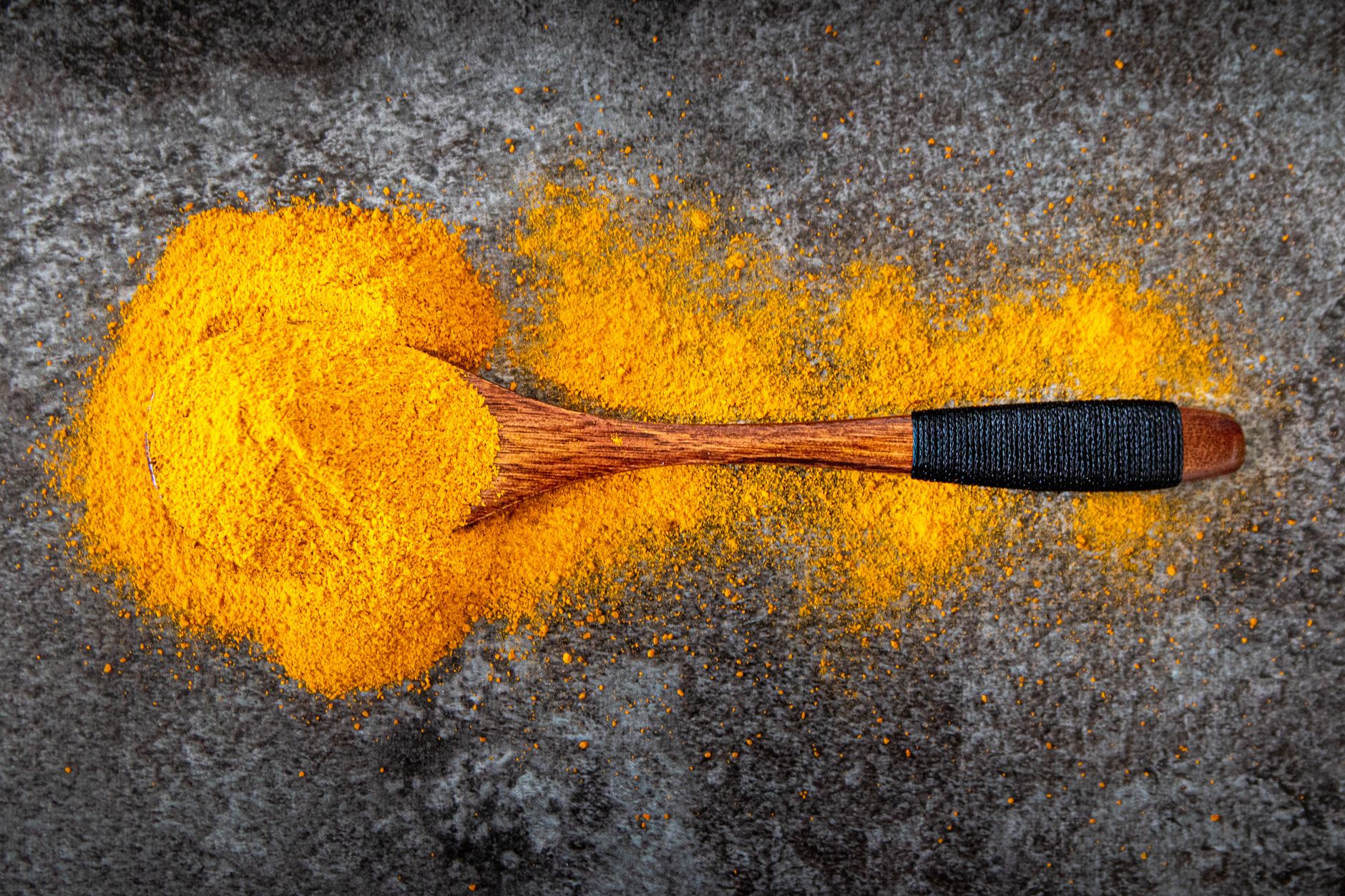
Turmeric and ginger (the spice duo): Both have potent anti-inflammatory properties. Turmeric contains curcumin, which may help with nausea, while ginger has been shown to reduce morning sickness. Add them to smoothies, teas, or stir-fries.
Healthy fats (the satiety secret): Avocados, olive oil, and nuts (almonds, walnuts) provide essential fats for hormone balance. Walnuts, in particular, are high in omega-3s and may help lower blood pressure—a boon if you’re at risk for pregnancy-induced hypertension.
Fermented foods (the gut health game-changer): Plain yogurt, kefir, sauerkraut, and kimchi support a healthy microbiome, which is linked to lower inflammation. Opt for unsweetened versions to avoid added sugars.
Sweet potatoes and squash (the fiber-rich carbs): These are lower-glycemic alternatives to white potatoes, providing vitamin A (critical for your baby’s vision) and fiber to stabilize blood sugar.
Herbs and spices (the flavor boost): Cinnamon, rosemary, and oregano aren’t just tasty—they’re anti-inflammatory. Sprinkle them on meals to add flavor without salt.
Legumes (the protein and fiber duo): Lentils, chickpeas, and black beans are high in plant-based protein and fiber, which help manage inflammation and keep you full. Canned beans are convenient but opt for low-sodium varieties.
Dark chocolate (the indulgence with benefits): Yes, really! Dark chocolate (70% cocoa or higher) contains flavonoids that reduce inflammation. A small square daily can satisfy cravings while providing antioxidants.
Anti-inflammatory diet grocery list for pregnant women: How to shop for foods that support your first trimester (and beyond)
The first trimester is a critical time for your baby’s development, and your body is working overtime to support it. Inflammation can exacerbate symptoms like fatigue, nausea, and morning sickness, so prioritizing anti-inflammatory foods is especially important now. Here’s how to adapt your shopping list for this stage:
First trimester focus:
- Hydration first: Your body needs more fluids to support amniotic fluid production and circulation. Stock up on coconut water, herbal teas (ginger or peppermint), and infused water (add lemon, cucumber, or mint).
- Easy-to-digest proteins: Eggs, Greek yogurt, and soft tofu are gentle on your stomach but still provide protein. Many women find that cooked eggs (like scrambled or boiled) are easier to tolerate than raw ones.
- Ginger and turmeric: These spices are your allies against nausea. Add fresh ginger to teas or stir it into smoothies. Turmeric pairs well with coconut milk for a soothing golden milk drink.
- Small, frequent meals: Your stomach may feel sensitive, so opt for small, nutrient-dense snacks like hummus with veggie sticks, apple slices with almond butter, or a handful of walnuts.
- Avoid inflammatory triggers: Limit processed foods, sugary snacks, and excessive caffeine, which can worsen inflammation and disrupt sleep.
Many women tell us they felt overwhelmed by the idea of cooking new foods during their first trimester. One reader described it: “I was so tired that cooking felt like a chore, but I knew I needed to eat better. I started with frozen berries and pre-washed greens—no prep, just toss and blend into smoothies. It was a game-changer for my energy levels.”
For a quick first-trimester meal idea, try this turmeric ginger smoothie:
- 1 cup frozen spinach
- ½ cup frozen blueberries
- 1 banana
- 1 tbsp ground flaxseeds
- ½ tsp fresh ginger, grated
- ½ tsp turmeric
- 1 cup coconut water or almond milk
- 1 tbsp almond butter (optional for creaminess)
Blend until smooth and enjoy! This smoothie is packed with folate, antioxidants, and anti-inflammatory spices to support your first trimester.
If you’re managing high blood pressure during pregnancy (gestational hypertension or preeclampsia), an anti-inflammatory diet can help stabilize your blood pressure and reduce strain on your heart. The NHS recommends a diet rich in potassium, magnesium, and omega-3s to support cardiovascular health. Here’s how to adapt your grocery list:
Prioritize these foods:
- Leafy greens: Spinach, kale, and Swiss chard are high in magnesium and potassium, which help regulate blood pressure.
- Bananas and avocados: Both are excellent sources of potassium, which can counteract sodium’s effects on blood pressure.
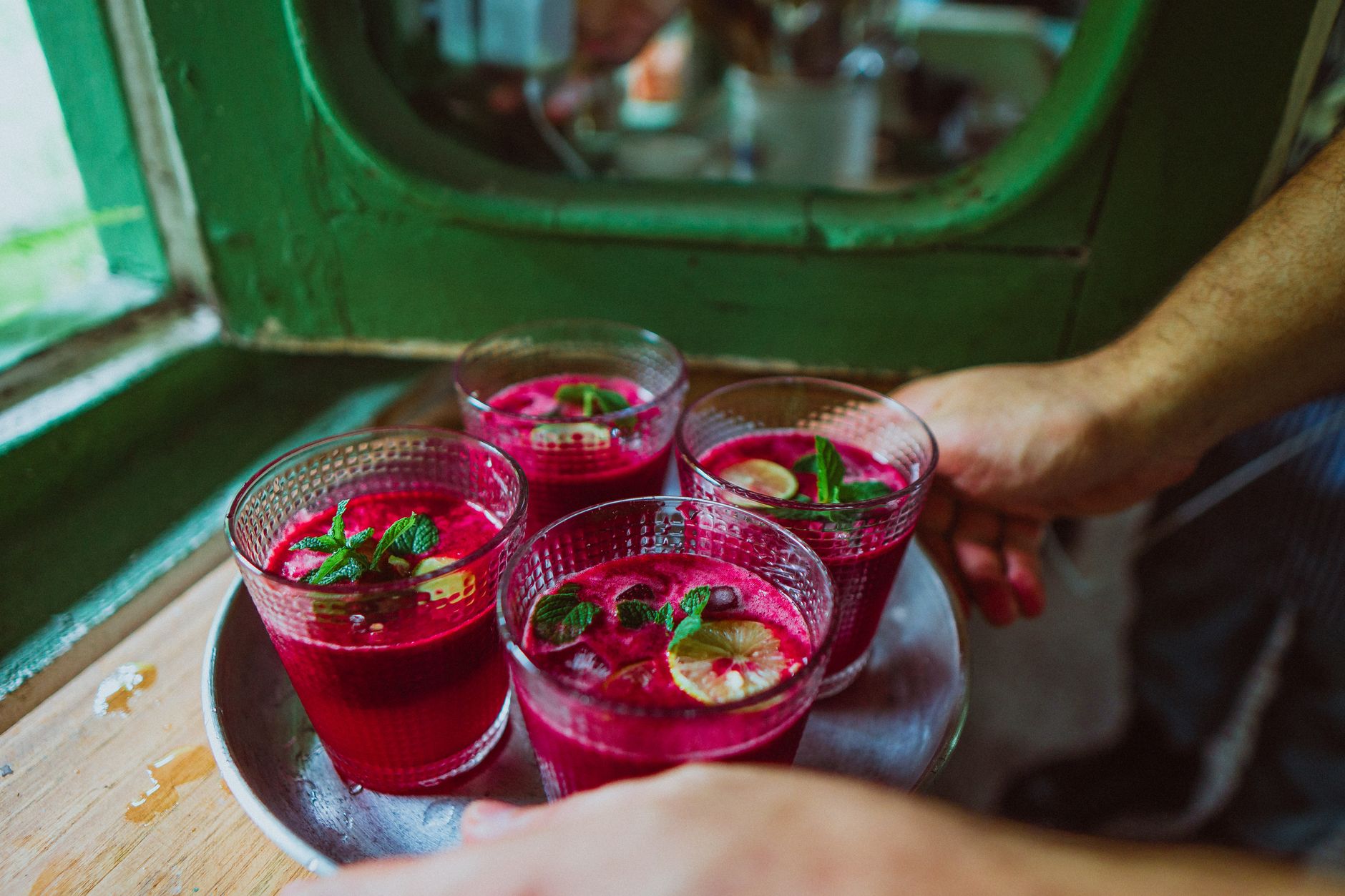
- Beets and beetroot juice: Studies show that beetroot can lower blood pressure by improving nitric oxide levels in the body.
- Oats and quinoa: These whole grains are high in fiber and magnesium, which support heart health.
- Fatty fish: Salmon and sardines provide omega-3s, which reduce inflammation and may lower blood pressure.
- Dark leafy vegetables: Swiss chard and collard greens are rich in nitrates, which help dilate blood vessels.
Avoid or limit these foods:
- Processed meats: Bacon, deli meats, and sausages are high in sodium and nitrates, which can raise blood pressure.
- Salty snacks: Chips, crackers, and pretzels can spike blood pressure due to their high sodium content.
- Excessive caffeine: More than 200mg of caffeine per day (about 1–2 cups of coffee) may contribute to dehydration and elevated blood pressure.
- Refined sugars: Soda, candy, and pastries can cause blood sugar spikes, which may worsen inflammation and blood pressure.
- Alcohol: Alcohol can dehydrate you and interact with medications for blood pressure management.
If you’re unsure whether your blood pressure is stable, consult your OB/GYN before making drastic dietary changes. They may recommend monitoring your blood pressure at home and adjusting your diet accordingly.
Budget-friendly anti-inflammatory grocery list for pregnant moms: How to save money without sacrificing nutrition
Pregnancy can be expensive, and an anti-inflammatory diet might feel like an added cost. But with a few smart strategies, you can eat well without breaking the bank. Here’s how to build a budget-friendly grocery list:
Prioritize seasonal and frozen produce: Seasonal fruits and vegetables are cheaper and often more flavorful. Frozen berries, spinach, and mixed vegetables are just as nutritious as fresh and can be stored for months. Look for sales on frozen produce and stock up when prices drop.
Buy in bulk and freeze: Spices like turmeric, ginger, and cinnamon are inexpensive in bulk and last for years. Buy dried lentils, chickpeas, and quinoa in bulk to save money. Portion them into freezer bags for easy meal prep.
Opt for store brands: Generic or store-brand canned beans, olive oil, and nuts are often just as high quality as name brands but cost less. Check the labels to ensure they meet your nutritional needs.
Cook at home: Eating out is convenient but expensive. Meal prepping at home allows you to control ingredients and avoid hidden sugars or unhealthy fats. Try batch-cooking soups, stews, or grain bowls to save time and money.
Use cheaper protein sources: Instead of buying expensive salmon, opt for canned sardines or mackerel, which are just as nutritious and often cheaper. Eggs, lentils, and chickpeas are also budget-friendly protein sources.
Plan your meals around sales: Check your local grocery store’s weekly flyer and plan meals around discounted items. For example, if bananas are on sale, add them to smoothies or snacks. If chicken is discounted, cook a big batch for salads or stir-fries.
Here’s a budget-friendly anti-inflammatory meal plan for a week:
This plan ensures you’re getting a variety of anti-inflammatory foods while keeping costs low. Don’t forget to adjust portion sizes based on your appetite and energy levels.
Anti-inflammatory foods to avoid during pregnancy: The inflammatory triggers to skip
Just as important as knowing what to eat is knowing what to avoid. Certain foods can spike inflammation, worsen pregnancy symptoms, or even pose risks to your baby. Here’s what to limit or avoid:
Processed sugars: Soda, candy, pastries, and even fruit juices (which lack fiber) can cause blood sugar spikes and inflammation. Opt for whole fruits instead.
Refined carbohydrates: White bread, white rice, and crackers are stripped of fiber and nutrients, leading to energy crashes and inflammation. Choose whole-grain versions whenever possible.
Trans fats and hydrogenated oils: Found in fried foods, margarine, and many packaged snacks, these fats increase inflammation and raise LDL cholesterol. Look for foods labeled “partially hydrogenated” and avoid them.
Excessive caffeine: More than 200mg of caffeine per day (about 1–2 cups of coffee) may contribute to dehydration, anxiety, and even miscarriage risk in some studies. Opt for decaf or herbal teas instead.
Alcohol: Alcohol can cross the placenta and harm your baby’s development. The ACOG recommends avoiding alcohol entirely during pregnancy.
High-mercury fish: Avoid shark, swordfish, king mackerel, and tilefish due to high mercury levels, which can affect your baby’s nervous system. Stick to low-mercury options like salmon, sardines, and trout.
Excessive salt: Too much sodium can lead to water retention and high blood pressure. Avoid processed foods like chips, canned soups, and deli meats, which are often high in sodium.
Artificial additives: Foods with artificial colors, flavors, and preservatives may contribute to inflammation. Choose whole, minimally processed foods whenever possible.
If you’re craving something sweet, satisfy it with dark chocolate (70% cocoa or higher) or a small piece of fruit. Cravings are normal, but opting for nutrient-dense alternatives can help curb inflammation.
Anti-inflammatory supplements for pregnant women: What’s safe and what to skip
While a balanced diet should provide most of the nutrients you need, some pregnant women choose to supplement with anti-inflammatory agents. However, it’s crucial to consult your healthcare provider before starting any supplement, as some can be harmful during pregnancy. Here’s what’s generally considered safe—and what to avoid:
Safe supplements:
- Omega-3s (DHA/EPA): ACOG recommends 200–300mg of DHA per day to support fetal brain development. Look for a high-quality prenatal supplement or algae-based DHA if you’re vegetarian.
- Vitamin D: Many pregnant women are deficient in vitamin D, which is linked to inflammation and immune function. The ACOG recommends 600 IU daily, but some providers prescribe higher doses based on blood tests.
- Magnesium: Magnesium glycinate or citrate may help with muscle cramps and sleep. However, avoid magnesium oxide, which can cause digestive issues.
- Probiotics: A healthy gut microbiome is linked to lower inflammation. Look for a supplement with multiple strains (like Lactobacillus and Bifidobacterium) and at least 10 billion CFU.
- Turmeric (curcumin) or ginger: These spices are generally safe in food amounts, but high-dose supplements may interact with medications or thin blood. Always check with your provider.
Supplements to avoid or use with caution:
- High-dose vitamin A: Too much preformed vitamin A (found in liver and some supplements) can cause birth defects. Stick to the daily value of 3,000 IU.
- Herbal supplements like black cohosh or blue cohosh: These are traditionally used for labor induction and may not be safe during pregnancy.
- St. John’s Wort: This supplement can interact with medications and may not be safe for pregnant women.
- Excessive iron supplements: Unless prescribed by your provider, too much iron can cause constipation and nausea.
If you’re considering supplements, ask your provider for personalized recommendations based on your diet and blood test results. Many nutrients can be obtained through food, so focus on eating a varied, anti-inflammatory diet first.
Anti-inflammatory grocery list for postpartum recovery: Foods to support healing and energy
After giving birth, your body is still healing, and inflammation can linger—especially if you had a C-section or experienced postpartum hemorrhage. An anti-inflammatory diet can help reduce swelling, boost energy, and support lactation if you’re breastfeeding. Here’s how to adapt your grocery list for postpartum recovery:
Prioritize these foods:
- Bone broth: Rich in collagen and amino acids, bone broth supports tissue repair and gut healing. You can find it in the refrigerated section or make your own.
- Leafy greens and cruciferous vegetables: These help detoxify your body and support liver function. Think spinach, kale, broccoli, and Brussels sprouts.
- Healthy fats: Avocados, olive oil, and nuts provide energy and support hormone balance. Fatty fish like salmon also help reduce inflammation.
- Berries and citrus fruits: High in vitamin C, which aids in collagen production and wound healing.
- Fermented foods: Yogurt, kefir, and sauerkraut support gut health, which is crucial after childbirth, especially if you had a C-section or took antibiotics.
- Oats and quinoa: These whole grains provide sustained energy and fiber to help with digestion and bloating.
- Turmeric and ginger: Both have anti-inflammatory properties and may help with postpartum pain and swelling.
Postpartum meal ideas:
- Bone broth soup with spinach and mushrooms: A comforting and healing meal.
- Chickpea and avocado salad with lemon dressing: Packed with fiber and healthy fats.
- Turmeric ginger smoothie with almond butter: Boosts energy and reduces inflammation.
- Baked salmon with roasted sweet potatoes and steamed broccoli: A balanced meal with omega-3s and vitamins.
- Oatmeal with chia seeds, berries, and almond milk: A quick and energizing breakfast.
If you’re breastfeeding, focus on foods that support milk production, such as oats, flaxseeds, and leafy greens. Stay hydrated by drinking plenty of water, herbal teas (like fennel or fenugreek), and bone broth.
Postpartum recovery is a journey, and it’s okay to have days when you don’t feel like cooking. Don’t hesitate to ask for help—whether it’s from a partner, family member, or meal delivery service. Your health and recovery matter.
Anti-inflammatory foods for low inflammation pregnancy: How to maintain balance and energy
If you’ve been diagnosed with a low-inflammatory condition during pregnancy—such as gestational diabetes, autoimmune flare-ups, or chronic fatigue—your anti-inflammatory diet may need extra attention. The goal is to stabilize blood sugar, reduce oxidative stress, and support your body’s healing processes. Here’s how to tailor your diet:
For gestational diabetes:
- Focus on low-glycemic foods like sweet potatoes, berries, and non-starchy vegetables to prevent blood sugar spikes.
- Incorporate fiber-rich foods like lentils, chickpeas, and quinoa to slow digestion and stabilize glucose levels.
- Avoid refined carbs like white bread, pasta, and sugary snacks, which can worsen insulin resistance.
- Include healthy fats like avocados, nuts, and olive oil to improve satiety and reduce cravings.
- Monitor portion sizes and pair carbs with protein or fat to slow absorption.
For autoimmune flare-ups:
- Consider an Autoimmune Protocol (AIP) elimination diet if your provider suspects food sensitivities are contributing to inflammation.
- Prioritize anti-inflammatory spices like turmeric, ginger, and garlic, which may help reduce flare-ups.
- Avoid processed foods and gluten if you suspect they’re triggering symptoms.
- Focus on bone broth and collagen-rich foods to support joint and gut health.
For chronic fatigue:
- Eat small, frequent meals to avoid energy crashes and support stable blood sugar.
- Include iron-rich foods like spinach, lentils, and red meat (if you eat it) to combat fatigue.
- Stay hydrated and include electrolytes like coconut water or herbal teas to prevent dehydration.
- Avoid caffeine and alcohol, which can disrupt sleep and worsen fatigue.
If you’re managing a chronic condition during pregnancy, work closely with your healthcare provider to monitor your symptoms and adjust your diet as needed. Regular blood tests and check-ins can help ensure you’re on the right track.
Anti-inflammatory diet meal plan for pregnancy: A 7-day sample plan to get you started
Need a clear starting point? Below is a 7-day anti-inflammatory meal plan for pregnancy, designed to be simple, nutrient-dense, and budget-friendly. Adjust portions based on your appetite and energy levels.
This meal plan ensures you’re getting a variety of anti-inflammatory foods while meeting your increased nutritional needs. Don’t forget to stay hydrated and listen to your body—pregnancy hunger cues can change daily!
Myth vs. Fact: Common misconceptions about anti-inflammatory diets during pregnancy
There’s a lot of conflicting advice out there about eating during pregnancy. Let’s clear up some common myths:
Myth: “I need to eat for two, so I should double my portions.”
Fact: While it’s true that you need extra calories during pregnancy (about 300–500 more per day in the second and third trimesters), you don’t need to double your portions. Focus on nutrient-dense foods rather than just more food. Your body will naturally signal when you need more calories as your baby grows.
Myth: “All fish is safe during pregnancy.”
Fact: Not all fish are created equal. Some fish, like shark, swordfish, king mackerel, and tilefish, are high in mercury and should be avoided. Stick to low-mercury options like salmon, sardines, and trout, which are rich in omega-3s and safe for pregnancy.
Myth: “An anti-inflammatory diet means I can’t eat dairy.”
Fact: While some people with autoimmune conditions may need to avoid dairy, it’s not a one-size-fits-all rule. If you tolerate dairy well, plain, unsweetened yogurt and cheese can be part of an anti-inflammatory diet. Opt for organic or grass-fed options when possible to reduce hormones and antibiotics.
Myth: “Supplements are always safe during pregnancy.”
Fact: Supplements can be beneficial, but they’re not without risk. Some supplements, like high-dose vitamin A or herbal teas, can be harmful if taken in excess. Always consult your healthcare provider before starting any supplement, and prioritize getting nutrients from food when possible.
Myth: “I can’t eat nuts or seeds during pregnancy because they’re high in fat.”
Fact: Nuts and seeds are actually excellent choices for pregnancy! They’re packed with healthy fats, fiber, and protein, which support fetal development and keep you full. Just be mindful of portion sizes and choose unsalted varieties to avoid excess sodium.
Myth: “An anti-inflammatory diet is too restrictive and hard to stick to.”
Fact: While it requires some planning, an anti-inflammatory diet doesn’t have to be restrictive. Focus on whole, minimally processed foods and find recipes you enjoy. Many foods, like berries, nuts, and leafy greens, are naturally delicious and easy to incorporate into meals.
To summarize, here’s your quick anti-inflammatory pregnancy grocery shopping checklist:
- Stock up on leafy greens like spinach, kale, and Swiss chard for folate and antioxidants.
- Prioritize fatty fish like salmon, sardines, and mackerel for omega-3s (or opt for flaxseeds and chia seeds if you’re vegetarian).
- Include anti-inflammatory spices like turmeric, ginger




