irst-trimester pregnancy is a whirlwind of cravings, aversions, and morning sickness—so adding a new diet can feel overwhelming. The key is gradual shifts, not drastic changes. Start by swapping one acidic food for an alkaline alternative each day. For example:
- Replace soda with sparkling water + lemon.
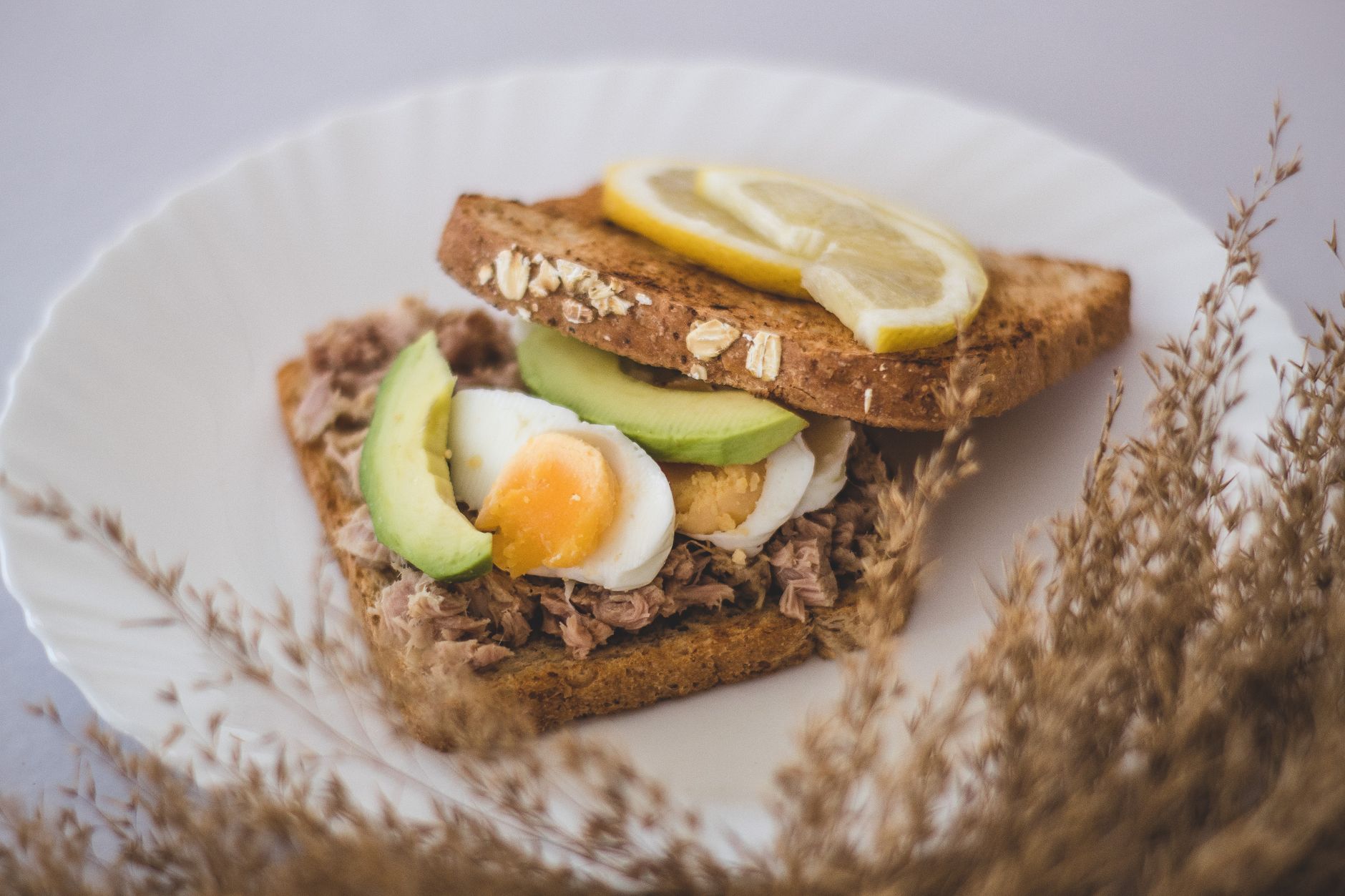
- Swap white bread for whole-grain toast.
- Trade processed snacks for nuts or fresh fruit.
Listen to your body: if you’re struggling with nausea, focus on gentle, easily digestible foods like bananas, toast, or ginger tea. And remember, hydration is critical. Aim for at least 8 cups of water daily—herbal teas like chamomile or peppermint can help soothe an upset stomach.
---
### **Alkaline Swaps for Common First-Trimester Cravings**
| **Acidic Craving** | **Alkaline Alternative** | **Why It Helps** |
|--------------------|--------------------------------|-------------------------------------------------------------------------------------------------------|
| Coffee | Herbal tea (chamomile, peppermint) | Reduces acidity without caffeine jitters. |
| White bread | Whole-grain sourdough | Slower-digesting carbs for steady energy. |
| Sugary cereals | Oatmeal with almond butter | Fiber + healthy fats to curb cravings. |
| Processed snacks | Roasted chickpeas | Plant-based protein and fiber for satiety. |
---
Are there alkaline foods that help reduce morning sickness symptoms?
Morning sickness can turn every meal into a gamble. The good news? Some alkaline foods may help ease nausea by stabilizing blood sugar and reducing stomach acid. Ginger is a standout—it’s naturally alkaline and has been used for centuries to settle an upset stomach. Pair it with:
- Sliced cucumber (hydrating and alkaline).
- Baked sweet potato (gentle carbs).
- Herbal teas like ginger or licorice root.
One reader described her experience: "I was miserable with morning sickness until I started sipping ginger tea and snacking on cucumber slices. It wasn’t a cure, but it made a difference." If you’re sensitive to smells, try cold foods like yogurt (if tolerated) or chilled fruit.
---
How does an alkaline diet affect energy levels in the second trimester?
Second-trimester fatigue is real—and an alkaline diet *might* help. The issue? Many women rely on coffee or sugary snacks to boost energy, which can spike and crash blood sugar. Instead, focus on:
- Complex carbs: Quinoa, sweet potatoes, and brown rice for sustained energy.
- Healthy fats: Avocado, nuts, and seeds to stabilize glucose levels.
- Iron-rich foods: Spinach, lentils, and lean meats to prevent anemia-related fatigue.
For a quick energy boost, try an alkaline smoothie with kale, banana, almond milk, and chia seeds. The fiber and potassium help curb crashes.

---
How to balance an alkaline diet with essential nutrients for fetal development?
Pregnancy requires extra calcium, iron, and folate—so an alkaline diet must include these nutrients. Here’s how:
- Calcium: Leafy greens (kale, bok choy), almonds, and fortified plant milks.
- Iron: Lentils, spinach, and lean meats (or iron-fortified foods).
- Folate: Citrus fruits, avocado, and beans.
If you’re vegetarian, pair iron-rich foods with vitamin C (like bell peppers) to boost absorption. For example, a spinach and strawberry salad can be a powerhouse of nutrients.
---
Best alkaline breakfast ideas for pregnant women to reduce bloating
Bloating is a pregnancy nemesis—but alkaline breakfasts can help. Try:
- Chia pudding with coconut yogurt (fiber + probiotics).
- Avocado toast on whole-grain bread (healthy fats + fiber).
- Green smoothie with ginger and spinach (digestive aid + nutrients).
- Buckwheat pancakes with almond butter (gluten-free and alkaline-friendly).
Skip heavy, greasy foods that slow digestion. Instead, opt for lighter options that are easier on your digestive system.
---
What are the best alkaline snacks for breastfeeding mothers?
Breastfeeding burns calories, and your body needs nutrient-dense snacks to keep up. Alkaline snacks should be:
- High in protein (to support milk production).
- Rich in healthy fats (for energy).
- Easy to digest (to avoid discomfort).
Top picks:
- Almonds + orange slices (vitamin C + magnesium).
- Hummus with veggie sticks (fiber + plant-based protein).
- Dark chocolate-covered strawberries (antioxidants + iron).
- Chia pudding with coconut milk (omega-3s + hydration).
- Avocado slices with sea salt (healthy fats + electrolytes).
Pro tip: Keep snacks cool and portable—breastfeeding moms are always on the go! Consider pre-cutting veggies and storing them in small containers for easy access.
---
How to incorporate alkaline foods into a vegetarian pregnancy diet?
Vegetarian alkaline eating is totally doable—just focus on:
- Plant-based proteins (lentils, tofu, tempeh, quinoa).
- Leafy greens (kale, spinach, Swiss chard).
- Nuts and seeds (almonds, chia, flax).
- Fermented foods (sauerkraut, kimchi) for gut health.
For a complete meal plan, see our vegetarian meal plan for inspiration on balanced vegetarian eating. Don’t forget to include a variety of colorful vegetables to ensure a wide range of nutrients.
---
How does an alkaline diet affect calcium absorption in pregnant women?
An alkaline diet can actually improve calcium absorption because it reduces acidity in the digestive tract, which may help prevent calcium loss in urine. However, you still need to ensure you’re getting enough calcium through foods like leafy greens, almonds, and fortified plant milks.
For example, a smoothie with kale, almond butter, and fortified almond milk can provide a significant amount of calcium in one serving. Pairing calcium-rich foods with vitamin D sources like mushrooms or sunlight exposure can further enhance absorption.
---
Can an alkaline diet reduce leg cramps during pregnancy?
Leg cramps are a pregnancy nightmare—but low magnesium and calcium can worsen them. Alkaline foods rich in these minerals include:
- Bananas (potassium + magnesium).
- Almonds (magnesium).
- Leafy greens (calcium).
- Sweet potatoes (potassium).
Stay hydrated and stretch gently to prevent cramps. Consider soaking your feet in warm water with a few drops of peppermint oil (if approved by your provider) to relax muscles.
---
Alkaline diet meal prep ideas for busy moms with newborns
New mom life = no time. Prep ahead with these alkaline-friendly meal prep tips:
- Batch-cook quinoa or lentils for the week—store in airtight containers for up to 5 days.
- Portion smoothie packs (frozen greens + fruit) in freezer bags for quick blending.
- Keep cut veggies and hummus in the fridge for easy snacking.
- Pre-make alkaline-friendly energy balls with dates, nuts, and cocoa powder.
- Use glass containers for easy reheating—microwaving in glass is safer than plastic.
Try dedicating one afternoon each week to meal prep. Set a timer for 90 minutes and focus on prepping snacks, lunches, and even some dinner components. This way, you’ll have healthy options ready to grab when you’re exhausted and just need to feed yourself.
---
How to adjust an alkaline diet for morning sickness and food aversions?
When nausea hits, stick to:
- Cold foods (yogurt, fruit, cucumber).
- Ginger-infused drinks (ginger tea, ginger ale without caffeine).
- Small, frequent meals (every 2-3 hours).
- Crackers with almond butter.
If you’re avoiding certain foods, swap them for similar alkaline options. For example, if you can’t stand coffee, try herbal teas like chamomile or peppermint. If you’re craving something sweet, opt for dark chocolate or fresh fruit instead of sugary treats.
---
How to manage an alkaline diet during the third trimester for optimal fetal growth?
The third trimester brings new challenges, including increased hunger and potential weight gain. To manage an alkaline diet effectively during this time:
- Focus on nutrient density—prioritize foods high in protein, healthy fats, and complex carbohydrates.
- Incorporate more bone broth into your meals for collagen and minerals.
- Include fermented foods like sauerkraut or kefir to support gut health and digestion.
- Stay hydrated with herbal teas and alkaline water.
Consider working with a prenatal nutritionist to ensure you’re meeting all your nutritional needs. They can help tailor your meal plan to accommodate your increased caloric requirements while maintaining alkaline balance.
---
Alkaline diet vs. Mediterranean diet for pregnancy: which is better?
Both diets are nutrient-rich, but they differ in focus:
| **Aspect** | **Alkaline Diet** | **Mediterranean Diet** |
|-----------------------|----------------------------------------------------------------------------------|--------------------------------------------------------------------------------------|
| **Primary Goal** | Balancing pH | Heart health + longevity |
| **Protein Focus** | Plant-based + lean meats | Fish, olive oil, nuts |
| **Fats** | Healthy fats (avocado, nuts) | Olive oil, fatty fish |
| **Best For** | Acid reflux, bloating | Cardiovascular health, sustainable eating |
| **Flexibility** | More restrictive on acidic foods | More flexible with a wider variety of foods |
For pregnancy, the Mediterranean diet is often recommended by NHS guidelines due to its strong evidence base. However, an alkaline approach *can* complement it by reducing processed foods and focusing on whole, minimally processed ingredients.
---
Alkaline diet for postpartum recovery and weight loss
Postpartum recovery is all about healing—and an alkaline diet *may* support that by reducing inflammation. Focus on:
- Bone broth (collagen for connective tissue).
- Leafy greens (iron and calcium for blood loss recovery).
- Fermented foods (probiotics for gut health).
- Healthy fats (avocado, nuts, seeds) for hormone balance.
For weight loss, avoid crash diets—focus on whole foods and portion control. Pair alkaline meals with gentle movement (like walking) to support metabolism. The French diet offers a great model for balanced, nutrient-rich eating without restriction.
Consider incorporating postpartum-friendly recipes like alkaline smoothie bowls with chia seeds and fresh berries. These can be both nutritious and satisfying while supporting your body's healing process.
---
Sample alkaline lunch and dinner meals for third-trimester energy boost
Third-trimester energy crashes are brutal—but alkaline meals can help. Try these nutrient-dense options:
| **Meal** | **Alkaline-Friendly Option** | **Why It Works** |
|----------------|--------------------------------------------------------------------------------------------|-------------------------------------------------------------------------------------------------------|
| **Lunch** | Grilled chicken salad with quinoa, cucumber, and lemon dressing | Lean protein + hydration for sustained energy. |
| **Dinner** | Baked salmon with roasted Brussels sprouts and mashed cauliflower | Omega-3s + cruciferous veggies for detox support. |
| **Snack** | Sliced apple with almond butter | Fiber + healthy fats to curb cravings. |
| **Lunch** | Lentil and vegetable stir-fry with tofu and sesame seeds | Plant-based protein + fiber for steady energy. |
| **Dinner** | Stuffed bell peppers with turkey and quinoa | Lean protein + complex carbs for balanced nutrition. |
---
Signs of an overly restrictive alkaline diet during pregnancy
An alkaline diet isn’t about deprivation—it’s about balance. Red flags include:
- Skipping meals to "stay alkaline."
- Avoiding all animal proteins (risking protein deficiency).
- Ignoring cravings (especially if you’re feeling fatigued or dizzy).
- Over-relying on supplements without food variety.
- Experiencing hair loss or brittle nails.
If you’re concerned, track your energy levels and nutrient intake. A DASH diet approach—rich in fruits, veggies, and whole grains—can be a great middle ground. Consider consulting a registered dietitian for personalized guidance.
---
Alkaline diet for gestational diabetes: meal timing and portion control
Managing gestational diabetes with an alkaline diet requires careful attention to meal timing and portion control. Focus on:
- Eating smaller, more frequent meals to stabilize blood sugar.
- Incorporating complex carbohydrates with each meal to provide sustained energy.
- Balancing meals with protein and healthy fats to slow digestion.
- Avoiding sugary beverages and opting for herbal teas or alkaline water.
For example, a balanced lunch might include grilled fish with a side of quinoa and steamed vegetables. Pair this with a small, alkaline-friendly dessert like dark chocolate-covered strawberries. Always monitor your blood sugar levels and consult your healthcare provider for personalized recommendations.
---
### **Myth vs. Fact: Alkaline Diet for Pregnancy**
Myth: "An alkaline diet will cure gestational diabetes."
Fact: While alkaline foods may help manage blood sugar, gestational diabetes requires medical monitoring and a personalized meal plan from your provider.
Myth: "You need to avoid all acidic foods during pregnancy."
Fact: Small amounts of acidic foods (like citrus) are fine—just balance them with alkaline options.
Myth: "An alkaline diet is just a fad."
Fact: Some research suggests it may support inflammation and digestion, but individual responses vary.
Myth: "You can replace all meals with alkaline smoothies."
Fact: While smoothies are convenient, they lack the fiber and satiety of whole foods. Aim for a balanced diet with a variety of food groups.
---
### **Key Takeaways**
- An alkaline diet during pregnancy focuses on whole, nutrient-dense foods to balance pH and support maternal health.
- Start with gradual changes—swap one acidic food for an alkaline alternative each day.
- Prioritize hydration, fiber, and healthy fats to combat fatigue and bloating.
- Always consult your provider before making major dietary shifts, especially during pregnancy.
- Listen to your body—if you’re feeling fatigued or dizzy, adjust your intake accordingly.
- Meal prep and portion control can help busy moms stay on track without stress.
- Include a variety of colorful vegetables to ensure a wide range of nutrients.
- Consider working with a prenatal nutritionist to ensure you’re meeting all your nutritional needs.
- Pair alkaline meals with gentle movement to support metabolism and overall well-being.
---
### **Frequently Asked Questions**
Is an alkaline diet safe to follow during pregnancy?
Yes, but with caution. An alkaline diet can support digestion and reduce acid reflux, but it’s important to ensure you’re still getting enough protein, calcium, and iron. Avoid overly restrictive versions that eliminate entire food groups. Always check with your provider before making changes.
What are the best alkaline foods to eat while breastfeeding?
Focus on nutrient-dense, hydrating foods like leafy greens, citrus fruits, nuts, seeds, and lean proteins. Foods like almonds, coconut water, and dark leafy vegetables can help with hydration and energy levels. Pair these with fermented foods (like yogurt) for gut health. Additionally, consider including foods like oatmeal with chia seeds for sustained energy throughout the day.
How does an alkaline diet affect calcium absorption in pregnant women?
An alkaline diet can actually improve calcium absorption because it reduces acidity in the digestive tract, which may help prevent calcium loss in urine. However, you still need to ensure you’re getting enough calcium through foods like leafy greens, almonds, and fortified plant milks. Think of creating a smoothie with kale, almond butter, and fortified almond milk for a calcium-rich snack.
Many women find relief from acid reflux with an alkaline diet, as it reduces stomach acidity. Focus on foods like almonds, cucumber, melons, and leafy greens, while avoiding coffee, soda, and spicy foods. If symptoms persist, speak to your provider. Also, consider eating smaller, more frequent meals to help manage acid reflux symptoms.
What are the risks of an overly alkaline diet during the third trimester?
An overly restrictive alkaline diet could lead to nutrient deficiencies, especially in protein, iron, or calcium. Signs of imbalance include fatigue, dizziness, or frequent infections. If you’re concerned, track your energy levels and nutrient intake or consult a dietitian. Additionally, monitor your weight gain and overall well-being to ensure you are meeting your nutritional needs.
How can I ensure I’m getting enough protein on an alkaline diet while pregnant?
Include plant-based proteins like lentils, tofu, tempeh, quinoa, and nuts. If you eat meat, opt for lean poultry, fish, or eggs. Pair these with alkaline foods like leafy greens to maximize nutrient absorption. For example, a quinoa salad with chickpeas and spinach can provide a balanced meal rich in protein and essential nutrients.
What are some alkaline-friendly desserts for pregnant women?
Desserts can still be part of an alkaline diet! Try options like dark chocolate-covered strawberries, chia pudding with coconut milk, or baked apples with cinnamon. These treats are not only delicious but also packed with nutrients. Just be mindful of portion sizes and balance them with other meals throughout the day.
---
When to see a doctor / specialist
If you experience any of the following, contact your provider immediately:
- Severe nausea or vomiting that prevents eating/drinking.
- Signs of malnutrition (extreme fatigue, dizziness, or weakness).
- Blood in urine or persistent swelling (could indicate preeclampsia).
- Unintentional weight loss or rapid weight gain.
- Severe constipation or digestive issues that persist.
For general pregnancy nutrition questions, your OB/GYN or midwife is your best resource. If you’re concerned about nutrient deficiencies, a registered dietitian can help tailor your diet. Additionally, if you experience persistent symptoms like heartburn, bloating, or fatigue, consulting a specialist can provide personalized advice.
---
References
- American College of Obstetricians and Gynecologists (ACOG) – Nutrition during pregnancy guidelines.
- National Health Service (NHS) – Diet and pregnancy recommendations.
- National Heart, Lung, and Blood Institute (NHLBI) – Dietary approaches to manage gestational diabetes.
- American Thyroid Association (ATA) – Nutritional considerations for pregnancy.
- Harvard T.H. Chan School of Public Health – Alkaline diet research and pregnancy.
- U.S. Food and Drug Administration (FDA) – Dietary guidelines for pregnant women.
- Academy of Nutrition and Dietetics – Guidelines for pregnancy nutrition.