

Quick take: An alkaline diet breakfast during pregnancy can help reduce morning sickness, bloating, acid reflux, and fatigue by focusing on nutrient-dense, low-acid foods like leafy greens, citrus fruits, avocados, nuts, and herbal teas. However, balance is key—prioritize foods rich in calcium, iron, and omega-3s to support both your health and your baby’s development. Always consult your obstetrician before making major dietary changes, especially if you have gestational diabetes or high blood pressure.Alkaline Diet Breakfast Ideas: The Complete 2026 Guide
You’re staring at the fridge at 6:30 AM, your stomach in knots, and the thought of toast or cereal sends you straight back to bed. It’s week three of pregnancy, and the morning sickness is relentless. You’ve heard alkaline foods might help—maybe a smoothie bowl or some avocado toast—but you’re not sure what’s safe, what’s worth the effort, or how to make it work without triggering another wave of nausea. Sound familiar?
You’re not alone. Many pregnant women turn to alkaline diets to ease discomfort, boost energy, and support fetal development, but the confusion around what to eat—and what to avoid—can feel overwhelming. The good news? With the right approach, an alkaline breakfast can be a game-changer for morning sickness, bloating, acid reflux, and even cravings. But it’s not just about tossing together a bowl of greens and calling it a day. You need to balance pH levels, pack in pregnancy-essential nutrients, and make it sustainable for your busy life.
This guide breaks down everything you need to know: the best alkaline breakfast foods for pregnancy, how to structure meals for each trimester, practical meal-prep tips, and even a budget-friendly shopping list. We’ll debunk myths, highlight scientific backing, and give you real, actionable ideas—so you can start your day with confidence, not just a queasy stomach.
--- ## **The Best Alkaline Breakfast Foods for Morning Sickness During Pregnancy**The first trimester is a minefield of nausea, fatigue, and food aversions. When your body is already battling acid reflux and morning sickness, an alkaline breakfast can help neutralize stomach acid and soothe your digestive system. But not all alkaline foods are created equal—some are gentle on your stomach, while others might leave you feeling sluggish or unsatisfied.
Here are the top alkaline breakfast foods that can help ease morning sickness, along with why they matter for you and your baby:
- Leafy greens (spinach, kale, Swiss chard): Packed with folate, iron, and magnesium—critical for preventing neural tube defects and supporting your baby’s brain development. Their high water content also helps with hydration and bloating.
- Citrus fruits (oranges, grapefruit, lemons): Rich in vitamin C and bioflavonoids, which can help reduce nausea and support collagen production for your skin elasticity. Squeeze a little lemon into warm water first thing in the morning to kickstart digestion.
- Avocados: A creamy, healthy fat source that stabilizes blood sugar and keeps you full. They’re also high in folate and potassium, which combat morning sickness and leg cramps.
- Almonds and walnuts: Almonds are alkaline and rich in vitamin E, while walnuts support brain development with omega-3s. A small handful can curb cravings for junk food and provide steady energy.
- Herbal teas (ginger, peppermint, chamomile): Ginger is a natural anti-nausea remedy, while peppermint soothes digestion. Chamomile can help with relaxation and sleep—critical for managing stress during pregnancy.
- Coconut water: Naturally alkaline and hydrating, it replenishes electrolytes lost during vomiting and helps with constipation, a common pregnancy complaint.
- Chia seeds and flaxseeds: These tiny seeds are alkaline, high in fiber, and packed with omega-3s. They help regulate blood sugar and support fetal brain development.
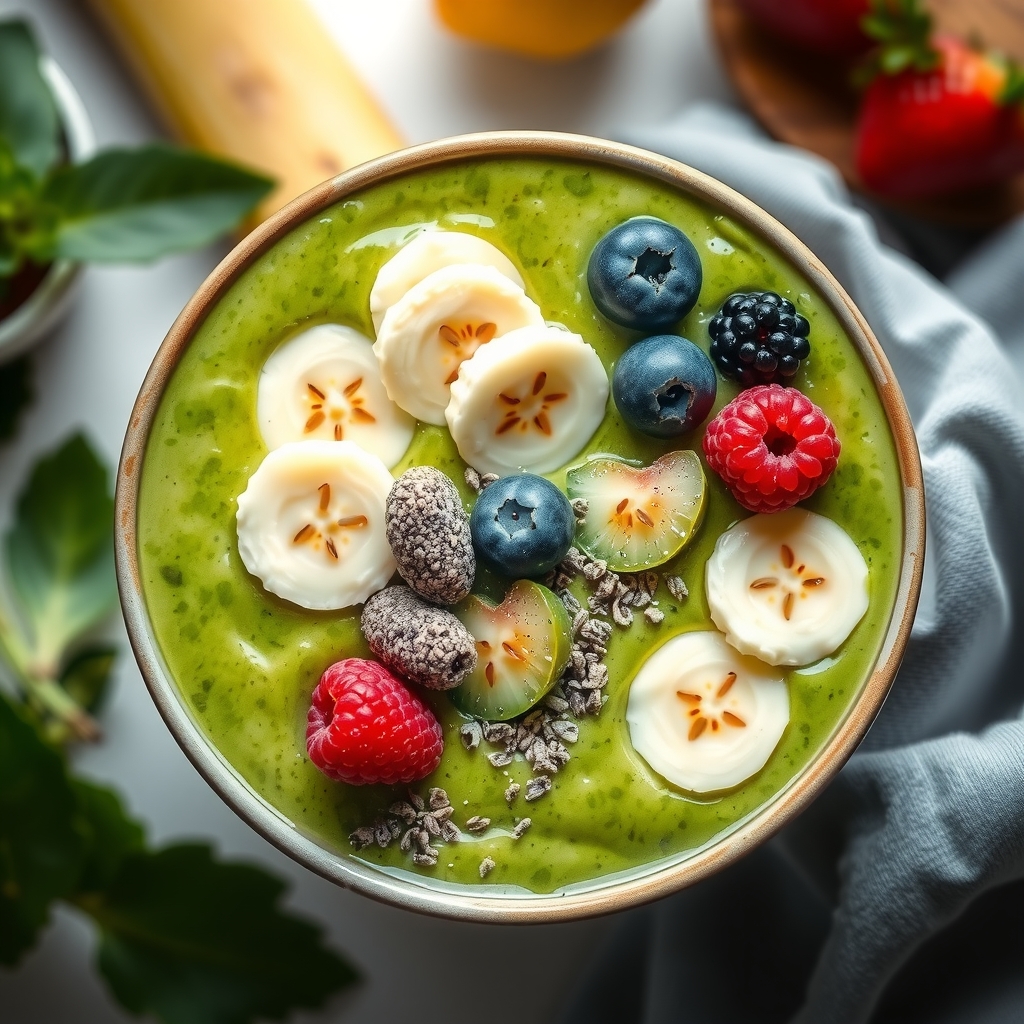
**Pro tip:** If you’re feeling nauseous in the morning, try sipping warm ginger tea or a small glass of coconut water before eating. Cold foods like smoothie bowls or chia puddings can also be easier to tolerate than hot meals.
* *
Here’s the catch: while alkaline foods can help with acid reflux and bloating, they’re not a complete meal on their own. You still need protein, calcium, iron, and omega-3s to support your baby’s growth and your own energy levels. The key is balancing alkaline foods with nutrient-dense, slightly acidic foods that your body needs.
For example:
- Pair leafy greens with a sprinkle of hemp seeds (for protein and omega-3s) or a side of hard-boiled eggs (for choline, which supports brain development).
- Add a small piece of baked salmon or sardines to your breakfast—these are slightly acidic but rich in DHA, critical for your baby’s brain and eyes.
- Include dairy or fortified plant-based milks (like almond or oat milk) for calcium, especially if you’re avoiding meat.
- Top your smoothie with a tablespoon of almond butter for healthy fats and vitamin E.
**Myth:** "Alkaline diets mean cutting out all acidic foods." Fact: You don’t need to eliminate acidic foods entirely. The goal is balance—think of it like a spectrum. Foods like tomatoes, apples, and whole grains are slightly acidic but still nutritious. The key is moderation and pairing them with alkaline foods to neutralize their effects.
*If you’re managing gestational diabetes, focus on low-glycemic alkaline foods like chia pudding with berries and nuts, or avocado toast on whole-grain bread. Avoid sugary fruits like pineapple or mango, which can spike blood sugar.*
--- ## **Alkaline Diet Breakfast Ideas for Gestational Diabetes Management**Gestational diabetes affects about 7% of pregnancies, and diet plays a huge role in managing it. An alkaline diet can help stabilize blood sugar by reducing inflammation and improving insulin sensitivity. However, you’ll still need to monitor carb intake and focus on foods with a low glycemic index (GI).
Here are some **alkaline-friendly, low-GI breakfast ideas** for gestational diabetes:
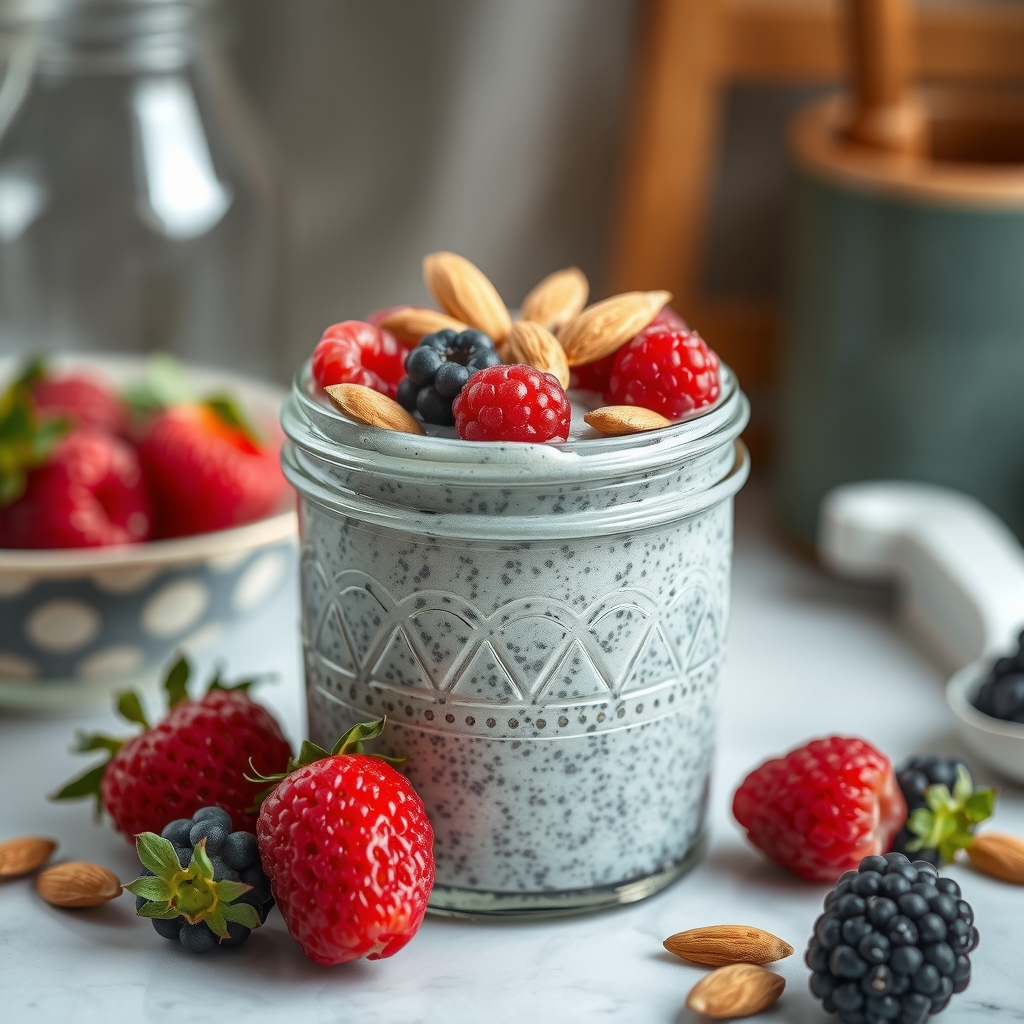
- Chia pudding with almond milk and berries: Chia seeds absorb liquid and slow digestion, keeping blood sugar steady. Pair with raspberries (low GI) and a sprinkle of almonds for crunch.
- Spinach and avocado toast on whole-grain bread: Whole grains have a lower GI than white bread, and avocados provide healthy fats to slow sugar absorption.
- Smoothie with kale, banana (in moderation), almond butter, and flaxseeds: Bananas are slightly acidic but low in GI when paired with fiber and healthy fats. Skip added sugars!
- Scrambled tofu with sautéed greens and whole-grain toast: Tofu is alkaline, high in protein, and low in carbs. Add turmeric for anti-inflammatory benefits.
- Overnight oats with coconut yogurt and walnuts: Rolled oats are slightly acidic but have a lower GI than instant oats. Coconut yogurt adds probiotics and healthy fats.
**Avoid:** High-sugar fruits (mango, pineapple), processed granola, and sugary yogurts. Instead, opt for unsweetened coconut yogurt or Greek yogurt (if tolerated) with a drizzle of honey—just a teaspoon!
* *
Let’s be real: pregnancy is exhausting. You don’t have time for elaborate breakfasts that take 30 minutes to prepare. The good news? Alkaline breakfasts can be **fast, simple, and prepped ahead**.
Here are **5-minute or less** ideas:
- Ginger-lemon water + handful of almonds: Start your day with warm lemon water and ginger (anti-nausea) and a small handful of almonds for protein and healthy fats.
- Smoothie in a jar: Blend frozen spinach, banana, almond milk, chia seeds, and a scoop of protein powder (if approved by your doctor). Prep the night before and grab it on the go.
- Avocado toast with everything bagel seasoning: Mash half an avocado on whole-grain toast, sprinkle with sea salt and everything bagel seasoning, and top with a slice of tomato (in moderation).
- Cottage cheese with pineapple chunks: Cottage cheese is slightly acidic but high in protein and calcium. Pair with a small cup of fresh pineapple for a tropical twist.
- Hard-boiled eggs with hummus and cucumber slices: Eggs are slightly acidic but packed with choline. Hummus adds fiber and healthy fats, while cucumber keeps things alkaline.
**Meal-prep hack:** Cook a batch of hard-boiled eggs or overnight oats on Sunday. Store them in the fridge and grab them on busy mornings. Smoothie packs (pre-portioned frozen greens, berries, and nuts) are also a lifesaver.
--- ## **Does an Alkaline Diet Breakfast Help Reduce Pregnancy Bloating and Swelling?**Bloating and swelling are common in pregnancy, thanks to hormonal changes and increased blood volume. While an alkaline diet can’t eliminate swelling entirely, it may help by reducing inflammation and improving digestion.
Here’s how alkaline foods combat bloating:
- Leafy greens and cucumbers: High in water content, they help flush excess sodium and reduce water retention.
- Ginger and peppermint tea: These herbal teas relax the digestive tract and reduce gas buildup.
- Almonds and walnuts: Healthy fats improve nutrient absorption and reduce bloating caused by constipation.
- Coconut water: Replenishes electrolytes and helps with hydration, which can alleviate swelling.
- Avoiding processed foods and excess salt: Even if they’re slightly acidic, processed snacks can worsen bloating. Stick to whole, alkaline foods.
**What to watch for:** If your swelling is severe, persistent, or accompanied by sudden weight gain or headaches, it could signal preeclampsia. In that case, contact your obstetrician immediately.
--- ## **Alkaline Diet Breakfast Meals That Support Fetal Brain Development**Your baby’s brain develops rapidly during pregnancy, especially in the second and third trimesters. Omega-3 fatty acids (like DHA and EPA), choline, and folate are critical for cognitive function. Many alkaline foods naturally provide these nutrients.
Here are the **top alkaline brain-boosting breakfasts**:
- Sardines on whole-grain toast with lemon: Sardines are alkaline, rich in DHA, and packed with calcium. The lemon adds vitamin C for absorption.
- Chia seed pudding with walnuts and blueberries: Chia seeds are high in omega-3s, while walnuts and blueberries provide antioxidants for brain health.
- Scrambled eggs with spinach and avocado: Eggs are a fantastic source of choline, while spinach adds folate and iron.
- Almond butter on whole-grain toast with banana slices: Almond butter provides vitamin E and healthy fats, while bananas offer potassium and natural sugars for energy.
- Miso soup with tofu and seaweed: Miso is fermented and slightly acidic but supports gut health, while tofu adds protein and calcium.
**Bonus:** If you’re vegan, focus on flaxseeds (ground for better absorption), walnuts, and leafy greens to get your omega-3s. Consider a vegan omega-3 supplement if your diet lacks these nutrients.
--- ## **Can You Eat Alkaline Breakfast Foods While Breastfeeding Safely?**Yes! An alkaline diet can support your recovery after birth and even boost your milk supply. Many alkaline foods are also galactagogues (milk-boosting foods), including:
- Oats (slightly acidic but low GI): A classic galactagogue. Try overnight oats with almond milk and flaxseeds.
- Leafy greens (spinach, kale): Rich in folate and iron, which help with postpartum recovery.
- Almonds and sesame seeds: Sesame seeds are alkaline and high in calcium, while almonds provide healthy fats.
- Coconut water: Hydrates and replenishes electrolytes lost during breastfeeding.
- Herbal teas (fenugreek, fennel, blessed thistle): These are traditionally used to increase milk supply. Always check with your doctor before trying new herbs.
**Avoid:** Excessive caffeine (even if it’s in alkaline foods like green tea) and very high-sodium foods, which can dehydrate you and reduce milk supply.
* *
Pregnancy fatigue is real—and it’s not just about sleep. Hormonal shifts, low blood sugar, and nutrient deficiencies can leave you dragging. Alkaline foods can help stabilize energy by reducing inflammation and improving nutrient absorption.
Here’s how to **fuel your mornings** with alkaline breakfasts:
- Protein + healthy fats + fiber: This combo keeps blood sugar steady. Try avocado toast with a poached egg and a side of spinach.
- Iron-rich foods: Spinach, lentils (if tolerated), and pumpkin seeds help prevent anemia, a common cause of fatigue. Pair with vitamin C (like lemon or bell peppers) to boost absorption.
- Complex carbs: Sweet potatoes (slightly acidic but low GI) or quinoa provide slow-release energy. Top with almond butter for extra fat.
- Hydration first thing: Start with warm lemon water or coconut water to rehydrate and kickstart metabolism.
- Avoid sugary smoothies: While they might give a quick energy boost, they can lead to crashes. Opt for unsweetened almond milk with chia seeds and berries instead.
**Science note:** A study from the Mayo Clinic found that pregnant women with higher iron and vitamin D levels reported less fatigue. Alkaline foods like leafy greens and nuts support both nutrients.
--- ## **Alkaline Breakfast Foods That Prevent Acid Reflux During Pregnancy**Hormonal changes during pregnancy relax the valve between your stomach and esophagus, making acid reflux a nightmare for many women. Alkaline foods can help neutralize stomach acid and reduce discomfort.
Here are the **best alkaline foods for acid reflux**:
- Almonds and almond butter: Coat the stomach lining and reduce irritation.
- Bananas: Naturally alkaline and high in pectin, which soothes the digestive tract.
- Melons (cantaloupe, honeydew): High in water content and alkaline, they help dilute stomach acid.
- Oatmeal: A mild, alkaline fiber source that absorbs excess acid.
- Herbal teas (ginger, chamomile, licorice root): Ginger calms nausea, while chamomile reduces inflammation.
- Avoid: Citrus (if it triggers reflux), tomatoes, spicy foods, and high-fat meals, which can worsen symptoms.
**Pro tip:** Eat smaller, more frequent meals instead of large breakfasts. Sit upright for at least 30 minutes after eating to prevent reflux.
--- ## **Alkaline Diet Breakfast Meals That Reduce Pregnancy Cravings for Junk Food**Pregnancy cravings are legendary—and they’re not just about sugar. Many women crave salty, fried, or processed foods due to nutrient deficiencies or hormonal shifts. Alkaline foods can help curb cravings by stabilizing blood sugar and providing long-lasting energy.
Here’s how to **naturally satisfy cravings** with alkaline breakfasts:
- Craving sweets? Try a smoothie with banana, almond butter, and a scoop of protein powder (if approved). The fiber and protein keep you full longer.
- Craving salty snacks? A handful of almonds or a small bowl of hummus with cucumber slices can satisfy that craving without the sodium overload.
- Craving fried foods? Avocado toast with everything bagel seasoning mimics the crunch and creaminess of fries, but with healthy fats.
- Craving chocolate? Dark chocolate (70% or higher) is slightly acidic but rich in magnesium, which many pregnant women are deficient in. Pair with almonds for extra crunch.
**Why it works:** Alkaline foods like nuts, seeds, and whole grains provide steady energy, reducing the blood sugar spikes that trigger cravings. If you’re still struggling, consider a balanced diet plan that includes small portions of your favorite treats—just not every day.
--- ## **How to Transition to an Alkaline Diet Breakfast Without Nausea**Switching to an alkaline diet too quickly can overwhelm your stomach, especially if you’re already dealing with morning sickness. The key is **gradual changes** and **gentle foods**.
Here’s a **step-by-step plan**:
- Start with hydration: Begin each morning with warm lemon water or coconut water to ease nausea and alkalize your system.
- Add one alkaline food at a time: Try a small handful of almonds or a cup of spinach smoothie, then gradually introduce more.
- Avoid cold foods if they upset your stomach: Warm or room-temperature foods like oatmeal, chia pudding, or scrambled eggs are easier to tolerate.
- Listen to your body: If a food makes you nauseous, skip it for now. Everyone’s tolerance is different.
- Pair alkaline foods with slightly acidic foods: For example, pair avocado (alkaline) with a small piece of whole-grain toast (slightly acidic) for balance.
**What to avoid:** Overdoing citrus or very high-fiber foods (like bran) if they cause bloating or discomfort. Start with small portions and increase gradually.
--- ## **Alkaline Diet Breakfast Ideas for Women With High Blood Pressure During Pregnancy**High blood pressure during pregnancy (gestational hypertension or preeclampsia) requires careful dietary management. While an alkaline diet isn’t a cure, it can support overall health by reducing inflammation and improving circulation.
Here are **alkaline-friendly breakfasts** that also help manage blood pressure:
- Oatmeal with flaxseeds and berries: Oats lower cholesterol, while flaxseeds provide omega-3s to support heart health.
- Spinach and white bean salad with lemon dressing: White beans are alkaline and high in potassium, which helps regulate blood pressure.
- Greek yogurt (if tolerated) with walnuts and honey: Greek yogurt is slightly acidic but high in protein and calcium. Walnuts add healthy fats.
- Miso soup with tofu and seaweed: Miso is fermented and supports gut health, while seaweed is rich in minerals like magnesium.
- Avoid: Excessive salt, processed foods, and high-sodium snacks. Stick to fresh, whole foods.
**Science note:** The NHS recommends a diet rich in potassium, magnesium, and calcium to help manage blood pressure during pregnancy. Alkaline foods like leafy greens, nuts, and seeds provide all three.
--- ## **Alkaline Diet Breakfast Recipes That Support Collagen Production for Skin Elasticity**Pregnancy hormones can make your skin more prone to stretch marks and elasticity loss. Collagen production slows down during pregnancy, but alkaline foods can support skin health by reducing inflammation and providing key nutrients.
Here’s how to **boost collagen naturally** with alkaline breakfasts:
- Citrus fruits (oranges, lemons): High in vitamin C, which is essential for collagen synthesis. Squeeze lemon into water or add orange segments to your smoothie.
- Bone broth (if tolerated): Slightly acidic but packed with glycine and proline, which support collagen production. Try a small cup in the morning.
- Leafy greens (kale, spinach): Rich in vitamin A and antioxidants that protect skin cells.
- Almonds and walnuts: Provide vitamin E, which helps repair skin damage.
- Avocados: High in healthy fats that keep skin hydrated and supple.
**Pro tip:** Pair collagen-boosting foods with hydration. Drink plenty of water or herbal teas to support skin elasticity.
--- ## **Common Mistakes Pregnant Women Make With Alkaline Breakfasts (And How to Avoid Them)**While alkaline diets can be beneficial, many pregnant women make mistakes that undermine their goals. Here are the most common pitfalls—and how to fix them:
- Overemphasizing alkaline foods and neglecting protein: Without enough protein, you risk fatigue and muscle loss. Always include a source like eggs, tofu, or Greek yogurt.
- Skipping meals to "save" for later: This can lead to blood sugar crashes and increased cravings. Eat small, balanced meals every few hours.
- Avoiding slightly acidic foods entirely: Foods like tomatoes, apples, and whole grains are slightly acidic but still nutritious. Balance them with alkaline foods.
- Not drinking enough water: Alkaline foods help, but hydration is key. Aim for at least 8 cups of water daily (more if you’re experiencing nausea).
- Ignoring cravings without a plan: If you crave something, satisfy it in a healthier way. For example, if you want chocolate, try dark chocolate with almonds instead of a candy bar.
**Remember:** An alkaline diet is a tool, not a strict rule. Focus on balance, listen to your body, and enjoy your meals!
--- ## **Alkaline vs. Non-Alkaline Breakfast Foods: A Comparison Table**Not sure what counts as alkaline? Here’s a quick comparison of common breakfast foods, their pH levels, nutritional benefits, and potential drawbacks during pregnancy.
| Food | pH Level | Nutritional Benefits | Potential Drawbacks | Best For |
|---|---|---|---|---|
| Spinach | 7.0–8.0 (alkaline) | High in folate, iron, magnesium, and vitamin K | Can cause bloating if eaten in large amounts | Morning sickness, iron deficiency, bone health |
| Avocado | 6.5–7.0 (alkaline) | Healthy fats, potassium, folate, vitamin E | High in calories—watch portions if gaining too much weight | Energy, skin elasticity, fetal brain development |
| Almonds | 7.5–8.5 (alkaline) | Vitamin E, magnesium, healthy fats, low glycemic | High in calories—eat in moderation | Heart health, blood sugar control, cravings |
| Banana | 4.5–5.0 (slightly acidic) | Potassium, vitamin B6, natural sugars for energy | Can cause bloating or heartburn in some women | Quick energy, potassium needs, morning sickness |
| Oatmeal | 5.0–6.0 (slightly acidic) | Fiber, magnesium, slow-digesting carbs | Can be high in gluten—opt for gluten-free if needed | Blood sugar control, fiber, energy |
| Tomatoes | 4.0–4.5 (acidic) | Lycopene (antioxidant), vitamin C, potassium | Can trigger acid reflux in some women | Antioxidants, vitamin C (in moderation) |
| Greek Yogurt | 4.0–4.5 (acidic) | Probiotics, protein, calcium, vitamin D | Can be high in sugar—choose plain, unsweetened | Gut health, protein, calcium |
| Coffee | 4.85–5.10 (acidic) | Antioxidants, caffeine (energy boost) | Can cause dehydration, acid reflux, or insomnia | Avoid unless tolerated; opt for herbal tea instead |
An alkaline diet doesn’t have to break the bank. Here’s a **budget-friendly shopping list** with affordable staples:
- Bananas ($0.50–$0.75 each): High in potassium and easy to add to smoothies or oatmeal.
- Spinach (frozen or fresh) ($1.50–$3 per bag): Cheaper frozen, just as nutritious.
- Oats ($3–$5 per container): The base for overnight oats or chia pudding.
- Almonds or walnuts (bulk bin) ($8–$12 per pound): Buy in bulk to save money.
- Chia seeds ($5–$10 per bag): A small amount goes a long way in smoothies or puddings.
- Flaxseeds ($4–$8 per bag): Ground flax is better for absorption—grind fresh if possible.
- Coconut water (canned or carton) ($2–$4 per can): Cheaper than fresh and hydrating.
- Herbal teas (ginger, peppermint, chamomile) ($5–$10 per box): Buy loose-leaf for better flavor.
- Eggs ($2–$4 per dozen): Versatile and high in protein.
- Avocados (seasonal sales) ($0.75–$1.50 each): Buy when on sale and freeze half for later.
**Pro tip:** Check your local farmer’s market for discounted produce or join a community-supported agriculture (CSA) program for fresh, affordable greens.
--- ## **Myth vs. Fact: Alkaline Diet During Pregnancy**There’s a lot of misinformation out there about alkaline diets and pregnancy. Let’s set the record straight:
- Myth: "An alkaline diet can cure gestational diabetes." Fact: While an alkaline diet can help stabilize blood sugar by reducing inflammation, it’s not a cure. You’ll still need to monitor carb intake and work with your doctor to manage gestational diabetes.
- Myth: "You should avoid all acidic foods during pregnancy." Fact: Slightly acidic foods like tomatoes, apples, and whole grains are still nutritious. The key is balance—pair them with alkaline foods to neutralize their effects.
- Myth: "Alkaline diets are unsafe for pregnant women." Fact: When balanced with essential nutrients, an alkaline diet can be safe and beneficial. However, avoid extreme alkaline diets (like those promoting baking soda) without medical supervision.
- Myth: "You’ll see immediate results from an alkaline diet." Fact: Pregnancy is a gradual process, and dietary changes take time to show effects. Give it at least 2–3 weeks to notice improvements in energy, bloating, or nausea.
Here’s what you need to remember:
- An alkaline diet can help with morning sickness, bloating, acid reflux, and energy levels—but it’s not a magic cure.
- Balance is key: pair alkaline foods with protein, calcium, and iron to support both you and your baby.
- Start small: gradually introduce alkaline foods to avoid overwhelming your stomach.
- Hydration matters: drink plenty of water, herbal teas, or coconut water to support digestion and skin elasticity.
- Listen to your body: if a food doesn’t agree with you, skip it and try something else.
- Always consult your obstetrician before making major dietary changes, especially if you have gestational diabetes or high blood pressure.
Got more questions? Here are answers to the most common ones:
Is an alkaline diet breakfast safe for pregnant women in the first trimester?
Yes, but start gradually. The first trimester is when morning sickness is worst, so focus on gentle alkaline foods like ginger tea, bananas, and toast with almond butter. Avoid overly acidic or high-fiber foods if they upset your stomach. If nausea persists, consult your doctor—sometimes a small amount of toast or crackers is all you can handle.
What are the signs that an alkaline diet breakfast isn’t working for pregnancy?
If you’re not seeing improvements after 2–3 weeks, it might not be the right approach for you. Signs it’s not working include:
- Persistent morning sickness or fatigue
- Worsening acid reflux or bloating
- Unexplained weight loss or gain
- Cravings for junk food that you can’t satisfy with alkaline foods
If this happens, revisit your diet with your doctor to adjust portions or try other strategies like anti-inflammatory foods.
Can I combine alkaline diet breakfast foods with prenatal vitamins effectively?
Absolutely! Prenatal vitamins are designed


