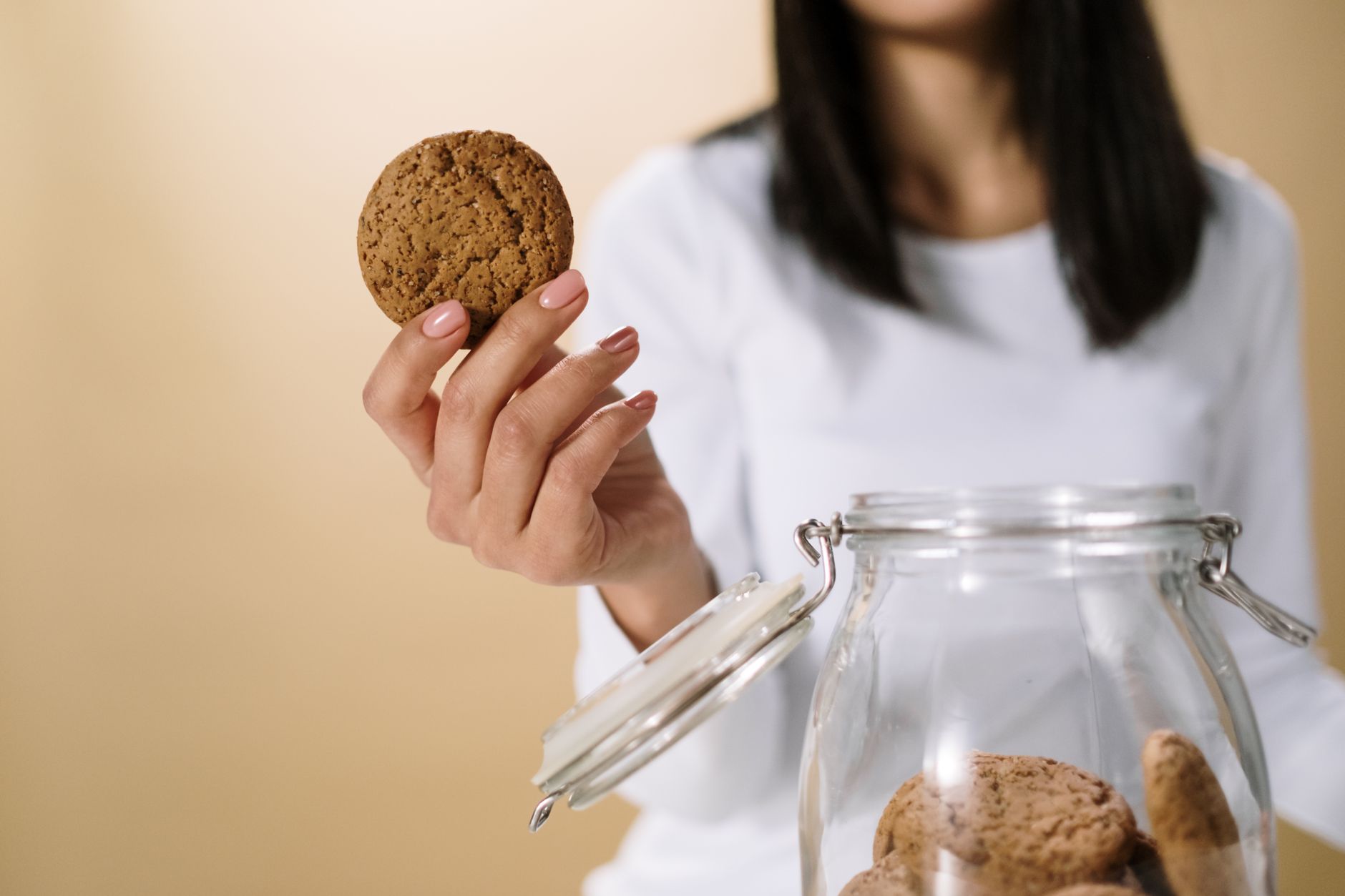
he holy grail of ADHD snacks is something that won’t leave you crashing by 2pm—but also won’t make you feel like you’re chewing on cardboard. The key is balancing macronutrients: 20-30% protein, 30-40% healthy fats, and 20-30% fiber-rich carbs (when carbs are included at all). This combo slows digestion, keeps blood sugar steady, and supports dopamine production—the neurotransmitter ADHD brains often run low on.
Here’s how to spot a good ADHD snack:
- Protein: Keeps you full and reduces cravings. Look for options with at least 5g per serving (e.g., nuts, jerky, cheese, hard-boiled eggs).
- Healthy fats: Brain fuel! Avocados, nuts, seeds, and olive oil help with focus and mood. Aim for at least 3g per snack.
- Fiber: Slows sugar absorption. Veggies, whole grains, and legumes are your friends—but skip refined carbs (white bread, sugary cereals).
- Avoid: Added sugars (even "natural" ones like honey or agave), artificial sweeteners (aspartame, sucralose), and excessive caffeine (more on that later).
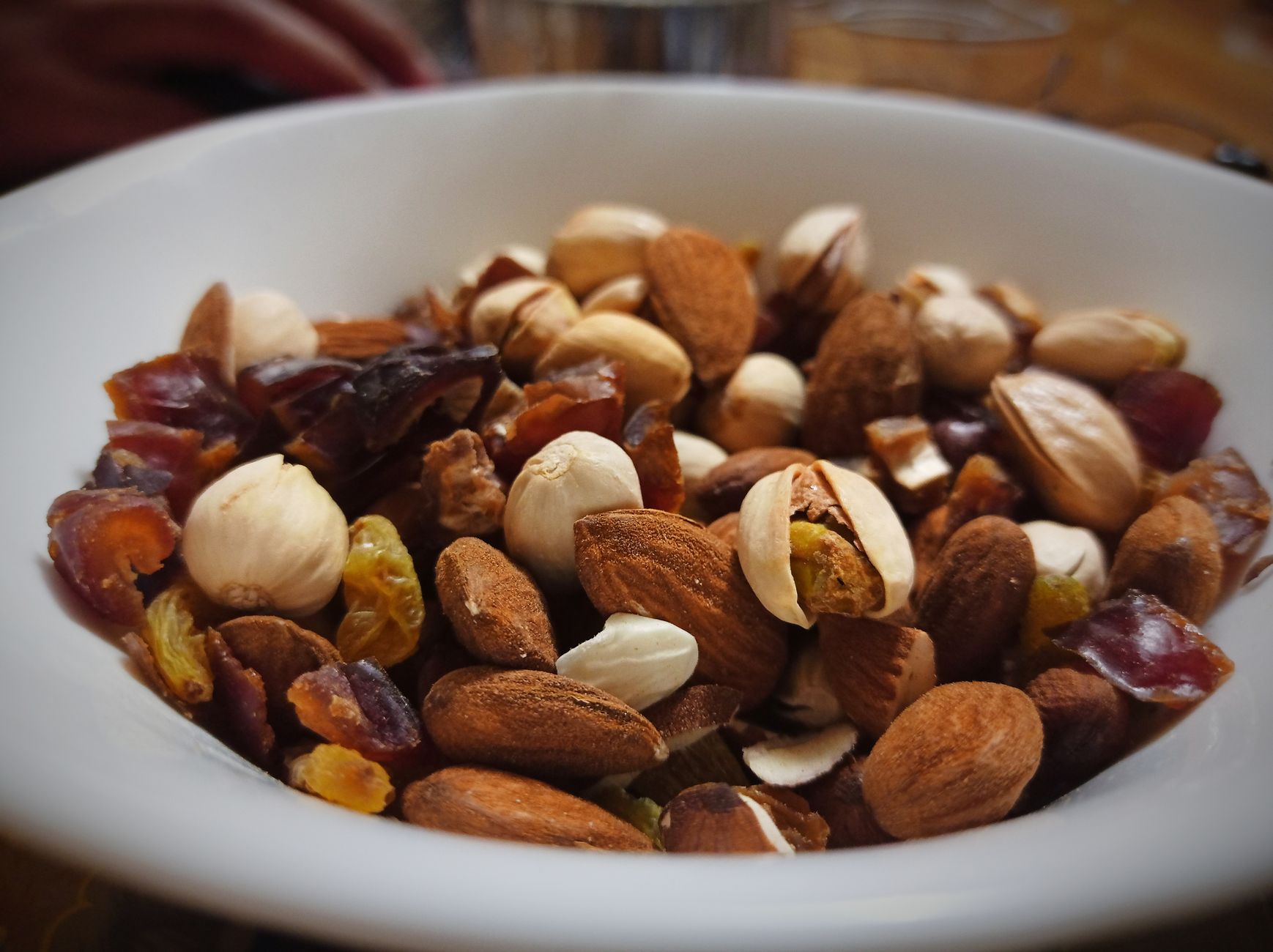
For example, a handful of almonds and walnuts (protein + healthy fats) is better than a bag of pretzels (empty carbs). A turkey roll-up with cheese (protein + fat) beats a candy bar (sugar crash).
---
ADHD-friendly protein-packed snacks for adults and teens on the move
Protein is the MVP of ADHD snacks because it stabilizes blood sugar, reduces impulsivity, and keeps you full for hours. For adults, aim for 15-20g per snack; for teens, 10-15g (since their energy needs are higher). Here are the top protein-packed options, ranked by convenience and nutrition:
Pro tip: If you’re meal prepping, boil a batch of eggs on Sunday and store them in the fridge. Pair with a small container of hummus and baby carrots for a grab-and-go combo. For teens, try protein-packed smoothies (Greek yogurt + peanut butter + spinach) or cheese cubes with whole-grain crackers.
---
Low-sugar ADHD snacks that help with impulse control and mood swings
Impulse control and mood swings are two of the most frustrating symptoms of ADHD—especially when they’re triggered by food. Sugar spikes and crashes can make hyperfocus turn into irritability, and processed carbs can leave you feeling sluggish and emotionally drained. The solution? Snacks that stabilize blood sugar and support serotonin production (the "feel-good" neurotransmitter).
Here’s what to look for:
- Complex carbs: Sweet potatoes, quinoa, or whole-grain toast (digest slowly, no crash).
- Magnesium-rich foods: Dark leafy greens, pumpkin seeds, or dark chocolate (70%+ cocoa). Magnesium helps regulate mood and stress.
- Probiotics: Fermented foods like kefir, sauerkraut, or kombucha (gut health = better mental clarity).
- Avoid: High-fructose fruits (applesauce, dried fruit), sugary granola bars, and "low-fat" yogurts (often loaded with sugar).
Some of the best low-sugar options include:
- Dark chocolate-covered almonds (70% cocoa or higher). The fat and fiber slow sugar absorption, and the magnesium helps with mood.
- Avocado slices with sea salt. Healthy fats + electrolytes = steady energy and reduced cravings.
- Roasted seaweed snacks. Low-calorie, crunchy, and packed with iodine (which supports thyroid function—important for ADHD brains).
- Hard cheese (cheddar, gouda) with whole-grain crackers. The fat and fiber combo keeps you full and focused.
---
Quick ADHD snacks for work or school that don’t trigger hyperactivity
There’s a fine line between "I’m focused" and "I’m about to jump out of my skin" when it comes to ADHD snacks. Some people thrive on caffeine (more on that later), while others feel jittery from even a small amount. The key is choosing snacks that provide sustained energy without overstimulating the nervous system.
For work or school, prioritize:
- Non-caffeinated options: Nuts, seeds, cheese, or fresh fruit (like berries).
- Crunchy textures: If you fidget, snacks like rice cakes with almond butter or popcorn (air-popped, no butter) can help channel that energy.
- Small, frequent snacks: Instead of one big lunch, try 3-4 smaller snacks throughout the day to avoid crashes.
- Avoid: Energy drinks, soda, or snacks with artificial flavors (they can worsen hyperactivity).
Here are 5 grab-and-go options for work or school:
- Apple slices with peanut butter (protein + fiber = steady energy).
- Hard-boiled eggs with a sprinkle of sea salt (protein + electrolytes).
- Roasted chickpeas with paprika (crunchy, fiber-rich, and satisfying).
- String cheese with whole-grain crackers (fat + fiber combo).
- A small handful of mixed nuts (almonds, walnuts, cashews) (healthy fats + protein).
If you’re in a meeting and need something quick, keep a stash of pre-portioned snacks in your bag, like single-serve packets of nuts or cheese sticks. And if you’re a caffeine drinker, stick to black coffee or tea (no sugar or artificial sweeteners) to avoid the crash.
---
ADHD diet snacks that support dopamine production for better concentration
ADHD is often linked to low dopamine levels, which can make it hard to stay focused, motivated, or organized. The good news? Certain foods can help boost dopamine naturally—without relying on stimulant medications. The key nutrients are:
- Protein (especially tyrosine and phenylalanine): Found in eggs, turkey, chicken, and fish. These amino acids help produce dopamine.
- Healthy fats (omega-3s): Found in fatty fish (salmon, sardines), flaxseeds, and walnuts. Omega-3s support brain function and reduce inflammation.
- Complex carbs: Whole grains, sweet potatoes, and quinoa help regulate dopamine release.
- Magnesium and zinc: Found in nuts, seeds, and leafy greens. These minerals support neurotransmitter production.
Here are the top dopamine-boosting snacks:
- Greek yogurt with walnuts and honey (small amount) (protein + omega-3s + a touch of natural sweetness).
- Salmon with avocado on whole-grain toast (omega-3s + healthy fats + complex carbs).
- Trail mix with pumpkin seeds and dark chocolate (zinc + magnesium + a dopamine-boosting treat).
- Hard-boiled eggs with a side of spinach (protein + magnesium).
- Chia pudding with almond milk and berries (omega-3s + antioxidants).
For a quick dopamine hit on the go, try a small handful of pumpkin seeds (zinc-rich) or a piece of dark chocolate (70%+ cocoa). Both can help with focus and motivation without the crash.
---
Easy-to-pack ADHD snacks for adults with sensory sensitivities (crunchy, soft, etc.)
Sensory sensitivities are common in ADHD, and the right texture can make or break a snack. Some people crave crunchy foods to satisfy their need for tactile stimulation, while others prefer soft, smooth textures to avoid overstimulation. The good news? There are ADHD-friendly snacks for every preference.
Here’s how to match textures to needs:
For adults with sensory sensitivities, pre-cut veggies with hummus (soft but crunchy) or single-serve nut butter packets (mess-free) can be lifesavers. If you’re packing for work, keep a small cooler with soft options like yogurt pouches or cheese sticks, and a separate container with crunchy snacks for when you need them.
---
ADHD snacks that help with sleep regulation for night shifts or irregular schedules
If you’re working night shifts, have an irregular sleep schedule, or just struggle with winding down at night, ADHD-friendly snacks can help regulate your circadian rhythm and support melatonin production. The goal is to avoid heavy meals late at night (which can disrupt sleep) and instead opt for snacks that promote relaxation and steady energy.
Here are the best sleep-supportive snacks:
- Warm chamomile tea with a handful of almonds (magnesium + L-theanine for relaxation).
- Banana with peanut butter (tryptophan + magnesium = sleep support).
- Kefir or fermented foods (probiotics help gut-brain axis for better sleep).
- Warm golden milk (turmeric + almond milk) (anti-inflammatory and calming).
- Dark chocolate (85%+ cocoa) with a small handful of walnuts (magnesium + melatonin).
For night shifts, avoid:
- Caffeine after 2pm (it can disrupt sleep for hours).
- Heavy, greasy foods (they slow digestion and can cause heartburn).
- Sugary snacks (they can cause energy crashes and make it harder to fall asleep).
Instead, try a small bowl of oatmeal with cinnamon and walnuts (complex carbs + melatonin-boosting foods) or a slice of whole-grain toast with almond butter and a sprinkle of pumpkin seeds (steady energy + magnesium).
---
Vegan ADHD snacks for on the go that are rich in omega-3s and magnesium
Vegan diets can be incredibly ADHD-friendly when planned well—especially if you focus on omega-3s, magnesium, and protein. The challenge is replacing animal-based sources of these nutrients with plant-based alternatives. Here’s how to do it:
Top vegan ADHD snacks:
- Chia pudding with flaxseeds and berries (omega-3s + antioxidants).
- Hummus with whole-grain pita and veggies (protein + fiber).
- Roasted soy nuts or edamame (protein + magnesium).
- Dark chocolate-covered almonds (or cashews) (magnesium + healthy fats).
- Avocado toast with hemp seeds (omega-3s + protein).
- Nut butter packets with apple slices (protein + fiber).
For omega-3s, prioritize:
- Flaxseeds, chia seeds, hemp seeds
- Walnuts and almonds
- Tofu and tempeh
- Leafy greens (like spinach and kale)
For magnesium, go for:
- Pumpkin seeds
- Dark chocolate (70%+ cocoa)
- Bananas
- Black beans and lentils
Here’s a simple vegan ADHD snack recipe to try:
Vegan ADHD-Friendly Trail Mix
Mix together:
- 1 cup raw almonds
- ½ cup pumpkin seeds
- ¼ cup dark chocolate chips (70%+ cocoa)
- ¼ cup dried cranberries (unsweetened)
- 1 tbsp flaxseeds
Store in a small container for grab-and-go energy. This mix is packed with protein, omega-3s, magnesium, and fiber—perfect for stabilizing blood sugar and supporting focus.
---
How to read nutrition labels to avoid hidden sugars, artificial additives, and other ADHD symptom triggers
Reading nutrition labels can feel like decoding a foreign language—especially when you’re trying to avoid hidden sugars, artificial additives, and other ADHD symptom triggers. Here’s how to spot the red flags:
1. Hidden sugars: Look for these sneaky names on the label:
- Barley malt
- Evaporated cane juice
- High-fructose corn syrup
- Maltose
- Sucrose
Even "natural" sugars like honey or agave can spike blood sugar, so opt for whole foods whenever possible.
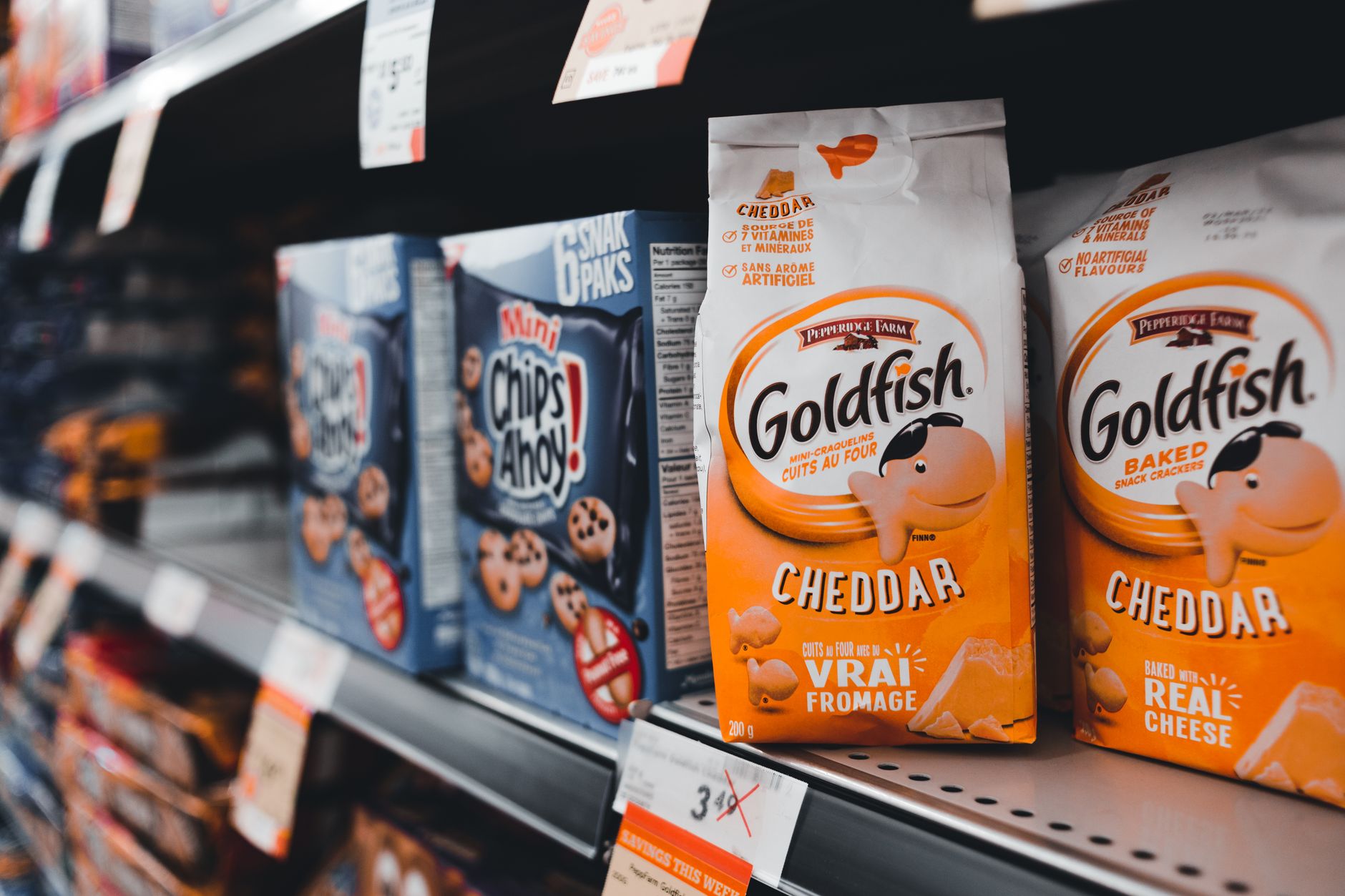
2. Artificial additives: These can worsen ADHD symptoms like hyperactivity and impulsivity:
- Artificial colors (e.g., Red 40, Yellow 5)
- Artificial sweeteners (aspartame, sucralose, saccharin)
- Preservatives (BHA, BHT)
- MSG
Stick to snacks with 5 or fewer ingredients and no artificial additives.
3. Low-protein, high-carb snacks: These are a recipe for crashes and irritability. Always check the protein content per serving—aim for at least 5g.
4. Highly processed snacks: The more ingredients, the worse it usually is. Whole foods (nuts, cheese, fruit, veggies) are always the best choice.
---
The role of magnesium, zinc, and iron in ADHD snacks and where to find them naturally
Magnesium, zinc, and iron are critical minerals for ADHD brains, yet many people with ADHD are deficient in one or more of them. These nutrients play key roles in:
- Magnesium: Regulates neurotransmitters (including dopamine and serotonin), reduces anxiety, and supports muscle relaxation.
- Zinc: Supports cognitive function, memory, and learning. It’s also involved in dopamine production.
- Iron: Helps with oxygen transport to the brain and supports focus and concentration.
Here’s where to find them naturally:
If you’re struggling with low energy or brain fog, try adding more magnesium-rich snacks like roasted pumpkin seeds or dark chocolate to your routine. For zinc, include beef jerky or lentil soup in your meals. And if you’re feeling fatigued, add iron-rich foods like spinach or lentils to your diet.
---
Comparison: Store-bought vs. homemade ADHD snacks—pros, cons, and cost analysis
Store-bought vs. homemade ADHD snacks—it’s a debate many people with ADHD have. The truth? Both have pros and cons, and the best choice depends on your lifestyle, budget, and time. Here’s a breakdown:
If you’re short on time, store-bought options can work—just stick to plain versions (like plain nuts, cheese sticks, or roasted chickpeas) and avoid anything with added sugars or artificial flavors. For example, pre-cut veggies with hummus or single-serve nut butter packets can be lifesavers.
If you have time to prep, homemade snacks are almost always better for ADHD. You control the ingredients, avoid hidden sugars, and can tailor textures to your sensory needs. Plus, meal prepping snacks in advance can save you time in the long run.
---
How to meal prep ADHD snacks in advance for busy schedules (with 5 easy recipes)
Meal prepping ADHD snacks is one of the best ways to stay on track—but it’s also one of the hardest for people with ADHD. The key is keeping it simple, visual, and low-effort. Here are 5 easy recipes to prep in advance:
Recipe 1: Protein-Packed Egg Muffins
Mix 8 eggs with ¼ cup milk, salt, and pepper. Pour into a muffin tin and bake at 350°F for 20 minutes. Add spinach, cheese, or turkey sausage for extra protein. Store in the fridge for up to 5 days.
Recipe 2: No-Bake Energy Balls
Blend 1 cup oats, ½ cup nut butter, ¼ cup honey (or maple syrup), 1 tbsp chia seeds, and 1 tsp vanilla. Roll into balls and refrigerate for 30 minutes. Store in the freezer for up to a month.
Recipe 3: Roasted Chickpeas
Drain and rinse a can of chickpeas, toss with olive oil, salt, and your favorite spice (paprika, cumin, or garlic powder). Roast at 400°F for 25-30 minutes until crispy. Store in an air-tight container for up to a week.
Recipe 4: Cheese and Cracker Roll-Ups
Spread a thin layer of cream cheese on a whole-grain cracker, add a slice of turkey or ham, and roll up. Wrap individually in parchment paper and store in the fridge for up to 3 days.
Recipe 5: Trail Mix Bar
Set out small bowls of nuts, seeds, dried fruit (unsweetened), and dark chocolate chips. Let your kids or teens assemble their own portions. Store in individual containers for grab-and-go energy.
Pro tip: Use clear containers with dividers so you can see what’s inside at a glance. Label them with the date and ingredients (e.g., "Protein Egg Muffins – 3/15"). And if you’re meal prepping for work, pack snacks in small, reusable containers to avoid spills.
---
The impact of caffeine in snacks on ADHD symptoms (and which ADHD-friendly snacks contain it)
Caffeine can be a double-edged sword for ADHD brains. On one hand, it can improve focus and reduce fatigue. On the other, too much can cause jitters, crashes, or even worsen anxiety. Here’s what you need to know:
Caffeine’s effects on ADHD:
- Pros: Can improve alertness and reduce impulsivity for some people.
- Cons: Can cause crashes, jitters, or worsen anxiety. Over time, tolerance builds, so you may need more caffeine for the same effect.
If you’re sensitive to caffeine, stick to black coffee or tea (no sugar or artificial sweeteners). Avoid energy drinks, soda, and snacks with added caffeine (like some protein bars or granola bars).
Here are some ADHD-friendly snacks that contain caffeine naturally (and how much to watch for):
- Dark chocolate (70%+ cocoa): ~12mg per oz. A small piece (1 oz) can give a gentle caffeine boost without the jitters.
- Green tea: ~20-30mg per cup. Drink it in the morning or early afternoon to avoid disrupting sleep.
- Matcha: ~70mg per cup. Higher in caffeine than green tea but also contains L-theanine, which can reduce jitters.
- Black coffee: ~95mg per cup. Stick to 1-2 cups per day to avoid crashes.
If you’re new to caffeine, start with small amounts and monitor how it affects your energy, focus, and mood. Some people with ADHD do well with a little caffeine in the morning, while others find it makes them more restless.
---
ADHD snacks that are also allergy-friendly (nut-free, dairy-free, gluten-free)
Allergies and ADHD often go hand-in-hand, and finding snacks that are both ADHD-friendly and allergy-safe can be a challenge. The good news? There are plenty of options if you avoid nuts, dairy, or gluten. Here’s how to adapt the best ADHD snacks for your dietary needs:
Nut-free alternatives:
- Seeds (pumpkin, sunflower, chia)
- Dried fruit (unsweetened)
- Roasted soy nuts
- Beef jerky (check for gluten-free labels)
- Cheese alternatives (like dairy-free cheese sticks made from nuts are out; try coconut-based options)
Dairy-free alternatives:
- Coconut yogurt with chia seeds
- Hummus with veggie sticks
- Avocado toast with hemp seeds
- Edamame
- Dairy-free protein bars (check for low sugar)
Gluten-free alternatives:
- Quinoa crackers with almond butter
- Rice cakes with sunflower seed butter
- Gluten-free granola with dairy-free yogurt
- Fresh fruit with nut-free trail mix (seeds + dried fruit)
Here’s a simple nut-free, dairy-free, gluten-free snack recipe:
Sunflower Seed Butter & Banana Roll-Ups
Spread sunflower seed butter on a gluten-free tortilla, add banana slices, roll up, and slice into pinwheels. Store in the fridge for up to 3 days.
Always check labels for cross-contamination warnings (e.g., "may contain nuts" or "processed in a facility with dairy"). And if you’re unsure, ask your provider or a dietitian for personalized recommendations.
---
How to involve kids/teens in choosing ADHD-friendly snacks to encourage better eating habits
Getting kids and teens with ADHD to eat well can feel like herding cats—but it’s totally possible if you make them part of the process. The key is giving them choices, making snacks fun, and involving them in the shopping and prep. Here’s how:
1. Let them pick their favorites:
- Set up a "snack bar" with healthy options (e.g., fruit, nuts, cheese, veggies) and let them assemble their own.
- Take them grocery shopping and let them pick 1-2 new snacks to try each week.
- Turn snack time into a game (e.g., "Can you eat 10 blueberries before I finish this puzzle?").
2. Make snacks fun and visual:
- Use cookie cutters to shape cheese or fruit into fun shapes.
- Create "rainbow plates" with different colored veggies and fruits.
- Let them decorate their own yogurt cups with toppings (granola, berries, honey).
3. Involve them in meal prep:
- Let them wash veggies or assemble trail mix.
- Give them a "chef’s hat" and let them help make snacks (even if it’s just stirring).
- Turn snack time into a learning opportunity (e.g., "This banana has potassium, which helps your muscles work!" or "These almonds have vitamin E for your skin!").
4. Use a