Quick take: Zone Diet snacks for on the go are all about balancing protein, carbohydrates, and healthy fats in a 40:30:30 ratio to maintain stable blood sugar and sustained energy. With smart planning, block calculations, and versatile ingredient choices, you can easily create portable, nourishing options that fit your busy lifestyle, whether you're at work, traveling, or managing family needs.
Life moves fast, and when you're juggling work, family, and personal commitments, healthy eating can feel like another item on an endless to-do list. The thought of finding balanced, satisfying snacks that fit specific dietary guidelines, like the Zone Diet, while you're out and about can be daunting. You might find yourself staring at vending machine options or convenience store shelves, wondering if there's anything that truly aligns with your goals.
But sticking to your nutritional principles doesn't have to mean sacrificing convenience or flavor. The Zone Diet, with its emphasis on balancing macronutrients, is perfectly adaptable for on-the-go eating. It's about making smart choices that keep your blood sugar stable, your energy levels consistent, and your hunger at bay, no matter how packed your schedule is.
This comprehensive guide will show you how to master the art of Zone-friendly snacking for any situation. We'll break down the principles, offer practical ideas for busy days, explain block calculations, and even help you navigate the world of pre-packaged options, ensuring you always have a nourishing bite within reach.
Quick and Easy Zone Diet Snack Ideas for Busy Days
When you're a busy mom, a working professional, or simply someone always on the move, "quick" and "easy" are non-negotiable. The Zone Diet's 40:30:30 macronutrient ratio (40% carbohydrates, 30% protein, 30% healthy fats) is the foundation for creating snacks that keep you feeling full and energized. For snacks, this usually means aiming for 1 to 3 "blocks," depending on your individual needs and hunger levels.
Understanding the 40:30:30 Balance in Practice
A Zone-friendly snack isn't just about grabbing a piece of fruit; it's about pairing it with protein and a little healthy fat to slow down sugar absorption and prevent energy crashes. This balance is key for maintaining healthy blood sugar levels and promoting satiety, which can be helpful for weight management.
Simple 1-Block Zone Snack Combinations
One-block snacks are great for a light pick-me-up between meals. They typically consist of:
- 1 block of protein: Roughly 1 ounce (30g) of cooked lean protein or about 1/4 cup of cottage cheese.
- 1 block of carbohydrate: Approximately 9 grams of net carbohydrates (total carbs minus fiber). This could be a small piece of fruit or a few crackers.
- 1 block of fat: Around 1.5 grams of monounsaturated fat, like a few almonds or a drizzle of olive oil.
Here are some examples that are easy to assemble and grab:
- Hard-Boiled Egg & Small Apple Slices: A classic for a reason. One large hard-boiled egg provides protein and fat, while a small apple (about half a medium apple) covers your carbs.
- Small Handful of Almonds & Berries: About 6-8 almonds with 1/4 cup mixed berries (strawberries, blueberries). The nuts offer protein and healthy fats, and berries are low-glycemic carbs.
- Cottage Cheese & Cucumber Slices: 1/4 cup low-fat cottage cheese with a handful of cucumber slices. Add a tiny sprinkle of herbs for flavor.
- Turkey Roll-Up: A slice of lean turkey breast rolled around a carrot stick.
Boosting to 2-3 Blocks for More Sustained Energy
When you need a more substantial snack, perhaps to bridge a longer gap between meals or after a workout, aim for 2 or 3 blocks. Simply multiply your 1-block components. For instance, a 2-block snack would use two times the amounts listed above for each macronutrient.
- Greek Yogurt Parfait (2 blocks): 1/2 cup plain Greek yogurt (protein, fat) with 1/2 cup mixed berries (carbs) and a tablespoon of chopped walnuts (fat).
- Mini Chicken Salad Lettuce Wraps (2-3 blocks): Use 2-3 ounces of shredded chicken mixed with a small amount of olive oil mayo or avocado, served in large lettuce cups. Add a side of cherry tomatoes.
- Veggies & Hummus (2 blocks): 1/2 cup baby carrots and celery sticks with 1/4 cup hummus. Hummus provides carbs and some protein/fat; pair with an extra lean protein source like a few slices of turkey jerky if needed to balance.
- Rice Cakes with Nut Butter & Banana (2 blocks): Two small rice cakes (carbs) spread with 1 tablespoon of almond butter (protein, fat), topped with a few thin slices of banana (carbs).
Best Fruits for Zone Diet Snacks on the Go
While fruit is a great source of vitamins and fiber, it's important to choose lower-glycemic options on the Zone Diet to prevent blood sugar spikes. Pair these with protein and healthy fats for optimal balance:
- Berries: Strawberries, blueberries, raspberries, blackberries are excellent choices due to their high fiber and antioxidant content.
- Apples: Small to medium apples are good, especially when paired with a protein source like cheese or nuts.
- Pears: Similar to apples, pears are a good source of fiber.
- Oranges & Clementines: Easy to peel and portable.
- Cherries: Fresh cherries in season make a delightful snack.
Avoid fruits high in sugar like bananas (unless portioned carefully and paired with significant protein/fat), mangoes, and grapes for primary snack carbs, or consume them in very small quantities.
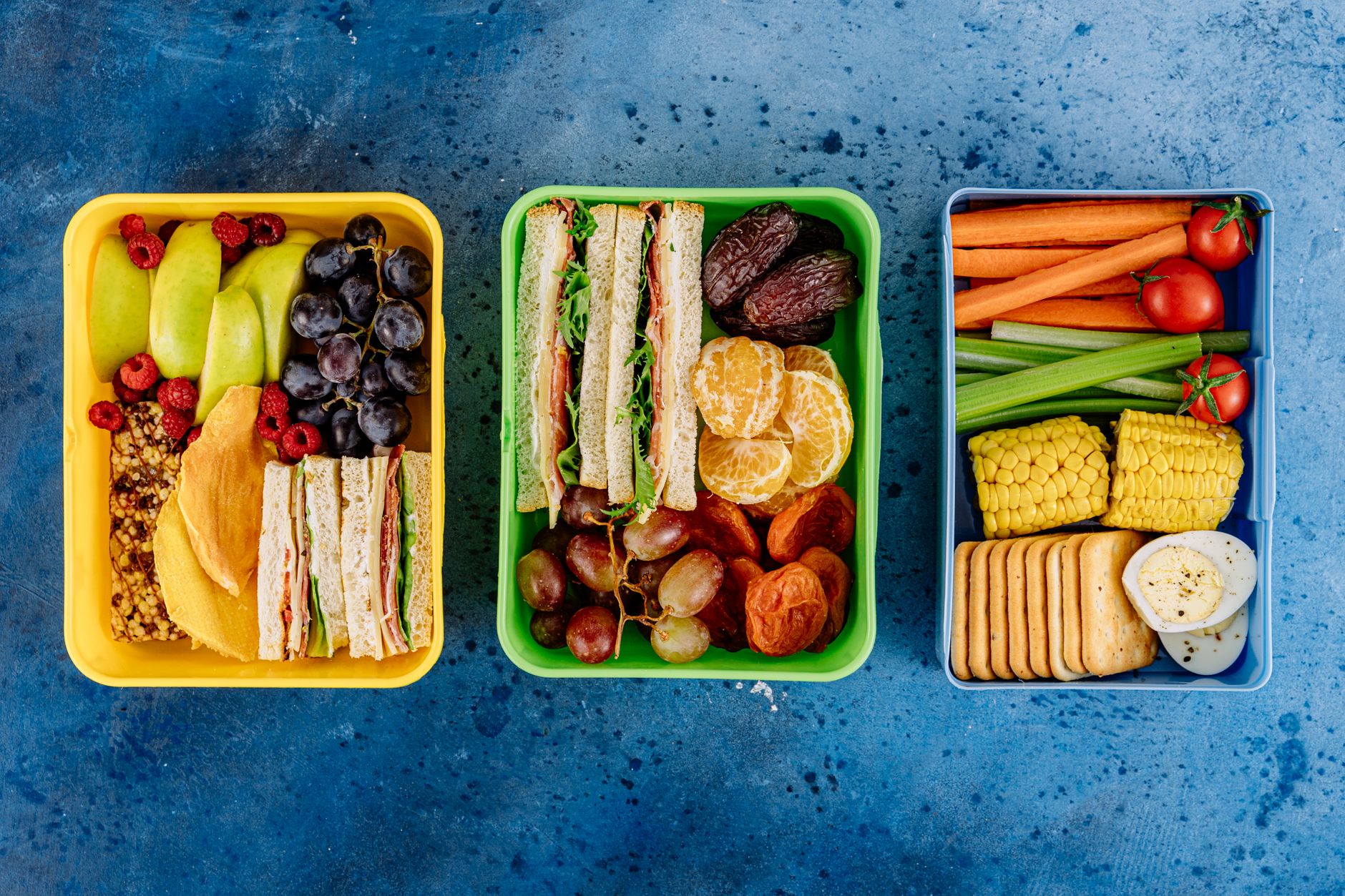
Packing Zone Diet Snacks for Work, Travel, and Busy Schedules
The best Zone Diet snack is one you actually eat. This means thinking ahead and packing strategically for whatever your day holds. Whether you're commuting to the office, embarking on a road trip, or simply running errands with the kids, a little preparation goes a long way.
The Art of Efficient Packing
Successful on-the-go snacking starts with the right tools and techniques:
- Invest in Quality Containers: Look for leak-proof, stackable containers in various sizes. Glass containers are excellent for reheating and durability, while BPA-free plastic is lighter for travel. Small silicone cups or dividers can keep components separate until you're ready to eat.
- Insulated Bags and Ice Packs: For perishable items like yogurt, cheese, or cooked protein, an insulated lunch bag with a reusable ice pack is essential. This keeps your food safe and fresh for hours.
- Portion Control: Pre-portioning your snacks at home prevents overeating and makes block calculation easier. Use small baggies for nuts, separate compartments for fruit, and small containers for dips or dressings.
- Layering and Separation: Pack items that can get soggy (like lettuce) separately from wet ingredients (like dressing or tomatoes). For example, pack a salad dressing in a tiny container and add it just before eating.
Strategies for Different On-the-Go Scenarios
For the Office Commute and Workday
Your office likely has a fridge and microwave, offering more flexibility. Pack a mix of fresh and shelf-stable options.
- Morning Snack: A small container of Greek yogurt with a few berries and a sprinkle of chia seeds.
- Afternoon Snack: A pre-made container with sliced chicken breast, cherry tomatoes, and a few almonds.
- Desk Drawer Staples: Keep individual packs of almonds, walnuts, or protein powder for emergency Zone-friendly fuel.
For Road Trips and Air Travel
These scenarios often present limited refrigeration and heating options, making shelf-stable choices paramount. Focus on items that won't spoil quickly or make a mess.
- Hard-Boiled Eggs: Pack them in a small, sealed container.
- Nuts and Seeds: Portion out mixed nuts (almonds, walnuts) and pumpkin seeds into small baggies.
- Fruit: Apples, oranges, and pears travel well. Berries are also good but can be delicate.
- Cheese Sticks: Individual cheese sticks are convenient and offer protein and fat.
- Jerky: Opt for high-quality, low-sugar jerky.
For Errands and Kids' Activities
When you're out with the family, you need snacks that are easy for everyone to handle and require minimal fuss. Think grab-and-go.
- Pre-cut Veggies: Carrot sticks, cucumber slices, bell pepper strips.
- Fruit Pouches: Look for unsweetened fruit and veggie purees (check ingredients carefully).
- Homemade Trail Mix: Combine nuts, seeds, and a small amount of dried fruit.
- Mini Muffins (Zone-friendly): Bake a batch of protein-rich, low-sugar muffins using almond flour and berries.
A little upfront time spent on Sunday afternoon prepping your snacks for the week can save you countless minutes and decision fatigue during busy weekdays. Consider it an investment in your well-being and a powerful tool for staying on track with your Zone Diet goals.
Decoding Zone Diet Snack Block Calculations for On-the-Go Eating
The Zone Diet isn't just about eating specific foods; it's about eating them in specific ratios. This is where "blocks" come in. Understanding block calculations is fundamental to creating balanced Zone Diet snacks, especially when you're on the go and need to quickly assess if a combination is meeting your needs.
What Are Zone Diet Blocks?
A "block" is a unit of macronutrients designed to simplify portion control. Each block represents a specific amount of protein, carbohydrate, and fat:
- 1 Protein Block: Roughly 7 grams of protein.
- 1 Carbohydrate Block: Roughly 9 grams of net carbohydrates (total carbohydrates minus fiber).
- 1 Fat Block: Roughly 1.5 grams of monounsaturated fat.
For a Zone-balanced snack, you typically aim for an equal number of protein, carbohydrate, and fat blocks. Most snacks consist of 1 to 3 blocks total. For example, a 2-block snack would contain 14g protein, 18g net carbs, and 3g fat.
How to Calculate Blocks for Common Snack Items
Calculating blocks might seem complex at first, but with a little practice and a handy reference, it becomes second nature. Here's a simplified guide for common on-the-go snack components:
Example 1: A 1-Block Snack (Apple & String Cheese)
- 1/2 medium apple: ~1 carb block
- 1 string cheese stick: ~1 protein block, ~1 fat block
- Total: 1P, 1C, 1F (perfectly balanced 1-block snack)
Example 2: A 2-Block Snack (Greek Yogurt with Berries and Walnuts)
- 1/2 cup plain Greek yogurt: ~2 protein blocks, ~1 fat block
- 1 cup mixed berries: ~2 carb blocks
- 6 walnut halves: ~2 fat blocks (walnuts are higher in fat than almonds per piece)
- Total: 2P, 2C, 3F. This is slightly high in fat, which is generally acceptable on the Zone Diet, but you could reduce walnuts slightly if strictly adhering.
Tips for On-the-Go Block Calculation
- Pre-Portion at Home: The easiest way to manage blocks is to measure and combine your snack components before you leave the house.
- Use Visual Cues: After some practice, you'll start to recognize what a "block" looks like. For example, a deck of cards for protein, a golf ball for fruit.
- Carry a Mini Scale: For strict adherence, a small portable food scale can be incredibly helpful, especially when traveling.
- Reference Apps/Lists: Many Zone Diet apps or printable lists provide block values for hundreds of foods, making it easy to look up items quickly.
- Prioritize Protein: When in doubt on the go, ensure you have a solid protein source. It's the most crucial macronutrient for satiety and blood sugar control.
Mastering block calculations empowers you to make informed, Zone-friendly choices even when options are limited. It's a skill that pays dividends in sustained energy and overall well-being.
Shelf-Stable Zone Diet Snacks: Smart Choices Without Refrigeration
One of the biggest hurdles to healthy eating on the go is often the lack of refrigeration. This is especially true for long commutes, travel days, or when you're simply out and about for extended periods. Thankfully, there are plenty of delicious and Zone-friendly shelf-stable options that don't require a cooler.
Building Blocks for Shelf-Stable Snacks
When selecting shelf-stable items, you're still aiming for that 40:30:30 macro balance. Here are reliable categories for each macronutrient:
- Protein:
- Nuts: Almonds, walnuts, pecans, pistachios. Look for raw or dry-roasted, unsalted varieties.
- Seeds: Pumpkin seeds, sunflower seeds, chia seeds, flax seeds.
- Jerky/Meat Sticks: Opt for high-quality, low-sugar, nitrate-free options. Read labels carefully for added sugars and artificial ingredients.
- Canned Fish: Tuna or salmon pouches (packed in water or olive oil). These are incredibly convenient, especially for travel.
- Protein Powder: Small sachets of protein powder can be mixed with water for a quick protein boost.
- Carbohydrates:
- Dried Fruit (in moderation): Small portions of dried apricots, prunes, or unsweetened cranberries. Be mindful of sugar concentration.
- Whole-Grain Crackers: Look for crackers with minimal ingredients, high fiber, and low sugar.
- Vegetable Sticks: Carrots, celery, bell pepper strips can last a few hours unrefrigerated, especially in a cool bag.
- Small, Firm Fruits: Apples, oranges, pears, and bananas (though bananas are higher in carbs, a small one can work when paired with ample protein and fat).
- Healthy Fats:
- Nut Butters: Individual packets of almond or peanut butter (check for no added sugar or hydrogenated oils).
- Avocado: A small, firm avocado can be packed whole and sliced just before eating, providing healthy fats and some carbs.
- Olives: Small pouches of olives.
Smart Shelf-Stable Zone Snack Combinations
- Nut & Seed Mix with Dried Fruit: Combine a handful of almonds, pumpkin seeds, and a few dried apricots for a balanced 2-block snack.
- Tuna Pouch with Whole-Grain Crackers: A small pouch of tuna (1 protein block, 1 fat block) with 2-3 whole-grain crackers (1-2 carb blocks) makes a surprisingly satisfying and complete snack.
- Apple Slices with Almond Butter Packet: A medium apple (2 carb blocks) paired with a single-serving packet of almond butter (2 protein blocks, 2-3 fat blocks).
- Beef Jerky & Orange: A serving of low-sugar beef jerky (1-2 protein blocks, some fat) with a small orange (1-2 carb blocks).
- Hard-Boiled Eggs (for a few hours): While best refrigerated, hard-boiled eggs can safely travel for a few hours at room temperature, making them ideal for short trips. Pair 1-2 eggs with a small handful of baby carrots.
Safety and Spoilage Considerations
Even shelf-stable items have limits. Always check "best by" dates. For items like jerky or nuts, ensure packaging is intact to prevent spoilage or staleness. If packing fresh fruits or vegetables that might be unrefrigerated for a few hours, choose firm, unblemished produce. When in doubt about food safety, it's always best to err on the side of caution and discard items that have been at unsafe temperatures for too long, especially for children or during pregnancy. The Centers for Disease Control and Prevention (CDC) offers comprehensive guidance on food safety practices.
High-Protein Zone Diet Snacks for Lasting Energy and Fullness
One of the Zone Diet's core principles is the emphasis on adequate protein intake, particularly for snacks. Protein is crucial because it helps stabilize blood sugar, promotes satiety (that feeling of fullness), and supports muscle maintenance. When you choose high-protein Zone Diet snacks, you're not just curbing hunger; you're setting yourself up for sustained energy throughout your day, avoiding the dreaded mid-afternoon slump.
Why Protein is Your Best Friend for On-the-Go Snacking
Unlike carbohydrates, which can cause rapid spikes and drops in blood sugar if not balanced, protein is digested more slowly. This slow release of energy keeps you feeling satisfied for longer and prevents the roller-coaster effect on your energy levels. For anyone managing weight or blood sugar, consistent protein intake throughout the day is a powerful strategy.
Top High-Protein Zone-Friendly Components
Here are excellent protein sources that are easy to incorporate into portable snacks:
- Lean Meats: Cooked chicken or turkey breast (sliced or shredded), lean beef jerky (check for low sugar), or small portions of lean deli meat (nitrate-free is preferable).
- Dairy: Plain Greek yogurt (offers double the protein of regular yogurt), cottage cheese, string cheese, or other low-fat cheese portions.
- Eggs: Hard-boiled eggs are the ultimate portable protein, packed with nutrients.
- Legumes: Roasted chickpeas or lentils (in moderation for carb content), or hummus (paired with extra protein).
- Nuts and Seeds: Almonds, walnuts, pistachios, pumpkin seeds, and chia seeds offer a combination of protein, healthy fats, and fiber.
- Protein Powder: A scoop of whey, casein, or plant-based protein powder (pea, rice, hemp) can be mixed with water or unsweetened almond milk for a quick liquid snack.
High-Protein Zone Snack Combinations for Sustained Energy
Here are some ideas for creating satisfying, high-protein Zone snacks, typically aiming for 2-3 blocks:
- Greek Yogurt Power Bowl (2-3 blocks): 1 cup plain Greek yogurt (3-4P, 1F) with 1/2 cup berries (1C) and 1 tablespoon chopped almonds (1P, 2F). This is a robust snack that's easy to pack.
- Turkey & Cheese Roll-Ups (2 blocks): Two slices of lean turkey breast (2P) rolled around a slice of cheese (1P, 2F) with a side of bell pepper strips (1C).
- Cottage Cheese & Veggie Sticks (2 blocks): 1/2 cup low-fat cottage cheese (2P, 1F) with 1 cup cucumber and carrot sticks (1C). Add a pinch of dill for flavor.
- Hard-Boiled Eggs with Avocado (2 blocks): Two hard-boiled eggs (2P, 2F) served with 1/4 of an avocado (1C, 2F). The healthy fats from the avocado enhance satiety.
- Edamame Pods & Pistachios (2 blocks): A small portion (1/2 cup shelled) of steamed edamame (1P, 1C) with a small handful of pistachios (1P, 2F).
- Protein Smoothie (2-3 blocks): Blend 1 scoop protein powder (2P), 1/2 cup unsweetened almond milk, 1/2 cup spinach, 1/4 cup berries (1C), and 1/2 tablespoon almond butter (1F). This is a fantastic option for a quick, nutrient-dense drink.
When selecting snacks, always prioritize whole, unprocessed foods. Reading labels is crucial for items like jerky or protein bars to ensure they meet Zone guidelines without excessive sugar or unhealthy additives. For more ideas on how different diets approach snacking, you might find inspiration in our article on Best Carnivore Diet Snacks for On-the-Go, although the macro ratios would differ significantly.
Adapting Zone Diet Snacks for Pregnancy and Postpartum
Pregnancy and postpartum are unique stages in a woman's life, marked by increased nutritional demands and often, unpredictable hunger pangs and fluctuating energy levels. The Zone Diet's emphasis on balanced macronutrients can be incredibly beneficial during these times, helping to manage blood sugar, support fetal development, and aid in postpartum recovery. However, adapting your Zone snacks requires a thoughtful approach to meet the specific needs of these stages.
Increased Nutritional Needs During Pregnancy
During pregnancy, your body needs extra calories and nutrients to support both you and your growing baby. The American College of Obstetricians and Gynecologists (ACOG) recommends an additional 300-350 calories per day during the second and third trimesters. This means your snack blocks might need to increase, or you might need more frequent snacks.
- Focus on Nutrient Density: Choose snacks rich in folate, iron, calcium, and omega-3 fatty acids.
- Combat Nausea: Bland, easy-to-digest snacks like plain whole-grain crackers with a slice of cheese or a hard-boiled egg can be helpful.
- Hydration is Key: Pair snacks with plenty of water, especially if you're experiencing morning sickness or heartburn.
Postpartum Recovery and Breastfeeding Demands
The postpartum period, especially if you're breastfeeding, places even higher demands on your body. Breastfeeding can require an additional 450-500 calories per day. This means your snack strategy needs to be robust, focused on sustaining energy and supporting milk production.
- Frequent Snacking: You might find yourself needing snacks more often due to increased hunger and energy expenditure.
- Easy Access: With a newborn, hands-free and easy-to-eat snacks are essential. Pre-portioning is critical.
- Support Energy: Prioritize protein and complex carbohydrates to combat fatigue.
Zone-Friendly Snack Adaptations for Pregnancy and Postpartum
Here are some examples of balanced, nutrient-dense Zone snacks suitable for these stages:
- Greek Yogurt with Chia Seeds and Berries (2-3 blocks): A larger serving of Greek yogurt provides calcium and protein. Chia seeds add omega-3s and fiber, while berries offer antioxidants.
- Hard-Boiled Eggs with Whole-Grain Toast and Avocado (2-3 blocks): Two hard-boiled eggs for protein, a small slice of whole-grain toast for complex carbs, and a quarter of an avocado for healthy fats and folate.
- Cottage Cheese with Sliced Pears and Walnuts (2-3 blocks): Cottage cheese is a good source of calcium and protein. Pears provide fiber, and walnuts add omega-3s beneficial for brain development.
- Turkey & Veggie Wraps with Hummus (2-3 blocks): Lean turkey slices with a generous amount of spinach, bell peppers, and a spread of hummus, all wrapped in a large lettuce leaf or low-carb tortilla.
- Protein Smoothie with Spinach and Flax Seeds (3 blocks): Blend a scoop of protein powder, unsweetened almond milk, a handful of spinach (for folate and iron), 1/2 cup berries, and a tablespoon of ground flax seeds (for omega-3s and fiber).
- Edamame & Cheese Cubes (2 blocks): A small portion of steamed edamame (good plant-based protein and folate) with a few cubes of cheese for calcium and protein.
Always listen to your body's hunger cues and consult with your healthcare provider or a registered dietitian to ensure your dietary plan, including your Zone Diet approach, is appropriate for your specific pregnancy or postpartum needs. They can help you adjust block recommendations and ensure you're meeting all your nutritional requirements.
Navigating Pre-Packaged Zone Diet Snacks: What to Look For
In our fast-paced world, pre-packaged snacks are an undeniable convenience. While homemade is often ideal for precise Zone Diet adherence, there are times when a store-bought option is a lifesaver. The key is knowing how to navigate the overwhelming choices and identify those that genuinely align with Zone principles, rather than being disguised as "healthy."
The Challenges of Pre-Packaged Snacks
Many pre-packaged items are marketing masterpieces designed to look healthy but are often loaded with hidden sugars, unhealthy fats, and excessive sodium. For Zone dieters, the biggest challenge is finding products that respect the 40:30:30 macronutrient ratio and use high-quality ingredients.
Key Criteria for Choosing Zone-Friendly Pre-Packaged Options
When you're scanning labels, keep these points in mind:
- Macronutrient Ratio: Look for products where the protein and fat content are relatively high compared to net carbohydrates. Ideally, a snack should have a protein-to-carb ratio close to 1:1, or even higher in protein. For example, if a snack has 10g net carbs, aim for at least 7-10g of protein.
- Sugar Content: This is critical. Aim for snacks with very low added sugar. Check the "added sugars" line on the nutrition facts panel. Ingredients lists should not have sugar (or its many aliases like corn syrup, dextrose, fructose, maltose) as one of the first few ingredients.
- Fiber Content: High fiber helps to reduce the net carb count and promotes satiety. Look for at least 3-5 grams of fiber per serving.
- Healthy Fats: Prioritize snacks containing healthy monounsaturated or polyunsaturated fats (from nuts, seeds, avocado oil). Avoid products with trans fats or excessive amounts of saturated fats.
- Whole Ingredients: The shorter the ingredient list, and the more recognizable the ingredients, the better. Look for whole food components like nuts, seeds, dried fruit (in moderation), lean meat, or whole grains.
- Protein Source: What's the source of protein? Is it whey, casein, pea protein, nuts, or lean meat? High-quality protein sources are preferable.
Common Pre-Packaged Options and What to Look For
- Protein Bars: This category is a minefield. Many are glorified candy bars. Seek out bars with at least 10-15g of protein, less than 5-8g of added sugar, and a decent fiber count (3g+). Brands like RXBAR (original flavors), KIND (specific low-sugar options), or certain Quest bars might fit, but always check the specific product's label.
- Protein Shakes/Drinks: Again, watch for sugar. Opt for unsweetened or naturally sweetened (stevia, monk fruit) options with a good protein punch (15-20g+).
- Nut and Seed Mixes: Excellent choice, but ensure they are unsalted, raw, or dry-roasted. Avoid mixes with candied nuts or excessive dried fruit.
- Jerky/Meat Sticks: A great protein source. Look for brands that are low in sugar, nitrates/nitrites, and artificial ingredients. Grass-fed options are a bonus.
- Cheese Sticks/Portions: Simple and effective. Check for low-fat or part-skim varieties if managing fat intake strictly.
- Individual Avocado Cups/Guacamole: These are becoming more common and offer healthy fats and some carbs. Pair them with a protein source.
While pre-packaged Zone Diet snacks can be a convenient tool in your nutritional arsenal, they should complement, not replace, fresh, whole-food options. Think of them as an occasional backup for those truly hectic moments. For more comparisons of convenient snack options across different eating styles, you might find our article on Dash Diet Snacks for On the Go useful, as many principles of label reading overlap.
Zone Diet Snacks for Kids and Toddlers: Healthy Bites for Little Ones
Feeding children, especially toddlers, can feel like a constant negotiation, and trying to incorporate specific dietary principles like the Zone Diet might seem overwhelming. However, the Zone Diet's emphasis on balanced macronutrients and whole, unprocessed foods is inherently beneficial for growing kids, supporting stable energy levels, concentration, and healthy development. Adapting it for little ones is all about portion control, kid-friendly presentation, and making it fun.
Why Zone Principles Benefit Kids
Children, like adults, can experience blood sugar fluctuations that impact their mood, energy, and focus. The Zone Diet's balanced approach helps to:
- Stabilize Blood Sugar: Prevents the "sugar highs" and subsequent crashes that can lead to irritability and difficulty concentrating.
- Sustain Energy: Provides a steady supply of energy for active play and learning.
- Support Growth: Ensures adequate protein for muscle and tissue development, and healthy fats for brain development.
- Develop Healthy Habits: Introduces children to a variety of whole foods and balanced eating patterns from a young age.
Adapting Blocks for Little Appetites
Children typically need fewer blocks than adults. Toddlers and young children might only need 0.5 to 1 block per snack, depending on their age, activity level, and meal timing. Focus on smaller, frequent snacks rather than large ones. The key is to offer nutrient-dense options that provide protein, healthy fats, and low-glycemic carbohydrates.
Kid-Friendly Zone Snack Ideas for On-the-Go
Presentation matters! Make snacks colorful and easy for little hands to manage. Here are some Zone-friendly ideas:
- Mini Cheese & Cracker Stackers: Small whole-grain crackers (1/2 carb block) with a small slice of cheese (1/2 protein block, 1/2 fat block).
- Fruit & Nut Butter Dippers: Apple slices (1 carb block) with a tiny dollop of almond or peanut butter (1/2 protein block, 1/2-1 fat block).
- Hard-Boiled Egg Halves: A simple, protein-packed choice (1/2 protein block, 1/2 fat block per half egg).
- Cucumber & Hummus Dippers: Cucumber slices (1/2 carb block) with a small amount of hummus (1/2 carb block, tiny protein/fat). Pair with a small piece of turkey jerky for more protein.
- Plain Greek Yogurt with Berries: A small container of plain Greek yogurt (1-2 protein blocks, 1/2 fat block) with a few berries (1/2-1 carb block).
- Edamame Pods: Steamed edamame in the pod (1/2-1 protein block, 1/2-1 carb block) makes a fun, interactive snack.
- Small Handful of Nuts/Seeds: For older children (ensure no choking hazard for toddlers), a small portion of almonds or pumpkin seeds (1 protein block, 1-2 fat blocks).
- Homemade "Energy Bites": Combine rolled oats (in moderation), protein powder, nut butter, and a tiny amount of honey or maple syrup with chia seeds. Roll into small balls. These are easier to control for blocks.
- Turkey Meatballs or Mini Skewers: Cooked lean turkey meatballs or small pieces of cooked chicken on a skewer with cherry tomatoes and cucumber.
Important Considerations for Kids' Snacks
- Choking Hazards: For toddlers, avoid whole nuts, large chunks of meat or cheese, whole grapes, or hard candies. Cut food into small, manageable pieces.
- Allergies: Always be mindful of allergies, especially in group settings.
- Hydration: Offer water alongside snacks.
- Involve Them: Let older children help choose and pack their snacks. This fosters independence and better eating habits.
Remember, the goal is to provide consistent, balanced nutrition. Don't worry about perfect block calculations for every single snack with kids. Focus on the overall balance of their diet and offering healthy choices that they enjoy. For specific dietary concerns, always consult with a pediatrician or a pediatric registered dietitian.
Myth vs. Fact
Navigating any structured eating plan, especially one like the Zone Diet, often comes with its share of misconceptions. Let's clear up some common myths about Zone Diet snacks.
Myth: The Zone Diet is too restrictive to find good on-the-go snacks.
Fact: While the Zone Diet requires attention to macronutrient balance, it's incredibly flexible once you understand the block system. The emphasis on whole foods means there's a vast array of fruits, vegetables, lean proteins, nuts, and seeds that are perfectly Zone-friendly and can be combined in countless ways for portable snacks. The challenge isn't a lack of options, but rather learning how to properly combine them for balance.
Myth: All fruits are good Zone Diet snacks.
Fact: While fruit is healthy, not all fruits are created equal in the Zone Diet. The plan emphasizes low-glycemic carbohydrates to prevent blood sugar spikes. This means fruits like berries, apples, and pears are generally preferred over high-sugar options like mangoes, bananas, or grapes, especially when consumed as a primary carb source in a snack. Always pair fruit with protein and healthy fats to slow sugar absorption.
Myth: Any pre-packaged "protein bar" is a Zone-friendly snack.
Fact: This is a common and dangerous misconception. Many protein bars are loaded with added sugars, artificial sweeteners, and unhealthy fats, making them far from Zone-compliant. While some brands offer better options, it's crucial to meticulously read nutrition labels, prioritizing low sugar, high fiber, and a balanced protein-to-carb ratio, along with recognizable, whole-food ingredients.
Key Takeaways
- Zone Diet snacks balance protein, carbohydrates, and healthy fats in a 40:30:30 ratio to stabilize blood sugar and provide sustained energy.
- Understanding Zone Diet "blocks" (7g protein, 9g net carbs, 1.5g fat per block) is essential for creating balanced on-the-go snacks.
- Pre-portioning snacks, using insulated containers, and choosing shelf-stable options are key strategies for convenient, Zone-friendly eating.
- Prioritize high-protein sources like lean meats, Greek yogurt, eggs, and nuts to enhance satiety and maintain energy levels.
- During pregnancy and postpartum, adapt Zone snacks to meet increased caloric and nutrient demands, focusing on nutrient-dense options.
- When choosing pre-packaged snacks, scrutinize labels for low added sugar, high fiber, healthy fats, and a favorable protein-to-carb ratio.
- Zone principles can be adapted for children by focusing on smaller portions of balanced, whole-food snacks and making them fun and accessible.
Frequently Asked Questions
What are good Zone Diet snacks?
Good Zone Diet snacks are balanced with protein, low-glycemic carbohydrates, and healthy fats. Examples include hard-boiled eggs with a few berries, Greek yogurt with a small handful of nuts, apple slices with almond butter, cottage cheese with cucumber, or turkey roll-ups with bell pepper strips. The key is to combine these components to meet your individual block requirements.
How many blocks is a Zone snack?
A Zone snack typically ranges from 1 to 3 blocks. The exact number depends on your individual caloric needs, activity level, and the time between meals. For instance, a light snack might be 1 block, while a more substantial snack to bridge a longer gap might be 2 or 3 blocks, ensuring each macronutrient (protein, carbs, fat) is represented equally in blocks.
Can you eat fruit on the Zone Diet?
Yes, you can eat fruit on the Zone Diet, but it's important to choose lower-glycemic options and consume them in moderation. Berries, apples, pears, and oranges are generally preferred over higher-sugar fruits like bananas or mangoes. Always pair fruit with a protein and healthy fat source to slow down sugar absorption and maintain stable blood sugar levels.
What is a Zone-friendly snack?
A Zone-friendly snack adheres to the 40:30:30 macronutrient ratio, meaning it provides 40% of its calories from carbohydrates, 30% from protein, and 30% from healthy fats. It also prioritizes whole, unprocessed foods and aims for low-glycemic carbohydrates to help manage blood sugar levels and sustain energy.
What are the 3 blocks of Zone Diet?
The "3 blocks of Zone Diet" refers to the three macronutrient components that make up a single "block" unit: 1 protein block (approx. 7g protein), 1 carbohydrate block (approx. 9g net carbohydrates), and 1 fat block (approx. 1.5g monounsaturated fat). When you build a Zone snack, you aim to have an equal number of each of these blocks to maintain the proper ratio.
What are the best Zone Diet foods?
The best Zone Diet foods are whole, unprocessed, and nutrient-dense. For protein, think lean chicken, turkey, fish, eggs, and low-fat dairy. For carbohydrates, focus on a wide array of colorful vegetables and low-glycemic fruits like berries. Healthy fats come from sources like olive oil, avocado, and nuts. Combining these foods in the correct block ratios forms the basis of the Zone Diet.
When to See a Doctor or Specialist
While the Zone Diet offers a structured approach to eating, it's always important to consult with a healthcare professional before making significant changes to your diet, especially if you have underlying health conditions. Speak to your doctor or a registered dietitian if you:
- Are pregnant, breastfeeding, or trying to conceive.
- Have diabetes or pre-diabetes, as dietary changes can significantly impact blood sugar management.
- Have kidney disease or any other chronic medical condition.
- Are taking medications that might interact with dietary changes.
- Are experiencing persistent fatigue, unexplained weight changes, or other concerning symptoms.
- Need personalized guidance on tailoring the Zone Diet to your specific health needs and goals.
This article is for informational purposes only and is not a substitute for professional medical advice, diagnosis, or treatment. Always seek the advice of your physician or other qualified health provider with any questions you may have regarding a medical condition.
References
- Sears, B. (2002). The Zone Diet: A Dietary Approach to Prevent and Reverse Disease. HarperCollins.
- American College of Obstetricians and Gynecologists (ACOG). (2024). Nutrition During Pregnancy. Retrieved from acog.org
- Centers for Disease Control and Prevention (CDC). (2024). Food Safety. Retrieved from cdc.gov
- Harvard T.H. Chan School of Public Health. (2024). The Nutrition Source. Retrieved from hsph.harvard.edu
- Academy of Nutrition and Dietetics. (2024). Eat Right. Retrieved from eatright.org




