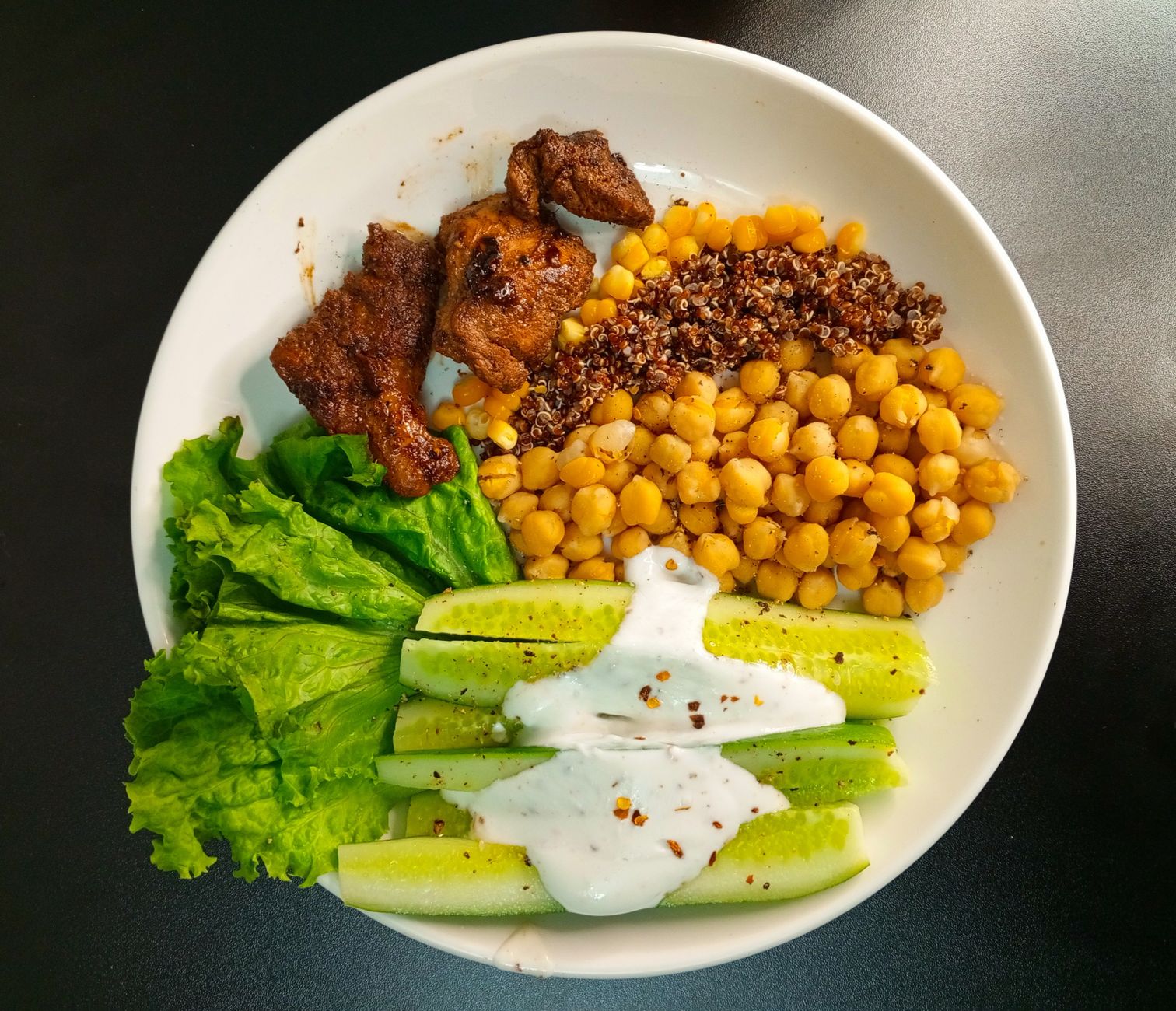
Zone Diet for Weight Loss: Your Complete 2026 Guide to Success

Zone Diet for Weight Loss: Your Complete 2026 Guide to Success
On this page

The Zone Diet for weight loss balances macronutrients to control insulin and inflammation, promoting fat burning. Our 2026 guide details how it works,

Shubhra Mishra

By Shubhra Mishra — a mom of two who turned her own confusion during pregnancy into BumpBites, a global mission to make food choices clear, safe, and stress-free for every expecting mother. 💛

Are you a qualified maternal-health or nutrition expert? Join our reviewer circle.

Wondering about another food?

Check whether any food is safe during pregnancy with the BumpBites Food Safety Checker.

Quick take: The Zone Diet is a nutrition plan designed to manage your body's hormonal responses to food by balancing macronutrients (40% carbohydrates, 30% protein, 30% fat) at every meal. This balance aims to stabilize blood sugar, reduce inflammation, and promote sustainable weight loss by optimizing how your body uses energy. It involves calculating personalized "blocks" of food to meet your individual needs.
You've likely heard of countless diets promising quick fixes for weight loss, leaving you feeling overwhelmed, confused, and maybe a little discouraged. If you're tired of guessing games and are looking for a structured, science-backed approach that could help you feel better and shed unwanted pounds, the Zone Diet might be on your radar. It’s not just about cutting calories; it’s about understanding how food affects your hormones, energy levels, and overall well-being. The Zone Diet, developed by Dr. Barry Sears, focuses on achieving a specific balance of macronutrients – carbohydrates, proteins, and fats – to keep your body in a "zone" where it can function optimally. This balance is designed to control insulin levels, reduce chronic inflammation, and ultimately support healthy weight loss. For many women, especially those navigating hormonal changes or looking for a sustainable approach, this method offers a refreshing change from restrictive eating. In this guide, we'll break down exactly what the Zone Diet entails, how to tailor it to your needs, what foods to prioritize, and what to expect on your journey. We’ll also cover crucial considerations for women, including those trying to conceive, pregnant, or breastfeeding. Our goal is to provide you with a clear, authoritative roadmap to help you decide if the Zone Diet is the right path for your weight loss and health goals.

What is the Zone Diet and how does it work for weight loss?

The Zone Diet is a nutritional strategy that aims to keep your body in an optimal physiological state, or "the Zone," by precisely balancing your macronutrient intake at every meal and snack. Unlike diets that simply restrict calories or entire food groups, the Zone Diet focuses on the hormonal impact of food. Specifically, it targets the regulation of insulin and glucagon, two key hormones that play a crucial role in how your body stores and uses fat. The core principle of the Zone Diet revolves around a specific macronutrient ratio: 40% of your calories from carbohydrates, 30% from protein, and 30% from healthy fats. This 40-30-30 ratio is designed to:
  • Control Insulin Levels: Insulin is a hormone released by the pancreas in response to carbohydrate intake. While essential, chronically high insulin levels can signal your body to store fat and can contribute to inflammation. The Zone Diet’s controlled carbohydrate intake aims to keep insulin levels stable, preventing sharp spikes and crashes.
  • Optimize Glucagon Release: Glucagon is insulin's counterpart; it helps release stored energy (fat) from your cells. By balancing protein and fat with carbohydrates, the Zone Diet encourages a steady release of glucagon, promoting fat burning.
  • Reduce Inflammation: Chronic, low-grade inflammation is increasingly recognized as a root cause of many chronic diseases and can hinder weight loss. The Zone Diet emphasizes anti-inflammatory foods, particularly monounsaturated fats and colorful fruits and vegetables, while limiting pro-inflammatory refined carbohydrates and certain saturated fats. This focus on reducing inflammation can lead to improved overall health and make weight loss easier.
  • Promote Satiety: The balanced intake of protein and healthy fats, combined with fiber-rich carbohydrates, helps you feel fuller for longer. This reduces cravings and overeating, naturally leading to a calorie deficit without the feeling of deprivation often associated with other diets.
By maintaining this hormonal balance, your body shifts from a state of fat storage to a state of efficient fat burning. This not only supports weight loss but can also lead to increased energy, improved mental clarity, and better management of blood sugar levels. Many women report feeling more stable and less prone to energy slumps throughout the day when following this eating pattern.
A perfectly balanced meal with a grilled chicken breast, a vibrant salad featuring spinach, bell peppers, and berries, and a drizzle of olive oil, representing the Zone Diet's macronutrient proportions.
A balanced meal is key to the Zone Diet, focusing on the 40-30-30 ratio of carbs, protein, and fat.

How to calculate your Zone Diet blocks for personalized weight loss?

One
of the unique aspects of the Zone Diet is its personalized approach through "blocks." Instead of simply counting calories, you calculate your individual protein needs, which then determine your carbohydrate and fat intake. This ensures the diet is tailored to your body's specific requirements, making it more effective for weight loss. Here's a step-by-step guide to calculating your Zone Diet blocks:

Step 1: Determine Your Lean Body Mass (LBM)

Your Lean Body Mass is your total body weight minus your body fat. This is the most accurate starting point because it reflects the metabolically active tissue in your body.
  • If you know your body fat percentage: LBM = Total Body Weight (lbs) x (100% - Body Fat %)
    Example: If you weigh 150 lbs and have 25% body fat, your LBM = 150 x (1 - 0.25) = 150 x 0.75 = 112.5 lbs.
  • If you don't know your body fat percentage: You can use a general estimate based on your gender and build. This is less precise but can be a starting point.
    For women:
    • Small frame: 0.70 x Total Body Weight
    • Medium frame: 0.65 x Total Body Weight
    • Large frame: 0.60 x Total Body Weight
    You can estimate your frame size by wrapping your thumb and middle finger around your wrist. If they overlap, you have a small frame. If they just touch, medium. If they don't touch, large.

Step 2: Calculate Your Protein Requirement

Your protein requirement depends on your LBM and your activity level. The Zone Diet recommends a certain amount of protein (in grams) per pound of LBM.
  • Sedentary (light activity): 0.5 grams of protein per pound of LBM
  • Moderate activity (walks, light exercise 3-4 times/week): 0.6 grams of protein per pound of LBM
  • Active (intense exercise 4-5 times/week): 0.7 grams of protein per pound of LBM
  • Very Active (athletes, heavy training): 0.8 grams of protein per pound of LBM
Example: If your LBM is 112.5 lbs and you are moderately active, your daily protein requirement = 112.5 x 0.6 = 67.5 grams of protein.

Step 3: Convert Protein Grams to Protein Blocks

In the Zone Diet, each "block" of protein contains approximately 7 grams of protein.
Daily Protein Blocks = Total Daily Protein Requirement (grams) / 7 grams per block
Example: 67.5 grams / 7 = ~9.64 blocks. You would round this to the nearest whole number, so 10 protein blocks per day.

Step 4: Determine Your Total Daily Zone Blocks

Once you have your total protein blocks, this number also represents your total daily carbohydrate blocks and fat blocks.
So, if you need 10 protein blocks, you also need 10 carbohydrate blocks and 10 fat blocks per day.
This maintains the 40-30-30 macro ratio (approximately):
  • 1 protein block = 7 grams protein (28 calories)
  • 1 carbohydrate block = 9 grams carbohydrates (36 calories)
  • 1 fat block = 1.5 grams fat (13.5 calories)
The slight differences in calorie counts per block ensure the overall 40-30-30 ratio is maintained when consumed together.

Step 5: Distribute Your Blocks Throughout the Day

The Zone Diet recommends eating 3 main meals and 2-3 snacks per day to keep your blood sugar stable. Each meal should contain a balance of protein, carbs, and fat blocks. A common distribution for 10 blocks per day might look like this:
Meal Type Protein Blocks Carbohydrate Blocks Fat Blocks Total Blocks per Meal
Breakfast 3 3 3 9
Lunch 3 3 3 9
Dinner 3 3 3 9
Snack 1 1 1 1 3
Snack 2 1 1 1 3
Daily Total 11 11 11 33
*Note: The example above shows 11 blocks for clarity in meal distribution, reflecting an individual needing slightly more than 10 total blocks.* You'll notice in the example table that the total blocks for the day is 33 (11 protein, 11 carb, 11 fat), rather than 10. This is because the Zone Diet typically recommends a minimum of 3 blocks per meal and 1 block per snack. If your calculation yields, say, 10 blocks, you might distribute them as 3-3-3 for meals and 1-1 for snacks, meaning you'd have 11 blocks total for each macro. It's about getting *at least* your calculated number, and often rounding up to meet meal/snack minimums. This block system simplifies meal planning once you understand how different foods fit into the block structure. Many resources, including Dr. Sears' books, provide extensive lists of common foods and their corresponding block values.

What foods are allowed on the Zone Diet for effective weight loss?

The Zone Diet emphasizes whole, unprocessed foods that contribute to hormonal balance and reduce inflammation. Focusing on these nutrient-dense options not only supports weight loss but also provides essential vitamins, minerals, and fiber.

Foods to Enjoy on the Zone Diet

These foods form the foundation of your Zone Diet meal plan:
  • Lean Proteins (1 block = 7g protein):
    • Skinless chicken breast, turkey breast
    • Fish (salmon, tuna, cod, tilapia, sardines)
    • Egg whites (1.5 large egg whites = 1 block) or whole eggs (1 large egg = 1 protein block + 1 fat block)
    • Lean beef (sirloin, flank steak), pork tenderloin
    • Low-fat cottage cheese, Greek yogurt (plain, unsweetened)
    • Plant-based options: Tofu, tempeh, edamame, lentils (note: legumes also contain carbs, so adjust accordingly).
  • Healthy Fats (1 block = 1.5g fat):
    • Monounsaturated fats: Olive oil, avocado, almonds, macadamia nuts
    • Omega-3 rich fats: Fatty fish (salmon, mackerel), flaxseed oil, chia seeds
    • Small amounts of other nuts and seeds (walnuts, pecans, sunflower seeds)
  • Low-Glycemic Carbohydrates (1 block = 9g carbohydrates):
    • Vegetables: Most non-starchy vegetables are excellent choices. Aim for colorful options like spinach, broccoli, kale, bell peppers, zucchini, green beans, asparagus, tomatoes, mushrooms.
    • Fruits: Berries (strawberries, blueberries, raspberries), apples, oranges, grapefruit, kiwi, cherries. These are generally lower in sugar than tropical fruits.
    • Grains (in moderation): Oatmeal (steel-cut or rolled), barley, quinoa. These are used sparingly to stay within the carb limits.
    • Legumes (in moderation): Lentils, chickpeas, black beans. Remember these also contribute protein.

Foods to Limit or Avoid on the Zone Diet

These foods can disrupt hormonal balance and promote inflammation, hindering your weight loss efforts.
  • High-Glycemic Carbohydrates:
    • Sugary drinks (soda, fruit juice with added sugar)
    • Refined grains (white bread, white pasta, white rice, most breakfast cereals)
    • Baked goods (cakes, cookies, pastries)
    • Starchy vegetables (white potatoes, corn, carrots, peas – consume in very small portions if at all)
    • Tropical fruits (bananas, mangoes, pineapple – higher sugar content)
  • High-Fat and Processed Foods:
    • Fatty cuts of meat, processed meats (sausage, bacon, deli meats)
    • Full-fat dairy products (full-fat cheese, whole milk)
    • Fried foods, fast food
    • Snack foods (chips, crackers, candy bars)
    • Trans fats and excessive saturated fats
  • Alcohol: Generally discouraged due to its calorie content and potential to disrupt metabolic balance. If consumed, it should be in strict moderation and counted within your fat blocks.

Zone Diet Grocery List for Beginners

To get started, focus on these staples for your pantry and fridge:
  • Proteins: Chicken breast, turkey mince, salmon fillets, eggs, Greek yogurt, tofu.
  • Vegetables: Spinach, broccoli, bell peppers, zucchini, cucumbers, salad greens, tomatoes.
  • Fruits: Berries (fresh or frozen), apples, oranges.
  • Healthy Fats: Olive oil, avocado, almonds, chia seeds.
  • Grains (small amounts): Rolled oats, quinoa.
Having a well-stocked kitchen with Zone-friendly options makes meal preparation much easier and reduces the temptation to reach for less ideal choices.
A shopping cart overflowing with fresh, colorful vegetables like broccoli, bell peppers, leafy greens, and berries, alongside lean chicken breasts, salmon fillets, and a container of plain Greek yogurt, representing a typical Zone Diet grocery haul.
Filling your cart with fresh, whole foods is the first step to success on the Zone Diet.

Is the Zone Diet safe for women trying to conceive or during pregnancy?

For women in particular, understanding the safety and suitability of any diet during key reproductive stages like trying to conceive (TTC), pregnancy, and breastfeeding is paramount. The Zone Diet, with its emphasis on balanced nutrition and anti-inflammatory foods, can offer some potential benefits, but it also requires careful consideration and, most importantly, professional guidance.

Trying to Conceive (TTC)

The Zone Diet's focus on managing blood sugar and reducing inflammation can be beneficial for women trying to conceive, especially those with conditions like Polycystic Ovary Syndrome (PCOS). Stable blood sugar and reduced inflammation can positively impact hormonal balance, which is crucial for ovulation and fertility.
However, it's vital to ensure adequate nutrient intake. When exploring weight loss diets like keto, some women might inadvertently restrict important food groups. The Zone Diet, while structured, allows for a wider variety of fruits and vegetables than some very low-carb approaches, which is good for micronutrient diversity. Ensure you're getting enough:
  • Folate: Essential for early fetal development, found in leafy greens, legumes, and fortified grains.
  • Iron: Crucial for red blood cell production, found in lean meats, fish, and fortified cereals.
  • Omega-3 Fatty Acids: Important for egg quality and overall reproductive health, found in fatty fish, flaxseeds, and chia seeds.
Recommendation: If you are TTC and considering the Zone Diet, speak with your OB/GYN or a registered dietitian specializing in fertility. They can help you tailor the block calculations to ensure you meet all nutrient needs for a healthy conception.

During Pregnancy

Pregnancy is not the time for restrictive dieting aimed at weight loss. The primary goal during pregnancy is to support the healthy growth and development of your baby, which requires adequate calories and a wide array of nutrients. While the Zone Diet’s principles of balanced macronutrients and whole foods are generally healthy, the specific caloric intake might be too low for pregnancy needs.
The American College of Obstetricians and Gynecologists (ACOG) provides guidelines for healthy weight gain during pregnancy, emphasizing a nutrient-dense diet. While the Zone Diet encourages nutrient-dense foods, the strict block calculation might lead to insufficient calories, especially in the second and third trimesters when caloric needs increase.
Potential Concerns:
  • Caloric Restriction: Insufficient calorie intake can hinder fetal growth and development.
  • Nutrient Deficiencies: While the Zone Diet emphasizes healthy foods, strict adherence without careful planning could lead to deficiencies if certain food groups are inadvertently limited.
Recommendation: The Zone Diet is generally *not recommended* for active weight loss during pregnancy. However, if you were following the Zone Diet pre-pregnancy and wish to continue its principles of balanced eating, you *must* work closely with your OB/GYN and a registered dietitian to adjust your block intake significantly to meet the increased caloric and nutrient demands of pregnancy. They can help you focus on the quality of your diet rather than strict weight loss.

While Breastfeeding

Similar to pregnancy, breastfeeding requires significant caloric and nutrient intake to support milk production and maintain your own health. Producing breast milk burns a substantial number of calories, often requiring an additional 330-400 calories per day on top of your pre-pregnancy needs, according to the Academy of Nutrition and Dietetics.
Potential Concerns:
  • Reduced Milk Supply: Insufficient calorie or nutrient intake can negatively impact your milk supply.
  • Maternal Depletion: Not meeting your own nutritional needs while breastfeeding can lead to fatigue and nutrient deficiencies in the mother.
For women seeking postpartum weight loss, the Zone Diet's focus on nutrient-dense foods and stable blood sugar could be beneficial, but the caloric intake *must* be adjusted upwards.
Recommendation: If you are breastfeeding and considering the Zone Diet for postpartum weight loss, consult with your healthcare provider or a lactation consultant and a registered dietitian. They can help you calculate appropriate caloric and block needs to ensure both you and your baby remain well-nourished, focusing on gradual, healthy weight loss rather than rapid restriction. In summary, while the Zone Diet promotes healthy eating principles, its application during TTC, pregnancy, and breastfeeding requires significant modification and expert supervision to ensure the health and safety of both mother and baby. Always prioritize professional medical advice during these sensitive life stages.

Sample Zone Diet meal plans for quick weight loss results

Getting started with the Zone Diet's block system can feel a bit like learning a new language, but once you understand the principles, meal planning becomes much simpler. The key is to consistently balance your protein, carbohydrate, and fat blocks at each meal and snack. Below is a sample 7-day meal plan designed for an individual needing approximately 11 blocks per day (3 blocks per meal, 1 block per snack), demonstrating how to incorporate Zone-friendly foods. Remember to adjust portion sizes based on your personal block calculation.

A Note on Blocks

For simplicity in this sample plan, we'll assign "3-block meals" and "1-block snacks." This means each meal provides approximately 21g protein, 27g carbohydrates, and 4.5g fat, while snacks provide 7g protein, 9g carbohydrates, and 1.5g fat. You'll need to use a Zone Diet food block chart to precisely measure your portions.
Day Breakfast (3 Blocks) Morning Snack (1 Block) Lunch (3 Blocks) Afternoon Snack (1 Block) Dinner (3 Blocks)
Monday Scrambled eggs (3 eggs), 1 slice whole-grain toast, 1 cup berries, 1 tsp olive oil 1 oz almonds, 1/2 apple Grilled chicken salad (3 oz chicken, mixed greens, bell peppers, cucumber), 1 tbsp olive oil vinaigrette 1/2 cup plain Greek yogurt, 1/4 cup blueberries Baked salmon (3 oz), 1 cup steamed broccoli, 1/2 cup quinoa, 1 tsp olive oil
Tuesday Greek yogurt (1 cup) with 1/4 cup mixed berries, 1 tbsp chia seeds 1 hard-boiled egg, 1/2 orange Turkey and avocado wrap (3 oz sliced turkey, 1/4 avocado, lettuce, tomato in a whole-wheat tortilla) 1 oz walnuts, 5 cherry tomatoes Lean ground beef stir-fry (3 oz beef, 1.5 cups mixed veggies like snow peas, bok choy), 1/2 cup brown rice, 1 tsp sesame oil
Wednesday Oatmeal (1/2 cup dry) with 1 scoop protein powder, 1/4 cup raspberries, 1 tbsp flaxseed meal 1/2 cup cottage cheese, 1/4 cup pineapple chunks Leftover lean ground beef stir-fry 1 oz cheese stick, 1/2 bell pepper Chicken breast (3 oz) with roasted asparagus (1.5 cups) and 1/2 baked sweet potato (small), 1 tsp olive oil
Thursday Smoothie: 1 scoop protein powder, 1/2 cup spinach, 1/2 cup almond milk, 1/4 cup blueberries, 1 tbsp almond butter Edamame (1/2 cup shelled), 1/2 pear Tuna salad (3 oz tuna mixed with 1 tbsp Greek yogurt, celery) on a bed of lettuce, 1/2 apple 1 oz pistachios, 5 cucumber slices Pork tenderloin (3 oz), 1.5 cups green beans, 1/2 cup wild rice, 1 tsp olive oil
Friday Scrambled tofu (3 oz tofu), 1 cup mixed veggies (onions, bell peppers), 1 slice whole-grain toast, 1 tsp olive oil 1/2 cup plain Greek yogurt, 1/4 cup blackberries Black bean burger (1 patty) on a lettuce wrap, side salad with 1 tbsp olive oil vinaigrette 1 hard-boiled egg, 1/2 cup baby carrots Shrimp scampi (3 oz shrimp, garlic, lemon, 1 tsp olive oil) with 1 cup zucchini noodles, 1/2 cup whole wheat pasta
Saturday Whole-grain pancakes (1-2 small) with 1 scoop protein powder, 1/4 cup mixed berries, 1 tbsp Greek yogurt 1 oz almonds, 1/2 grapefruit Leftover shrimp scampi 1/2 cup cottage cheese, 1/4 cup peaches (canned in water, no sugar) Chicken chili (3 oz chicken, 1/2 cup beans, 1 cup tomatoes/peppers), 1 tbsp shredded cheese, 1/4 avocado
Sunday Omelet (3 eggs) with spinach and mushrooms, 1/2 cup berries, 1 tsp olive oil 1/2 cup edamame, 1/2 apple Chef salad (3 oz turkey, 1/2 hard-boiled egg, mixed greens, cucumber, tomatoes), 1 tbsp olive oil vinaigrette 1 oz walnuts, 1/2 cup celery sticks Baked cod (3 oz), 1.5 cups roasted Brussels sprouts, 1/2 cup brown rice, 1 tsp olive oil

Zone Diet Recipes for Busy Parents

The Zone Diet can be adapted for busy schedules. Here are some tips and ideas:
  • Meal Prep: Dedicate an hour or two on a weekend to cook proteins (chicken breasts, ground turkey), chop vegetables, and pre-portion snacks. This saves immense time during the week.
  • Sheet Pan Meals: Toss protein (chicken, fish) and non-starchy vegetables with olive oil and seasonings on a sheet pan, then roast. Easy cleanup!
  • Mason Jar Salads: Layer your salad components in a jar: dressing at the bottom, hard vegetables, protein, greens on top. Grab and go.
  • Smoothies: A quick and easy way to get a balanced meal. Pre-bag frozen fruit, spinach, and protein powder, then just add liquid and blend.
  • Leftovers are Your Friend: Always cook a bit extra for dinner so you have a Zone-friendly lunch for the next day.
This sample plan provides a framework. The true power of the Zone Diet comes from understanding the block system and applying it to your favorite Zone-friendly foods. For women juggling family and work, a structured approach like this can bring much-needed predictability and control to their nutrition.

How long does it take to see weight loss results on the Zone Diet?

When starting any new diet, it's natural to wonder about the timeline for seeing results. With the Zone Diet, just like with other balanced approaches such as the DASH diet for weight loss, the timeline for weight loss can vary significantly from person to person. However, understanding what to expect can help you set realistic goals and stay motivated.

Initial Phase (First 1-2 Weeks)

Many individuals report an initial drop in weight during the first week or two on the Zone Diet. This rapid weight loss is often primarily due to:
  • Reduced Water Retention: By significantly cutting back on refined carbohydrates and processed foods, your body will naturally shed excess water. Carbohydrates cause your body to retain more water, so as you reduce your carb intake, your body releases this stored water.
  • Improved Gut Health: Shifting to whole, unprocessed foods can quickly improve digestive function, leading to less bloating and a lighter feeling.
While this initial drop can be encouraging, it's important to remember that it's largely water weight, not significant fat loss. You may also notice improved energy levels, better sleep, and reduced cravings during this period, as your blood sugar stabilizes.

Sustainable Fat Loss (Weeks 3-12 and Beyond)

After the initial water weight loss, the Zone Diet typically promotes a more gradual and sustainable rate of fat loss. A healthy, sustainable rate of weight loss is generally considered to be 1 to 2 pounds (0.5 to 1 kg) per week.
Within 3 to 4 weeks, many women begin to notice:
  • More consistent energy levels throughout the day
  • Reduced hunger and cravings between meals
  • Improvements in mood and mental clarity
  • Visible changes in body composition, with clothes fitting better
By 8 to 12 weeks, consistent adherence to the Zone Diet can lead to significant and noticeable weight loss, particularly if combined with regular physical activity. This is when the hormonal balancing effects of the diet truly kick in, optimizing your body's ability to burn stored fat.

Factors Influencing Your Results

Several individual factors can influence how quickly you see results on the Zone Diet:
  • Starting Weight: Individuals with more weight to lose often see faster initial results.
  • Adherence: Strict adherence to the block calculations and food choices will yield faster results than inconsistent application.
  • Metabolic Health: Underlying metabolic conditions (e.g., insulin resistance, thyroid issues) can affect the rate of weight loss. It's always a good idea to discuss these with your doctor.
  • Physical Activity: Incorporating regular exercise, especially a mix of cardiovascular and strength training, will accelerate fat loss and improve body composition.
  • Sleep and Stress: Adequate sleep and stress management are critical for hormonal balance and can impact weight loss. Poor sleep and high stress can elevate cortisol, a hormone that can hinder fat loss.
  • Individual Metabolism: Everyone's body responds slightly differently to dietary changes. What works quickly for one person might take a bit longer for another.
One reader described her experience: "I started the Zone Diet feeling sluggish and desperate after years of yo-yo dieting. The first week, I dropped a few pounds, which was motivating, but what really kept me going was how much more energy I had. By the end of the first month, my clothes felt looser, and I wasn't constantly thinking about food. It felt like my body was finally working *with* me, not against me." The Zone Diet is designed for long-term health and sustainable weight management, not just quick fixes. While you might see rapid initial changes, the true benefits—including consistent fat loss and improved well-being—unfold steadily over several weeks and months of consistent effort.

What are the pros and cons of the Zone Diet for long-term weight management?

Like any dietary approach, the Zone Diet comes with its unique set of advantages and disadvantages. Understanding these can help you determine if it's a sustainable choice for your long-term health and weight management goals. Many women find the structured nature appealing, while others may find it overly restrictive.

Pros of the Zone Diet for Long-Term Weight Management

  • Hormonal Balance: Its core strength lies in balancing insulin and glucagon, which can lead to stable blood sugar, reduced cravings, and sustained energy levels. This is a significant benefit for long-term health and can prevent the metabolic roller coaster common with high-carb, processed diets.
  • Reduced Inflammation: By emphasizing lean proteins, healthy fats (especially monounsaturated and omega-3s), and low-glycemic fruits and vegetables, the Zone Diet is inherently anti-inflammatory. Chronic inflammation is linked to numerous health issues, including heart disease, diabetes, and certain cancers, so reducing it offers significant long-term health benefits beyond just weight loss.
  • Emphasis on Whole Foods: The diet naturally steers you away from processed foods, refined sugars, and unhealthy fats, promoting a diet rich in nutrient-dense whole foods. This aligns with general public health recommendations for healthy eating.
  • Personalized Approach: The block calculation system, tailored to your lean body mass and activity level, makes the diet highly individualized. This contrasts with one-size-fits-all diets and can be more effective for achieving specific goals.
  • Satiety and Hunger Control: The balanced macronutrient ratio, particularly the adequate protein and fat, helps you feel full and satisfied, reducing the likelihood of overeating and making it easier to stick to the plan long-term.
  • Improved Cognitive Function: Stable blood sugar and reduced inflammation can lead to better focus, concentration, and overall mental clarity, which is a welcome benefit for many busy women.

Cons of the Zone Diet for Long-Term Weight Management

  • Complexity and Learning Curve: The initial calculation of blocks and the need to measure or estimate food portions can be daunting and time-consuming, especially for beginners. It requires a significant learning investment upfront.
  • Strictness and Social Eating: Adhering to precise macro ratios can make eating out, social gatherings, or travel challenging. It may feel restrictive and require careful planning to avoid feeling isolated.
  • Potential for Calorie Restriction: While designed for balance, some interpretations or strict adherence to the block system, particularly for active individuals, might lead to consuming fewer calories than genuinely needed, which can hinder metabolism or lead to nutrient deficiencies over time if not carefully managed.
  • Cost: Emphasizing lean proteins, fresh produce, and healthy fats can sometimes be more expensive than a diet based on processed, cheaper alternatives.
  • Not for Everyone: While beneficial for many, the Zone Diet's lower carbohydrate intake might not be ideal for all body types or activity levels. For example, very active individuals might need more carbohydrates to fuel intense workouts.
  • Focus on Macronutrients Over Micronutrients: While it encourages whole foods, the primary focus is on macro balance. It’s still important to ensure a wide variety of fruits and vegetables to cover all essential micronutrients.

Zone Diet vs. Mediterranean Diet for Weight Loss

When considering long-term sustainability, it's helpful to compare the Zone Diet to other well-regarded eating patterns. The Mediterranean diet, for example, is often praised for its health benefits and sustainability.
Feature Zone Diet Mediterranean Diet
Primary Focus Hormonal balance (insulin, glucagon) via precise macro ratios (40-30-30). Overall dietary pattern, emphasizes whole, unprocessed foods, healthy fats, and plant-based eating.
Carbohydrates Controlled, low-glycemic (40% of calories), often fewer grains. Moderate, complex carbs (whole grains, legumes, fruits, veggies), no strict limits.
Protein Sources Lean proteins (chicken, fish, egg whites, lean beef). Fish, poultry, legumes; less red meat.
Fat Sources Monounsaturated fats (olive oil, avocado, nuts) and Omega-3s (fatty fish). Predominantly olive oil, nuts, seeds, fatty fish.
Flexibility More structured, requires block counting and portion control. More flexible, emphasizes food groups and quality over strict ratios.
Social Eating Can be challenging due to precise measurements. Easier to adapt to social settings, focuses on shared meals.
Inflammation Strong anti-inflammatory focus through macro balance and food choices. Inherently anti-inflammatory due to high fruit, vegetable, and healthy fat intake.
Long-Term Health Effective for weight loss, blood sugar control, and reducing inflammation. Widely studied for heart health, longevity, and chronic disease prevention.
While the Zone Diet offers a more prescriptive path to hormonal balance and weight loss, the Mediterranean diet provides a broader framework for healthy eating that some may find more adaptable and enjoyable for long-term adherence. The best choice depends on your personal preferences, health goals, and how much structure you prefer in your diet.

Myth vs. Fact: Common Misconceptions About the Zone Diet

Navigating the world of diets often means sifting through a lot of misinformation. The Zone Diet is no exception. Here, we address some common myths to provide clarity.

Myth: The Zone Diet is a low-carb diet like the ketogenic diet.

Fact: While the Zone Diet controls carbohydrate intake, it's not a very low-carb or ketogenic diet. The ketogenic diet typically restricts carbohydrates to 20-50 grams per day (often less than 10% of total calories) to induce ketosis. The Zone Diet, with 40% of calories from carbohydrates, allows for a significantly higher intake of complex carbs from fruits and vegetables, focusing on glycemic control rather than ketosis. It's about balance, not extreme restriction, which makes it feel less stringent than diets like the carnivore diet for many.

Myth: You have to be perfect with your block counting every single day or the diet won't work.

Fact: While consistency is key, the Zone Diet isn't about rigid perfection. Dr. Sears himself emphasizes that it's about making better food choices most of the time. If you occasionally have a meal that isn't perfectly "in the Zone," it won't derail your progress. The goal is to build sustainable habits. Think of it as aiming for an 80/20 rule – 80% Zone-compliant, 20% flexibility.

Myth: The Zone Diet is too complicated and requires constant food weighing.

Fact: The initial learning curve for calculating blocks and understanding food portions can feel complex. However, over time, most adherents develop an intuitive sense of portion sizes and block values. You don't need to weigh every single morsel forever. Once you're familiar with common food block values, you can eyeball portions or use simple visual cues. Many online resources and apps can also simplify tracking.

Key Takeaways

  • The Zone Diet balances macronutrients (40% carbs, 30% protein, 30% fat) to stabilize blood sugar, reduce inflammation, and promote weight loss.
  • It uses a personalized "block" system, calculated based on your lean body mass and activity level, to determine daily food intake.
  • Emphasis is on lean proteins, healthy fats (olive oil, avocado, nuts), and low-glycemic carbohydrates (non-starchy vegetables, berries).
  • The Zone Diet is generally not recommended for active weight loss during pregnancy or breastfeeding without strict medical supervision due to caloric and nutrient needs.
  • Expect initial water weight loss, followed by a steady and sustainable fat loss of 1-2 pounds per week with consistent adherence.
  • While it offers benefits like hormonal balance and reduced inflammation, its strictness and initial complexity can be challenging for some.

Frequently Asked Questions

Does the Zone Diet really help you lose weight?

Yes, the Zone Diet can be very effective for weight loss. Its primary mechanism is to stabilize blood sugar and reduce inflammation, which optimizes your body's ability to burn stored fat rather than store it. By balancing macronutrients, it helps control hunger and cravings, leading to a natural reduction in calorie intake without feeling deprived. Many women find it helps them shed stubborn pounds.

What are the disadvantages of the Zone Diet?

Some disadvantages include the initial complexity of calculating blocks and measuring food, which can be time-consuming. Its structured nature can also make social eating or dining out challenging. For some, the lower carbohydrate intake may not be suitable for very intense exercise, and the emphasis on fresh, lean ingredients can sometimes be more expensive than a diet of processed foods.

What foods are restricted on the Zone Diet?

The Zone Diet restricts foods that can cause rapid blood sugar spikes and promote inflammation. This includes high-glycemic carbohydrates like refined grains (white bread, pasta, white rice), sugary drinks, baked goods, and starchy vegetables like white potatoes. It also limits fatty cuts of meat, processed meats, full-fat dairy, fried foods, and trans fats.

Is the Zone Diet sustainable long term?

For many, the Zone Diet can be sustainable long-term, especially once they've mastered the block system and developed intuitive portion control. Its focus on whole, nutrient-dense foods and its anti-inflammatory benefits align with general healthy eating principles. However, its strictness can be a barrier for others who prefer more flexibility, making it a personal choice for long-term adherence.

How much weight can you lose on the Zone Diet in a month?

While initial water weight loss can be quicker, a healthy and sustainable rate of fat loss on the Zone Diet is typically 1 to 2 pounds (0.5 to 1 kg) per week. Therefore, in a month, you could realistically expect to lose 4 to 8 pounds of body fat, assuming consistent adherence and a balanced approach to exercise and lifestyle.

What is a typical Zone Diet breakfast?

A typical Zone Diet breakfast would include a balance of protein, low-glycemic carbohydrates, and healthy fats. An example might be scrambled eggs (for protein) with a side of mixed berries (carbohydrates) and a drizzle of olive oil (healthy fat), or a serving of plain Greek yogurt with a few nuts and a small portion of fruit. The key is to match the protein, carb, and fat blocks for your individual needs.

When to See a Doctor or Specialist

While the Zone Diet can be a healthy approach to eating for many, it’s always wise to consult with a healthcare professional before making significant dietary changes, especially if you have underlying health conditions.
  • Before Starting: Talk to your primary care provider or a registered dietitian, particularly if you have diabetes, heart disease, kidney issues, or any chronic health conditions. They can help ensure the diet is safe and appropriate for your individual needs.
  • During Pregnancy or Breastfeeding: As discussed, the Zone Diet's strict caloric structure is generally not recommended for active weight loss during these periods. Always consult your OB/GYN or a lactation consultant and a registered dietitian to ensure adequate nutrient intake for both you and your baby.
  • If Experiencing Negative Symptoms: If you experience persistent fatigue, dizziness, unusual hair loss, or any other concerning symptoms while on the Zone Diet, stop the diet and consult your doctor immediately.
  • For Personalized Guidance: A registered dietitian can provide tailored advice on calculating your blocks, meal planning, and ensuring you meet all your nutritional needs, making the diet easier and safer to follow.
This article is for informational purposes only and does not constitute medical advice. Always seek the advice of a qualified healthcare provider for any questions about your medical condition or before making any changes to your diet or treatment plan.

References

  1. Sears, Barry. *The Zone: A Dietary Road Map to Lose Weight Permanently, Regain Health, and Maximize Performance*. ReganBooks, 1995.
  2. American College of Obstetricians and Gynecologists (ACOG). "Weight Gain During Pregnancy."
  3. Academy of Nutrition and Dietetics. "Nutrition for Breastfeeding Mothers."
  4. Harvard T.H. Chan School of Public Health. "The Nutrition Source: Mediterranean Diet."
  5. Mayo Clinic. "Healthy Weight Loss."
  6. Centers for Disease Control and Prevention (CDC). "Healthy Eating for a Healthy Weight."

Editor's pick for this topic

Not sure about the label on Zone Diet For Weight Loss products?

Snap the ingredients list and SafeFilter checks every ingredient for your stage — only 3 free scans this month, then you're locked until reset. Unlimited from $7/mo or $50/yr.

Informational only — not medical advice.

Shubhra Mishra

About the Author

When Shubhra Mishra was expecting her first child in 2016, she was overwhelmed by conflicting food advice — one site said yes, another said never. By the time her second baby arrived in 2019, she realized millions of mothers face the same confusion.

That sparked a five-year journey through clinical nutrition papers, cultural diets, and expert conversations — all leading to BumpBites: a calm, compassionate space where science meets everyday motherhood.

Her long-term vision is to build a global community ensuring safe, supported, and free deliveriesfor every mother — because no woman should face pregnancy alone or uninformed. 🌿

🌍 Stand with mothers, shape safer guidance

Join a small circle of experts who review BumpBites articles so expecting parents everywhere can decide with confidence.

⚠️ Always consult your doctor for medical advice. This content is informational only.

Recommended picks

Ritual Ritual Essential Prenatal

Prenatal pick

Ritual — Ritual Essential Prenatal

Choline + DHA + folate from methylfolate (not synthetic).

$39Check prenatal →
Nordic Naturals Nordic Naturals Prenatal DHA (Strawberry Softgels)

Prenatal pick

Nordic Naturals — Nordic Naturals Prenatal DHA (Strawberry Softgels)

Premium fish-oil DHA in strawberry softgels — gentle on the stomach.

$55Check prenatal →