Calculating your Zone blocks might sound intimidating at first, but it's simpler than you think, especially once you get the hang of it. For dinner, most women aim for 3-4 blocks per meal, depending on their individual activity level, body size, and goals. Men typically need 4-5 blocks. Here’s a practical guide to breaking down your dinner plate into Zone-friendly portions.
Understanding Your Personal Block Prescription
To determine your optimal number of blocks per day, you’d typically use a formula based on your lean body mass and activity level. However, for a practical starting point, many women find success beginning with 11-14 blocks per day, distributed across three meals and two snacks. This usually translates to 3-4 blocks for dinner.
Let's assume you're aiming for a 3-block dinner. This means you'll need 3 blocks of protein, 3 blocks of carbohydrates, and 3 blocks of fat. Here’s what that looks like in terms of food portions:
- Protein (3 blocks = 21 grams protein):
- 3 oz cooked lean protein (chicken breast, fish, turkey, lean beef)
- OR 4.5 oz firm tofu
- OR 3 large eggs
- OR 3/4 cup cottage cheese
- Carbohydrates (3 blocks = 27 grams carbohydrates):
- 3 cups non-starchy vegetables (broccoli, spinach, bell peppers)
- OR 1.5 cups starchy vegetables (sweet potato, carrots)
- OR 1/3 cup cooked quinoa or brown rice
- OR 1 slice whole-grain bread
- Fat (3 blocks = 4.5 grams fat):
- 9 almonds
- OR 1.5 teaspoons olive oil or avocado oil
- OR 1/4 avocado
- OR 1.5 tablespoons of a healthy salad dressing
Practical Tips for Estimating Dinner Portions
You don't need a food scale for every meal, especially once you become familiar with common portion sizes. Think of your hand as a guide:
- Protein: A portion about the size and thickness of your palm is roughly 3-4 blocks (3-4 ounces cooked).
- Carbohydrates:
- Non-starchy vegetables: As much as you can comfortably fit in both cupped hands (often 2-3 cups) is a good starting point for 2-3 blocks.
- Starchy vegetables/grains: A portion about the size of your cupped hand is typically 1-2 blocks.
- Fat: A portion about the size of your thumb is generally 1-2 blocks of healthy fat (e.g., a drizzle of olive oil, a small handful of nuts).
When cooking, try to pre-measure ingredients for a few weeks until you develop an intuitive sense of the correct portions. For instance, if you’re making a stir-fry, measure out your 3 oz of chicken, 3 cups of mixed vegetables, and 1.5 tsp of olive oil. Adding a few almonds on the side or a tablespoon of dressing can easily round out your fat blocks.
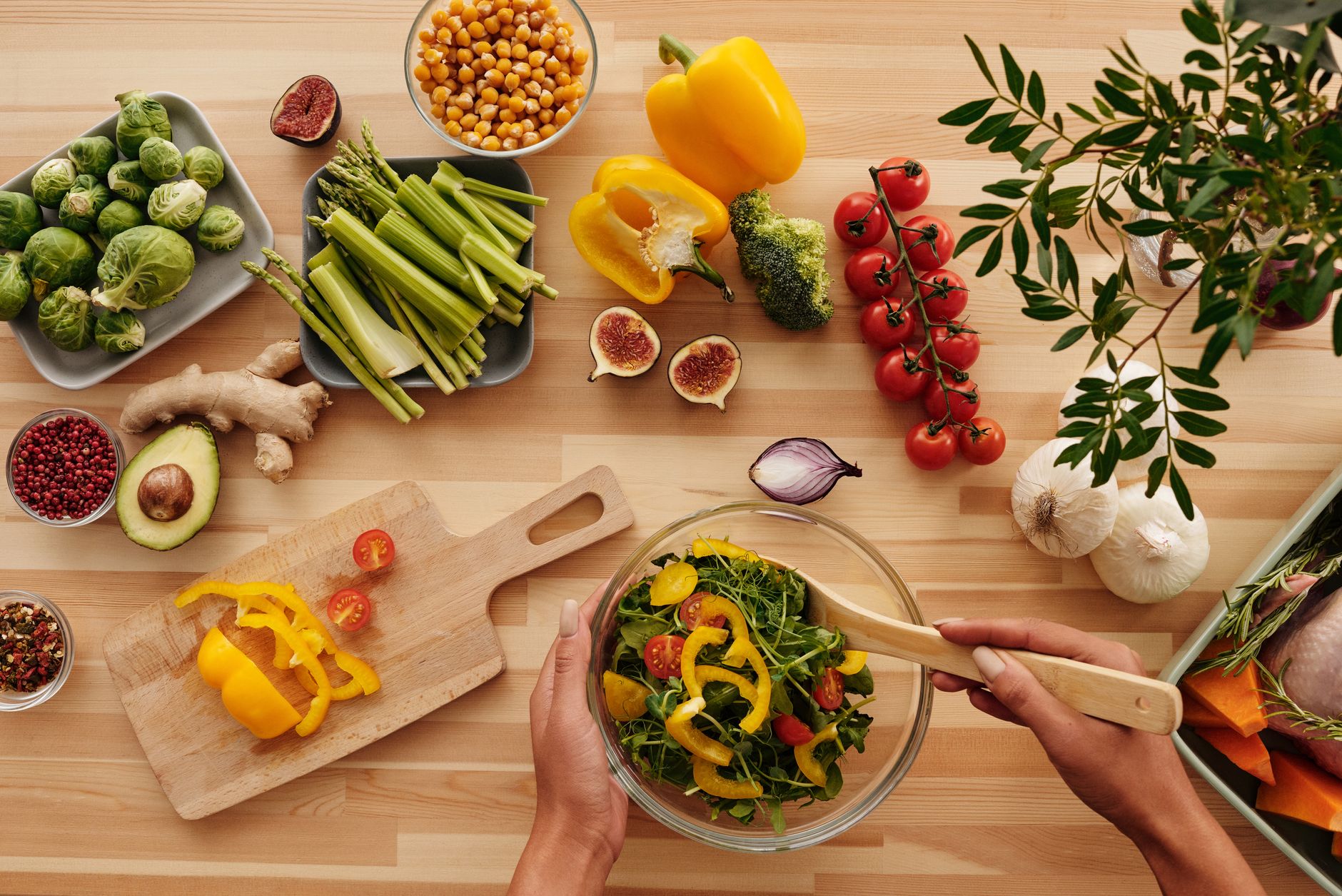
Quick & Easy Zone Diet Dinner Recipes (30 Minutes or Less)
Life gets busy, and sometimes the thought of cooking a balanced meal feels like a mountain to climb. But Zone Diet dinners can be incredibly fast and simple. The key is focusing on lean proteins, abundant non-starchy vegetables, and healthy fats that come together quickly. Here are a few examples of easy zone diet chicken dinner recipes, fish options, and vegetarian meals you can prepare in under 30 minutes.
Lemon Herb Chicken and Asparagus Skillet (3-block meal)
- Protein: 3 oz cooked chicken breast (3 blocks)
- Carbohydrates: 2 cups asparagus, 1 cup cherry tomatoes (3 blocks)
- Fat: 1.5 tsp olive oil, 6 almonds (3 blocks)
Method: Slice chicken breast into thin strips. Heat olive oil in a skillet over medium-high heat. Add chicken and cook until browned, about 5-7 minutes. Add chopped asparagus and cherry tomatoes, season with lemon juice, dried herbs (like oregano or thyme), salt, and pepper. Sauté until vegetables are tender-crisp, about 5-8 minutes. Serve immediately, topping with a sprinkle of fresh parsley and a side of 6 almonds.
Speedy Salmon with Steamed Green Beans & Quinoa (4-block meal)
- Protein: 4 oz cooked salmon fillet (4 blocks)
- Carbohydrates: 1 cup steamed green beans, 1/2 cup cooked quinoa (4 blocks)
- Fat: 2 tsp olive oil (or inherent in salmon), 8 olives (4 blocks)
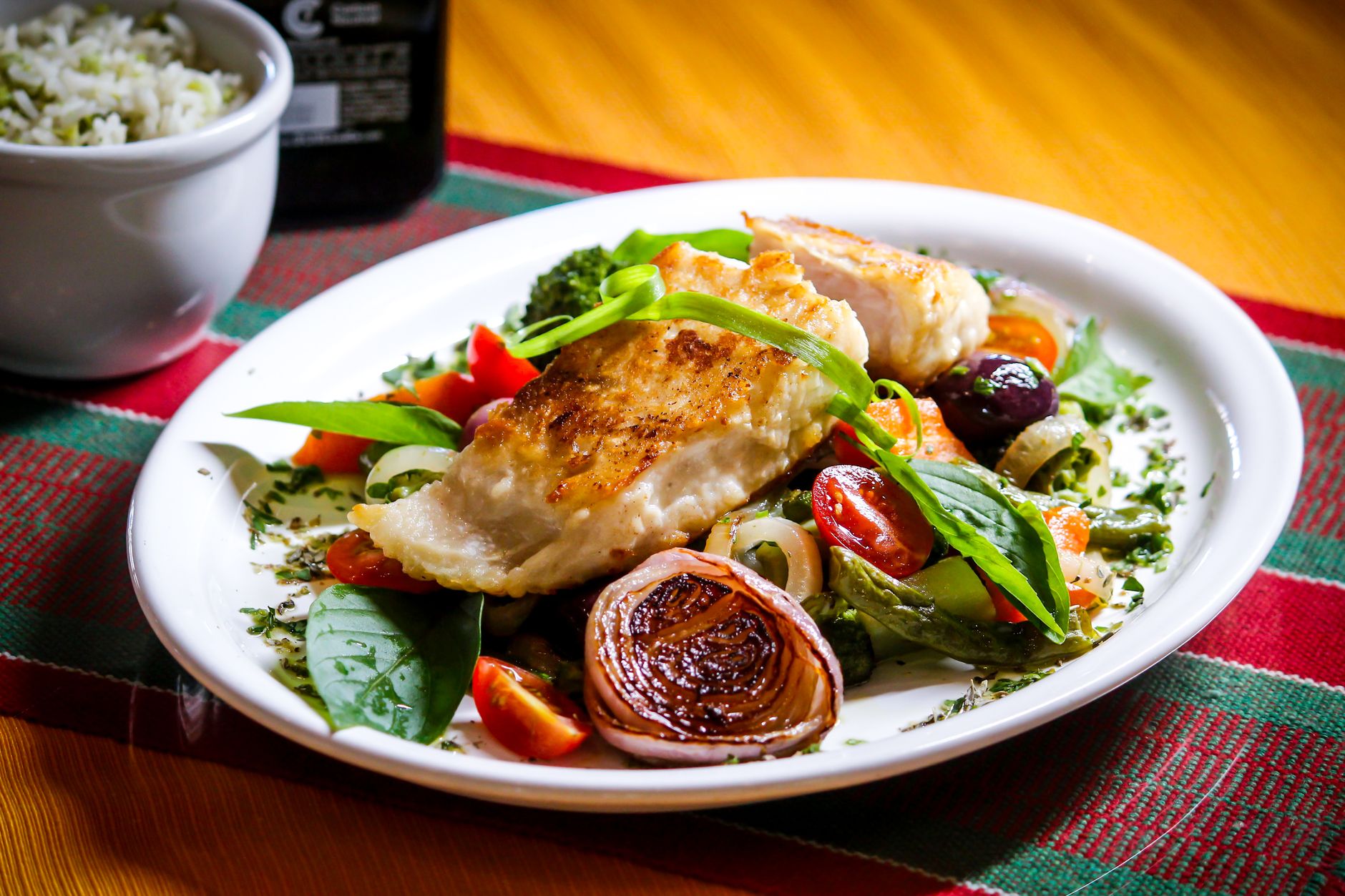
Method: Season salmon fillet with salt, pepper, and a squeeze of lemon. Bake or pan-fry for 12-15 minutes until cooked through. While salmon cooks, steam green beans until tender-crisp. Prepare quinoa according to package directions (or use pre-cooked). Drizzle salmon and green beans with olive oil, add a side of 8 olives. This is a fantastic easy zone diet dinner recipe with fish that’s also a good low carb zone diet dinner idea if you slightly reduce the quinoa portion.
Mediterranean Chickpea Salad with Feta (Vegetarian, 3-block meal)
- Protein: 1/2 cup cooked chickpeas, 1.5 oz feta cheese (3 blocks)
- Carbohydrates: 3 cups mixed greens, 1 cup cucumber, 1 cup bell peppers (3 blocks)
- Fat: 1.5 tsp olive oil, 1/4 avocado (3 blocks)
Method: In a large bowl, combine mixed greens, chopped cucumber, and diced bell peppers. Add rinsed chickpeas and crumbled feta cheese. Whisk together olive oil, lemon juice, a pinch of salt, and pepper for a simple dressing. Drizzle over the salad and toss gently. Serve with a quarter of a sliced avocado. This makes for a refreshing and easy Mediterranean zone diet dinner recipe that's also dairy-free if you omit the feta and add an extra 1/4 cup of chickpeas.
For more inspiration on quick and healthy meals, you might find our guide to easy Dash Diet dinner recipes helpful, as many principles of balanced eating overlap.
Zone Diet Dinner Meal Prep Strategies for Busy Weeknights
The secret to consistently enjoying Zone Diet dinners, especially on busy weeknights, lies in smart meal preparation. A little effort on the weekend can save you hours during the week, making healthy eating a breeze. Here's how to streamline your Zone Diet dinner routine.
Batch Cook Your Proteins
Proteins often take the longest to cook. Dedicate an hour or two on a Sunday to prepare a large batch of lean protein. Consider options like:
- Baked Chicken Breasts/Thighs: Season and bake several pieces at once. Store shredded or sliced in airtight containers.
- Hard-Boiled Eggs: Cook a dozen for quick protein additions to salads or as snacks.
- Cooked Lentils/Beans: Prepare a big pot of lentils or chickpeas from scratch, or simply stock up on canned versions (rinsed well) for easy additions to vegetarian meals.
- Grilled Fish: Grill or bake a few fillets of salmon or cod.
Chop and Store Your Veggies
Pre-chopping vegetables is a game-changer. Wash, chop, and store a variety of non-starchy vegetables like bell peppers, cucumbers, broccoli florets, carrots, and spinach in separate containers. This way, they're ready to be added to stir-fries, salads, or roasted dishes in minutes. You can also pre-portion green leafy vegetables for individual salads.
Prepare Grains and Starches
Cook a larger batch of quinoa, brown rice, or sweet potatoes. These can be stored in the refrigerator and quickly reheated or added cold to salads. Remember that these are carbohydrate blocks, so portion carefully.
Make Dressings and Sauces Ahead
Whip up a batch of Zone-friendly salad dressing (e.g., olive oil, vinegar, herbs, lemon juice) or a simple salsa. Having these ready means you can quickly assemble a meal without needing to measure out individual fat blocks for each component.
Essential Pantry Staples for Easy Zone Diet Dinners
A well-stocked pantry is your best friend for quick Zone Diet dinners. Here’s a list of staples to keep on hand:
- Proteins: Canned tuna/salmon, eggs, canned beans/lentils, protein powder (for shakes/smoothies), frozen chicken/fish fillets.
- Carbohydrates: Quinoa, brown rice, whole-grain pasta, oats, sweet potatoes, frozen mixed vegetables, canned diced tomatoes, leafy greens.
- Fats: Olive oil, avocado oil, nuts (almonds, walnuts), seeds (chia, flax, pumpkin), avocados, olives.
- Flavor Boosters: Apple cider vinegar, lemon/lime juice, a variety of dried herbs and spices, low-sodium broths, mustard, hot sauce.
By investing a little time in meal prep and stocking your kitchen strategically, you'll find that making easy Zone Diet dinner recipes becomes a seamless and stress-free part of your routine.
Budget-Friendly Zone Diet Dinner Ideas for Families
Eating healthily, especially following a structured plan like the Zone Diet, doesn't have to break the bank. With smart planning and ingredient choices, you can create delicious, budget-friendly Zone Diet dinners that feed the whole family without compromising on nutrition. Many families find that focusing on whole, unprocessed foods naturally helps control costs compared to relying on expensive convenience items.
Affordable Protein Sources
Protein can often be the most expensive component of a meal. Here are some cost-effective protein options:
- Eggs: Versatile and inexpensive, eggs are a Zone Diet powerhouse. Think frittatas, omelets, or adding hard-boiled eggs to salads.
- Legumes: Dried or canned beans (black beans, kidney beans, cannellini beans) and lentils are incredibly cheap, packed with protein and fiber, and count as both protein and carbohydrate blocks.
- Canned Fish: Tuna and salmon (in water or olive oil) are excellent sources of lean protein and healthy fats. They're perfect for quick salads or wraps.
- Chicken Thighs: Often cheaper than chicken breasts, thighs offer more flavor and moisture. Just be sure to remove the skin to keep them lean.
- Frozen Poultry/Fish: Buying in bulk when on sale and freezing individual portions can save a lot.
Smart Vegetable Choices
- Seasonal Produce: Buying fruits and vegetables when they are in season is almost always cheaper and they taste better too.
- Frozen Vegetables: Don't underestimate the power of frozen veggies. They are often picked at their peak ripeness, flash-frozen to preserve nutrients, and can be significantly cheaper than fresh out-of-season options. Stock up on frozen broccoli, spinach, mixed vegetables, and peas.
- Root Vegetables: Carrots, onions, and potatoes (in moderation for Zone) are generally inexpensive and have a long shelf life.
Budget-Friendly Dinner Examples (3-4 blocks)
- Lentil Soup with Whole-Wheat Bread: A hearty lentil soup (using dried lentils, carrots, celery, onion, broth) provides protein and carbohydrates. Serve with a slice of whole-wheat bread and a drizzle of olive oil.
- Egg and Veggie Scramble: Scramble 2-3 eggs with a generous portion of frozen mixed vegetables (e.g., peppers, onions, spinach). Add a small amount of cheese or a sprinkle of nuts for fat blocks.
- Bean Burrito Bowls: Layer cooked brown rice, black beans (rinsed), corn, salsa, and plenty of shredded lettuce. Top with a dollop of Greek yogurt or a slice of avocado for healthy fats.
Remember that planning your meals and creating a shopping list before you hit the grocery store can significantly reduce impulse buys and food waste, further supporting your budget-friendly Zone Diet goals. For more ideas on flexible eating that can be adapted to a budget, check out our insights on easy Flexitarian dinner recipes.
Family-Friendly Zone Diet Dinners Everyone Will Love
One of the biggest hurdles to any dietary change is often making meals that everyone in the family will enjoy. The Zone Diet, with its emphasis on whole foods and balanced macronutrients, is surprisingly adaptable to family tastes. The trick is to focus on familiar flavors and allow for some customization, so each family member feels satisfied.
Adapting Popular Dishes
You don't have to cook separate meals. Many family favorites can be easily "Zone-ified" with a few tweaks:
- Taco Night: Instead of traditional hard shells, offer lettuce wraps or small whole-grain tortillas for carbohydrate blocks. Use lean ground turkey or beef (seasoned well) as your protein. Provide a generous spread of toppings: diced tomatoes, shredded lettuce, bell peppers, onions, salsa. For fats, offer a small amount of shredded cheese or a dollop of guacamole/avocado.
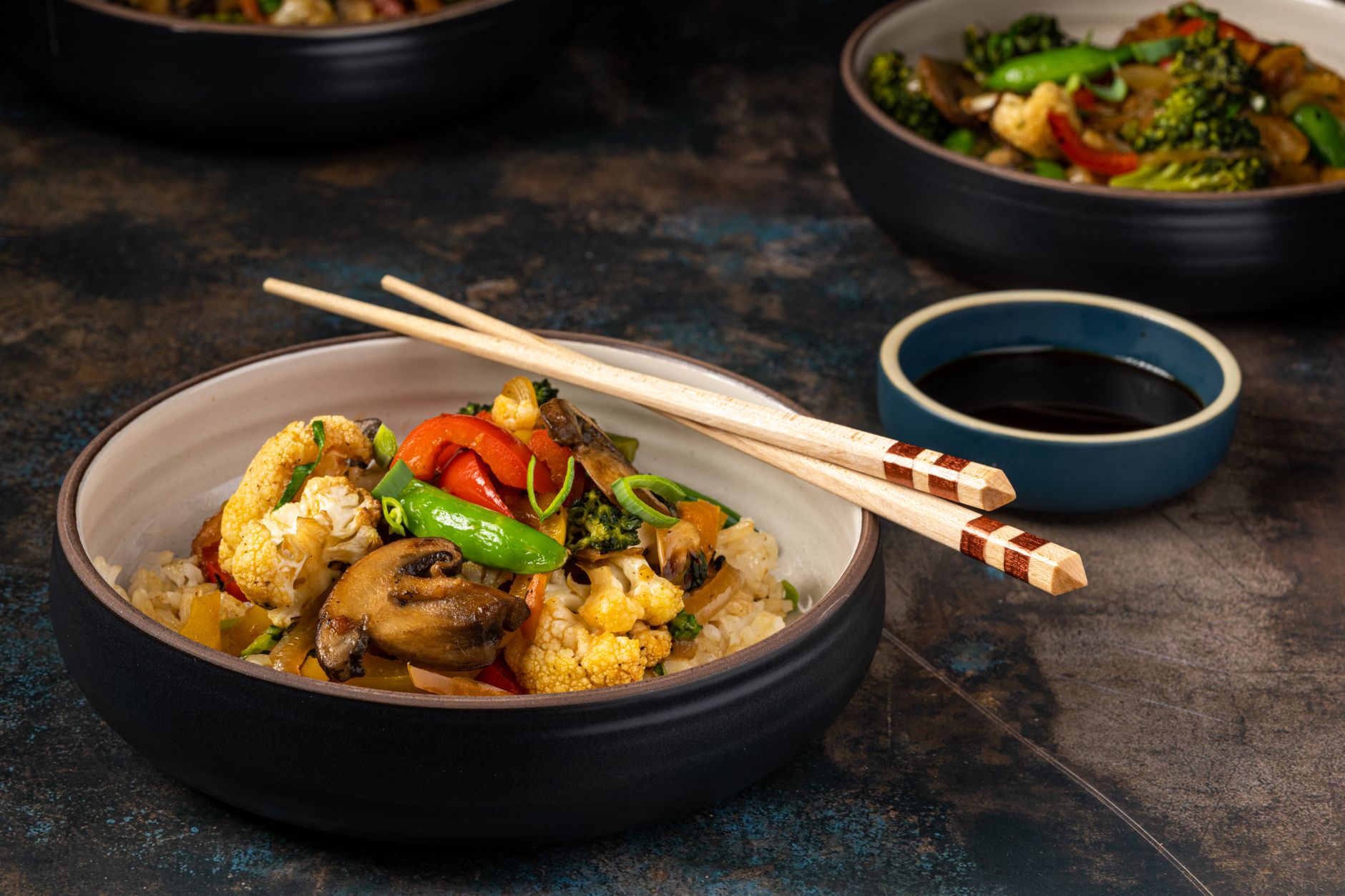
- Stir-Fries: This is a Zone Diet dream! Load up on lean protein (chicken, shrimp, tofu) and tons of colorful vegetables (broccoli, snap peas, carrots, bell peppers). Use a light sauce made with soy sauce (or tamari), ginger, garlic, and a touch of sesame oil. Serve over a small portion of brown rice or quinoa, or even cauliflower rice for a lower-carb option.
- Pasta Alternatives: While traditional pasta is high in carbohydrates, you can use zucchini noodles (zoodles), spaghetti squash, or limited portions of whole-wheat pasta. Pair with a lean ground meat sauce (e.g., turkey Bolognese) and plenty of hidden vegetables. Top with a small amount of Parmesan cheese or a drizzle of olive oil for fat blocks.
- Sheet Pan Dinners: These are fantastic for busy families. Toss chicken pieces, fish fillets, or firm tofu with a variety of chopped vegetables (broccoli, bell peppers, sweet potatoes, zucchini) and a drizzle of olive oil and herbs. Roast on a single sheet pan until cooked through. Easy cleanup and delicious!
Getting Kids Involved
When children have a hand in preparing meals, they're often more willing to try new foods. Let them help with tasks like:
- Washing vegetables.
- Stirring ingredients (for older kids).
- Assembling salads or wraps.
- Choosing which vegetables to include in a stir-fry.
Making it Appealing for Different Tastes
For picky eaters, consider presenting meals in a "deconstructed" way. For example, serve grilled chicken, steamed broccoli, and a small portion of sweet potato separately rather than mixed together. This allows everyone to choose what they put on their plate, while still offering balanced components. One parent told us, "My kids are much more likely to eat their veggies if they get to dip them in hummus or a little ranch dressing. I just make sure the dips are Zone-friendly or used in moderation."
The Zone Diet's flexibility means you can still enjoy family mealtime without feeling restricted. It's about smart choices and balanced plates, which are principles that benefit everyone.
Vegetarian & Plant-Based Zone Diet Dinner Recipes Made Easy
Embracing a vegetarian or plant-based approach within the Zone Diet is not only possible but can lead to incredibly diverse and flavorful dinners. The key is understanding how to get sufficient protein from plant sources and how to balance your carbohydrate and fat blocks effectively. Many easy zone diet dinner recipes for beginners also lean into plant-based ingredients for simplicity.
Harnessing Plant-Based Proteins
The Zone Diet's protein blocks can be easily met with a variety of plant-based foods:
- Legumes: Lentils, chickpeas, black beans, kidney beans are excellent sources of protein and fiber. Remember they also contribute carbohydrate blocks.
- Tofu and Tempeh: These soy-based products are incredibly versatile. Tofu can absorb flavors beautifully, while tempeh offers a firmer, nuttier texture.
- Edamame: Whole edamame pods or shelled edamame are great for snacking or adding to stir-fries and salads.
- Seitan: Made from wheat gluten, seitan is a high-protein, low-fat meat alternative.
- Nutritional Yeast: Adds a cheesy flavor and is a good source of B vitamins and some protein.
- Quinoa: While primarily a carbohydrate, quinoa is a complete protein, making it a valuable grain in a plant-based Zone Diet.
Ensuring Complete Nutrition
When building plant-based Zone dinners, pay attention to combining different protein sources throughout the day to ensure you're getting all essential amino acids. For example, pairing legumes with grains (like beans and rice) helps create a complete protein profile.
Vegetarian & Plant-Based Dinner Examples (3-4 blocks)
- Lentil & Vegetable Curry (3-block meal):
- Protein/Carb: 1/2 cup cooked lentils, 2 cups mixed vegetables (cauliflower, spinach, bell peppers), 1/4 cup light coconut milk (3 blocks protein, 3 blocks carbs)
- Fat: 1.5 tsp olive oil, 6 almonds (3 blocks fat)
Method: Sauté onions, garlic, and ginger in olive oil. Add lentils, chopped vegetables, curry powder, and a dash of vegetable broth. Simmer until vegetables are tender. Stir in light coconut milk. Serve with a sprinkle of fresh cilantro and a side of almonds. This is a flavorful and satisfying dairy free Zone Diet dinner recipe.
- Tofu & Broccoli Stir-Fry with Brown Rice (4-block meal):
- Protein: 4.5 oz firm tofu, pressed and cubed (4 blocks)
- Carbohydrates: 3 cups broccoli florets, 1/2 cup cooked brown rice (4 blocks)
- Fat: 2 tsp sesame oil, 1 tbsp chopped peanuts (4 blocks)
Method: Sauté tofu cubes in sesame oil until golden brown. Add broccoli and a splash of vegetable broth, cooking until tender-crisp. Stir in a sauce made from low-sodium soy sauce (or tamari), ginger, and a touch of rice vinegar. Serve over brown rice and top with chopped peanuts.
- Black Bean Burgers on Lettuce Wraps (3-block meal):
- Protein: 1 black bean burger patty (approx. 3 oz, check label for protein content, adjust to 3 blocks)
- Carbohydrates: 3 large lettuce cups, 1 cup mixed bell peppers and onions, 1/4 cup salsa (3 blocks)
- Fat: 1/4 avocado, 1.5 tsp olive oil (for cooking) (3 blocks)
Method: Cook black bean burger according to package directions, typically pan-fried with a bit of olive oil. Serve in lettuce cups with a generous helping of sautéed bell peppers and onions, salsa, and a slice of avocado. This is a great low carb Zone Diet dinner idea if you skip the bun.
With a little creativity, plant-based Zone Diet dinners can be both easy to prepare and incredibly delicious, offering a wide range of flavors and textures.
Zone Diet Dinner Recipes for Weight Management and Health
While often associated with weight loss, the Zone Diet's principles extend far beyond the scale, supporting overall health and well-being through balanced nutrition. The focus on stable blood sugar and reduced inflammation can have profound effects, from improved energy levels to better hormone regulation. This makes Zone Diet dinner recipes a smart choice for those seeking sustainable health benefits.
Benefits Beyond Weight Loss
The consistent macronutrient balance of the Zone Diet helps to:
- Stabilize Blood Sugar: By controlling the glycemic load of meals, the Zone Diet helps prevent sharp spikes and drops in blood sugar, which can reduce cravings and improve energy.
- Reduce Inflammation: The diet encourages anti-inflammatory foods (lean proteins, healthy fats, colorful vegetables) and limits pro-inflammatory ones, potentially easing conditions like joint pain, skin issues, and digestive discomfort.
- Improve Hormone Balance: Stable blood sugar and reduced inflammation contribute to better hormonal regulation, which can be particularly beneficial for women across various life stages, including those managing conditions like PCOS or navigating perimenopause.
- Enhanced Mental Clarity and Focus: Many individuals report improved cognitive function and reduced "brain fog" due to more stable energy levels.
Maternal Well-being and Balanced Nutrition
For women focusing on maternal well-being, a balanced eating approach like the Zone Diet can provide a steady supply of nutrients. The emphasis on lean protein, healthy fats, and a wide array of vegetables supports general health without extreme restrictions. While the Zone Diet can be adapted, it's crucial for pregnant or breastfeeding women to consult with their healthcare provider or a registered dietitian to ensure their specific nutritional needs are met. For instance, specific caloric requirements and micronutrient needs will change during pregnancy and lactation, and a personalized plan is essential. Our general articles on balanced nutrition, such as easy AIP elimination diet dinner recipes, often share principles of whole-food eating that can be adapted under professional guidance.
The Role of Balanced Dinners
Dinner, often the largest meal of the day, plays a significant role in how your body responds overnight. A Zone-balanced dinner helps to:
- Promote Satiety: The combination of protein, fiber from carbohydrates, and healthy fats helps you feel full and satisfied, reducing the likelihood of late-night snacking.
- Support Restful Sleep: Stable blood sugar levels before bed can contribute to better sleep quality, as your body isn't working overtime to manage glucose spikes.
- Aid Recovery: Adequate protein intake at dinner supports muscle repair and recovery, especially important if you're active.
By making Zone Diet dinners a regular part of your routine, you’re not just managing your weight; you're investing in a holistic approach to your health that yields benefits far beyond the scale.
Common Mistakes to Avoid When Making Zone Diet Dinners
Embarking on any new eating plan comes with a learning curve, and the Zone Diet is no exception. While the block system simplifies things, it's easy to make a few common errors that can hinder your progress or make the diet feel more complicated than it needs to be. Being aware of these pitfalls can help you navigate your Zone Diet journey smoothly and ensure your easy Zone Diet dinner recipes remain effective.
1. Underestimating or Overestimating Portions
This is perhaps the most frequent mistake. It's easy to eyeball a piece of chicken and think it's 3 ounces when it's actually 5, or to heap on extra vegetables without considering their carbohydrate content. Even healthy foods contribute to your block count. Initially, it's beneficial to use a food scale or measuring cups to accurately gauge your portions, especially for protein and denser carbohydrates like grains or starchy vegetables. Once you've done this for a few weeks, you'll develop a better intuitive sense.
2. Neglecting Fat Blocks
While the Zone Diet emphasizes lean protein and beneficial carbohydrates, healthy fats are a crucial component, making up 30% of your macronutrient intake. Many people focus so much on protein and carbs that they forget to add their fat blocks. Healthy fats from sources like olive oil, avocado, nuts, and seeds are essential for satiety, hormone production, and nutrient absorption. Don't skip them!
3. Lack of Variety
Eating the same few meals repeatedly can lead to boredom and nutrient deficiencies. The Zone Diet encourages a wide variety of lean proteins, colorful vegetables, and healthy fats. Experiment with different types of fish, poultry, legumes, and a rainbow of produce. This not only keeps things interesting but also ensures you're getting a broad spectrum of vitamins, minerals, and antioxidants.
4. Over-Complicating Meals
The phrase "easy Zone Diet dinner recipes" implies simplicity, but sometimes people fall into the trap of trying to create elaborate meals. The Zone Diet is most sustainable when meals are straightforward. Focus on a lean protein, a generous serving of non-starchy vegetables, a small portion of fruit or starch, and a source of healthy fat. Simple grilled chicken with steamed broccoli and a side of almonds is a perfectly balanced Zone meal.
5. Not Planning Ahead
When hunger strikes and you haven't planned, it's easy to grab something convenient that might not be Zone-compliant. This is where meal prep strategies come into play. Having pre-cooked proteins, chopped vegetables, and healthy snacks on hand can make all the difference in staying on track, especially for your dinner meals after a busy day.
By being mindful of these common mistakes, you can set yourself up for success and make your Zone Diet journey much more enjoyable and effective.
Your Zone Diet Dinner Food Guide: What to Enjoy & What to Limit
To make Zone Diet dinners truly easy, it helps to have a clear understanding of which foods fit seamlessly into the plan and which should be consumed sparingly. The diet emphasizes whole, unprocessed foods, focusing on nutrient density and glycemic load. This food guide will help you stock your pantry and plan your meals with confidence.
This table serves as a general guide. Always remember to portion foods according to your individual block needs. The goal is to choose foods that are nutrient-dense and help maintain stable blood sugar levels.
A Week of Easy Zone Diet Dinner Ideas
Here’s a sample 7-day dinner plan to inspire your Zone Diet cooking. Each idea aims for a 3-4 block meal and focuses on ease of preparation, incorporating various protein sources and plenty of vegetables. Remember to adjust portion sizes to match your specific block requirements and add healthy fats as needed (e.g., olive oil, nuts, avocado).
Myth vs. Fact: Clearing Up Zone Diet Misconceptions
The world of diets is full of myths, and the Zone Diet is no exception. Let's clear up some common misunderstandings to help you approach your Zone Diet dinner recipes with accurate information.
Myth: The Zone Diet is a low-carb diet, similar to keto.
Fact: While the Zone Diet is lower in carbohydrates than a typical Western diet, it is not a ketogenic diet. Keto diets severely restrict carbohydrates (usually under 50g per day) to induce ketosis. The Zone Diet, with its 40% carbohydrate ratio, includes a moderate amount of beneficial, low-glycemic carbohydrates. The goal is blood sugar stabilization, not ketosis.
Myth: You have to meticulously weigh every single food item to follow the Zone Diet.
Fact: While precise measurement is recommended initially to help you learn portion sizes, the Zone Diet encourages developing an "eyeball" estimation skill. After a few weeks of measuring, most people can accurately estimate their block portions using visual cues or hand measurements, making it much more sustainable for daily life and easy Zone Diet dinner recipes.
Myth: The Zone Diet is difficult to follow for vegetarians or vegans.
Fact: It's absolutely possible to follow the Zone Diet on a vegetarian or vegan plan. Many plant-based foods, such as tofu, tempeh, lentils, and beans, are excellent sources of protein. The key is to be mindful of combining different plant proteins to ensure you're getting all essential amino acids and to account for the carbohydrate content of legumes. With planning, a plant-based Zone Diet can be very diverse and satisfying.
Key Takeaways
- The Zone Diet focuses on balancing macronutrients (40% carbs, 30% protein, 30% fat) at each meal to stabilize blood sugar and reduce inflammation.
- Use the "block" system to easily portion your dinner: protein blocks (7g protein), carbohydrate blocks (9g carbs), and fat blocks (1.5g fat). Most women aim for 3-4 blocks per dinner.
- Meal prep is crucial for easy Zone Diet dinners; batch cook proteins, chop veggies, and prepare grains ahead of time.
- Budget-friendly options include eggs, legumes, canned fish, and frozen or seasonal vegetables.
- Many family-favorite meals can be adapted to be Zone-friendly by adjusting ingredients and portions.
- Vegetarian and plant-based Zone dinners are achievable by focusing on diverse plant proteins like tofu, tempeh, and lentils.
- The Zone Diet offers benefits beyond weight loss, including improved blood sugar stability, reduced inflammation, and better energy levels.
- Avoid common mistakes like inaccurate portioning, neglecting fat blocks, or a lack of variety to ensure success.
Frequently Asked Questions About Zone Diet Dinners
What is a typical Zone Diet meal for dinner?
A typical Zone Diet dinner balances lean protein, low-glycemic carbohydrates, and healthy fats. For a 3-block meal, this might look like 3 oz of grilled chicken, 3 cups of steamed non-starchy vegetables (like broccoli and bell peppers), and 1.5 teaspoons of olive oil or a small handful of almonds. The goal is to provide sustained energy and prevent blood sugar spikes.
How many blocks should I eat for dinner on Zone Diet?
The number of blocks for dinner depends on your individual needs, activity level, and gender. Most women typically aim for 3-4 blocks per dinner, while men might need 4-5 blocks. It's best to consult a Zone Diet guide or a dietitian to determine your precise daily block prescription and distribute it across your meals and snacks.
Is the Zone Diet good for weight loss?
Yes, many people find the Zone Diet effective for weight loss. By stabilizing blood sugar and promoting satiety with balanced macronutrients, it can help reduce cravings, control appetite, and encourage the body to burn stored fat. However, sustainable weight loss also depends on overall calorie intake and consistency, so it's not a magic bullet.
What foods are not allowed on Zone Diet?
The Zone Diet primarily limits foods with a high glycemic load, which can cause rapid blood sugar spikes. This includes refined carbohydrates like white bread, white rice, sugary cereals, and baked goods. It also advises limiting starchy vegetables like white potatoes and corn, and high-sugar fruits like bananas, while encouraging their consumption in controlled portions.
Can you eat rice on the Zone Diet?
Yes, you can eat rice on the Zone Diet, but it's typically recommended to choose brown rice or wild rice over white rice due to their lower glycemic index. Portion control is key, as grains are carbohydrate blocks. A typical 1-block portion of cooked brown rice is about 1/3 cup, so you'd use it sparingly to fit within your carbohydrate block allowance for dinner.
What are the 3 blocks of Zone Diet?
The 3 blocks of the Zone Diet refer to the three macronutrient blocks used to portion meals: protein, carbohydrate, and fat. Each protein block contains 7 grams of protein, each carbohydrate block contains 9 grams of carbohydrates, and each fat block contains 1.5 grams of healthy fats. Meals are constructed by combining equal numbers of each type of block.
When to See a Doctor or Registered Dietitian
While the Zone Diet can be a beneficial approach for many, it's always wise to consult a healthcare professional before making significant changes to your eating habits. If you have any underlying health conditions, such as diabetes, heart disease, kidney issues, or an eating disorder, or if you are pregnant or breastfeeding, speaking with your doctor or a registered dietitian is essential. They can help you determine if the Zone Diet is appropriate for your individual needs and guide you on how to adapt it safely and effectively. This article is for informational purposes only and does not constitute medical advice.
References
- Academy of Nutrition and Dietetics. (Accessed 2026). eatright.org
- Harvard T.H. Chan School of Public Health. (Accessed 2026). hsph.harvard.edu/nutritionsource/
- National Institutes of Health (NIH). (Accessed 2026). nih.gov
- Mayo Clinic. (Accessed 2026). mayoclinic.org




