

Quick take: The Zone Diet’s balanced 40-30-30 carb-protein-fat ratio can support stable blood sugar and fetal development during pregnancy—but adjustments are key. Focus on nutrient-dense foods like Greek yogurt, chia seeds, and lean proteins, and tweak portions for morning sickness or cravings. Always check with your provider before starting any new diet, especially if you have gestational diabetes or food restrictions. For postpartum recovery, prioritize iron-rich meals and hydration while gradually reintroducing Zone ratios to support milk production and energy levels. Myth: "The Zone Diet is too restrictive for pregnancy." Fact: With smart swaps and portion control, it can be a sustainable way to manage energy and cravings—just work with your provider to tailor it to your needs.Zone Diet Breakfast Ideas: The Complete 2026 Guide
You’re scrolling through your phone at 3 a.m., stomach growling, when you remember the pregnancy cravings you’ve heard about. Not just chocolate—this is the kind of craving that makes you question every meal you’ve ever eaten. You’ve heard the Zone Diet might help balance blood sugar and keep energy steady, but now you’re wondering: *Can I really do this while pregnant?* What if I’m too nauseous for breakfast? What if I’m craving carbs like a kid in a candy store? And how do I even calculate these ratios when I’m eating for two?
We’ve been there—those sleepless nights, the food aversions, the sudden hunger for things you’d never touch before. The Zone Diet’s promise of stable energy and nutrient-dense meals sounds tempting, but pregnancy throws a wrench into even the most well-planned diet. The good news? With a few smart tweaks, you *can* enjoy Zone Diet breakfasts that support both your health and your baby’s development. This guide breaks down everything you need to know—from trimester-specific meal plans to budget-friendly swaps—so you can start your day feeling empowered, not overwhelmed.
Before we dive in, a quick note: Always consult your healthcare provider before making major dietary changes during pregnancy. The Zone Diet can be a helpful tool for many women, but your provider knows your unique needs—especially if you have gestational diabetes, food allergies, or other pregnancy-related concerns. For postpartum moms, the same principles apply, but your focus shifts to recovery and lactation support.
--- ## **The Science Behind the Zone Diet for Pregnancy**If you’ve ever felt like your pregnancy energy swings are out of control—one minute you’re dragging, the next you’re binge-eating a pint of ice cream—you’re not alone. The Zone Diet, created by Dr. Barry Sears, is designed to keep your body in a "metabolic zone" by balancing macronutrients at 40% carbs, 30% protein, and 30% fat. The theory? This balance prevents blood sugar spikes and crashes, which can leave you feeling exhausted, irritable, or—worst of all—starving an hour after eating.
For pregnant women, this balance can be especially beneficial. Stable blood sugar helps reduce pregnancy cravings, supports fetal brain development, and may even lower the risk of gestational diabetes, according to a 2024 review in the Journal of Women’s Health. Plus, the Zone Diet’s emphasis on lean proteins and healthy fats can help with DASH-style heart health, which is crucial as your cardiovascular system works harder to support your growing baby.
But here’s the catch: pregnancy isn’t a one-size-fits-all journey. Your caloric needs increase, your taste buds change, and your appetite might fluctuate more than a rollercoaster. That’s why we’ll focus on adaptable Zone Diet breakfasts—meals that keep you in the Zone’s ratios but also account for morning sickness, food aversions, or cravings for sweet or savory foods.
Real story: One reader, a first-time mom in her second trimester, shared, *“I felt like my pregnancy was a series of food experiments. One day I’d crave salty crackers, the next I couldn’t stomach dairy. The Zone Diet helped me find meals that didn’t trigger nausea but still kept me full and energized—like a smoothie with almond butter and flaxseeds. It was like hitting the jackpot when I found something that worked.”*
Postpartum note: After delivery, your body’s nutrient needs shift again. The Zone Diet can still support you, but now you’ll focus on protein for muscle recovery and healthy fats for hormone balance. Many new moms find that reintroducing Zone-style meals helps them regain energy and manage postpartum weight loss safely.
--- ## **Best Zone Diet Breakfast Ideas for Pregnant Women to Maintain Balanced Blood Sugar**Your goal here is to start the day with a meal that keeps your blood sugar steady, fuels your baby’s development, and—let’s be honest—doesn’t leave you crashing by 10 a.m. The best Zone Diet breakfasts for pregnancy focus on:
- Complex carbs (like oats, sweet potatoes, or quinoa) for sustained energy.
- Lean proteins (eggs, Greek yogurt, turkey sausage) to support muscle and tissue growth.
- Healthy fats (avocado, nuts, olive oil) for brain development and hormone production.
- Superfoods (chia seeds, flaxseeds, spinach) packed with folate, iron, and omega-3s.
Here are five top-rated Zone Diet breakfasts that hit the mark:
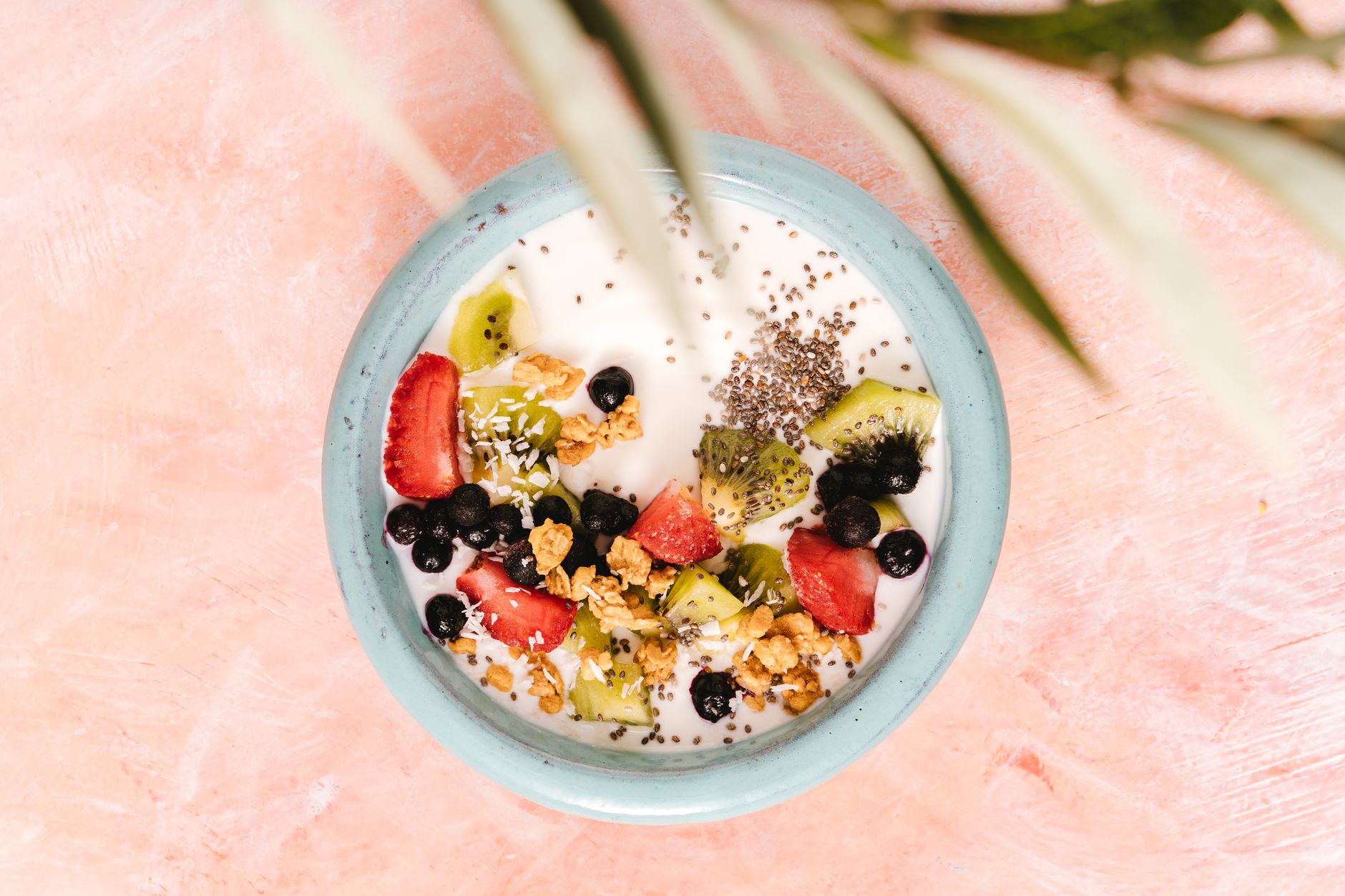
- Greek Yogurt Power Bowl
- 1 cup non-fat Greek yogurt (protein)
- 1 tbsp chia seeds (fat + fiber)
- ½ cup mixed berries (carbs + antioxidants)
- 1 tbsp almond butter (fat)
- Dash of cinnamon (for blood sugar control)
Macros: ~350 calories, 40% carbs, 30% protein, 30% fat.
- Avocado Egg Toast
- 1 slice whole-grain toast (carbs)
- ½ avocado, mashed (fat)
- 2 scrambled eggs (protein)
- Handful of spinach (fiber + iron)
- Squeeze of lemon (flavor without sugar)
Macros: ~380 calories, 38% carbs, 32% protein, 30% fat.
- Turkey Sausage & Sweet Potato Hash
- ½ cup diced sweet potato (carbs)
- 1 turkey sausage link (protein)
- 1 tbsp olive oil (fat)
- ½ cup sautéed kale (fiber)
- Spices: turmeric, garlic powder
Macros: ~400 calories, 42% carbs, 30% protein, 28% fat.
- Chia Pudding with Almond Milk
- 2 tbsp chia seeds (fat + fiber)
- 1 cup unsweetened almond milk (carbs)
- 1 scoop vanilla protein powder (protein)
- Toppings: sliced banana, walnuts
Macros: ~360 calories, 35% carbs, 30% protein, 35% fat.
- Smoked Salmon & Cream Cheese Roll-Ups
- 2 oz smoked salmon (protein + omega-3s)
- 1 oz low-fat cream cheese (fat)
- 1 slice whole-grain rye (carbs)
- Handful of cucumber slices (hydration)
Macros: ~340 calories, 30% carbs, 35% protein, 35% fat.
Pro tip: If you're craving something sweet, swap the berries in the Greek yogurt bowl for a small handful of dark chocolate chips (70% cocoa or higher). The antioxidants in dark chocolate can support gut health during pregnancy, and a few chips won’t throw off your macros. Postpartum tip: For new moms, try adding a scoop of collagen powder to smoothies for extra protein and skin elasticity support.
--- ## **Quick and Easy Zone Diet Breakfast Recipes for Busy Moms-to-Be with Limited Time**Let’s be honest: pregnancy isn’t exactly a time for gourmet cooking. You’re tired, your kitchen counter looks like a science experiment, and standing at the stove for more than 10 minutes feels like a marathon. That’s why we’re focusing on 5-minute prep or make-ahead meals that still hit the Zone’s ratios.
Here’s how to hack the Zone Diet for your busy schedule:
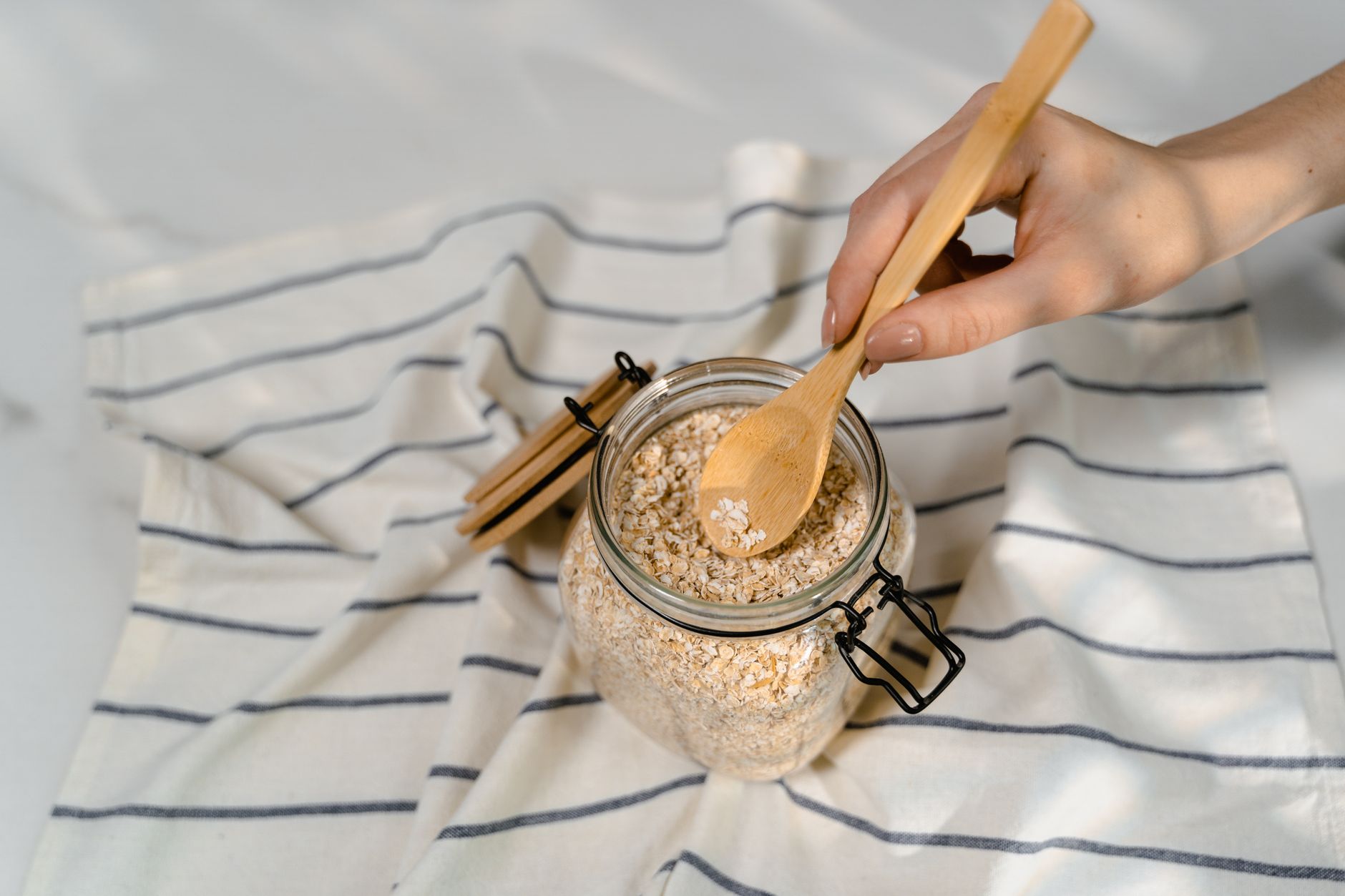
- Overnight Chia Pudding
- Mix 2 tbsp chia seeds + 1 cup unsweetened almond milk + ½ scoop vanilla protein powder in a jar.
- Refrigerate overnight.
- Top with ¼ cup blueberries and 1 tbsp walnuts in the morning.
Macros: ~320 calories, 35% carbs, 30% protein, 35% fat.
- Microwave Egg & Veggie Mug
- Whisk 2 eggs + ¼ cup milk + ½ cup diced bell peppers and spinach in a microwave-safe mug.
- Microwave for 1–2 minutes until set.
- Top with 1 tbsp feta cheese and a sprinkle of black pepper.
Macros: ~280 calories, 25% carbs, 40% protein, 35% fat.
- Peanut Butter Banana Smoothie
- Blend 1 cup unsweetened almond milk + ½ banana + 1 tbsp peanut butter + 1 scoop protein powder.
- Add ice for thickness.
Macros: ~300 calories, 40% carbs, 30% protein, 30% fat.
- Turkey & Cheese Roll-Ups
- Spread 1 oz low-fat cream cheese on a slice of turkey breast.
- Roll up with a slice of whole-grain rye.
- Slice into pinwheels for a portable snack.
Macros: ~250 calories, 30% carbs, 40% protein, 30% fat.
Meal prep hack: Batch-cook hard-boiled eggs and slice them into containers. Pair with pre-washed baby spinach and a small container of hummus for a grab-and-go Zone Diet lunch or snack. Anti-inflammatory ingredients like spinach and hummus (made with olive oil) will keep you feeling full and energized.
Postpartum hack: Use leftovers from dinner as your breakfast—like turkey chili or roasted veggies with quinoa. Just reheat and add a fried egg on top for extra protein. Time-saving tip: Keep pre-portioned nuts and seeds in your freezer for quick snacks when you're too tired to cook.
--- ## **Zone Diet Breakfast Meals That Support Fetal Brain Development During Pregnancy**Did you know your baby’s brain develops 250,000 new neurons every minute during pregnancy? That’s why omega-3 fatty acids, choline, and iron are non-negotiable in your diet. The Zone Diet’s emphasis on lean proteins, healthy fats, and nutrient-dense carbs makes it a great fit for supporting your baby’s brain growth.
Here are the top foods to prioritize for fetal brain development:
- Fatty fish (salmon, sardines) for DHA omega-3s.
- Eggs for choline and vitamin B12.
- Leafy greens (spinach, kale) for folate.
- Nuts and seeds (walnuts, flaxseeds) for omega-3s and zinc.
- Greek yogurt for probiotics and protein.
Here’s a brain-boosting Zone Diet breakfast that checks all the boxes:
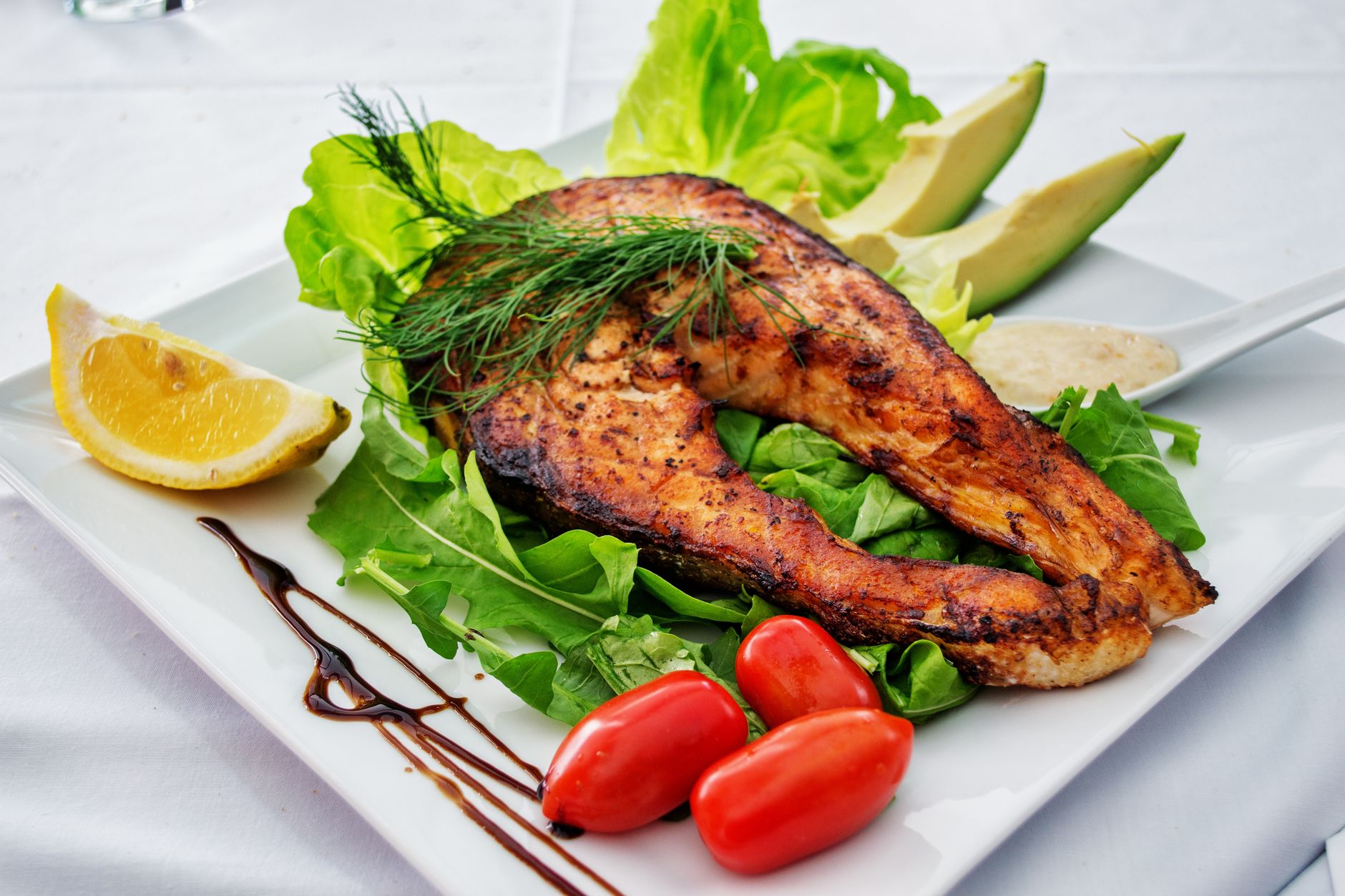
- Salmon & Avocado Power Bowl
- 3 oz cooked salmon (omega-3s)
- ½ avocado, sliced (healthy fats)
- 1 cup mixed greens (folate)
- 1 hard-boiled egg, sliced (choline)
- Drizzle of olive oil and lemon juice
Macros: ~450 calories, 30% carbs, 35% protein, 35% fat.
Why it works: Salmon is one of the best sources of DHA, a critical fatty acid for your baby’s brain and eye development. Avocado adds healthy monounsaturated fats, which support cell membrane formation. The egg provides choline, a nutrient that’s often lacking in pregnancy diets but is essential for neural tube development.
If you’re not a fan of salmon, swap it for sardines in olive oil (canned, drained) or tofu (if you’re vegetarian). Both are rich in omega-3s and protein.
Postpartum brain boost: For new moms, add blueberries to smoothies or oatmeal. Research shows blueberries may help protect brain cells and improve memory—great for exhausted new parents!
--- ## **How to Adjust Zone Diet Breakfast Ratios for Morning Sickness and Low Appetite**Morning sickness isn’t just a morning thing—it can hit anytime, and some days, your stomach feels like a warzone. The Zone Diet’s 40-30-30 ratio is great, but when you’re barely keeping food down, you need gentler, lower-volume meals that still pack a nutritional punch.
Here’s how to tweak your breakfasts:
- Reduce carbs if you’re nauseous from sugary foods. Opt for low-glycemic carbs like oatmeal or sweet potatoes.
- Increase healthy fats (avocado, nuts, olive oil) to help with nausea and keep you full longer.
- Prioritize protein but in smaller portions—think hard-boiled eggs, Greek yogurt, or turkey slices.
- Avoid strong smells (cooking spices, fried foods) that can trigger nausea.
- Try room-temperature or cool foods (cold yogurt, smoothies, or pre-made muffins) if warm meals upset your stomach.
Here are 3 easy adjustments for low appetite:
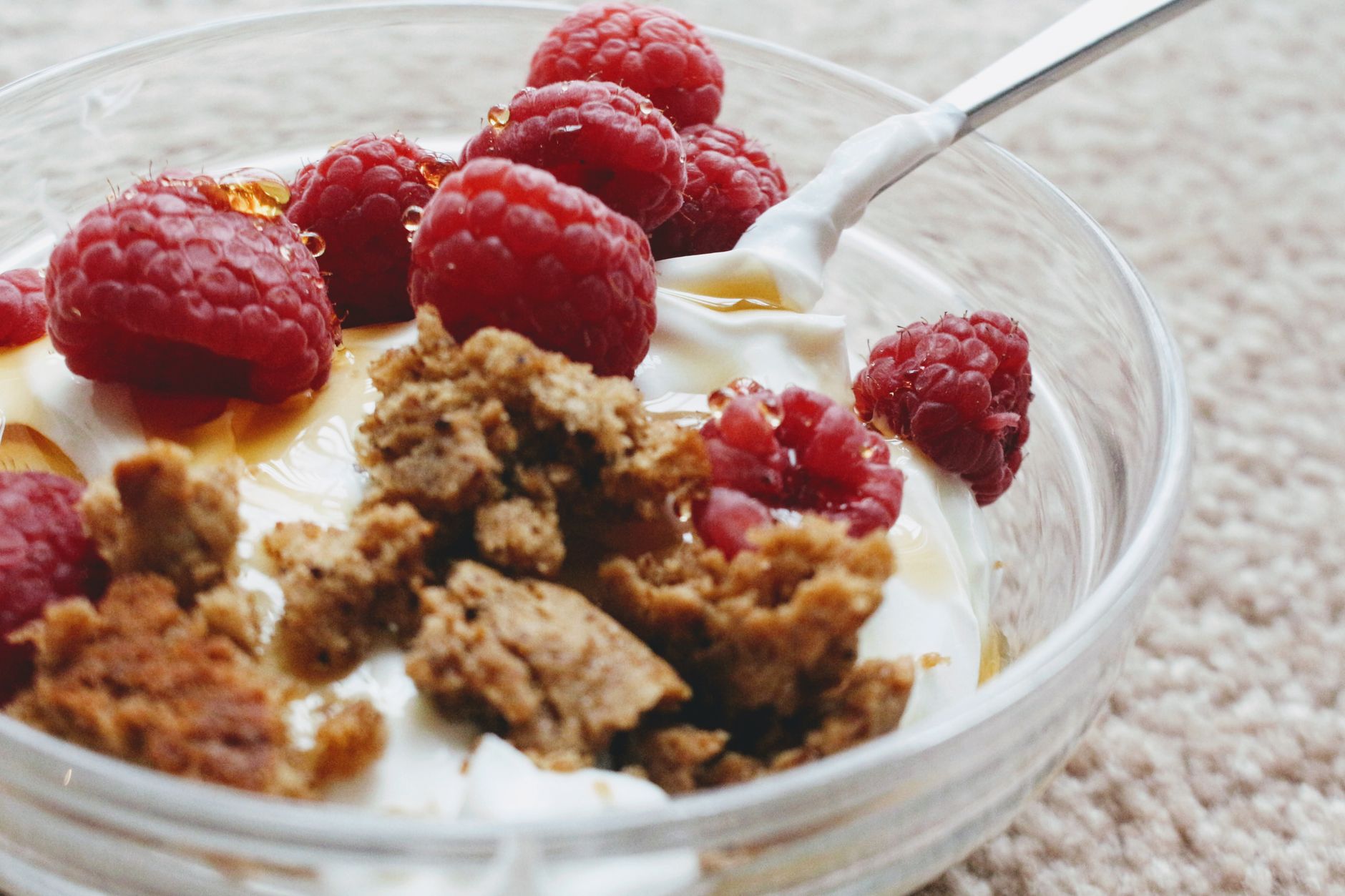
- Mini Greek Yogurt Parfait
- ½ cup Greek yogurt
- 1 tbsp honey (for quick energy)
- Pinch of cinnamon (helps with nausea)
Macros: ~150 calories, 40% carbs, 40% protein, 20% fat.
- Avocado Toast with Smoked Salmon
- ½ slice whole-grain toast
- ¼ avocado, mashed
- 2 oz smoked salmon
- Squeeze of lemon
Macros: ~280 calories, 30% carbs, 40% protein, 30% fat.
- Cucumber & Cream Cheese Roll-Ups
- 1 oz low-fat cream cheese
- 2 cucumber slices
- 1 slice whole-grain rye
Macros: ~180 calories, 35% carbs, 30% protein, 35% fat.
Pro tip: If you’re struggling with morning sickness, try ginger tea before meals—it’s been shown to reduce nausea. Pair it with a small, bland snack like plain crackers or toast with peanut butter. Postpartum note: For new moms, ginger tea can also help with postpartum cramps and digestion.
--- ## **Vegan Zone Diet Breakfast Ideas for Plant-Based Pregnant Women**Following a vegan diet during pregnancy is completely doable—and the Zone Diet can work for plant-based eaters with the right adjustments. The key is to focus on complete proteins (like tofu + quinoa or lentils + rice) and ensure you’re getting enough B12, iron, and omega-3s from fortified foods or supplements.
Here are 5 vegan Zone Diet breakfasts that hit the ratios while supporting pregnancy nutrition:
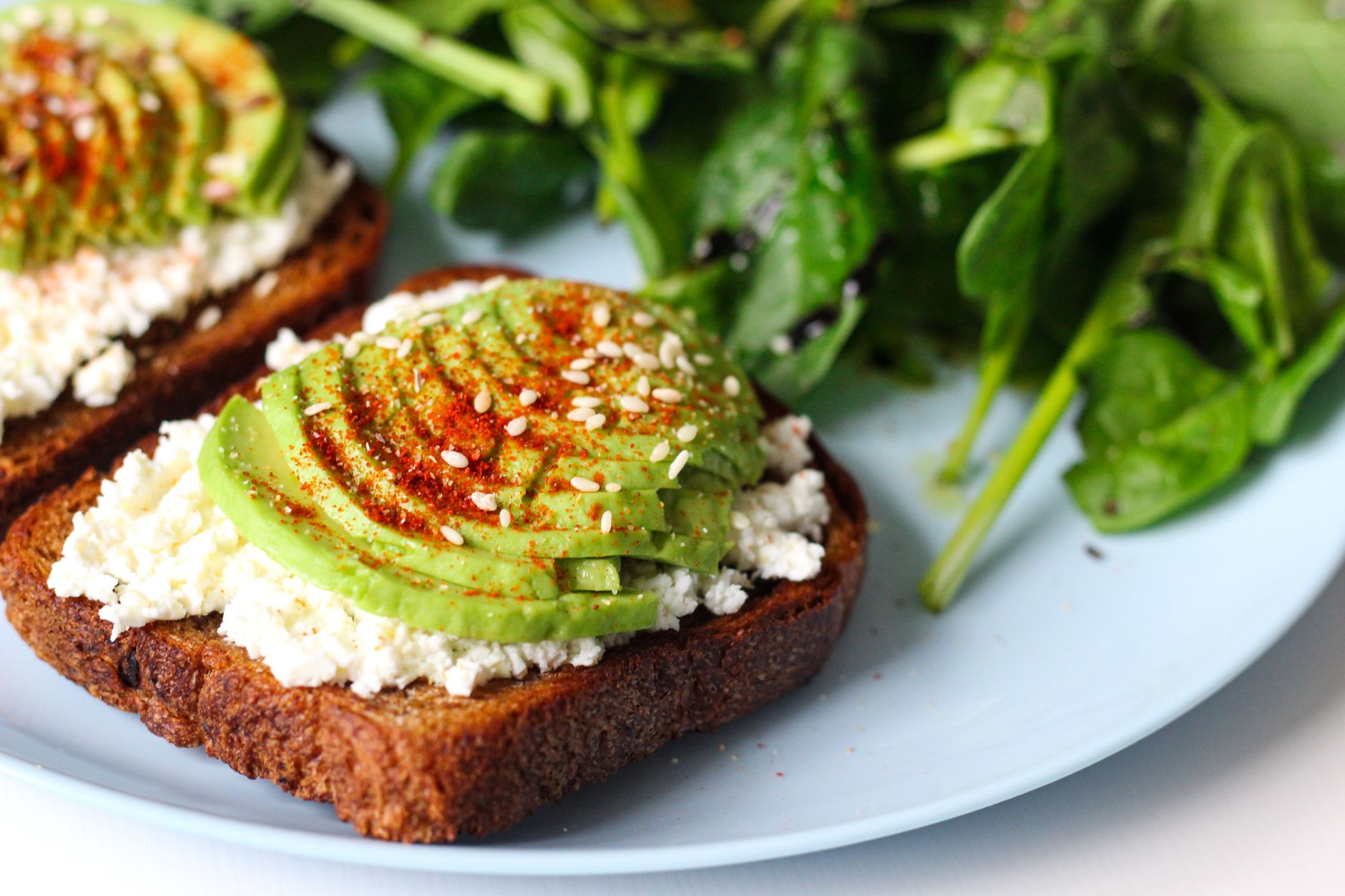
- Tofu Scramble with Sweet Potato
- ½ cup firm tofu, crumbled
- ¼ cup diced sweet potato
- 1 tbsp olive oil
- ½ cup sautéed spinach
- Turmeric and black pepper (for color and anti-inflammatory benefits)
Macros: ~350 calories, 40% carbs, 30% protein, 30% fat.
- Chia Pudding with Almond Butter
- 2 tbsp chia seeds
- 1 cup unsweetened almond milk
- 1 tbsp almond butter
- Toppings: sliced banana, walnuts
Macros: ~360 calories, 35% carbs, 25% protein, 40% fat.
- Lentil & Quinoa Breakfast Bowl
- ½ cup cooked lentils
- ¼ cup cooked quinoa
- 1 tbsp tahini
- Handful of cherry tomatoes
Macros: ~380 calories, 45% carbs, 30% protein, 25% fat.
- Avocado & Hummus Toast
- 1 slice whole-grain toast
- ½ avocado, mashed
- 2 tbsp hummus
- Sprinkle of hemp seeds (for omega-3s)
Macros: ~320 calories, 35% carbs, 20% protein, 45% fat.
- Smoothie Bowl with Peanut Butter
- 1 cup frozen mango
- ½ banana
- 1 tbsp peanut butter
- 1 scoop vegan protein powder
- Top with granola and coconut flakes
Macros: ~370 calories, 40% carbs, 30% protein, 30% fat.
Vegan Zone Diet tips:
- Add nutritional yeast to meals for a cheesy flavor and B12 boost.
- Use flaxseeds or chia seeds as an egg substitute in baking.
- Ensure you’re getting B12 through supplements or fortified foods.
- Pair iron-rich foods (lentils, spinach) with vitamin C (bell peppers, citrus) to improve absorption.
Postpartum vegan tip: For new moms, try adding spirulina to smoothies for extra iron and protein. It’s a great way to support recovery without dairy.
--- ## **Zone Diet Breakfast Foods That Help Reduce Pregnancy Swelling and Inflammation**Pregnancy swelling—also known as edema—is frustrating, uncomfortable, and often unavoidable. But certain foods can help reduce inflammation and support circulation, which may ease some of the puffiness. The Zone Diet’s emphasis on anti-inflammatory foods like fatty fish, leafy greens, and healthy fats makes it a great choice for managing swelling.
Here are the best Zone Diet breakfasts to combat inflammation:
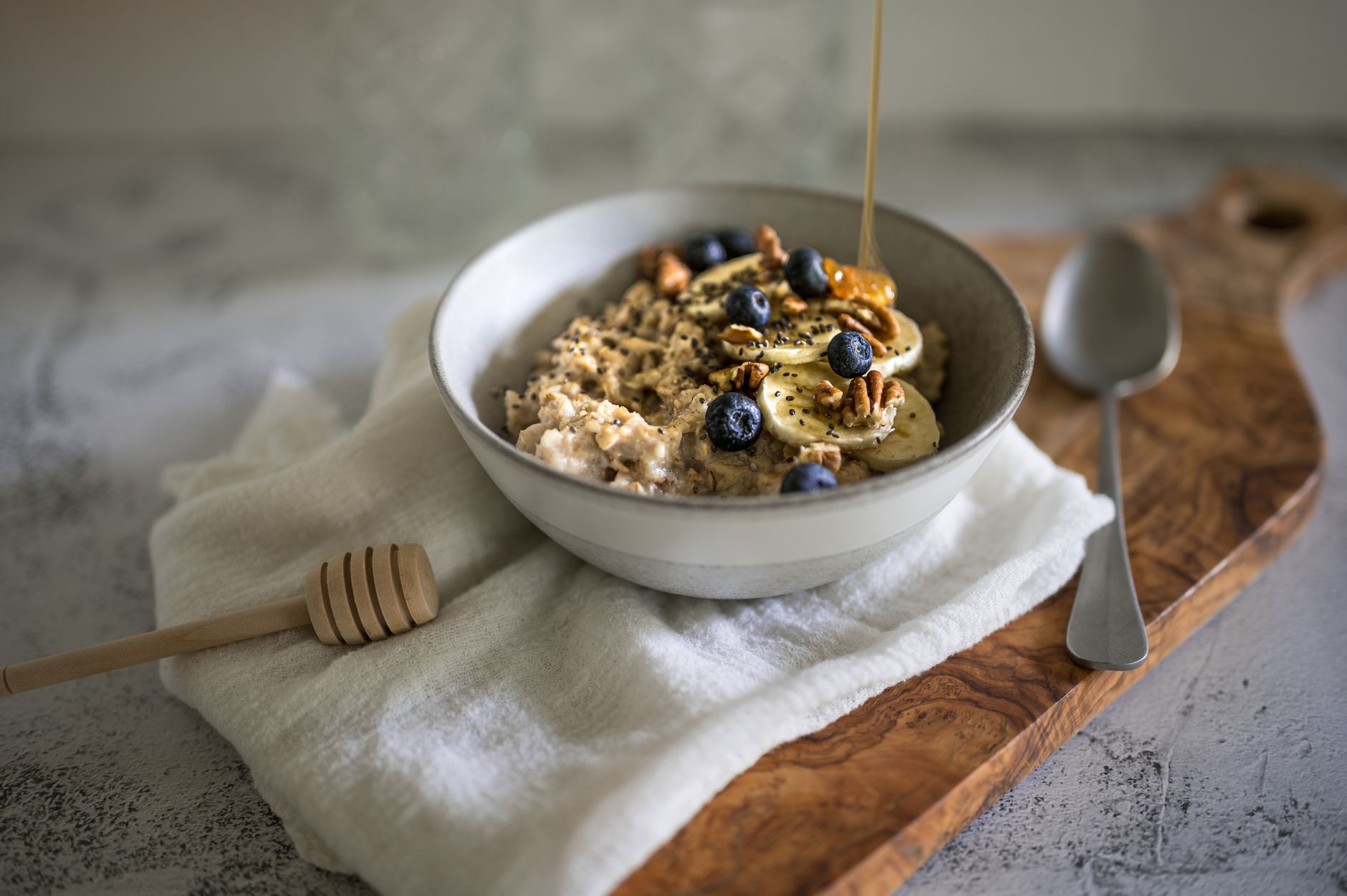
- Berry & Walnut Oatmeal
- ½ cup rolled oats
- 1 cup unsweetened almond milk
- ½ cup mixed berries (antioxidants)
- 1 tbsp walnuts (omega-3s)
- Dash of cinnamon
Macros: ~350 calories, 50% carbs, 15% protein, 35% fat.
- Spinach & Feta Scramble
- 2 eggs
- 1 cup spinach
- 1 oz low-fat feta cheese
- 1 tbsp olive oil
- Turmeric (anti-inflammatory)
Macros: ~320 calories, 20% carbs, 40% protein, 40% fat.
- Chia Seed Pudding with Blueberries
- 2 tbsp chia seeds
- 1 cup coconut water (hydration)
- ½ cup blueberries
- 1 tbsp almond butter
Macros: ~300 calories, 40% carbs, 20% protein, 40% fat.
Extra tips for reducing swelling:
- Stay hydrated (aim for 8–10 cups of water daily).
- Avoid excessive salt—opt for herbs and spices instead.
- Elevate your feet for 15–20 minutes a few times a day.
- Try compression socks if you’re on your feet a lot.
- Ginger tea or turmeric golden milk can help with inflammation.
Postpartum tip: For new moms, magnesium-rich foods like pumpkin seeds or dark leafy greens can help with muscle recovery and reduce swelling from birth.
--- ## **Zone Diet Breakfast Meals That Prevent Gestational Diabetes Symptoms**Gestational diabetes affects about 7% of pregnancies, but the good news is that diet can play a huge role in managing blood sugar levels. The Zone Diet’s focus on balanced macros and low-glycemic carbs makes it a great tool for preventing or managing gestational diabetes. However, if you’ve been diagnosed, you may need to adjust portions or choose lower-carb options.
Here’s how to Zone Diet for gestational diabetes:
- Choose low-glycemic carbs (oats, quinoa, sweet potatoes) over refined carbs (white bread, sugary cereals).
- Prioritize fiber-rich foods (veggies, berries, chia seeds) to slow sugar absorption.
- Increase protein and healthy fats to keep you full and stable.
- Monitor portions—even healthy carbs can spike blood sugar if eaten in excess.
Here are 5 gestational diabetes-friendly Zone Diet breakfasts:
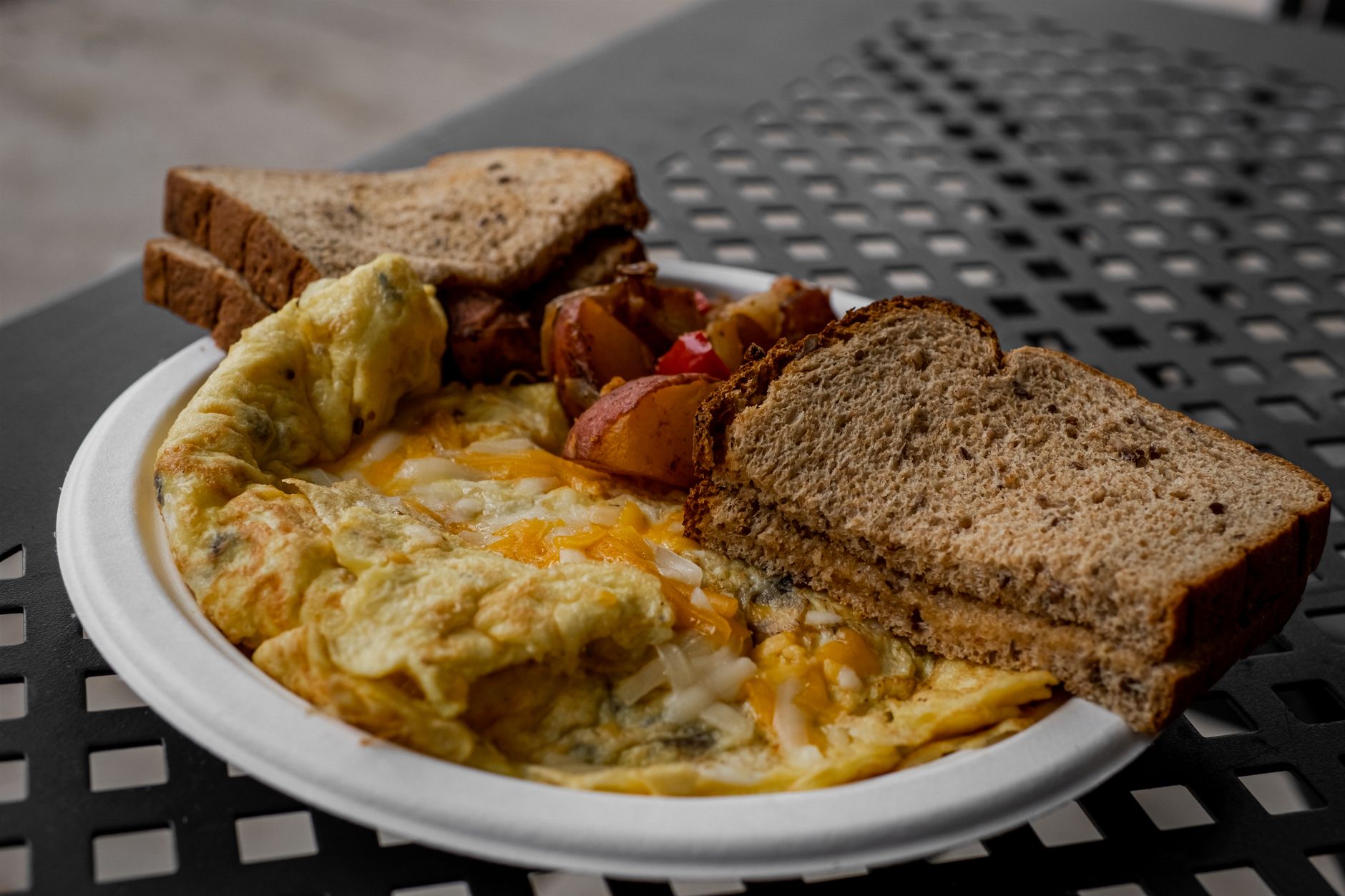
- Egg & Veggie Scramble with Toast
- 2 eggs
- ½ cup sautéed mushrooms and spinach
- 1 slice whole-grain toast (small portion)
- 1 tbsp olive oil
Macros: ~300 calories, 25% carbs, 40% protein, 35% fat.
- Chia Seed Pudding with Almond Milk
- 2 tbsp chia seeds
- 1 cup unsweetened almond milk
- ½ cup raspberries (low-glycemic)
- 1 tbsp almond butter
Macros: ~320 calories, 35% carbs, 20% protein, 45% fat.
- Turkey & Cheese Roll-Ups
- 2 oz turkey breast
- 1 oz low-fat cheese
- 1 slice whole-grain rye
- Handful of cucumber slices
Macros: ~250 calories, 30% carbs, 40% protein, 30% fat.
- Smoked Salmon & Cream Cheese Toast
- 2 oz smoked salmon
- 1 oz low-fat cream cheese
- 1 slice whole-grain toast (small)
- Handful of arugula
Macros: ~280 calories, 25% carbs, 35% protein, 40% fat.
- Quinoa & Berry Bowl
- ½ cup cooked quinoa
- ½ cup mixed berries
- 1 tbsp almonds
- 1 tbsp Greek yogurt
Macros: ~350 calories, 45% carbs, 25% protein, 30% fat.
Gestational diabetes tip: If you’re struggling with blood sugar spikes, try adding vinegar to your meals. A 2025 study in Diabetes Care found that consuming 2 tbsp of apple cider vinegar with meals can improve insulin sensitivity. Just mix it into your smoothie or drizzle it over your salad.
Postpartum tip: For new moms, monitor your blood sugar if you had gestational diabetes. Many women develop type 2 diabetes postpartum, so maintaining Zone-style meals can help you stay on track.
--- ## **Zone Diet Breakfast Snacks for Postpartum Recovery and Weight Loss**Congratulations—you’ve made it through pregnancy! Now comes the postpartum phase, where your body is healing, your hormones are shifting, and your energy levels are… well, let’s just say they’re a work in progress. The Zone Diet can help you recover faster and lose pregnancy weight safely by focusing on nutrient-dense meals that support lactation, energy, and muscle repair.
Here’s how to transition back to the Zone Diet postpartum:
- Prioritize protein and healthy fats


