

Quick take: Whole30 is a 30-day elimination diet designed to reset eating habits and promote weight loss by cutting out sugar, grains, legumes, dairy, and processed ingredients. While it can help you lose weight—often 4–12 lbs in the first month due to water weight and reduced inflammation—it’s not a magic bullet. You’ll likely see faster results if you combine it with movement, but you can lose weight without exercise. Whole30 also targets hormonal imbalances like PCOS by reducing inflammatory foods, though it’s not a cure. ⚠️ Important: If you have a medical condition like diabetes or are pregnant, consult your provider before starting. Whole30 is informational only; always check with your doctor before making dietary changes.Whole30 Diet for Weight Loss: The Complete 2026 Guide
It was 2 a.m., and the scale had just confirmed what your eyes already knew: the number hadn’t budged in weeks. You’d been cutting back on takeout, skipping dessert, and even meal-prepping like a pro—but the pounds weren’t moving. Then you saw the Whole30 hashtags flooding your Instagram feed. "30 days, no sugar, no grains, no dairy," promised the glossy before-and-afters. Could this be the reset you needed? Or was it just another diet fad?
If you’re here, you’re likely searching for answers: can you lose weight on Whole30 without exercise? What should I expect in week 1 vs. week 4+? Does it work for hormonal imbalances like PCOS? And most importantly—will it actually work for me? The truth is, Whole30 can be a game-changer for weight loss, but it’s not a quick fix. It’s a structured 30-day challenge designed to break cycles of cravings, inflammation, and unhealthy habits. And yes, you can lose weight without hitting the gym—but there’s more to the story.
This guide will walk you through everything you need to know: how Whole30 works for weight loss, what to expect, how to meal prep like a busy mom, and how to handle cravings, social events, and plateaus—without cheating. We’ll also dive into whether Whole30 is right for hormonal imbalances, how to track progress beyond the scale, and what happens after you complete it. By the end, you’ll know exactly how to approach Whole30 for sustainable weight loss—or whether it’s the right fit for your goals.
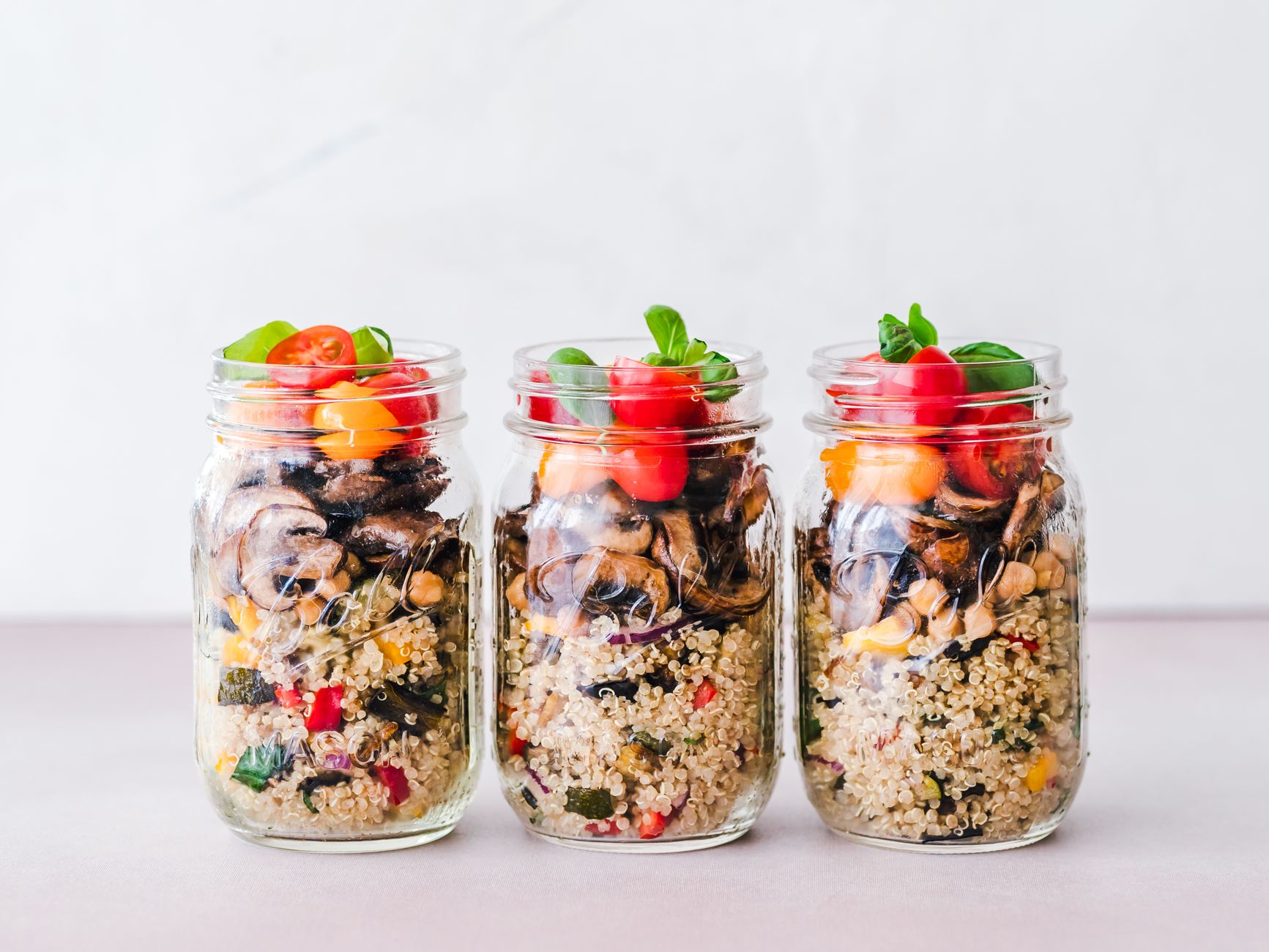
Can You Lose Weight on Whole30 Without Exercise: The Science-Backed Truth
You don’t need to be a gym rat to lose weight on Whole30. In fact, many people see significant changes—often 4–12 pounds in the first month—just by adjusting their diet. But why? And how much of that weight loss is actual fat versus water weight?
Whole30 eliminates sugar, grains, legumes, dairy, and processed ingredients, which means you’re cutting out refined carbs and inflammatory foods that can cause bloating, water retention, and cravings. When you remove these triggers, your body naturally sheds excess water and inflammation. For many, this is the "easy" weight loss phase—especially in the first week or two. However, this isn’t fat loss; it’s more about resetting your system and breaking the cycle of overeating and cravings.
After the initial water weight loss, the scale might stall. That’s where exercise comes in—not necessarily for weight loss, but for fat loss and muscle preservation. Strength training and cardio help you burn fat more efficiently and maintain muscle mass, which is crucial as you age. But if you’re new to movement or short on time, Whole30 alone can still help you lose weight. The key is consistency and patience.
Real talk: Many women tell us they lose weight on Whole30 without exercise because the diet helps them feel fuller on fewer calories. Think of it as a "reset button" for your metabolism. But if you’re hoping for rapid fat loss, combining Whole30 with light movement—like walking, yoga, or bodyweight exercises—will give you better long-term results.
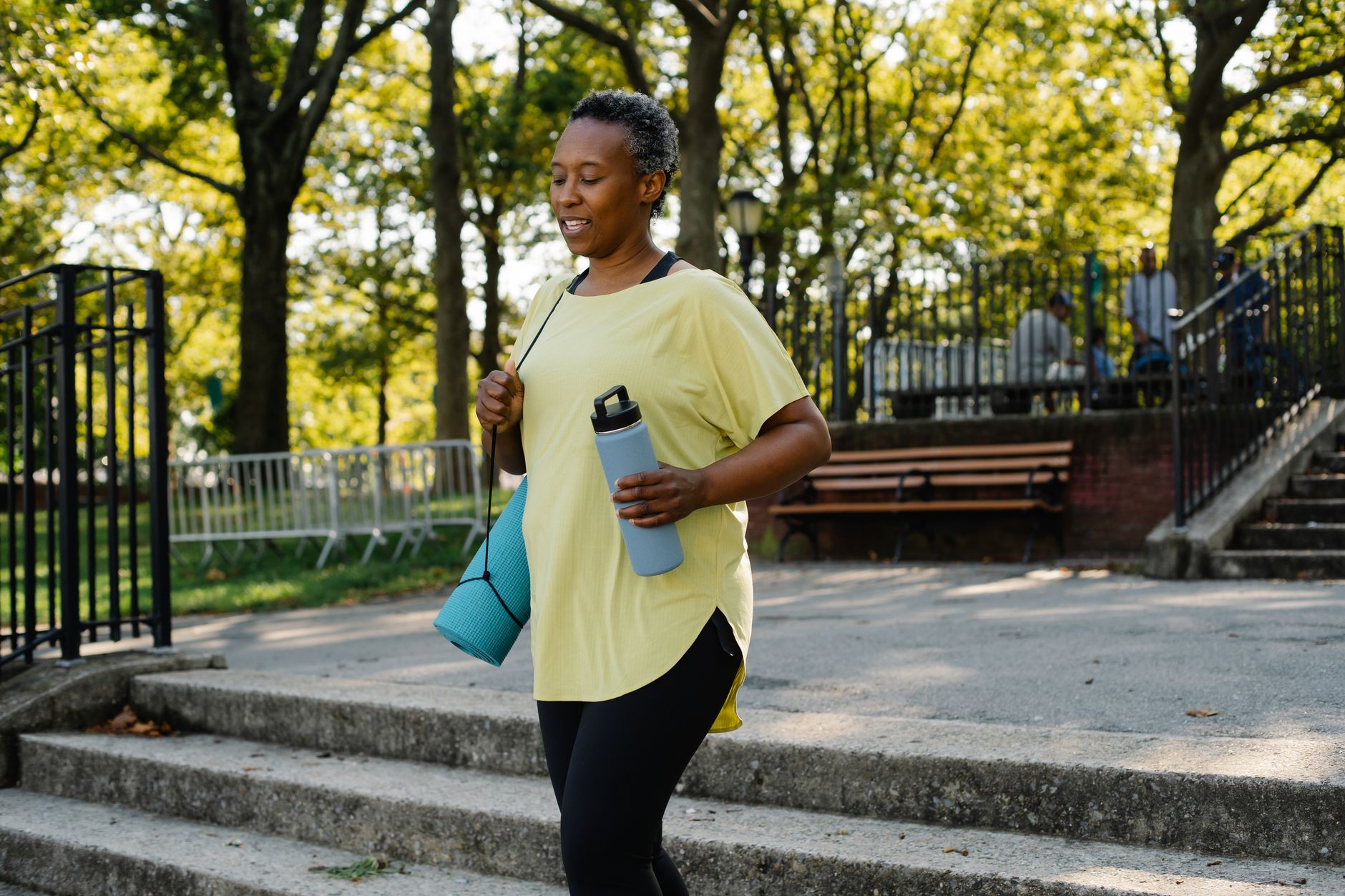
Whole30 Weight Loss Results: What to Expect in Week 1 vs. Week 4+
Pro tip: Track non-scale victories like improved digestion, better sleep, or more energy. These are signs your body is healing, even if the scale isn’t moving as fast as you’d like.
Myth: "Whole30 is just a crash diet that causes muscle loss." Fact: Whole30 doesn’t inherently cause muscle loss—it’s what you eat after Whole30 that matters. If you reintroduce sugar and processed foods, you might regain weight (and muscle). But if you stick to whole foods post-Whole30, you’ll likely maintain your progress.
--- ##Whole30 vs. Keto for Weight Loss: Which Burns Fat Faster?
If you’ve been researching weight-loss diets, you’ve probably compared Whole30 and keto. Both eliminate carbs, but they work differently—and one might be better for your goals than the other.
Key differences:
| Factor | Whole30 | Keto |
|---|---|---|
| Primary goal | Eliminate inflammatory foods, reset habits, improve digestion | Induce ketosis for rapid fat burning |
| Carb limit | No added sugar or grains (natural carbs like veggies allowed) | Very low (20–50g net carbs/day) |
| Protein | Moderate (prioritizes quality sources like meat, fish, eggs) | Moderate to high (often higher for muscle retention) |
| Fat intake | Healthy fats encouraged but not restricted | High fat (70–80% of calories from fat) |
| Duration | 30 days (followed by reintroduction phase) | Long-term (can be sustained indefinitely) |
| Best for | Breaking food addictions, improving gut health, hormonal balance | Rapid fat loss, metabolic health, epilepsy management |
Which burns fat faster? Keto is designed for rapid ketosis, which can lead to quicker initial weight loss (often 5–10 pounds in the first month). Whole30, on the other hand, focuses on eliminating inflammatory foods, which can lead to steady, sustainable fat loss over time. If your goal is speed, keto might edge out Whole30. But if you want to reset your habits and improve overall health, Whole30 is the better choice.
One reader’s experience: "I tried keto first and lost 8 pounds in a month, but I felt exhausted and cranky. Whole30 was harder at first, but by week 3, I had more energy, my skin cleared up, and I actually enjoyed eating again. The weight came off slower, but it stuck—and I didn’t feel deprived."
Want to explore keto further? Check out our keto diet for weight loss guide for a deeper dive into how low-carb diets work.
--- ##How to Break a Whole30 Weight Loss Plateau Without Cheating
Stuck at the same number on the scale? Plateaus are normal—especially after the first month of Whole30. But before you give up, try these science-backed strategies to kickstart fat loss again.
### **1. Reassess Your Calories** - Whole30 isn’t a calorie-counting diet, but if you’ve been eating the same meals without tracking, you might be under- or overeating. - Use a food scale to portion proteins and fats more accurately. ### **2. Increase Protein Intake** - Aim for 0.7–1g of protein per pound of body weight to preserve muscle and stay full. - Try adding extra eggs, chicken, or fish to meals. ### **3. Add Movement (Without Overtraining)** - If you’ve been sedentary, start with 10–15 minutes of walking daily. - Try bodyweight exercises like squats or push-ups 3x/week. ### **4. Adjust Fat Intakes** - If you’re not feeling satisfied, increase healthy fats (avocado, olive oil, nuts). - If you’re bloated, reduce fatty cuts of meat slightly. ### **5. Check for Hidden Carbs** - Whole30 allows natural carbs (veggies, berries), but some people overdo it. Stick to non-starchy veggies and smaller portions of carbs like sweet potatoes. ### **6. Sleep and Stress Management** - Poor sleep and high cortisol can stall weight loss. Prioritize 7–9 hours of sleep and stress-reduction techniques like meditation or deep breathing.Myth: "If I’m not losing weight, I must have done something wrong." Fact: Plateaus are normal. Focus on how you feel, not just the scale. Improved energy, better digestion, and clearer skin are all signs of progress.
--- ##Whole30 for Weight Loss: Does It Work for Hormonal Imbalances Like PCOS?
If you have PCOS, you know how frustrating it can be to manage weight, insulin resistance, and hormonal fluctuations. Whole30 might be your secret weapon—here’s why.
### **How Whole30 Helps PCOS** 1. **Reduces Insulin Resistance:** Cutting sugar and refined carbs helps stabilize blood sugar, which is crucial for PCOS. 2. **Lowers Inflammation:** Eliminating dairy and processed foods can reduce inflammation linked to PCOS symptoms. 3. **Supports Hormonal Balance:** Whole30 encourages healthy fats and proteins, which help regulate hormones like cortisol and estrogen. 4. **Improves Digestion:** Many women with PCOS struggle with gut health; Whole30’s elimination phase can reset your microbiome.Real results: Studies show that low-carb, high-protein diets (similar to Whole30) can improve PCOS symptoms, including weight loss, ovulation, and acne. One reader with PCOS lost 15 pounds in 30 days and noticed her periods became regular for the first time in years.
### **What to Expect** - **First 2 weeks:** Reduced bloating, clearer skin, more energy. - **Weeks 3–4:** Noticeable weight loss, improved insulin sensitivity. - **Post-Whole30:** If you reintroduce sugar and processed foods, symptoms may return. To maintain progress, stick to whole foods and consider a low-carb or anti-inflammatory diet long-term.Looking for another PCOS-friendly diet? Our Paleo diet guide offers similar benefits with a slightly different approach.
--- ##Whole30 Meal Prep for Weight Loss: 7 Easy Recipes Under 300 Calories
Busy moms, this one’s for you. Meal prepping on Whole30 doesn’t have to be complicated—or boring. Here are 7 easy, nutrient-dense recipes under 300 calories per serving to keep you on track without spending hours in the kitchen.
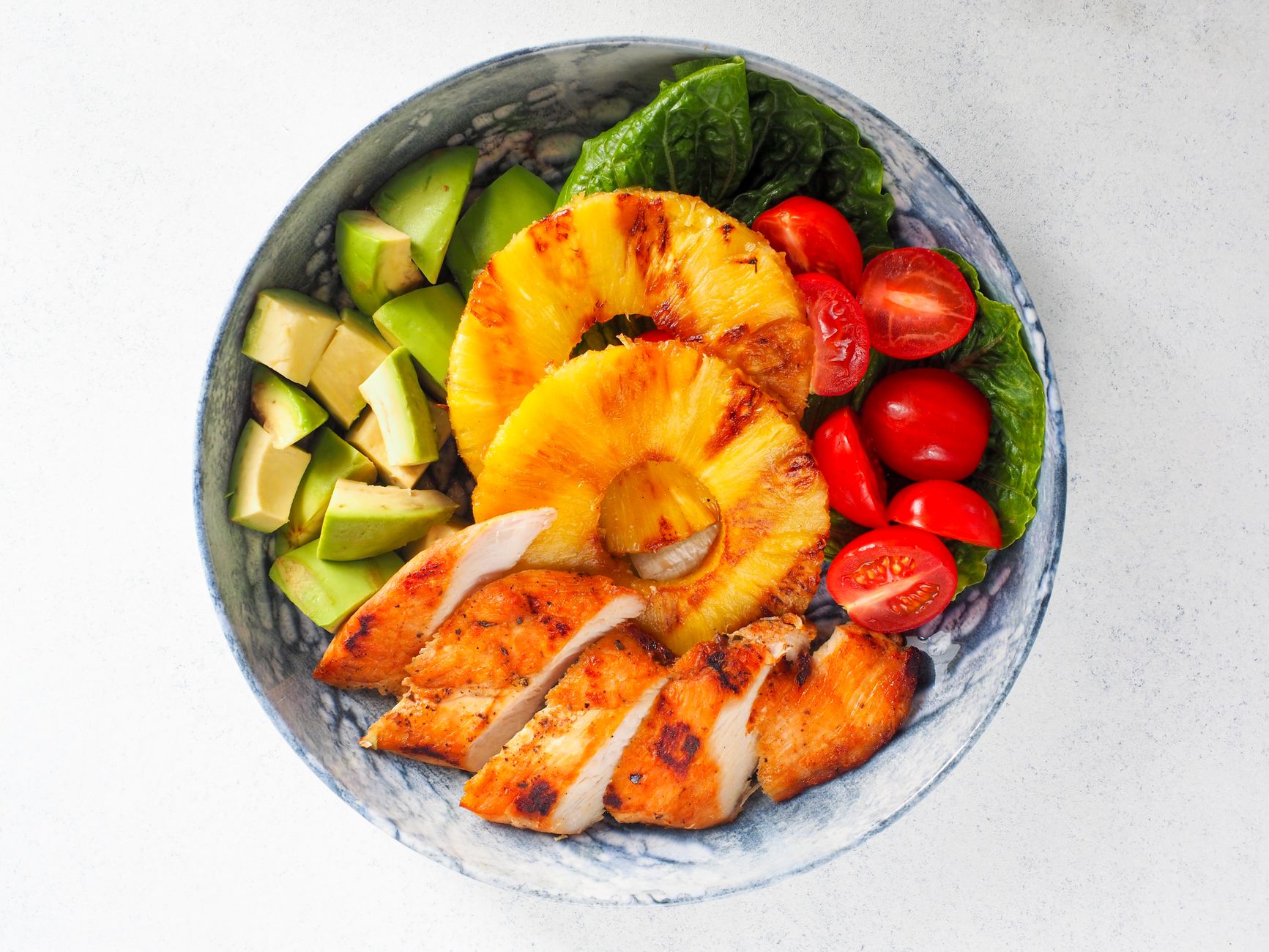
### **1. Lemon-Herb Chicken with Roasted Veggies (350 cal)** - **Protein:** 300g grilled chicken breast - **Veggies:** Zucchini, bell peppers, asparagus - **Fats:** Olive oil, lemon juice, herbs - **Prep:** Roast veggies at 400°F for 20 mins; grill chicken separately. ### **2. Turkey & Spinach Stuffed Peppers (280 cal)** - **Protein:** Ground turkey - **Veggies:** Bell peppers, spinach - **Fats:** Avocado oil, feta (optional, if dairy isn’t an issue) - **Prep:** Brown turkey, mix with spinach and spices, stuff into peppers, bake at 375°F for 25 mins. ### **3. Baked Salmon with Garlic Green Beans (320 cal)** - **Protein:** 1 salmon fillet - **Veggies:** Green beans - **Fats:** Olive oil, garlic, lemon - **Prep:** Season salmon, bake at 375°F for 15 mins; sauté green beans in garlic oil. ### **4. Beef & Cabbage Stir-Fry (290 cal)** - **Protein:** Lean beef strips - **Veggies:** Cabbage, carrots, mushrooms - **Fats:** Coconut aminos (soy-free), sesame oil - **Prep:** Stir-fry beef, add veggies, cook until tender. ### **5. Egg & Avocado Breakfast Bowl (270 cal)** - **Protein:** 2 eggs - **Fats:** Avocado, olive oil - **Veggies:** Spinach, cherry tomatoes - **Prep:** Scramble eggs, slice avocado, assemble bowl. ### **6. Pork Chops with Apple Sauce & Roasted Carrots (310 cal)** - **Protein:** Pork chops - **Veggies:** Carrots - **Fats:** Olive oil, apple cider vinegar - **Prep:** Pan-sear pork chops, roast carrots with apple sauce. ### **7. Shrimp & Broccoli Zoodles (250 cal)** - **Protein:** Shrimp - **Veggies:** Zucchini noodles, broccoli - **Fats:** Olive oil, garlic - **Prep:** Sauté shrimp, spiralize zucchini, mix with broccoli.Pro tip: Batch-cook proteins (chicken, beef, salmon) on Sundays and pair with pre-cut veggies for easy assembly. Store in meal prep containers for 3–4 days.
Whole30 Weight Loss Success Stories: Real Moms Share Their Transformations
Sometimes, hearing from others who’ve been where you are can make all the difference. Here are a few real stories from women who tried Whole30 for weight loss—and how it changed their lives.
### **1. Sarah, 34: "I Finally Lost the Baby Weight (Without Starving Myself)"**"After my second baby, I struggled with weight loss—no matter what I tried. I’d go on crash diets, only to gain it all back. Whole30 was different. I didn’t feel deprived; I actually enjoyed the meals. By the end of 30 days, I’d lost 18 pounds—and I kept it off for over a year. The best part? My energy was through the roof, and my PCOS symptoms improved."
### **2. Jamie, 29: "I Stopped Craving Sugar—Forever?"**"I was a sugar addict. Chocolate, cookies, ice cream—it was my go-to stress relief. Whole30 broke that cycle. After the first week, the cravings disappeared. I still have slip-ups (who doesn’t?), but I’m way more mindful now. I lost 12 pounds and felt like a new person."
### **3. Priya, 41: "My Doctor Said It Was the Best Thing for My PCOS"**"I had PCOS and was desperate for help. My endocrinologist recommended Whole30, and I was skeptical—until I saw results. My periods became regular, my acne cleared up, and I lost 10 pounds. It wasn’t easy, but it was worth it."
Takeaway: Whole30 isn’t a magic bullet, but it can be a game-changer for breaking unhealthy cycles and achieving sustainable weight loss. The key is consistency—and listening to your body.
--- ##Whole30 Weight Loss and Cravings: How to Handle Sugar and Carb Withdrawal
Let’s be real: sugar and carb withdrawal sucks. Headaches, irritability, and intense cravings can make Whole30 feel impossible—especially in the first week. But there are ways to manage it.
### **1. Stay Hydrated** - Dehydration worsens cravings and fatigue. Drink at least 2–3 liters of water daily. - Add electrolytes (like coconut water or a pinch of salt in water) to prevent headaches. ### **2. Eat Enough Fat** - Healthy fats (avocado, olive oil, nuts) help stabilize blood sugar and reduce cravings. - Aim for ¼ of your plate to be fat at each meal. ### **3. Prioritize Protein** - Protein keeps you full and reduces cravings. Aim for 20–30g per meal. - Try adding eggs, chicken, or fish to every meal. ### **4. Use Whole30-Approved Sweeteners (Sparingly)** - If you need a little sweetness, try: - Monk fruit - Stevia (in moderation) - Unsweetened coconut milk ### **5. Distract Yourself** - When cravings hit, do a 5-minute activity (walk, stretch, call a friend). - Keep healthy snacks (nuts, cheese—if dairy isn’t an issue—olives) on hand. ### **6. Sleep More** - Poor sleep increases cravings for sugar. Prioritize 7–9 hours nightly.Myth: "If I crave sugar, I’ve failed Whole30." Fact: Cravings are normal—especially in the first week. They usually fade after 7–10 days as your body adapts.
--- ##Whole30 Weight Loss: Does It Work Long-Term or Is It Just a Reset?
Here’s the hard truth: Whole30 is a 30-day challenge. It’s designed to help you break unhealthy habits, not to be a lifelong diet. But that doesn’t mean it can’t set you up for long-term success.
### **What Happens After Whole30?** 1. **Reintroduction Phase:** You slowly reintroduce eliminated foods (dairy, legumes, grains) to see how your body reacts. 2. **Sustainable Habits:** The goal is to learn which foods agree with you and which don’t. 3. **Long-Term Success:** Many people who do Whole30 find they naturally gravitate toward whole foods post-reset. ### **Does Whole30 Cause Weight Regain?** - If you go back to eating sugar, processed foods, and inflammatory foods, you might regain weight. - But if you use Whole30 as a tool to reset your habits, you’ll likely maintain (or even improve) your progress. ### **How to Make Whole30 Last** - Stick to whole, unprocessed foods post-Whole30. - Continue focusing on protein, healthy fats, and fiber. - Listen to your body—if certain foods cause bloating or fatigue, limit them.Real talk: Whole30 isn’t a diet you’ll do forever. But it can be the catalyst for lasting change.
--- ##Whole30 Weight Loss: How to Handle Social Events Without Derailing Progress
Birthdays, holidays, and dinner parties can feel like landmines when you’re on Whole30. But with a little planning, you can enjoy socializing without sabotaging your progress.
### **1. Plan Ahead** - Before the event, eat a high-protein, high-fat meal to stay full. - Bring a Whole30-friendly dish to share (e.g., a charcuterie board with cheese, nuts, and veggies). ### **2. Focus on Protein and Veggies** - At buffets or potlucks, load your plate with: - Grilled meats - Roasted veggies - Cheese (if dairy isn’t an issue) - Nuts and seeds ### **3. Limit Alcohol (or Choose Wisely)** - Alcohol can spike cravings and slow fat loss. If you drink, opt for dry wine or spirits with soda water. - Avoid sugary cocktails and beer. ### **4. Practice the "80/20 Rule"** - If you slip up, don’t guilt-trip yourself. Just get back on track at the next meal. - One slice of cake won’t ruin your progress—it’s about consistency over perfection. ### **5. Bring a Supportive Friend** - Having someone to enjoy the event with (and check in on) makes it easier to stay on track.Myth: "I’ll never be able to handle social events on Whole30." Fact: With a little prep, you can enjoy yourself without derailing your progress.
--- ##Whole30 Diet for Weight Loss: Does It Help with Belly Fat Specifically?
If your goal is to lose belly fat—especially if you’re struggling with stubborn visceral fat—Whole30 might be your answer. Here’s why:
### **1. Reduces Inflammation** - Belly fat is often linked to chronic inflammation. Whole30 eliminates inflammatory foods (sugar, dairy, processed ingredients), which can shrink your waistline. ### **2. Stabilizes Blood Sugar** - High blood sugar promotes fat storage, especially around the abdomen. Whole30’s elimination of sugar and refined carbs helps regulate insulin, reducing belly fat. ### **3. Encourages Healthy Fats** - Whole30 focuses on healthy fats (avocado, olive oil, nuts), which help your body burn fat more efficiently—including belly fat. ### **4. Supports Hormonal Balance** - For women with PCOS or high cortisol, Whole30 can reduce stress hormones that contribute to belly fat.Real results: Many women report noticeable reductions in belly fat within 4–6 weeks of Whole30, especially if they combine it with strength training.
--- ##Whole30 Weight Loss: Can You Eat Dairy-Free and Still Lose Weight?
Absolutely! Whole30 is inherently dairy-free (unless you opt for the "dairy-free" version, which is even stricter). Here’s how to lose weight without dairy:
### **1. Focus on Protein and Healthy Fats** - Dairy-free Whole30 relies on: - Meat (chicken, beef, pork) - Fish (salmon, sardines) - Eggs - Nuts and seeds (almonds, chia, flax) ### **2. Use Dairy-Free Alternatives** - Swap dairy in recipes with: - Coconut milk (for creamy sauces) - Nut butters (for spreads) - Avocado (for creaminess) ### **3. Prioritize Calcium-Rich Foods** - Since you’re avoiding dairy, get calcium from: - Leafy greens (kale, spinach) - Almonds - Fortified plant milks (if you reintroduce them later) ### **4. Watch for Hidden Dairy** - Avoid: - Cheese (even in small amounts) - Yogurt - Butter or gheeMyth: "Dairy-free Whole30 is harder and less effective." Fact: Many people lose just as much weight (or more) on dairy-free Whole30 because they’re avoiding inflammatory foods.
--- ##Whole30 Weight Loss: What’s the Best Way to Track Progress Beyond the Scale?
The scale doesn’t tell the whole story. Here’s how to track your Whole30 progress holistically:
### **1. Measurements** - Take weekly measurements of your waist, hips, and thighs. Often, you’ll lose inches even if the scale isn’t moving. ### **2. Energy Levels** - Track how you feel daily. More energy, better sleep, and fewer cravings are signs of progress. ### **3. Clothing Fit** - Notice if your clothes feel looser. This is a great indicator of fat loss. ### **4. Digestion** - Improved digestion (no bloating, regular bowel movements) is a sign your gut is healing. ### **5. Skin and Hair** - Clearer skin, fewer breakouts, and stronger hair are signs of reduced inflammation. ### **6. Strength and Endurance** - If you’re strength training, track how many reps you can do. Increased muscle endurance is a sign of progress. --- ##Whole30 Weight Loss: Does It Cause Muscle Loss or Preserve Muscle?
Whole30 doesn’t inherently cause muscle loss—it’s what you do after Whole30 that matters. Here’s how to preserve (or even build) muscle:
### **1. Strength Training** - Lift weights 2–3x/week to maintain muscle mass. - Focus on compound movements (squats, deadlifts, push-ups). ### **2. Prioritize Protein** - Aim for 0.7–1g of protein per pound of body weight. - Whole30-friendly protein sources: chicken, beef, fish, eggs, and legumes (if reintroduced). ### **3. Stay Active** - Even light movement (walking, yoga) helps preserve muscle. ### **4. Reintroduce Foods Wisely** - After Whole30, avoid going back to a high-sugar, processed-food diet. Stick to whole foods to maintain muscle.Myth: "Whole30 causes muscle loss because it’s so restrictive." Fact: Muscle loss happens when you don’t eat enough protein or do strength training. Whole30 sets you up for success by eliminating inflammatory foods that can interfere with muscle recovery.
--- ##Whole30 Weight Loss: How to Deal with Digestive Issues Like Bloating or Constipation
Whole30 can be tough on digestion at first—especially if you’re used to eating processed foods. Here’s how to manage bloating and constipation:
### **1. Bloating** - **Drink more water** (2–3 liters daily). - **Eat smaller portions** of high-fiber foods (like veggies) at first. - **Try ginger tea** for digestion. - **Avoid gas-producing foods** (cruciferous veggies like broccoli and cabbage may cause bloating at first). ### **2. Constipation** - **Increase fiber** (prunes, chia seeds, flaxseeds). - **Drink more water** (dehydration worsens constipation). - **Move more** (walking helps stimulate digestion). - **Try a small amount of coconut oil** (1 tsp in water) for a natural laxative effect. ### **3. Probiotics** - If you’re reintroducing foods later, consider a probiotic supplement to support gut health. --- ##Whole30 Weight Loss: Myths vs. Facts
Let’s clear up some common misconceptions about Whole30 and weight loss.
### **Myth: "Whole30 is just another fad diet."** Fact: Whole30 is designed to be a 30-day elimination diet to help you identify food sensitivities and reset your habits. It’s not a long-term diet, but it can set you up for sustainable eating. ### **Myth: "You have to exercise to lose weight on Whole30."** Fact: You can lose weight without exercise, but combining Whole30 with movement (even light walking) will help you burn fat more efficiently. ### **Myth: "Whole30 causes muscle loss."** Fact: Muscle loss happens when you don’t eat enough protein or do strength training. Whole30 provides all the protein you need—you just have to fuel it with movement. ### **Myth: "Whole30 is too restrictive for busy moms."** Fact: With meal prep and smart planning, Whole30 can be manageable—even for busy schedules. Focus on simple, protein-packed meals. --- ##Key Takeaways
- Whole30 can help you lose weight—even without exercise—but combining it with movement will give you better fat-loss results.
- Expect to lose 4–12 pounds in the first month (mostly water weight), with steady fat loss after that.
- Whole30 works well for hormonal imbalances like PCOS by reducing inflammation and stabilizing blood sugar.
- Meal prep is key to success—plan 7 easy recipes under 300 calories to stay on track.
- Handle cravings with healthy fats, protein, and hydration—cravings usually fade after the first week.
- Track progress beyond the scale: measurements, energy levels, and clothing fit are all signs of success.
- Whole30 is a 30-day challenge, not a lifelong diet—but it can help you develop sustainable habits.
- If you have medical conditions (diabetes, PCOS, etc.), consult your provider before starting.
Frequently Asked Questions
### **Is Whole30 safe for pregnant women or those trying to conceive?
**Whole30 is not recommended during pregnancy or while trying to conceive. The elimination of key food groups (like dairy and legumes) can lead to nutrient deficiencies, which are especially risky during pregnancy. If you’re pregnant or breastfeeding, focus on a balanced, nutrient-dense diet instead. Always consult your healthcare provider before making major dietary changes.
### **How much weight can you realistically lose on Whole30 in 30 days?
**Most people lose 4–12 pounds in the first month of Whole30, with the majority of that being water weight and reduced inflammation. After the initial phase, you can expect to lose 1–3 pounds per week as your body burns fat. Keep in mind that individual results vary based on diet, activity level, and metabolism.
### **What are the most common mistakes people make on Whole30 that sabotage weight loss?
**Here are the top mistakes to avoid:
- Not drinking enough water (leads to bloating and slower metabolism).
- Skipping protein (causes energy crashes and cravings).
- Overdoing healthy fats (can slow digestion and cause bloating).
- Giving up too soon (cravings peak at week 2—stick it out!).
- Not tracking progress beyond the scale (measurements, energy, and clothing fit matter more).
Can you do Whole30 for weight loss if you have a medical condition like diabetes?
**Whole30 can be beneficial for some people with diabetes or insulin resistance because it eliminates sugar and refined carbs, which help stabilize blood sugar. However, always consult your healthcare provider before starting, as Whole30 may require adjustments to your medication or monitoring plan. If you have diabetes, focus


