

Quick take: The Whole30 diet is a 30-day elimination challenge that cuts out sugar, grains, legumes, dairy, and processed foods. For beginners, it’s all about focusing on whole, nutrient-dense foods like grass-fed meats, leafy greens, healthy fats, and eggs. Expect to feel more energized and less bloated—though cravings and fatigue may hit early. Start with a clear grocery list, meal prep, and a plan for handling social events to stay on track.Whole30 Diet Food List for Beginners: The Complete 2026 Guide
You’re staring at your fridge at 11 p.m., the last of the takeout containers empty, and your stomach growling. You’ve heard Whole30 could help—maybe it’s the reset you need after years of questionable snack choices or the gentle nudge to finally listen to your body’s cues. But where do you even begin? What’s allowed? What’s not? And how do you avoid feeling like you’re eating a cavewoman’s diet (or worse, a rabbit’s)?
Many women tell us they’re drawn to Whole30 for its simplicity and focus on whole foods, especially after pregnancy or during perimenopause when energy levels feel shaky. But the first 24 hours can be brutal—no coffee, no bread, no almond milk? It’s enough to make you question your life choices. The good news? You’re not alone. And with the right plan, you’ll soon discover that Whole30 isn’t about deprivation; it’s about rediscovering what your body actually craves when you stop masking symptoms with sugar and processed carbs.
This guide is your roadmap. We’ll break down the Whole30 food list for beginners, tackle the toughest challenges (like handling pregnancy cravings or social events), and share practical tips to make the transition smoother. By the end, you’ll have a clear picture of what to eat, what to avoid, and how to navigate the first month without feeling like you’re surviving on kale smoothies and bone broth alone.
--- ## What Foods Can You Eat on the Whole30 Diet for Beginners with No Experience?If you’ve ever felt overwhelmed by diet rules, Whole30’s food list might seem like a foreign language at first. But once you decode it, you’ll realize it’s actually quite generous—just very specific. The core idea is to eat only whole, unprocessed foods while eliminating sugar, grains, legumes, dairy, and alcohol for 30 days. Think of it as a detox for your gut and metabolism, not a punishment.
Here’s the breakdown:
### Whole30-Approved Foods- Meats & Proteins: Grass-fed beef, pasture-raised poultry, wild-caught fish, eggs (from free-range chickens), and organ meats.
- Seafood: Salmon, sardines, mackerel, shrimp, and scallops—just avoid shellfish if you’re sensitive.
- Vegetables: Leafy greens (spinach, kale), cruciferous veggies (broccoli, cauliflower), zucchini, bell peppers, and carrots. Yes, even the starchy ones—Whole30 doesn’t ban them like some diets do.
- Fruits: Berries (blueberries, raspberries), apples, pears, and citrus fruits. Bananas are allowed but should be eaten in moderation due to their natural sugars.
- Healthy Fats: Avocados, olive oil, coconut oil, ghee (clarified butter), and nuts/seeds (almonds, walnuts, chia, flax).
- Condiments & Spices: Vinegar (apple cider, balsamic), mustard, hot sauce, sea salt, and herbs like basil, oregano, and turmeric. Here’s a full list of Whole30-friendly spices to keep your meals flavorful.
- Drinks: Water, herbal teas, black coffee (if you’re not sensitive to caffeine), and electrolyte-enhanced water (just check for no added sugar).
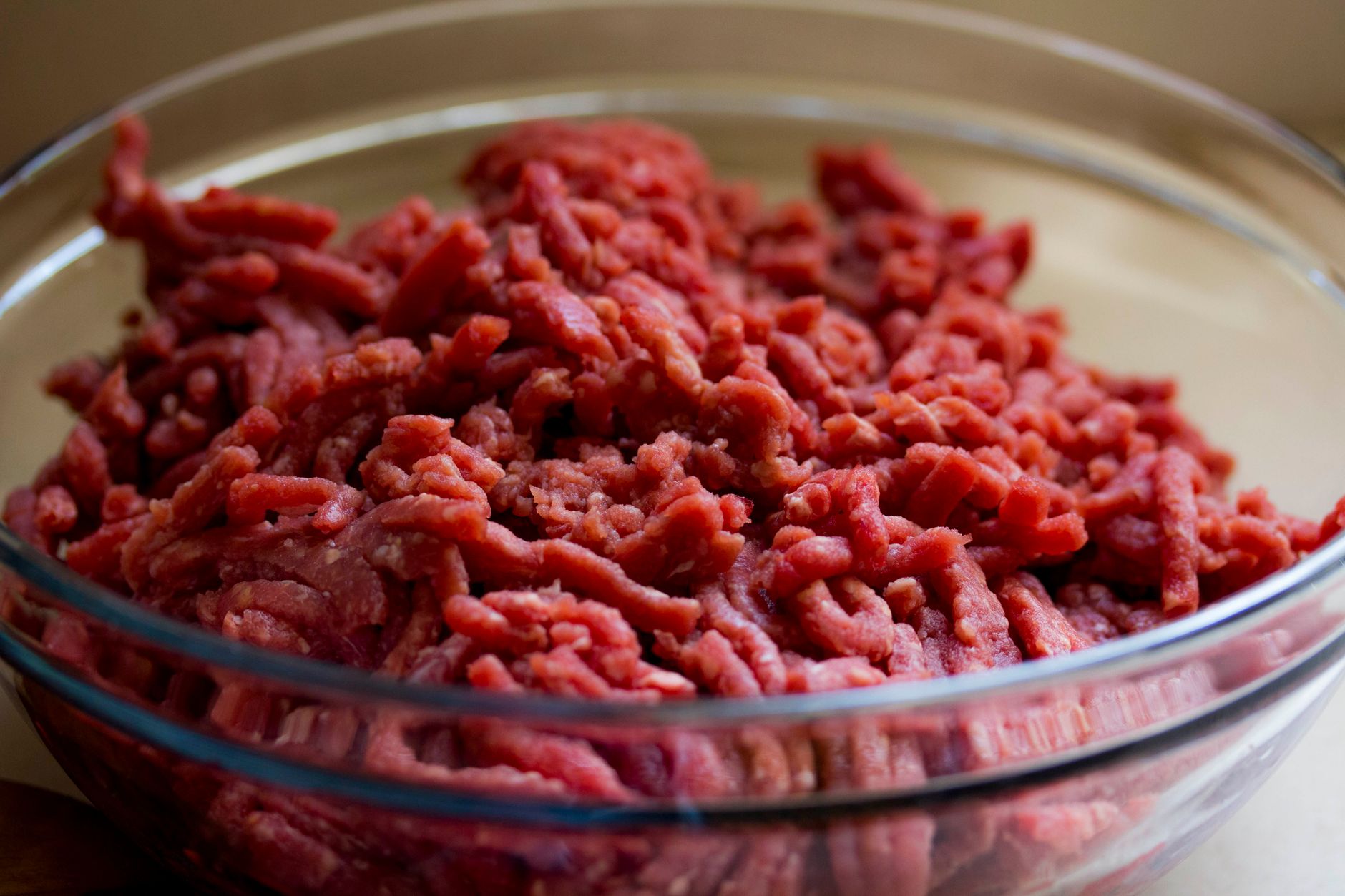
One reader described her first Whole30 grocery haul as “like shopping in a different world”—no cereal aisles, no snack bars, just the perimeter of the store. At first, it felt limiting, but after a week, she realized she was actually eating more variety than she had before.
### Whole30-Banned Foods- Sugar in any form (including honey, maple syrup, and agave).
- Grains (wheat, rice, corn, oats, quinoa, etc.).
- Legumes (beans, lentils, peanuts, soy).
- Dairy (milk, cheese, yogurt, butter).
- Alcohol (including beer, wine, and cocktails).
- Processed foods (chips, crackers, deli meats with additives).
- Artificial sweeteners (even natural ones like stevia or monk fruit, though some Whole30 versions allow them—check the official rules).
Pro tip: Always read labels. Words like “maltodextrin” or “natural flavors” can hide sugar or grains. If you’re unsure, err on the side of caution.
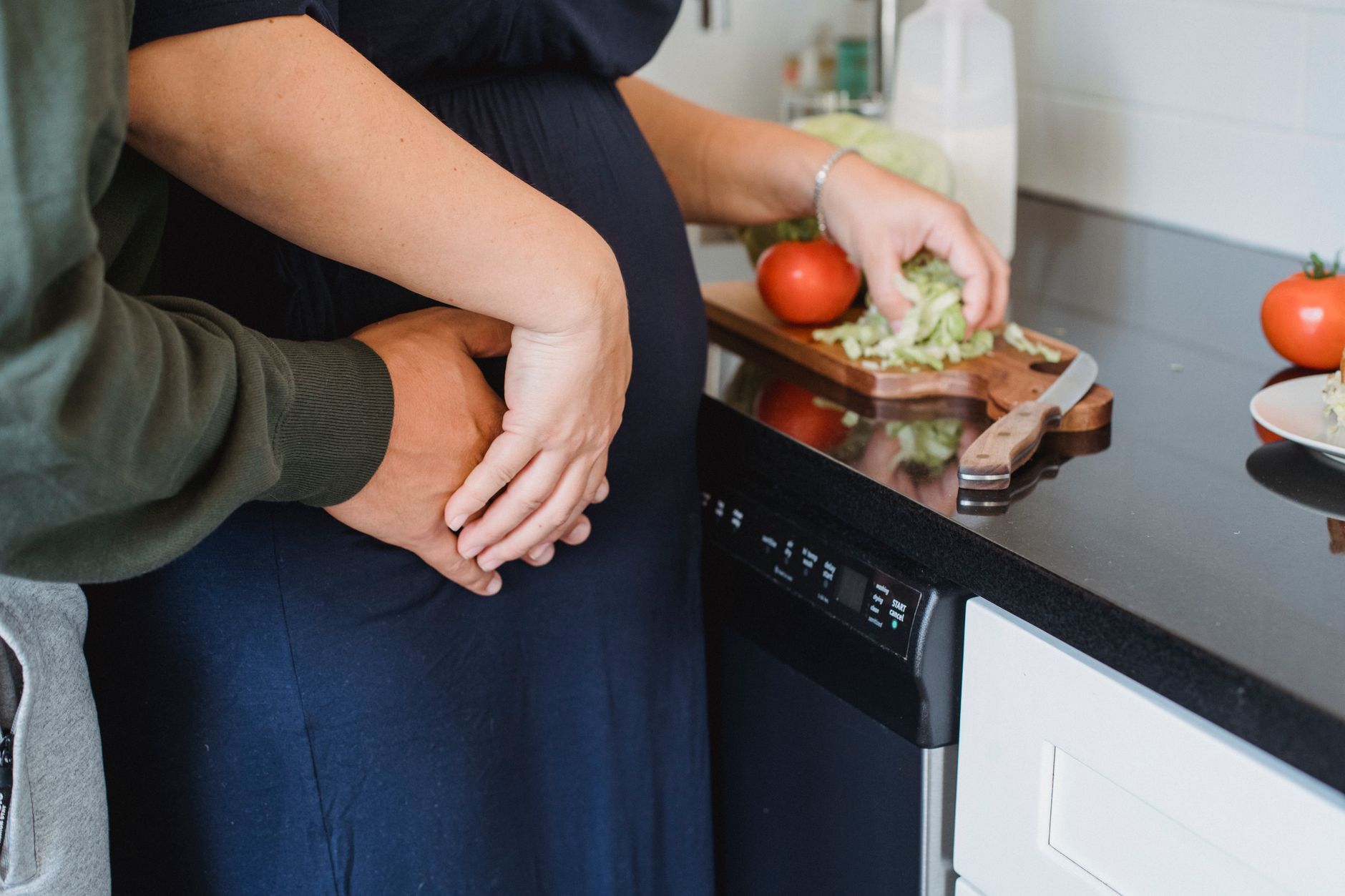
--- ## Whole30 Meal Plan for First-Time Moms During Pregnancy—Safe and Easy OptionsPregnancy cravings are real, and Whole30 might feel like the ultimate challenge when you’re suddenly craving pickles, ice cream, and everything in between. But for some women, Whole30 can actually ease pregnancy discomforts like bloating, heartburn, and fatigue—especially if you’ve been relying on processed snacks to get through the day.
Before starting Whole30 during pregnancy, consult your healthcare provider. While Whole30 itself isn’t harmful, it’s important to ensure you’re getting enough nutrients like folate, iron, and calcium. Many women find that focusing on nutrient-dense foods like leafy greens, lean proteins, and healthy fats helps support both their energy levels and their baby’s development.
### Pregnancy-Friendly Whole30 Meal Ideas- Breakfast: Scrambled eggs with sautéed spinach and avocado, or a smoothie with almond milk (Whole30-approved), frozen berries, and a scoop of collagen peptides.
- Lunch: Grilled chicken salad with mixed greens, cucumber, olive oil, and lemon dressing, or a tuna salad (made with olive oil and celery) wrapped in lettuce leaves.
- Dinner: Baked salmon with roasted Brussels sprouts and a side of mashed cauliflower, or a stir-fry with beef, bell peppers, and zucchini in coconut aminos.
- Snacks: Hard-boiled eggs, mixed nuts, or apple slices with almond butter (ensure it’s sugar-free).
For gestational diabetes, Whole30’s elimination of sugar and refined carbs can be particularly helpful. Many women report better blood sugar control and reduced cravings. If you’re concerned about nutrient gaps, consider supplementing with prenatal vitamins that align with Whole30 rules (e.g., no added sugar or dairy).
Whole30 isn’t just about what you eat—it’s about how you eat. Many beginners trip up on the same pitfalls, leading to frustration, cravings, or even quitting before the 30 days are up. Here’s how to avoid the most common mistakes:
### 1. Not Reading Labels CarefullyHidden sugar and grains are Whole30’s silent saboteurs. Words like “maltodextrin,” “natural flavors,” or “wheat starch” often mean the product isn’t Whole30-compliant. Always double-check ingredients.
### 2. Skipping ElectrolytesWhen you cut sugar and processed foods, your body can feel depleted. Many beginners experience headaches or fatigue because they’re not replenishing electrolytes like sodium, potassium, and magnesium. Add a pinch of sea salt to your water or try coconut water (unsweetened).
### 3. Over-Reliance on Low-Fat or “Light” FoodsWhole30 isn’t about calorie counting, but low-fat foods often replace fat with sugar or fillers. Opt for full-fat versions of approved foods (like avocados, nuts, and olive oil) to stay satisfied.
### 4. Not Planning AheadWhole30 works best when you’re prepared. Many beginners fall off track because they’re too hungry or too tired to cook. Meal prep on Sundays to have easy grab-and-go options like hard-boiled eggs, pre-cut veggies, or pre-made salads.
### 5. Cheating Without Realizing ItEven small slips—like a sip of wine at a party or a bite of your partner’s birthday cake—can throw off your progress. Whole30 is an all-or-nothing challenge for the first 30 days. If you do slip up, reset immediately and keep going.
One mom we spoke with admitted she “cheated” on Whole30 by sneaking a bite of her toddler’s yogurt (which contained dairy). She didn’t realize it until she felt sluggish for days. Lesson learned: everything counts.
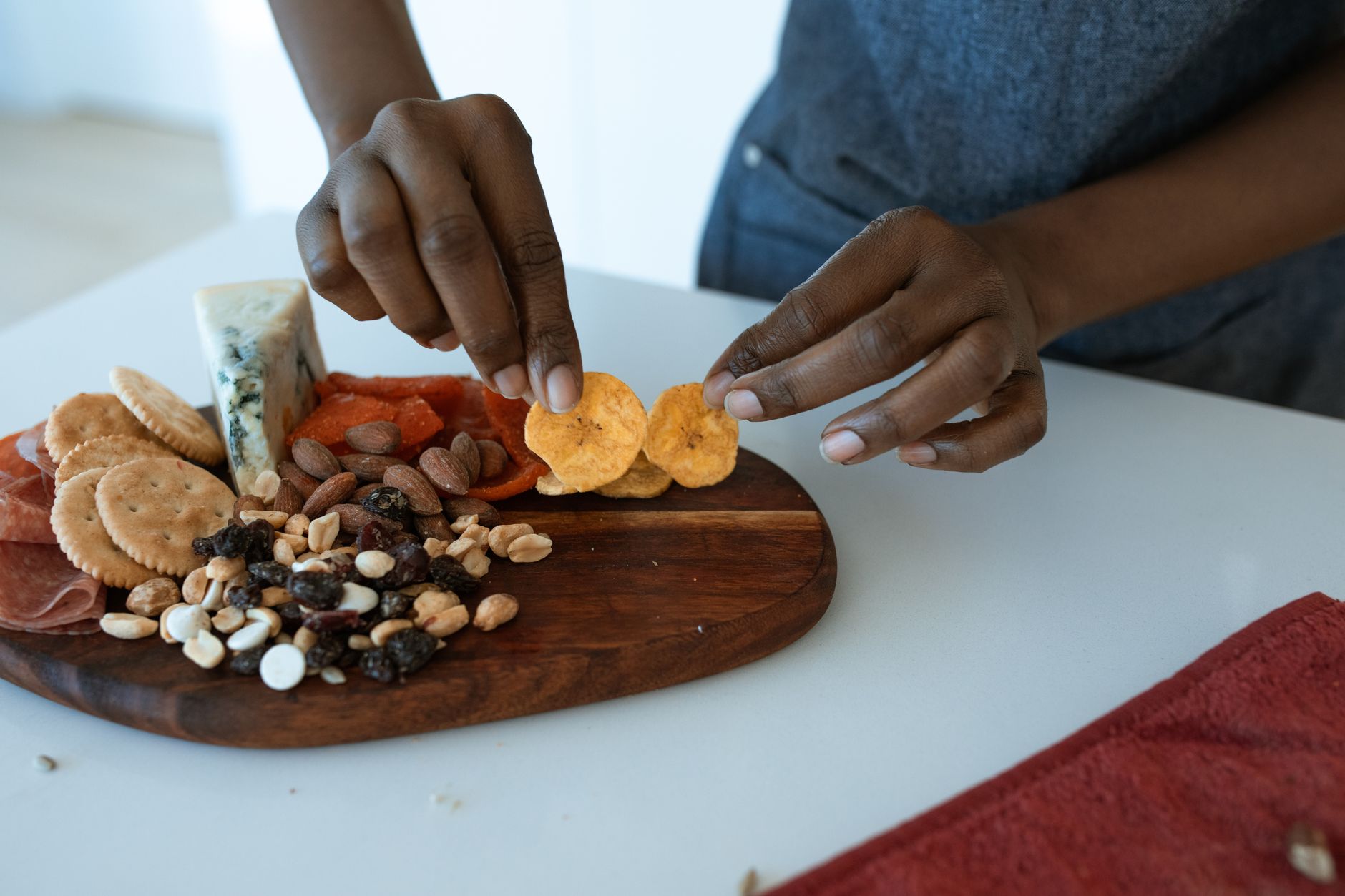
--- ## Whole30 Approved Snacks List for Pregnancy Cravings and Energy BoostersPregnancy cravings can be intense, and Whole30 doesn’t have to feel like a snack desert. Here’s a list of Whole30-approved snacks to keep you satisfied and energized:
### Protein-Packed Snacks- Hard-boiled eggs
- Beef or turkey jerky (check for no added sugar or fillers)
- Smoked salmon with cucumber slices
- Chia pudding (made with almond milk and chia seeds)
- Avocado with sea salt
- Handful of almonds or walnuts
- Olives (in moderation)
- Guacamole with veggie sticks
- Apple slices with almond butter
- Berries with coconut yogurt (dairy-free)
- Smoothie with frozen banana, spinach, and almond milk
- Seaweed snacks
For those craving something sweet, try a small piece of dark chocolate (Whole30-approved if it’s 85% cocoa or higher and has no added sugar). Or satisfy your sweet tooth with a small handful of raspberries—nature’s candy!
This is a common question, and the answer depends on the brand. Most store-bought almond milk, oat milk, or coconut milk contain additives like gums, thickeners, or sweeteners that violate Whole30 rules. However, there are a few exceptions:
### Whole30-Approved Dairy Alternatives- Unsweetened almond milk: Look for brands like Plain Almond Milk or homemade versions with no additives.
- Coconut milk (canned, not cartoned): The thick, creamy kind used in cooking—just check for no added sugar.
- Cashew milk: Homemade or brands like Plain Cashew Milk (unsweetened).
- Collagen peptides: These are often added to smoothies or coffee for extra protein and can be Whole30-compliant if they’re unflavored and unsweetened.
When in doubt, stick to water, herbal teas, or black coffee. If you’re unsure about a product, check the Whole30 FAQ or the official Whole30 app for updates.
--- ## Whole30 Grocery List for Beginners: What to Buy vs. What to SkipStarting Whole30 without a grocery list is like trying to bake a cake without flour—it’s just not going to work. Below is a beginner-friendly Whole30 grocery list to get you started. Focus on the perimeter of the store (produce, meats, and dairy-free sections) and avoid the middle aisles where processed foods lurk.
### Proteins- Grass-fed ground beef
- Pasture-raised chicken thighs
- Wild-caught salmon fillets
- Eggs (free-range)
- Turkey breast (no additives)
- Spinach
- Broccoli
- Zucchini
- Bell peppers
- Carrots
- Brussels sprouts
- Sweet potatoes (in moderation)
- Blueberries
- Raspberries
- Apples
- Pears
- Avocados
- Extra virgin olive oil
- Avocado oil
- Coconut oil
- Almond butter (unsweetened)
- Chia seeds
- Flaxseeds
- Apple cider vinegar
- Mustard
- Sea salt
- Coconut aminos (soy sauce alternative)
- Turmeric
- Cinnamon
- Pre-packaged meals
- Granola bars
- Yogurt (dairy or dairy-free)
- Cereals
- Processed meats (like deli ham or bacon with additives)
- Sweetened nuts or seeds

Switching to Whole30 doesn’t have to feel like a diet—it can feel like a return to the way your body was meant to eat. The key is to ease into it gradually and focus on adding in nutrients rather than just cutting out foods. Here’s how:
### Step 1: Clean Out Your PantryStart by tossing or donating anything with sugar, grains, or legumes. This includes sauces (like soy sauce), condiments (like ketchup), and snacks (like chips). The less temptation you have, the easier it’ll be to stay on track.
### Step 2: Focus on Whole Foods FirstInstead of thinking, “What can’t I eat?” ask, “What can I eat?” Fill your plate with vegetables, proteins, and healthy fats. For example, swap your morning cereal for scrambled eggs with avocado. Your body will adjust faster if you’re replacing foods rather than just restricting.
### Step 3: Plan Your MealsWhole30 works best when you’re prepared. Spend 1–2 hours on Sunday prepping meals and snacks for the week. Chop veggies, hard-boil eggs, and portion out nuts. This way, when hunger strikes, you’re not reaching for the first thing you see.
### Step 4: Stay Hydrated and Add ElectrolytesDehydration can make cravings worse. Drink plenty of water and add a pinch of sea salt or a squeeze of lemon to help replenish electrolytes. Herbal teas and black coffee (if tolerated) are also great options.
### Step 5: Find Whole30-Friendly RecipesBoredom is the enemy of diet success. Browse Whole30’s recipe database or check out cookbooks like Whole30: The 30-Day Guide to Total Health and Food Freedom by Melissa Urban. Start with easy recipes like sheet-pan dinners or slow-cooker meals to simplify your routine.
Remember: Whole30 is a 30-day challenge, not a lifetime sentence. Many women find that after the first week, they start craving real, whole foods instead of processed snacks. It’s all about retraining your palate.
--- ## Whole30 Diet for Beginners: What to Do If You Feel Weak or FatiguedFeeling weak or fatigued during Whole30 is common, especially in the first few days. This is often due to your body adjusting to a new way of eating—particularly if you’ve been relying on sugar or processed foods for energy. Here’s how to combat it:
### 1. Eat Enough Protein and Healthy FatsMany beginners make the mistake of cutting back on fats and protein, thinking they’re “fattening.” But these nutrients are crucial for steady energy. Aim for at least 20–30 grams of protein per meal and include healthy fats like avocado or olive oil in every meal.
### 2. Prioritize ElectrolytesSodium, potassium, and magnesium are your best friends during Whole30. If you’re feeling lightheaded or dizzy, try adding a pinch of sea salt to your water or snack on bananas (for potassium) or spinach (for magnesium).
### 3. Don’t Skip MealsIrregular eating can lead to blood sugar crashes, which make fatigue worse. Plan 3 meals a day plus snacks if needed. If you’re too busy, keep easy options like hard-boiled eggs or nuts in your bag.
### 4. Listen to Your BodyIf you’re exhausted, it might be time to rest. Whole30 isn’t about burning yourself out—it’s about nourishing your body. Prioritize sleep, hydration, and gentle movement like walking.
### 5. Consider Supplements (If Needed)If you’re struggling with energy, ask your healthcare provider about supplements like vitamin D, magnesium, or iron. Many women are deficient in these nutrients, especially postpartum or during pregnancy.
One reader described her first Whole30 week as “the most exhausted I’ve ever been—but also the most clear-headed.” She realized she’d been running on caffeine and sugar for years and that her body just needed time to reset.
--- ## Whole30 Diet Food List for Beginners with Meal Prep IdeasMeal prep is your secret weapon for Whole30 success. It saves time, reduces decision fatigue, and helps you avoid last-minute takeout or processed snacks. Here are some easy meal prep ideas to get you started:
### Breakfast Ideas- Egg muffins: Whisk eggs with spinach, diced bell peppers, and onions. Pour into a muffin tin and bake at 350°F for 20 minutes.
- Chia pudding: Mix 3 tbsp chia seeds with 1 cup unsweetened almond milk. Let sit overnight, then top with berries and nuts.
- Pre-cut veggies with dip: Store bell peppers, cucumbers, and carrots with guacamole or tzatziki (Whole30-approved if dairy-free).
- Mason jar salads: Layer dressing at the bottom, followed by proteins (like grilled chicken), veggies, and greens. Shake when ready to eat.
- Beef and veggie stir-fry: Cook ground beef with frozen stir-fry veggies in coconut aminos. Portion into containers and reheat.
- Tuna salad lettuce wraps: Mix canned tuna with olive oil, celery, and lemon juice. Serve in romaine lettuce leaves.
- Sheet-pan dinners: Toss chicken thighs, sweet potatoes, and Brussels sprouts with olive oil and roast at 400°F for 25–30 minutes.
- Slow-cooker beef and broccoli: Brown beef, add broccoli, coconut aminos, and ginger. Cook on low for 6–8 hours.
- Baked salmon with roasted veggies: Season salmon with sea salt and herbs, then roast with asparagus and zucchini at 375°F for 15 minutes.
- Pre-portioned nuts and seeds
- Hard-boiled eggs
- Avocado halves with sea salt
- Seaweed snacks
- Olives
Pro tip: Use glass containers with dividers to keep meals fresh and organized. Label everything with the date to avoid food waste.
--- ## Whole30 Diet for Beginners: Can You Still Enjoy Smoothies?Absolutely! Smoothies are a Whole30-friendly way to pack in nutrients, especially if you’re short on time or need a quick breakfast. The key is to avoid added sugars and dairy-free milk with additives. Here’s how to make a Whole30-compliant smoothie:
### Basic Whole30 Smoothie Recipe- 1 cup unsweetened almond milk (or coconut water)
- 1 frozen banana (or a handful of frozen berries)
- 1 tbsp almond butter
- 1 scoop collagen peptides (optional, for protein)
- Handful of spinach or kale
- 1 tsp chia seeds (for thickness and omega-3s)
- Ice (to keep it cold)
Blend until smooth and enjoy! For extra flavor, add cinnamon or vanilla extract (ensure it’s Whole30-compliant).
If you’re craving something sweeter, try a berry smoothie with a dash of cinnamon—it’ll satisfy your sweet tooth without the sugar crash.
--- ## Whole30 Approved Spices and Herbs List for Flavorful MealsWhole30 doesn’t require you to eat bland food. Spices and herbs are your best friends for adding flavor without sugar or additives. Here’s a list of Whole30-approved options:
### Whole30-Approved Spices- Sea salt
- Black pepper
- Garlic powder
- Onion powder
- Turmeric
- Cumin
- Paprika
- Cinnamon
- Nutmeg
- Oregano
- Basil
- Thyme
- Rosemary
- Cayenne pepper
- Mustard powder
- Fresh basil
- Fresh cilantro
- Fresh parsley
- Fresh mint
- Fresh dill
- Fresh rosemary
- Fresh thyme
Pro tip: Fresh herbs add a bright, vibrant flavor to dishes. Try adding basil to your avocado toast (yes, Whole30-approved toast—just use almond flour or let the bread rise with Whole30-friendly ingredients) or rosemary to your roasted potatoes.
--- ## Whole30 Diet for Beginners: How to Handle Social Events Without CheatingWhole30 can feel isolating when your friends are grabbing pizza or celebrating with wine. But with a little planning, you can enjoy social events without derailing your progress. Here’s how:
### 1. Bring Your Own DishMost gatherings have a potluck component. Bring a Whole30-friendly dish like a meat-and-veggie skewer platter, a big salad, or a batch of energy balls (made with dates, nuts, and cocoa powder—though dates are technically Whole30-no, so check the rules). This ensures you have safe options.
### 2. Focus on the CompanyInstead of fixating on the food, engage in conversation, play games, or enjoy activities. You’ll find that the event is more enjoyable when you’re not stressing about what’s on your plate.
### 3. Practice the “Half-Plate Rule”If you’re at a restaurant or party, fill half your plate with Whole30-approved foods (like a big salad or grilled chicken). The other half can be shared dishes—just take small portions and focus on the main protein and veggies.
### 4. Have a Backup PlanIf you’re unsure about a dish, ask questions. For example, “Is there any sugar in this sauce?” or “Is this bread made with grains?” Most people will appreciate your honesty. If you’re worried about slipping up, bring a small Whole30-friendly snack like nuts or jerky to tide you over.
### 5. Remember: One Cheat Doesn’t Ruin ItWhole30 is an elimination challenge, not a punishment. If you do have a bite of cake or a sip of wine, don’t beat yourself up. Reset immediately and keep going. The goal is progress, not perfection.
One reader shared how she handled her friend’s birthday party by bringing a tray of beef jerky and veggies. She ate her own food, enjoyed the celebration, and even had people ask her about her “amazing snacks.” It turned out to be a great conversation starter!
--- ## Whole30 Meal Ideas for Beginners Who Hate CookingIf cooking feels like a chore, Whole30 can still work for you. The key is to focus on easy, no-fuss meals that require minimal effort. Here are some of the simplest Whole30 meals for busy beginners:
### 5-Minute Meals- Avocado and egg salad: Mash half an avocado with a hard-boiled egg, sea salt, and lemon juice. Eat with cucumber slices.
- Turkey and cheese roll-ups (if you’re not avoiding dairy—otherwise use lettuce wraps): Roll sliced turkey around a slice of cheese (or avocado) and enjoy.
- Tuna salad lettuce wraps: Mix canned tuna with olive oil, celery, and lemon juice. Wrap in romaine leaves.
- Microwave bacon and eggs: Cook bacon in the microwave (yes, it works!), then scramble eggs in a mug with a splash of water.
- Beef and veggie stew: Brown beef, add frozen veggies, coconut aminos, and broth. Cook on low for 6–8 hours.
- Pulled pork: Cook pork shoulder with coconut aminos and spices. Shred and serve with cabbage slaw.
- Chicken and veggies: Toss chicken thighs, potatoes, and broccoli with olive oil and herbs. Roast at 400°F for 25–30 minutes.
- Salmon and asparagus: Season salmon with sea salt and herbs, then roast with asparagus at 375°F for 15 minutes.
If cooking feels overwhelming, consider Whole30-friendly meal delivery services like HelloFresh or FreshnLean. Many offer Whole30-compliant meal kits designed for beginners.
--- ## Whole30 Diet for Beginners: What to Do If You Miss SweetsCraving sweets is one of the hardest parts of Whole30, especially if you’ve been relying on sugar for years. But there are plenty of Whole30-friendly ways to satisfy your sweet tooth without derailing your progress:
### 1. Try Natural Sweeteners (If Allowed)Some Whole30 versions allow small amounts of natural sweeteners like monk fruit or stevia. Use them sparingly in coffee or tea.
### 2. Satisfy with FruitBerries, apples, and pears are naturally sweet and can curb cravings. Pair them with nuts or almond butter for extra satisfaction.
### 3. Make Energy BallsBlend dates (if allowed), nuts, cocoa powder, and a pinch of sea salt into balls. Freeze for 30 minutes and enjoy!
### 4. Dark Chocolate (85% or Higher)A small piece of dark chocolate can satisfy cravings without the sugar crash. Look for brands with no added sugar.
### 5. Cinnamon and NutmegThese spices can trick your brain into thinking something is sweet. Sprinkle them on avocado toast or smoothies.
### 6. Stay Busy and DistractedCravings often pass within 10–15 minutes. Keep yourself occupied with a walk, a shower, or a hobby until the urge subsides.
One reader shared that she used to crave ice cream every night. After a week of Whole30, she realized she was actually craving the texture and coolness, not the sweetness. She started eating frozen bananas or berries instead—and it worked!
--- ## Whole30 Diet Myths vs. FactsWhole30 has its share of myths. Let’s set the record straight:
### Myth: Whole30 is just another fad diet for weight loss.Fact: Whole30 is an elimination challenge designed to help you identify food sensitivities and reset your relationship with food. While weight loss is a common side effect, it’s not the goal. Many people report improved digestion, clearer skin, and more energy.
### Myth: You can’t eat out on Whole30.Fact: You can eat out—you just need to be strategic. Stick to grilled proteins, salads with olive oil dressing, and avoid sauces with hidden sugar or grains. Many restaurants offer Whole30-friendly options if you ask.
### Myth: Whole30 is only for people who want to lose weight.Fact: Whole30 can benefit anyone looking to improve their health, whether they’re dealing with digestive issues, skin problems, or just feeling sluggish. It’s a great way to reset your diet and focus on whole foods.
### Myth: You have to give up coffee on Whole30.Fact: Black coffee is allowed on Whole30, but if you’re sensitive to caffeine or notice jitters, you can swap it for herbal teas or matcha (ensure it’s unsweetened).
### <

