When you’re on the move, you want snacks that are quick to grab, low in points, and satisfying enough to stave off hunger until your next meal. The key is to focus on foods that score well on the Weight Watchers formula—high protein, high fiber, and low saturated fat. Below is a curated list of top snacks, along with their point values, so you can pick the ones that fit your daily budget.
These snacks are not only low in points but also versatile. Pair the Greek yogurt with a handful of berries, or add a sprinkle of cinnamon to the apple slices for extra flavor. If you prefer savory, mix the nuts with a dash of sea salt and a sprinkle of smoked paprika for a quick energy boost. Remember that the goal is to choose snacks that provide sustained energy and help prevent overeating at your next meal, aligning with general healthy eating principles promoted by organizations like the American Heart Association (AHA).
Which weight watchers points diet snack ideas are perfect for busy moms?
As a mom, your snack choices often have to be kid‑friendly, quick to assemble, and nutritionally sound for the whole family. Below are snack ideas that fit the Weight Watchers points framework and can be enjoyed by both you and the little ones.
- Mini Veggie Muffins: Bake a batch of savory muffins using whole‑grain flour, grated zucchini, and low‑fat cheese. Each muffin scores 2 points. They’re portable and can be reheated in the microwave.
- Fruit & Yogurt Parfait: Layer plain Greek yogurt, a drizzle of honey, and a mix of diced mango and blueberries in a mason jar. A ½‑cup parfait is 2 points.
- Turkey Roll‑Ups: Spread a thin layer of hummus on a whole‑grain tortilla, add sliced turkey breast, spinach, and roll. One roll is 3 points.
- Cheese & Crackers: Pair 1 oz of low‑fat string cheese with 3 whole‑grain crackers. Total of 3 points.
- Peanut Butter Banana Bites: Slice a banana, spread 1 tsp peanut butter on each slice, and sprinkle with chia seeds. 1 banana slice + 1 tsp peanut butter is 2 points.
For a quick “grab‑and‑go” option, pre‑portion these snacks into individual containers or snack bags on Sunday. That way, when the kids ask for something, you can hand them a ready‑made, point‑controlled treat that satisfies their cravings and keeps you on track. Involving your children in the prep, such as washing berries or layering parfaits, can also make healthy eating more appealing for them and foster good habits early on.
Need a deeper dive into breakfast options that set the tone for the day? Check out our Weight Watchers Points Diet Breakfast Ideas for Quick Starts to pair your snacks with a balanced morning meal.
How can I choose low calorie weight watchers points snacks for on the go?
Low‑calorie doesn’t always mean low points, but many low‑calorie foods score well on the Weight Watchers formula because they’re naturally low in saturated fat and high in fiber or protein. Below are five low‑calorie snack options and their point breakdown.
When selecting low‑calorie options, pay attention to the portion size. A single slice of whole‑grain bread may be low in calories but can still add 2–3 points if it’s high in saturated fat or added sugars. Always check the Weight Watchers point chart or app for the most accurate value. Focusing on whole, unprocessed foods like fruits and vegetables naturally leads to lower calorie and point counts, while providing essential vitamins and minerals, as recommended by the Harvard T.H. Chan School of Public Health.
Because portion control is critical, we recommend using the Weight Watchers Points Diet Grocery Shopping List to buy the right sizes and avoid over‑buying. This helps keep both your calorie and point totals in check.
What are the best weight watchers points diet snack packs for work?
Snack packs designed for the office should be easy to transport, non‑messy, and quick to consume between meetings. Here are three pre‑assembled packs that you can make ahead of time and keep in the fridge or a cooler bag.
- Protein Power Pack: 1 hard‑boiled egg (1 point), 1 oz unsalted almonds (2 points), ½ cup edamame (2 points). Total: 5 points.
- Veggie & Dip Pack: 1 cup baby carrots (0 points), 1 cup cherry tomatoes (0 points), 2 Tbsp hummus (2 points). Total: 2 points.
- Fruit & Yogurt Pack: ¾ cup plain Greek yogurt (1 point), ½ cup blueberries (0 points), 1 Tbsp honey (1 point). Total: 2 points.
To keep your snacks fresh, use airtight containers or resealable bags. For the Protein Power Pack, keep the egg in a small cooler or insulated lunch bag if you’re heading to an office without a refrigerator. Add a small ice pack if you’ll be out for a long stretch. Consider the office environment – choosing snacks that don't have strong odors or require extensive preparation can also make you a more considerate colleague.
When building snack packs, consider your personal preferences and any dietary restrictions. For example, if you’re vegetarian, replace the egg with a portion of tofu cubes or a small portion of low‑fat cheese. If you’re gluten‑free, opt for rice crackers instead of whole‑grain crackers.
How do I make weight watchers points diet snack recipes for on the go?
Recipes are a great way to keep snacking interesting and nutritionally balanced. Below is a quick, versatile recipe that you can customize to fit your taste and point budget.
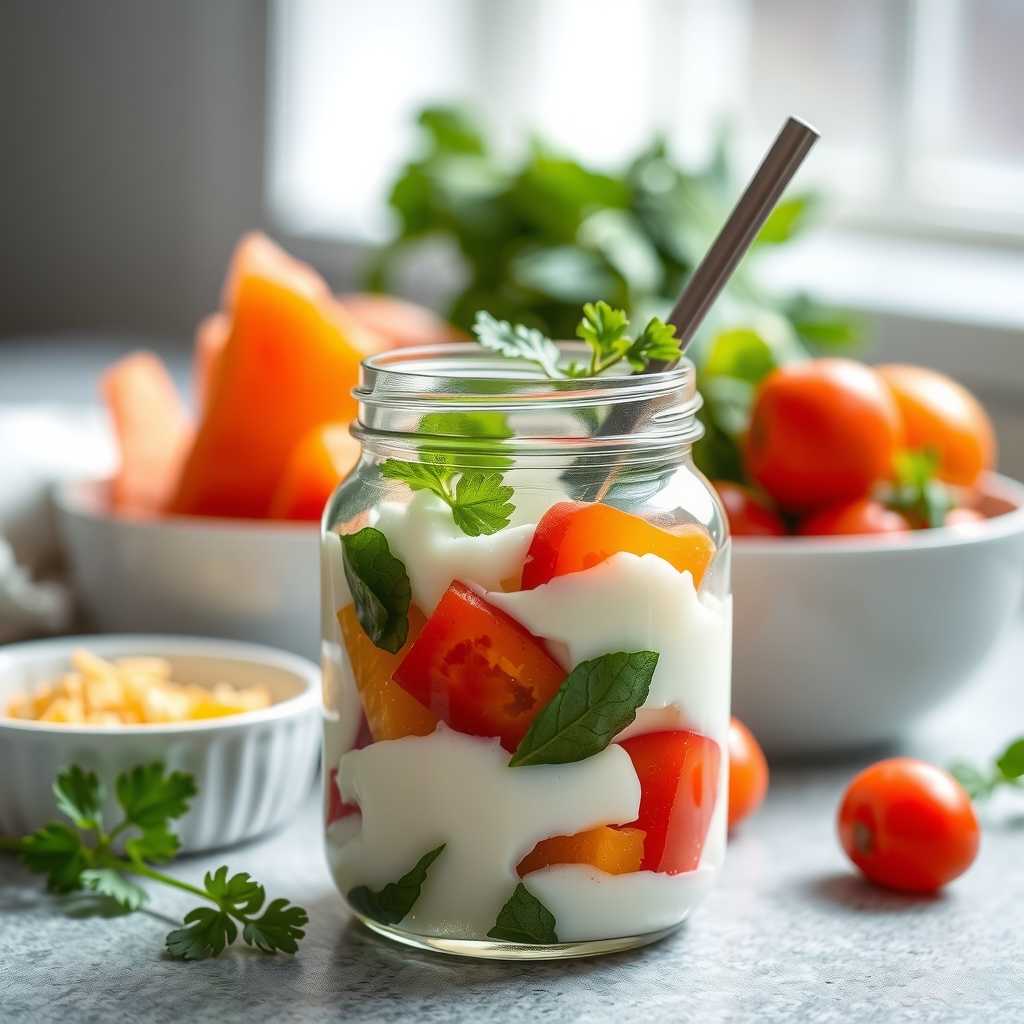
Snack Bowl: Savory Greek Yogurt & Veggie
- Ingredients (serves 2):
- 1 cup plain Greek yogurt (2 points)
- 1 cup diced cucumber (0 points)
- ½ cup diced bell pepper (0 points)
- ¼ cup chopped fresh parsley (0 points)
- 1 Tbsp lemon juice (0 points)
- Pinch of salt and pepper (0 points)
- Optional: 1 tsp olive oil (1 point)
- Preparation:
- In a bowl, combine yogurt, cucumber, bell pepper, and parsley.
- Add lemon juice, salt, pepper, and olive oil if using.
- Stir until well mixed.
- Divide into two portable containers.
- Keep chilled until ready to eat.
- Points per serving: 3 (or 2 if you skip the olive oil)
This snack is protein‑rich, low in saturated fat, and packed with veggies. It’s also highly customizable—swap the cucumber for zucchini, add a splash of hot sauce, or sprinkle with a pinch of feta cheese for extra flavor (adding 1 point per ounce of feta). Homemade snacks like this give you full control over ingredients, helping you avoid hidden sugars or unhealthy fats often found in store-bought options, a principle supported by the National Institutes of Health (NIH) for overall health.
For a sweet option, try the Weight Watchers Points Diet Food List for Beginners to find low‑point fruit combinations that pair well with yogurt or cottage cheese.
Customizing Your Weight Watchers Snacks for Dietary Needs
Living with dietary restrictions or preferences doesn't mean you have to compromise on delicious, on-the-go snacks. The Weight Watchers system is flexible enough to accommodate various needs, from vegetarian and vegan to gluten-free or dairy-free. The key is to know your safe substitutes and how they translate into points.
For example, if you're dairy-free, swap Greek yogurt for a plant-based alternative like unsweetened soy or almond yogurt, carefully checking the point values as they can vary. For those avoiding gluten, opt for gluten-free crackers, rice cakes, or naturally gluten-free options like fresh fruits, vegetables, nuts, and seeds. If you're vegan, ensure your protein sources come from plant-based options like edamame, roasted chickpeas, or fortified plant-based milk products. Always double-check labels for hidden ingredients and use the Weight Watchers app's "Create Your Own Food" feature to accurately calculate points for new or specialty items.
What is the best prep routine for weight watchers points diet snacks for travel?
Traveling often means limited access to fresh foods and irregular eating windows. The trick is to pre‑pack snacks that are sturdy, have a long shelf life, and fit your point budget. Follow these steps to create a snack kit that lasts the entire trip.
- Choose the right containers: Use BPA‑free, airtight containers or zip‑lock bags. For liquids like yogurt or hummus, opt for single‑serve squeeze tubes.
- Batch‑cook proteins: Hard‑boil eggs, roast chickpeas, or grill chicken breasts in bulk on Sunday. Portion them into individual servings.
- Pack dry snacks: Nuts, seeds, dried fruit, and whole‑grain crackers are great. Weigh out 1 oz portions to keep track of points.
- Include a small cooler: A reusable cooler bag with ice packs keeps perishables fresh for up to 24 hours. If you’re staying in a hotel, ask if they have a mini‑fridge.
- Label everything: Write the name of the snack and its point value on a sticky note. This helps you stay on target and avoid over‑eating.
- Plan for emergencies: Keep a small stash of high‑fiber, low‑point items like air‑popped popcorn or low‑fat string cheese in case you’re stuck without a cooler.
For an example, here’s a travel snack kit that totals 15 points per day:
Adjust the portion sizes or swap foods to meet your personal point allowance and dietary needs. When flying, remember that solid foods are generally allowed in carry-on bags, but check TSA guidelines for liquids and gels (like hummus or yogurt) which must adhere to the 3-1-1 rule (3.4 ounces or less, in a 1-quart-sized bag, one bag per passenger).
How do I track weight watchers points diet snacks in the app?
The Weight Watchers app is your best ally for staying on target. Here’s a quick step‑by‑step on how to log snacks efficiently:
- Open the “Add Food” tab and search for the snack by name. The app pulls the point value from its database.
- Adjust the portion size if you’re eating more or less than the default. The point value updates automatically.
- Use the “Create Your Own” option if the snack isn’t listed. Enter the ingredients, their amounts, and the app will calculate the total points.
- Tag your snack (e.g., “On‑the‑Go”, “Travel”, “Work”) to see how your point budget is spread across the day.
- Review the daily summary to ensure you’re within your target range. The app will highlight any overages and suggest lower‑point alternatives.
Remember to log snacks as soon as you eat them. This habit prevents forgetting and keeps your data accurate for the next day’s planning. The app also offers barcode scanning for packaged foods, which can be a huge time-saver when you're grabbing something quickly at a grocery store or convenience shop. Consistency in tracking is one of the most effective tools for maintaining your Weight Watchers goals.
Common Mistakes to Avoid When Snacking on Weight Watchers
Even with the best intentions, it's easy to fall into common snacking traps that can derail your Weight Watchers progress. Being aware of these pitfalls can help you stay on track and make more mindful choices.
One common mistake is underestimating portion sizes, especially with high-point foods like nuts, dried fruit, or even healthy fats like avocado. A small handful can quickly turn into several points if not measured accurately. Another pitfall is grazing on zero-point foods without mindful eating. While fruits and vegetables are excellent, mindlessly consuming large quantities can still lead to excess calories, even if they don't impact your daily points. Additionally, many people forget to account for "hidden" points in sauces, dressings, or toppings. Always measure these additions, as their points can add up quickly. Lastly, relying too heavily on pre-packaged "diet" snacks can be a mistake; while convenient, they often lack the fiber and protein found in whole foods, leaving you less satisfied and potentially craving more later.
What are budget‑friendly weight watchers points diet snack alternatives?
Sticking to a low‑point plan doesn’t mean you have to break the bank. Here are five inexpensive snack swaps that still keep you within your weight‑watching budget.
- Peanut butter on whole‑grain toast: 1 slice whole‑grain bread (1 point) + 1 tsp peanut butter (1 point) = 2 points for $0.15.
- Frozen edamame: ½ cup frozen (2 points) vs. fresh ($0.25). Freeze in portioned bags.
- Banana & cottage cheese: ½ banana (0 points) + ¼ cup low‑fat cottage cheese (1 point) = 1 point for $0.10.
- Air‑popped popcorn: 3 cups (1 point) vs. pre‑packaged popcorn ($0.50). Pop at home for $0.05.
- Carrot sticks & hummus: 1 cup carrots (0 points) + 2 Tbsp hummus (2 points) = 2 points for $0.20.
To keep track of your budget, pair the Weight Watchers plan with a simple spreadsheet or budgeting app. Mark each snack’s cost and add it to a weekly grocery budget line item. This helps you see how snack choices impact both your health and your wallet. Buying ingredients in bulk, when appropriate, and focusing on seasonal produce can also yield significant savings, ensuring that healthy eating is accessible and sustainable for everyone.
Myth vs. fact
Myth: Low‑point snacks are always low in calories.
Fact: While many low‑point foods are also low in calories, some high‑protein items like Greek yogurt can have more calories but fewer points due to the formula’s emphasis on protein and fiber. The Weight Watchers system prioritizes satiety and nutrient density over a strict calorie-only focus.
Myth: You can eat unlimited amounts of low‑point foods.
Fact: Portion control is still essential. Even a 0‑point snack can add up if you consume large quantities, especially if it contains added sugars or unhealthy fats. The intent of zero-point foods is to provide healthy, filling options, not an invitation for endless grazing.
Myth: The points system ignores nutrient density.
Fact: The system rewards foods rich in protein, fiber, and low in saturated fat, which aligns with nutrient‑dense choices. However, you should still read labels and avoid heavily processed items that might score low points but lack essential nutrients. The FDA encourages reading nutrition labels for a comprehensive understanding of food content.
Key takeaways
- Low‑point snacks are high in protein, fiber, or healthy fats and can be easily portioned.
- Use the Weight Watchers app to log snacks and stay within your daily target.
- Pre‑pack snack packs for work and travel to avoid last‑minute high‑point choices.
- Customize snacks for dietary restrictions by swapping ingredients while keeping the point value in mind.
- Budget‑friendly options exist; plan your grocery list to keep costs low.
- Understanding the Weight Watchers points calculation helps you make smarter, more satisfying snack choices.
Frequently asked questions
What are some weight watchers points diet snacks for on the go?
Answer: Think low‑point, high‑fiber foods like Greek yogurt, baby carrots, nuts, and whole‑grain crackers. Pair them with a protein source such as an egg or cheese for satiety. Aim for 1–3 points per snack.
How many points do weight watchers snacks count for?
Answer: Point values vary by food. A ¾ cup of plain Greek yogurt is 1 point; a 1‑oz handful of almonds is 2 points; a cup of baby carrots is 0 points. Always check the app or the official weight‑watching database for accurate values.
Can I make my own weight watchers points diet snacks?
Answer: Yes! Use the “Create Your Own” feature in the app to calculate points for homemade mixes. Combine ingredients like oats, fruit, and protein powder to fit your daily point allowance. This gives you maximum control over your ingredients and budget.
What are the best weight watchers points snacks for work?
Answer: Build packs of 5–7 points with a protein (egg or cheese), a fiber source (veggies or crackers), and a small sweet (fruit or dark chocolate). Keep them in insulated containers to stay fresh and avoid strong smells that might bother colleagues.
Are there any weight watchers points diet snacks that are low in sugar?
Answer: Yes. Snacks like low‑fat cottage cheese, hard‑boiled eggs, plain Greek yogurt, and roasted chickpeas contain minimal added sugar while scoring low points. Fresh fruits are also naturally low in added sugars and often zero points.
How to pack weight watchers points diet snacks for travel?
Answer: Use airtight containers, pre‑portion servings, and a small cooler bag. Pack protein, fiber, and a small sweet treat, keeping the total points per day within your allowance. For air travel, be mindful of TSA liquid rules for dips or yogurts.
What is the best way to keep track of snack expiration dates?
Answer: Label each container with the date you packed it. Store perishable items in the fridge or a cooler bag. For dry snacks, keep them in a cool, dry place and consume within 2–3 weeks. When buying, check the "best by" date on packaged goods.
Can I have zero-point snacks on Weight Watchers?
Answer: Yes, Weight Watchers includes a list of zero-point foods, primarily most fruits and non-starchy vegetables, along with some proteins like plain Greek yogurt, chicken breast, and eggs. These foods are encouraged as they are nutrient-dense and promote satiety without using up your daily SmartPoints budget.
How do I handle cravings for high-point snacks?
Answer: When cravings hit, try pairing a small portion of the desired high-point snack with a filling zero-point food, like an apple or a handful of baby carrots. This can help satisfy the craving without overspending points. Alternatively, find a lower-point alternative that offers a similar flavor or texture, or distract yourself with a non-food activity.
When to see a doctor or specialist
If you experience persistent hunger despite staying within your point budget, unexplained weight changes, or any symptoms such as abdominal pain, severe fatigue, or changes in bowel habits, consider consulting a registered dietitian or your primary care provider. They can assess whether your eating pattern meets your nutritional needs and rule out underlying health conditions that may affect appetite or metabolism. Always remember that this article is for informational purposes only and should not replace personalized medical advice from a qualified healthcare professional.
References
- Weight Watchers Official Points System, Weight Watchers International, 2026.
- American Heart Association. “Dietary Guidelines for Heart Health.” 2025.
- Harvard T.H. Chan School of Public Health. “Nutrition and Weight Management.” 2024.
- National Institutes of Health. “Protein, Fiber, and Weight Loss.” 2023.
- American Dietetic Association. “Whole Foods for Weight Management.” 2024.
- Centers for Disease Control and Prevention. “Healthy Eating for Weight Loss.” 2025.
- American College of Nutrition. “Low‑Calorie Snacks and Satiety.” 2023.
- National Association of Nutrition Professionals. “Point‑Based Weight Management.” 2024.
- World Health Organization. “Guidelines on Healthy Eating.” 2025.
- American Diabetes Association. “Nutrition and Blood Sugar Control.” 2024.
- U.S. Food and Drug Administration (FDA). “How to Understand and Use the Nutrition Facts Label.” 2025.