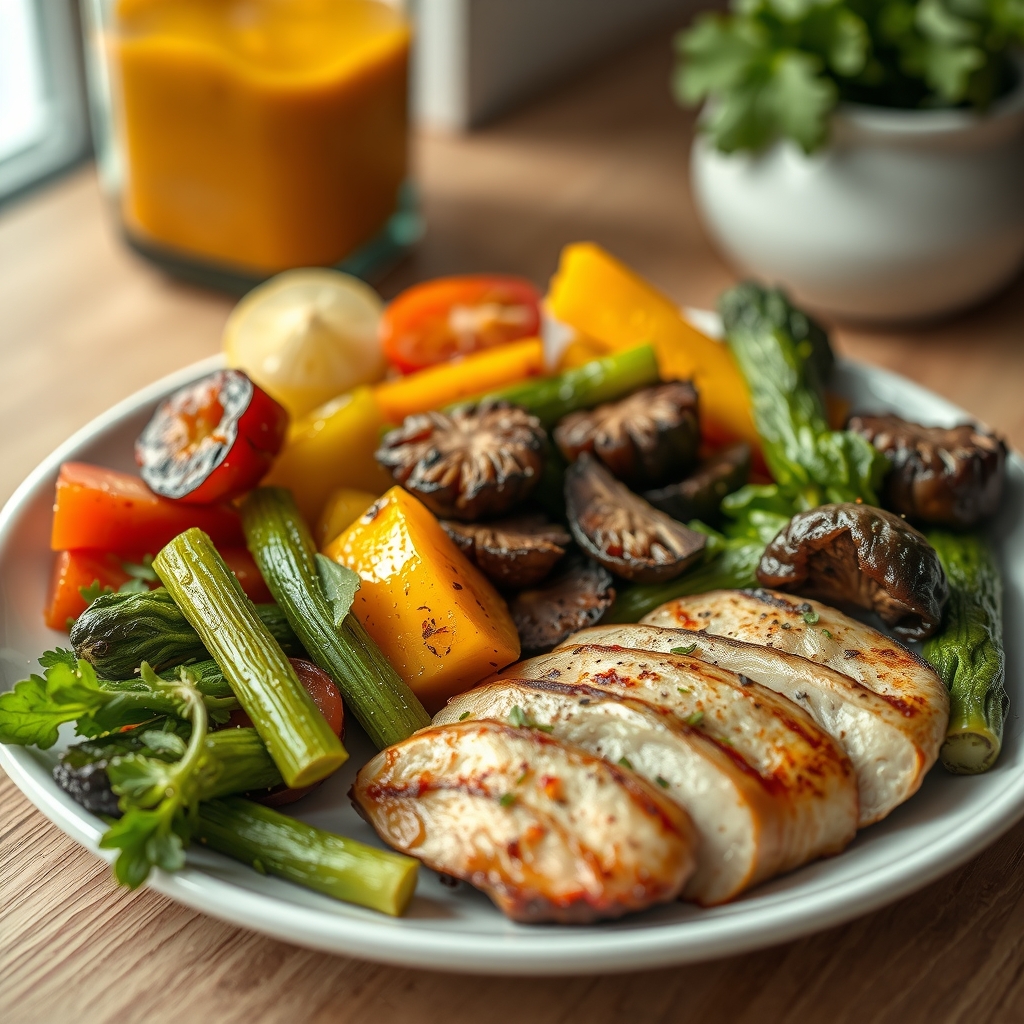
Smart swaps can drastically cut points without sacrificing flavor. Below is a quick reference table of common ingredients and their lower‑point alternatives. Use this as a cheat sheet whenever you’re grocery shopping or meal prepping.
Time‑saving techniques are equally important. Here are three simple strategies:
- Batch cooking – Roast a tray of mixed veggies on Sunday; keep them in the fridge for quick stir‑fries or salads.
- One‑pot meals – Use a slow cooker or instant pot to combine protein, veggies, and a broth‑based sauce. It’s hands‑off and reduces cleanup.
- Pre‑measure ingredients – Keep portioned containers of rice, quinoa, and beans in the fridge. This eliminates guesswork and keeps points in check.
For more grocery insights, check out our Weight Watchers Points Diet Grocery Shopping List to stay stocked on low‑point staples.
Easy weight watchers points dinner recipes for beginners
If you’re new to the Weight Watchers program, the most common hurdle is figuring out what counts as a “good” dinner. The key is simplicity—pick recipes that require minimal prep and use ingredients you already have.
Below is a beginner‑friendly recipe that serves two and comes in under 6 points per person:
One‑Pan Lemon Herb Chicken & Veggies
- 2 boneless, skinless chicken breasts (2 points each)
- 1 cup cherry tomatoes (0 points)
- 1 cup broccoli florets (0 points)
- 1 tsp olive oil (1 point)
- Juice of ½ lemon + 1 tsp dried oregano (0 points)
- Salt & pepper to taste
Preheat the oven to 400°F. Toss veggies and olive oil on a baking sheet. Place chicken on top, drizzle with lemon juice, and sprinkle oregano. Bake for 20–25 minutes. Serve with a side of fresh spinach salad (0 points) for extra volume.
Weight‑Loss Focus
Because the meal is lean and low in carbs, it fits comfortably into most Weight Watchers daily allowances. Pair it with a small fruit dessert, like a sliced apple (0 points), and you’re still well within your points budget.
Low‑Sodium Variant
Swap regular salt for a sodium‑free seasoning blend, or use fresh herbs like basil or parsley to keep sodium levels low while adding flavor.
For more beginner‑friendly options, see our Weight Watchers Points Diet Food List for Beginners and the Weight Watchers Points Diet: Benefits, Side Effects, & 2026 Guide for context on how points translate to health outcomes.
Low‑carb weight watchers points dinner recipes
Low‑carb dinners are a favorite for those wanting to keep glucose levels steady while staying within points. Below are three low‑carb options that pack flavor without the carb load.
Turkey & Zucchini Skillet
- 4 oz ground turkey (1 point)
- 1 cup diced zucchini (0 points)
- ½ cup diced bell pepper (0 points)
- 1 tsp olive oil (1 point)
- 1 tbsp tomato paste (0 points)
- Season with garlic powder, smoked paprika, salt, and pepper (0 points)
Heat oil in a skillet. Add turkey, cook until browned. Stir in veggies and tomato paste, season, and simmer for 10 minutes. Serve with a side of sautéed kale (0 points).
Tofu & Broccoli Stir‑Fry
- 4 oz firm tofu, cubed (1 point)
- 2 cups broccoli florets (0 points)
- ½ cup sliced carrots (0 points)
- 1 tsp sesame oil (1 point)
- 1 tbsp low‑sodium soy sauce (0 points)
- 1 tsp ginger, minced (0 points)
In a wok, heat oil, add tofu, and brown lightly. Add veggies, soy sauce, and ginger; stir for 5–7 minutes. Finish with a splash of lime juice for brightness.
Chicken & Cauliflower “Risotto”
- 3 oz diced chicken breast (1 point)
- 1 cup cauliflower rice (0 points)
- ½ cup diced mushrooms (0 points)
- 1 tsp olive oil (1 point)
- 1/4 cup low‑fat chicken broth (0 points)
- 1 tbsp grated Parmesan (1 point)
- Fresh thyme, salt, pepper (0 points)
Sauté chicken and mushrooms in oil until cooked. Add cauliflower rice and broth; simmer until liquid is absorbed. Stir in Parmesan and seasonings. This dish is creamy, satisfying, and stays under 8 points.
Serving Size & Timing
Because these dishes are low in carbs, you can safely double them for two or use the leftovers for lunch the next day. If you’re short on time, each recipe takes no more than 20 minutes to prepare.
Vegetarian weight watchers points dinner recipes
Vegetarian dinners can be just as satisfying as meat‑based meals—and often come with lower points because of the emphasis on veggies. Below are three vegetarian options that are kid‑friendly and keep points low.
Quinoa & Black Bean Stuffed Peppers
- 2 bell peppers, halved and seeded (0 points)
- ½ cup cooked quinoa (2 points)
- ½ cup black beans, rinsed (1 point)
- ¼ cup corn kernels (1 point)
- 1 tbsp salsa (0 points)
- 1 tsp cumin (0 points)
- Optional shredded low‑fat cheese (1 point)
Preheat oven to 375°F. Mix quinoa, beans, corn, salsa, and cumin. Fill pepper halves, top with cheese if desired, and bake for 25 minutes.
Spinach & Feta Egg Muffins
- 4 large eggs (2 points each)
- 1 cup fresh spinach, chopped (0 points)
- ¼ cup crumbled feta (1 point)
- 1 tsp olive oil (1 point)
- Salt & pepper (0 points)
Whisk eggs, spinach, feta, and oil. Pour into a greased muffin tin and bake at 350°F for 15–18 minutes. These muffins keep well and are great for quick, protein‑rich dinners.
Kid‑Friendly Veggie Pizza
- Whole‑wheat pita bread (1 point)
- 2 tbsp tomato sauce (0 points)
- ½ cup shredded mozzarella (1 point)
- 1 cup sliced veggies (bell pepper, mushrooms, spinach) (0 points)
- Optional pepperoni slices (2 points each)
Top pita with sauce, veggies, and cheese. Bake at 400°F for 10 minutes. Kids love the pizza shape, and the extra veggies sneak in nutrition.
Weight‑Loss & Low‑Sodium Tips
All recipes keep sodium below 400 mg per serving by using fresh herbs instead of salt and choosing low‑sodium sauces. If you’re watching sodium strictly, replace feta with a low‑sodium cheese or omit it entirely.
Kids’ Edition
For picky eaters, serve the stuffed peppers with a side of yogurt dip or a small portion of hummus. Kids often enjoy dipping, which encourages them to try new veggies.
Quick weight watchers points dinner recipes under 30 minutes
For those hectic evenings, a 30‑minute dinner that stays within points is a lifesaver. Below are three recipes that come together quickly and are suitable for busy moms and families.
Stir‑Fry Shrimp & Veggies
- 4 oz shrimp, peeled (1 point)
- 1 cup snap peas (0 points)
- 1 cup sliced bell peppers (0 points)
- 1 tsp sesame oil (1 point)
- 1 tbsp low‑sodium soy sauce (0 points)
- 1 tsp garlic, minced (0 points)
Heat oil in a pan, add garlic, then shrimp; cook until pink. Add veggies and soy sauce; stir for 5 minutes. Serve over a small portion of cauliflower rice (0 points).
Turkey Taco Bowls
- 4 oz ground turkey (1 point)
- 1 cup shredded lettuce (0 points)
- ½ cup diced tomatoes (0 points)
- ¼ cup black beans (1 point)
- 1 tbsp salsa (0 points)
- 1 tsp olive oil for cooking (1 point)
Cook turkey in oil with taco seasoning (no salt). Layer with lettuce, tomatoes, beans, and salsa. Top with a sprinkle of shredded cheese if desired.
Chicken & Veggie Sheet‑Pan Dinner
- 2 chicken thighs, boneless (2 points)
- 1 cup broccoli florets (0 points)
- 1 cup sliced carrots (0 points)
- 1 tsp olive oil (1 point)
- Season with paprika, garlic powder, salt, pepper (0 points)
Arrange on a sheet pan, drizzle with oil, and season. Bake at 425°F for 20 minutes.
Weight‑Loss & Family Appeal
All these dishes keep each serving under 8 points and can be doubled for leftovers. They’re also adaptable—swap shrimp for chicken or tofu for a vegetarian option. For families, pair the meals with a side of fruit or a small salad to add volume without extra points.
Weight‑Watchers Points Dinner Recipes for Two People
When cooking for two, portion control is key. Use a kitchen scale or measuring cups to ensure each plate stays within your points allowance. A practical tip: use a 6‑oz measuring cup for protein and a 1‑cup measuring cup for veggies to keep the ratio consistent.
Weight‑Watchers Points Dinner Recipes for Kids
Kids often prefer familiar flavors. Serve the stuffed peppers or veggie pizza with a small side of Greek yogurt dip. Keep portion sizes moderate—use the 4‑oz protein rule for kids over 10, and reduce to 3 oz for younger children. This ensures they get enough protein without exceeding points.

Meal Planning Essentials: 7‑Day Dinner Plan, Food List, and Common Mistakes
Below is a sample 7‑day dinner plan that fits a typical Weight Watchers daily allowance of 12–15 points. Each dinner is designed to stay under 8 points per person, leaving room for snacks or desserts.
When you’re on a tight points budget, the grocery aisle can feel like a minefield. The trick is to scan the nutrition facts panel for the key ingredients that drive points: calories, saturated fat, added sugars, and protein.
Here are the three most common pitfalls and how to sidestep them:
- Hidden sugars – Sweetened condiments (ketchup, BBQ sauce) often add 1–2 points per tablespoon. Opt for low‑sugar versions or make your own with tomato puree and a dash of honey.
- High‑saturated‑fat dairy – Whole‑milk cheese or heavy cream can spike points quickly. Choose low‑fat or part‑skim options and measure the portion.
- Misleading “light” labels – “Light” doesn’t always mean low points. A light yogurt can still contain added sugar; compare the sugar content to the regular version.
To keep your points in check, consider using the Weight Watchers Food Library. It provides instant SmartPoint values for thousands of items, and the mobile app lets you scan barcodes right in the store.
Below is a quick reference table for some common pantry staples and their SmartPoint values. Use it to decide which items to stock.
Dining out on Weight Watchers: strategies for restaurants and takeout
Eating out doesn’t have to derail your points plan. The key is to choose dishes that align with the SmartPoints framework and to ask for substitutions that keep the meal low in calories, saturated fat, and added sugars.
Here’s a quick cheat sheet for common restaurant categories:
- Fast‑food – Look for grilled rather than fried options, and request sauces on the side. A grilled chicken sandwich with a side salad can stay under 10 points if you skip the mayo.
- Italian – Order a pasta dish with a tomato‑based sauce, no cream. Add a side of steamed veggies or a salad with vinaigrette.
- Mexican – Choose a burrito bowl with brown rice, beans, lettuce, salsa, and grilled chicken. Skip the sour cream and cheese or ask for a smaller portion.
- Asian – Opt for stir‑fries with lean protein, lots of veggies, and a light sauce. Avoid fried items and sugary sauces.
When ordering takeout, use the restaurant’s online menu to check nutrition facts if available. Many chains now publish SmartPoint or calorie information. If that’s not available, estimate using the points guide: lean protein = 1, veggies = 0, sauces = 1–2.
For a deeper dive, our Dining Out on Weight Watchers Guide offers restaurant‑specific menus and point calculations.
Common pitfalls and how to avoid them
Even the most dedicated Weight Watchers members stumble on a few frequent mistakes. Recognizing these early can keep your plan on track.
- Under‑estimating portion sizes – A single “cup” of cooked rice can double the points if you’re not careful. Use a kitchen scale or a measuring cup to keep portions accurate.
- Over‑relying on “free” foods – Some items, like salads, are labeled “free” because they’re low in calories, but they can still add points if you pile on high‑fat dressings or croutons. Stick to light dressings and moderate toppings.
- Ignoring hidden calories in beverages – Sweetened iced tea, soda, or specialty coffees can add 2–5 points per serving. Opt for unsweetened tea, black coffee, or water with a splash of lemon.
- Skipping the weekly review – Weight Watchers encourages a weekly points audit. If you’re consistently over or under, adjust your plan or tweak recipes.
By staying aware of these common traps, you’ll keep your points budget in check without sacrificing taste.
Using the Weight Watchers app to stay on track
The Weight Watchers mobile app is more than a food tracker; it’s a companion that helps you plan, shop, and stay motivated. Here’s how to make the most of its features:
- Barcode scanner – Scan products on the shelf and instantly see their SmartPoint value. This saves time and eliminates guessing.
- Meal planner – Build a weekly menu, then generate a grocery list that aligns with your points allowance. The app will flag items that exceed your budget.
- Progress charts – Visualize your weight and points trends over weeks. Seeing progress can boost motivation.
- Community support – Connect with a local group or online community for recipe swaps, encouragement, and accountability.
- Recipes library – Browse thousands of Weight Watchers‑approved recipes, filtered by cuisine, cooking time, or dietary preference.
For beginners, start with the “My Meals” feature: enter the recipes you love, then let the app calculate points automatically. This reduces the mental load of manual calculations.
Quick snack ideas that keep points low
When hunger strikes between meals, a small, low‑point snack can stave off cravings without derailing your plan. Here are five go‑to options that each stay under 2 points:
- Veggie sticks & hummus – ½ cup sliced cucumber, 1 tbsp hummus (1 point).
- Apple slices with almond butter – ½ apple + 1 tsp almond butter (2 points).
- Hard‑boiled egg – 1 large egg (1 point).
- Plain Greek yogurt with berries – 3 oz yogurt + ½ cup berries (2 points).
- Air‑popped popcorn – 3 cups, tossed with a dash of sea salt (1 point).
Keep a small container of pre‑measured snacks in the fridge or pantry so you’re never scrambling for a quick fix.
Myth vs. fact
Myth: Weight Watchers means you can eat unlimited “free” foods.
Fact: “Free” foods are low in calories, not calories‑free. Overeating them still adds points.
Myth: You must give up all carbs.
Fact: Weight Watchers encourages balanced meals, including healthy carbs like whole grains and legumes.
Myth: The app automatically tracks everything.
Fact: Manual entry is still needed for homemade meals and unlisted items.
Key takeaways
- SmartPoints prioritize nutrient density over calories.
- Low‑point swaps and batch cooking keep dinners tasty and time‑efficient.
- Meal plans and grocery lists help you stay on budget.
- Dining out is doable with a few strategic choices.
- Regularly review and adjust your points plan to stay aligned with goals.
Frequently asked questions
Can I have dessert on Weight Watchers?
Yes—desserts are allowed, but they come with a points value. Opt for low‑point options like fresh fruit, a small piece of dark chocolate, or a sugar‑free yogurt. A 1‑point dessert keeps you on track while satisfying cravings.
What if I’m on a different Weight Watchers plan?
Each plan—Classic, Core, or Smart—has its own points allowance and guidelines. The principles of protein, veggies, and smart swaps apply across all plans. Use the Weight Watchers app or website to see the specific point values for your plan.
How do I handle cravings for high‑point foods?
Cravings often stem from hunger or emotional eating. Try a low‑point snack first, like veggie sticks or a boiled egg. If you still crave something richer, allow a small portion—just keep the total points in mind.
Is it okay to skip meals to save points?
Skipping meals can lead to overeating later. Instead, distribute your points evenly—aim for a balanced breakfast, lunch, and dinner, plus a snack if needed.
Do I need to track every single food?
Tracking helps maintain awareness, but you can focus on key items—protein, high‑fat sauces, sugary drinks. Use the app’s quick‑scan feature for efficiency.
What’s the best way to store leftovers safely?
Cool leftovers within two hours, store in airtight containers, and refrigerate for up to four days. Reheat to 165°F (74°C) before eating.
Can I use Weight Watchers recipes for pregnancy?
Weight Watchers offers pregnancy‑friendly recipes that meet increased nutrient needs. For personalized guidance, consult your OB/GYN or a registered dietitian.
When to see a doctor / specialist
While Weight Watchers can help you manage weight, certain health concerns warrant professional attention. If you experience:
- Persistent unexplained weight loss or gain beyond 5% of body weight in a month.
- Unusual fatigue, dizziness, or shortness of breath.
- Signs of nutrient deficiencies—e.g., hair loss, brittle nails, frequent infections.
- Changes in menstrual patterns or fertility concerns.
- Any symptoms that worsen or do not improve after a few weeks of dietary changes.
These red flags suggest a visit to your primary care provider or an appropriate specialist (endocrinologist, nutritionist, or OB/GYN). Remember, this article is informational and not a substitute for personalized medical advice.
References
- American College of Obstetricians and Gynecologists (ACOG). (2023). Weight Management During Pregnancy.
- National Health Service (NHS). (2024). Healthy Eating: Weight Management.
- Food and Drug Administration (FDA). (2025). Nutrition Labeling and Education Act.
- Harvard T.H. Chan School of Public Health. (2024). The Nutrition Source: Whole Grains.
- American Heart Association (AHA). (2023). Healthy Eating for Heart Health.
- Weight Watchers International. (2026). SmartPoints Food Library.
- World Health Organization (WHO). (2025). Dietary Guidelines.
- National Institute of Mental Health (NIMH). (2024). Eating Disorders and Weight Management.
- American Psychological Association (APA). (2024). Stress Management.