
Quick take: The volumetrics diet isn’t about counting calories—it’s about eating foods that fill you up with fewer calories, making weight loss effortless. For beginners, focus on high-water, low-calorie foods like leafy greens, soups, and lean proteins. If you're pregnant or postpartum, prioritize nutrient-dense options that support your body’s needs. Start with simple swaps (like Greek yogurt for sour cream) and gradually build meals around volumetrics principles. Always check with your provider before starting any new diet during pregnancy or breastfeeding.
volumetrics diet food list: healthy, filling meals for beginners
On this page
- You’re staring at your fridge at 9 PM, wondering how to eat "enough" without gaining weight. The volumetrics diet might be the answer—but where do you even start?
- What are the best volumetrics diet foods for pregnant women to eat safely in 2026?
- How to create a volumetrics diet meal plan for beginners with limited time and ingredients?
- Are there volumetrics-friendly snacks that help control pregnancy cravings without excess calories?
- How does the volumetrics diet differ from other low-calorie diets like keto or intermittent fasting?
- What are the volumetrics diet food list rules for managing gestational diabetes?
- How to shop for volumetrics diet foods on a budget without sacrificing nutrition?
- What are the volumetrics diet foods to avoid during pregnancy and why?
- How to transition from a standard diet to the volumetrics diet for sustainable weight management?
- Volumetrics diet foods for weight loss after pregnancy that are easy to prepare
- Volumetrics diet meal prep ideas for new moms with little time
- Volumetrics diet foods that help with bloating and indigestion during pregnancy
- Volumetrics diet grocery list for beginners with no prior meal planning experience
- Volumetrics diet foods that support lactation and milk production naturally
- Volumetrics diet tips for maintaining energy levels while breastfeeding
- Volumetrics diet foods that help reduce pregnancy-related swelling and water retention
- Volumetrics diet for postpartum weight loss: foods that boost metabolism safely
- Myth vs. Fact: Volumetrics Diet Edition
- Key Takeaways
- Frequently Asked Questions
- Is the volumetrics diet safe to follow during pregnancy?
- How many calories should I aim for on a volumetrics diet while breastfeeding?
- What are the most filling volumetrics diet foods for pregnancy that don’t cause heartburn?
- Can I still enjoy desserts or treats while following a volumetrics diet during pregnancy?
- How does the volumetrics diet help with postpartum weight loss compared to other diets?
- Are there any volumetrics diet foods that can help with constipation during pregnancy?
- What are the volumetrics diet food list rules for people with food allergies or sensitivities?
- When to See a Doctor or Specialist
- References
Discover the best volumetrics diet food list for beginners in 2026. Learn which foods keep you full while helping you lose weight effortlessly.

By Shubhra Mishra — a mom of two who turned her own confusion during pregnancy into BumpBites, a global mission to make food choices clear, safe, and stress-free for every expecting mother. 💛
Wondering about another food?
Check whether any food is safe during pregnancy with the BumpBites Food Safety Checker.
How to create a volumetrics diet meal plan for beginners with limited time and ingredients?
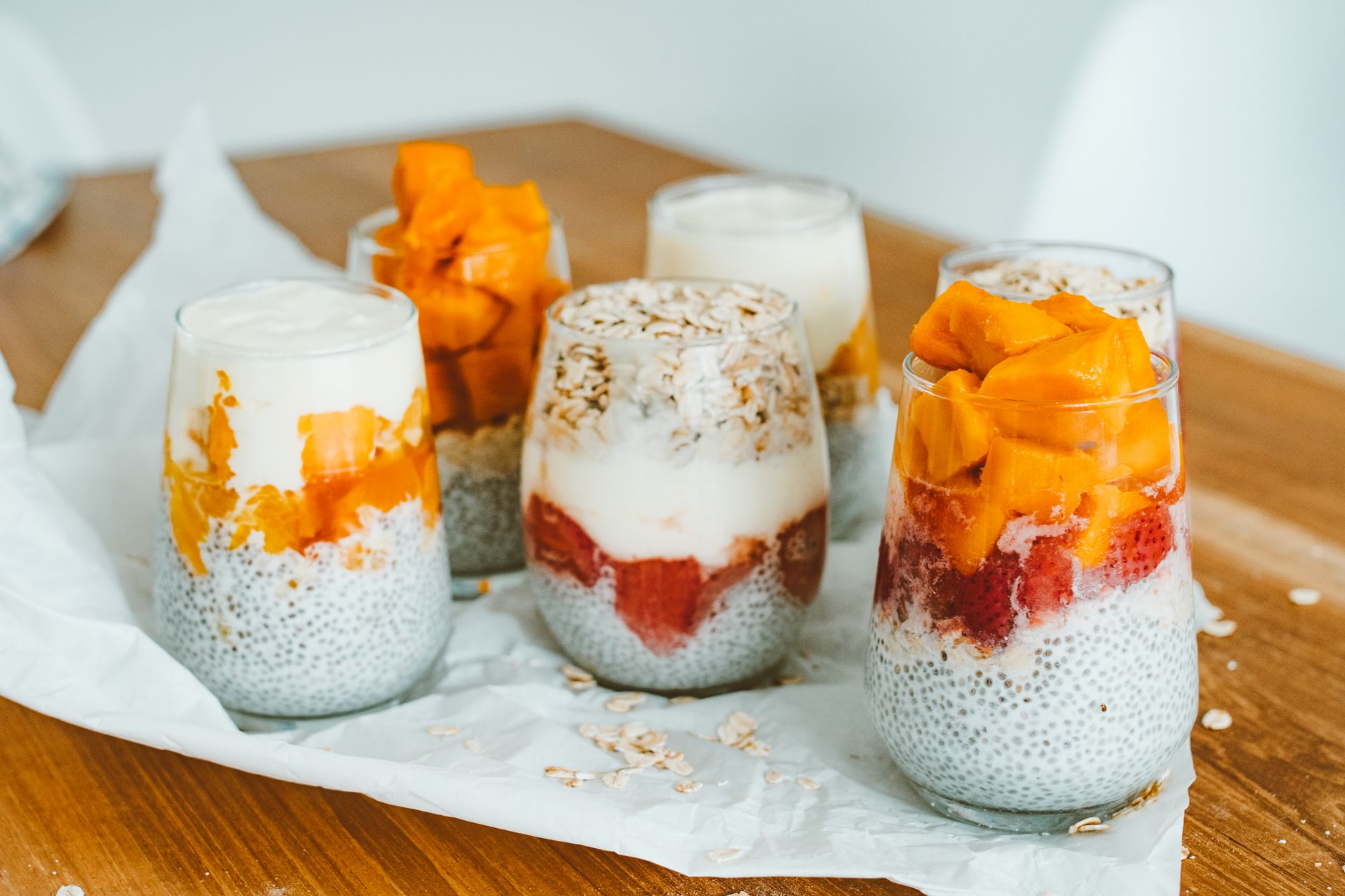
Let’s face it: meal prep when you’re already juggling a million things can feel impossible. The good news? The volumetrics diet is designed to be flexible and practical. You don’t need gourmet ingredients or hours in the kitchen—just a few smart swaps and a focus on volume. **Start with these easy staples:** - **Breakfast:** Overnight oats with chia seeds, almond milk, and berries (prep the night before). - **Lunch:** A big bowl of minestrone soup with whole-grain bread on the side. - **Dinner:** Sheet-pan chicken and veggies (toss everything on a tray, bake, and eat). - **Snacks:** Baby carrots with hummus, apple slices with peanut butter, or a handful of nuts. **Meal prep hack:** Cook a big batch of quinoa or brown rice on Sunday. Then, throughout the week, mix it with different veggies and proteins. For example: - Monday: Quinoa with roasted Brussels sprouts and grilled shrimp. - Wednesday: Brown rice with steamed broccoli and baked salmon. **For busy moms:** Keep frozen veggies on hand. Microwave a bag of spinach, toss it with a can of chickpeas, and add a splash of lemon juice for a quick, high-volume side dish. ---Are there volumetrics-friendly snacks that help control pregnancy cravings without excess calories?
Pregnancy cravings can feel like an all-out war—especially when you’re trying to stick to a diet that keeps you full without the extra calories. The key is to satisfy those cravings with volumetrics-approved foods that still hit the spot. **Try these:** - **Frozen yogurt popsicles** (blend Greek yogurt with a little honey and freeze). - **Popcorn** (air-popped, lightly salted—it’s a great low-calorie snack). - **Cottage cheese with pineapple** (sweet, creamy, and packed with protein). - **Dark chocolate-covered almonds** (a small handful satisfies sweet cravings without overdoing it). **For chocolate lovers:** Swap a chocolate bar for a square of 85% dark chocolate (it’s lower in sugar and higher in volume). Pair it with a cup of herbal tea to make it feel like a treat. ---How does the volumetrics diet differ from other low-calorie diets like keto or intermittent fasting?
If you’ve ever tried keto or intermittent fasting, you know they can feel extreme—especially when you’re pregnant or postpartum. The volumetrics diet is different because it doesn’t restrict entire food groups or force you to eat at specific times. Instead, it’s about **eating smart**: choosing foods that stretch your stomach and keep you full without the crash of low-carb or fasting. | **Diet** | **Focus** | **Pros** | **Cons** | |-------------------|------------------------------------|-------------------------------------------|-------------------------------------------| | **Keto** | Ultra-low carbs, high fat | Quick weight loss, stable energy | Hard to sustain long-term, restrictive | | **Intermittent Fasting** | Eating within a set window | Simple, may improve metabolism | Can be hard to stick to, especially when hungry | | **Volumetrics** | High-water, low-calorie-density | Easy to follow, nutrient-dense, sustainable | Requires mindful eating, not as "fast" as others | **Why volumetrics wins for pregnancy/postpartum:** - No extreme restrictions—you can still enjoy fruits, whole grains, and lean proteins. - Focuses on **nutrient density**, which is crucial when you’re feeding two (or three, if you count your baby). - Helps manage **bloating and indigestion** better than low-carb diets, which can worsen constipation. ---What are the volumetrics diet food list rules for managing gestational diabetes?
Gestational diabetes requires careful food choices to keep blood sugar stable. The volumetrics diet is a great fit because it emphasizes **low-calorie-density foods** that won’t spike your glucose levels. **Do prioritize:** - **Non-starchy veggies** (zucchini, cauliflower, bell peppers) – these are almost zero-calorie and won’t raise blood sugar. - **Lean proteins** (chicken, turkey, fish) – helps stabilize blood sugar. - **Whole grains in moderation** (quinoa, farro, whole-wheat pasta) – choose smaller portions if needed. - **Healthy fats** (avocado, nuts, olive oil) – in controlled amounts to avoid spikes. **Avoid:** - Sugary drinks (even 100% fruit juice can spike blood sugar). - White bread, white rice, and processed snacks (they digest quickly and cause crashes). - Large portions of starchy foods (even if they’re "healthy"). **Meal idea for gestational diabetes:** - Grilled salmon with a side of roasted Brussels sprouts and a small quinoa bowl. - Apple slices with almond butter (instead of a sugary snack). **Pro tip:** Pair carbs with protein or fiber to slow digestion. For example, eat an apple with a handful of walnuts instead of alone. ---How to shop for volumetrics diet foods on a budget without sacrificing nutrition?
Shopping on a budget can feel overwhelming, but the volumetrics diet actually makes it easier because it focuses on **cheap, filling foods**. Here’s how to stock your pantry without breaking the bank: **Budget-friendly volumetrics staples:** - **Canned beans** (black beans, chickpeas) – add to soups, salads, or stews. - **Frozen veggies** (spinach, peas, mixed veggies) – just as nutritious as fresh, often cheaper. - **Eggs** – a protein powerhouse that’s affordable and versatile. - **Oats** – use for overnight oats, baking, or even as a thickener in soups. - **Brown rice or lentils** – cook in bulk and use throughout the week. **Tips to save more:** - Buy in bulk (but only if you’ll use it before it spoils). - Choose store brands for staples like canned tomatoes, broth, and spices. - **Meal prep grains and proteins** on Sunday—cook a big pot of rice or lentils and use them all week. **Example budget meal:** - **Lunch:** Lentil soup with carrots, celery, and a side of whole-grain bread. - **Dinner:** Baked chicken thighs with roasted potatoes and steamed green beans. ---What are the volumetrics diet foods to avoid during pregnancy and why?
While the volumetrics diet is generally safe and healthy, some foods—even volumetrics-approved ones—can be risky during pregnancy. Here’s what to steer clear of: **Avoid these (even if they’re "healthy"):** - **Raw sprouts** (like alfalfa or clover) – can carry bacteria like salmonella. - **Undercooked eggs or meat** – increases risk of foodborne illness. - **Excessive caffeine** (more than 200mg/day) – can affect fetal development. - **High-mercury fish** (like shark, swordfish, or king mackerel) – mercury can harm your baby’s nervous system. - **Unpasteurized dairy or cheese** – risk of listeria, which can be dangerous during pregnancy. **Instead, opt for:** - **Pasteurized dairy** (like yogurt or cheese). - **Well-cooked meats and eggs**. - **Low-mercury fish** (salmon, sardines, trout). **Pro tip:** If you love sushi, stick to **cooked rice rolls** (like temaki) with cooked fish or shrimp—just avoid raw fish. ---How to transition from a standard diet to the volumetrics diet for sustainable weight management?
Switching to the volumetrics diet doesn’t have to be an all-or-nothing overhaul. Start small with these steps: 1. **Swap one meal a day** – Replace a high-calorie meal (like fried chicken and fries) with a volumetrics version (grilled chicken with roasted veggies). 2. **Add volume to your current meals** – Stir in extra veggies to soups, sauces, or casseroles. 3. **Drink more water** – Sometimes thirst feels like hunger. Sip on herbal tea or water with lemon to stay full. 4. **Gradually reduce portion sizes** – Use smaller plates to trick your brain into feeling satisfied with less. 5. **Keep track (but don’t obsess)** – Jot down what you eat to spot patterns, but don’t stress over perfection. **Example transition plan:** - **Week 1:** Swap soda for sparkling water with lemon. - **Week 2:** Replace white rice with cauliflower rice in stir-fries. - **Week 3:** Add a big salad to every lunch. - **Week 4:** Try a volumetrics-friendly dessert (like Greek yogurt with berries). ---Volumetrics diet foods for weight loss after pregnancy that are easy to prepare
Postpartum weight loss can feel like a marathon, especially when you’re exhausted and short on time. The volumetrics diet is perfect because it’s **quick, filling, and nutrient-packed**—perfect for new moms. **Easy postpartum volumetrics meals:** - **Breakfast:** Smoothie with spinach, banana, almond milk, and protein powder (blend in 5 minutes). - **Lunch:** Turkey and avocado wrap in a whole-wheat tortilla with a side of baby carrots. - **Dinner:** Sheet-pan sausage and veggies (toss everything on a tray, bake, and eat). - **Snacks:** Hard-boiled eggs, hummus with veggie sticks, or a handful of almonds. **Meal prep hack:** Cook a big batch of **volumetrics-friendly freezer meals** like: - Mini meatballs with marinara sauce (freeze and reheat). - Baked chicken thighs with roasted veggies. - Lentil curry (freezes well and reheats easily). ---Volumetrics diet meal prep ideas for new moms with little time
New moms don’t have time to spend hours in the kitchen—but that’s why volumetrics works so well. **Batch cooking and smart swaps** are your best friends. **5-minute meal prep wins:** 1. **Overnight oats** – Mix oats, chia seeds, almond milk, and berries the night before. Grab and go in the morning. 2. **Hard-boiled eggs** – Boil a dozen at once and keep them in the fridge for quick snacks. 3. **Pre-cut veggies** – Buy pre-washed greens or buy a bag of baby carrots and snap them in half. 4. **Freezer-friendly soups** – Make a big pot of soup and freeze portions for busy days. 5. **Greek yogurt parfaits** – Layer yogurt, granola, and berries in a jar for a grab-and-go breakfast. **Pro tip:** Keep a **"volumetrics emergency kit"** in your freezer: - Frozen berries (for smoothies). - Pre-cooked chicken strips (for quick salads). - Steamed veggie mixes (microwave and eat). ---Volumetrics diet foods that help with bloating and indigestion during pregnancy
Pregnancy hormones can turn your stomach into a bloating machine. The volumetrics diet can help because it focuses on **easy-to-digest, low-gas foods**. **Best volumetrics foods for digestion:** - **Ginger tea** (helps with nausea and bloating). - **Bananas** (soothing and easy to digest). - **Oatmeal** (gentle on the stomach). - **Boiled or steamed veggies** (easier to digest than raw). - **Probiotic foods** (like plain yogurt or kefir) – supports gut health. **Avoid:** - Gas-producing foods (beans, cabbage, broccoli—if they bother you). - Spicy or fried foods (can worsen indigestion). - Carbonated drinks (can cause bloating). **Quick bloating relief:** - Sip **ginger tea** or **peppermint tea** (both help with digestion). - Try **smaller, more frequent meals** instead of big ones. - **Walk after eating** to aid digestion. ---Volumetrics diet grocery list for beginners with no prior meal planning experience
If you’ve never meal planned before, don’t worry—this simple grocery list will get you started. **Stick to the basics** and build from there. **Produce:** - Spinach or kale (fresh or frozen) - Bell peppers - Carrots - Zucchini - Broccoli - Bananas - Apples - Berries (frozen or fresh) **Proteins:** - Chicken breast or thighs - Eggs - Canned tuna or salmon - Greek yogurt (unsweetened) - Cottage cheese **Grains:** - Brown rice or quinoa - Whole-wheat bread or pasta - Oats **Pantry staples:** - Canned beans (black, chickpeas) - Lentils - Almond butter - Olive oil - Spices (turmeric, cumin, garlic powder) **Snacks:** - Nuts or seeds (almonds, walnuts) - Popcorn (air-popped) - Hummus ---Volumetrics diet foods that support lactation and milk production naturally
Breastfeeding moms need extra calories and nutrients to support milk production. The volumetrics diet can help because it’s **nutrient-dense and easy to digest**. **Best volumetrics foods for lactation:** - **Oats** – a classic galactagogue (milk-booster). - **Fennel seeds** – sprinkle a teaspoon in your water or tea. - **Leafy greens** (spinach, Swiss chard) – packed with iron and folate. - **Almonds and flaxseeds** – healthy fats for milk production. - **Broccoli and cauliflower** – support overall nutrition. **Easy lactation-boosting meals:** - **Breakfast:** Oatmeal with chia seeds, almond butter, and banana. - **Lunch:** Grilled chicken salad with spinach, avocado, and olive oil. - **Dinner:** Baked salmon with roasted sweet potatoes and steamed broccoli. **Pro tip:** Stay hydrated—drink **at least 10 cups of water a day** to support milk production. ---Volumetrics diet tips for maintaining energy levels while breastfeeding
Breastfeeding can leave you feeling drained, but the volumetrics diet can help by keeping your blood sugar stable and energy levels up. **Energy-boosting volumetrics foods:** - **Complex carbs** (oats, quinoa, sweet potatoes) – provide steady energy. - **Lean proteins** (chicken, fish, tofu) – keep you full and energized. - **Healthy fats** (avocado, nuts, olive oil) – slow-digesting for long-lasting fuel. - **Iron-rich foods** (spinach, lentils, red meat) – prevents fatigue. **Quick energy picks:** - **Smoothie:** Spinach, banana, almond milk, and protein powder. - **Snack:** Apple slices with peanut butter. - **Meal:** Grilled chicken with quinoa and roasted veggies. **Avoid energy crashes:** - Skip sugary snacks (they cause spikes and crashes). - Eat every **3–4 hours** to keep energy steady. - **Listen to your body**—if you’re tired, take a nap or rest instead of pushing through. ---Volumetrics diet foods that help reduce pregnancy-related swelling and water retention
Swelling during pregnancy can be frustrating, but certain volumetrics foods can help reduce water retention. **Best volumetrics foods for reducing swelling:** - **Asparagus** – acts as a natural diuretic. - **Cucumber** – hydrating and helps flush excess water. - **Celery** – low-calorie and helps with fluid balance. - **Watermelon** – hydrating and rich in potassium. - **Leafy greens** (spinach, kale) – support kidney function. **Avoid:** - Excessive salt (can worsen swelling). - Processed foods (often high in sodium). **Quick diuretic drink:** - **Cucumber-lemon water** (slice cucumber and lemon into your water bottle). - **Herbal teas** (dandelion root or hibiscus tea). ---Volumetrics diet for postpartum weight loss: foods that boost metabolism safely
Postpartum weight loss should be **gentle and sustainable**. The volumetrics diet helps by keeping you full, boosting metabolism, and supporting recovery. **Metabolism-boosting volumetrics foods:** - **Spicy foods** (ginger, chili peppers, turmeric) – can slightly increase metabolism. - **Lean proteins** (chicken, fish, tofu) – require more energy to digest. - **Fiber-rich foods** (veggies, fruits, whole grains) – keep digestion moving. - **Healthy fats** (avocado, nuts, olive oil) – support hormone balance. **Easy metabolism-boosting meals:** - **Breakfast:** Scrambled eggs with spinach and whole-grain toast. - **Lunch:** Grilled shrimp salad with mixed greens and olive oil. - **Dinner:** Turkey and veggie stir-fry with quinoa. **Pro tip:** **Strength training** (even light weights) can help boost metabolism more than cardio alone. ---Myth vs. Fact: Volumetrics Diet Edition
**Myth:** *"The volumetrics diet is just another fad diet."* **Fact:** The volumetrics diet was developed by **Dr. Barbara Rolls**, a renowned nutrition researcher, and is backed by science. It’s not a fad—it’s a **sustainable, evidence-based approach** to eating that focuses on volume and nutrition. **Myth:** *"You have to give up all your favorite foods."* **Fact:** You can still enjoy treats—just in smaller portions and with volumetrics-friendly swaps. For example, swap ice cream for frozen yogurt or enjoy a small piece of dark chocolate instead of a whole bar. **Myth:** *"The volumetrics diet is too restrictive for pregnancy."* **Fact:** While it emphasizes healthy foods, it doesn’t restrict entire food groups. **Always check with your provider**, but many women find it easier to manage cravings and weight gain with volumetrics than with more restrictive diets. ---Key Takeaways
- Focus on volume, not calories. The volumetrics diet helps you eat more food for fewer calories, keeping you full and satisfied.
- Prioritize water-rich, low-calorie foods. Leafy greens, soups, and lean proteins are your best friends.
- It’s safe (and beneficial) during pregnancy and postpartum. Just avoid high-risk foods like raw sprouts or undercooked meats.
- Meal prep makes it easy. Batch-cook grains, proteins, and veggies to save time.
- Swaps are your secret weapon. Replace high-calorie ingredients with volumetrics-friendly alternatives (e.g., Greek yogurt for sour cream).
- Stay hydrated. Sometimes thirst feels like hunger—drink water to stay full.
- Listen to your body. If you’re pregnant or breastfeeding, adjust portions as needed.
Frequently Asked Questions
Is the volumetrics diet safe to follow during pregnancy?
The volumetrics diet is generally safe during pregnancy because it focuses on **nutrient-dense, low-calorie-density foods** that support both you and your baby. However, avoid raw sprouts, undercooked meats, and excessive caffeine. **Always consult your provider before making major dietary changes.**How many calories should I aim for on a volumetrics diet while breastfeeding?
Breastfeeding moms typically need **300–500 extra calories per day**. The volumetrics diet helps by keeping you full with fewer calories, so aim for **1,800–2,200 calories** (depending on your activity level). Focus on **high-protein, high-fiber foods** to stay satisfied.What are the most filling volumetrics diet foods for pregnancy that don’t cause heartburn?
If heartburn is an issue, stick to **low-fat, easy-to-digest foods** like: - Steamed veggies (zucchini, carrots) - Lean proteins (chicken, turkey) - Oatmeal or whole-grain toast - Ginger tea (soothes digestion) Avoid spicy foods, citrus, and fatty meats.Can I still enjoy desserts or treats while following a volumetrics diet during pregnancy?
Absolutely! The volumetrics diet isn’t about deprivation—just **smart swaps**. Try: - Frozen yogurt popsicles (blend Greek yogurt with berries and freeze). - Dark chocolate-covered almonds (a small handful satisfies cravings). - Baked apples with cinnamon (naturally sweetened).How does the volumetrics diet help with postpartum weight loss compared to other diets?
Unlike keto or intermittent fasting, the volumetrics diet is **gentle and sustainable**. It helps by: - Keeping you full with fewer calories. - Supporting **hormonal balance** (important for postpartum recovery). - Being **flexible**—you can still enjoy treats in moderation.Are there any volumetrics diet foods that can help with constipation during pregnancy?
Yes! Focus on **high-fiber, hydrating foods**: - Prunes or prune juice (natural laxative). - Spinach or kale (high in fiber). - Whole grains (oats, quinoa, whole-wheat bread). - Water and herbal teas (like senna tea, if approved by your provider).What are the volumetrics diet food list rules for people with food allergies or sensitivities?
If you have **dairy allergies**, swap: - Milk → Almond or oat milk. - Yogurt → Coconut or soy yogurt. - Cheese → Dairy-free alternatives (like cashew cheese). If you’re **gluten-sensitive**, opt for: - Quinoa instead of rice. - Gluten-free oats or buckwheat. - Fresh fruits and veggies (naturally gluten-free). ---When to See a Doctor or Specialist
While the volumetrics diet is generally safe, **seek medical advice if you experience:** - **Severe nausea or vomiting** during pregnancy (could indicate hyperemesis gravidarum). - **Unintended weight loss** (even on a diet). - **Persistent constipation or bloating** that doesn’t improve with diet changes. - **Blood sugar spikes or dips** (if managing gestational diabetes). If you’re breastfeeding and notice **low milk supply or fatigue**, talk to your provider or a lactation consultant. ---References
- Rolls, B. J. (2009). *The Volumetrics Diet: Feel Full on Fewer Calories*. HarperCollins.
- American College of Obstetricians and Gynecologists (ACOG). (2023). *Nutrition During Pregnancy*. www.acog.org
- Mayo Clinic. (2022). *Gestational Diabetes*. www.mayoclinic.org
- National Institutes of Health (NIH). (2021). *Postpartum Weight Loss*. www.nih.gov
- Harvard T.H. Chan School of Public Health. (2023). *Healthy Eating for Pregnancy*. www.hsph.harvard.edu

Editor's pick for this topic

Not sure about the label on Volumetrics Diet Food List For Beginners products?
Snap the ingredients list and SafeFilter checks every ingredient for your stage — only 3 free scans this month, then you're locked until reset. Unlimited from $7/mo or $50/yr.
Informational only — not medical advice.
About the Author
When Shubhra Mishra was expecting her first child in 2016, she was overwhelmed by conflicting food advice — one site said yes, another said never. By the time her second baby arrived in 2019, she realized millions of mothers face the same confusion.
That sparked a five-year journey through clinical nutrition papers, cultural diets, and expert conversations — all leading to BumpBites: a calm, compassionate space where science meets everyday motherhood.
Her long-term vision is to build a global community ensuring safe, supported, and free deliveriesfor every mother — because no woman should face pregnancy alone or uninformed. 🌿
🌍 Stand with mothers, shape safer guidance
Join a small circle of experts who review BumpBites articles so expecting parents everywhere can decide with confidence.
⚠️ Always consult your doctor for medical advice. This content is informational only.
Long-form pregnancy guides
Hand-curated deep-dive guides — go beyond the article above.
More Nutrition & Supplements guides
- Weight Watchers Points Diet Food List for Beginners: 2026 Guide
- Blood Type Diet Food List for Beginners: Your 2026 Guide
- Brain Healthy Diet for Weight Loss: Sharpen Your Mind, Slim Your
- Eczema Diet Snacks for On-the-Go: Your 2026 Guide to Soothing
- Easy Acne Clear Skin Diet Dinner Recipes: Your Complete 2026
- Thyroid Friendly Diet Breakfast Ideas: Your Complete 2026 Guide
- Thyroid Friendly Diet: Your 2026 Sample Day of Eating Guide
- Delicious Perimenopause Diet Breakfast Ideas: Your 2026 Guide
- Ulcerative Colitis Diet: A Sample Day of Eating for 2026
- Crohn's Diet Grocery Shopping List: Your 2026 Guide to Smart Buys
Recommended picks

Prenatal pick
Ritual — Ritual Essential Prenatal
Choline + DHA + folate from methylfolate (not synthetic).

Prenatal pick
Nordic Naturals — Nordic Naturals Prenatal DHA (Strawberry Softgels)
Premium fish-oil DHA in strawberry softgels — gentle on the stomach.