

Quick take: A well-planned vegetarian diet can be safe and nourishing during pregnancy, but it requires extra attention to nutrients like iron, folate, calcium, vitamin D, and B12. Our sample day of eating includes balanced meals with fortified foods, nutrient-dense plant sources, and smart pairings to maximize absorption. Always consult your provider to tailor this to your unique needs.Vegetarian Diet Sample Day of Eating: The Complete 2026 Guide
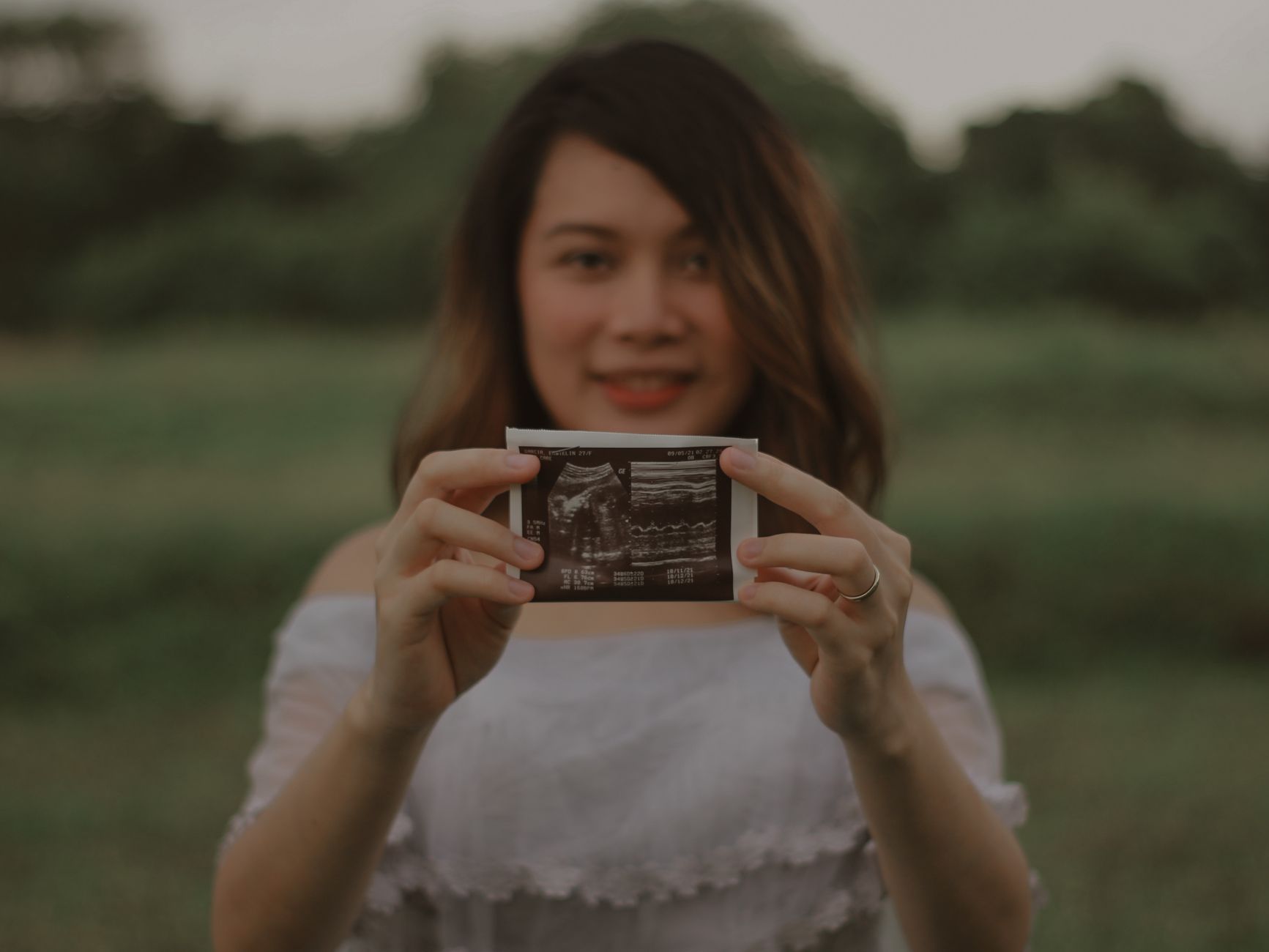
It was 3:17 AM when the pregnancy test came back positive, and the first thought that crossed my mind wasn’t joy—it was worry. "What if I can’t eat enough for two?" I asked my partner, clutching the test like it held the answers. I’d been vegetarian for years, but now I was suddenly responsible for nourishing another life. The internet was a sea of conflicting advice: "Eat more eggs!" "No, avoid raw eggs!" "You need more iron, but don’t take it with calcium!" I needed a clear, science-backed roadmap—not just a list of foods, but a day in the life of a vegetarian pregnancy diet that actually worked.
You’re not alone in this. Many women transitioning to a vegetarian diet during pregnancy (or even before conception) feel the same uncertainty. The good news? With intentional planning, a vegetarian diet can provide all the nutrients you and your baby need. This guide breaks down exactly what a balanced vegetarian day of eating looks like—complete with meal ideas, nutrient breakdowns, and practical tips to avoid common pitfalls. We’ll also address your biggest concerns: iron and folate, omega-3s, calcium, and how to manage morning sickness on a plant-based plate.
Before we dive in, it’s important to note that every pregnancy is unique, and your healthcare provider is your best resource for personalized advice. This article is designed to educate and inspire, not replace medical guidance. If you have specific dietary restrictions, health conditions, or concerns (like gestational diabetes or a history of miscarriage), your provider may recommend additional supplements or adjustments.
--- ## **How to Plan a Balanced Vegetarian Diet for Pregnancy with Sample Meals and Snacks** The first thing to understand: pregnancy isn’t the time to experiment with extreme diets. Your body needs about 300–500 extra calories per day in the second and third trimesters, and those calories should come from nutrient-dense foods. A vegetarian diet can easily meet these needs, but you’ll need to focus on **protein, iron, calcium, folate, vitamin D, and omega-3s**—nutrients that are often in short supply in plant-based diets if not planned carefully. ### **The 3 Pillars of a Pregnancy-Friendly Vegetarian Diet** 1. **Protein**: Aim for 75–100 grams per day (more if you’re active or have a larger body size). Plant-based proteins like lentils, chickpeas, tofu, tempeh, and quinoa are excellent choices. 2. **Iron and Folate**: These work together to support your baby’s rapid cell growth. Pair iron-rich foods (like spinach or lentils) with vitamin C (bell peppers, citrus) to boost absorption. 3. **Calcium and Vitamin D**: Dairy alternatives (fortified plant milks) and leafy greens (kale, bok choy) help here, but you may need a supplement for vitamin D if you’re not getting enough sun exposure. ### **Sample Meals and Snacks for a Day** Here’s a realistic example of how you might structure your day to hit these targets: - **Breakfast**: Greek-style yogurt (fortified with calcium) topped with chia seeds, walnuts, and sliced strawberries. A side of whole-grain toast with almond butter. - **Snack**: Smoothie with spinach, frozen mango, flaxseeds, and fortified soy milk. - **Lunch**: Chickpea and avocado salad wrap in a whole-wheat tortilla, with a side of roasted sweet potatoes. - **Snack**: Hummus with carrot and cucumber sticks, plus a handful of pumpkin seeds. - **Dinner**: Lentil and vegetable curry with brown rice, served with a side salad dressed with lemon and olive oil. - **Evening Snack**: Cottage cheese (or a dairy-free alternative) with pineapple chunks. ---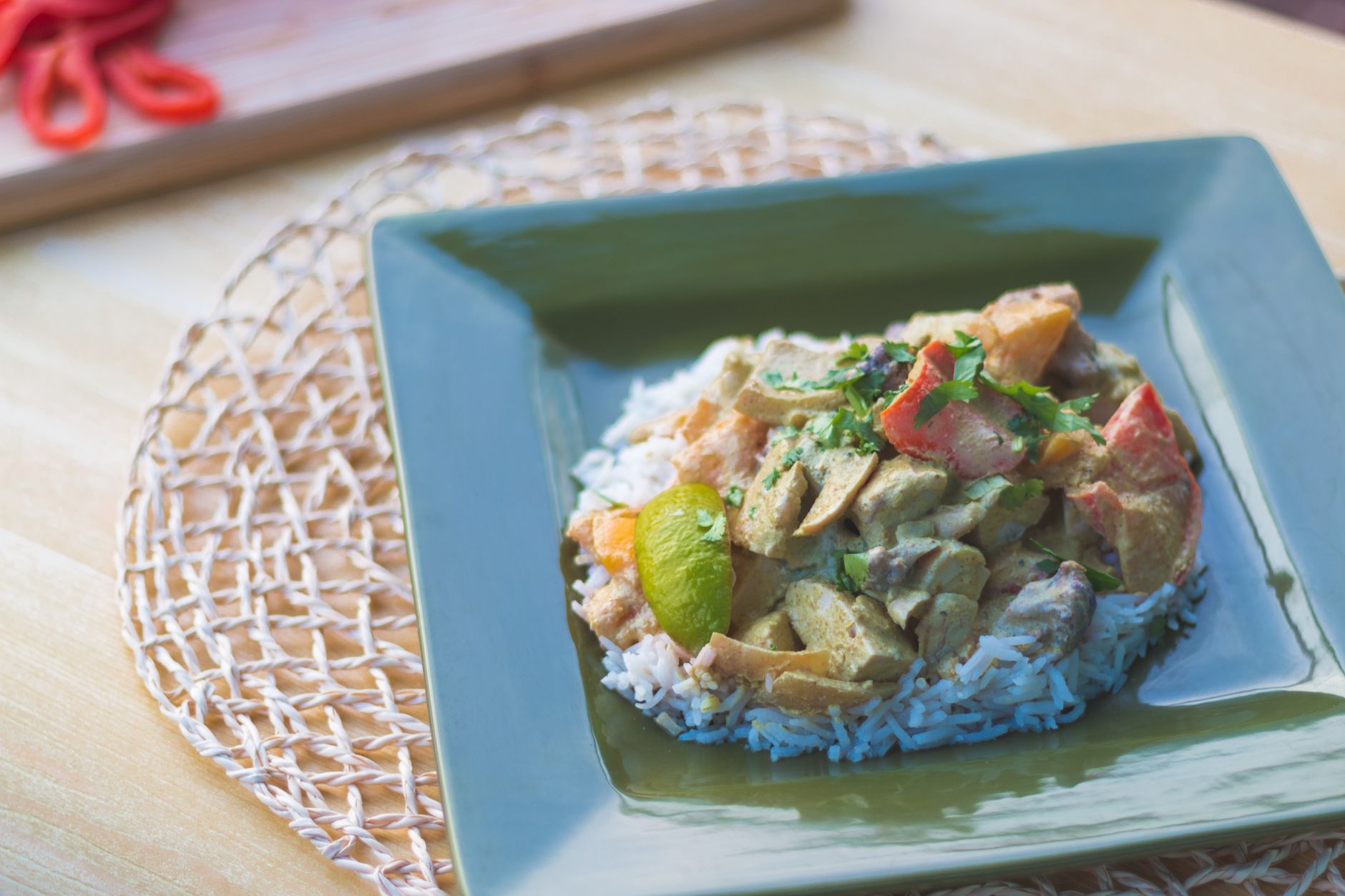 ---
## **Vegetarian Protein Sources for Pregnant Women: Best Options and Daily Requirements**
Protein is critical during pregnancy—it supports your baby’s tissue growth and helps your body produce more blood. The American College of Obstetricians and Gynecologists (ACOG) recommends pregnant women get about **75 grams of protein per day**, though active women or those carrying multiples may need more.
### **Top Vegetarian Protein Sources for Pregnancy**
| **Food** | **Protein per Serving** | **Bonus Nutrients** | **Serving Size** |
|------------------------|------------------------|--------------------------------------------|---------------------------|
| Lentils | 18g | Iron, folate, fiber | ½ cup cooked |
| Chickpeas | 15g | Fiber, folate, potassium | ½ cup cooked |
| Tofu | 10–20g | Calcium, iron, magnesium | 3 oz (varies by type) |
| Tempeh | 15g | Probiotics, B vitamins | 3 oz |
| Quinoa | 8g | Complete protein, magnesium, iron | 1 cup cooked |
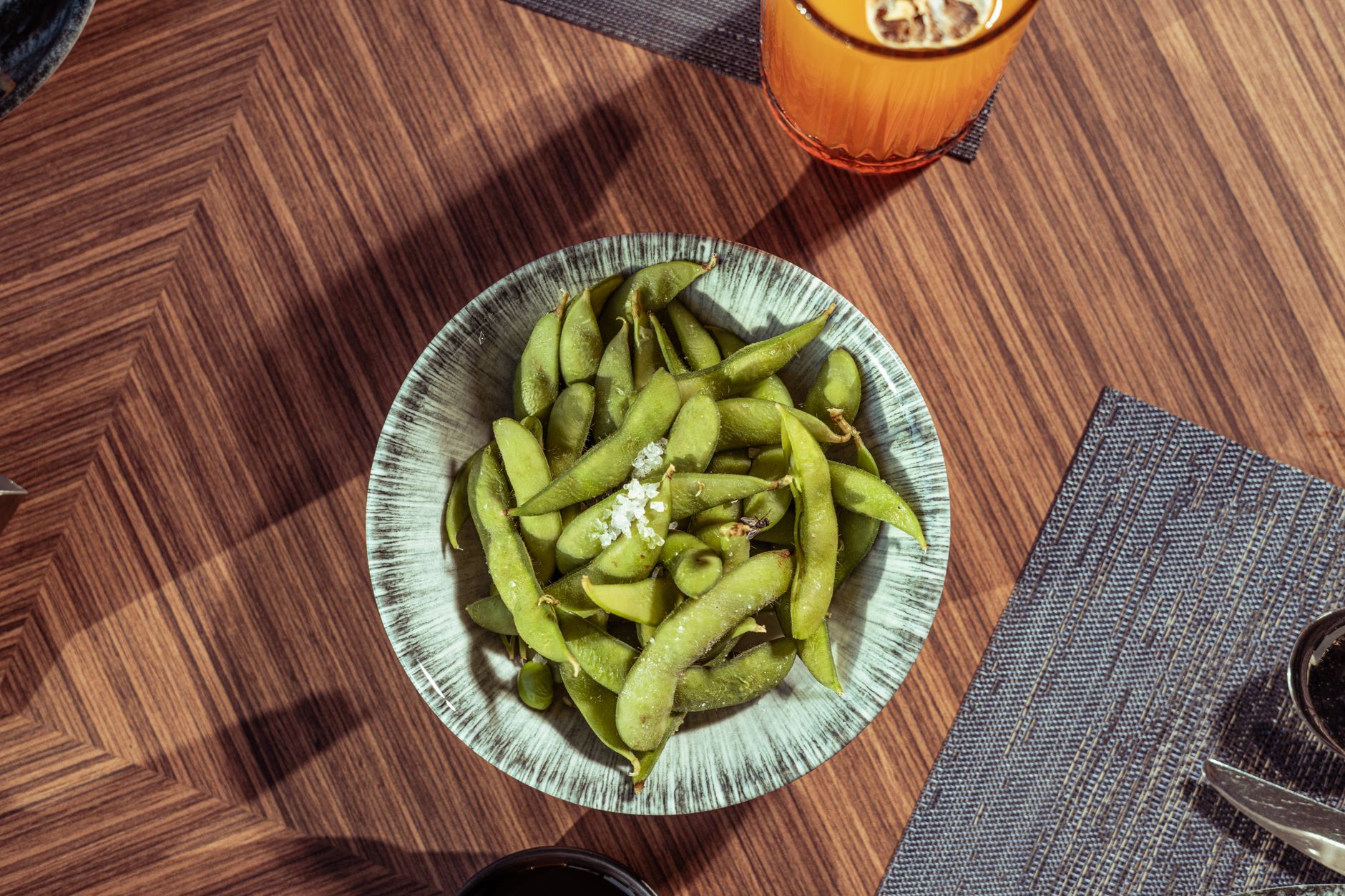
| Edamame | 17g | Folate, calcium, fiber | ½ cup cooked |
| Greek Yogurt (dairy) | 17g | Calcium, probiotics, vitamin B12 | 1 cup |
| Fortified Soy Milk | 7–8g | Calcium, vitamin D, B12 | 1 cup |
| Pumpkin Seeds | 10g | Magnesium, zinc, iron | ¼ cup |
| Almond Butter | 7g | Vitamin E, healthy fats | 2 tbsp |
### **How to Hit Your Protein Goal**
- **Breakfast**: Start with a protein-rich meal like scrambled tofu with whole-grain toast or a smoothie with soy milk and protein powder.
- **Lunch/Dinner**: Build meals around legumes (lentils, chickpeas) or tofu. For example, a **lentil Bolognese** over whole-wrain pasta or a **tofu stir-fry** with broccoli and quinoa.
- **Snacks**: Keep it easy with hummus and veggies, roasted chickpeas, or a handful of trail mix with nuts and seeds.
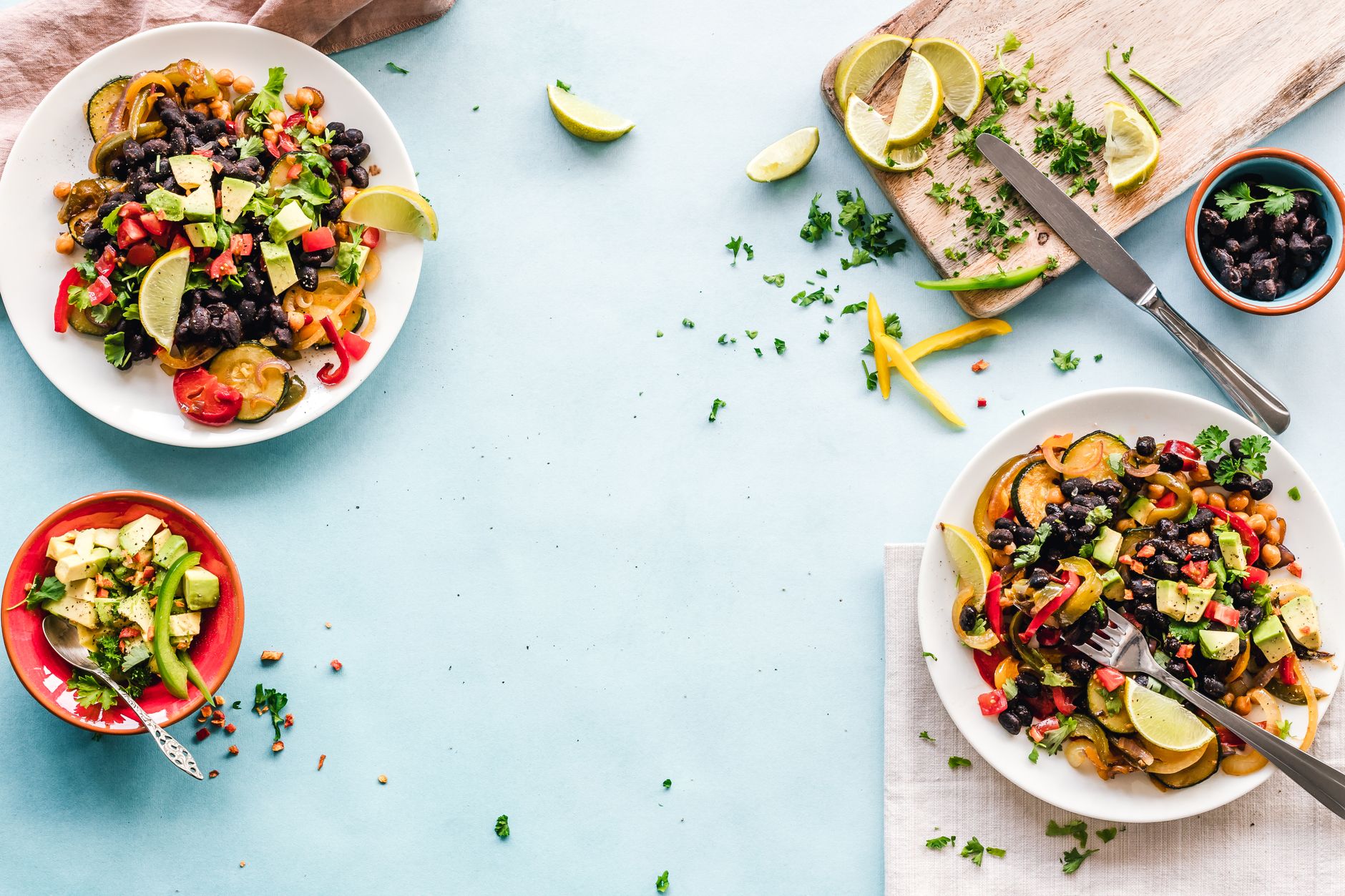
**Pro Tip**: Pair complementary proteins (like rice and beans) to create a complete amino acid profile. For example, a **black bean and rice bowl** gives you all the essential amino acids your body needs.
---
 ---
## **Vegetarian Diet During Pregnancy: What to Avoid and Safe Food Choices Explained**
Not all plant-based foods are created equal during pregnancy. Some are safe and nutritious, while others pose risks—either due to bacteria, contaminants, or nutrient deficiencies. Here’s what to watch for and what to prioritize.
### **Foods to Avoid During Pregnancy (Vegetarian or Not)**
1. **Unpasteurized Dairy and Cheese**: Can contain listeria, which may cause miscarriage or preterm labor. Stick to pasteurized options.
2. **Raw or Undercooked Sprouts**: Risk of E. coli or salmonella. Cook them thoroughly.
3. **Raw or Undercooked Eggs**: May contain salmonella. Opt for pasteurized eggs or fully cooked dishes like hard-boiled eggs or baked goods made with pasteurized eggs.
4. **Certain Fish**: Avoid high-mercury fish like shark, swordfish, king mackerel, and tilefish. Stick to low-mercury options like salmon, sardines, or canned light tuna.
5. **Excessive Caffeine**: Limit to 200mg/day (about one 12-oz cup of coffee). Caffeine can cross the placenta and affect your baby’s heart rate.
6. **Alcohol**: Avoid entirely—there’s no safe amount during pregnancy.
### **Safe and Nutrient-Packed Vegetarian Choices**
- **Leafy Greens**: Spinach, kale, and Swiss chard are rich in folate and iron, but cook them well to reduce oxalates (which can interfere with calcium absorption).
- **Legumes**: Lentils, chickpeas, and black beans are iron and folate powerhouses. Soak and cook them thoroughly to reduce antinutrients.
- **Whole Grains**: Quinoa, brown rice, and whole-wheat bread provide fiber and B vitamins.
- **Fortified Foods**: Look for plant milks, cereals, and breads fortified with calcium, vitamin D, and B12.
- **Nuts and Seeds**: Almonds, chia seeds, and flaxseeds are great for healthy fats and omega-3s.
**Representative Story**: One of our readers, Sarah (now a mom of two), struggled with morning sickness in her first trimester. She found that small, frequent meals—like toast with almond butter and a banana—helped settle her stomach. She also swapped her usual coffee for herbal teas (like ginger or peppermint) and found that her nausea improved within days.
---
 ---
## **Sample Vegetarian Meal Plan for the First, Second, and Third Trimesters with Nutrient Breakdowns**
Your nutritional needs evolve as your pregnancy progresses. Here’s how to adapt your vegetarian diet across trimesters, with a sample day of eating for each stage.
### **First Trimester (Weeks 1–12): Focus on Folate and Iron**
Folate (or folic acid) is critical in the first trimester to prevent neural tube defects. Iron helps prevent anemia, which is common due to increased blood volume.
**Sample Day (First Trimester)**
| **Meal** | **Foods** | **Key Nutrients** |
|----------------|--------------------------------------------------------------------------|----------------------------------|
| Breakfast | Oatmeal with chia seeds, walnuts, and fortified soy milk + sliced banana | Folate, iron, healthy fats |
| Snack | Hard-boiled eggs (pasteurized), whole-grain crackers, and hummus | Protein, vitamin B12, fiber |
| Lunch | Spinach and feta (or vegan feta) wrap with whole-wheat tortilla + side salad | Iron, calcium, vitamin C |
| Snack | Smoothie with frozen mango, spinach, flaxseeds, and fortified almond milk | Folate, omega-3s, vitamin E |
| Dinner | Lentil and vegetable soup with a side of whole-grain bread | Protein, iron, fiber |
| Evening Snack | Cottage cheese with pineapple and a sprinkle of pumpkin seeds | Calcium, vitamin B12, magnesium |
**Nutrient Check**:
- **Folate**: Oatmeal, spinach, lentils, and fortified soy milk.
- **Iron**: Lentils, spinach, pumpkin seeds, and eggs (if you eat them).
- **Calcium**: Cottage cheese, fortified soy milk, and leafy greens.
---
### **Second Trimester (Weeks 13–26): Increase Calories and Protein**
Your baby’s bones and muscles are growing rapidly, so you’ll need more protein, calcium, and healthy fats.
**Sample Day (Second Trimester)**
| **Meal** | **Foods** | **Key Nutrients** |
|----------------|--------------------------------------------------------------------------|----------------------------------|
| Breakfast | Tofu scramble with turmeric, whole-grain toast, and avocado | Protein, vitamin D, healthy fats |
| Snack | Greek yogurt with granola and blueberries | Calcium, probiotics, antioxidants |
| Lunch | Chickpea and avocado salad with quinoa and lemon-tahini dressing | Protein, fiber, vitamin C |
| Snack | Roasted chickpeas with sea salt and a handful of almonds | Protein, magnesium, vitamin E |
| Dinner | Mushroom and walnut Bolognese over whole-wheat pasta with a side salad | Protein, iron, vitamin D |
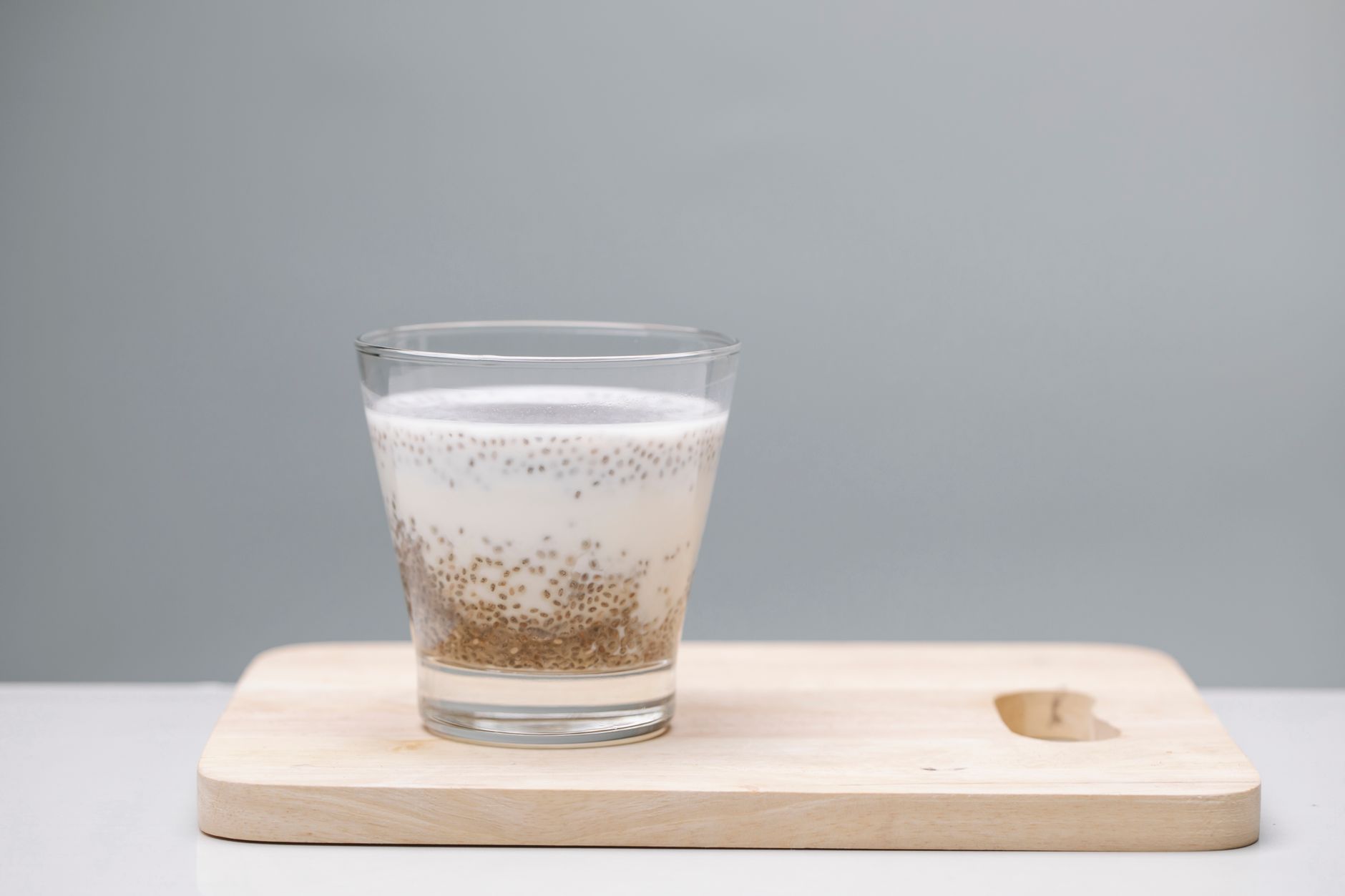
| Evening Snack | Chia pudding with coconut milk and sliced strawberries | Omega-3s, calcium, vitamin C |
**Nutrient Check**:
- **Protein**: Tofu, chickpeas, quinoa, and Greek yogurt.
- **Calcium**: Fortified yogurt, chia pudding, and leafy greens.
- **Healthy Fats**: Avocado, walnuts, and olive oil.
---
### **Third Trimester (Weeks 27–40): Prioritize Calcium, Vitamin D, and Omega-3s**
Your baby’s brain and nervous system are developing quickly, so omega-3s (DHA) and calcium become even more important.
**Sample Day (Third Trimester)**
| **Meal** | **Foods** | **Key Nutrients** |
|----------------|--------------------------------------------------------------------------|----------------------------------|
| Breakfast | Smoothie bowl with frozen berries, spinach, hemp seeds, and fortified oat milk | Protein, iron, omega-3s |
| Snack | Trail mix with almonds, pumpkin seeds, and dried apricots | Magnesium, vitamin A, healthy fats |
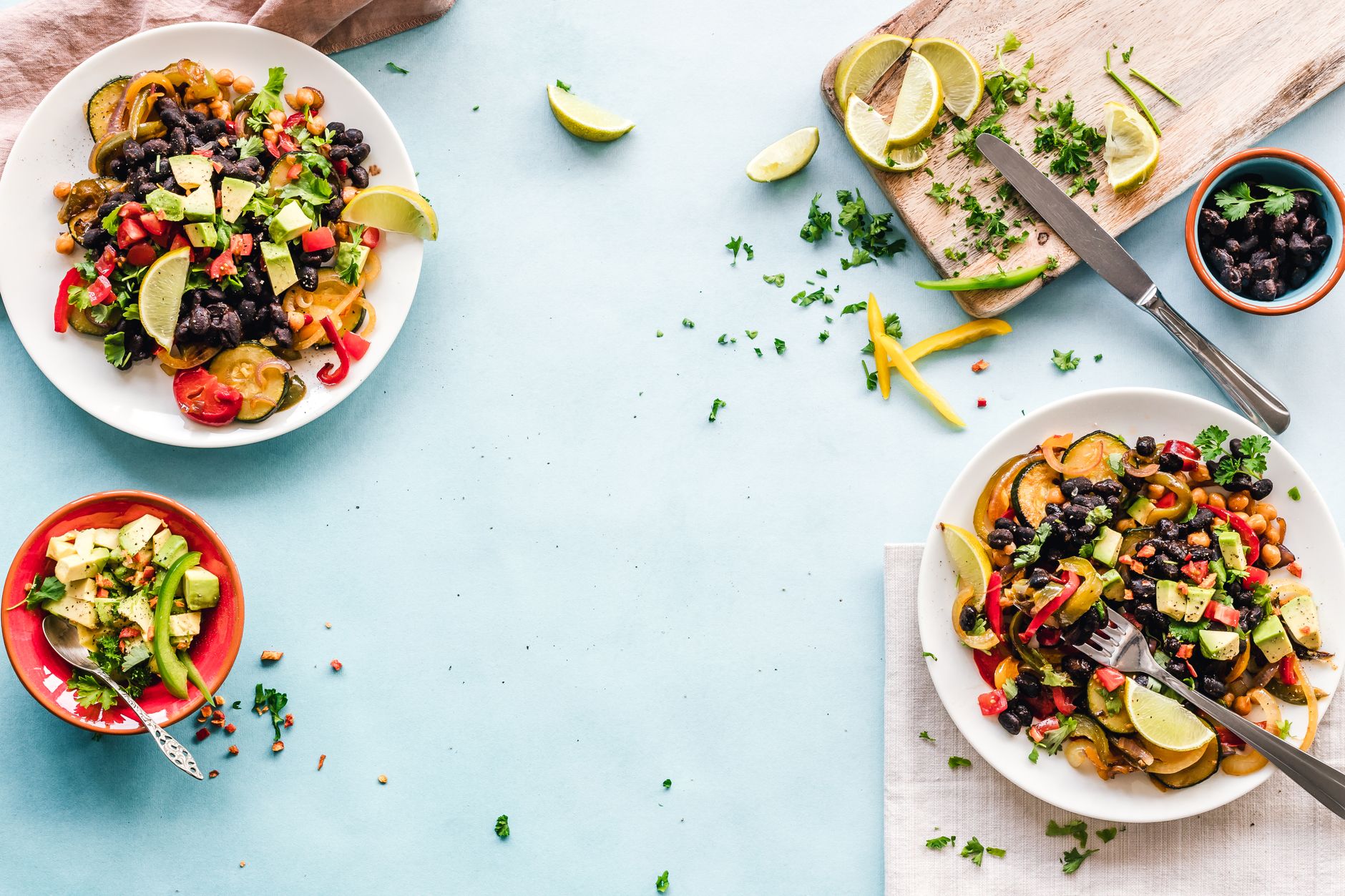
| Lunch | Stuffed bell peppers with black beans, brown rice, and corn | Fiber, protein, folate |
| Snack | Hummus with whole-grain pita and sliced cucumber | Protein, vitamin C, fiber |
| Dinner | Tempeh and vegetable stir-fry with brown rice and sesame seeds | Protein, calcium, vitamin E |
| Evening Snack | Ricotta (or dairy-free alternative) with pear slices and walnuts | Calcium, vitamin B12, healthy fats |
**Nutrient Check**:
- **Omega-3s**: Hemp seeds, walnuts, and fortified foods (or a DHA supplement if needed).
- **Calcium**: Ricotta, sesame seeds, and leafy greens.
- **Vitamin D**: Fortified foods or a supplement if sun exposure is limited.
---
 ---
## **Can a Vegetarian Diet Provide Enough Iron and Folate for Pregnancy? A Detailed Guide**
Iron and folate are non-negotiable during pregnancy. Iron supports your baby’s blood production, while folate prevents neural tube defects. Many women—vegetarian or not—develop iron deficiency anemia, so it’s worth paying extra attention.
### **Iron-Rich Vegetarian Foods and Absorption Tips**
| **Food** | **Iron per Serving** | **How to Boost Absorption** |
|------------------------|----------------------|-------------------------------------------------|
| Lentils | 6.6mg | Pair with vitamin C (bell peppers, citrus) |
| Spinach | 6.4mg | Cook to reduce oxalates; add lemon juice |
| Chickpeas | 4.9mg | Serve with hummus or tahini dressing |
| Tofu | 3.6mg | Marinate in lemon juice before cooking |
| Pumpkin Seeds | 2.5mg | Snack on them with orange slices |
| Fortified Cereal | 18mg (varies) | Choose one with at least 25% DV per serving |
**Daily Iron Needs**: ~27mg for pregnant women (ACOG). Vegetarian sources are less easily absorbed, so aim for **30–50% more** than non-vegetarians.
### **Folate-Rich Vegetarian Foods**
| **Food** | **Folate per Serving** | **Serving Size** |
|------------------------|------------------------|---------------------------|
| Lentils | 357mcg | ½ cup cooked |
| Chickpeas | 282mcg | ½ cup cooked |
| Spinach | 237mcg | 1 cup cooked |
| Avocado | 81mcg | ½ medium fruit |
| Fortified Soy Milk | 138mcg | 1 cup |
| Black Beans | 229mcg | ½ cup cooked |
**Daily Folate Needs**: ~600mcg (ACOG). Many prenatal vitamins include 800mcg to account for absorption differences.
### **How to Avoid Iron Deficiency**
1. **Pair iron-rich foods with vitamin C**: For example, eat lentils with a side of bell peppers or orange slices.
2. **Avoid calcium-rich foods at the same meal**: Calcium can inhibit iron absorption. Space them out (e.g., have your iron-rich lunch and calcium-rich snack hours apart).
3. **Consider a supplement**: If your blood work shows low iron, your provider may recommend an iron supplement (usually ferrous sulfate or gluconate).
4. **Monitor symptoms**: Fatigue, dizziness, or pale skin could signal anemia. Get your iron levels checked at your prenatal visits.
---
 ---
## **Vegetarian Diet for Breastfeeding Mothers: Sample Day of Eating and Lactation Support**
Breastfeeding increases your calorie needs by about **300–500 calories per day**, and you’ll need extra protein, calcium, and healthy fats to support milk production. Here’s how to structure your day for lactation success.
### **Sample Day for Breastfeeding Mothers**
| **Meal** | **Foods** | **Lactation-Boosting Nutrients** |
|----------------|--------------------------------------------------------------------------|----------------------------------|
| Breakfast | Oatmeal with flaxseeds, almond butter, and blueberries | Healthy fats, omega-3s, iron |
| Snack | Greek yogurt with honey and walnuts | Protein, calcium, vitamin E |
| Lunch | Quinoa and black bean bowl with avocado, salsa, and a side of steamed broccoli | Protein, fiber, vitamin C |
| Snack | Smoothie with fortified soy milk, chia seeds, and frozen mango | Calcium, omega-3s, vitamin A |
| Dinner | Tempeh and vegetable stir-fry with brown rice and sesame seeds | Protein, iron, vitamin E |
| Evening Snack | Hummus with whole-grain pita and sliced cucumber | Fiber, protein, hydration |
### **Key Lactation Nutrients and Sources**
- **Healthy Fats**: Avocado, nuts, seeds, and olive oil support hormone production and milk supply.
- **Protein**: Tempeh, lentils, and Greek yogurt help repair tissues and support milk production.
- **Hydration**: Aim for at least 10 cups of water daily. Herbal teas like fenugreek or fennel (if tolerated) may also support lactation.
- **Calcium**: Fortified plant milks, leafy greens, and almonds prevent bone loss during breastfeeding.
**Pro Tip**: If you’re struggling with low milk supply, focus on **oatmeal, flaxseeds, and leafy greens**—these are traditionally linked to increased prolactin (the hormone that stimulates milk production). However, always consult your provider before trying galactagogues (milk-boosting foods or supplements).
---
 ---
## **How to Ensure Adequate Calcium and Vitamin D Intake on a Vegetarian Pregnancy Diet**
Calcium is essential for your baby’s bone development, and vitamin D helps your body absorb it. Many women don’t get enough of either, especially if they’re avoiding dairy.
### **Calcium-Rich Vegetarian Foods**
| **Food** | **Calcium per Serving** | **Serving Size** |
|------------------------|------------------------|---------------------------|
| Fortified Soy Milk | 300mg | 1 cup |
| Fortified Almond Milk | 450mg | 1 cup |
| Kale | 100mg | 1 cup cooked |
| Chia Seeds | 179mg | 2 tbsp |
| Almonds | 75mg | 1 oz (23 nuts) |
| White Beans | 161mg | ½ cup cooked |
| Fortified Orange Juice | 350mg | 1 cup |
### **Vitamin D Sources and Supplementation**
- **Foods**: Fortified plant milks, fatty fish (if you eat them), egg yolks, and mushrooms exposed to UV light.
- **Sunlight**: 10–15 minutes of midday sun, 2–3 times per week, can boost vitamin D levels.
- **Supplements**: If your blood levels are low, your provider may recommend a **600–2000 IU/day** supplement.
### **Practical Tips for Calcium and Vitamin D**
1. **Fortify Your Diet**: Choose fortified foods like soy milk, cereals, or orange juice.
2. **Pair Calcium with Vitamin D**: Your body absorbs calcium better when vitamin D is present. A glass of fortified soy milk with a side of kale is a great combo.
3. **Consider a Supplement**: If your diet falls short, a **calcium citrate or carbonate supplement** (with vitamin D) can help. Aim for **1000–1300mg of calcium per day** (ACOG).
4. **Get Tested**: Ask your provider to check your vitamin D levels at your first prenatal visit. Low levels are common and easy to correct with diet or supplements.
---
 ---
## **Vegetarian Diet for Pregnancy Weight Gain: Healthy Portion Sizes and Calorie Needs**
Gaining the right amount of weight during pregnancy is crucial for your baby’s health and your postpartum recovery. The Institute of Medicine (IOM) recommends:
- **Underweight women**: 28–40 lbs
- **Normal weight women**: 25–35 lbs
- **Overweight women**: 15–25 lbs
- **Obese women**: 11–20 lbs
### **Calorie Needs by Trimester**
- **First Trimester**: ~30 extra calories/day (or 200–300 if you were active).
- **Second Trimester**: ~340 extra calories/day.
- **Third Trimester**: ~450 extra calories/day.
### **How to Gain Weight Healthily on a Vegetarian Diet**
1. **Focus on Calorie-Dense, Nutrient-Rich Foods**:
- Avocados, nuts, seeds, and olive oil add healthy fats without excess processed sugar.
- Whole grains like quinoa and brown rice provide sustained energy.
- Legumes and tofu offer protein and fiber to keep you full.
2. **Sample High-Calorie, Nutrient-Packed Meals**
- **Breakfast**: Smoothie with banana, peanut butter, chia seeds, and fortified soy milk.
- **Lunch**: Lentil and sweet potato curry with brown rice and a side of tahini dressing.
- **Dinner**: Stuffed portobello mushrooms with quinoa, black beans, and avocado.
- **Snacks**: Trail mix with dried fruit, nuts, and pumpkin seeds; cottage cheese with pineapple.
3. **Avoid Empty Calories**: Limit sugary snacks, fried foods, and processed snacks. Opt for whole foods instead.
4. **Listen to Your Body**: If you’re struggling to gain weight, focus on **calorie-dense snacks** and **small, frequent meals**. If you’re gaining too much, reduce portion sizes of high-calorie foods and increase activity (with your provider’s approval).
---
 ---
## **Best Vegetarian Breakfast Ideas for Pregnant Women to Start the Day with Energy**
Breakfast sets the tone for your day—and your energy levels. For pregnant women, it should include **protein, fiber, healthy fats, and iron** to keep you full and energized.
### **Top 5 Vegetarian Breakfast Ideas**
1. **Tofu Scramble with Whole-Grain Toast**
- Sauté crumbled tofu with turmeric, black salt (for an eggy flavor), and spinach. Serve with whole-grain toast and avocado.
- **Why it works**: High in protein, iron, and healthy fats.
2. **Overnight Oats with Chia and Nut Butter**
- Mix rolled oats, chia seeds, almond butter, and fortified soy milk. Top with sliced banana and walnuts.
- **Why it works**: Slow-digesting carbs + protein for steady energy.
3. **Smoothie Bowl with Hemp Seeds and Berries**
- Blend frozen mango, spinach, hemp seeds, and fortified almond milk. Top with granola and blueberries.
- **Why it works**: Packed with omega-3s, fiber, and antioxidants.
4. **Chickpea Flour Pancakes (Besan Chilla)**
- Mix chickpea flour with turmeric, cumin, and veggies. Cook like a pancake and serve with yogurt or hummus.
- **Why it works**: High in protein and folate.
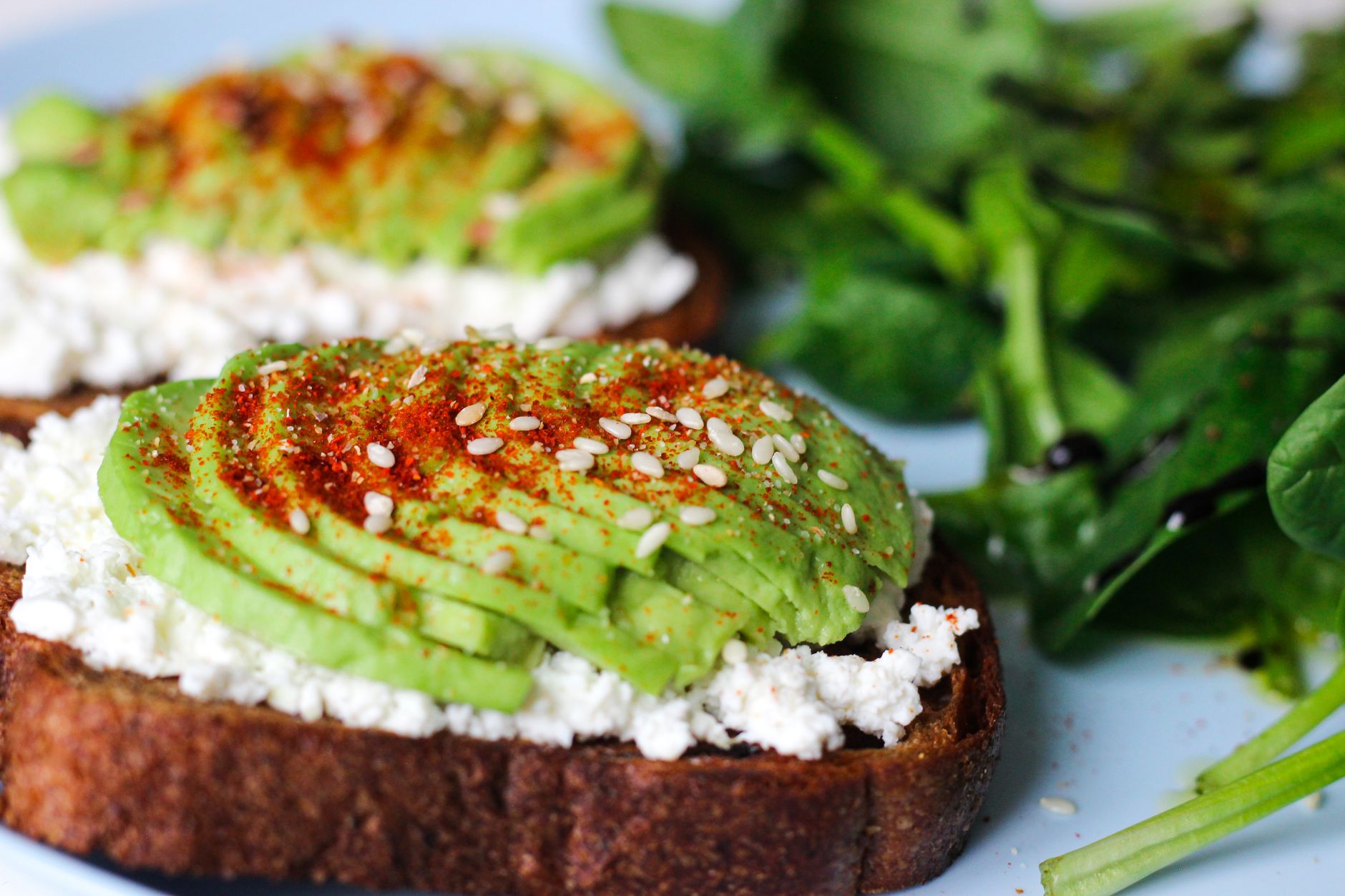
5. **Avocado and Egg (or Tofu) Toast**
- Mash avocado on whole-grain toast and top with a soft-boiled egg (or scrambled tofu). Add a sprinkle of pumpkin seeds.
- **Why it works**: Healthy fats, protein, and iron.
**Pro Tip**: If morning sickness is an issue, try **crackers with nut butter** or **ginger tea** before breakfast to settle your stomach.
---
 ---
## **Vegetarian Lunch and Dinner Recipes for Pregnancy That Are Easy to Prepare**
Meal prep is your best friend during pregnancy—it saves time, reduces stress, and ensures you’re eating nourishing meals even on busy days. Here are **5 easy, nutrient-packed recipes** that take 30 minutes or less to prepare.
### **1. 15-Minute Lentil and Sweet Potato Curry**
**Ingredients**:
- 1 cup dried lentils (or 2 cans, drained)
- 1 small sweet potato, diced
- 1 onion, chopped
- 2 cloves garlic, minced
- 1 tbsp curry powder
- 1 can (14 oz) coconut milk
- 1 cup spinach
- 1 tbsp olive oil
- Salt and pepper to taste
**Instructions**:
1. Cook lentils according to package instructions (or use canned).
2. Heat oil in a pan and sauté onion and garlic until soft.
3. Add sweet potato, curry powder, and lentils. Stir for 5 minutes.
4. Pour in coconut milk and simmer for 10 minutes.
5. Stir in spinach until wilted. Serve with brown rice.
**Nutrients**: Iron, folate, vitamin A, and healthy fats.
---
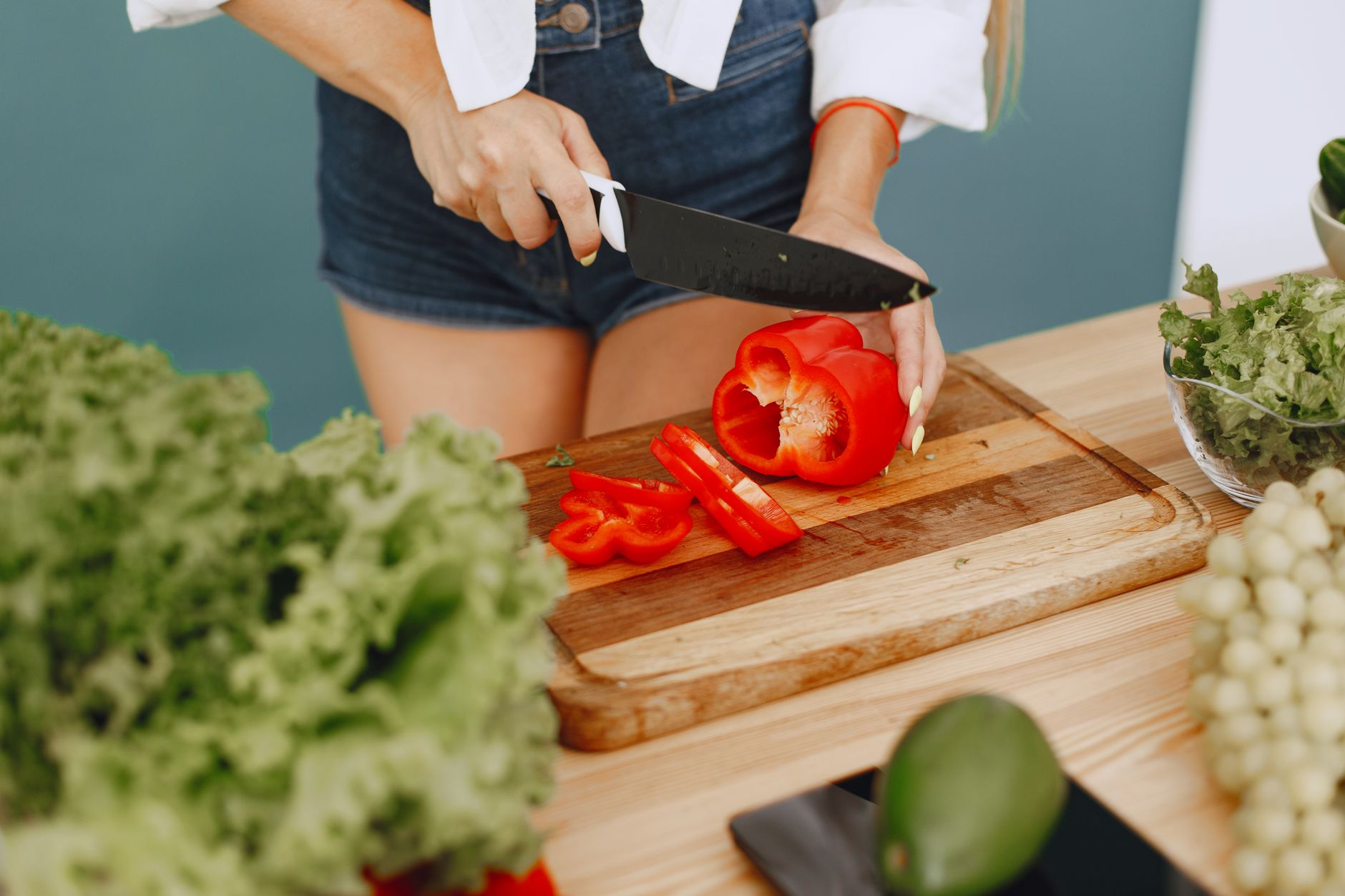
### **2. 20-Minute Chickpea and Avocado Salad Wrap**
**Ingredients**:
- 1 can (15 oz) chickpeas, drained and rinsed
- 1 ripe avocado, mashed
- 1 tbsp lemon juice
- 1 tsp cumin
- 1 whole-wheat tortilla
- Handful of baby spinach
- Sliced bell peppers
- Hummus (optional)
**Instructions**:
1. Mash chickpeas and avocado in a bowl. Add lemon juice and cumin.
2. Spread the mixture on the tortilla, then add spinach and bell peppers.
3. Roll up and slice in half.
**Nutrients**: Fiber, healthy fats, protein, and vitamin C.
---
### **3. 30-Minute Tempeh Stir-Fry with Vegetables**
**Ingredients**:
- 8 oz tempeh, cubed
- 2 cups mixed vegetables (bell peppers, broccoli, snap peas)
- 2 tbsp soy sauce (or tamari)
- 1 tbsp sesame oil
- 1 tbsp honey or maple syrup
- 1 tsp ginger, grated
- 1 cup brown rice (pre-cooked)
**Instructions**:
1. Press tempeh to remove excess liquid, then pan-fry until crispy.
2. Stir-fry vegetables in sesame oil until tender-crisp.
3. Add tempeh, soy sauce, honey, and ginger. Toss to coat.
4. Serve over brown rice.
**Nutrients**: Protein, probiotics, iron, and fiber.
---
 ---
## **Vegetarian Snacks for Pregnancy Cravings That Are Nutritious and Satisfying**
Cravings are your body’s way of telling you what it needs—even if it’s asking for chocolate at 2 AM. The key is to **meet those cravings with nutrient-dense snacks** that won’t leave you feeling guilty.
### **Top 10 Vegetarian Pregnancy Snacks**
1. **Dark Chocolate-Covered Almonds**
- A handful of almonds coated in dark chocolate (70%+ cocoa) satisfies sweet cravings while providing magnesium and healthy fats.
2. **Cottage Cheese with Pineapple**
- Cottage cheese is high in protein and calcium, and pineapple adds vitamin C and a tropical twist.
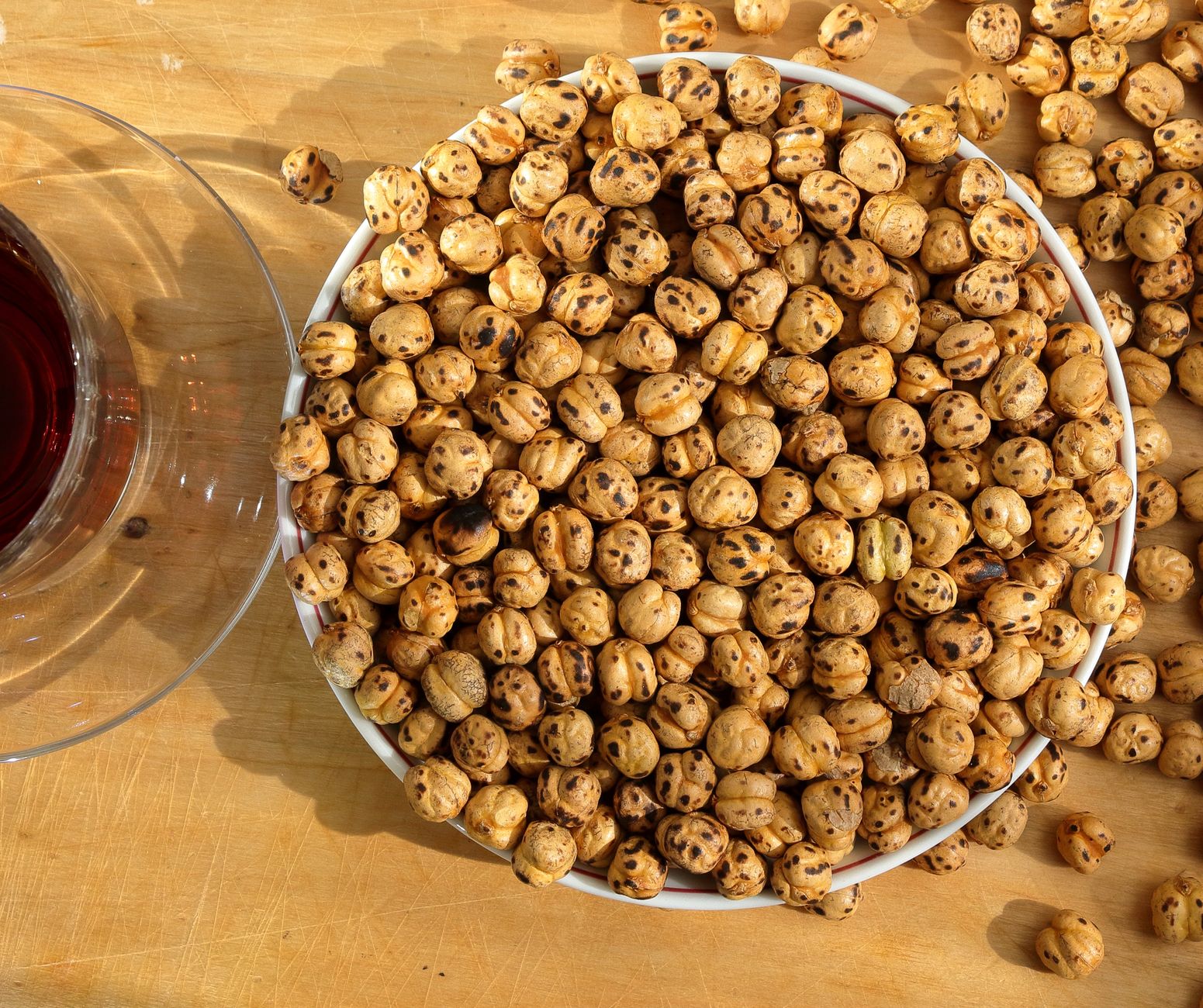
3. **Roasted Chickpeas**
- Toss chickpeas with olive oil, paprika, and sea salt. Roast at 400°F for 25–30 minutes until crispy. High in fiber and protein.
4. **Apple Slices with Almond Butter**
- A classic combo: fiber from the apple and healthy fats from almond butter keep you full.
5. **Hummus with Veggie Sticks**
- Carrots, cucumbers, and bell peppers dipped in hummus provide iron, vitamin C, and fiber.
6. **Trail Mix with Dried Fruit and Nuts**
- Mix raisins, almonds, pumpkin seeds, and a few dark chocolate chips. Avoid excessive sugar.
7. **Avocado Toast with Everything Bagel Seasoning**
- Whole-grain toast topped with mashed avocado and a sprinkle of seasoning. Creamy, satisfying, and rich in folate.
8. **Greek Yogurt Parfait**
- Layer Greek yogurt with granola and mixed berries. High in protein and probiotics.
9. **Energy Balls**
- Blend oats, peanut butter, honey, chia seeds, and dark chocolate chips. Roll into balls and refrigerate. Great for on-the-go energy.
10. **Edamame with Sea Salt**
- Lightly steamed edamame is packed with protein and folate—perfect for a quick snack.
**Pro Tip**: If you’re craving something salty, try **roasted seaweed snacks** or **air-popped popcorn** with nutritional yeast for a cheesy flavor.
---
 ---
## **How to Transition to a Vegetarian Diet Safely During Early Pregnancy**
Switching to a vegetarian diet during early pregnancy can feel overwhelming, but with the right planning, it can be a smooth transition. Here’s how to do it safely:
### **Step 1: Consult Your Provider**
Before making any major dietary changes, talk to your healthcare provider. They can:
- Check your current nutrient levels (iron, folate, vitamin D, B12).
- Recommend supplements if needed (e.g., prenatal vitamins with folic acid and B12).
- Rule out any underlying conditions that might affect your diet.
### **Step 2: Gradual Transition**
- **Week 1–2**: Start by adding more plant-based meals to your diet (e.g., swap one meat-based meal for a lentil curry).
- **Week 3–4**: Reduce meat gradually. Try "Meatless Mondays" to ease into the transition.
- **Week 5+**: Commit to a fully vegetarian diet, ensuring you’re hitting your nutrient targets.
### **Step 3: Focus on Nutrient-Dense Foods**
Prioritize foods that are rich in:
- **Protein**: Lentils, chickpeas, tofu, tempeh,

