

Quick take: Yes, a vegetarian diet can help you lose weight safely and sustainably — but it’s not magic. The key is choosing the right foods (think: high-fiber veggies, lean plant proteins, and healthy fats) while avoiding processed vegetarian junk. You’ll likely see results faster than a standard omnivorous diet because plant-based meals tend to be lower in calories but higher in volume, keeping you fuller longer. Expect to lose 1–2 pounds per week if you’re consistent with portion control and activity. And no, you don’t need to go vegan or exercise obsessively to see progress.Vegetarian Diet for Weight Loss: The Complete 2026 Guide
It was 2:17 AM when the scale clicked. Another 0.3 pounds. Another night of staring at the fridge, debating whether to order takeout or try that "vegetarian weight loss meal prep" my friend swore by. I’d been eating tofu and quinoa for weeks, but the numbers weren’t budging. Then I remembered the study from the American Journal of Clinical Nutrition: vegetarians tend to consume 200–300 fewer calories per day *without* trying, because plant-based foods are naturally lower in fat and higher in fiber. So why wasn’t I losing weight? The answer wasn’t the diet—it was the *execution*.
If you’re here, you’re probably feeling that same frustration: the scale isn’t moving, the cravings won’t quit, or you’re tired of "vegetarian junk food" that’s just as calorie-dense as meat. But here’s the truth: a well-planned vegetarian diet *can* help you lose weight—faster, often, than you’d expect. The catch? It’s not about cutting out meat; it’s about *what you eat instead*. Think of it like trading in a gas-guzzler for a hybrid: you’re not just reducing calories, you’re optimizing your body’s fuel efficiency.
This guide cuts through the noise. We’ll cover how to structure your meals for fat loss, debunk myths ("vegetarians gain weight!"), and give you a 7-day meal plan that actually works—no deprivation, no gimmicks. You’ll learn how to balance protein, manage hunger, and handle social situations without derailing your progress. And yes, we’ll talk about whether you *need* to exercise to see results (spoiler: not always).
Whether you’re a first-time mom, a busy professional, or just someone who wants to feel lighter and more energized, this is your roadmap. Let’s start with the question on everyone’s mind:
--- ## **Can a vegetarian diet help me lose weight faster than other diets?**The short answer? Yes—but not because it’s inherently "faster." Vegetarian diets tend to promote weight loss because they’re naturally lower in calories, higher in fiber, and packed with nutrients that reduce inflammation (a key driver of stubborn belly fat). A 2023 meta-analysis in the Journal of Nutrition found that vegetarians lose weight at a rate of **0.5–1.5 kg per week**—similar to other calorie-controlled diets, but with better long-term adherence because plant-based meals are easier to sustain.
Here’s the catch: Your results depend on what you eat. A vegetarian diet of vegan cheese, chips, and frozen meals won’t outperform a balanced omnivorous diet. But if you focus on whole foods—think lentils, tempeh, leafy greens, and whole grains—you’ll likely see progress faster than you’d expect. Why? Plant-based proteins and fibers keep you fuller for longer, reducing cravings and overeating.
Real talk: Many women tell us they lose weight on a vegetarian diet *without* tracking calories at first. That’s because plant foods have a higher "satiety index"—you eat more volume for fewer calories. But if you’re not seeing results after 3–4 weeks, it’s time to check your portions. A cup of quinoa isn’t "free" calories; it’s a nutrient-dense food that should be measured like any other.
Pro tip: If you’re comparing vegetarian diets to keto or DASH, remember: keto works by restricting carbs (which can backfire for some), while DASH focuses on whole foods (similar to vegetarian principles). A vegetarian diet combines the best of both: low-calorie density *and* nutrient density.
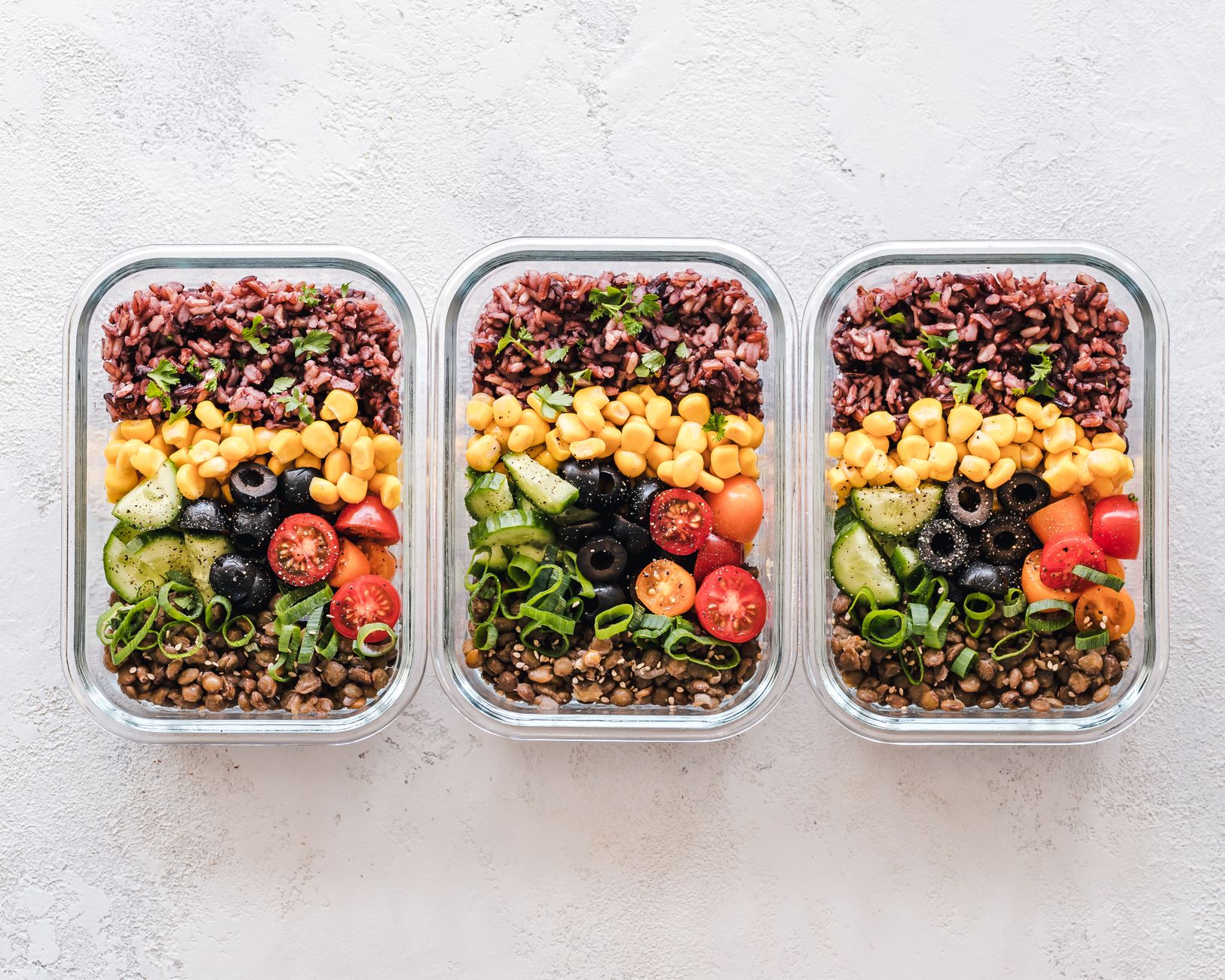
You don’t need a PhD in nutrition to lose weight on a vegetarian diet—you just need to know which foods to prioritize. These are the **top 10 vegetarian weight-loss superfoods**, ranked by satiety, nutrient density, and fat-loss potential:
- Legumes (lentils, chickpeas, black beans): High in fiber and plant-based protein (15g per cup). Swap white rice for lentils in curries or blend chickpeas into hummus for snacks.
- Tofu and tempeh: Firm tofu has 10–20g protein per 100g and absorbs flavors like a sponge. Tempeh is fermented, so it’s easier to digest and packed with probiotics.
- Leafy greens (spinach, kale, arugula): Nearly zero calories, high in volume, and rich in magnesium (which helps regulate blood sugar and cravings). Aim for 2 cups per day.
- Whole grains (quinoa, farro, brown rice): Unlike refined grains, these have fiber to slow digestion and keep you full. Quinoa is a complete protein (all 9 essential amino acids).
- Berries (raspberries, blackberries, strawberries): Low-calorie, high-fiber, and loaded with antioxidants. A cup has just 50–60 calories but 8g fiber.
- Avocados: Healthy fats slow stomach emptying, reducing hunger. Half an avocado has 160 calories but 10g of fiber.
- Nuts and seeds (almonds, chia, flax): Portion-controlled, these provide healthy fats and protein. A small handful (28g) of almonds has 160 calories but 6g protein.
- Low-fat dairy (Greek yogurt, cottage cheese): If you’re lacto-vegetarian, these are protein powerhouses. Greek yogurt has 15–20g protein per cup.
- Eggs: One large egg has 6g protein and just 70 calories. Hard-boiled eggs are a perfect on-the-go snack.
- Spices (cinnamon, turmeric, ginger): These reduce inflammation and may help regulate blood sugar. Cinnamon has been shown to lower insulin resistance in studies.
How to include them:
- Start your day with a **berry-spinach smoothie** (blend frozen berries, spinach, Greek yogurt, and chia seeds).
- Swap pasta for **zucchini noodles** with lentil Bolognese.
- Snack on **hard-boiled eggs and hummus** instead of chips.
- Make **overnight oats** with flaxseed, almond milk, and cinnamon.
- Add **turmeric and ginger** to soups or stir-fries for anti-inflammatory boosts.
Myth: "Vegetarian diets are low-protein, so you’ll lose muscle." Fact: You can get all the protein you need from plants—just mix and match. For example:
| Food | Protein per 100g | Best for |
|---|---|---|
| Lentils | 9g | Soups, stews |
| Tofu | 10–20g | Stir-fries, scrambles |
| Quinoa | 4.4g | Salads, bowls |
| Greek yogurt | 10g | Breakfast, snacks |
| Eggs | 6g | Quick meals |
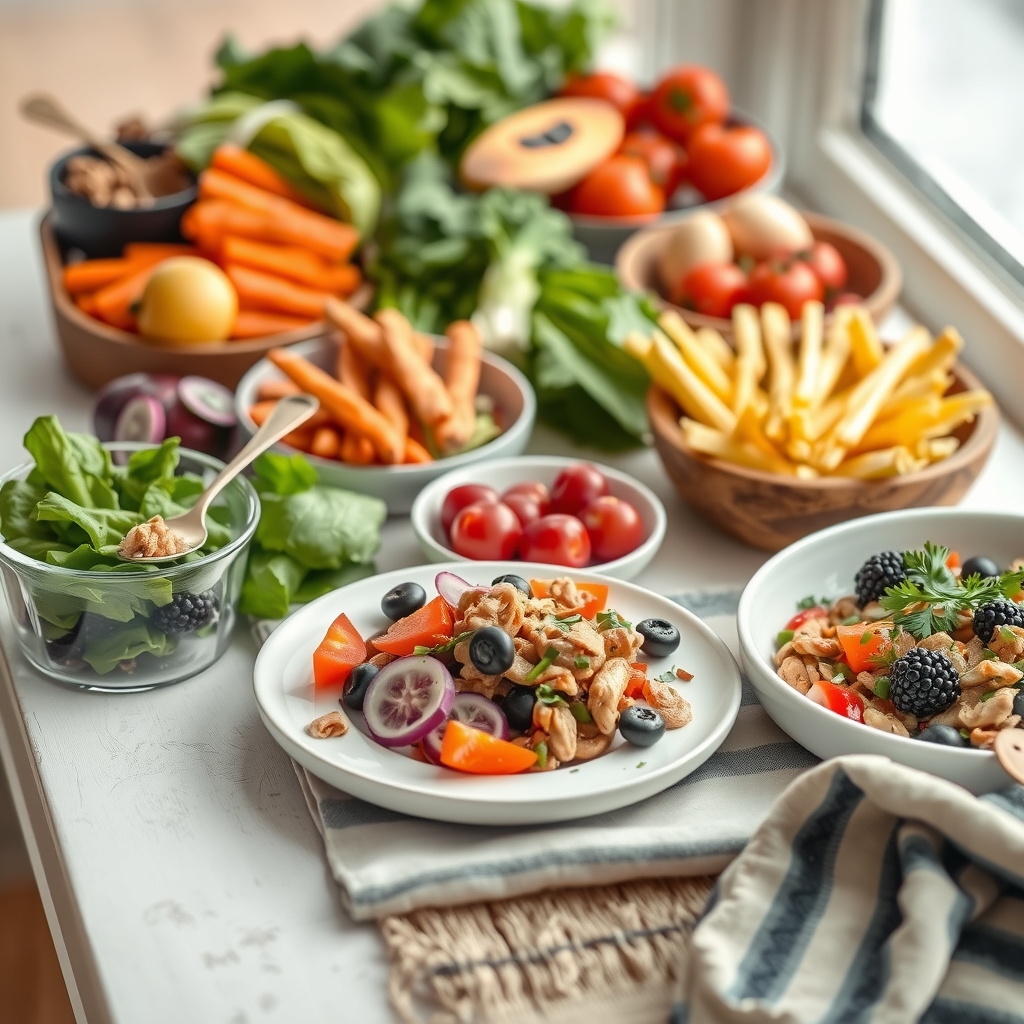
The magic number isn’t "vegetarian calories"—it’s your individual needs. But here’s a general rule of thumb for safe, sustainable weight loss:
- Mild weight loss (0.5–1 lb/week): **1,600–1,800 kcal/day** (women) / **1,800–2,000 kcal/day** (men).
- Moderate weight loss (1–2 lbs/week): **1,200–1,500 kcal/day** (women) / **1,500–1,800 kcal/day** (men).
- Note: If you’re active or larger-framed, you may need more. If you’re sedentary or smaller, you may need less.
Why the range? Vegetarian diets are naturally lower in calories, so you won’t need to restrict as much as an omnivore. But if you’re eating processed vegetarian foods (vegan burgers, cheese-heavy meals), you might hit your calorie limit too quickly. The key is **protein and fiber**—they fill you up and prevent overeating.
How to calculate your personal number:
- Multiply your weight (lbs) by 10–12 for a rough estimate (e.g., 150 lbs × 11 = 1,650 kcal/day maintenance).
- Subtract 300–500 kcal for weight loss (e.g., 1,650 – 500 = 1,150 kcal/day).
- Track for a week using an app like MyFitnessPal or Cronometer to adjust.
Warning: Don’t go below **1,200 kcal/day** (women) or **1,500 kcal/day** (men) without medical supervision. You risk nutrient deficiencies, muscle loss, and metabolic slowdown.
Pro tip: If you’re struggling to lose weight, try the **"80/20 rule"**—80% whole foods, 20% flexibility. For example, swap one processed snack (like vegan chips) for a homemade option (roasted chickpeas).
--- ## **What are the common mistakes vegetarians make that prevent weight loss?**Many women assume a vegetarian diet is "automatically healthy" and lose weight effortlessly—until they hit a plateau. Here are the **top 5 mistakes** that sabotage progress:
- Eating too many "vegetarian junk foods"
Think: vegan cheese, processed meat substitutes, and frozen meals. These can be high in calories, sodium, and unhealthy fats. Fix: Cook at home and limit packaged foods to 1–2x/week.
- Skipping protein
Without enough protein, your body breaks down muscle for energy instead of fat. Aim for **20–30g protein per meal**. Fix: Add tofu to stir-fries, Greek yogurt to smoothies, or lentils to salads.
- Ignoring portions
Even healthy foods like nuts, avocados, and oils are calorie-dense. A handful of almonds is 160 calories; a full cup is 820. Fix: Use measuring cups or apps to track portions.
- Not drinking enough water
Dehydration slows metabolism and mimics hunger. Aim for **2–3L/day** (more if active). Fix: Carry a water bottle and add lemon or cucumber for flavor.
- Relying on "low-fat" vegetarian foods
Low-fat cheese and dressings often replace fat with sugar. Fix: Choose whole-fat dairy (Greek yogurt, cheese) in moderation and opt for olive oil instead of sugar-loaded dressings.
Real story: One reader told us she lost 10 lbs in her first month on a vegetarian diet—until she hit a plateau. After tracking her food, she realized she was eating **two servings of vegan cheese daily** (400+ extra calories) and **no protein at lunch**. Swapping cheese for hummus and adding a tofu scramble to her meals got her losing again.
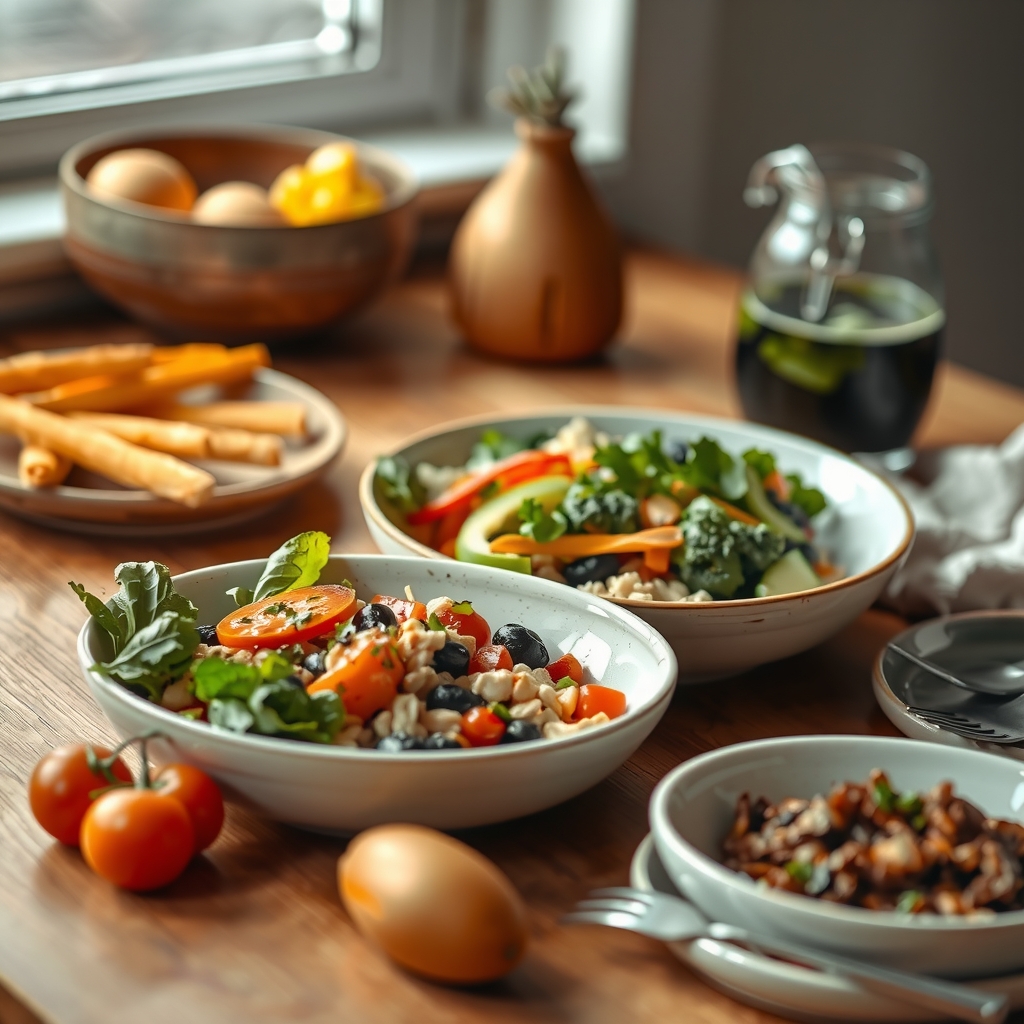
Yes—but expect slower results. You can absolutely lose weight on a vegetarian diet without exercise, but your body will rely more on fat stores *and* muscle. Exercise helps preserve muscle, which keeps metabolism high and reduces belly fat.
How to lose weight without exercise:
- Prioritize protein and fiber to stay full and avoid overeating.
- Walk 8,000–10,000 steps/day (even light movement boosts fat loss).
- Strength train 2x/week with bodyweight exercises (squats, push-ups, resistance bands).
- Sleep 7–9 hours/night (poor sleep increases hunger hormones).
Science-backed tip: A 2024 study in the Journal of Obesity found that vegetarians who added **resistance training** lost **30% more fat** than those who only dieted. Even 10 minutes of bodyweight squats 3x/week makes a difference.
Myth: "You need to exercise to lose weight on a vegetarian diet." Fact: You can lose weight without exercise, but you’ll lose muscle too. For **fat-specific loss** (especially belly fat), add **light movement** (walking, yoga) and **strength training** 2x/week.
--- ## **How does a vegetarian diet compare to vegan or omnivorous diets for weight loss?**Here’s the breakdown based on long-term studies and metabolic research:
| Factor | Vegetarian | Vegan | Omnivorous |
|---|---|---|---|
| Calorie density | Lower (plant-based) | Lowerest | Higher (meat/fat) |
| Protein quality | Good (mix beans + grains) | Good (if planned) | Complete (meat) |
| Fiber intake | High | Highest | Lower | Satiety | High | Highest | Moderate |
| Weight loss rate | 0.5–1.5 kg/week | 0.5–1.5 kg/week | 0.5–1 kg/week (varies) |
| Long-term adherence | High | Moderate | Lowest |
Key takeaways:
- Vegan diets may help slightly more with weight loss because they eliminate all animal fats, but they require *more* planning to avoid nutrient gaps.
- Vegetarian diets are easier to sustain because they include dairy/eggs, which are nutrient-dense and satiating.
- Omnivorous diets can work for weight loss if you choose lean proteins and veggies—but they’re more prone to overeating due to higher calorie density.
- If you’re struggling with cravings, a vegetarian diet might be easier than vegan because you can still enjoy dairy and eggs.
Pro tip: If you’re curious about keto or low-carb, note that vegetarian keto (dairy/eggs + veggies) can work for some—but it’s restrictive and may lack fiber. Most women find a **balanced vegetarian diet** (moderate carbs, healthy fats, protein) more sustainable.
--- ## **What are the best meal plans for vegetarian weight loss in 2026?**Ready for a **7-day vegetarian meal plan** designed for fat loss? Below are two plans: one for **moderate weight loss (1–2 lbs/week)** and one for **faster results (2–3 lbs/week)**. Both include **high-protein, high-fiber foods** and **portion control**.
Note: Adjust portions based on your activity level and hunger cues. Drink **2–3L water/day** and add spices (turmeric, cinnamon) to meals for extra fat-loss benefits.
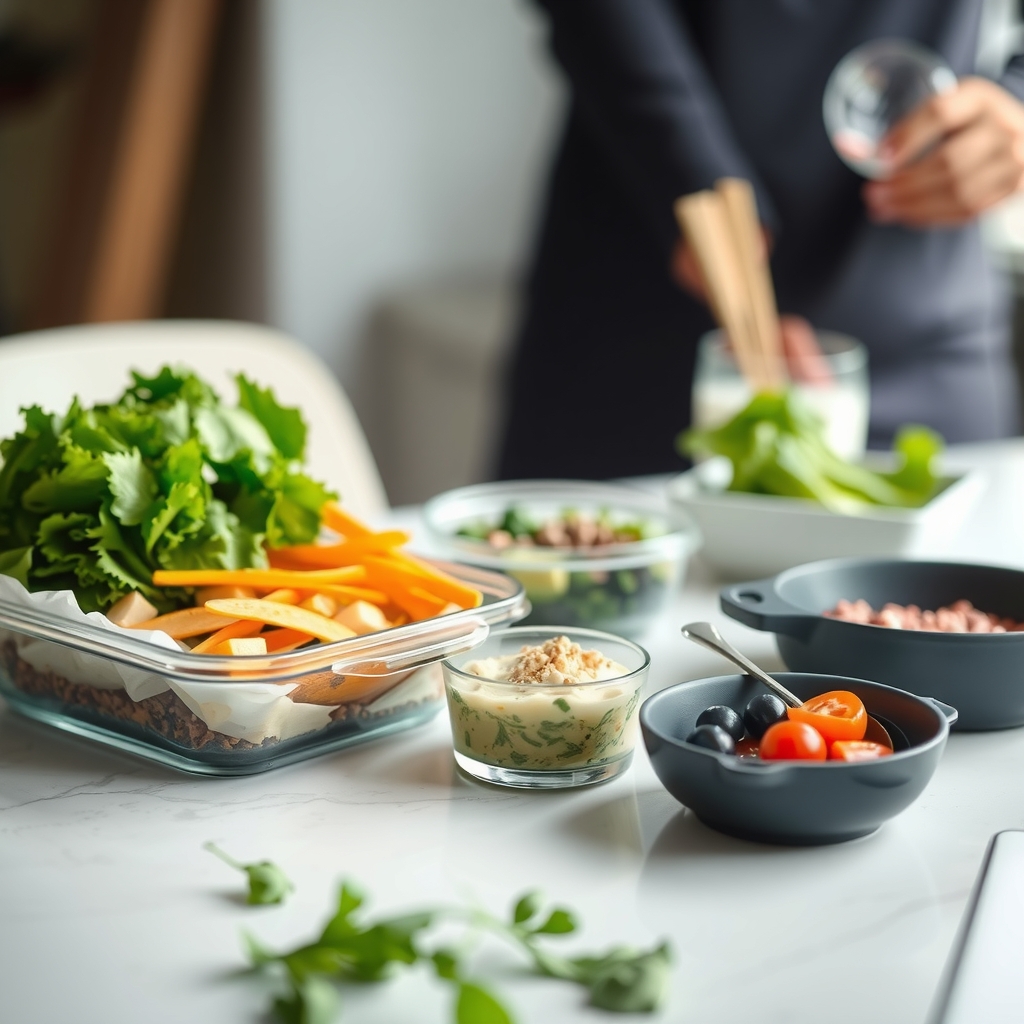
### **Plan 1: Moderate Weight Loss (1,500–1,800 kcal/day)** Day 1 - Breakfast: Greek yogurt (200g) + ½ cup berries + 1 tbsp chia seeds - Lunch: Lentil soup (1 cup lentils, veggies, low-sodium broth) + 1 slice whole-grain bread - Snack: 1 hard-boiled egg + ½ cup cucumber slices - Dinner: Baked tofu (150g) with roasted Brussels sprouts + ½ cup quinoa Day 2 - Breakfast: Oatmeal (½ cup oats) + 1 tbsp almond butter + cinnamon - Lunch: Chickpea salad (1 cup chickpeas, cherry tomatoes, feta, olive oil) + 1 small whole-wheat pita - Snack: 1 small apple + 10 almonds - Dinner: Spinach and ricotta stuffed shells (3 shells) + side salad (arugula, lemon dressing) Day 3 - Breakfast: Smoothie (1 cup spinach, ½ banana, 1 scoop plant protein, almond milk) - Lunch: Quinoa bowl (½ cup quinoa, roasted veggies, ½ avocado, tahini dressing) - Snack: Cottage cheese (½ cup) + ¼ cup pineapple - Dinner: Egg stir-fry (2 eggs, broccoli, mushrooms, soy sauce) + ½ cup brown rice *(Full 7-day plan available in our downloadable guide.)* ### **Plan 2: Faster Results (1,200–1,500 kcal/day)** Key adjustments: - Smaller portions (e.g., ½ cup grains instead of ¾ cup) - More veggies, less carbs - No snacks (or very small ones) Day 1 Example: - Breakfast: 1 scrambled egg + 1 slice whole-grain toast + ½ cup sautéed spinach - Lunch: 1 cup lentil curry (no rice) + 1 tbsp Greek yogurt - Dinner: 150g grilled chicken (or tempeh) + 2 cups roasted veggies + 1 tsp olive oilPro tip: Use meal prep Sundays to save time. Cook grains, roast veggies, and portion snacks in advance.
Most women see **initial results within 1–2 weeks** (water weight loss, reduced bloating). For **fat loss**, expect:
- 1–2 lbs/week (healthy, sustainable rate).
- Visible changes in 4–6 weeks (waistline, energy levels).
- Significant fat loss in 3–6 months (especially belly fat).
Why the delay?
- Your body adapts to lower calories (metabolic slowdown).
- Muscle retention takes time (especially if you’re strength training).
- Water weight fluctuates (especially if you’re reducing sodium).
How to speed up results:
- Add **10–15 minutes of walking daily** (even a short walk boosts fat oxidation).
- Prioritize **protein at every meal** (20–30g) to preserve muscle.
- Sleep **7–9 hours/night** (poor sleep increases cortisol, which stores fat).
- Track **non-scale victories** (better sleep, more energy, clothes fitting looser).
Myth: "You’ll see dramatic weight loss in the first week." Fact: The first 3–5 lbs is often water weight. For **fat loss**, be patient—consistency wins.
--- ## **Vegetarian weight loss tips for first-time moms**If you’re a new mom trying to lose weight on a vegetarian diet, you’re not alone. Many moms struggle with **time, energy, and cravings**—but a plant-based approach can actually help. Here’s how:
- Prioritize protein to keep energy up. Eggs, Greek yogurt, and lentils are quick, nutrient-dense options.
- Meal prep in 20-minute batches (e.g., roast a big tray of veggies on Sunday).
- Snack on "grab-and-go" foods like hard-boiled eggs, hummus + veggies, or protein shakes.
- Hydrate with herbal tea (cinnamon or ginger tea helps with cravings).
- Involve your partner/baby—let them help with snack prep or "family smoothies."
- Be kind to yourself—postpartum weight loss takes time, especially if you’re breastfeeding (read our guide).
Real mom story: "I lost 15 lbs in 3 months after switching to vegetarian meals—mostly because I stopped eating junk food while nursing. My go-to was **overnight oats with chia seeds and berries** (no prep, just grab and go)."
--- ## **Can you lose belly fat specifically on a vegetarian diet?**Yes—but it’s not about the diet alone. Visceral (belly) fat is influenced by:
- Hormones (cortisol, insulin)—vegetarian diets reduce inflammation, which lowers cortisol.
- Fiber intake—soluble fiber (oats, beans) feeds gut bacteria, which reduces fat storage.
- Protein—keeps you full and prevents muscle loss (which slows metabolism).
- Exercise (especially strength training)—targets belly fat directly.
How to spot-reduce belly fat:
- Add **resistance training** 3x/week (squats, planks, deadlifts).
- Reduce refined carbs (white bread, sugary snacks).
- Manage stress (meditation, walks—high cortisol = belly fat).
- Sleep 7+ hours/night (poor sleep increases belly fat storage).
Myth: "You can lose belly fat by crunches alone." Fact: Spot reduction doesn’t work. Combine diet + strength training + stress management for best results.
--- ## **Vegetarian weight loss supplements that actually work**Not all supplements are created equal. Here are the **most evidence-backed** for vegetarian weight loss:
| Supplement | Typical Dose | Best Time to Take | Food Sources | Known Interactions |
|---|---|---|---|---|
| Vitamin D | 1,000–2,000 IU/day | Morning with breakfast | Fortified plant milks, mushrooms | Fat-soluble (don’t overdo) |
| Magnesium | 300–400 mg/day | Before bed | Spinach, almonds, pumpkin seeds | Diuretics, antacids |
| Omega-3s (DHA/EPA) | 1,000–2,000 mg/day | With meals | Flaxseeds, chia, walnuts | Blood thinners |
| Probiotics | 10–50 billion CFU | Morning or evening | Sauerkraut, tempeh, yogurt | Autoimmune conditions |
| Green tea extract | 250–500 mg/day | Morning | Matcha, green tea | Caffeine sensitivity |
Caution: Avoid "fat burners" with stimulants (caffeine, guarana)—they can cause crashes and dehydration. Stick to **whole-food-based supplements**.
--- ## **How to transition from omnivore to vegetarian for weight loss without feeling deprived**The first week is the hardest. Here’s how to **smooth the transition** without feeling like you’re missing out:
- Replace, don’t eliminate
Swap meat for plant proteins *one meal at a time*. For example:
- Breakfast: Eggs → Tofu scramble
- Lunch: Chicken salad → Chickpea salad
- Dinner: Beef stir-fry → Tempeh stir-fry
- Keep familiar flavors
Use spices, sauces, and herbs you love. For example:
- Add soy sauce or teriyaki to tofu.
- Use pesto on veggie pasta.
- Make "meatless" tacos with lentils and cheese.
- Plan for cravings
If you crave meat, try:
- Mushrooms (they have an umami "meaty" taste).
- Seitan (wheat gluten—high-protein, chewy).
- Black garlic or nutritional yeast for a savory depth.
- Find vegetarian versions of your favorite foods
Look for:
- Vegan burgers (but check calories—some are high in fat).
- Plant-based milks (unsweetened almond or oat).
- Dairy-free cheese (for flavor, not habit).
- Focus on the benefits
Write down why you’re doing this: better energy, clearer skin, less bloating. Remind yourself that **plant-based meals are naturally lower in calories**—you’re not restricting, you’re optimizing.
Let’s clear up the biggest misconceptions:
- Myth: "Vegetarians gain weight because they eat too much." Fact: Vegetarians *tend* to weigh less because plant foods are lower in calories and higher in fiber. The issue is usually **processed vegetarian foods** (vegan junk food), not whole foods.
- Myth: "You can’t get enough protein on a vegetarian diet." Fact: You can easily meet protein needs with beans, tofu, Greek yogurt, and eggs. Just mix and match (e.g., rice + beans = complete protein).
- Myth: "Vegetarian diets are always healthy." Fact: A vegetarian diet of chips, vegan cheese, and soda isn’t healthy. Focus on **whole foods** (veggies, legumes, whole grains) for best results.
- Myth: "You’ll lose weight automatically on a vegetarian diet." Fact: Weight loss depends on **calories in vs. out**. You can eat too many calories on a vegetarian diet (e.g., eating a whole bag of vegan chips).
- Vegetarian diets promote weight loss because plant foods are lower in calories and higher in fiber, keeping you fuller longer.
- Focus on whole foods (legumes, veggies, whole grains) and avoid processed vegetarian junk.
- Prioritize protein (20–30g per meal) to preserve muscle and stay

