Yes, a well-planned vegan pregnancy diet can be safe and healthy for both mom and baby. Learn how to get all essential nutrients like B12, iron, and omega-3s for optimal prenatal health.
By Shubhra Mishra — a mom of two who turned her own confusion during pregnancy into BumpBites, a global mission to make food choices clear, safe, and stress-free for every expecting mother. 💛
Check whether any food is safe during pregnancy with the BumpBites Food Safety Checker.
Quick take: A well-planned vegan diet can be perfectly safe and healthy during pregnancy, providing all the nutrients you and your baby need. Focus on a variety of whole plant foods, pay close attention to key nutrients like B12, iron, calcium, and omega-3s, and always take a high-quality prenatal vitamin. Regular check-ins with your healthcare provider are essential to ensure optimal health for both of you.
It's 2 a.m., you're scrolling through your phone, and a familiar worry bubbles up: *Can I really stay vegan during pregnancy? Will my baby get everything they need?* If you've been eating a plant-based diet for years, or are considering one for your pregnancy, it’s natural to feel a mix of excitement and anxiety about navigating this special time. We understand that concern – you want the absolute best for your growing little one.
The good news is that with careful planning and the right nutritional knowledge, a vegan pregnancy diet can be incredibly nourishing, offering numerous benefits for both mom and baby. Leading health organizations like the Academy of Nutrition and Dietetics and the British Dietetic Association confirm that well-planned vegan diets are appropriate for all stages of life, including pregnancy and lactation.
At BumpBites, we're here to guide you through making informed, confident choices. This comprehensive guide will walk you through everything you need to know about maintaining a healthy and thriving vegan pregnancy, from essential nutrients and meal planning to busting common myths and knowing when to reach out to your healthcare team.
What to eat on a vegan pregnancy diet for optimal health?
A healthy vegan pregnancy diet focuses on a wide variety of whole, unprocessed plant foods. Think of it as a rainbow on your plate, packed with fruits, vegetables, grains, legumes, nuts, and seeds. While the principles of healthy eating remain similar to a non-pregnant vegan diet, your body’s needs for certain nutrients increase significantly during pregnancy to support your baby's rapid growth and your own changing physiology.
Prioritizing nutrient-dense foods is key. This means choosing options that deliver a big nutritional punch for their calorie content. For example, instead of just white rice, opt for brown rice or quinoa. Instead of plain pasta, choose whole wheat or legume-based pasta. Filling your plate with these foundational foods helps ensure you’re getting the macronutrients (carbohydrates, protein, fats) and micronutrients (vitamins, minerals) essential for a healthy pregnancy.
Fruits and Vegetables: Aim for at least 5-7 servings daily, including a variety of colors. Dark leafy greens (spinach, kale, collard greens) are powerhouses of folate, iron, calcium, and vitamins K and A. Berries, citrus fruits, and bell peppers offer plenty of Vitamin C, which aids iron absorption.
Legumes: Beans, lentils, chickpeas, and peas are excellent sources of protein, fiber, iron, folate, and zinc. They are versatile and can be incorporated into countless dishes, from stews and curries to salads and spreads.
Whole Grains: Quinoa, brown rice, oats, whole wheat bread, and pasta provide complex carbohydrates for sustained energy, as well as fiber, B vitamins, and magnesium.
Nuts and Seeds: Walnuts, chia seeds, flaxseeds, and hemp seeds are rich in omega-3 fatty acids, crucial for fetal brain and eye development. Almonds, cashews, and pumpkin seeds offer protein, healthy fats, and minerals like zinc and iron.
Fortified Foods: Look for plant milks (soy, almond, oat) and cereals fortified with vitamin B12, calcium, and vitamin D. These can be important for filling potential nutritional gaps.
Remember, while the emphasis is on whole foods, occasional treats and convenience foods are fine in moderation. The goal is balance and consistency in your daily intake.
Planning a vegan pregnancy diet for beginners: Where to start?
If you're new to veganism or just starting to plan your pregnancy diet, it can feel a little overwhelming. But don't worry, we've broken it down into manageable steps. The most important thing is to start early and focus on building sustainable habits. Many moms find that taking a proactive approach to their nutrition helps ease anxiety.
Your first step should always be to consult with your healthcare provider, whether that's your OB-GYN, midwife, or a registered dietitian specializing in prenatal nutrition. They can offer personalized advice, monitor your nutrient levels, and recommend specific supplements tailored to your needs. This partnership is invaluable.
Essential steps for beginners
Educate Yourself: Read up on vegan nutrition, especially concerning pregnancy. Understanding which nutrients are critical and where to find them in plant foods is empowering. Reputable sources like the Academy of Nutrition and Dietetics or the Physicians Committee for Responsible Medicine (PCRM) offer excellent resources.
Focus on Variety: Don't get stuck eating the same few meals. A diverse diet ensures you're getting a broad spectrum of nutrients. Experiment with new fruits, vegetables, grains, and legumes each week.
Meal Planning is Your Friend: Pregnancy can bring fatigue and unpredictable cravings. Planning meals and snacks in advance can prevent you from reaching for less nutritious options when hunger strikes. Batch cooking components like grains, beans, or roasted vegetables can save time during the week.
Stock Your Pantry: Keep your kitchen well-stocked with vegan staples: canned beans, lentils, whole grains, nuts, seeds, plant milks, and frozen fruits and vegetables. This makes healthy meal prep much easier.
Prioritize Prenatal Vitamins: This is non-negotiable for all pregnant women, but especially important for those on a vegan diet. Ensure your prenatal vitamin contains adequate folic acid, iron, and importantly, vitamin B12. Some women may also need separate supplements for vitamin D, iodine, and omega-3s (DHA/EPA from algae). Discuss this with your doctor.
Listen to Your Body: Cravings and aversions are common in pregnancy. Try to honor them in a healthy way. If you're craving something specific, see if there's a nutrient-dense vegan alternative. For example, if you crave ice cream, try a banana "nice" cream.
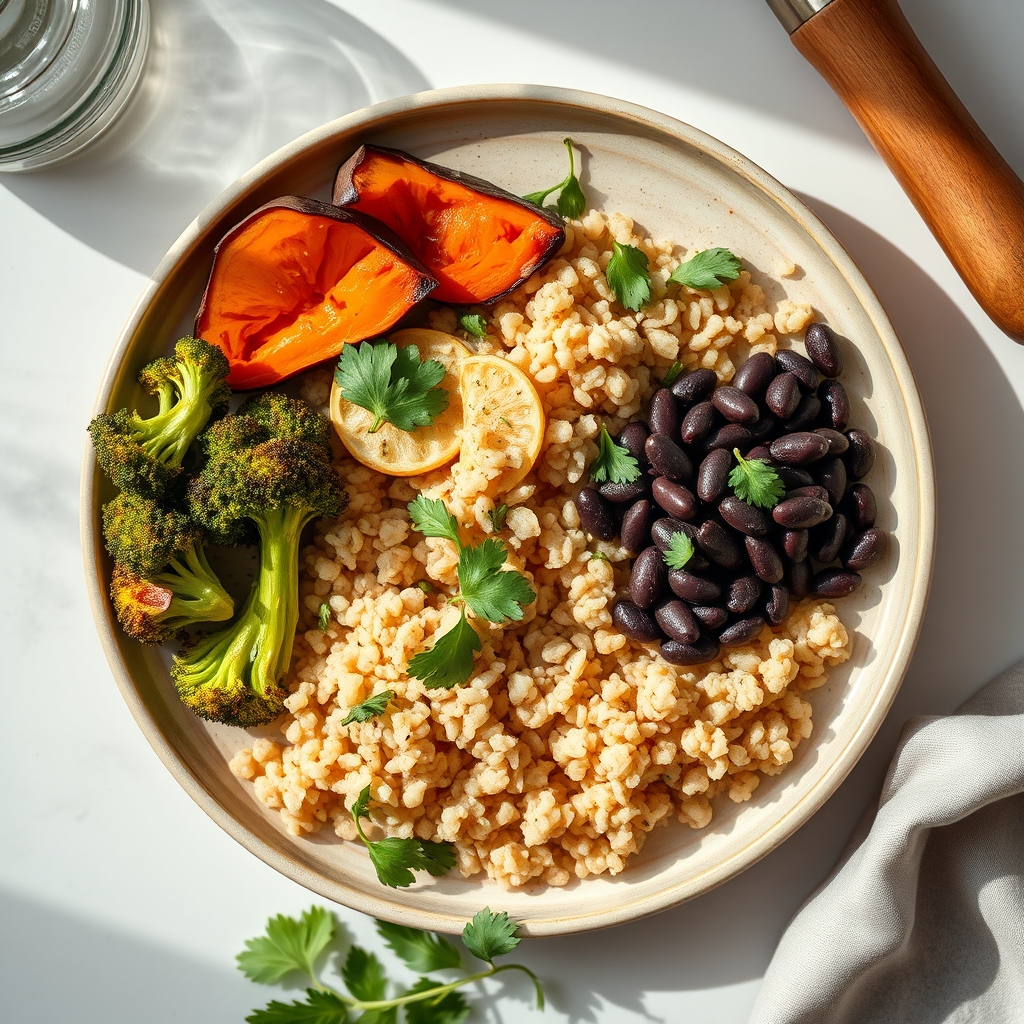
Aim for a colorful plate rich in whole grains, legumes, and plenty of fresh fruits and vegetables.
What are the benefits of a vegan diet during pregnancy?
Beyond the ethical and environmental considerations that draw many to veganism, a well-planned vegan diet can offer distinct health advantages during pregnancy. These benefits often stem from the diet's inherent richness in fiber, vitamins, minerals, and antioxidants, alongside its lower saturated fat content compared to diets that include animal products.
Many studies suggest that plant-based diets can contribute to overall wellness, and these advantages often extend into pregnancy. For instance, the high fiber content in a vegan diet can be a real blessing during pregnancy, helping to alleviate common discomforts like constipation and hemorrhoids, which affect many expecting mothers.
Potential benefits include
Reduced Risk of Gestational Diabetes: Research indicates that plant-based diets are associated with a lower risk of developing gestational diabetes. This is likely due to their high fiber content, which helps stabilize blood sugar levels, and their lower intake of saturated fats and processed foods.
Healthy Weight Gain: While weight gain is essential and healthy during pregnancy, excessive gain can lead to complications. Vegan diets, when properly planned with whole foods, tend to be lower in calories and saturated fat, which can support healthy weight gain within recommended ranges.
Lower Risk of Preeclampsia: Some studies suggest that diets rich in fruits, vegetables, and whole grains, characteristic of a vegan diet, may be associated with a lower risk of preeclampsia, a serious blood pressure condition in pregnancy.
Improved Digestive Health: The abundant fiber from plant foods promotes regular bowel movements, preventing constipation, a very common and uncomfortable pregnancy complaint. Fiber also supports a healthy gut microbiome, which is increasingly understood to play a role in both maternal and infant health.
Rich in Antioxidants and Phytonutrients: Plant foods are bursting with antioxidants and phytonutrients that protect cells from damage and support overall immune function, which is particularly important during pregnancy when your immune system is naturally altered.
Potential for a Healthier Maternal Microbiome: A diverse plant-based diet can foster a healthier gut microbiome in the mother, which can have positive implications for the baby's developing immune system and long-term health.
It's important to remember that these benefits are most pronounced when the vegan diet is based on whole, unprocessed foods and is carefully planned to meet all nutritional requirements. A vegan diet high in processed junk food would not offer the same advantages.
How to avoid nutrient deficiencies on a vegan pregnancy diet
One of the primary concerns for anyone adopting a vegan diet during pregnancy is ensuring adequate intake of all essential nutrients. While a vegan diet can provide nearly everything you need, a few nutrients require special attention because they are less bioavailable in plant form or primarily found in animal products. This is where strategic food choices and targeted supplementation become crucial.
Many expecting parents on a vegan diet find peace of mind by working closely with a registered dietitian who can help tailor a plan, especially to ensure all micronutrient needs are met. This personalized guidance is invaluable for tracking your intake and making adjustments.
Key nutrients to focus on and how to get them
Vitamin B12: This is the most critical nutrient for vegans. B12 is not made by plants; it's produced by bacteria. Deficiency can lead to irreversible neurological damage in both mother and baby.
How to get it: Fortified foods (plant milks, cereals, nutritional yeast) and a reliable B12 supplement are essential. The NHS recommends a B12 supplement for all vegans.
Iron: Iron needs nearly double during pregnancy to support increased blood volume and fetal development. Plant-based iron (non-heme iron) is less readily absorbed than heme iron from animal sources.
How to get it: Rich sources include lentils, beans, tofu, spinach, fortified cereals, pumpkin seeds, and dried apricots. Crucially, consume iron-rich foods with Vitamin C (citrus, bell peppers, broccoli) to significantly boost absorption. Avoid drinking tea or coffee with iron-rich meals, as tannins can inhibit absorption.
Calcium: Essential for baby's bones and teeth, and for maintaining your own bone density.
How to get it: Fortified plant milks (almond, soy, oat), fortified orange juice, tofu (calcium-set), collard greens, kale, broccoli, sesame seeds/tahini, and fortified cereals. Many women find a calcium supplement helpful, especially if dairy alternatives are not a regular part of their diet.
Omega-3 Fatty Acids (DHA/EPA): Crucial for fetal brain and eye development. While ALA (alpha-linolenic acid) is found in many plant foods, converting it to DHA and EPA is inefficient.
How to get it: Ground flaxseeds, chia seeds, hemp seeds, and walnuts provide ALA. For direct DHA/EPA, an algae-based omega-3 supplement is highly recommended. The American College of Obstetricians and Gynecologists (ACOG) emphasizes the importance of DHA during pregnancy.
Iodine: Vital for thyroid function and fetal brain development.
How to get it: Iodine can be found in iodized salt and some sea vegetables (though consumption of sea vegetables should be moderate and varied due to potential for excessive iodine or heavy metals). A prenatal vitamin containing iodine is often recommended.
Zinc: Important for cell growth, immune function, and enzyme activity.
How to get it: Legumes (lentils, chickpeas), nuts (cashews, almonds), seeds (pumpkin, sesame), whole grains, and tofu. Soaking and sprouting legumes and grains can improve zinc absorption.
Vitamin D: Essential for calcium absorption and bone health, and plays a role in immune function.
How to get it: Sunlight exposure (if safe and adequate), fortified plant milks, and a vitamin D supplement (often included in prenatal vitamins). Many healthcare providers recommend a separate vitamin D supplement for all pregnant women, regardless of diet, especially in regions with limited sunlight.
Working with your healthcare provider to monitor your levels of these key nutrients through blood tests can provide reassurance and allow for timely adjustments to your diet or supplementation regimen. This proactive approach ensures you're meeting all your and your baby's needs.
Key Nutrient
Why it's Important in Pregnancy
Excellent Vegan Sources
Daily Recommendation (Pregnancy)
Vitamin B12
Fetal brain/nervous system development, red blood cell formation
Algae-based DHA/EPA supplement; ALA from flaxseeds, chia seeds, walnuts
200-300 mg DHA (supplement recommended)
Iodine
Fetal brain development, thyroid hormone production
Iodized salt, prenatal vitamin with iodine, some sea vegetables (in moderation)
220 mcg
Zinc
Cell growth, immune function, DNA synthesis
Legumes, nuts, seeds, whole grains, tofu
11 mg
Vitamin D
Calcium absorption, bone health, immune support
Sunlight exposure, fortified foods, Vitamin D supplement
600 IU (15 mcg), often higher with supplement
How to get enough protein on a vegan pregnancy diet
Protein is a cornerstone nutrient for pregnancy, essential for the rapid growth of fetal tissues, the placenta, and your own increased blood volume and breast tissue development. The good news is that meeting your protein needs on a vegan diet is very achievable with a little planning, as many plant foods are excellent protein sources.
During pregnancy, protein requirements increase, typically from around 0.8 grams per kilogram of body weight to about 1.1 grams per kilogram, or roughly 70-100 grams per day, depending on your individual needs and stage of pregnancy. This might sound like a lot, but by incorporating protein-rich plant foods into every meal and snack, you can easily reach this target.
Excellent vegan protein sources
Legumes: Beans (black, kidney, pinto), lentils, chickpeas, and peas are incredibly versatile and packed with protein and fiber. A cup of cooked lentils can provide around 18 grams of protein.
Tofu and Tempeh: These soy-based foods are complete proteins, meaning they contain all nine essential amino acids. Tofu can be scrambled, baked, or added to stir-fries, while tempeh (fermented soybean cake) has a heartier texture and can be marinated and grilled.
Edamame: Fresh or frozen soybeans, edamame are a delicious snack or addition to meals, offering around 18 grams of protein per cup.
Seitan: Made from wheat gluten, seitan is a chewy, meat-like protein source, providing around 25 grams of protein per 3-ounce serving. (Avoid if you have a gluten intolerance).
Nuts and Seeds: Almonds, peanuts, cashews, walnuts, pumpkin seeds, sunflower seeds, chia seeds, and hemp seeds all contribute significant protein, healthy fats, and other minerals. Nut butters are also excellent.
Whole Grains: Quinoa is a complete protein, offering about 8 grams per cooked cup. Other whole grains like oats, brown rice, and whole wheat bread also provide protein, though in smaller amounts.
Nutritional Yeast: A cheesy-flavored seasoning, nutritional yeast is a good source of protein and often fortified with B vitamins, including B12.
To ensure you're getting a complete amino acid profile, aim to eat a variety of plant proteins throughout the day. While it was once thought you needed to combine specific plant proteins in a single meal (e.g., rice and beans), we now know that simply eating a diverse range of plant proteins over the course of a day is sufficient. Your body stores amino acids and can combine them as needed.
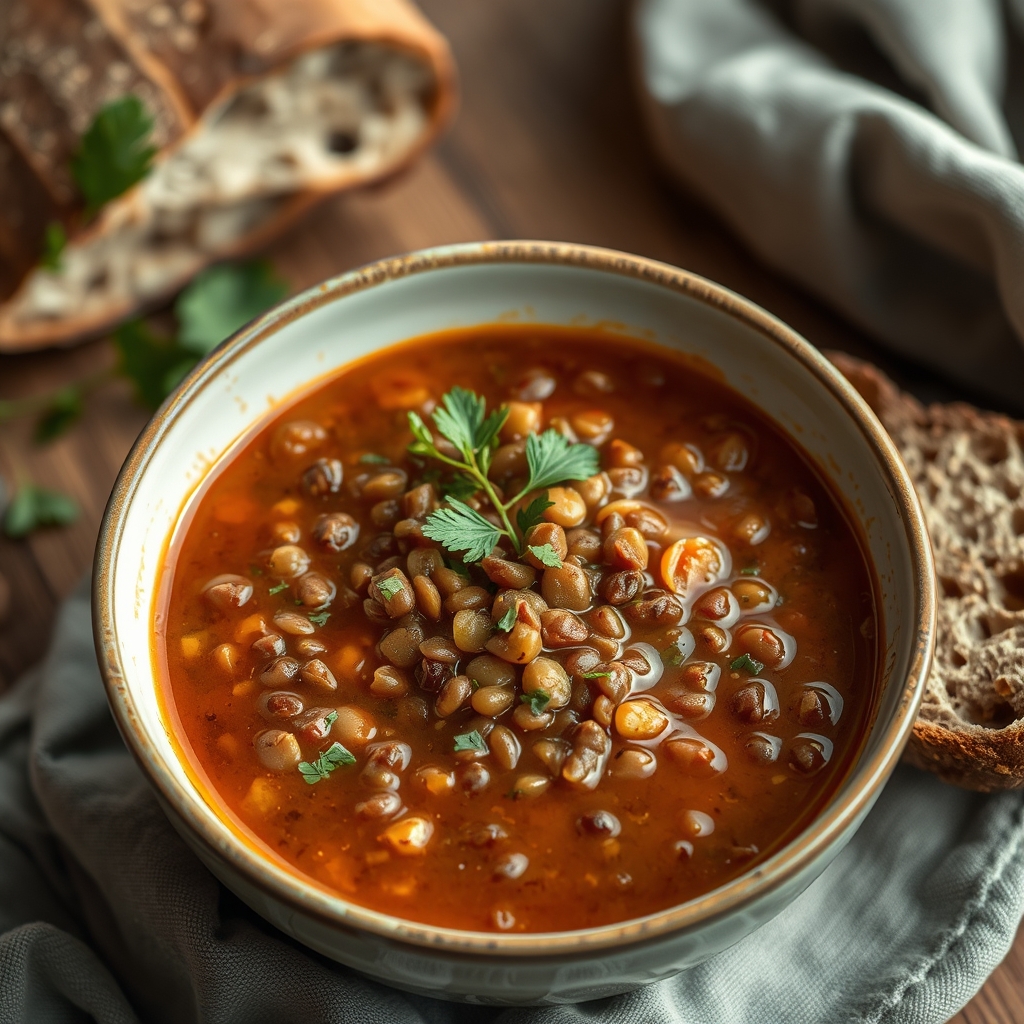
Lentils are an excellent source of protein, iron, and fiber for a healthy vegan pregnancy.
Vegan pregnancy diet meal ideas and recipes to try
Eating a vegan diet during pregnancy doesn't mean sacrificing flavor or variety. In fact, many moms find it an exciting opportunity to explore new foods and cooking styles. The key is to think about how to build balanced meals that include protein, complex carbohydrates, healthy fats, and plenty of fruits and vegetables.
One BumpBites reader shared, "I used to worry about feeling deprived, but my vegan pregnancy actually pushed me to be more creative in the kitchen. I discovered so many delicious ways to incorporate lentils and tofu that I never would have tried before!" This creativity can make mealtime enjoyable and ensure you're getting all the good stuff.
Sample day of vegan pregnancy meals
Breakfast: Oatmeal made with fortified soy milk, topped with chia seeds, walnuts, and berries. Or a tofu scramble with spinach and nutritional yeast, served with whole-wheat toast and a side of avocado.
Morning Snack: Apple slices with almond butter, or a small handful of pumpkin seeds and dried apricots.
Lunch: Large lentil and vegetable soup with a whole-grain roll, or a quinoa salad with chickpeas, roasted vegetables, and a lemon-tahini dressing.
Afternoon Snack: Hummus and veggie sticks (carrots, cucumber, bell peppers), or a fortified plant-based yogurt with flax meal.
Dinner: Black bean burgers on whole-wheat buns with plenty of lettuce and tomato, served with a side of sweet potato fries. Or a chickpea and spinach curry with brown rice and steamed broccoli.
Evening Snack: A small bowl of fortified cereal with plant milk, or a smoothie made with plant milk, spinach, banana, and a scoop of vegan protein powder (if desired and approved by your doctor).
Vegan alternatives to traditional pregnancy snacks:
Instead of dairy yogurt: Fortified coconut, almond, or soy yogurt.
Instead of cheese sticks: Roasted chickpeas or nutritional yeast "cheesy" popcorn.
Instead of beef jerky: Mushroom jerky or roasted edamame.
Instead of a tuna sandwich: Chickpea "tuna" salad sandwich.
Instead of dairy ice cream: Banana "nice" cream or sorbet.
When you're out and about or visiting friends, don't hesitate to communicate your dietary needs in advance. Most hosts are happy to accommodate, and many restaurants now offer excellent vegan options. Consider bringing a dish to share if you're unsure about the options available. This proactive approach can reduce stress and ensure you always have something nourishing to eat.
Can a vegan diet harm my unborn baby?
This is often the deepest worry for expecting vegan parents, and it’s a valid one. The resounding answer from major health organizations is clear: **a well-planned vegan diet is not harmful to your unborn baby and can fully support a healthy pregnancy.** In fact, as discussed, it can offer several benefits.
The potential for harm arises only if the diet is *not* well-planned, leading to significant nutrient deficiencies. This isn't unique to veganism; any restrictive diet, whether omnivorous, vegetarian, or vegan, can be detrimental if it lacks essential nutrients. For example, a non-vegan diet consisting solely of processed foods and sugary drinks would also be harmful.
The critical element is diligent planning and attention to key nutrients, as outlined above. When you prioritize whole plant foods, ensure adequate protein and calorie intake, and consistently take your prenatal vitamins and any other recommended supplements (like B12 and DHA), your baby will receive all the building blocks they need to grow and thrive.
There's no scientific evidence to suggest that a properly managed vegan diet increases the risk of miscarriage, preterm birth, or birth defects. On the contrary, studies often show that vegan pregnant women have healthy pregnancies and healthy birth outcomes, sometimes even with a lower risk of certain complications. Your body is incredibly efficient at prioritizing your baby's needs, often at the expense of your own stores, which is why maternal nutrition is so important.
The confidence that comes from knowing you are fueling your body and baby with nutrient-dense, plant-based foods can also contribute to a positive mental state during pregnancy, which is beneficial for both of you.
Managing weight gain on a vegan pregnancy diet
Healthy weight gain is a crucial aspect of a healthy pregnancy, regardless of your dietary choices. It ensures your baby has adequate nutrition for growth and development, and that your body has the reserves needed for labor and postpartum recovery. For vegan pregnant women, the principles of managing weight gain are similar to those for non-vegans, but with an emphasis on nutrient-dense plant foods.
Recommended weight gain ranges vary based on your pre-pregnancy Body Mass Index (BMI). For example, the American College of Obstetricians and Gynecologists (ACOG) typically recommends a gain of 25-35 pounds for women with a normal BMI, 28-40 pounds for those underweight, and 15-25 pounds for those who are overweight. Your healthcare provider will discuss your individual target.
Tips for healthy weight gain on a vegan diet
Prioritize Calorie-Dense, Nutrient-Rich Foods: While vegan diets can sometimes be lower in calories due to high fiber content, it's important to ensure adequate energy intake. Incorporate healthy fats from avocados, nuts, seeds, and nut butters. Don't shy away from whole grains and legumes, which provide sustained energy.
Eat Regularly: Aim for three balanced meals and 2-3 nutritious snacks throughout the day. This helps keep your energy levels stable and prevents extreme hunger, which can lead to less healthy choices.
Listen to Hunger Cues: Pregnancy often increases appetite. Respond to genuine hunger with wholesome plant foods. If you're unsure if it's hunger or a craving, try drinking a glass of water first.
Mindful Eating: Pay attention to your food, eat slowly, and savor your meals. This can help you recognize when you're full and prevent overeating.
Stay Hydrated: Drinking plenty of water is important for overall health and can sometimes be mistaken for hunger.
Incorporate Gentle Exercise: Unless advised otherwise by your doctor, regular, moderate physical activity can help manage weight gain and improve overall well-being during pregnancy.
If you're finding it difficult to gain weight, or are gaining too much, discuss this with your healthcare provider or a registered dietitian. They can help you adjust your calorie and nutrient intake to ensure you're on track for a healthy pregnancy. Remember, every body is different, and your individual needs will be unique.
From our medical team: "Many women express concern about nutrient deficiencies on a vegan diet during pregnancy. Our advice is simple: be proactive. Work with a dietitian, take your prenatal supplements diligently, and don't hesitate to ask for blood tests to monitor key levels. A well-managed vegan diet is absolutely feasible and can be wonderfully healthy for you and your baby."
Myth vs. fact: Vegan pregnancy diets
There are many misconceptions floating around about vegan diets, and these often amplify when it comes to pregnancy. Let's clear up some common myths with scientific facts.
Myth: A vegan diet can't provide enough protein for a pregnant woman and her baby.
Fact: This is a persistent myth! Plant-based foods like lentils, beans, tofu, tempeh, quinoa, nuts, and seeds are excellent sources of protein. By eating a varied diet and ensuring adequate calorie intake, vegan pregnant women can easily meet their increased protein needs. The human body is remarkably efficient at utilizing amino acids from various plant sources throughout the day.
Myth: Vegan diets are too restrictive and lead to cravings for animal products.
Fact: While some women may experience specific cravings during pregnancy, these are often linked to texture, flavor, or psychological factors rather than a true nutritional need for animal products. Many vegan moms find that they can satisfy cravings with plant-based alternatives or simply by eating a balanced, satisfying vegan diet. For example, a craving for a burger might be satisfied by a hearty black bean burger, or a craving for cheese might be met with nutritional yeast or vegan cheese alternatives.
Myth: Vegan babies will be smaller or less healthy than non-vegan babies.
Fact: This is untrue. Numerous studies and the positions of major health organizations affirm that infants born to mothers on well-planned vegan diets are typically born at a healthy weight and show no differences in growth or development compared to infants of non-vegan mothers. The health outcomes are consistently positive when the mother's diet is nutritionally adequate and supplemented appropriately.
Key takeaways
A well-planned vegan diet is safe and healthy for pregnancy and lactation.
Consult your healthcare provider and consider a registered dietitian for personalized guidance.
Take a high-quality prenatal vitamin that includes B12, folic acid, and iron.
Prioritize key nutrients like B12, iron, calcium, omega-3s (DHA/EPA from algae), iodine, and vitamin D.
Focus on a diverse range of whole plant foods: fruits, vegetables, legumes, whole grains, nuts, and seeds.
Meeting protein needs is easily achievable with varied plant sources like beans, lentils, tofu, and nuts.
Healthy weight gain and managing common pregnancy discomforts like constipation can be supported by a fiber-rich vegan diet.
Frequently asked questions
Is a vegan diet safe during pregnancy?
Yes, absolutely. Major health organizations like the Academy of Nutrition and Dietetics confirm that well-planned vegan diets are safe and healthy for all stages of life, including pregnancy, provided they are nutritionally adequate and supplemented correctly. The key is careful planning and attention to specific nutrients.
What are some good vegan sources of omega-3 fatty acids for pregnancy?
For ALA (alpha-linolenic acid), excellent vegan sources include ground flaxseeds, chia seeds, hemp seeds, and walnuts. For direct DHA and EPA (the most active forms crucial for fetal brain and eye development), an algae-based omega-3 supplement is strongly recommended, as the body's conversion of ALA to DHA/EPA is inefficient.
How do I get enough iron on a vegan pregnancy diet?
Focus on plant-based iron sources like lentils, beans, tofu, spinach, fortified cereals, and pumpkin seeds. To maximize absorption, always pair these with a source of Vitamin C, such as citrus fruits, bell peppers, or broccoli, and avoid consuming tea or coffee with iron-rich meals.
Can I get enough calcium on a vegan pregnancy diet?
Yes, you can. Excellent vegan calcium sources include fortified plant milks (soy, almond, oat), calcium-set tofu, dark leafy greens (kale, collard greens), sesame seeds (tahini), and fortified orange juice. Many vegan pregnant women find a calcium supplement helpful to ensure consistent adequate intake.
How can I ensure I'm getting enough vitamin B12 on a vegan pregnancy diet?
Vitamin B12 is crucial and not reliably found in unfortified plant foods. It is essential to take a reliable vitamin B12 supplement throughout your vegan pregnancy. Additionally, incorporate fortified foods like nutritional yeast, certain plant milks, and fortified cereals into your diet as an extra measure.
What are some vegan pregnancy nutrition tips for women over 35?
While the core principles remain the same, women over 35 may have slightly higher nutritional needs, particularly for folic acid and vitamin D. Ensure your prenatal vitamin is comprehensive, discuss specific supplementation with your doctor, and continue to prioritize nutrient-dense whole foods. Regular monitoring of nutrient levels is especially important.
When to call your doctor
While a vegan pregnancy can be very healthy, it's always important to be vigilant for any concerning symptoms. Contact your doctor or midwife if you experience:
Unexplained fatigue that doesn't improve with rest, which could indicate iron deficiency anemia.
Persistent nausea and vomiting that prevents you from keeping food down, leading to concerns about nutrient intake.
Significant, rapid weight loss or lack of appropriate weight gain.
Any signs of nutrient deficiency, such as tingling in your extremities (B12 deficiency) or severe muscle cramps (calcium/magnesium deficiency).
Concerns about your baby's movements or any unusual symptoms.
This article is for informational purposes only and is not a substitute for professional medical advice. Always consult with your healthcare provider for personalized guidance regarding your pregnancy and dietary choices.
References
Academy of Nutrition and Dietetics. (2016). Position of the Academy of Nutrition and Dietetics: Vegetarian Diets. Journal of the Academy of Nutrition and Dietetics, 116(12), 1970-1980.
American College of Obstetricians and Gynecologists (ACOG). (2020). Nutrition During Pregnancy. ACOG Practice Bulletin No. 225.
British Dietetic Association (BDA). (2017). The British Dietetic Association (BDA) confirms well-planned vegan diets can support healthy living at every age and stage of life.
NHS. (2023). Vitamins, supplements and nutrition in pregnancy. Retrieved from www.nhs.uk/pregnancy/keeping-well/vitamins-supplements-and-nutrition/
Mayo Clinic. (2022). Pregnancy diet: Focus on these essential nutrients. Retrieved from www.mayoclinic.org/healthy-lifestyle/pregnancy-week-by-week/in-depth/pregnancy-nutrition/art-20045082
Physicians Committee for Responsible Medicine (PCRM). (2023). Healthy Pregnancy. Retrieved from www.pcrm.org/health-topics/healthy-pregnancy
RCOG (Royal College of Obstetricians and Gynaecologists). (2019). Healthy eating and vitamin supplements in pregnancy. Retrieved from www.rcog.org.uk/for-the-public/browse-all-patient-information-leaflets/healthy-eating-and-vitamin-supplements-in-pregnancy/
Quick take: A well-planned vegan diet can be perfectly safe and healthy during pregnancy, providing all the nutrients you and your baby need. Focus on a variety of whole plant foods, pay close attention to key nutrients like B12, iron, calcium, and omega-3s, and always take a high-quality prenatal vitamin. Regular check-ins with your healthcare provider are essential to ensure optimal health for both of you.
It's 2 a.m., you're scrolling through your phone, and a familiar worry bubbles up: *Can I really stay vegan during pregnancy? Will my baby get everything they need?* If you've been eating a plant-based diet for years, or are considering one for your pregnancy, it’s natural to feel a mix of excitement and anxiety about navigating this special time. We understand that concern – you want the absolute best for your growing little one.
The good news is that with careful planning and the right nutritional knowledge, a vegan pregnancy diet can be incredibly nourishing, offering numerous benefits for both mom and baby. Leading health organizations like the Academy of Nutrition and Dietetics and the British Dietetic Association confirm that well-planned vegan diets are appropriate for all stages of life, including pregnancy and lactation.
At BumpBites, we're here to guide you through making informed, confident choices. This comprehensive guide will walk you through everything you need to know about maintaining a healthy and thriving vegan pregnancy, from essential nutrients and meal planning to busting common myths and knowing when to reach out to your healthcare team.
What to eat on a vegan pregnancy diet for optimal health?
A healthy vegan pregnancy diet focuses on a wide variety of whole, unprocessed plant foods. Think of it as a rainbow on your plate, packed with fruits, vegetables, grains, legumes, nuts, and seeds. While the principles of healthy eating remain similar to a non-pregnant vegan diet, your body’s needs for certain nutrients increase significantly during pregnancy to support your baby's rapid growth and your own changing physiology.
Prioritizing nutrient-dense foods is key. This means choosing options that deliver a big nutritional punch for their calorie content. For example, instead of just white rice, opt for brown rice or quinoa. Instead of plain pasta, choose whole wheat or legume-based pasta. Filling your plate with these foundational foods helps ensure you’re getting the macronutrients (carbohydrates, protein, fats) and micronutrients (vitamins, minerals) essential for a healthy pregnancy.
Fruits and Vegetables: Aim for at least 5-7 servings daily, including a variety of colors. Dark leafy greens (spinach, kale, collard greens) are powerhouses of folate, iron, calcium, and vitamins K and A. Berries, citrus fruits, and bell peppers offer plenty of Vitamin C, which aids iron absorption.
Legumes: Beans, lentils, chickpeas, and peas are excellent sources of protein, fiber, iron, folate, and zinc. They are versatile and can be incorporated into countless dishes, from stews and curries to salads and spreads.
Whole Grains: Quinoa, brown rice, oats, whole wheat bread, and pasta provide complex carbohydrates for sustained energy, as well as fiber, B vitamins, and magnesium.
Nuts and Seeds: Walnuts, chia seeds, flaxseeds, and hemp seeds are rich in omega-3 fatty acids, crucial for fetal brain and eye development. Almonds, cashews, and pumpkin seeds offer protein, healthy fats, and minerals like zinc and iron.
Fortified Foods: Look for plant milks (soy, almond, oat) and cereals fortified with vitamin B12, calcium, and vitamin D. These can be important for filling potential nutritional gaps.
Remember, while the emphasis is on whole foods, occasional treats and convenience foods are fine in moderation. The goal is balance and consistency in your daily intake.
Planning a vegan pregnancy diet for beginners: Where to start?
If you're new to veganism or just starting to plan your pregnancy diet, it can feel a little overwhelming. But don't worry, we've broken it down into manageable steps. The most important thing is to start early and focus on building sustainable habits. Many moms find that taking a proactive approach to their nutrition helps ease anxiety.
Your first step should always be to consult with your healthcare provider, whether that's your OB-GYN, midwife, or a registered dietitian specializing in prenatal nutrition. They can offer personalized advice, monitor your nutrient levels, and recommend specific supplements tailored to your needs. This partnership is invaluable.
Essential steps for beginners
Educate Yourself: Read up on vegan nutrition, especially concerning pregnancy. Understanding which nutrients are critical and where to find them in plant foods is empowering. Reputable sources like the Academy of Nutrition and Dietetics or the Physicians Committee for Responsible Medicine (PCRM) offer excellent resources.
Focus on Variety: Don't get stuck eating the same few meals. A diverse diet ensures you're getting a broad spectrum of nutrients. Experiment with new fruits, vegetables, grains, and legumes each week.
Meal Planning is Your Friend: Pregnancy can bring fatigue and unpredictable cravings. Planning meals and snacks in advance can prevent you from reaching for less nutritious options when hunger strikes. Batch cooking components like grains, beans, or roasted vegetables can save time during the week.
Stock Your Pantry: Keep your kitchen well-stocked with vegan staples: canned beans, lentils, whole grains, nuts, seeds, plant milks, and frozen fruits and vegetables. This makes healthy meal prep much easier.
Prioritize Prenatal Vitamins: This is non-negotiable for all pregnant women, but especially important for those on a vegan diet. Ensure your prenatal vitamin contains adequate folic acid, iron, and importantly, vitamin B12. Some women may also need separate supplements for vitamin D, iodine, and omega-3s (DHA/EPA from algae). Discuss this with your doctor.
Listen to Your Body: Cravings and aversions are common in pregnancy. Try to honor them in a healthy way. If you're craving something specific, see if there's a nutrient-dense vegan alternative. For example, if you crave ice cream, try a banana "nice" cream.
Aim for a colorful plate rich in whole grains, legumes, and plenty of fresh fruits and vegetables.
What are the benefits of a vegan diet during pregnancy?
Beyond the ethical and environmental considerations that draw many to veganism, a well-planned vegan diet can offer distinct health advantages during pregnancy. These benefits often stem from the diet's inherent richness in fiber, vitamins, minerals, and antioxidants, alongside its lower saturated fat content compared to diets that include animal products.
Many studies suggest that plant-based diets can contribute to overall wellness, and these advantages often extend into pregnancy. For instance, the high fiber content in a vegan diet can be a real blessing during pregnancy, helping to alleviate common discomforts like constipation and hemorrhoids, which affect many expecting mothers.
Potential benefits include
Reduced Risk of Gestational Diabetes: Research indicates that plant-based diets are associated with a lower risk of developing gestational diabetes. This is likely due to their high fiber content, which helps stabilize blood sugar levels, and their lower intake of saturated fats and processed foods.
Healthy Weight Gain: While weight gain is essential and healthy during pregnancy, excessive gain can lead to complications. Vegan diets, when properly planned with whole foods, tend to be lower in calories and saturated fat, which can support healthy weight gain within recommended ranges.
Lower Risk of Preeclampsia: Some studies suggest that diets rich in fruits, vegetables, and whole grains, characteristic of a vegan diet, may be associated with a lower risk of preeclampsia, a serious blood pressure condition in pregnancy.
Improved Digestive Health: The abundant fiber from plant foods promotes regular bowel movements, preventing constipation, a very common and uncomfortable pregnancy complaint. Fiber also supports a healthy gut microbiome, which is increasingly understood to play a role in both maternal and infant health.
Rich in Antioxidants and Phytonutrients: Plant foods are bursting with antioxidants and phytonutrients that protect cells from damage and support overall immune function, which is particularly important during pregnancy when your immune system is naturally altered.
Potential for a Healthier Maternal Microbiome: A diverse plant-based diet can foster a healthier gut microbiome in the mother, which can have positive implications for the baby's developing immune system and long-term health.
It's important to remember that these benefits are most pronounced when the vegan diet is based on whole, unprocessed foods and is carefully planned to meet all nutritional requirements. A vegan diet high in processed junk food would not offer the same advantages.
How to avoid nutrient deficiencies on a vegan pregnancy diet
One of the primary concerns for anyone adopting a vegan diet during pregnancy is ensuring adequate intake of all essential nutrients. While a vegan diet can provide nearly everything you need, a few nutrients require special attention because they are less bioavailable in plant form or primarily found in animal products. This is where strategic food choices and targeted supplementation become crucial.
Many expecting parents on a vegan diet find peace of mind by working closely with a registered dietitian who can help tailor a plan, especially to ensure all micronutrient needs are met. This personalized guidance is invaluable for tracking your intake and making adjustments.
Key nutrients to focus on and how to get them
Vitamin B12: This is the most critical nutrient for vegans. B12 is not made by plants; it's produced by bacteria. Deficiency can lead to irreversible neurological damage in both mother and baby.
How to get it: Fortified foods (plant milks, cereals, nutritional yeast) and a reliable B12 supplement are essential. The NHS recommends a B12 supplement for all vegans.
Iron: Iron needs nearly double during pregnancy to support increased blood volume and fetal development. Plant-based iron (non-heme iron) is less readily absorbed than heme iron from animal sources.
How to get it: Rich sources include lentils, beans, tofu, spinach, fortified cereals, pumpkin seeds, and dried apricots. Crucially, consume iron-rich foods with Vitamin C (citrus, bell peppers, broccoli) to significantly boost absorption. Avoid drinking tea or coffee with iron-rich meals, as tannins can inhibit absorption.
Calcium: Essential for baby's bones and teeth, and for maintaining your own bone density.
How to get it: Fortified plant milks (almond, soy, oat), fortified orange juice, tofu (calcium-set), collard greens, kale, broccoli, sesame seeds/tahini, and fortified cereals. Many women find a calcium supplement helpful, especially if dairy alternatives are not a regular part of their diet.
Omega-3 Fatty Acids (DHA/EPA): Crucial for fetal brain and eye development. While ALA (alpha-linolenic acid) is found in many plant foods, converting it to DHA and EPA is inefficient.
How to get it: Ground flaxseeds, chia seeds, hemp seeds, and walnuts provide ALA. For direct DHA/EPA, an algae-based omega-3 supplement is highly recommended. The American College of Obstetricians and Gynecologists (ACOG) emphasizes the importance of DHA during pregnancy.
Iodine: Vital for thyroid function and fetal brain development.
How to get it: Iodine can be found in iodized salt and some sea vegetables (though consumption of sea vegetables should be moderate and varied due to potential for excessive iodine or heavy metals). A prenatal vitamin containing iodine is often recommended.
Zinc: Important for cell growth, immune function, and enzyme activity.
How to get it: Legumes (lentils, chickpeas), nuts (cashews, almonds), seeds (pumpkin, sesame), whole grains, and tofu. Soaking and sprouting legumes and grains can improve zinc absorption.
Vitamin D: Essential for calcium absorption and bone health, and plays a role in immune function.
How to get it: Sunlight exposure (if safe and adequate), fortified plant milks, and a vitamin D supplement (often included in prenatal vitamins). Many healthcare providers recommend a separate vitamin D supplement for all pregnant women, regardless of diet, especially in regions with limited sunlight.
Working with your healthcare provider to monitor your levels of these key nutrients through blood tests can provide reassurance and allow for timely adjustments to your diet or supplementation regimen. This proactive approach ensures you're meeting all your and your baby's needs.
Key Nutrient
Why it's Important in Pregnancy
Excellent Vegan Sources
Daily Recommendation (Pregnancy)
Vitamin B12
Fetal brain/nervous system development, red blood cell formation
Algae-based DHA/EPA supplement; ALA from flaxseeds, chia seeds, walnuts
200-300 mg DHA (supplement recommended)
Iodine
Fetal brain development, thyroid hormone production
Iodized salt, prenatal vitamin with iodine, some sea vegetables (in moderation)
220 mcg
Zinc
Cell growth, immune function, DNA synthesis
Legumes, nuts, seeds, whole grains, tofu
11 mg
Vitamin D
Calcium absorption, bone health, immune support
Sunlight exposure, fortified foods, Vitamin D supplement
600 IU (15 mcg), often higher with supplement
How to get enough protein on a vegan pregnancy diet
Protein is a cornerstone nutrient for pregnancy, essential for the rapid growth of fetal tissues, the placenta, and your own increased blood volume and breast tissue development. The good news is that meeting your protein needs on a vegan diet is very achievable with a little planning, as many plant foods are excellent protein sources.
During pregnancy, protein requirements increase, typically from around 0.8 grams per kilogram of body weight to about 1.1 grams per kilogram, or roughly 70-100 grams per day, depending on your individual needs and stage of pregnancy. This might sound like a lot, but by incorporating protein-rich plant foods into every meal and snack, you can easily reach this target.
Excellent vegan protein sources
Legumes: Beans (black, kidney, pinto), lentils, chickpeas, and peas are incredibly versatile and packed with protein and fiber. A cup of cooked lentils can provide around 18 grams of protein.
Tofu and Tempeh: These soy-based foods are complete proteins, meaning they contain all nine essential amino acids. Tofu can be scrambled, baked, or added to stir-fries, while tempeh (fermented soybean cake) has a heartier texture and can be marinated and grilled.
Edamame: Fresh or frozen soybeans, edamame are a delicious snack or addition to meals, offering around 18 grams of protein per cup.
Seitan: Made from wheat gluten, seitan is a chewy, meat-like protein source, providing around 25 grams of protein per 3-ounce serving. (Avoid if you have a gluten intolerance).
Nuts and Seeds: Almonds, peanuts, cashews, walnuts, pumpkin seeds, sunflower seeds, chia seeds, and hemp seeds all contribute significant protein, healthy fats, and other minerals. Nut butters are also excellent.
Whole Grains: Quinoa is a complete protein, offering about 8 grams per cooked cup. Other whole grains like oats, brown rice, and whole wheat bread also provide protein, though in smaller amounts.
Nutritional Yeast: A cheesy-flavored seasoning, nutritional yeast is a good source of protein and often fortified with B vitamins, including B12.
To ensure you're getting a complete amino acid profile, aim to eat a variety of plant proteins throughout the day. While it was once thought you needed to combine specific plant proteins in a single meal (e.g., rice and beans), we now know that simply eating a diverse range of plant proteins over the course of a day is sufficient. Your body stores amino acids and can combine them as needed.
Lentils are an excellent source of protein, iron, and fiber for a healthy vegan pregnancy.
Vegan pregnancy diet meal ideas and recipes to try
Eating a vegan diet during pregnancy doesn't mean sacrificing flavor or variety. In fact, many moms find it an exciting opportunity to explore new foods and cooking styles. The key is to think about how to build balanced meals that include protein, complex carbohydrates, healthy fats, and plenty of fruits and vegetables.
One BumpBites reader shared, "I used to worry about feeling deprived, but my vegan pregnancy actually pushed me to be more creative in the kitchen. I discovered so many delicious ways to incorporate lentils and tofu that I never would have tried before!" This creativity can make mealtime enjoyable and ensure you're getting all the good stuff.
Sample day of vegan pregnancy meals
Breakfast: Oatmeal made with fortified soy milk, topped with chia seeds, walnuts, and berries. Or a tofu scramble with spinach and nutritional yeast, served with whole-wheat toast and a side of avocado.
Morning Snack: Apple slices with almond butter, or a small handful of pumpkin seeds and dried apricots.
Lunch: Large lentil and vegetable soup with a whole-grain roll, or a quinoa salad with chickpeas, roasted vegetables, and a lemon-tahini dressing.
Afternoon Snack: Hummus and veggie sticks (carrots, cucumber, bell peppers), or a fortified plant-based yogurt with flax meal.
Dinner: Black bean burgers on whole-wheat buns with plenty of lettuce and tomato, served with a side of sweet potato fries. Or a chickpea and spinach curry with brown rice and steamed broccoli.
Evening Snack: A small bowl of fortified cereal with plant milk, or a smoothie made with plant milk, spinach, banana, and a scoop of vegan protein powder (if desired and approved by your doctor).
Vegan alternatives to traditional pregnancy snacks:
Instead of dairy yogurt: Fortified coconut, almond, or soy yogurt.
Instead of cheese sticks: Roasted chickpeas or nutritional yeast "cheesy" popcorn.
Instead of beef jerky: Mushroom jerky or roasted edamame.
Instead of a tuna sandwich: Chickpea "tuna" salad sandwich.
Instead of dairy ice cream: Banana "nice" cream or sorbet.
When you're out and about or visiting friends, don't hesitate to communicate your dietary needs in advance. Most hosts are happy to accommodate, and many restaurants now offer excellent vegan options. Consider bringing a dish to share if you're unsure about the options available. This proactive approach can reduce stress and ensure you always have something nourishing to eat.
Can a vegan diet harm my unborn baby?
This is often the deepest worry for expecting vegan parents, and it’s a valid one. The resounding answer from major health organizations is clear: **a well-planned vegan diet is not harmful to your unborn baby and can fully support a healthy pregnancy.** In fact, as discussed, it can offer several benefits.
The potential for harm arises only if the diet is *not* well-planned, leading to significant nutrient deficiencies. This isn't unique to veganism; any restrictive diet, whether omnivorous, vegetarian, or vegan, can be detrimental if it lacks essential nutrients. For example, a non-vegan diet consisting solely of processed foods and sugary drinks would also be harmful.
The critical element is diligent planning and attention to key nutrients, as outlined above. When you prioritize whole plant foods, ensure adequate protein and calorie intake, and consistently take your prenatal vitamins and any other recommended supplements (like B12 and DHA), your baby will receive all the building blocks they need to grow and thrive.
There's no scientific evidence to suggest that a properly managed vegan diet increases the risk of miscarriage, preterm birth, or birth defects. On the contrary, studies often show that vegan pregnant women have healthy pregnancies and healthy birth outcomes, sometimes even with a lower risk of certain complications. Your body is incredibly efficient at prioritizing your baby's needs, often at the expense of your own stores, which is why maternal nutrition is so important.
The confidence that comes from knowing you are fueling your body and baby with nutrient-dense, plant-based foods can also contribute to a positive mental state during pregnancy, which is beneficial for both of you.
Managing weight gain on a vegan pregnancy diet
Healthy weight gain is a crucial aspect of a healthy pregnancy, regardless of your dietary choices. It ensures your baby has adequate nutrition for growth and development, and that your body has the reserves needed for labor and postpartum recovery. For vegan pregnant women, the principles of managing weight gain are similar to those for non-vegans, but with an emphasis on nutrient-dense plant foods.
Recommended weight gain ranges vary based on your pre-pregnancy Body Mass Index (BMI). For example, the American College of Obstetricians and Gynecologists (ACOG) typically recommends a gain of 25-35 pounds for women with a normal BMI, 28-40 pounds for those underweight, and 15-25 pounds for those who are overweight. Your healthcare provider will discuss your individual target.
Tips for healthy weight gain on a vegan diet
Prioritize Calorie-Dense, Nutrient-Rich Foods: While vegan diets can sometimes be lower in calories due to high fiber content, it's important to ensure adequate energy intake. Incorporate healthy fats from avocados, nuts, seeds, and nut butters. Don't shy away from whole grains and legumes, which provide sustained energy.
Eat Regularly: Aim for three balanced meals and 2-3 nutritious snacks throughout the day. This helps keep your energy levels stable and prevents extreme hunger, which can lead to less healthy choices.
Listen to Hunger Cues: Pregnancy often increases appetite. Respond to genuine hunger with wholesome plant foods. If you're unsure if it's hunger or a craving, try drinking a glass of water first.
Mindful Eating: Pay attention to your food, eat slowly, and savor your meals. This can help you recognize when you're full and prevent overeating.
Stay Hydrated: Drinking plenty of water is important for overall health and can sometimes be mistaken for hunger.
Incorporate Gentle Exercise: Unless advised otherwise by your doctor, regular, moderate physical activity can help manage weight gain and improve overall well-being during pregnancy.
If you're finding it difficult to gain weight, or are gaining too much, discuss this with your healthcare provider or a registered dietitian. They can help you adjust your calorie and nutrient intake to ensure you're on track for a healthy pregnancy. Remember, every body is different, and your individual needs will be unique.
From our medical team: "Many women express concern about nutrient deficiencies on a vegan diet during pregnancy. Our advice is simple: be proactive. Work with a dietitian, take your prenatal supplements diligently, and don't hesitate to ask for blood tests to monitor key levels. A well-managed vegan diet is absolutely feasible and can be wonderfully healthy for you and your baby."
Myth vs. fact: Vegan pregnancy diets
There are many misconceptions floating around about vegan diets, and these often amplify when it comes to pregnancy. Let's clear up some common myths with scientific facts.
Myth: A vegan diet can't provide enough protein for a pregnant woman and her baby.
Fact: This is a persistent myth! Plant-based foods like lentils, beans, tofu, tempeh, quinoa, nuts, and seeds are excellent sources of protein. By eating a varied diet and ensuring adequate calorie intake, vegan pregnant women can easily meet their increased protein needs. The human body is remarkably efficient at utilizing amino acids from various plant sources throughout the day.
Myth: Vegan diets are too restrictive and lead to cravings for animal products.
Fact: While some women may experience specific cravings during pregnancy, these are often linked to texture, flavor, or psychological factors rather than a true nutritional need for animal products. Many vegan moms find that they can satisfy cravings with plant-based alternatives or simply by eating a balanced, satisfying vegan diet. For example, a craving for a burger might be satisfied by a hearty black bean burger, or a craving for cheese might be met with nutritional yeast or vegan cheese alternatives.
Myth: Vegan babies will be smaller or less healthy than non-vegan babies.
Fact: This is untrue. Numerous studies and the positions of major health organizations affirm that infants born to mothers on well-planned vegan diets are typically born at a healthy weight and show no differences in growth or development compared to infants of non-vegan mothers. The health outcomes are consistently positive when the mother's diet is nutritionally adequate and supplemented appropriately.
Key takeaways
A well-planned vegan diet is safe and healthy for pregnancy and lactation.
Consult your healthcare provider and consider a registered dietitian for personalized guidance.
Take a high-quality prenatal vitamin that includes B12, folic acid, and iron.
Prioritize key nutrients like B12, iron, calcium, omega-3s (DHA/EPA from algae), iodine, and vitamin D.
Focus on a diverse range of whole plant foods: fruits, vegetables, legumes, whole grains, nuts, and seeds.
Meeting protein needs is easily achievable with varied plant sources like beans, lentils, tofu, and nuts.
Healthy weight gain and managing common pregnancy discomforts like constipation can be supported by a fiber-rich vegan diet.
Frequently asked questions
Is a vegan diet safe during pregnancy?
Yes, absolutely. Major health organizations like the Academy of Nutrition and Dietetics confirm that well-planned vegan diets are safe and healthy for all stages of life, including pregnancy, provided they are nutritionally adequate and supplemented correctly. The key is careful planning and attention to specific nutrients.
What are some good vegan sources of omega-3 fatty acids for pregnancy?
For ALA (alpha-linolenic acid), excellent vegan sources include ground flaxseeds, chia seeds, hemp seeds, and walnuts. For direct DHA and EPA (the most active forms crucial for fetal brain and eye development), an algae-based omega-3 supplement is strongly recommended, as the body's conversion of ALA to DHA/EPA is inefficient.
How do I get enough iron on a vegan pregnancy diet?
Focus on plant-based iron sources like lentils, beans, tofu, spinach, fortified cereals, and pumpkin seeds. To maximize absorption, always pair these with a source of Vitamin C, such as citrus fruits, bell peppers, or broccoli, and avoid consuming tea or coffee with iron-rich meals.
Can I get enough calcium on a vegan pregnancy diet?
Yes, you can. Excellent vegan calcium sources include fortified plant milks (soy, almond, oat), calcium-set tofu, dark leafy greens (kale, collard greens), sesame seeds (tahini), and fortified orange juice. Many vegan pregnant women find a calcium supplement helpful to ensure consistent adequate intake.
How can I ensure I'm getting enough vitamin B12 on a vegan pregnancy diet?
Vitamin B12 is crucial and not reliably found in unfortified plant foods. It is essential to take a reliable vitamin B12 supplement throughout your vegan pregnancy. Additionally, incorporate fortified foods like nutritional yeast, certain plant milks, and fortified cereals into your diet as an extra measure.
What are some vegan pregnancy nutrition tips for women over 35?
While the core principles remain the same, women over 35 may have slightly higher nutritional needs, particularly for folic acid and vitamin D. Ensure your prenatal vitamin is comprehensive, discuss specific supplementation with your doctor, and continue to prioritize nutrient-dense whole foods. Regular monitoring of nutrient levels is especially important.
When to call your doctor
While a vegan pregnancy can be very healthy, it's always important to be vigilant for any concerning symptoms. Contact your doctor or midwife if you experience:
Unexplained fatigue that doesn't improve with rest, which could indicate iron deficiency anemia.
Persistent nausea and vomiting that prevents you from keeping food down, leading to concerns about nutrient intake.
Significant, rapid weight loss or lack of appropriate weight gain.
Any signs of nutrient deficiency, such as tingling in your extremities (B12 deficiency) or severe muscle cramps (calcium/magnesium deficiency).
Concerns about your baby's movements or any unusual symptoms.
This article is for informational purposes only and is not a substitute for professional medical advice.
Not sure about the label on Vegan Pregnancy Diet products?
Snap the ingredients list and SafeFilter checks every ingredient for your stage — only 3 free scans this month, then you're locked until reset. Unlimited from $7/mo or $50/yr.
When Shubhra Mishra was expecting her first child in 2016, she was overwhelmed by conflicting food advice — one site said yes, another said never. By the time her second baby arrived in 2019, she realized millions of mothers face the same confusion.
That sparked a five-year journey through clinical nutrition papers, cultural diets, and expert conversations — all leading to BumpBites: a calm, compassionate space where science meets everyday motherhood.
Her long-term vision is to build a global community ensuring safe, supported, and free deliveriesfor every mother — because no woman should face pregnancy alone or uninformed. 🌿
🌍 Stand with mothers, shape safer guidance
Join a small circle of experts who review BumpBites articles so expecting parents everywhere can decide with confidence.