During an ulcerative colitis flare-up, your digestive system is highly inflamed and sensitive. The key here is to minimize irritation and allow your gut to rest and heal. This often means temporarily eliminating foods that are difficult to digest or known to exacerbate symptoms. It’s a period of extreme caution, focusing on bland and easily absorbed nutrients.
High-Fiber Foods
Insoluble fiber, while generally healthy, can be abrasive to an inflamed colon. Soluble fiber, found in oats and bananas, may be tolerated in small amounts, but even then, caution is advised.
- Raw Fruits and Vegetables: The skin, seeds, and fibrous parts of raw produce are very difficult to digest during a flare.
- Whole Grains: Brown rice, whole wheat bread, bran cereals, and other whole-grain products are typically too high in insoluble fiber.
- Legumes: Beans, lentils, and chickpeas are fiber powerhouses that can cause gas, bloating, and increased bowel movements during a flare.
- Nuts and Seeds: Even small seeds like those in berries or bread can irritate the gut lining. Nut butters with chunks should also be avoided.
Dairy Products
Many individuals with UC develop temporary lactose intolerance during flares due to gut inflammation impacting lactase enzyme production. Even if you're not typically lactose intolerant, dairy can be problematic.
- Milk, Cheese, Yogurt, Ice Cream: These can trigger bloating, gas, and diarrhea.
- Butter: While lower in lactose, its fat content can still be an issue for some.
High-Fat Foods
Fat can stimulate bowel contractions and may slow gastric emptying, which can worsen symptoms like diarrhea and abdominal pain. This applies to both healthy and unhealthy fats.
- Fried Foods: Bacon, sausages, deep-fried hash browns are definite no-gos.
- Greasy Foods: Anything oily or overly rich.
- High-Fat Dairy: Full-fat milk, cream, high-fat cheeses.
Spicy Foods
Capsaicin, the compound that gives chili peppers their heat, can irritate the digestive tract and exacerbate inflammation.
- Chili, Hot Sauce, Spicy Sausage: Avoid anything with a kick.
Caffeine and Alcohol
Both caffeine and alcohol are known gut irritants and can increase bowel motility, leading to more frequent and urgent trips to the bathroom.
- Coffee, Black Tea, Energy Drinks: Opt for decaffeinated herbal teas instead.
- Alcohol: Best to avoid completely during a flare.
Artificial Sweeteners and Additives
Sugar alcohols (like sorbitol, xylitol, mannitol) and some artificial sweeteners (like sucralose) can have a laxative effect or alter gut bacteria, potentially worsening symptoms. Food dyes and preservatives can also be problematic for sensitive guts.
- Diet Sodas, Sugar-Free Candies, Processed Cereals: Check labels carefully.
During a flare, even foods that are normally considered healthy might need to be temporarily removed from your diet. The goal is to reduce the workload on your inflamed digestive system. This often means a temporary shift to a highly restricted, bland diet, sometimes referred to as a "bowel rest" diet, under medical supervision. The Crohn's & Colitis Foundation provides excellent resources on dietary management during flares, emphasizing careful reintroduction of foods once symptoms improve.
Easy and Delicious Ulcerative Colitis Breakfast Ideas for Remission
Achieving remission is a wonderful milestone, and it allows for more variety and enjoyment in your diet. The focus shifts to nutrient repletion, gut healing, and maintaining overall health. While you'll still want to be mindful of your individual triggers, you can explore more diverse and flavorful ulcerative colitis breakfast ideas during this phase.
Hearty & Nourishing Options
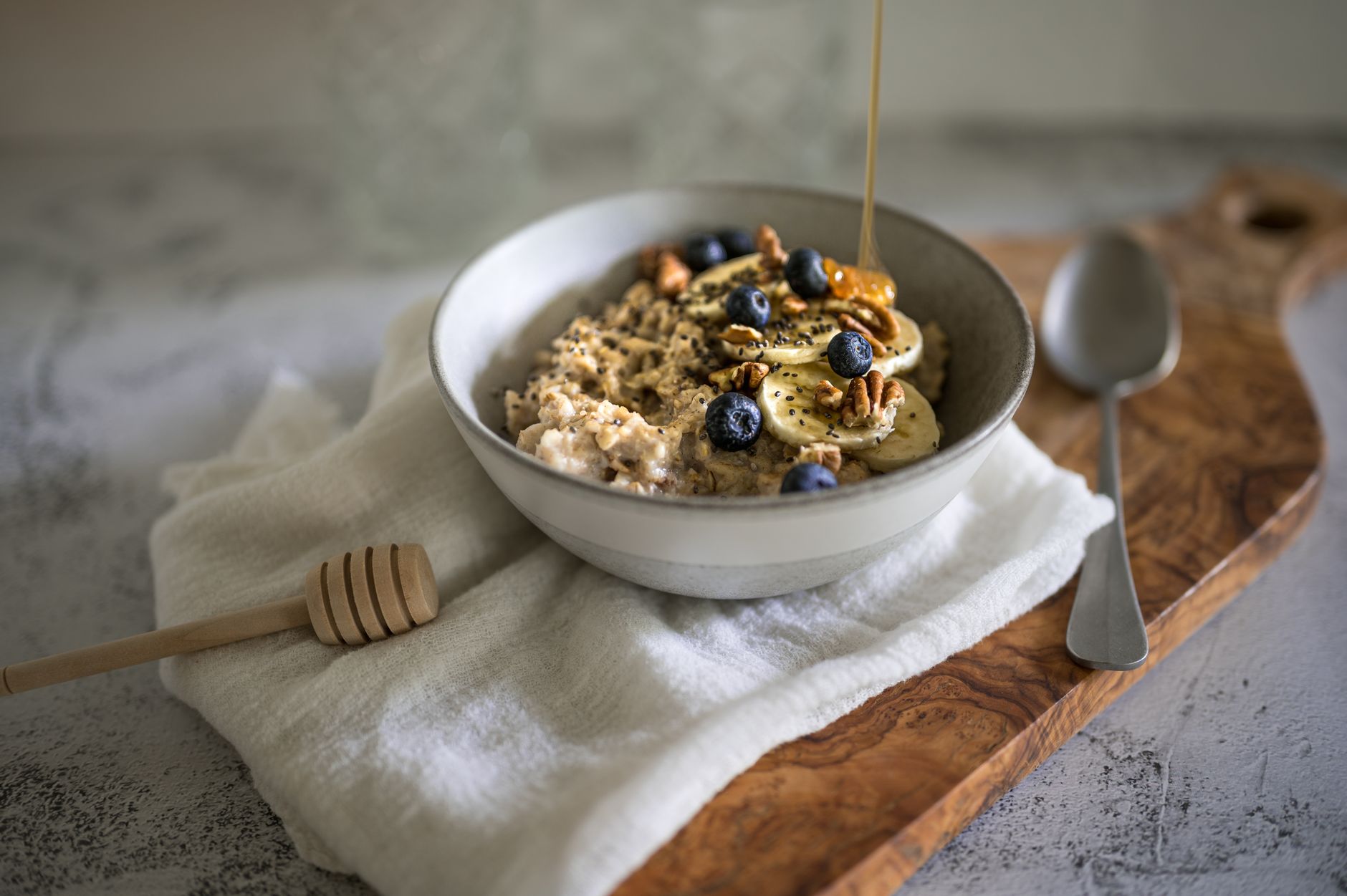
- Creamy Oatmeal with Stewed Fruit: Cook rolled oats with water or AIP-friendly milk alternatives like unsweetened almond or rice milk. Top with peeled, stewed apples or pears (cooked until very soft) and a drizzle of maple syrup. Add a spoonful of smooth almond or cashew butter for healthy fats and protein.
- Scrambled Eggs with Soft Vegetables: Whisk 2-3 eggs with a splash of dairy-free milk. Scramble gently with finely chopped and well-cooked spinach, peeled zucchini, or grated carrots. Serve with a slice of gluten-free toast or a small portion of white rice.
- Rice Pudding with Berries: Cook white rice with dairy-free milk until creamy. Sweeten lightly with honey or maple syrup. Once cooled, top with a small amount of tolerated berries (like raspberries or blueberries, which are good sources of antioxidants) or cooked fruit compote. Remember to start with small portions of berries if you're unsure of your tolerance.
- Breakfast Bowls with Sweet Potato and Poached Egg: Roast or boil sweet potato until very soft. Mash it slightly and top with a poached egg. You can add a sprinkle of fresh herbs like parsley for flavor.
Smoothies for Nutrient Boosts
Smoothies are excellent for delivering nutrients in an easily digestible liquid form. They're particularly helpful for those who struggle with solid foods in the morning or need a quick, nutrient-dense option. When making ulcerative colitis breakfast smoothie recipes, focus on low-fiber ingredients and protein.
- Tropical Soother Smoothie: Blend ripe banana, canned peaches (no syrup, drained), unsweetened almond milk, a scoop of unflavored rice or pea protein powder, and a tiny knob of fresh ginger (peeled) for its anti-inflammatory properties.
- Berry & Spinach Smoothie (for good remission): Combine a handful of fresh spinach, a small portion of blueberries, half a banana, unsweetened coconut water or rice milk, and 1-2 scoops of collagen peptides or a tolerated protein powder. Blend until completely smooth to break down any fibrous bits.
- Avocado Green Smoothie: Half an avocado, half a banana, a cup of unsweetened almond milk, a scoop of protein powder, and a handful of cooked spinach (cooled). This provides healthy fats, protein, and vitamins.
Baked Goods (with caution)
While traditional pancakes or muffins might be too rich or fibrous, you can enjoy modified versions in remission:
- Gluten-Free Pancakes or Waffles: Use a gluten-free flour blend (rice, tapioca, potato starch) and dairy-free milk. Keep them plain or add a few tolerated cooked fruit pieces. Avoid heavy syrups; opt for a light drizzle of maple syrup or applesauce.
- Baked Pears or Apples: Core and bake pears or apples with a sprinkle of cinnamon and a touch of honey until very soft. This makes for a naturally sweet and digestible treat.
Experimenting with different herbs and spices like cinnamon, ginger, and turmeric can also add flavor and potential anti-inflammatory benefits without irritation. Always introduce new foods slowly and in small amounts, keeping a food diary to track your reactions. This personalized approach is crucial for long-term management, similar to how one might adjust an Atkins diet breakfast plan to suit individual tolerance.
Breakfast Ideas for Ulcerative Colitis During a Flare-Up
When you're in the midst of a flare-up, your digestive system is incredibly sensitive, and the focus of your breakfast should be on providing easily digestible nutrients, maintaining hydration, and minimizing any further irritation. This means choosing very bland, low-residue, and soft foods. Think of it as giving your gut a much-needed break.
The "BRAT" Diet and Beyond
The classic BRAT diet (Bananas, Rice, Applesauce, Toast) is a good starting point for its blandness and digestibility, but we can expand on it for UC.
- Bananas: Ripe bananas are soft, easy to digest, and provide potassium, which can be depleted during diarrhea.
- White Rice Cereal: Cream of Rice or plain, finely ground white rice cereal cooked with water or a very diluted dairy-free milk (like rice milk) is incredibly gentle. Avoid brown rice or whole-grain cereals.
- Applesauce: Unsweetened and smooth applesauce is soothing and provides some natural sugars for energy.
- White Toast: Plain white toast, without butter or spreads, can be tolerated. Avoid whole-wheat or seeded breads.
Hydrating and Nutrient-Rich Liquids
Hydration is paramount during a flare, especially if you're experiencing diarrhea. Nutrient-rich liquids can also provide essential calories and electrolytes without heavy digestion.
- Electrolyte Drinks: Oral rehydration solutions (ORS) are crucial for replacing lost electrolytes. Sip on these throughout the morning.
- Bone Broth: Homemade or high-quality store-bought bone broth can be very soothing, providing amino acids and electrolytes. Ensure it's low in fat.
- Clear Fruit Juices (diluted): Apple or white grape juice, heavily diluted with water, can provide some calories. Avoid citrus juices or those with pulp.
- Plain Water or Herbal Teas: Sip on plain water, peppermint tea, or ginger tea (decaffeinated) to help settle the stomach. Avoid coffee and black tea due to caffeine.
Soft Proteins
Protein is important for healing, but in a flare, it needs to be very easily digestible.
- Scrambled Eggs (Plain): Gently scrambled eggs, cooked without excess fat and no added spices, can be a good source of protein. Some individuals may find just the egg whites easier to digest.
- Protein Powder in Water/Diluted Milk: Unflavored or very plain protein powder (like a rice protein isolate) mixed with water or diluted rice milk can provide a protein boost. Always test a small amount first.
Here’s what a typical flare-up breakfast might look like:
- Half a ripe banana, mashed or sliced.
- A small bowl of Cream of Rice, cooked with water.
- Sips of diluted apple juice or an oral rehydration solution.
The goal is to provide just enough energy and nutrients to get through the morning without worsening symptoms. This highly restrictive approach is usually temporary. As symptoms improve, you can slowly reintroduce foods, always under the guidance of your healthcare provider. A food and symptom diary is invaluable during this phase to pinpoint your individual tolerance levels.

Gluten-Free and Dairy-Free Breakfast Options for UC Patients
For many women with ulcerative colitis, avoiding gluten and dairy can significantly reduce symptoms, especially during flares, or if they have co-existing sensitivities like lactose intolerance or celiac disease. Even without a formal diagnosis, some find that removing these common irritants helps calm their digestive system. Fortunately, there's a growing world of delicious gluten-free and dairy-free breakfast options available.
Gluten-Free Grains and Alternatives
The good news is that many UC-friendly grains are naturally gluten-free.
- Oats (Certified Gluten-Free): While oats are naturally gluten-free, they are often processed in facilities that also handle wheat, leading to cross-contamination. Look for "certified gluten-free" oats to be safe.
- Rice: White rice, rice flour, and rice-based cereals (like Cream of Rice) are excellent gluten-free staples.
- Quinoa: Quinoa is a complete protein and a gluten-free grain. However, its higher fiber content means it's best introduced during remission and cooked very thoroughly, perhaps as a breakfast porridge.
- Corn: Corn tortillas (plain, with no added ingredients) or corn grits can be options, but be mindful of corn's fiber and how it affects you.
- Sorghum and Millet: These are less common but nutritious gluten-free grains that can be used in porridges or flour blends.
Dairy-Free Milks and Alternatives
The market for dairy-free alternatives has exploded, offering many choices for UC patients.
- Almond Milk: Unsweetened and unflavored almond milk is a popular choice for cereals, smoothies, and cooking. Choose brands with minimal additives.
- Rice Milk: Often considered one of the most hypoallergenic options, unsweetened rice milk is very bland and easy on the stomach.
- Coconut Milk: Light coconut milk (from a carton, not the canned culinary kind which is higher in fat) can add a creamy texture and subtle flavor. Again, opt for unsweetened.
- Oat Milk (Certified Gluten-Free): If you tolerate oats well, certified gluten-free oat milk can be a creamy, nutrient-rich option.
- Dairy-Free Yogurts: Plain, unsweetened coconut or almond milk yogurts can be a good source of probiotics during remission, but check for added sugars, thickeners, or fruit chunks that might be irritating.
Putting It Together: Gluten-Free & Dairy-Free Breakfasts
Here are some practical examples:
- Gluten-Free Oatmeal with Berries and Maple Syrup: Cook certified gluten-free rolled oats with almond or rice milk. Top with a small handful of well-tolerated berries (like blueberries or raspberries), a drizzle of maple syrup, and a sprinkle of cinnamon.
- Scrambled Eggs with Avocado and Gluten-Free Toast: Prepare scrambled eggs with a splash of dairy-free milk. Serve with a few slices of ripe avocado and a piece of gluten-free, low-fiber toast (e.g., made from rice flour), perhaps lightly toasted without butter or with a smear of avocado.
- Banana "Nice" Cream Smoothie Bowl: Blend frozen banana chunks with a splash of rice milk until smooth and creamy. Top with a sprinkle of crushed gluten-free rice cereal or a few tolerated cooked fruit pieces.
- Quinoa Porridge: Cook quinoa with water or dairy-free milk until very soft. Sweeten with a little honey or maple syrup and add cooked, peeled apple slices.
When selecting gluten-free breads or processed items, always read labels carefully. Many gluten-free products can still be high in gums, thickeners, or excessive sugars that might be problematic. Simpler is often better. For those exploring other restrictive diets, understanding Crohn's diet breakfast ideas or carnivore diet breakfast ideas can offer insights into how different macronutrient profiles impact gut health, but always prioritize professional medical advice for UC.
High-Protein and Low-Fiber Breakfast Ideas for Ulcerative Colitis
Balancing protein and fiber is crucial for UC patients. High protein helps with tissue repair, muscle maintenance, and satiety, which is especially important when calorie intake might be restricted due to symptoms. Low fiber, particularly insoluble fiber, reduces irritation to the inflamed gut. This combination is often recommended during periods of active inflammation or for those sensitive to fiber even in remission.
Why High-Protein, Low-Fiber?
- Protein for Healing: Chronic inflammation and nutrient malabsorption can lead to protein loss. Adequate protein intake supports gut healing, immune function, and prevents muscle wasting.
- Reduced Gut Workload: Low-fiber foods are easier to digest, reducing the amount of bulk and residue passing through the colon, thereby minimizing irritation and potentially reducing bowel movements.
- Satiety: Protein helps you feel fuller for longer, which can be beneficial if you're eating smaller, more frequent meals.
Excellent High-Protein, Low-Fiber Breakfast Choices
Here’s a table outlining some top choices, their benefits, and considerations:
Sample High-Protein, Low-Fiber Breakfasts
- Scrambled Eggs with White Rice: Make plain scrambled eggs and serve alongside a small portion of well-cooked white rice. Add a pinch of salt for flavor.
- Protein Smoothie: Blend water or rice milk with a scoop of rice or pea protein powder, half a ripe banana, and a small amount of unsweetened applesauce. Ensure it's completely smooth.
- Shredded Chicken & Potato Hash: Boil or bake a white potato until very soft. Mash it lightly and mix with finely shredded, cooked chicken or turkey breast. Season lightly with salt and pepper.
- Lactose-Free Cottage Cheese with Cooked Pear: A small serving of lactose-free cottage cheese (if tolerated) topped with peeled, cooked pear slices.
Always listen to your body. Even "safe" foods can sometimes cause issues for individuals. Introducing new high-protein, low-fiber foods one at a time and tracking your symptoms will help you identify what truly works best for your UC.
Quick and Healthy UC Breakfast Ideas for Busy Mornings
Life with ulcerative colitis doesn't pause for busy schedules. Many women find themselves rushing in the mornings, and the temptation to grab something quick but potentially irritating can be strong. The good news is that with a little planning and smart choices, you can create quick and healthy UC breakfast ideas that support your gut health, even on the most hectic days. The key is often in meal prepping components or choosing inherently simple dishes.
Strategize for Speed
- Overnight Prep: Prepare ingredients the night before. Chop soft vegetables, portion out protein powder, or set aside your chosen grains.
- Batch Cooking: Cook larger quantities of compliant grains (like white rice or gluten-free oats) or lean proteins (scrambled eggs, shredded chicken) on a quieter day, then portion them out for the week.
- Simple Ingredient Combinations: Focus on meals with minimal components that require little cooking time.
Quick UC-Friendly Breakfast Options
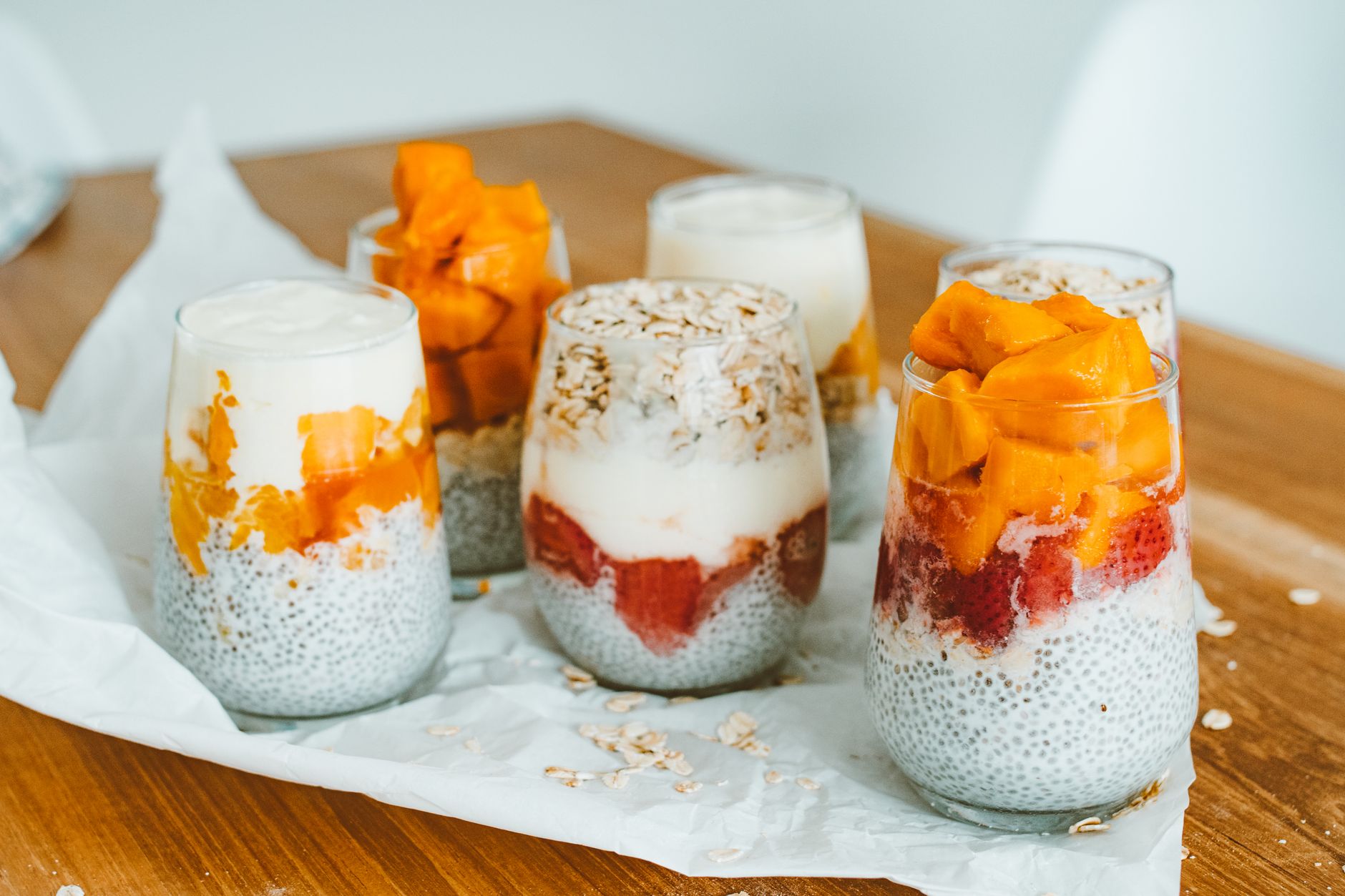
- Pre-Cooked Oatmeal Jars: The night before, combine certified gluten-free rolled oats with water or dairy-free milk in a jar. Add a mashed ripe banana or unsweetened applesauce. Refrigerate overnight. In the morning, you can eat it cold or quickly warm it in the microwave. This is a classic example of ulcerative colitis breakfast meal prep ideas.
- Rapid Scrambled Eggs: Whisk 2-3 eggs with a splash of dairy-free milk. Heat a non-stick pan, pour in the eggs, and scramble quickly. Serve plain or with a side of pre-cooked white rice that you can reheat. This takes less than 5 minutes.
- Protein Powder Smoothie (Pre-Portioned): In a freezer-safe bag, combine your preferred protein powder, a handful of spinach (if tolerated), and a sliced ripe banana. In the morning, just dump the contents into a blender with water or dairy-free milk and blend.
- Plain Rice Cakes with Avocado: Top a plain, low-sodium rice cake with mashed avocado and a pinch of salt. This is quick, light, and provides healthy fats. Ensure rice cakes don't have seeds or high-fiber additions.
- Hard-Boiled Eggs (Batch Cooked): Boil a batch of eggs at the start of the week. Store them in the fridge. Grab 2-3 in the morning for a quick, protein-packed breakfast. Pair with a plain banana.
- Gluten-Free Cereal (Low Sugar): Choose a simple, low-sugar, gluten-free rice-based cereal. Serve with unsweetened dairy-free milk and a few slices of ripe banana. Read labels carefully to avoid high-fiber ingredients, nuts, or artificial additives.
A "grab-and-go" approach doesn't have to mean sacrificing your gut health. By consciously selecting ingredients and doing a little preparation, you can ensure a nourishing and safe start to your day, even when time is tight. This mindful planning can extend to all meals, similar to how one might plan heart-healthy breakfast ideas to support cardiovascular health.
Planning UC-Friendly Breakfasts to Support Gut Health
Effective management of ulcerative colitis goes beyond just choosing safe foods; it involves a strategic approach to your entire diet, starting with breakfast. Planning UC-friendly breakfasts is crucial for supporting overall gut health, preventing flares, managing symptoms, and ensuring you get adequate nutrition. It's about being proactive rather than reactive.
The Pillars of UC Breakfast Planning
- Listen to Your Body: This is the golden rule for UC. Everyone's triggers and tolerances are different. What works for one person might not work for another. Keep a food and symptom diary to identify your personal safe foods and triggers.
- Focus on Nutrient Density: UC can lead to malabsorption and nutrient deficiencies. Ensure your breakfasts are packed with vitamins, minerals, and macronutrients (protein, healthy fats, complex carbs from tolerated sources) to support healing and energy.
- Emphasize Anti-Inflammatory Foods: While specific "anti-inflammatory diets" might be too restrictive during flares, incorporating foods known for their anti-inflammatory properties (like omega-3s from fish, turmeric, ginger) when in remission can be beneficial.
- Prioritize Hydration: Especially if you experience diarrhea, staying well-hydrated is critical. Don't forget water, herbal teas, and electrolyte-rich fluids as part of your morning routine.
- Meal Timing: Some individuals find that eating smaller, more frequent meals, including breakfast, is easier on their digestive system than large, heavy meals.
- Stress Management: Stress can impact gut health. While not directly dietary, a calm morning routine (even if quick) can aid digestion.
Practical Planning Strategies
- Weekly Meal Prep: Dedicate an hour or two on a less busy day to prepare breakfast components for the week. This could include:
- Batch-cooking a large pot of white rice or certified gluten-free oatmeal.
- Boiling a dozen eggs.
- Washing and peeling soft fruits like bananas or apples.
- Pre-portioning smoothie ingredients into freezer bags.
- Create a "Safe Foods" List: Based on your food diary, make a list of breakfasts you know you tolerate well, both for remission and for flares. This eliminates guesswork when you're feeling unwell or rushed.
- Emergency Flare-Up Kit: Keep a few non-perishable, bland items on hand for unexpected flares, such as plain rice cakes, unsweetened applesauce cups, and electrolyte drink mixes.
- Consult a Registered Dietitian: A dietitian specializing in IBD can provide personalized guidance, help you identify triggers, and ensure you're meeting your nutritional needs. They can help you navigate complex dietary restrictions and reintroduction strategies.
The Role of Probiotics (in Remission)
While research is ongoing, some individuals in remission find that incorporating probiotic-rich foods or supplements can support gut health. If tolerated, plain dairy-free yogurts or kefir (if dairy is okay) could be considered. Always discuss probiotic use with your healthcare provider, especially during a flare-up, as some strains may not be suitable.
Planning is your secret weapon against the unpredictable nature of UC. By taking the time to think ahead about your ulcerative colitis diet breakfast ideas, you empower yourself to make consistent, gut-friendly choices that contribute to long-term well-being and a healthier gut microbiome.
Myth vs. Fact: Ulcerative Colitis Breakfasts
When dealing with a chronic condition like ulcerative colitis, there's a lot of information circulating, and it can be hard to separate helpful advice from common misconceptions. Let's clear up some myths about UC-friendly breakfasts.
Myth: All fiber is bad for ulcerative colitis, so I should avoid it completely.
Fact: This is partially true during a flare-up, but a myth for remission. During an active flare, high-fiber foods, especially insoluble fiber (like that found in raw vegetables, whole grains, nuts, and seeds), can irritate the inflamed colon. However, in remission, soluble fiber (found in foods like oats, bananas, and applesauce) can actually be beneficial. It helps to regulate bowel movements, feeds beneficial gut bacteria, and may even aid in maintaining remission. The key is to know your body's tolerance, especially for "oatmeal for ulcerative colitis diet benefits," and introduce soluble fiber slowly when in remission.
Myth: If a food is healthy, it's automatically good for my UC.
Fact: Unfortunately, what's healthy for a general population isn't always healthy for someone with UC. Foods like leafy green salads, broccoli, or legumes are packed with nutrients and fiber, but they can be major triggers for UC symptoms, particularly during a flare. Even healthy fats like those in some nuts can be problematic due to their fiber content. Always prioritize how a food makes *your* gut feel over its general health reputation.
Myth: I can never enjoy "fun" breakfast foods like pancakes or waffles again.
Fact: While traditional pancakes might be too rich or contain triggering ingredients (like dairy or gluten), you can absolutely enjoy modified versions during remission. "Can I eat pancakes with ulcerative colitis?" Yes, with modifications! Opt for gluten-free, dairy-free pancake mixes, use dairy-free milk, and avoid add-ins like nuts or chocolate chips. Top with unsweetened applesauce or a small amount of stewed fruit instead of heavy syrups. It's about adaptation and finding alternatives that work for your body.
Key Takeaways
- Personalized Approach is Key: Your UC diet is unique to you; track symptoms and identify personal triggers and safe foods.
- Remission vs. Flare-Up: Dietary strategies differ significantly between remission (broader, nutrient-dense) and flare-up (bland, low-fiber, hydrating).
- Focus on Easily Digestible Foods: Prioritize cooked, peeled, and puréed fruits and vegetables, well-cooked refined grains, and lean proteins.
- Avoid Common Irritants During Flares: Limit high-fiber foods, dairy, high-fat foods, spicy items, caffeine, and artificial sweeteners when symptoms are active.
- Hydration is Crucial: Especially during flares, sip on water, herbal teas, and electrolyte solutions throughout the morning.
- Plan Ahead: Meal prepping and having a list of quick, compliant breakfast ideas can make busy mornings much easier and prevent impulsive, gut-unfriendly choices.
Frequently Asked Questions
What should I eat for breakfast with ulcerative colitis?
During remission, focus on well-cooked, low-fiber grains like certified gluten-free oatmeal or white rice, lean proteins such as scrambled eggs or poultry, and peeled, cooked fruits like bananas or applesauce. Dairy-free milk alternatives are often preferred. During a flare, stick to very bland, low-residue foods like plain white toast, bananas, unsweetened applesauce, and white rice cereal, ensuring good hydration with water or electrolyte drinks.
What foods trigger UC flare-ups?
Common trigger foods vary by individual but often include high-fiber foods (raw fruits, vegetables with skins/seeds, whole grains, nuts, seeds, legumes), dairy products, high-fat or fried foods, spicy foods, caffeine, and alcohol. Artificial sweeteners and certain food additives can also be problematic. It's essential to keep a food diary to identify your specific triggers.
Is oatmeal good for ulcerative colitis?
Oatmeal can be a good choice for many people with ulcerative colitis, especially when in remission. It contains soluble fiber, which is generally less irritating than insoluble fiber and can help regulate bowel movements. Opt for certified gluten-free rolled or quick oats, cooked thoroughly with water or dairy-free milk. During a flare, some individuals may still find even soluble fiber too much, so listen to your body.
Can I drink coffee with ulcerative colitis?
Coffee, due to its caffeine content, can stimulate bowel activity and may act as a gut irritant for many people with UC, especially during a flare-up. It can worsen symptoms like diarrhea and urgency. It's generally recommended to avoid coffee during flares and to consume it with caution and in moderation during remission, if tolerated. Decaffeinated herbal teas are often a safer alternative.
What is the best diet for UC patients?
There isn't one single "best" diet for all UC patients, as dietary needs are highly individualized. The general approach is to follow a low-residue, easily digestible diet during flares and a more varied, nutrient-dense diet emphasizing anti-inflammatory foods during remission. Common dietary strategies include low-FODMAP, specific carbohydrate diet (SCD), or simply a personalized elimination diet. Always work with your gastroenterologist and a registered dietitian to find the best dietary plan for you.
Are eggs good for ulcerative colitis?
Yes, eggs are generally considered a good breakfast option for most individuals with ulcerative colitis. They are an excellent source of lean protein and are low in fiber, making them easily digestible. Scrambled, poached, or boiled eggs are usually well-tolerated. During a severe flare, some may find the fat in the yolk mildly irritating and might opt for egg whites, but for most, whole eggs are a safe and nutritious choice.
When to See a Doctor or Specialist
Dietary changes can play a significant role in managing ulcerative colitis, but they are never a substitute for medical treatment and professional guidance. It's crucial to stay in regular communication with your healthcare team, which typically includes a gastroenterologist and often a registered dietitian specializing in inflammatory bowel disease (IBD).
Call your gastroenterologist immediately if you experience:
- Severe abdominal pain or cramping that doesn't subside.
- Increased frequency or urgency of bowel movements, especially if accompanied by blood.
- High fever (over 100.4°F or 38°C).
- Significant unexplained weight loss.
- Signs of dehydration, such as excessive thirst, reduced urination, or dizziness.
- Any new or worsening symptoms that concern you.
Even if your symptoms are mild but persistent, it's important to discuss them with your doctor. They can help adjust your medication, recommend further investigations, or refer you to a dietitian who can provide tailored nutritional advice to support your UC management. This article is for informational purposes only and does not constitute medical advice. Always consult with a qualified healthcare professional for any health concerns or before making any changes to your diet or treatment plan.
References
- Crohn's & Colitis Foundation. (n.d.). Diet and Nutrition. Retrieved from https://www.crohnscolitisfoundation.org/diet-and-nutrition
- National Institute of Diabetes and Digestive and Kidney Diseases (NIDDK). (2023, September). Ulcerative Colitis. Retrieved from https://www.niddk.nih.gov/health-information/digestive-diseases/ulcerative-colitis
- Mayo Clinic. (2023, June 10). Ulcerative colitis diet: What to eat during a flare-up. Retrieved from https://www.mayoclinic.org/diseases-conditions/ulcerative-colitis/in-depth/ulcerative-colitis-diet/art-20048502
- Cleveland Clinic. (2023, July 25). Ulcerative Colitis Diet: Foods to Eat and Avoid During a Flare-Up. Retrieved from https://my.clevelandclinic.org/health/articles/15578-ulcerative-colitis-diet
- Academy of Nutrition and Dietetics. (n.d.). Nutrition and IBD. Retrieved from https://www.eatright.org/health/diseases-and-conditions/gastrointestinal/nutrition-and-ibd
- American College of Gastroenterology (ACG). (n.d.). Diet and IBD. Retrieved from https://gi.org/topics/diet-and-ibd/