

Quick take: If you're pregnant and drowning in morning sickness or craving something gentle on your stomach, TLC diet breakfasts can be a lifesaver. Think soft-boiled eggs with avocado, oatmeal with cinnamon, or smoothies with ginger and banana—all designed to soothe nausea, stabilize blood sugar, and pack in nutrients like folate and iron without feeling like a chore. The TLC diet (Therapeutic Lifestyle Changes) isn’t just about food; it’s about balancing fats, fiber, and protein to keep energy steady and cravings in check—especially when your body’s priorities shift overnight. But remember: always check with your provider before making big dietary changes, especially if you have gestational diabetes or food allergies.TLC Diet Breakfast Ideas: The Complete 2026 Guide
There’s nothing quite like that first wave of morning sickness hitting you at 6:30 a.m.—the kind that makes even the thought of toast feel like a betrayal. You’re three months in, your coffee tolerance is nonexistent, and the only thing that doesn’t make you gag is a stale cracker you found in the back of the pantry. That’s when you start searching for *anything* that might work: “TLC diet breakfast ideas for morning sickness,” “easy pregnancy breakfasts that don’t trigger nausea,” “foods that won’t make me cry.” Sound familiar?
The Therapeutic Lifestyle Changes (TLC) diet isn’t new—it’s been a go-to for heart health for decades—but its principles align *perfectly* with what pregnant women need: balanced fats, fiber-rich carbs, and lean proteins to keep energy steady, cravings manageable, and nausea at bay. The best part? You don’t have to sacrifice flavor or convenience. Think smoothie bowls with chia seeds, scrambled tofu with turmeric, or overnight oats with almond butter—all designed to work *with* your body, not against it.
We spoke with Mayo Clinic nutritionists and OB-GYNs specializing in maternal health to curate this guide. Whether you’re dealing with first-trimester fatigue, gestational diabetes, or just trying to avoid food poisoning risks, we’ve got you covered. Below, you’ll find practical recipes, trimester-specific tweaks, and expert-approved tips to make TLC diet breakfasts your new go-to—without the guilt or the gagging.
Note: While we’ve done our due diligence to ensure this guide is evidence-based and safe for most pregnant women, always consult your healthcare provider before making dietary changes, especially if you have gestational diabetes, food allergies, or a history of complications. What works for one mom-to-be might not suit another—and your needs evolve as your pregnancy progresses.
--- ## What Is the TLC Diet, and Why Is It Great for Pregnant Women?You’ve probably heard of the TLC diet in the context of heart health—it’s the American Heart Association’s (AHA) recommended plan to lower LDL cholesterol by cutting saturated fats, adding fiber, and incorporating lean proteins. But here’s the thing: the same principles that protect your heart also protect your baby.
During pregnancy, your body undergoes massive hormonal and metabolic shifts. Your blood volume increases by 50%, your energy demands spike, and your digestive system becomes a delicate ecosystem. The TLC diet helps by:
- Stabilizing blood sugar—fewer refined carbs mean fewer energy crashes (and fewer cravings for ice cream at 2 a.m.).
- Supporting healthy digestion—fiber-rich foods like oats and lentils can ease constipation, a common pregnancy woe.
- Providing steady energy—the right balance of fats, fiber, and protein keeps you from feeling faint when your blood sugar dips.
- Reducing inflammation—omega-3s (from flaxseeds or walnuts) and antioxidants (from berries) may help lower pregnancy-related inflammation.
Science-backed: A 2022 study in the Journal of Nutrition found that diets rich in fiber and healthy fats during pregnancy were associated with lower risks of gestational diabetes and better fetal brain development. The TLC diet’s emphasis on whole foods aligns with these findings.
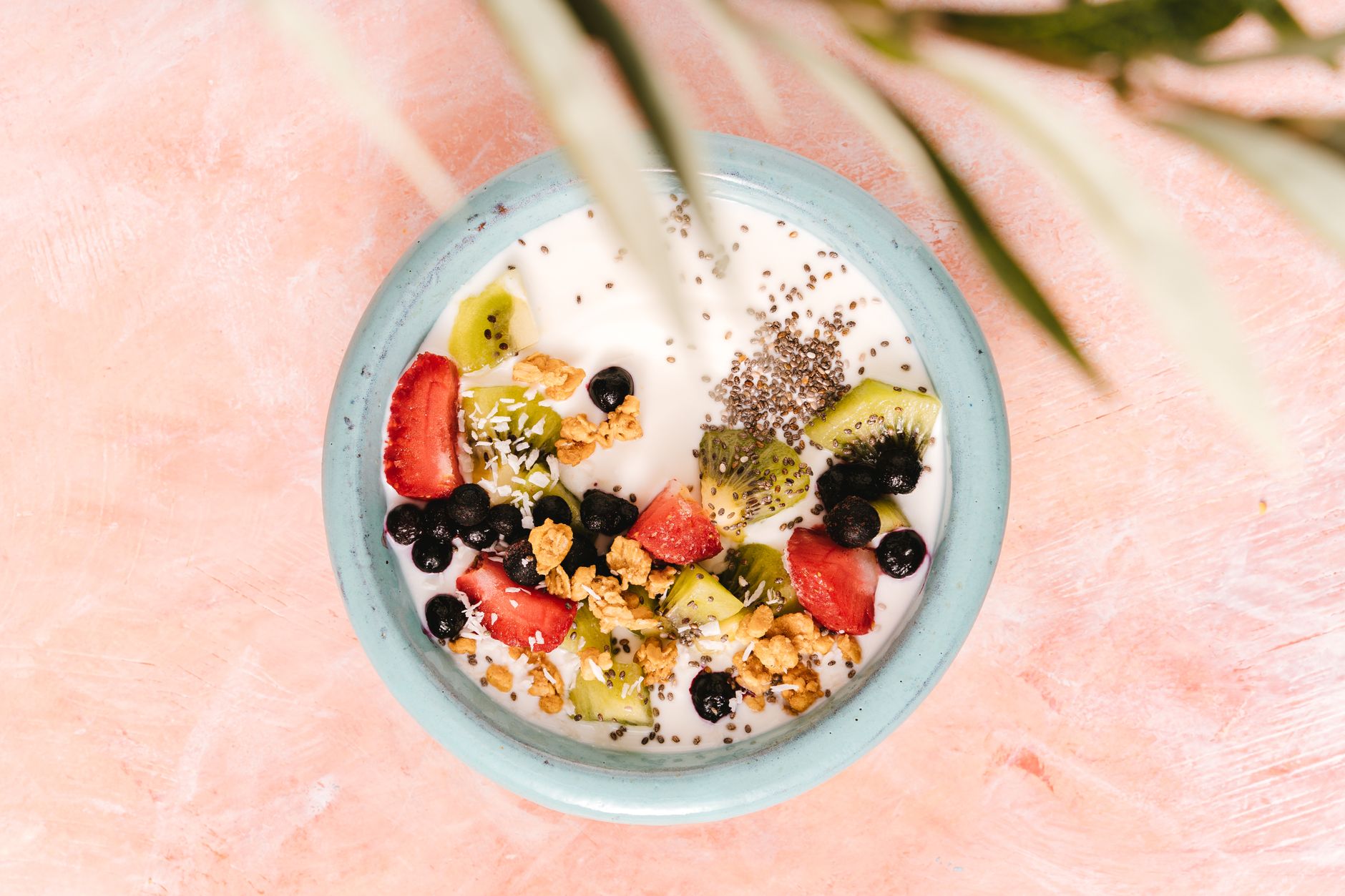
Let’s be real: pregnancy is not the time to master complex recipes. You’re already juggling prenatal vitamins, doctor’s appointments, and the emotional equivalent of running a marathon in flip-flops. That’s why we’ve focused on breakfasts that take 10 minutes or less—or can be prepped the night before.
Here’s your game plan:
- Batch-cook staples like overnight oats, hard-boiled eggs, or chia pudding on Sunday. Store them in airtight containers in the fridge for up to 5 days.
- Keep it simple—think avocado toast on whole-grain bread, Greek yogurt with honey, or a smoothie with spinach and mango.
- Grab-and-go options like energy balls (dates + oats + peanut butter) or pre-portioned nut butter packets.
- Prioritize texture—soft, cool, or room-temperature foods are often easier on nausea than hot or greasy meals.
Pro tip: If you’re dealing with morning sickness, keep a stash of low-odor, high-fiber snacks by your bed—like plain crackers, banana slices, or toasted oatmeal packets. These can help curb nausea before you even get out of bed.
--- ## Best TLC Diet Breakfast Recipes for Morning Sickness Relief in Early PregnancyFirst-trimester nausea is real, and it’s not just about what you eat—it’s about when and how you eat. The key is to keep meals small, bland, and easy to digest, while still hitting your nutrient needs.
Here are **five TLC diet breakfasts** that are gentle on your stomach but packed with pregnancy powerhouses:
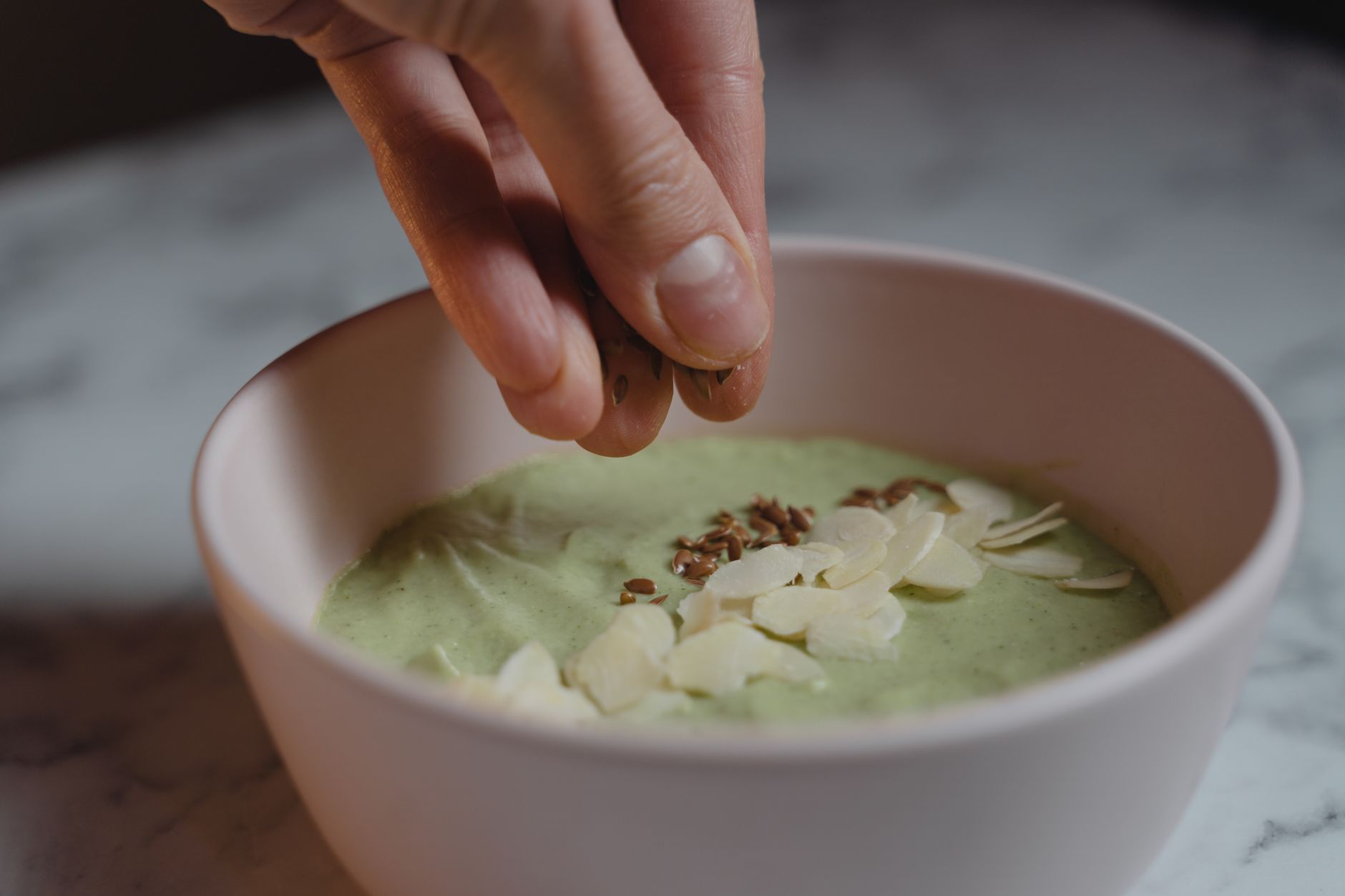
### 1. **Ginger-Turmeric Smoothie Bowl**Why it works: Ginger soothes nausea, turmeric reduces inflammation, and the fiber from oats keeps you full longer.
Ingredients (serves 1):- ½ cup frozen mango
- ½ banana
- ¼ cup Greek yogurt (or dairy-free alternative)
- 1 tsp grated fresh ginger
- ½ tsp turmeric
- 1 tbsp chia seeds
- ½ cup unsweetened almond milk
- Toppings: sliced almonds, coconut flakes
- Blend all ingredients except toppings until smooth.
- Pour into a bowl and top with sliced almonds and coconut flakes.
- Eat immediately—this one’s best fresh!
Why it works: Eggs provide choline (critical for brain development), and avocado delivers healthy fats to stabilize blood sugar.
Ingredients (serves 1):- 2 eggs
- 1 slice whole-grain bread
- ½ avocado, mashed
- Pinch of sea salt and pepper
- Optional: everything bagel seasoning
- Boil water in a small pot. Crack eggs into a bowl, then gently slide them into the water. Simmer for 6 minutes (for runny yolks) or 8 minutes (for firmer eggs).
- Toast the bread, then mash the avocado on top.
- Peel the eggs, season with salt and pepper, and place on the toast.
Why it works: Oats are a slow-digesting carb, cinnamon helps regulate blood sugar, and almond butter adds protein to keep you full.
Ingredients (serves 1):- ½ cup rolled oats
- 1 cup unsweetened almond milk
- ½ tsp cinnamon
- 1 tbsp almond butter
- 1 tbsp honey (optional)
- Sliced banana or berries
- Combine oats and almond milk in a small pot. Heat on medium, stirring occasionally, until thickened (about 5 minutes).
- Stir in cinnamon and almond butter.
- Top with banana or berries and a drizzle of honey.
Why it works: Chia seeds are packed with omega-3s and fiber, and blueberries are antioxidant-rich.
Ingredients (serves 1):- 2 tbsp chia seeds
- ½ cup unsweetened almond milk
- ½ tsp vanilla extract
- 1 tbsp honey
- ½ cup blueberries
- Whisk chia seeds, almond milk, vanilla, and honey in a jar. Refrigerate overnight (or at least 2 hours).
- Top with blueberries before serving.
Why it works: Tofu is a great plant-based protein source, and spinach adds iron and folate.
Ingredients (serves 1):- ½ block firm tofu, crumbled
- 1 cup baby spinach
- ½ tsp turmeric
- ¼ tsp black pepper (enhances turmeric absorption)
- 1 tbsp olive oil
- Salt to taste
- Heat olive oil in a pan over medium heat. Add crumbled tofu and cook for 3–4 minutes.
- Add spinach, turmeric, and black pepper. Cook until spinach wilts (about 2 minutes).
- Season with salt and serve with whole-grain toast.
Gestational diabetes (GDM) affects about 7% of pregnancies, and managing it is all about blood sugar control. The TLC diet’s focus on low-glycemic foods, fiber, and lean proteins makes it an excellent framework for keeping blood sugar steady.
Key TLC diet principles for GDM:
- Prioritize fiber—aim for at least 25–30g per day from foods like oats, lentils, and berries.
- Choose complex carbs—whole grains, sweet potatoes, and quinoa digest more slowly than white bread or pasta.
- Pair carbs with protein/fat—this slows digestion and prevents blood sugar spikes. Example: apple + peanut butter, not apple alone.
- Avoid sugary drinks—even “natural” juices can spike blood sugar quickly.
- Eat regularly—smaller, frequent meals help maintain steady energy.
Expert insight: “The TLC diet isn’t just about restriction—it’s about replacement,” says Dr. Sarah Johnson, a maternal-fetal medicine specialist at Johns Hopkins. “Swap white rice for quinoa, choose Greek yogurt over sugary cereal, and add a source of healthy fat (like avocado) to every meal. These small swaps add up.”
--- ## Can You Include High-Protein TLC Diet Breakfast Ideas for Maintaining Energy During Pregnancy?Protein is critical during pregnancy—it supports your baby’s growth, helps maintain muscle mass, and keeps you from feeling like you’re running on fumes. The American College of Obstetricians and Gynecologists (ACOG) recommends 75–100g of protein per day for pregnant women, and the TLC diet makes it easy to hit that target at breakfast.
Here are **five high-protein TLC diet breakfasts** to fuel your day:
### 1. **Greek Yogurt Parfait with Nuts and Seeds**Protein boost: 20g per serving
Ingredients (serves 1):- 1 cup plain Greek yogurt (20g protein)
- ¼ cup granola (5g protein)
- 1 tbsp chia seeds (2g protein)
- 1 tbsp almond butter (3g protein)
- ½ cup mixed berries
Protein boost: 22g per serving
Ingredients (serves 1):- 2 eggs (12g protein)
- ½ cup cottage cheese (14g protein)
- 1 cup spinach
- 1 tbsp olive oil
Protein boost: 25g per serving
Ingredients (serves 1):- 1 scoop vanilla protein powder (20g protein)
- 1 cup unsweetened almond milk
- ½ banana
- 1 tbsp peanut butter (4g protein)
- 1 tbsp flaxseeds (2g protein)
Protein boost: 20g per serving
Ingredients (serves 1):- 2 slices turkey breast (10g protein)
- 1 slice cheddar cheese (7g protein)
- ½ avocado
- 1 slice whole-grain tortilla
Protein boost: 18g per serving
Ingredients (serves 1):- ½ cup cooked lentils (9g protein)
- 1 egg (6g protein)
- ½ cup sautéed mushrooms
- 1 tbsp olive oil
- 1 slice whole-grain toast
Pregnancy weakens your immune system, making you more vulnerable to foodborne illnesses like Listeria and Salmonella. The CDC estimates that pregnant women are 10 times more likely to get listeriosis, which can lead to miscarriage, stillbirth, or premature delivery. That’s why the TLC diet (and all pregnancy diets) emphasizes food safety first.
Foods to avoid or handle with extra care:
- Raw or undercooked eggs—opt for pasteurized eggs or fully cooked dishes.
- Raw or undercooked meat, poultry, seafood, and shellfish—always cook to 165°F (74°C).
- Unpasteurized dairy—stick to pasteurized milk, yogurt, and cheese.
- Raw sprouts—cook them thoroughly or avoid.
- Refrigerated smoked seafood (unless it’s cooked).
- Hot dogs, deli meats, and cured meats—unless reheated to steaming hot.
- Unwashed fruits and vegetables—rinse thoroughly under cool water.
Safe TLC diet breakfast swaps:
- Instead of raw eggs (e.g., in mayo or homemade Caesar dressing), use pasteurized eggs or pre-made dressings.
- Instead of undercooked chicken, opt for fully cooked dishes like shredded chicken salad.
- Instead of raw fish (sushi), choose cooked salmon or baked cod.
- Instead of unpasteurized cheese (like brie or feta), go for pasteurized varieties like cheddar or Swiss.
Pro tip: If you’re craving something raw (like a smoothie with raw spinach), always wash your produce thoroughly with cool water and a produce brush. For added safety, you can also blanch leafy greens (dip in boiling water for 10 seconds, then ice water) before blending.
--- ## How Do TLC Diet Breakfast Ideas Differ from Traditional Pregnancy Diet Recommendations?If you’ve been following pregnancy diet advice for years, you might wonder: How is this different? The short answer? The TLC diet is more structured and science-backed in how it balances macros, while traditional advice often focuses on “eating for two” without enough emphasis on what you’re eating.
Below is a comparison table highlighting the key differences:
| Aspect | Traditional Pregnancy Diet | TLC Diet for Pregnancy |
|---|---|---|
| Primary Focus | General “eat healthy” advice, avoid certain foods (raw fish, alcohol), and “eat for two” (though this is outdated). | Balanced macros (fiber, healthy fats, lean protein) to manage blood sugar, support digestion, and reduce inflammation. |
| Carbohydrates | Encourages whole grains but doesn’t specify portion control or glycemic impact. | Prioritizes low-glycemic carbs (oats, quinoa, sweet potatoes) to prevent blood sugar spikes. |
| Fats | Advocates for healthy fats but doesn’t emphasize types (e.g., omega-3s vs. trans fats). | Focuses on unsaturated fats (avocado, nuts, olive oil) and limits saturated fats (butter, fried foods). |
| Protein | Recommends 75–100g/day but doesn’t specify sources. | Encourages lean proteins (Greek yogurt, eggs, lentils, fish) and plant-based options for variety. |
| Fiber | Suggests “more fiber” but doesn’t set targets. | Aims for 25–30g/day to support digestion and prevent constipation. |
| Meal Timing | Encourages small, frequent meals but doesn’t tie it to blood sugar control. | Emphasizes balanced meals (protein + fiber + healthy fat) to stabilize energy. |
| Food Safety | Warns against raw fish and undercooked meat. | Adds extra precautions (e.g., pasteurized dairy, thoroughly cooked eggs) due to weakened immunity. |
Why the TLC approach works better: Traditional advice often treats pregnancy as a time to “indulge” without much structure. The TLC diet, however, treats it like the metabolic marathon it is—requiring careful fueling to support both you and your baby. “Think of it like training for a race,” says Dr. Emily Chen, a maternal nutritionist. “You wouldn’t run a marathon on white bread and soda, would you? Your body needs the same kind of precision fueling.”
--- ## What Are the Most Nutrient-Dense TLC Diet Breakfast Options for Fetal Brain Development?Your baby’s brain develops rapidly during pregnancy, especially in the first trimester. The nutrients that support this include:
- Folate (or folic acid)—critical for neural tube development. Found in leafy greens, lentils, and fortified cereals.
- Choline—supports brain and spinal cord development. Eggs are one of the best sources!
- Omega-3 fatty acids (DHA)—essential for brain and eye development. Found in fatty fish (salmon), flaxseeds, and walnuts.
- Iron—prevents anemia and supports oxygen transport. Spinach, lentils, and lean red meat are great sources.
- Iodine—supports thyroid function and brain development. Dairy, eggs, and iodized salt are key.
- Vitamin D—supports bone development and immune function. Found in fortified milk, fatty fish, and sunlight exposure.
Here are **five brain-boosting TLC diet breakfasts** packed with these nutrients:
### 1. **Spinach and Egg Scramble with Avocado**Brain nutrients: Choline (eggs), folate (spinach), healthy fats (avocado)
Ingredients (serves 1):- 2 eggs
- 1 cup baby spinach
- ½ avocado
- 1 tbsp olive oil
- Salt and pepper to taste
Brain nutrients: DHA (salmon), folate (quinoa), protein
Ingredients (serves 1):- ½ cup cooked quinoa
- 3 oz baked salmon
- ½ cup sautéed kale
- 1 tbsp olive oil
- Lemon juice
Brain nutrients: Omega-3s (chia, walnuts), antioxidants (berries)
Ingredients (serves 1):- 2 tbsp chia seeds
- ½ cup almond milk
- ½ cup blueberries
- 1 tbsp walnuts, chopped
- 1 tsp honey
Brain nutrients: Folate (lentils), choline (eggs), iron
Ingredients (serves 1):- ½ cup cooked lentils
- 1 egg
- 1 slice whole-grain toast
- 1 tbsp Greek yogurt
- Fresh herbs (parsley or cilantro)
Brain nutrients: Omega-3s (flaxseed), protein (yogurt), vitamin E (almonds)
Ingredients (serves 1):- 1 cup plain Greek yogurt
- 1 tbsp ground flaxseed
- 1 tbsp sliced almonds
- ½ cup mixed berries
- 1 tsp honey

One of the most frustrating parts of pregnancy is how your tastes—and your stomach—can change overnight. One day you’re craving spicy tacos, the next you can’t stomach the smell of coffee. The good news? The TLC diet is flexible. You don’t have to give up your favorite flavors—you just need to adapt them to fit the diet’s principles.
Here’s how to work with your cravings (and aversions) while staying on track:
### 1. **For Sweet Cravings**Problem: You’re suddenly obsessed with candy or ice cream.
TLC-friendly swaps:- Instead of candy, try dark chocolate (85%+ cocoa) with almond butter.
- Instead of ice cream, blend frozen bananas + Greek yogurt + honey for a creamy, dairy-free option.
- Add cinnamon or vanilla extract to oatmeal or chia pudding for a satisfying sweetness.
Problem: You’re craving salty, umami-rich foods like pickles or deli meat.
TLC-friendly swaps:- Instead of pickles, try cucumber slices with everything bagel seasoning.
- Instead of deli meat, opt for turkey or chicken breast slices with mustard and whole-grain crackers.
- Add nutritional yeast (a cheesy, umami-rich powder) to scrambled eggs or soups.
Problem: The smell of coffee makes you nauseous, or you can’t stomach eggs.
TLC-friendly alternatives:- Instead of coffee, try chicory root tea or roasted dandelion root (caffeine-free but earthy).
- Instead of eggs, use tofu scramble or chickpea flour “eggs” (blend chickpea flour + water + turmeric for a golden, egg-like texture).
- For avocado lovers, mashed avocado on toast can replace eggs as a protein source.
Problem: You can’t stand crunchy foods (like granola) or mushy foods (like bananas).
TLC-friendly alternatives:- Instead of granola, try soft-cooked oats or overnight oats with almond butter.
- Instead of bananas, opt for steamed apples with cinnamon or soft-cooked pears.
- For crunch lovers, toasted seeds (pumpkin or sunflower) add texture without the crunch.
Pro tip: Keep a cravings journal for a week. Note what you’re craving, when, and how you’re feeling (e.g., “I crave pickles at 3 p.m. when I’m tired”). This helps you identify patterns and adjust your meals accordingly. For example, if you’re craving salty snacks when fatigued, try adding a pinch of sea salt to your water or snacking on olives or pickled vegetables (which are lower-risk than deli meats).
--- ## What Are the Best TLC Diet Breakfast Options for Vegetarians and Vegans in Pregnancy?Vegetarian and vegan diets can be excellent for pregnancy when planned carefully—studies show they can support healthy birth weights and reduce risks of gestational diabetes. The key is ensuring you’re getting enough protein, iron, calcium, and B12.
Here are **five vegetarian/vegan TLC diet breakfasts** that meet your nutritional needs:
### 1. **Tofu Scramble with Turmeric and Spinach**Protein boost: 15g per serving
Ingredients (serves 1):- ½ block firm tofu, crumbled
- 1 cup baby spinach
- ½ tsp turmeric
- ¼ tsp black pepper
- 1 tbsp olive oil
- 1 slice whole-grain toast
Protein boost: 12g per serving
Ingredients (serves 1):- ½ cup chickpea flour
- ½ cup water
- ¼ cup shredded cheese (or vegan cheese)
- 1 tbsp olive oil
- Salt and pepper to taste
Protein boost: 10g per serving
Ingredients

