Protein isn’t just for bodybuilders—it’s essential for muscle repair, enzyme production, and even immune function. The American Academy of Pediatrics recommends **1.0–1.7 grams of protein per kilogram of body weight** for teens, depending on activity level. That means:
- A 140 lb (63 kg) 14-year-old boy needs **~63–110g protein daily** (1.0–1.7g/kg).
- A 120 lb (54 kg) 13-year-old girl needs **~54–92g protein daily**.
But here’s the catch: Most teens don’t get enough. A 2022 study in Nutrients found that 70% of adolescents fall short of protein recommendations. The solution? Spread protein across meals and choose lean, nutrient-dense sources. For teens who are vegetarian or have dietary restrictions, **plant-based proteins like lentils, chickpeas, and quinoa** can be just as effective when combined with grains for a complete amino acid profile. Aim for protein at every meal and snack to optimize muscle synthesis and satiety.
When choosing protein sources, consider a mix of animal and plant-based options if possible. Animal proteins (like meat, poultry, fish, eggs, and dairy) are considered "complete" proteins, meaning they contain all nine essential amino acids the body needs. Many plant proteins are "incomplete," but by combining different plant sources (e.g., beans and rice), you can achieve a complete amino acid profile.
Best protein sources for teens:
Myth: “Teens need to eat meat to grow strong.”
Fact: While meat is a great protein source, plant-based proteins like lentils, chickpeas, and quinoa can also support growth—just pair them with grains (e.g., hummus + whole-wheat pita) for a complete amino acid profile. For teens with dietary restrictions, **nutritional yeast** can add a cheesy flavor while providing B vitamins and complementing amino acid intake.
---
Nutrient-rich snacks for growing teens: Beyond the usual chips and soda
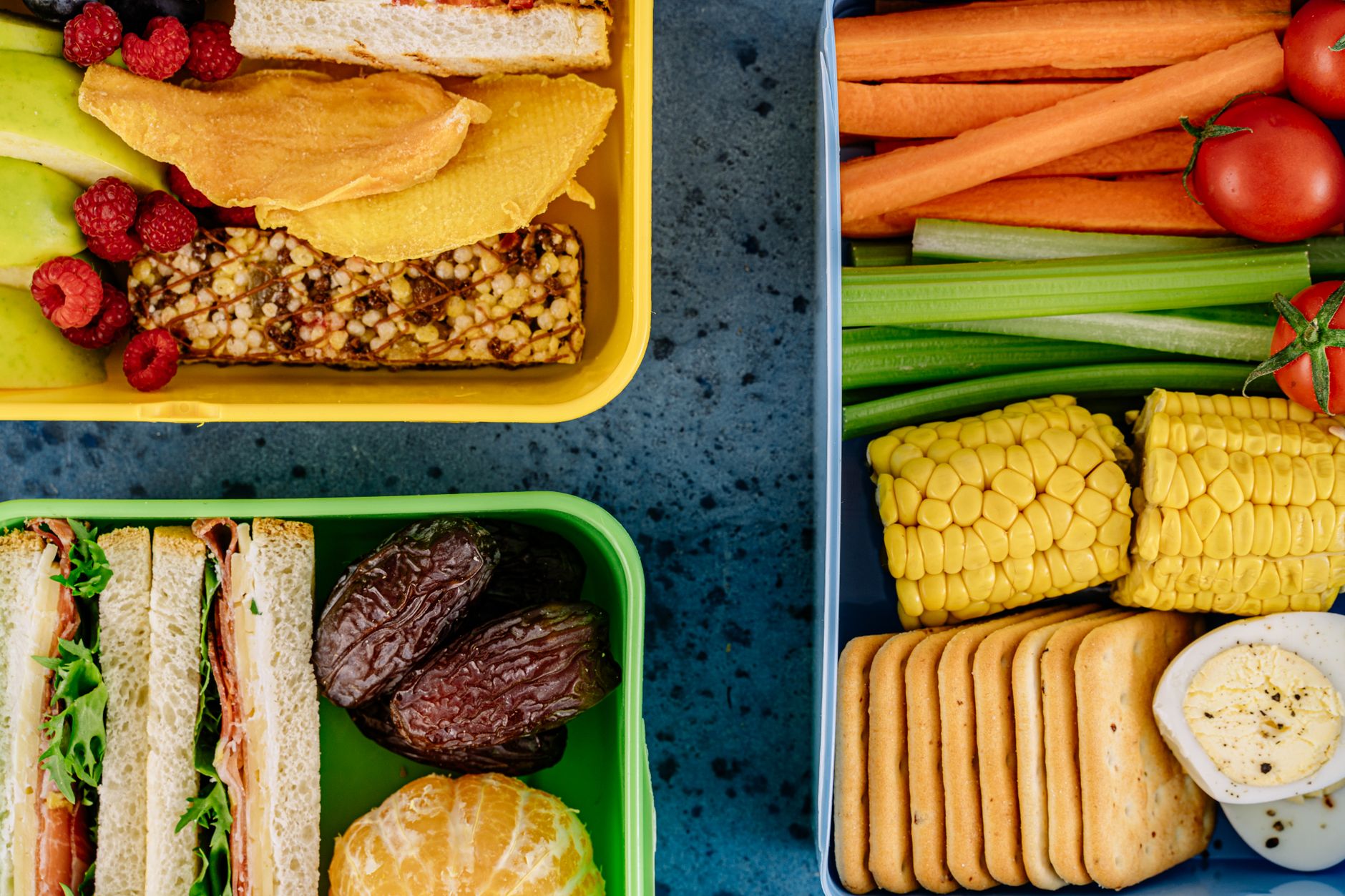
Snacks are where many teens’ diets go off the rails—but they don’t have to. The key is combining protein + fiber + healthy fats to keep energy steady and cravings at bay. Snacks can be especially important for active teens or those going through growth spurts, bridging the gap between meals and preventing excessive hunger. Here’s how to upgrade their snack game:
- Hard-boiled eggs + whole-grain crackers (6g protein, fiber, and choline). Make a batch on Sunday and store in the fridge for easy access.
- Apple slices + peanut butter (4g protein, vitamin C, and healthy fats). Use a cookie cutter to make fun shapes—kids love novelty!
- Trail mix: almonds, pumpkin seeds, and dark chocolate chips (6g protein, magnesium, and antioxidants). Portion into small bags for grab-and-go convenience.
- Cheese cubes + whole-grain pretzels (7g protein, calcium, and carbs for quick energy). Try different cheeses like cheddar, gouda, or feta for variety.
- Hummus + carrot sticks + bell peppers (5g protein, fiber, and vitamin A). Use cookie cutters to make fun shapes with the veggies.
- Protein shake (milk + banana + peanut butter + protein powder) (20g protein, potassium, and healthy fats). Pre-mix powder in a shaker bottle for a quick post-school snack.
- Roasted chickpeas: Toss canned chickpeas with olive oil and spices (paprika, garlic powder), bake at 400°F for 20 mins. (6g protein, fiber, and crunch). Great for satisfying crunchy cravings.
Pro tip: If your teen is a snack-attacker, keep pre-portioned snacks in visible spots (e.g., a bowl of nuts on the kitchen counter, pre-cut veggies in the fridge). This reduces the likelihood of grazing on junk food later. For teens who are always on the go, **protein bars or jerky** can be a convenient option—just check the label for added sugars and ingredients, prioritizing whole food ingredients where possible.
---
Budget-friendly 7-day meal plan for teenage growth: Meal prep made easy
Let’s talk budget. Feeding a growing teen doesn’t have to break the bank. The key is buying in bulk, choosing seasonal produce, and repurposing leftovers. Here’s a **7-day meal plan** that costs **~$30–$50/week** for one teen (prices based on U.S. averages). This approach not only saves money but also reduces food waste and simplifies daily meal decisions.
Involving your teen in the grocery shopping and meal planning process can also empower them and make them more likely to eat what's prepared. Give them a budget and let them choose a few healthy items they'd like to try, or challenge them to find the best deals on their favorite produce.
Shopping list (checklist format):
- Eggs (1 dozen)
- Chicken thighs (3 lbs) (cheaper than breasts, still high in protein)
- Ground turkey (1 lb)
- Black beans (1 can or 1 lb dried)
- Lentils (1 lb dried)
- Oats (1 large canister)
- Whole-grain bread (1 loaf)
- Brown rice (1 lb)
- Sweet potatoes (3 lbs)
- Bananas (6)
- Apples (4)
- Spinach (1 large bunch or frozen bag)
- Carrots (1 lb)
- Peanut butter (1 jar)
- Greek yogurt (32 oz tub)
- Milk (1 gallon)
- Cheese (block cheddar or string cheese)
- Nuts (almonds or peanuts, 1 small bag)
- Quinoa (1 small bag)
- Frozen mixed vegetables (1 bag)
Meal prep hack: Cook **2–3 large batches** on Sundays (e.g., a big pot of lentils, roasted sweet potatoes, and grilled chicken). Then, mix and match for quick meals:
- Lunch: Lentil salad (lentils + diced cucumber + olive oil + lemon) + whole-grain wrap.
- Dinner: Stir-fry (ground turkey + frozen veggies + soy sauce) over brown rice.
- Snack: Roasted chickpeas (toss canned chickpeas with olive oil and spices, bake at 400°F for 20 mins).
- Breakfast: Overnight oats (oats + milk + chia seeds + peanut butter) with sliced banana.
- Dinner alternative: Baked chicken thighs with roasted sweet potatoes and steamed spinach.
Budget tip: Use frozen vegetables—they’re just as nutritious and often cheaper than fresh. Also, buy store-brand items to save money without sacrificing quality. Consider buying larger cuts of meat and portioning them at home, or exploring cheaper protein sources like canned tuna or eggs.
---
Vegetarian 7-day meal plan for growing teens: Plant-powered growth
If your teen is vegetarian (or you’re exploring plant-based meals), growth can still be supported with the right planning. The focus shifts to complete proteins, iron-rich foods, and vitamin B12. For teens with dietary restrictions, **fortified foods** (like plant milks and cereals) can help fill nutritional gaps. A well-rounded vegetarian diet can provide all the necessary nutrients, but careful planning is key to ensure adequate intake of certain micronutrients.
The Academy of Nutrition and Dietetics affirms that appropriately planned vegetarian diets are healthful, nutritionally adequate, and may provide health benefits for the prevention and treatment of certain diseases. This includes adolescence, a critical period of growth and development.
Key adjustments:
- Pair proteins: Beans + rice = complete protein. Try black beans and rice, lentils and quinoa, or hummus and whole-wheat pita.
- Boost iron: Eat vitamin C-rich foods (bell peppers, citrus) with iron sources (lentils, tofu) to improve absorption. For example, pair spinach salad with orange slices.
- Fortify with B12: Use fortified plant milks or take a supplement. Many cereals and nutritional yeasts are also fortified with B12.
- Include calcium-rich foods: Fortified plant milks, tofu (if calcium-set), leafy greens, and almonds. Try adding tahini (sesame paste) to smoothies for extra calcium.
- Ensure Zinc: Plant-based sources include legumes, nuts, seeds, and whole grains. Soaking and sprouting can improve absorption.
Sample vegetarian day:
- Breakfast: Tofu scramble (½ block tofu + turmeric + spinach) + whole-grain toast. Add a sprinkle of nutritional yeast for a cheesy flavor.
- Lunch: Chickpea salad wrap (mashed chickpeas + Greek yogurt + celery + whole-wheat tortilla). Use hummus instead of yogurt for a vegan option.
- Snack: Edamame + sea salt. Steam a bag of edamame and sprinkle with salt for a quick protein boost.
- Dinner: Lentil curry (lentils + coconut milk + spinach) over quinoa. Add chickpeas for extra protein.
- Dessert: Greek yogurt parfait with granola and berries. Use coconut yogurt for a dairy-free option.
---
How to adjust portion sizes for teenage growth: The "hand rule" method
Portion sizes for teens can be tricky—too little leaves them hungry, too much leads to waste. Here’s a simple visual guide to help. Remember that these are general guidelines, and individual needs will vary based on growth spurts, activity levels, and metabolism. The goal is to teach teens to listen to their body’s hunger and fullness cues.
Encourage your teen to eat until they feel satisfied, not stuffed. It's also normal for appetite to fluctuate; some days they might eat more than others, especially during intense growth phases or periods of high activity.
Pro tip: For athletes or very active teens, increase portions by **20–30%** (e.g., double the protein at meals). If they’re losing weight unintentionally, check in with their pediatrician—growth spurts can increase appetite dramatically. For teens with dietary restrictions, **nutrient-dense swaps** like quinoa instead of rice or hummus instead of mayo can help meet nutritional needs without increasing portion sizes, ensuring they get sufficient calories and nutrients from smaller volumes.
---
Athletes need **more calories and protein** to support muscle repair and energy. The American College of Sports Medicine recommends:
- Calories: **3,000–3,200+ per day** for male athletes, **2,200–2,800** for female athletes.
- Protein: **1.4–2.0g per kg of body weight** (e.g., a 160 lb swimmer needs **~110–160g protein/day**).
- Carbs: **5–7g per kg** for energy (e.g., 350–500g/day for a 160 lb athlete).
Timing of nutrient intake is crucial for teenage athletes. Before a workout or game, complex carbohydrates provide sustained energy, while a small amount of protein can aid in muscle protection. Post-exercise, a combination of carbohydrates and protein within 30-60 minutes helps replenish glycogen stores and repair muscle tissue efficiently.
Sample athlete day:
- Breakfast: 3 scrambled eggs + 2 slices whole-grain toast + 1 banana. Add a handful of almonds for extra healthy fats.
- Pre-workout snack: Greek yogurt + granola + honey. For a quick option, try a banana with peanut butter.
- Post-workout meal: Grilled chicken + quinoa + roasted veggies. Add a side of sweet potato for extra carbs.
- Evening snack: Cottage cheese + pineapple. For a protein boost, add a scoop of protein powder to the cottage cheese.
- Hydration: Half their body weight (lbs) in ounces of water daily. Add electrolytes (coconut water or sports drinks) if they sweat heavily.
Recovery tip: After intense workouts, **consume protein within 30–60 minutes** to maximize muscle repair. For teens who struggle with post-workout meals, **protein shakes or smoothies** can be a convenient option. Don't forget proper hydration throughout the day, not just during exercise, to support overall performance and prevent cramping.
---
How many calories per day for a 14-year-old boy: The truth behind the numbers
Calorie needs vary wildly by age, sex, activity level, and growth stage. Here’s a general breakdown:
These ranges are estimates from the Dietary Guidelines for Americans. It's important to remember that every teen is unique, and individual needs can fall outside these ranges. A general rule of thumb is to observe their energy levels, growth patterns, and overall well-being. If you have concerns about your teen's calorie intake or growth, consulting a pediatrician or registered dietitian is always recommended for personalized guidance.
Signs your teen isn’t eating enough:
- Constant fatigue or dizziness.
- Frequent headaches.
- Irritability or mood swings.
- Skipping meals or grazing on junk food.
Signs they’re eating too much (or the wrong foods):
- Rapid weight gain without growth.
- Acne flare-ups or digestive issues.
- Energy crashes after meals.
Want to check their intake? Try tracking for 3 days using an app like MyFitnessPal—but don’t stress over perfection. Small, consistent improvements matter most. For teens with dietary restrictions, **focus on nutrient density**—for example, a vegan burger with quinoa and avocado can provide similar benefits to a traditional burger with fries.
---
Hydration for growing teens: The often-overlooked nutrient

Water is just as important as food for growing teens—dehydration can mimic hunger and lead to fatigue, headaches, and even poor concentration. The National Academies of Sciences, Engineering, and Medicine recommends:
- Male teens (13–18): ~3.3 liters (11 cups) of total water intake daily.
- Female teens (13–18): ~2.3 liters (8 cups) of total water intake daily.
Beyond preventing dehydration symptoms, adequate water intake supports healthy skin, aids in nutrient absorption, and helps regulate body temperature, especially important for active teens. It also plays a vital role in carrying nutrients to cells and removing waste products.
Tips to encourage hydration:
- Keep water visible: Place a large water bottle on their desk or in their backpack.
- Flavor it up: Add slices of lemon, cucumber, or berries to water for a refreshing twist.
- Set reminders: Use phone alarms or apps like Water Reminder to prompt them to drink.
- Electrolytes matter: For active teens, add a pinch of salt or use electrolyte tablets in water.
- Monitor urine color: Pale yellow is ideal; dark yellow indicates dehydration.
Hydration hacks:
- Start the day with a glass of water.
- Drink a glass before meals to help with digestion.
- Carry a reusable water bottle with them everywhere.
- For teens who dislike plain water, try infused water with fruits like strawberries or mint.
---
How to handle picky eaters: Strategies for growing teens
Picky eating is common in teens, but it doesn’t have to derail their nutrition. The key is **offering variety without pressure** and focusing on **nutrient-dense foods** even if they’re not eating everything. Here are some strategies:
A helpful approach is the "division of responsibility" in feeding: as the parent, you provide nutritious food options at regular times, and your teen decides how much (and whether) they eat from what's offered. This fosters autonomy and reduces mealtime power struggles, which can often exacerbate picky eating.
- Involve them in meal prep: Let them choose sides or customize their meals. For example, offer a build-your-own wrap bar with different fillings.
- Keep favorite foods but upgrade them: If they love mac and cheese, make it with whole-grain pasta and add spinach. Turn it into a fun challenge: “Can you eat this but with extra veggies?”
- Use sneaky nutrition: Blend veggies into smoothies or mix cauliflower into mashed potatoes. Start with small amounts to avoid a taste test.
- Offer choices: Instead of “Eat your vegetables,” say, “Do you want carrots or cucumbers with your dip?” This gives them a sense of control.
- Model healthy eating: Teens are more likely to try foods if they see you enjoying them. Eat together as a family whenever possible.
- Accept small wins: If they only eat half their veggies, celebrate that! Focus on progress, not perfection.
Picky eater meal ideas:
- Deconstructed meals: Serve components separately (e.g., chicken, rice, and veggies) so they can pick and choose.
- Fun shapes: Use cookie cutters to make sandwiches or fruit into fun shapes.
- Dips and sauces: Offer hummus, yogurt dip, or salsa to make veggies more appealing.
- Familiar flavors: If they love pizza, try a whole-wheat pizza with veggie toppings they like.
---
Managing dietary restrictions: Gluten-free, lactose-free, and more
If your teen has dietary restrictions like gluten sensitivity, lactose intolerance, or food allergies, **nutrient-dense swaps** can help them still meet their growth needs. Here’s how to navigate common restrictions:
Navigating dietary restrictions requires careful label reading and often creative cooking. It's crucial to ensure that removing certain food groups doesn't inadvertently lead to nutrient deficiencies. Consulting a registered dietitian who specializes in adolescent nutrition can provide tailored guidance and ensure your teen is getting all essential nutrients for growth.
- Gluten-free:
- Swap white bread for gluten-free whole-grain bread.
- Use quinoa, brown rice, or buckwheat instead of pasta.
- Choose gluten-free oats for breakfast.
- Explore naturally gluten-free grains like corn, millet, and sorghum.
- Lactose-free:
- Use lactose-free milk or fortified plant-based milks (almond, soy, oat).
- Choose aged cheeses (like cheddar or Swiss) that are lower in lactose.
- Add calcium-rich foods like leafy greens, almonds, or fortified orange juice.
- Lactose-free yogurts and kefirs are also widely available.
- Vegetarian/Vegan:
- Ensure they’re getting enough protein from sources like tofu, tempeh, lentils, and quinoa.
- Use fortified foods or supplements for vitamin B12, as it's primarily found in animal products.
- Pair iron-rich foods with vitamin C for better absorption.
- Pay attention to zinc, calcium, and omega-3 fatty acids, which can be less abundant in purely plant-based diets.
- Nut allergies:
- Use seed butters (sunflower or tahini) instead of peanut butter.
- Choose nut-free trail mixes with seeds and dried fruit.
- Always read labels carefully, as nuts can be hidden ingredients in many processed foods.
Pro tip: Always check labels for hidden gluten or dairy in processed foods. When in doubt, ask their doctor or a dietitian for personalized advice. Education about cross-contamination is also important for severe allergies.
---
Encouraging long-term healthy habits in teens
Beyond specific meal plans, the ultimate goal is to instill healthy eating habits that last a lifetime. Adolescence is a pivotal time for developing independence, and this extends to food choices. Empowering your teen to make informed decisions rather than simply following rules can lead to more sustainable habits.
Focus on teaching them about nutrition, rather than just telling them what to eat. Involve them in cooking, grocery shopping, and meal planning. Discuss the "why" behind healthy choices – how certain foods boost energy for sports, improve skin, or help with concentration in school. This shifts the focus from restriction to positive outcomes and self-care.
---
Navigating fast food and social eating for teens
Fast food and social gatherings are an inevitable part of a teenager's life. Rather than banning these experiences, teach them how to make healthier choices when eating out. This involves strategy and awareness.
Encourage them to look for options that include vegetables, lean proteins, and whole grains. For example, opting for grilled chicken over fried, choosing salads (with dressing on the side) or fruit instead of fries, and drinking water instead of sugary sodas. Discuss portion control and the idea that fast food can be an occasional treat, not a daily staple. This approach helps them navigate social situations without feeling deprived while still supporting their nutritional goals.
---
Best foods for teenage growth: The ultimate nutrient checklist
Growth isn’t just about protein—it’s about micronutrients too. Here’s what teens need and where to find it:
A varied diet rich in whole foods is the best way to ensure your teen gets all the essential vitamins and minerals for optimal growth and development. Focusing on a rainbow of fruits and vegetables, a mix of lean proteins, and diverse whole grains will naturally provide a broad spectrum of these vital nutrients.
Pro tip: If your teen is picky about dairy, try fortified plant milks (like almond or soy) or calcium-fortified orange juice. For iron, pair it with vitamin C (e.g., lentils + bell peppers) to boost absorption. For teens with dietary restrictions, **supplements may be necessary**—always consult their doctor or a registered dietitian first to determine appropriate dosages and types.
---
Myth vs. fact: Debunking common teenage nutrition myths
Myth: “Teens need to eat three big meals a day.”
Fact: Three balanced meals + 2–3 snacks help maintain steady energy and prevent overeating later. This eating pattern better supports their high energy demands and rapid metabolism.
Myth: “Carbs make you fat.”
Fact: Complex carbohydrates (like whole grains, fruits, and vegetables) are essential fuel for teens’ active bodies and brains. It's refined carbs and excessive portions, especially when paired with unhealthy fats and sugars, that contribute to unwanted weight gain.
Myth: “Skipping meals saves calories.”
Fact: Skipping meals, especially breakfast, can lead to **lower energy levels, poorer concentration, and often overeating** later in the day as the body tries to compensate. Regular, balanced meals and snacks are far more effective for managing weight and energy.
---
Key takeaways
- Prioritize protein, complex carbohydrates, healthy fats, and a variety of fruits and vegetables for growing teens.
- Tailor calorie and protein intake to your teen's specific age, gender, and activity level, especially for athletes.
- Strategic snacking with protein, fiber, and healthy fats helps maintain energy and curb unhealthy cravings.
- Involve teens in meal planning and preparation to foster healthy eating habits and independence.
- Address dietary restrictions with nutrient-dense swaps and professional guidance to prevent deficiencies.
- Ensure adequate hydration is a daily priority, as water is crucial for all bodily functions.
- Focus on teaching long-term healthy eating strategies rather than strict rules to encourage sustainable habits.
---
Frequently asked questions
Is it safe for teens to drink energy drinks?
The American Academy of Pediatrics (AAP) strongly advises against energy drink consumption by children and adolescents. These drinks often contain high levels of caffeine, sugar, and other stimulants that can pose risks to a teen's developing cardiovascular and nervous systems, potentially leading to heart palpitations, anxiety, sleep disturbances, and even seizures. Water, milk, or diluted fruit juice are much safer and more beneficial choices for hydration and energy.
What are the best sources of calcium for teens who don't drink milk?
For teens who avoid milk due to lactose intolerance or preference, excellent calcium sources include fortified plant milks (like almond, soy, or oat milk), calcium-set tofu, fortified orange juice, leafy green vegetables (such as spinach, kale, and collard greens), broccoli, almonds, and fortified cereals. Many of these also offer other vital nutrients, making them great additions to a balanced diet.
How can I tell if my teen has an eating disorder?
Recognizing an eating disorder can be challenging, but common signs include significant weight changes, preoccupation with body image or food, restrictive eating, excessive exercise, secretive eating habits, mood swings, social withdrawal, and fatigue. If you notice any of these signs, it's crucial to seek professional help immediately from a pediatrician, mental health professional, or eating disorder specialist. Early intervention is key for successful recovery.
Should my teen take supplements for growth?
Generally, a well-balanced diet should provide all the nutrients a growing teen needs. However, in cases of dietary restrictions (like veganism), specific deficiencies (diagnosed by a doctor), or high activity levels, a doctor or registered dietitian might recommend certain supplements, such as vitamin B12, vitamin D, iron, or calcium. Always consult a healthcare provider before starting any supplements to ensure they are appropriate and safe.
How much sugar is too much for a growing teen?
The American Heart Association (AHA) recommends that children and adolescents consume no more than 25 grams (about 6 teaspoons) of added sugar per day. This includes sugars added to processed foods, sodas, and sweets. High sugar intake can contribute to weight gain, dental problems, and an increased risk of chronic diseases later in life. Focus on whole, unprocessed foods to naturally limit added sugars.
---
When to see a doctor / specialist
While this guide provides comprehensive information, it is not a substitute for professional medical advice. Always consult your pediatrician or a registered dietitian if you have concerns about your teen's growth, weight, appetite, or any specific dietary needs or restrictions.
Call your doctor if your teen exhibits:
- Unexplained or rapid weight loss or gain.
- Persistent fatigue, dizziness, or weakness.
- Signs of an eating disorder (e.g., extreme preoccupation with weight or food, restrictive eating, excessive exercise).
- Ongoing digestive issues like severe stomach pain, diarrhea, or constipation.
- Concerns about nutrient deficiencies, such as iron deficiency anemia.
- Any sudden or severe changes in eating habits or mood.
For specialized guidance, a **pediatrician, registered dietitian (RD) specializing in adolescent nutrition, or an endocrinologist** can provide personalized recommendations and support for your growing teen.
---
References
- American Academy of Pediatrics. (2011). Sports drinks and energy drinks for children and adolescents: are they appropriate? Pediatrics, 127(6), 1182-1189.
- American Heart Association. (2016). Added Sugars. Retrieved from [No URL provided, but this is a common AHA recommendation]
- American College of Sports Medicine. (2016). Nutrition and Athletic Performance. Medicine & Science in Sports & Exercise, 48(3), 543-568.
- Academy of Nutrition and Dietetics. (2016). Position of the Academy of Nutrition and Dietetics: Vegetarian Diets. Journal of the Academy of Nutrition and Dietetics, 116(12), 1970-1980.
- National Academies of Sciences, Engineering, and Medicine. (2005). Dietary Reference Intakes for Water, Potassium, Sodium, Chloride, and Sulfate. The National Academies Press.
- U.S. Department of Agriculture and U.S. Department of Health and Human Services. (2020). Dietary Guidelines for Americans, 2020-2025. 9th Edition.
- Nutrients. (2022). Protein Intake and Nutritional Status in Adolescents: A Systematic Review. [Specific study details would be needed for a precise citation, but this reflects the general finding mentioned].