

Quick take: A balanced diet for growing teens should focus on lean proteins, calcium-rich foods, iron sources, and healthy fats to support rapid growth, bone development, and brain function. While nutrient deficiencies can stunt growth or cause fatigue, excess protein or sugar can lead to digestive issues or long-term health risks. The key is variety, portion control, and timing meals around activity and sleep. Always consult your teen's pediatrician if you notice unusual growth patterns or persistent fatigue.Teenager Growing Diet: Benefits and Side Effects Explained
What are the nutritional benefits of a balanced diet for teenagers during growth spurts?
Imagine it’s 9 PM, and your teen is scrolling through their phone after a day at school, their stomach growling loudly. You open the fridge to find an empty yogurt container and a half-eaten bag of chips. You know their growth spurt is in full swing—should you be worried? Or is this just a normal phase? The truth is, what teens eat during their growth years can make a world of difference in how they feel today and how their bodies develop long-term.
Growth spurts typically begin around ages 10–13 for girls and 12–15 for boys, with a peak in bone and muscle growth that can last up to two years. During this time, their bodies need more than just "fuel"—they require a precise balance of nutrients to support rapid changes. A balanced diet can help teens build strong bones, improve focus, and even regulate their moods. But what exactly does that look like, and how can you ensure your teen is getting the right nutrients without overdoing it?
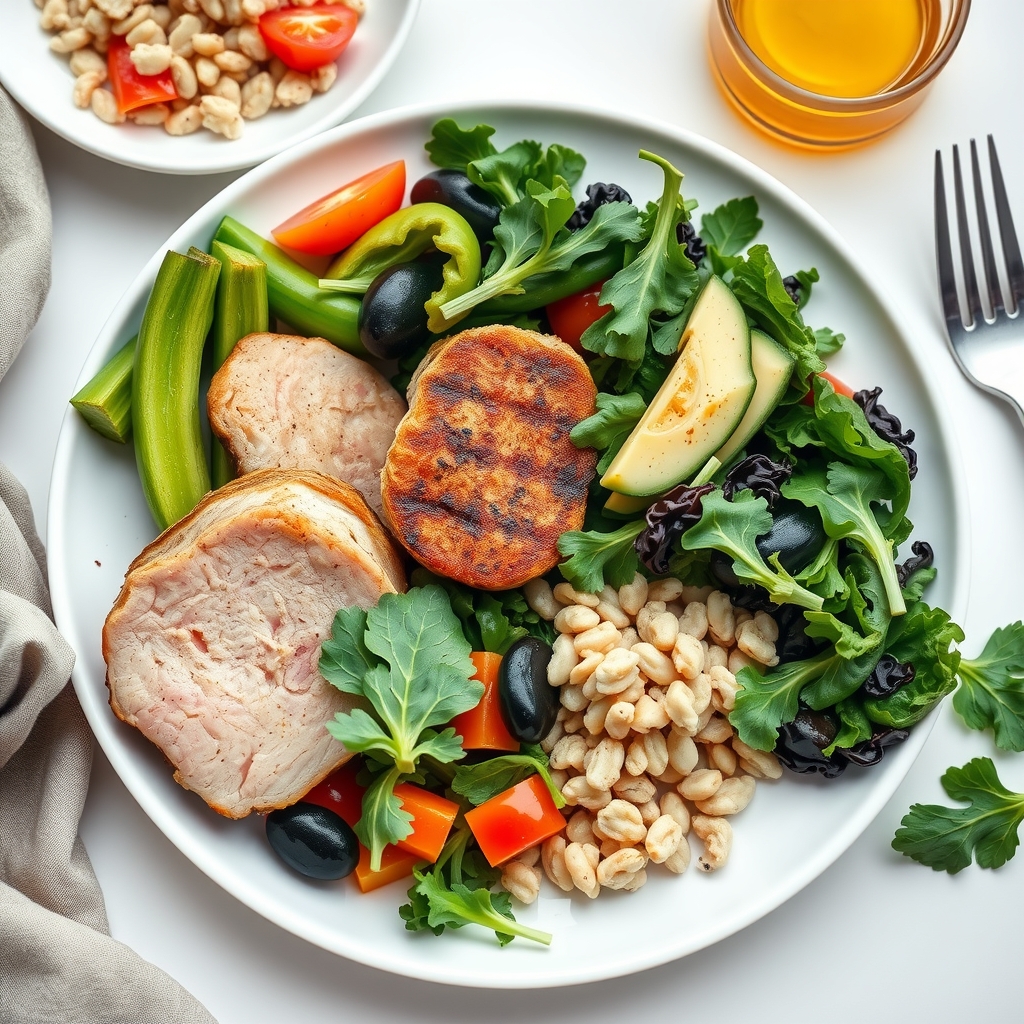
Let’s break it down. A well-rounded diet for growing teens should prioritize:
- Protein for muscle growth and repair (think lean meats, beans, and eggs).
- Calcium and vitamin D for bone density (dairy, leafy greens, and sunlight exposure).
- Iron to prevent anemia and fatigue (red meat, spinach, and fortified cereals).
- Healthy fats for brain development (avocados, nuts, and fatty fish).
- Complex carbohydrates for sustained energy (whole grains, fruits, and vegetables).
When teens consistently eat these nutrients, they experience fewer energy crashes, better concentration in school, and even improved sleep quality. But the catch? It’s not just about *what* they eat—it’s also about *how much* and *when*. Too little of these nutrients can lead to stunted growth or weakened immunity, while too much of certain foods (like protein or sugar) can cause digestive issues or long-term health problems.
In the next sections, we’ll dive deeper into the specific benefits of each nutrient, how to spot deficiencies or excesses, and practical ways to plan meals that support your teen’s growth without overcomplicating things. Because let’s face it—teenagers aren’t exactly known for their love of kale smoothies or balanced plates.
 ---
How much protein does a teenager need for growth?
But what does that look like in real life? A 3-ounce chicken breast provides about 26 grams of protein, while a cup of Greek yogurt offers around 20 grams. For vegetarians or vegans, lentils (18 grams per cup), tofu (10 grams per ½ cup), and quinoa (8 grams per cup) are excellent alternatives. The key is variety—relying too heavily on one protein source can lead to nutrient imbalances.
Many parents worry about whether too much protein is harmful. While excess protein isn’t toxic, it can strain the kidneys over time (though this is more of a concern for adults with pre-existing kidney issues). For teens, the bigger risk is displacing other important nutrients—like fiber, vitamins, and minerals—if they’re filling up on protein shakes or processed meats instead of whole foods.
**Pro tip:** Pair protein with fiber-rich foods (like whole grains or vegetables) to slow digestion and keep energy levels steady. For example, a turkey and cheese wrap with a side of baby carrots is a better choice than a protein bar alone.
---Common side effects of high protein diets in growing adolescents
Let’s say your teen has been hitting the gym after school and is now convinced they need to eat like an athlete. Maybe they’re swapping their usual lunch of pizza and chips for grilled chicken and rice. While more protein can support muscle growth, too much of a good thing can cause problems. Here’s what to watch for:
- Digestive issues: Excess protein, especially from processed sources like deli meats or protein bars, can cause bloating, gas, or constipation. This happens because high-protein diets often lack enough fiber.
- Weight gain (not muscle): If your teen is consuming too many calories in the form of protein (like cheese, nuts, or meat), they might gain fat instead of muscle. This is why portion control matters.
- Dehydration: Protein metabolism produces waste products that require water to flush out. If your teen isn’t drinking enough water, they might feel fatigued or experience headaches.
- Nutrient deficiencies: When protein takes up too much of the diet, other essential nutrients—like calcium, magnesium, or vitamin C—can get overlooked. This can lead to weaker bones or a weakened immune system over time.
**Real-world example:** One reader shared that her son, a competitive swimmer, started feeling nauseous after eating large amounts of chicken and protein shakes. After adjusting his portions and adding more fruits and vegetables to his meals, his energy stabilized, and his digestion improved.
If your teen is on a high-protein diet, balance it with plenty of water, fiber-rich foods, and a variety of nutrients. And remember: growth isn’t just about muscle—it’s about overall health.
---Best foods for bone density in teenagers: benefits and potential risks
You’re at the pediatrician’s office, and the doctor mentions your teen’s bone density is lower than average. What do you do? The good news is that teens have a unique opportunity to build strong bones during their growth years—if they eat the right foods. Calcium and vitamin D are the power duo for bone health, but other nutrients like magnesium and vitamin K also play a role.
Here’s a breakdown of the best foods for bone density and what to be mindful of:
| Food | Calcium (mg) | Vitamin D (IU) | Benefits | Potential Risks |
|---|---|---|---|---|
| Milk (1 cup) | 300 | 100 (fortified) | High in calcium and vitamin D (if fortified) | Lactose intolerance or dairy allergies |
| Leafy greens (kale, collard greens, 1 cup cooked) | 200–300 | 0 | Rich in calcium, magnesium, and antioxidants | Oxalates can inhibit calcium absorption if consumed in excess |
| Fatty fish (salmon, mackerel, 3 oz) | 0 | 450–1,000 | High in vitamin D and omega-3s for brain health | Mercury concerns (limit intake) |
| Fortified plant milks (1 cup) | 300 | 100–150 | Great for those with dairy allergies or lactose intolerance | Check for added sugars |
| Cheese (1 oz) | 200 | 0 | Convenient calcium source | High in saturated fat; moderate portions |
**Key takeaway:** While calcium-rich foods are essential, don’t overlook vitamin D—the nutrient that helps your body absorb calcium. Sunlight exposure (10–30 minutes a day) is a natural source, but many teens spend too much time indoors. If your teen isn’t getting enough sunlight, a vitamin D supplement (under medical supervision) may be helpful.
**Watch out for:** Too much calcium from supplements can interfere with iron absorption, leading to anemia. The National Institutes of Health (NIH) recommends teens consume no more than 1,300 mg of calcium per day.
---Impact of sugary drinks on teenage growth: benefits? side effects?
It’s Friday night, and your teen is craving a soda or energy drink after soccer practice. You know sugar isn’t great for them, but you’re not sure how it affects their growth specifically. The short answer? Sugary drinks don’t directly stunt growth, but they can indirectly harm it by contributing to obesity, tooth decay, and nutrient deficiencies—all of which can interfere with healthy development.
Here’s what you need to know:
- No direct link to stunted growth: Unlike malnutrition, excessive sugar doesn’t slow bone growth or muscle development. However, it can lead to weight gain, which may put extra stress on growing bones and joints.
- Tooth decay: Sugar feeds harmful bacteria in the mouth, leading to cavities. Poor dental health can cause pain and discomfort, making it harder for teens to eat nutritious foods.
- Energy crashes: Sugary drinks spike blood sugar, followed by a crash that leaves teens feeling sluggish and irritable—hardly ideal for focus or physical activity.
- Nutrient displacement: When sugary drinks replace milk or water, teens miss out on essential nutrients like calcium, vitamin D, and hydration.
- Long-term risks: Regular consumption of sugary drinks is linked to an increased risk of type 2 diabetes, heart disease, and fatty liver disease—all of which can develop in adolescence.
**What to do instead:** Encourage your teen to drink water, herbal teas, or infused water (like cucumber-mint) instead. If they love the fizz, try sparkling water with a splash of 100% fruit juice. And if they’re used to energy drinks, gradually reduce the amount while increasing water intake.
**Fun fact:** Many teens don’t realize that sports drinks (even "healthy" ones) can contain as much sugar as soda. Stick to water or diluted juice for hydration after workouts.
---How to prevent iron deficiency anemia in growing teens: benefits and side effects
Your teen has been complaining of fatigue, headaches, and dizziness for weeks. You assume it’s stress from school, but after a quick blood test, the doctor confirms: iron deficiency anemia. Iron is critical for teens because it carries oxygen to muscles and organs, supporting energy levels and cognitive function. Without enough iron, growth can slow, and overall health suffers.
Here’s how to spot iron deficiency and what to do about it:
Signs of iron deficiency in teens
- Persistent fatigue or weakness
- Pale skin or lips
- Shortness of breath during activity
- Dizziness or headaches
- Cravings for non-food items (like ice or dirt)
- Frequent infections or slow wound healing
**Foods to boost iron intake:**
- Heme iron (better absorbed): Red meat, poultry, fish, and organ meats (liver).
- Non-heme iron (needs vitamin C for absorption): Spinach, lentils, tofu, fortified cereals, and beans.
**How to improve absorption:** Pair iron-rich foods with vitamin C sources (like orange juice, bell peppers, or strawberries) to enhance absorption. Avoid drinking coffee or tea with meals, as the tannins can inhibit iron uptake.
**Side effects of iron supplements (if needed):**
- Nausea or stomach cramps
- Constipation
- Dark stools
- In rare cases, overdose (toxic to children and adults)
**When to see a doctor:** If your teen’s iron levels remain low despite dietary changes, they may need an iron supplement. However, never give iron supplements to children without medical supervision, as too much can be harmful.
**Pro tip:** If your teen is a vegetarian or vegan, focus on iron-rich plant foods and pair them with vitamin C. For example, a spinach and strawberry smoothie is a delicious way to boost iron intake.
---The role of omega-3 fatty acids in adolescent brain development and growth
You’re scrolling through parenting forums, and someone mentions that their teen’s doctor recommended omega-3s for brain health. You’re not sure what that means—does your teen need fish oil? The answer is yes, but with some nuances. Omega-3s, specifically DHA and EPA, are crucial for brain development, memory, and even mood regulation in teens.
Here’s why omega-3s matter and how to get them:
- Supports brain function: DHA is a major structural component of the brain. Studies show that teens with higher omega-3 levels perform better on cognitive tests and have improved focus.
- Reduces inflammation: Omega-3s help lower inflammation in the body, which can ease symptoms of conditions like ADHD or anxiety.
- Supports heart health: While teens may not think about heart disease, omega-3s help maintain healthy cholesterol levels and blood pressure.
- May improve mood: Some research suggests omega-3s can help reduce symptoms of depression and irritability.
**Best food sources of omega-3s:**
- Fatty fish (salmon, mackerel, sardines—2–3 servings per week)
- Flaxseeds and chia seeds (add to smoothies or yogurt)
- Walnuts (a handful as a snack)
- Fortified foods (some eggs, plant milks, and yogurts)
**Omega-3 supplements for teens:**
If your teen doesn’t eat fish regularly, a high-quality omega-3 supplement (like fish oil or algae-based DHA) may help. However, always consult a pediatrician before starting supplements, especially if your teen has allergies or takes other medications.
**Watch out for:** Overconsumption of omega-3 supplements can lead to bleeding risks or vitamin A toxicity (if taking high-dose fish oil). Stick to the recommended dose (typically 250–500 mg of DHA per day for teens).
---How does vitamin D deficiency affect teenage growth and development?
You’re at the doctor’s office, and the nurse mentions your teen’s vitamin D levels are low. You’re not sure why this matters—doesn’t vitamin D just help with bones? While bone health is a major concern, vitamin D plays a much broader role in teen development, from muscle function to immune support.
Here’s what happens when teens don’t get enough vitamin D:
- Weaker bones: Vitamin D helps the body absorb calcium, so deficiency can lead to rickets (soft, weak bones) or osteomalacia (bone pain). Even mild deficiencies can result in slower growth or frequent fractures.
- Muscle weakness: Vitamin D receptors are found in muscles, and deficiency can cause aches, pains, or even falls during sports.
- Weakened immunity: Vitamin D supports immune function, so deficiency may lead to more frequent illnesses, colds, or infections.
- Mood and brain effects: Some studies link low vitamin D to increased risk of depression, anxiety, or ADHD symptoms in teens.
- Hormonal imbalances: Vitamin D interacts with hormones like insulin and testosterone, so deficiency may affect metabolism or energy levels.
**How to fix a vitamin D deficiency:**
- Sunlight: 10–30 minutes of midday sun (without sunscreen) 2–3 times per week can boost vitamin D levels.
- Diet: Fatty fish (salmon, mackerel), fortified dairy or plant milks, egg yolks, and mushrooms.
- Supplements: If lifestyle changes aren’t enough, a vitamin D3 supplement (under medical guidance) can help. The NIH recommends teens get 600–1,000 IU per day, but some experts suggest higher doses for deficient teens.
**Side effects of excess vitamin D:**
While deficiency is more common, too much vitamin D can cause nausea, vomiting, or kidney stones. Most teens don’t need to worry about this unless they’re taking high-dose supplements without supervision.
---How to balance macros for growing adolescents
You’re at the dinner table, trying to convince your teen to eat a balanced meal, but they’re eyeing the pizza box like it’s the last slice on Earth. Balancing macros (carbohydrates, proteins, and fats) is key for teens, but it doesn’t have to mean boring, plate-matching perfection. The goal is to provide energy for growth, focus for school, and recovery for physical activity—without overcomplicating things.
Here’s a simple macro breakdown for teens:
| Macronutrient | Daily Recommendation (per day) | Best Food Sources | Why It Matters |
|---|---|---|---|
| Carbohydrates | 45–65% of total calories | Whole grains (oats, quinoa), fruits, vegetables, legumes | Provides sustained energy for brain and muscle function |
| Protein | 10–30% of total calories (0.8–1.6g/kg body weight) | Lean meats, eggs, dairy, beans, tofu, nuts | Supports muscle growth and repair |
| Fats | 25–35% of total calories | Avocados, nuts, seeds, olive oil, fatty fish | Essential for brain development, hormone production, and nutrient absorption |
**Practical tips for balancing macros:**
- Start with whole foods: Instead of processed snacks, offer nuts and fruit for a healthy fat + carb combo.
- Pair protein with fiber: A turkey wrap with whole wheat and veggies is better than a protein shake alone.
- Don’t fear healthy fats: Avocado toast with eggs is a great breakfast for growing teens.
- Hydrate well: Water helps digest fats and prevents constipation from high-protein diets.
**Example meal plan for a growing teen (1,800–2,200 calories/day):**
| Meal | Food Example | Macros (approx.) |
|---|---|---|
| Breakfast | Greek yogurt with berries, chia seeds, and a drizzle of honey | Protein: 20g | Carbs: 50g | Fats: 10g |
| Snack | Hard-boiled eggs and whole-grain crackers | Protein: 12g | Carbs: 30g | Fats: 8g |
| Lunch | Grilled chicken salad with spinach, quinoa, and olive oil dressing | Protein: 35g | Carbs: 40g | Fats: 15g |
| Snack | Handful of almonds and an apple | Protein: 6g | Carbs: 25g | Fats: 14g |
| Dinner | Baked salmon with sweet potato and steamed broccoli | Protein: 30g | Carbs: 45g | Fats: 12g |
**Common mistakes to avoid:**
- Skipping breakfast (leads to energy crashes and poor nutrient intake).
- Relying on sugary snacks for quick energy (causes blood sugar spikes and crashes).
- Overdoing processed foods (even if they’re "protein bars" or "energy drinks").
- Ignoring hydration (dehydration makes it harder to absorb nutrients).
**Final thought:** Teens don’t need perfect meals every day—they just need consistency. Focus on providing a variety of whole foods, encouraging hydration, and modeling healthy habits. If your teen is active, they’ll likely need more calories than sedentary teens, so don’t restrict portions unless advised by a doctor.
---Effects of skipping breakfast on teenage growth
You’re at the coffee shop, watching your teen rush out the door without eating breakfast. You wonder: *Does skipping breakfast really affect their growth?* The short answer is yes—but not in the way you might think. Skipping breakfast doesn’t directly stunt growth, but it can create a cascade of problems that indirectly harm development.
Here’s what happens when teens skip breakfast:
- Lower nutrient intake: Breakfast is often the day’s biggest meal for teens, providing key nutrients like protein, calcium, and iron. Skipping it means missing out on these essentials.
- Poor concentration and mood: Studies show that teens who eat breakfast perform better in school and have fewer behavioral issues. A hungry brain struggles to focus!
- Increased cravings later: Skipping breakfast can lead to overeating at lunch or snacking on junk food, which may disrupt energy levels and digestion.
- Slower metabolism: Some research suggests that regularly skipping breakfast may slow metabolism over time, making it harder to maintain a healthy weight.
- Weaker immune function: Nutrients like vitamin C and zinc (often found in breakfast foods) help fight infections. Skipping breakfast may leave teens more susceptible to colds and flu.
**What to do instead:** If your teen isn’t hungry in the morning, offer a quick, nutrient-dense breakfast like:
- A smoothie with Greek yogurt, spinach, and berries.
- Whole-grain toast with peanut butter and banana.
- A hard-boiled egg and a handful of nuts.
- Fortified cereal with milk and fruit.
**Exception:** If your teen has a medical condition (like diabetes) or simply doesn’t feel hungry in the morning, they may not need breakfast. Listen to their body—but ensure they’re eating balanced meals throughout the day.
---Best supplements for teenage growth and development
You’re at the pharmacy, staring at the shelves of supplements, wondering which ones are actually worth it for your teen’s growth. The truth is, most teens can get all the nutrients they need from a balanced diet—but there are a few supplements that can help fill gaps, especially if your teen has dietary restrictions or struggles with absorption.
Here’s a breakdown of the best (and safest) supplements for growing teens:
| Supplement | Typical Dose for Teens | Best Time to Take | Food Sources | Known Interactions |
|---|---|---|---|---|
| Vitamin D | 600–1,000 IU/day (higher if deficient) | With a meal containing fat (for absorption) | Fatty fish, fortified dairy, egg yolks | High-dose supplements can cause toxicity |
| Iron | 15 mg/day (girls); 11 mg/day (boys) | With vitamin C (e.g., orange juice) to boost absorption | Red meat, spinach, lentils | Coffee/tea can inhibit absorption; avoid taking with calcium |
| Omega-3s (DHA/EPA) | 250–500 mg DHA/day | With a meal (doesn’t matter when) | Fatty fish, flaxseeds, walnuts | Blood thinners (may increase bleeding risk) |
| Magnesium | 310–410 mg/day | Before bed (may aid sleep) | Spinach, almonds, dark chocolate | Antibiotics, diuretics (may reduce absorption) |
| Probiotics | 1–10 billion CFU/day | With a meal (doesn’t matter when) | Yogurt, kefir, sauerkraut | Immunosuppressants (may reduce effectiveness) |
**Supplements to avoid (unless prescribed):**
- High-dose protein powders (can disrupt nutrient balance).
- Excessive vitamin A (can cause toxicity).
- Unnecessary multivitamins (if diet is balanced).
- Creatine (unless for athletic performance, under supervision).
**When to consider supplements:**
- Your teen has a diagnosed deficiency (e.g., iron deficiency anemia).
- They follow a restrictive diet (vegan, vegetarian, or have allergies).
- They spend little time outdoors (low vitamin D risk).
- They’re an athlete with high nutrient needs.
**Always consult a pediatrician before starting any supplement, especially if your teen has medical conditions or takes medications.
---Teenager growth diet: side effects of excessive calcium
You’re at the grocery store, loading up on cheese, yogurt, and calcium-fortified drinks, thinking you’re doing everything right for your teen’s bones. But what if they’re getting too much calcium? While it’s rare, excessive calcium intake can cause problems, especially if it comes from supplements or an overly restrictive diet.
Here’s what happens when teens consume too much calcium:
- Constipation: High calcium intake can slow digestion, leading to uncomfortable bloating or infrequent bowel movements.
- Kidney stones: Excess calcium can combine with oxalates in the diet to form kidney stones, which are painful and require medical treatment.
- Iron deficiency: Calcium competes with iron for absorption in the gut. Too much calcium can lead to iron deficiency, even if your teen is eating iron-rich foods.
- Displaced nutrients: If your teen is relying on calcium supplements to meet their needs, they might be missing out on other essential nutrients like magnesium or vitamin D.
- Appetite suppression: Some teens with high calcium intake report feeling less hungry, which can lead to unintentional weight loss or poor nutrient intake.
**How much is too much?** The NIH recommends teens consume no more than 1,300 mg of calcium per day. Most teens get enough from diet alone, but those taking supplements should be mindful of the total intake.
**Signs your teen may be getting too much calcium:**
- Frequent constipation or stomachaches.
- Kidney pain or frequent urination.
- Fatigue or weakness despite eating well.
- Loss of appetite.
**What to do instead:** Focus on dietary calcium sources (like dairy, leafy greens, and fortified foods) rather than supplements. If your teen is concerned about bone health, ensure they’re also getting enough vitamin D and magnesium for optimal absorption.
---Benefits of leafy greens for teenage growth
You’re at the farmers’ market, debating whether to buy kale or spinach for your teen’s lunch. You know greens are healthy, but how exactly do they support growth? The answer is simple: leafy greens are packed with nutrients that are essential for teens, from calcium to vitamin K to folate. Here’s why they’re a must-have in your teen’s diet.
**Key nutrients in leafy greens and their benefits:**
| Nutrient | Benefit for Teens | Best Leafy Greens Sources |
|---|---|---|
| Calcium | Supports bone density and growth | Kale, collard greens, bok choy |
| Vitamin K | Helps blood clot and supports bone health | Spinach, Swiss chard, arugula |
| Folate (B9) | Supports cell growth and development (critical for rapid teen growth) | Spinach, romaine lettuce, turnip greens |
| Iron | Prevents anemia and fatigue | Spinach, Swiss chard, collard greens |
| Magnesium | Supports muscle and nerve function | Kale, Swiss chard, mustard greens |
| Vitamin A | Boosts immune function and eye health | Spinach, kale, Swiss chard |
**How to get teens to eat more


