Key things to know about Spicy Food While Breastfeeding in pregnancy
Yes — most spicy foods are fine while breastfeeding. Spice rarely “ruins” milk; a few babies get fussier or gassier. Eat normal portions, watch your baby for 24 hours, and ease off only if you see a clear pattern.
Yes, most spicy foods are safe while breastfeeding. Learn how mild to moderate heat affects milk supply, baby comfort, and tips for enjoying flavor without worries.
By Shubhra Mishra — a mom of two who turned her own confusion during pregnancy into BumpBites, a global mission to make food choices clear, safe, and stress-free for every expecting mother. 💛
Check whether any food is safe during pregnancy with the BumpBites Food Safety Checker.
Quick take: Most nursing mothers can enjoy moderate amounts of spicy foods without harming their baby. The flavor may briefly change in breast milk, but it rarely causes gas, colic, or diaper rash. Keep portions reasonable, stay hydrated, and watch your infant for any unusual reactions.
It’s 2 a.m., you’re scrolling through parenting forums while a craving for a fiery taco lingers on your tongue. You wonder, “Will this hot sauce make my baby uncomfortable?” You’re not alone—many nursing parents ask the same question, especially when they love bold flavors. The short answer is reassuring: eating spicy food while breastfeeding is generally safe, but a few practical tips can help you and your little one stay happy.
In this guide we’ll explore everything you need to know about spicy food while breastfeeding. We’ll cover how spice influences milk taste, whether it can trigger infant gas or diaper rash, how much heat is considered safe, which spices might need a pause, and even potential health perks for you. By the end you’ll have a clear, evidence‑based roadmap for enjoying that extra kick without compromising your baby’s comfort.
All recommendations are drawn from respected bodies such as the American College of Obstetricians and Gynecologists (ACOG), the UK’s National Health Service (NHS), and the World Health Organization (WHO). Remember, every baby is unique—if you notice any concerning signs, reach out to your provider.
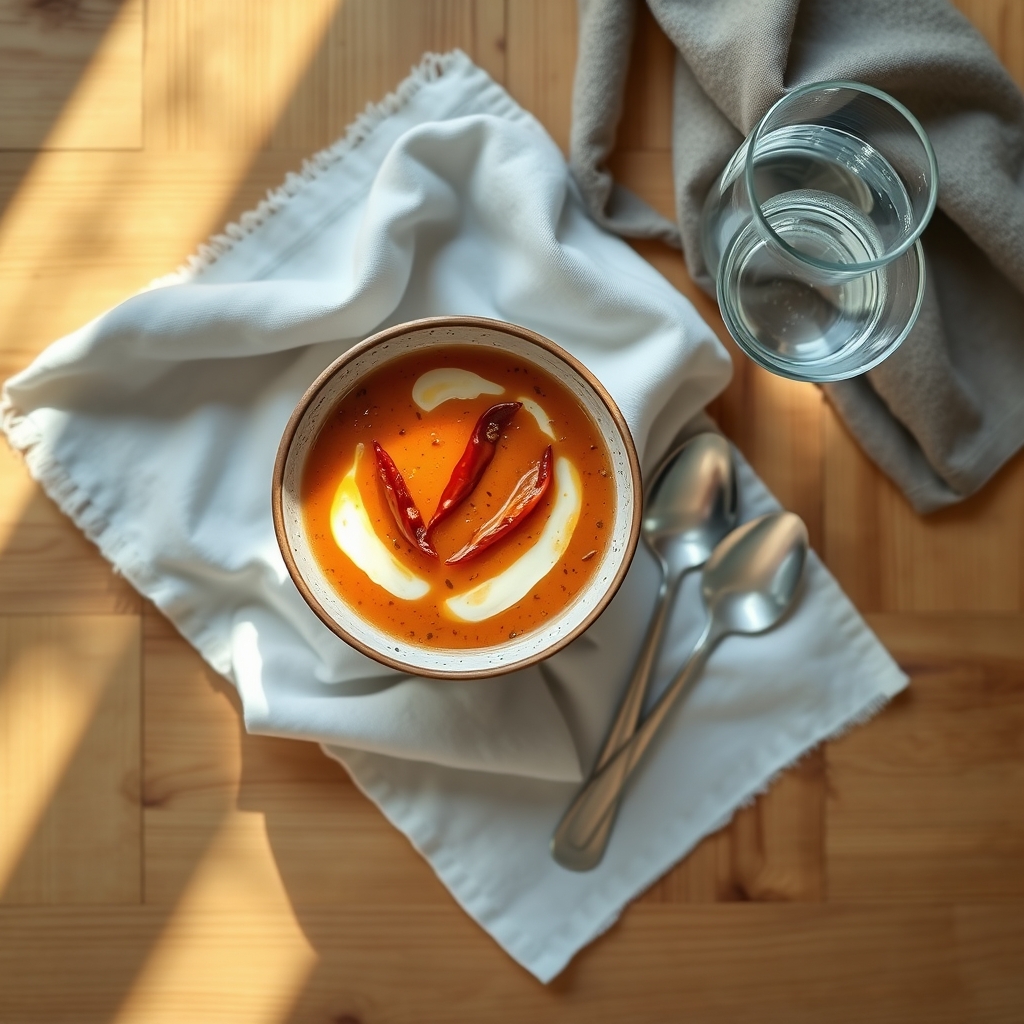
Warm, soothing meals can be both comforting and flavorful during nursing.
Can eating spicy food affect my breast milk flavor?
Yes, the flavor of your breast milk can reflect what you eat, including spicy ingredients. Capsaicin—the compound that gives peppers their heat—does not pass into milk in large quantities, but it can alter the milk’s taste and aroma. Most mothers report a mild, sometimes “peppery” or “herbaceous” note that lasts a few hours after a meal.
Studies on flavor transfer are limited, but research on maternal diet and infant acceptance suggests that babies can detect changes in milk flavor within minutes. A 2016 study published in Appetite found that infants exposed to flavored milk (e.g., vanilla) showed a higher acceptance of the same flavor later in solid foods. By analogy, a subtle spicy taste may introduce your baby to new flavors early, potentially easing the transition to seasoned foods.
In practical terms, the flavor change is usually so faint that most babies continue to feed without interruption. If your infant seems momentarily curious or pauses briefly, it’s typically a harmless response to a new taste cue. Over time, repeated exposure can actually broaden your baby’s palate, a concept supported by the American Academy of Pediatrics (AAP) when discussing flavor learning.
Spicy foods that are safe for breastfeeding moms
Jalapeños (1–2 fresh peppers per day)
Moderate‑heat hot sauces (1–2 teaspoons)
Ground cumin, coriander, and mild curry powders
Fresh ginger and turmeric (used in teas or stir‑fries)
Milk flavor changes after eating jalapeño
A mother who added a sliced jalapeño to her afternoon salad reported that her baby seemed momentarily curious, briefly pausing during a feeding before resuming normally. Such reactions are typical and usually resolve quickly. If your baby appears unsettled, try offering the breast from the opposite side or feeding when the flavor has had time to fade (about 2–3 hours).
Because the flavor shift is transient, many lactating parents find it helpful to plan a “spice‑free” feeding window if they anticipate a particularly sensitive baby. This strategy aligns with NHS guidance on managing diet‑related feeding cues.
Beyond the immediate taste, some researchers suggest that flavor exposure through milk may influence later food preferences, helping children accept a broader range of spices once they start solids. While the evidence is still emerging, the potential for early taste education is an added benefit of enjoying a moderate amount of spice.
Does spicy food cause gas or colic in my baby while breastfeeding?
Most evidence indicates that a mother’s consumption of spicy foods does not directly cause excess gas or colic in her infant. The infant’s digestive system is more likely to react to the overall diet of the mother—especially foods that are known gas‑producing, such as beans, cabbage, or carbonated drinks—rather than the heat of the spice itself.
That said, some babies are more sensitive to flavor changes. A shift in milk taste might cause them to feed more vigorously, swallowing extra air, which can lead to temporary gassiness. A 2020 review by the British Paediatric Association noted that parental perception of “spice‑related gas” often stems from coincidental timing rather than a causal link.
From a clinical perspective, the AAP advises parents to monitor feeding patterns rather than focusing solely on specific ingredients. If gas becomes a persistent issue, consider keeping a simple food diary for a week to identify broader dietary patterns that may be contributing.
Hydration also plays a subtle role; adequate water intake helps dilute flavor compounds and supports smooth digestion for both mother and baby. Pairing spicy meals with soothing, non‑spicy sides—like yogurt or oatmeal—can further reduce the chance of a brief bout of gassiness.
Best ways to reduce baby gas after mother eats spicy meals
Burp the baby gently during and after each feeding.
Feed in a quiet, upright position to limit air intake.
Offer smaller, more frequent feeds if the baby seems uncomfortable.
Stay hydrated; water helps dilute any flavor compounds that might linger in milk.
How much spicy food is safe to consume during breastfeeding?
There is no strict “upper limit” set by major health agencies, but moderation is key. The USDA’s FoodData Central lists capsaicin content for common peppers, allowing us to estimate a safe daily range. Below is a quick reference:
Food item
Typical capsaicin (mg)
Suggested serving for nursing moms
Jalapeño (1 medium)
2–4 mg
1–2 peppers
Serrano (1 medium)
5–9 mg
½–1 pepper
Hot sauce (1 tsp)
10–15 mg
1–2 tsp
Thai red curry paste (1 tbsp)
15–25 mg
1 tbsp
These numbers are approximate; the goal is to stay under roughly 20 mg of capsaicin per day, which aligns with the average intake of many cultures that regularly consume spicy cuisine. Exceeding this amount can increase the likelihood of flavor transfer and may irritate a sensitive infant’s stomach.
In the United States, the FDA does not set a specific capsaicin limit for lactating women, but it does advise that any dietary component consumed in excess of typical amounts should be discussed with a health professional. This precaution is echoed by the NHS, which recommends moderation for any strong flavoring.
For mothers who love very hot sauces, consider spacing them out across the day rather than stacking them in a single meal. This approach keeps the daily capsaicin load lower while still allowing you to enjoy the flavors you love.
Spicy food and breastfeeding weight loss
Capsaicin has a mild thermogenic effect, meaning it can slightly boost metabolism. A 2019 meta‑analysis in the Journal of Nutrition reported a modest increase in calorie expenditure (≈50 kcal per day) among adults who consumed 30 mg of capsaicin daily. While the effect is small, it may support a gradual, healthy weight loss when combined with balanced nutrition and exercise—beneficial for many postpartum mothers.
Weight management after childbirth is a common concern. ACOG’s 2023 guidance on postpartum nutrition emphasizes that any weight‑loss strategy should be gradual, nutrient‑dense, and compatible with lactation. Adding a modest amount of spice can be a flavorful way to meet those goals without sacrificing calorie intake.
Beyond metabolism, some studies suggest capsaicin may aid in appetite regulation, helping mothers feel satisfied with slightly smaller portions. This can be especially helpful when juggling the demands of a newborn and the desire to regain pre‑pregnancy health.
Should I avoid certain spices while nursing?
Most culinary spices are safe, but a few warrant caution:
Very hot chili powders (e.g., ghost pepper, Carolina Reaper) – extreme capsaicin levels can cause intense milk flavor changes and may irritate a baby's delicate gut.
Fenugreek in large doses – often used to boost milk supply, but high amounts can cause a maple‑syrup scent in milk that some babies dislike.
Licorice root – excessive consumption may affect blood pressure and is not recommended for nursing mothers.
For most everyday spices—cumin, paprika, turmeric, cinnamon, and mild chili flakes—there is no evidence of harm. If you’re trying a new spice, start with a small amount and observe your baby’s response over the next 24 hours.
International guidelines, such as those from the WHO, note that certain herbs (e.g., sage, rosemary) can have uterine‑stimulating properties in high doses, but typical culinary use remains well below concerning thresholds. When in doubt, consult your provider, especially if you are using herbal supplements alongside food spices.
It’s also wise to watch for personal sensitivities. Some mothers may experience heartburn or digestive upset from certain spices; these symptoms can indirectly affect feeding comfort. Adjusting portion size or pairing spicy foods with soothing ingredients can mitigate these issues.
How to introduce spicy flavors to baby through breast milk
Gradual exposure works best. Begin with a pinch of mild chili powder in a soup, then watch for any signs of fussiness. Over weeks, your baby may become accustomed to a gentle warmth, making the later transition to solid foods smoother. This method mirrors the “flavor‑learning” approach recommended by the American Academy of Pediatrics (AAP) for introducing new tastes.
Remember that the infant’s palate is most adaptable during the first six months. Introducing a variety of flavors through breast milk can lay the groundwork for a more adventurous eater later on, potentially reducing picky‑eating tendencies.
When you notice a brief pause or a curious facial expression, it’s usually a sign of novelty rather than distress. Offering the breast from the opposite side or waiting a short while often resolves the momentary hesitation.
Can spicy foods cause diaper rash in breastfed infants?
Diaper rash is typically linked to moisture, friction, and irritants like urine or feces—not directly to the flavor of breast milk. However, a few anecdotal reports describe a temporary reddening of the diaper area after a mother consumes very hot foods. The likely mechanism is a mild digestive upset leading to looser stools, which can increase skin exposure to irritants.
To minimize any rash risk, keep your baby’s diaper area clean, change diapers frequently, and apply a barrier cream if you notice increased moisture after a particularly spicy meal.
Both the NHS and AAP advise using breathable, cotton‑based diapers and avoiding harsh wipes that contain alcohol or fragrance, as these can compound irritation. If a rash persists beyond a couple of days, an over‑the‑counter zinc‑oxide cream is usually safe, but always check with your pediatrician first.
Hydration again plays a subtle role: adequate fluid intake helps maintain stool consistency, reducing the likelihood of watery stools that can aggravate skin irritation. Pairing spicy dishes with fiber‑rich sides like vegetables can also promote firmer bowel movements.
How long does the taste of spicy food stay in breast milk?
The flavor of a spicy meal typically lingers in breast milk for about 2–4 hours, though this can vary based on the food’s heat level, your metabolism, and how often you breastfeed. A study on flavor transfer in lactating rats showed detectable changes in milk odor up to 6 hours after a capsaicin bolus; human data suggest a shorter window.
If you’re planning a feeding session soon after a spicy dinner, you can either:
Delay the feed by a couple of hours, allowing the flavor to fade.
Express and discard milk from one breast, then offer the other side (the “pump‑and‑dump” method) if the baby seems particularly sensitive.
Most mothers find that a simple waiting period of 2 hours after a moderately spicy meal is enough for the infant to accept the milk without fuss. This aligns with ACOG’s practical advice on timing meals around feedings.
For mothers who prefer to avoid any flavor change, planning a “spice‑free” morning feed can be a helpful routine. This way you can still enjoy a hot dinner in the evening while keeping the first daily feed unchanged.
Does breastfeeding while eating spicy food affect milk supply?
Current research does not show a direct link between spicy food consumption and reduced milk production. The primary drivers of supply are demand (how often the baby nurses) and hormonal balance (prolactin and oxytocin). ACOG states that diet—spicy or otherwise—does not significantly influence these hormones.
That said, if a mother experiences gastrointestinal discomfort (e.g., heartburn) from very hot foods, she might breastfeed less often, which could indirectly affect supply. Listening to your body, staying hydrated, and maintaining a regular feeding schedule are the best ways to protect your milk volume.
For mothers who find spicy foods exacerbate reflux, the FDA recommends using antacids that are safe for lactation, such as calcium carbonate, after consulting a healthcare provider. Adjusting meal timing—eating spicy foods earlier in the day rather than close to bedtime—can also reduce nighttime discomfort.
Additionally, stress and fatigue can impact let‑down reflexes. If a spicy meal leads to discomfort that disrupts sleep, consider moderating your intake to preserve overall well‑being and maintain a consistent nursing pattern.
Are there any health benefits for the mother when eating spicy food while nursing?
Beyond the modest metabolic boost mentioned earlier, spicy foods offer several well‑documented benefits for postpartum mothers:
Antioxidant properties – Capsaicin and related compounds have antioxidant effects, supporting cellular health.
Anti‑inflammatory action – Regular, moderate spice intake can reduce markers of inflammation, which may aid recovery after childbirth.
Mood elevation – The release of endorphins triggered by capsaicin can improve mood, a helpful boost during the often‑challenging postpartum period.
Improved cardiovascular health – Epidemiological studies link regular spicy‑food consumption with lower risk of heart disease, a benefit that extends into the nursing years.
All benefits are dose‑dependent; excessive heat can lead to gastrointestinal upset, which may interfere with nutrient absorption or sleep. Balance is the key.
Additionally, some research indicates that capsaicin may help modulate blood sugar levels, an advantage for mothers with a history of gestational diabetes. The NHS notes that a balanced diet with moderate spice can support stable glucose, but any dietary changes should be discussed with a provider.
Spice and postpartum nutrition: guidelines from leading health agencies
Postpartum nutrition recommendations from ACOG and the NHS emphasize a diet rich in fruits, vegetables, lean proteins, whole grains, and healthy fats. Within this framework, spices can be a flavorful, low‑calorie way to meet nutrient goals. For example, turmeric provides curcumin, a compound with anti‑inflammatory properties, while ginger can aid digestion and reduce nausea.
Both organizations advise that any new food, including spicy options, be introduced gradually. This approach helps you monitor both your own tolerance and your baby’s response to flavor changes in milk. A balanced diet that includes a variety of spices also supports a diverse gut microbiome, which recent studies suggest may influence breast‑milk composition in subtle, beneficial ways.
When planning meals, consider pairing spicy elements with nutrient‑dense sides—such as roasted vegetables, quinoa, or legumes—to create a well‑rounded plate that sustains energy during the demanding postpartum weeks.
Spicy food across cultures: what breastfeeding mothers can learn
Many cultures incorporate heat into daily meals without reported adverse effects on nursing infants. In Mexico, mothers commonly enjoy salsa with meals; in India, turmeric‑laden dals are a staple; and in Thailand, coconut‑milk curries provide both spice and healthy fats. These traditions illustrate that moderate spice is compatible with successful breastfeeding when paired with adequate hydration and balanced nutrition.
Research from the WHO on dietary patterns in low‑ and middle‑income countries shows that infants exposed to a variety of flavors through breast milk tend to have broader acceptance of foods later in life. While cultural practices vary, the common thread is moderation and attentiveness to the baby's cues—principles that align with the guidance from ACOG and the NHS.
Adapting these global insights can be as simple as adding a pinch of cumin to a soup, a dash of chili oil to stir‑fried greens, or a spoonful of mango‑chili chutney to a rice bowl. The key is to enjoy the flavors you love while staying mindful of your baby’s reactions.
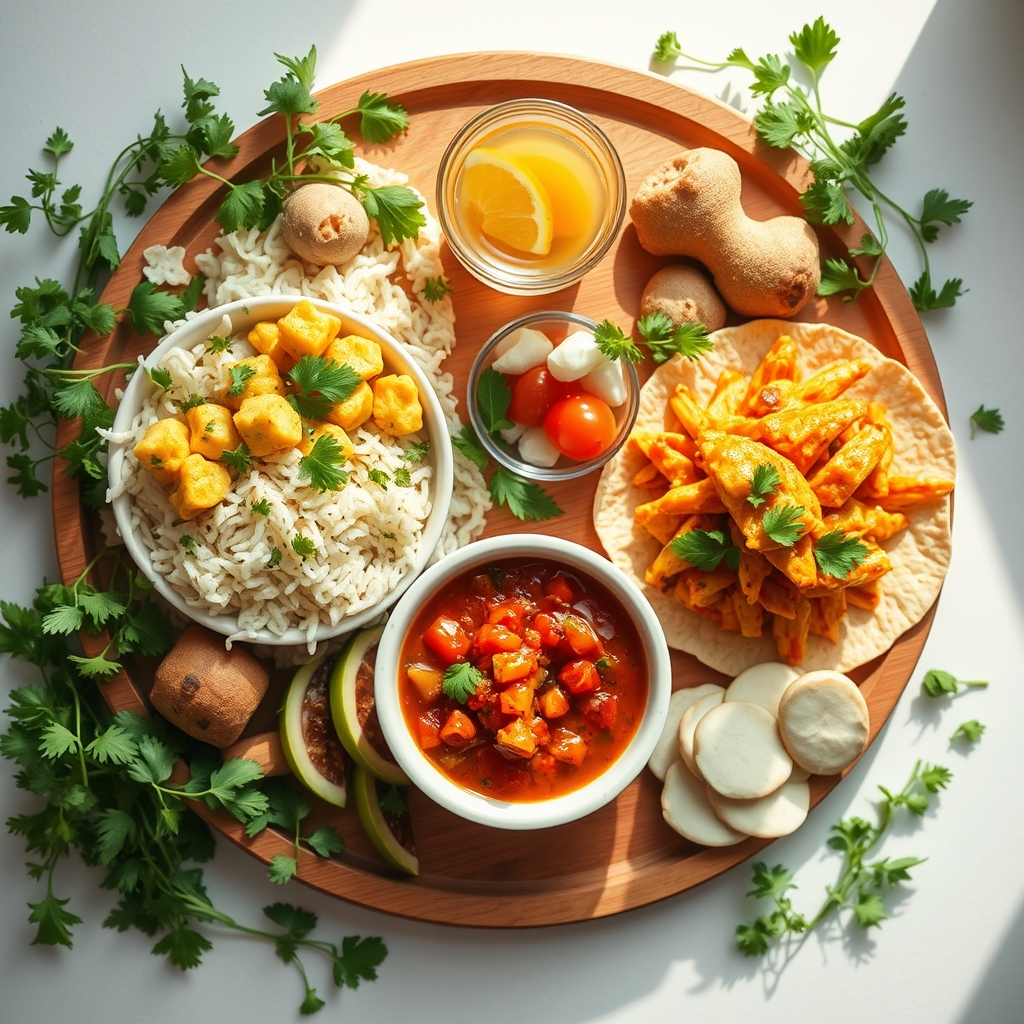
World cuisines show how spice can be part of a balanced, nursing‑friendly diet.
Spicy food and breastfeeding: impact on baby’s sleep patterns
Some parents wonder whether the mild heat from spicy meals can affect an infant’s sleep. Current evidence suggests that any impact is indirect. A small amount of capsaicin in milk may cause a brief change in taste, but it does not alter the hormone content that regulates sleep cycles.
However, if a mother experiences heartburn or reflux after a very spicy dinner, she may be less comfortable while nursing at night, which can translate to a less soothing feeding environment. In such cases, the baby might wake more often simply because the feeding session is less relaxed.
To support restful nights, consider enjoying the spiciest meals earlier in the evening and pairing them with soothing, low‑acid foods like oatmeal or bananas. This timing strategy helps keep both mother and baby comfortable, promoting smoother nighttime nursing sessions.
Choosing lactation‑friendly spicy recipes
When you want to incorporate heat without overdoing it, focus on recipes that balance spice with hydration and nutrition. Here are three quick ideas:
Turmeric‑ginger broth – Simmer low‑sodium chicken or vegetable broth with a teaspoon of fresh ginger, a pinch of turmeric, and a dash of mild chili flakes. Serve with soft noodles for a soothing, nutrient‑dense snack.
Mild black‑bean chili – Combine canned black beans, diced tomatoes, a small chopped jalapeño, cumin, and a splash of lime juice. Top with avocado for healthy fats that support milk quality.
Spiced oatmeal – Cook rolled oats with a pinch of cinnamon, a drizzle of maple syrup, and a few crushed red‑pepper flakes. Add sliced banana for potassium and creaminess.
These dishes keep capsaicin levels modest, incorporate plenty of fluids, and provide a mix of protein, fiber, and micronutrients—exactly what postpartum bodies need while nursing.
Feel free to experiment with flavor intensity; start with a quarter teaspoon of chili flakes and increase gradually as you gauge your baby’s response. The goal is enjoyment, not endurance.
From our medical team: “Eating spicy foods in moderation is generally safe for breastfeeding families. Watch your baby for any signs of discomfort, stay hydrated, and remember that a varied, nutrient‑rich diet supports both milk quality and your own recovery.”
Myth vs. fact
Myth: Spicy food will make my baby cry constantly.
Fact: Most babies tolerate the mild flavor changes from moderate spice without distress. Persistent fussiness may be unrelated or indicate a different sensitivity.
Myth: Hot peppers can damage my breast tissue.
Fact: Capsaicin does not penetrate breast tissue in harmful amounts; there is no evidence linking it to mastitis or nipple irritation.
Myth: All spices should be avoided while nursing.
Fact: The majority of culinary spices are safe and can even provide health benefits. Only extremely hot varieties or large doses of certain herbs require caution.
Key takeaways
Moderate spice (≈20 mg capsaicin per day) is safe for most nursing infants.
Flavor changes in milk usually last 2–4 hours and rarely cause lasting discomfort.
Gas, colic, or diaper rash are more often linked to overall diet rather than spice alone.
Stay hydrated and observe your baby after a spicy meal; adjust feeding timing if needed.
Enjoy the maternal health perks of spice—antioxidants, mood boost, and modest metabolic increase.
If your baby shows persistent irritation, reduce spice and consult your provider.
Plan meals earlier in the day and pair spicy dishes with soothing sides to protect nighttime nursing.
Simple lactation‑friendly recipes can give you the flavor you love while supporting nutrition.
Frequently asked questions
Can my baby taste the spice I eat in my breast milk?
Yes. Flavor compounds from spicy foods can appear in breast milk within minutes, giving a mild “peppery” taste that usually fades after a few hours.
Will eating spicy food cause my baby to have a rash?
Rarely. Diaper rash is more commonly caused by moisture and irritation, not by the flavor of breast milk. If a rash appears after a very hot meal, it may be due to looser stools rather than the spice itself.
Is it safe to eat hot peppers while breastfeeding?
Generally, yes—provided you keep intake moderate (e.g., 1–2 jalapeños or 1–2 tsp of hot sauce daily). Extremely hot peppers should be limited because they can cause stronger flavor changes and possible digestive upset.
How long does the flavor of spicy food linger in breast milk?
The taste typically remains detectable for 2–4 hours, though this can vary with the heat level and how often you feed.
Can spicy foods reduce my milk supply?
There is no evidence that spice directly lowers milk production. Supply is primarily driven by nursing frequency and hormonal balance.
What spices should nursing mothers avoid?
Very high‑heat chilies (like ghost pepper), large amounts of fenugreek, and excessive licorice root should be limited. Everyday spices such as cumin, paprika, and mild chili flakes are safe.
How can I manage heartburn if I love spicy foods while nursing?
Try eating smaller portions, avoiding spicy meals close to bedtime, and pairing heat with soothing foods like oatmeal or yogurt. If heartburn persists, discuss safe antacids with your provider, as recommended by the FDA for lactating women.
Does eating spicy food affect the nutrient content of my breast milk?
Current research suggests that while flavor may change, the core nutrient profile (protein, fat, lactose) remains unchanged. Some spices, such as turmeric, may add trace antioxidants, but these variations are modest and generally beneficial.
Can spicy foods influence my baby’s sleep?
Spice itself does not alter sleep‑regulating hormones in milk. However, maternal reflux or discomfort from very hot meals can make nighttime nursing less soothing, potentially leading to more frequent waking.
What are some easy, lactation‑friendly spicy recipes?
Try a turmeric‑ginger broth, mild black‑bean chili, or spiced oatmeal with a pinch of red‑pepper flakes. These dishes keep capsaicin modest, add hydration, and provide balanced nutrition for postpartum recovery.
When to call your doctor
If your baby shows any of the following after you’ve eaten spicy foods, contact your pediatrician or midwife promptly: persistent crying or fussiness lasting more than an hour, vomiting, signs of an allergic reaction (hives, swelling, difficulty breathing), or a rash that spreads or worsens. Remember, this article provides general information and is not a substitute for personalized medical advice.
References
American College of Obstetricians and Gynecologists (ACOG). “Nutrition During Pregnancy and Lactation.” 2023 clinical guidance.
National Health Service (NHS). “Breastfeeding: Your diet while nursing.” Updated 2022.
World Health Organization (WHO). “Guidelines on healthy diet for postpartum women.” 2021.
U.S. Department of Agriculture (USDA) FoodData Central. Nutrient composition of peppers and hot sauces. Accessed 2024.
British Paediatric Association. “Infant colic and parental diet.” 2020 review.
American Academy of Pediatrics (AAP). “Introducing solid foods and flavor learning.” 2022 policy statement.
Journal of Nutrition. “Capsaicin and energy expenditure: A meta‑analysis.” 2019.
Appetite. “Maternal diet and infant flavor preference.” 2016 study.
Food and Drug Administration (FDA). “Medication safety during lactation.” Updated 2023.
National Institute for Health and Care Excellence (NICE). “Postnatal care: nutrition and lifestyle.” 2022.
American College of Obstetricians and Gynecologists (ACOG). “Postpartum weight management.” 2023 clinical bulletin.
National Health Service (NHS). “Managing reflux in breastfeeding mothers.” 2021 guidance.
Frequently asked questions
Can I eat spicy food while breastfeeding?
Yes for most dyads. Continue nursing through your normal diet unless your baby consistently reacts after spicy meals.
Does spicy food affect breast milk?
Flavors can pass into milk in tiny amounts — that’s normal and may even help babies accept family foods later. It doesn’t dry up supply.
Not sure about the label on Spicy Food While Breastfeeding products?
Snap the ingredients list and SafeFilter checks every ingredient for your stage — only 3 free scans this month, then you're locked until reset. Unlimited from $7/mo or $50/yr.
When Shubhra Mishra was expecting her first child in 2016, she was overwhelmed by conflicting food advice — one site said yes, another said never. By the time her second baby arrived in 2019, she realized millions of mothers face the same confusion.
That sparked a five-year journey through clinical nutrition papers, cultural diets, and expert conversations — all leading to BumpBites: a calm, compassionate space where science meets everyday motherhood.
Her long-term vision is to build a global community ensuring safe, supported, and free deliveriesfor every mother — because no woman should face pregnancy alone or uninformed. 🌿
🌍 Stand with mothers, shape safer guidance
Join a small circle of experts who review BumpBites articles so expecting parents everywhere can decide with confidence.