Is spironolactone for acne safe during pregnancy? Experts say avoid in first trimester—learn dosage limits, alternatives, and side effects here.
By Shubhra Mishra — a mom of two who turned her own confusion during pregnancy into BumpBites, a global mission to make food choices clear, safe, and stress-free for every expecting mother. 💛
Check whether any food is safe during pregnancy with the BumpBites Food Safety Checker.
Quick verdict: ⚠️ Spironolactone for acne is best avoided during pregnancy because it’s classified as a **potential teratogen**—meaning it may increase the risk of birth defects, particularly in the first trimester. If you’ve already taken it, don’t panic, but stop immediately and discuss monitoring with your provider. Safer alternatives exist for managing acne during pregnancy.
It’s 3:17 a.m., and you’re staring at the bottle of spironolactone on your nightstand—your acne treatment that finally cleared up those stubborn cysts. Then you remember the positive pregnancy test from yesterday. Your stomach tightens. Is spironolactone for acne safe during pregnancy? You’ve heard it’s used for high blood pressure and hormonal imbalances, but acne? That feels different. The internet is a sea of conflicting warnings: some say it’s “fine in small doses,” others scream it’s a “no-go.” You’re not alone in this panic. Many pregnant people pause mid-step, mid-bite, mid-dose, wondering if the medication they rely on could harm their baby.
Here’s what you need to know: spironolactone for acne is not recommended during pregnancy, and the risks aren’t just theoretical. This article breaks down the science, trimester-by-trimester safety, safer alternatives, and what to do if you’ve already taken it. We’ll also compare it to other uses of spironolactone—because yes, it’s prescribed for more than just acne—and debunk myths so you can breathe easier. Let’s start with the facts.
Trimester / Use
Safety Verdict
Notes
First Trimester (Acne)
❌ Best avoided
Highest risk of birth defects; linked to genital abnormalities in male fetuses.
Second Trimester (Acne)
⚠️ Use only if absolutely necessary
Possible fetal harm; monitor closely with your provider.
Third Trimester (Acne)
⚠️ Use only if absolutely necessary
Risk of neonatal effects (e.g., low potassium); avoid if possible.
Breastfeeding
⚠️ Use with caution
Passes into breast milk; consult your provider about alternatives.
---
Spironolactone is often prescribed off-label for acne, but its safety during pregnancy is a major concern.
---
What is spironolactone, and how is it used for acne?
Spironolactone is a **potassium-sparing diuretic** originally developed to treat high blood pressure and fluid retention. But its real superpower? It’s a **blocker of androgens**—hormones like testosterone that can trigger acne, especially in people with polycystic ovary syndrome (PCOS) or hormonal acne. Because of this, dermatologists sometimes prescribe it off-label (meaning not FDA-approved for this use) to clear up stubborn breakouts, particularly for those who can’t tolerate or don’t respond to traditional acne treatments like retinoids or antibiotics.
For acne, spironolactone is typically taken as a **low-dose oral pill** (25–100 mg daily), often alongside topical treatments like benzoyl peroxide or salicylic acid. It can take **3–6 months** to see full effects, but many users report noticeable improvements in 4–8 weeks. The medication works by reducing oil production and inflammation, which are key drivers of acne.
However, spironolactone’s hormonal effects also make it useful for other conditions—like hirsutism (excess facial hair), PCOS, or even heart failure (where it helps the kidneys retain potassium). But when it comes to pregnancy, its androgen-blocking properties become a major red flag. Here’s why.
---
Is spironolactone for acne safe during pregnancy?
T
he short answer: **No, it’s not safe to use spironolactone for acne during pregnancy**, according to the FDA and ACOG (American College of Obstetricians and Gynecologists). The drug falls into Pregnancy Category C—meaning animal studies show risks, but human data is limited. However, spironolactone has been linked to serious concerns in pregnancy:
Teratogenic risk: Spironolactone is classified as a **potential teratogen**, meaning it may cause birth defects, particularly in the first trimester when organs are forming. Studies (including one published in the Journal of the American Academy of Dermatology) have associated it with genital abnormalities in male fetuses, such as hypospadias (a rare condition where the urethra doesn’t develop properly).
Hormonal disruption: Since spironolactone blocks androgens, it could theoretically interfere with fetal hormone development, though direct evidence is scarce. The NHS (UK) advises against its use in pregnancy unless the benefits outweigh the risks—something that’s nearly impossible to justify for acne.
Neonatal effects: If taken near delivery, spironolactone can cause low potassium levels (hypokalemia) in newborns, leading to weakness or irregular heartbeats. The FDA warns against use in the third trimester unless medically necessary.
Despite these risks, some dermatologists may rarely prescribe spironolactone for severe acne in pregnancy if other treatments have failed—but this is not standard practice. The ACOG recommends avoiding it unless the potential benefits (e.g., life-threatening acne) clearly outweigh the risks, which is unlikely for most pregnant people.
If you’re currently taking spironolactone for acne and discover you’re pregnant, stop immediately and contact your provider. While the risks aren’t 100% certain, the safest course is to transition to pregnancy-safe alternatives as soon as possible. For those planning pregnancy, spironolactone should be tapered off before conception if possible.
---
Is spironolactone for acne safe during the first trimester?
The first trimester is the critical window for organ development, and this is when spironolactone poses the highest risk. The FDA and ACOG both classify it as a Category C drug during this period, meaning:
Genital abnormalities: Male fetuses exposed to spironolactone in utero may have a higher risk of hypospadias or other genital malformations. A 2018 study in Pediatrics linked spironolactone to a doubling of hypospadias risk in male infants.
Fetal growth concerns: Some animal studies suggest spironolactone could affect fetal growth, though human evidence is limited. The NHS advises against its use in the first trimester unless absolutely necessary.
No safe dose established: Unlike some medications where a low dose might be deemed “safe,” spironolactone has no proven safe threshold during pregnancy. Even 25 mg/day is considered risky.
What to do: If you’ve taken spironolactone in the first trimester and are worried, don’t panic. Many medications taken early in pregnancy don’t cause harm, but spironolactone is one of the exceptions. Your provider may recommend ultrasound monitoring to check for genital abnormalities, particularly if you’re expecting a male baby. For now, focus on safe acne treatments like benzoyl peroxide or azelaic acid.
---
Can I take spironolactone for acne during the second trimester?
The second trimester is slightly less risky than the first, but spironolactone is still not recommended. While the risk of major birth defects decreases, concerns remain:
Hormonal interference: Spironolactone’s androgen-blocking effects could theoretically disrupt fetal hormone balance, though direct evidence is lacking.
Neonatal risks: If taken close to delivery, spironolactone can cause low potassium levels in newborns, leading to weakness or heart issues. The ACOG advises against its use in the third trimester unless medically necessary.
Limited alternatives: For severe acne, some dermatologists might consider topical retinoids (like tretinoin) or oral antibiotics (like erythromycin)—but these also come with risks. The safest approach is to avoid spironolactone entirely.
What to do: If you’re currently taking spironolactone and discover you’re in your second trimester, stop the medication and discuss safer alternatives with your provider. Focus on gentler acne treatments, such as:
Topical azelaic acid (e.g., Finacea®)
Benzoyl peroxide (2.5–5%) (safe in pregnancy)
Salicylic acid cleansers (e.g., CeraVe SA Cleanser)
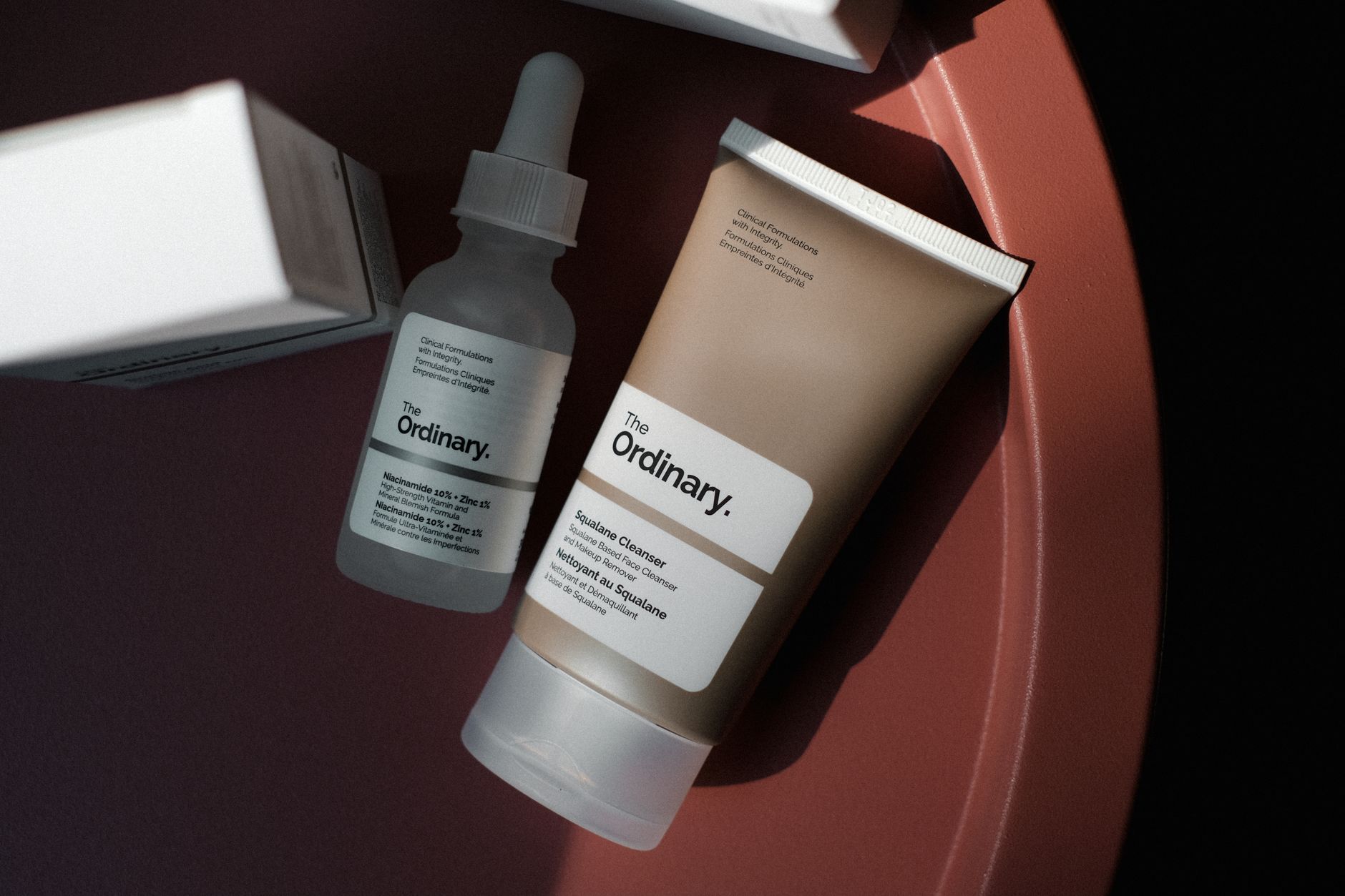
Niacinamide serums (e.g., The Ordinary Niacinamide 10%)
If your acne is severe and not responding to these, your provider may suggest oral erythromycin or clindamycin—but these are also used sparingly in pregnancy.
---
Can I take spironolactone for acne during the third trimester?
The third trimester is the most critical for fetal development, and spironolactone’s risks are not worth the potential benefits for acne. Key concerns include:
Neonatal hypokalemia: Spironolactone can cause dangerously low potassium levels in newborns, leading to muscle weakness, fatigue, or even heart rhythm problems. The FDA warns against its use near term.
Potential for preterm labor: Some diuretics (including spironolactone) may increase the risk of preterm birth, though this is more commonly associated with loop diuretics like furosemide.
Breastfeeding risks: Spironolactone passes into breast milk, so it’s not recommended for women who are breastfeeding.
What to do: If you’re taking spironolactone in the third trimester, stop immediately and switch to pregnancy-safe acne treatments. Your provider may monitor your baby’s potassium levels if you’ve taken spironolactone recently. For breastfeeding, avoid spironolactone entirely and opt for topical treatments like benzoyl peroxide or azelaic acid.
---
What is the recommended dosage of spironolactone for acne during pregnancy?
There is no safe dosage of spironolactone for acne during pregnancy. The FDA and ACOG both advise against its use unless the benefits outweigh the risks—something that’s nearly impossible to justify for acne management. Here’s what the guidelines say:
Standard acne dose: Typically **25–100 mg daily** for hormonal acne, often taken at night.
Pregnancy dose: Not recommended at any dose. Even low doses (e.g., 25 mg) carry teratogenic risks.
Monitoring required: If you’ve taken spironolactone and are pregnant, your provider may recommend:
Ultrasound monitoring (especially for male fetuses)
Blood tests for potassium levels (if taken in the third trimester)
Fetal heart rate monitoring near term
If you’ve already taken spironolactone before realizing you’re pregnant, don’t worry about the exact dose. The risk isn’t dose-dependent in the way most medications are. Instead, focus on transitioning to safer treatments and discussing any concerns with your provider.
---
Which brand names of spironolactone are commonly used for acne?
Spironolactone is available under several brand names, but none are FDA-approved specifically for acne. The most commonly prescribed brands include:
Brand Name
Dosage Forms
Notes
Aldactone®
25 mg, 50 mg, 100 mg tablets
Most commonly prescribed for acne; generic versions available.
Carospir®
25 mg, 50 mg tablets
Less common in the U.S.; used more in Europe.
Diucardin®
25 mg, 50 mg tablets
Primarily used for hypertension; not preferred for acne.
Key takeaway: The brand doesn’t matter for safety—all forms of spironolactone are equally risky during pregnancy. If you’re taking any of these, stop immediately and switch to pregnancy-safe alternatives.
---
Are there safer alternative acne treatments for pregnant women?
Yes! There are many safe and effective acne treatments for pregnant women, though none work as quickly or as powerfully as spironolactone. The goal is to manage breakouts without risking fetal development. Here are the safest options:
Topical benzoyl peroxide (2.5–5%)Why: Kills acne-causing bacteria and reduces inflammation. Safe in all trimesters and breastfeeding.
Topical azelaic acid (e.g., Finacea®, SkinCeuticals Azelaic Acid 10%)Why: Reduces inflammation and exfoliates gently; safe for all trimesters.
Salicylic acid cleansers (e.g., CeraVe SA Cleanser, La Roche-Posay Effaclar)Why: Exfoliates dead skin cells and unclogs pores; safe in pregnancy.
Niacinamide (e.g., The Ordinary Niacinamide 10%)Why: Reduces oil production and redness; safe for all trimesters.
Topical retinoids (e.g., tretinoin, adapalene)Why:Safe in the second and third trimesters only (avoid first trimester). Ask your provider before use.
Oral erythromycin or clindamycinWhy: Used for moderate to severe acne; safe in pregnancy but only if absolutely necessary. Monitored closely by a provider.
Honey or tea tree oil (diluted)Why: Natural anti-inflammatory options; tea tree oil should be diluted to 5% or less to avoid irritation.
Blue light therapy (IPL devices)Why: Non-invasive and safe; consult a dermatologist for proper use.
For a full guide on safe acne routines during pregnancy, check out our dedicated article. If your acne is severe, always consult your provider before starting any new treatment.
---
Safe alternatives to spironolactone for acne during pregnancy include benzoyl peroxide, azelaic acid, and salicylic acid.
---
What are the potential risks of spironolactone use in pregnancy?
While spironolactone isn’t proven to cause harm in every pregnancy, the risks are well-documented enough to warrant avoidance. Here’s what you need to watch for:
Birth defects (first trimester)
Hypospadias: A rare condition where a male baby’s urethra opens on the underside of the penis instead of the tip. Studies link spironolactone to a 2x higher risk.
Ambiguous genitalia: In rare cases, spironolactone may affect fetal hormone development, leading to unclear genitalia in male babies.
Neonatal complications (third trimester)
Low potassium (hypokalemia): Can cause weakness, fatigue, or irregular heartbeats in newborns.
Preterm labor: Some diuretics may increase the risk of early delivery, though this is more common with loop diuretics.
Hormonal disruption
Spironolactone blocks androgens, which could theoretically affect fetal hormone development, though human evidence is limited.
Withdrawal effects
Stopping spironolactone suddenly can cause electrolyte imbalances or high blood pressure in some people.
What to do if you’ve taken spironolactone:
Stop immediately if you discover you’re pregnant.
Schedule an ultrasound if you’re expecting a male baby (to check for genital abnormalities).
Monitor for symptoms like excessive fatigue, irregular heartbeat, or unusual swelling in your baby.
Switch to safe acne treatments like benzoyl peroxide or azelaic acid.
---
Does spironolactone affect pregnancy outcomes in women with acne?
There’s no evidence that spironolactone improves pregnancy outcomes for women with acne—quite the opposite. While severe acne can cause emotional distress, the risks of spironolactone far outweigh any potential benefits for managing breakouts. Here’s what the research says:
No proven benefit for pregnancy-related acne: Acne during pregnancy is often hormonal and improves after delivery. Spironolactone doesn’t address the root cause (fluctuating hormones) and carries unnecessary risks.
Potential for worse outcomes: Some studies suggest that hormonal disruptions during pregnancy (even unintentional ones) could affect fetal development, though this is speculative.
Better alternatives exist: Topical treatments like benzoyl peroxide, azelaic acid, and niacinamide are just as effective for mild to moderate acne and carry zero risk.
If your acne is severe and affecting your mental health, talk to your provider. They may recommend oral antibiotics (like erythromycin) or low-dose isotretinoin (if absolutely necessary)—but these are not first-line choices and require close monitoring.
---
Which brand names of spironolactone are commonly used for acne?
As mentioned earlier, spironolactone isn’t FDA-approved for acne, but it’s sometimes prescribed off-label under these brand names:
Brand Name
Common Use
Pregnancy Safety
Aldactone®
Acne, hirsutism, PCOS
❌ Best avoided
Carospir®
Acne (less common in U.S.)
❌ Best avoided
Diucardin®
Hypertension (rarely acne)
❌ Best avoided
Important note: The brand doesn’t change the safety risk—all spironolactone formulations are equally unsafe during pregnancy. If you’re taking any of these, stop immediately and switch to safer alternatives.
---
Related items: Spironolactone safety at a glance
Spironolactone is used for more than just acne. Here’s a quick safety comparison for other conditions during pregnancy:
No proven benefit; safer hair loss treatments available.
Spironolactone for PCOS
❌ Best avoided
Hormonal risks outweigh benefits for most women.
Spironolactone for hyperaldosteronism
⚠️ Use only if absolutely necessary
Life-threatening condition may require it; monitor closely.
Spironolactone for hyperthyroidism
❌ Best avoided
No evidence of benefit; safer treatments exist.
---
Myth vs. fact
Spironolactone has a lot of myths surrounding its use in pregnancy. Here’s the truth:
Myth: “A little spironolactone won’t hurt my baby.”
Fact: There’s no safe dose of spironolactone during pregnancy. Even low doses carry risks of birth defects and hormonal disruption. The FDA and ACOG both advise against its use unless the benefits are life-saving.
Myth: “Spironolactone is just a diuretic—it won’t affect my baby’s hormones.”
Fact: Spironolactone is a potassium-sparing diuretic and androgen blocker. Its hormonal effects can disrupt fetal development, particularly in male babies. The NHS warns against its use in pregnancy unless medically necessary.
Myth: “I can switch to a lower dose if I’m pregnant.”
Fact: There’s no proven safe dose of spironolactone for acne during pregnancy. Even 25 mg/day is considered risky, and tapering isn’t recommended without medical supervision.
---
Key takeaways
❌ Spironolactone for acne is best avoided during pregnancy due to risks of birth defects and hormonal disruption.
⚠️ Stop immediately if you’ve taken it and discuss monitoring with your provider, especially if you’re expecting a male baby.
✅ Safer alternatives exist, like benzoyl peroxide, azelaic acid, and niacinamide, which are effective and risk-free.
🔍 If you’ve taken spironolactone in the first trimester, an ultrasound may be recommended to check for genital abnormalities.
🚫 Avoid spironolactone in the third trimester due to risks of neonatal hypokalemia and preterm labor.
💊 Always consult your provider before stopping or switching medications—even safe alternatives may need adjustment during pregnancy.
No, spironolactone is not recommended for acne during pregnancy. The FDA and ACOG classify it as a Category C drug, meaning it may cause birth defects, particularly in the first trimester. If you’ve taken it, stop immediately and discuss safer alternatives with your provider.
What are the risks of using spironolactone during pregnancy?
The main risks include genital abnormalities in male babies (like hypospadias), hormonal disruption, and neonatal complications like low potassium levels. Spironolactone is also linked to a higher risk of preterm labor in some cases. Stopping it early in pregnancy is the safest course.
Is spironolactone safe for acne during the first trimester?
No, spironolactone is not safe in the first trimester. This is the most critical window for organ development, and spironolactone has been associated with birth defects, particularly in male fetuses. If you’ve taken it, schedule an ultrasound to check for any potential issues.
What are safer acne treatments for pregnant women?
Safe options include benzoyl peroxide (2.5–5%), azelaic acid (Finacea®), salicylic acid cleansers, niacinamide, and topical retinoids (in the second and third trimesters). Oral antibiotics like erythromycin are rarely used but may be considered for severe acne under medical supervision.
Does spironolactone cause birth defects?
Yes, spironolactone has been linked to birth defects, particularly hypospadias (a rare condition affecting male genital development). Studies suggest a 2x higher risk of hypospadias in male babies exposed to spironolactone in utero. While not all cases are preventable, avoiding it during pregnancy reduces this risk.
How long does spironolactone stay in the body during pregnancy?
Spironolactone has a half-life of about 14–24 hours, meaning it takes roughly 3–5 days to clear from your system. If you’ve taken it recently and discover you’re pregnant, stop immediately and discuss monitoring with your provider, especially if you’re in the first trimester.
Can spironolactone affect fetal development?
Yes, spironolactone’s androgen-blocking effects could theoretically disrupt fetal hormone development, though human evidence is limited. The NHS advises against its use in pregnancy unless the benefits clearly outweigh the risks, which is unlikely for acne. Safer alternatives are available.
Are there brand names of spironolactone for acne?
Spironolactone isn’t FDA-approved for acne, but it’s sometimes prescribed off-label under brands like Aldactone®, Carospir®, or Diucardin®. None are safe during pregnancy, so if you’re taking any of these, stop immediately and switch to pregnancy-safe treatments like benzoyl peroxide or azelaic acid.
---
When to call your doctor
Contact your healthcare provider immediately if you’ve taken spironolactone and are pregnant, especially if:
You’re in your first trimester and want to discuss monitoring (e.g., ultrasound for male fetuses).
You experience severe fatigue, irregular heartbeat, or unusual swelling in yourself or your baby.
Your baby shows signs of low potassium (weakness, poor feeding, or irregular breathing) after you’ve taken spironolactone near term.
Not sure about the label on Is Spironolactone For Acne Safe During Pregnancy products?
Snap the ingredients list and SafeFilter checks every ingredient for your stage — only 3 free scans this month, then you're locked until reset. Unlimited from $7/mo or $50/yr.
When Shubhra Mishra was expecting her first child in 2016, she was overwhelmed by conflicting food advice — one site said yes, another said never. By the time her second baby arrived in 2019, she realized millions of mothers face the same confusion.
That sparked a five-year journey through clinical nutrition papers, cultural diets, and expert conversations — all leading to BumpBites: a calm, compassionate space where science meets everyday motherhood.
Her long-term vision is to build a global community ensuring safe, supported, and free deliveriesfor every mother — because no woman should face pregnancy alone or uninformed. 🌿
🌍 Stand with mothers, shape safer guidance
Join a small circle of experts who review BumpBites articles so expecting parents everywhere can decide with confidence.