Discover healthy smoothie recipes for pregnancy, including nutrient-rich ingredients for a balanced diet, and learn how to make them at home easily and safely
By Shubhra Mishra — a mom of two who turned her own confusion during pregnancy into BumpBites, a global mission to make food choices clear, safe, and stress-free for every expecting mother. 💛
Check whether any food is safe during pregnancy with the BumpBites Food Safety Checker.
Quick take: Smoothies can be a safe, nutrient‑dense way to support a healthy pregnancy when you choose pregnancy‑friendly ingredients, avoid a few risky add‑ins, and balance protein, iron, calcium, and fiber. Most moms‑to‑be can enjoy one or two smoothies a day, but always check with your provider if you have specific medical conditions or are using supplements.
It’s 7 a.m., you’re still half‑asleep, and the thought of grinding fresh fruit, pouring milk, and whisking in protein powder feels overwhelming. Yet a quick, nutrient‑packed smoothie could be the gentle boost your body craves during those early weeks of pregnancy.
In this guide we’ll walk you through the best ingredients, easy recipes for busy days, and soothing blends for common pregnancy discomforts like nausea and constipation. We’ll also explore the benefits and risks of drinking smoothies daily, how to keep them balanced, and when you should loop in your obstetric provider.
Whether you’re looking for a calcium‑rich breakfast, a green‑smoothie safety check, or a high‑protein pick‑me‑up, the sections below answer the exact questions you’re typing into Google right now.
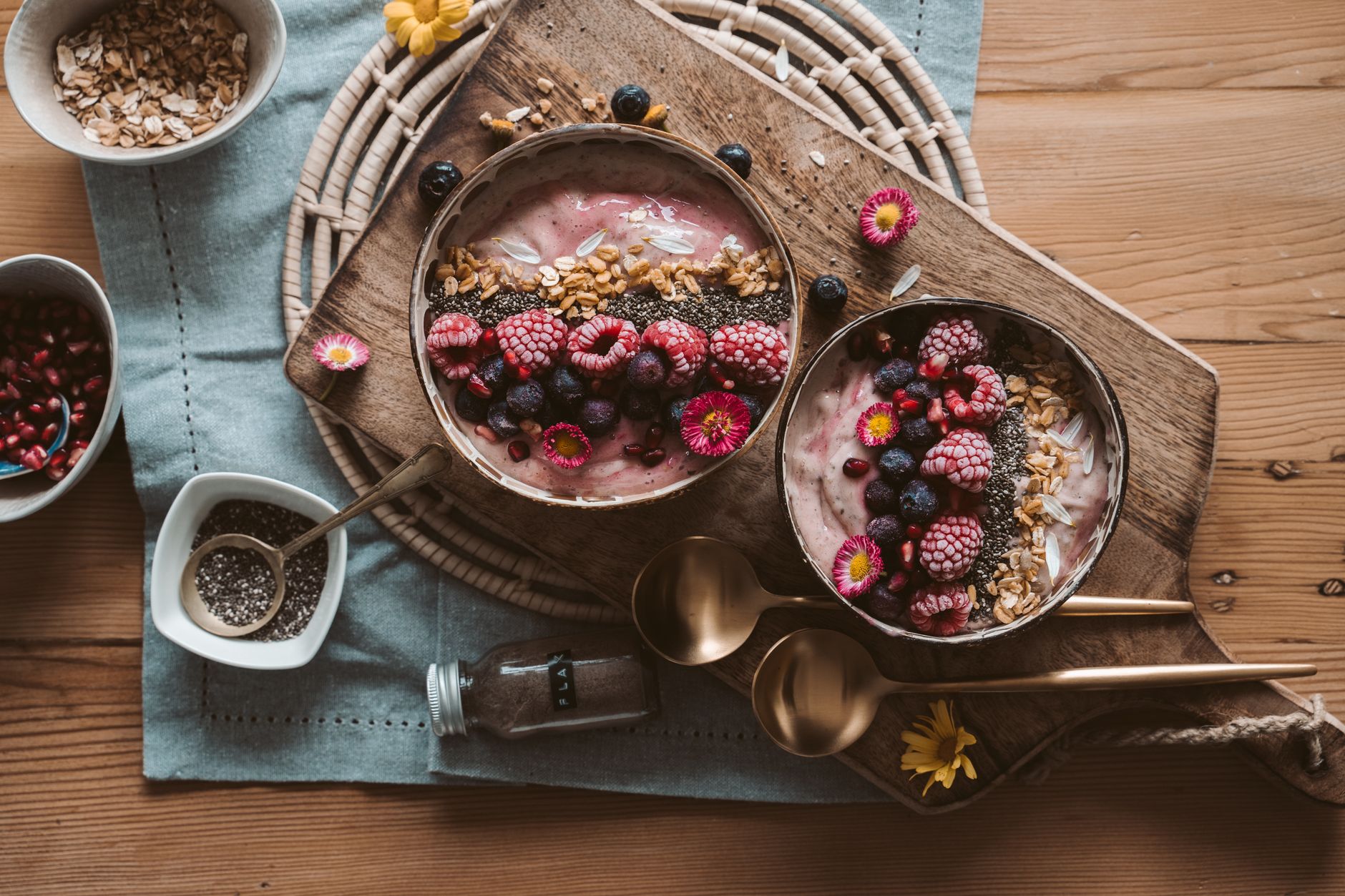
Start your day with a vibrant smoothie bowl — it’s as nourishing as it is beautiful.
What are the best smoothie ingredients for a healthy pregnancy?
Choosing the right base, fruit, veggies, protein, and optional boosters determines whether a smoothie fuels your pregnancy or adds unnecessary sugar and unwanted compounds. Below is a quick‑reference list of pregnancy‑friendly ingredients, why they matter, and how much you might need.
Beyond the ingredient list, think about balance: aim for a ratio of roughly 40 % liquid, 30 % fruit, 20 % protein, and 10 % fiber‑rich boosters. This proportion helps keep blood‑sugar spikes gentle while delivering the vitamins and minerals your growing baby needs. When you batch‑prepare smoothie packs, label each portion and store them in the freezer for up to three months – a handy trick for those hectic mornings.
Core bases
Milk or fortified plant milks (cow’s milk, soy, almond, oat) – provide calcium, vitamin D, and protein. Aim for 1 cup per smoothie.
Plain Greek yogurt – adds probiotics, calcium, and a creamy texture while keeping added sugars low.
Water or coconut water – good for hydration and electrolytes without extra calories.
Fruits that shine
Fruits contribute natural sweetness, fiber, and key vitamins like vitamin C, which helps iron absorption. The top picks are:
Bananas – potassium and vitamin B6 for nausea relief.
Berries (strawberries, blueberries, raspberries) – antioxidant‑rich and low‑glycemic.
Oranges or mandarin segments – vitamin C powerhouse for iron uptake.
Mango – vitamin A and folate, great for skin health.
Vegetables that blend well
Leafy greens are the most common “green” smoothie component, but you can also add mild‑tasting veggies for extra nutrients.
Spinach – folate, iron, and calcium; its mild flavor stays hidden.
Kale – higher calcium and vitamin K, but a stronger taste; pair with sweet fruit.
Carrot puree – beta‑carotene for vitamin A, and natural sweetness.
Avocado – healthy fats and fiber, creates a silky mouthfeel.
Protein power
Protein supports fetal growth and helps keep you full between meals. Good sources include:
Greek yogurt (½ cup)
Silken tofu (¼ cup)
Pregnancy‑approved protein powders (whey or pea) – check for no added sweeteners or banned substances.
Nut butter (1 tbsp almond or peanut) – adds protein and healthy fats.
Boosters for minerals and fiber
Chia or flax seeds – omega‑3s (ALA) and soluble fiber.
Ground oats – extra iron, calcium, and sustained energy.
Calcium‑fortified orange juice – a quick calcium boost.
Iron‑rich powders (e.g., spirulina) – use sparingly and confirm safety with your provider.
Ingredients to avoid
While many foods are safe, a few should be limited or omitted:
Unpasteurized milk or juices – risk of Listeria.
Excessive caffeine (e.g., large amounts of cold brew) – keep under 200 mg per day.
High‑dose herbal supplements (e.g., licorice root) – some may affect blood pressure.
Artificial sweeteners in large quantities – most are considered safe, but keep moderation.
Easy and quick pregnancy smoothie recipes for busy moms‑to‑be
When you’re juggling prenatal appointments, work, and a growing belly, simplicity is key. Below are three “grab‑and‑go” recipes that take five minutes or less to blend, each with a balanced mix of protein, calcium, and fiber.
To save even more time, pre‑portion your frozen fruit and greens into zip‑top bags. In the morning, just dump the bag into the blender, add your liquid base, and hit blend. If you prefer a cooler texture, add a handful of ice cubes or use frozen fruit instead of fresh.
1. Berry‑Banana Breakfast Boost
1 cup fortified almond milk
½ cup plain Greek yogurt
½ cup frozen mixed berries
½ banana
1 tbsp chia seeds
Optional: 1 tsp honey (if extra sweetness needed)
Blend until smooth. This provides roughly 250 kcal, 12 g protein, 300 mg calcium, and 5 g fiber.
2. Tropical Spinach Refresher
1 cup coconut water
1 cup fresh spinach
½ cup mango chunks (fresh or frozen)
¼ cup Greek yogurt
1 tbsp ground oats
A quick, hydrating blend with natural electrolytes, iron, and a touch of vitamin C for better iron absorption.
3. Peanut‑Butter Oat Power
¾ cup soy milk (high protein)
½ cup rolled oats (soaked 5 min for smoother texture)
1 tbsp peanut butter
1 small ripe banana
½ tsp cinnamon
This hearty option delivers about 20 g protein and 400 mg calcium, perfect for a mid‑morning energy lift.
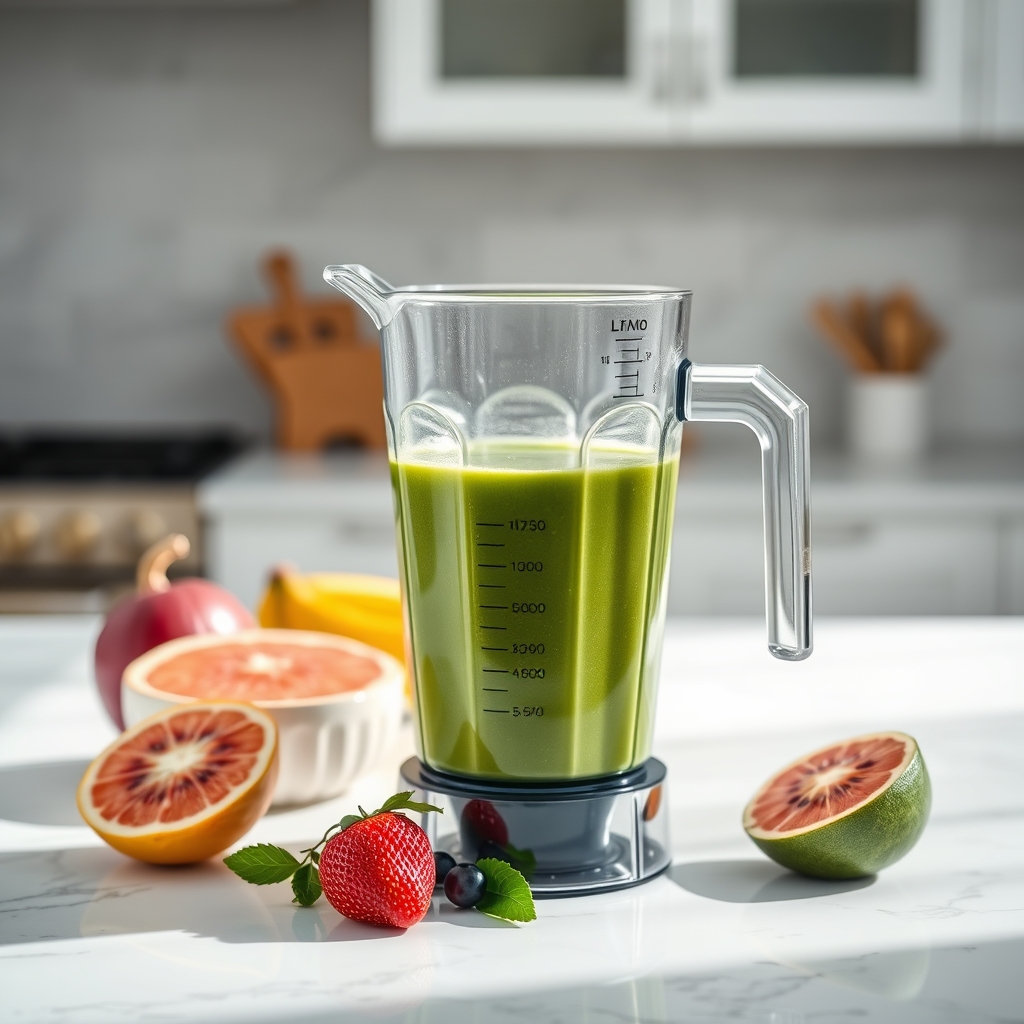
Blend a handful of spinach with mango for a vitamin‑C‑rich, iron‑friendly drink.
Smoothie recipes to help with morning sickness during pregnancy
Morning sickness, affecting up to 80 % of pregnant people, often responds well to cool, bland, and ginger‑infused drinks. The key is to keep the blend low in fat, moderate in sugar, and rich in soothing nutrients.
Ginger works by stimulating digestive juices and calming the stomach’s lining, while citrus offers a refreshing scent that can reduce nausea triggers. Pair these flavors with a small amount of protein to keep blood‑sugar stable, which further eases queasy feelings.
Ginger‑Pear Calm
1 cup cold water or coconut water
½ cup peeled, sliced pear
¼ cup plain Greek yogurt
1 tsp fresh grated ginger (adjust to tolerance)
1 tbsp chia seeds
Blend on high, sip slowly. The ginger settles the stomach, while pear supplies natural sugars without overwhelming acidity.
Lemon‑Banana Breeze
¾ cup low‑fat milk
½ banana
Juice of ½ lemon
1 tbsp honey (optional)
¼ tsp vanilla extract
Cold temperature and citrus can reduce nausea; banana adds potassium, which many lose from vomiting.
Cool Cucumber Mint
1 cup chilled cucumber juice (blend cucumber, strain)
½ cup plain kefir
5 fresh mint leaves
1 tbsp lime juice
This light, hydrating smoothie is perfect after a bout of nausea. Mint’s calming aroma and cucumber’s high water content help settle the stomach.
Nutrient‑packed smoothies for iron and calcium intake in pregnancy
Iron and calcium are two of the most critical minerals during pregnancy. Iron supports the growing blood volume, while calcium builds the baby’s bone and teeth. Pairing them in the same smoothie can be tricky because calcium can inhibit iron absorption—but vitamin C can bridge that gap.
Timing also matters: drinking an iron‑rich smoothie with a source of vitamin C 30 minutes before a meal can boost absorption, while calcium‑rich smoothies are best enjoyed with a meal or snack to aid bone health. This strategy aligns with ACOG’s recommendation to spread iron intake throughout the day (ACOG, 2022).
Recipe
Iron (mg)
Calcium (mg)
Vitamin C (mg)
Protein (g)
Spinach‑Orange Power
3.2
250
70
12
Berry‑Almond Delight
2.5
300
45
10
Broccoli‑Mango Boost
3.8
220
65
14
Spinach‑Orange Power
1 cup fortified soy milk
1 cup fresh spinach
½ cup orange segments
¼ cup plain Greek yogurt
1 tbsp ground flaxseed
Vitamin C from orange dramatically improves iron uptake from spinach, while soy milk contributes calcium.
Berry‑Almond Delight
1 cup almond milk (calcium‑fortified)
½ cup mixed berries
¼ cup cottage cheese
1 tbsp almond butter
1 tsp honey
Almond butter adds both calcium and iron‑friendly magnesium. Berries provide antioxidants and a modest vitamin C boost.
Broccoli‑Mango Boost
¾ cup low‑fat milk
½ cup frozen broccoli florets
½ cup mango
¼ cup silken tofu
1 tbsp chia seeds
Broccoli is a lesser‑known iron source; mango’s vitamin C helps the body absorb it efficiently.
Can I drink green smoothies daily while pregnant and are they safe?
Green smoothies are popular for their nutrient density, but daily consumption warrants a few precautions.
Why many providers say “yes, with limits”
Low oxalate greens such as spinach and kale are safe in moderate amounts (up to 2 cups per day).
Vitamin K from greens can affect blood‑clotting medication (e.g., warfarin), so discuss dosage with your doctor if you’re on such meds.
Fiber overload can cause bloating; balance with liquid and protein.
Potential concerns
High‑oxalate vegetables (beet greens, swiss chard) may increase kidney‑stone risk for susceptible individuals.
Excessive kale can raise thyroid‑blocking goitrogen levels; cooking reduces this, so alternating raw and lightly steamed greens is wise.
Unpasteurized juice blends should be avoided to prevent Listeria.
Sample safe‑daily green smoothie
1 cup unsweetened almond milk
1 cup fresh baby spinach
½ cup frozen pineapple
¼ avocado
1 tbsp hemp seeds
This provides about 200 kcal, 8 g protein, 350 mg calcium, and 2 mg iron, while staying well below oxalate thresholds.
Smoothie ideas for constipation and digestion during pregnancy
Constipation affects roughly 40 % of pregnant people, driven by progesterone‑induced slower gut motility. Fiber‑rich smoothies can gently coax the bowels back to regularity.
Hydration is equally important—pairing fiber with plenty of liquid helps form a soft stool. Adding probiotic‑rich kefir or yogurt also supports a healthy gut microbiome, which can further ease bowel movements.
Fiber‑forward Peanut‑Butter Apple
1 cup oat milk
1 medium apple, cored and sliced
1 tbsp peanut butter
¼ cup rolled oats (pre‑soaked)
1 tsp ground cinnamon
Apple skin supplies soluble fiber; oats add bulk, and peanut butter offers healthy fats that lubricate digestion.
Prune‑Date Delight
¾ cup plain kefir
¼ cup pitted dates
¼ cup prunes (soaked 10 min)
½ cup frozen berries
1 tbsp chia seeds
Both dates and prunes are natural laxatives; kefir adds probiotic support for gut health.
High‑protein pregnancy smoothie recipes for sustained energy
Protein needs rise to about 75 g per day during pregnancy. Smoothies can contribute 15‑20 g per serving, especially when you pair dairy, legumes, or protein powders.
When planning a protein‑rich smoothie, think about pairing it with a low‑glycemic fruit or a healthy fat to keep energy steady. A post‑workout smoothie with whey protein and banana, for example, can refill glycogen stores without causing a rapid glucose spike—something the ACOG nutrition bulletin emphasizes for active pregnant patients (ACOG, 2022).
Chocolate‑Banana Protein Punch
1 cup low‑fat milk
½ banana
1 scoop whey protein (plain or chocolate)
1 tbsp cocoa powder (unsweetened)
¼ cup cottage cheese
Delivers ~20 g protein, calcium, and a mood‑lifting cocoa flavor.
Silken Tofu Tropical Twist
¾ cup soy milk
¼ cup silken tofu
½ cup mango
1 tbsp hemp seeds
1 tsp agave syrup (optional)
Tofu is a complete protein source, while hemp seeds add omega‑3s for brain development.
Greek Yogurt Berry Blast
1 cup Greek yogurt (plain)
½ cup frozen mixed berries
¼ cup rolled oats
1 tbsp almond butter
½ cup water
Combines dairy protein with plant protein from almond butter, giving a balanced 18‑g protein profile.
What fruits and vegetables are best for pregnancy smoothies?
Choosing produce that packs vitamins, minerals, and fiber while staying low in pesticide residues (or opting for organic) helps protect both you and your baby.
Top fruit picks
Bananas – potassium, vitamin B6, and easy digestion.
Oranges and grapefruits – vitamin C for iron absorption.
Blueberries – antioxidants that may reduce oxidative stress.
Mango – folate, vitamin A, and a sweet base.
Papaya (ripe only) – vitamin C and digestive enzymes; avoid unripe due to latex.
Top veg picks
Spinach – high folate and iron, blends well.
Kale (baby or tender) – calcium and vitamin K; pair with fruit to mask bitterness.
Carrots – beta‑carotene for vitamin A, natural sweetness.
Beetroot (cooked) – iron and folate; use sparingly for color.
Avocado – healthy monounsaturated fats and creamy texture.
When possible, choose organic produce for items with higher pesticide residues (e.g., strawberries, spinach). If buying conventional, wash thoroughly and consider a quick‑blanch for greens.
Smoothies for gestational diabetes: keeping blood sugar steady
Gestational diabetes affects about 7 % of pregnant people. The goal is to avoid rapid spikes in blood glucose while still getting enough calories and nutrients.
Key strategies include pairing fruit with protein or healthy fats, limiting added sugars, and choosing low‑glycemic fruits such as berries, cherries, or apples. The American Diabetes Association (ADA) recommends a carbohydrate‑controlled approach, and a well‑balanced smoothie can fit that plan when built correctly (ADA, 2023).
Low‑Glycemic Berry‑Nut Smoothie
1 cup unsweetened soy milk
½ cup mixed berries (fresh or frozen)
¼ cup plain Greek yogurt
1 tbsp almond butter
½ tsp cinnamon
This combo provides about 15 g protein, 8 g fiber, and roughly 12 g net carbs, helping keep glucose levels stable.
Apple‑Cinnamon Oat Smoothie
¾ cup water
½ cup diced apple (with skin)
¼ cup rolled oats (pre‑soaked)
¼ cup cottage cheese
¼ tsp ground cinnamon
Oats and cottage cheese add protein and slow‑digesting carbs, while apple offers a gentle sweetness without a high glycemic load.
How to boost prenatal vitamin absorption with smoothies
Many pregnant people take prenatal vitamins that contain iron, folic acid, calcium, and vitamin D. Certain foods and timing can either enhance or hinder their absorption.
Vitamin C dramatically improves iron uptake, while calcium can compete with iron for absorption. A practical tip is to drink a vitamin‑C‑rich fruit smoothie (like orange‑spinach) at least 30 minutes before a calcium‑rich meal, or separate the iron‑containing supplement by a couple of hours from dairy‑heavy smoothies (NHS, 2023).
Iron‑Friendly Citrus‑Spinach Blend
1 cup fortified orange juice
1 cup baby spinach
¼ cup plain Greek yogurt
1 tbsp chia seeds
Consume this smoothie when you take your prenatal iron pill for maximal absorption.
Calcium‑Boosting Almond‑Berry Smoothie
1 cup calcium‑fortified almond milk
½ cup blueberries
¼ cup cottage cheese
1 tbsp ground flaxseed
Enjoy this blend with meals that contain calcium‑rich foods, ensuring your body gets the bone‑building nutrients it needs.
Postpartum recovery smoothies: supporting lactation and healing
After delivery, many new parents look for ways to replenish nutrients, support milk production, and aid tissue repair. Smoothies can be a gentle, nutrient‑dense option that fits into the busy life of a newborn.
Key nutrients for lactation include protein, omega‑3 fatty acids, vitamin D, and B‑complex vitamins. Including ingredients like oats (known to support milk supply), flaxseed, and fortified milks can help meet these needs, as highlighted by the Academy of Nutrition and Dietetics (2022).
Oat‑Banana Lactation Smoothie
1 cup oat milk (preferably fortified with calcium and vitamin D)
½ cup rolled oats (soaked)
½ banana
1 tbsp almond butter
¼ tsp cinnamon
Provides about 18 g protein, iron‑boosting B‑vitamins, and beta‑glucan from oats, which some studies suggest may enhance milk volume.
Salmon‑Free Omega‑3 Smoothie
1 cup soy milk
¼ cup silken tofu
½ cup frozen mixed berries
1 tbsp ground flaxseed
1 tsp maple syrup (optional)
Flaxseed supplies ALA, a plant‑based omega‑3 that supports brain development for both you and your baby during breastfeeding.
From our medical team: Smoothies are a convenient way to meet many of the nutrients your body needs during pregnancy, but they shouldn’t replace whole foods entirely. Aim for a variety of colors, keep added sugars low, and always discuss any high‑dose supplement powders with your obstetric provider. If you have a history of gestational diabetes, monitor the carbohydrate content of fruit‑heavy blends and pair them with protein or healthy fats to avoid spikes.
Myth vs. fact
Myth: All fruit smoothies are safe and healthy during pregnancy.
Fact: While many fruit smoothies are nutritious, some contain high amounts of added sugars or ingredients (like unpasteurized juice) that can pose risks. Choose low‑sugar recipes and always use pasteurized dairy or juice.
Myth: You can drink unlimited green smoothies without any concerns.
Fact: Green smoothies are beneficial, but excessive amounts of certain greens (high in oxalates or goitrogens) may affect kidney health or thyroid function. Moderation—about 1–2 cups of leafy greens per day—is recommended.
Myth: Protein powder is unnecessary because you get enough protein from food.
Fact: Pregnancy increases protein requirements, and a well‑chosen protein powder can help meet those needs, especially for vegetarians or those with limited appetite. Choose a product tested for pregnancy safety and free of added stimulants.
Key takeaways
Blend a mix of calcium‑rich dairy or fortified plant milks, iron‑boosting fruits/veggies, and a protein source for a balanced pregnancy smoothie.
Limit added sugars, avoid unpasteurized products, and watch for high‑oxalate greens if you’re prone to kidney stones.
Tailor recipes to specific discomforts—ginger for nausea, prunes for constipation, and protein powder for sustained energy.
Drink smoothies 1–2 times daily if you enjoy them, but keep total fruit sugar under 30 g per serving and balance with protein or fat.
Stay hydrated with water or coconut water, and include fiber‑rich boosters like chia, oats, or flaxseed.
Consult your obstetric provider before adding new supplements, especially iron or protein powders, to ensure they fit your prenatal plan.
Frequently asked questions
What smoothies are good for pregnancy?
Most pregnancy‑friendly smoothies combine a calcium source (milk, yogurt, fortified plant milk), a protein element (Greek yogurt, tofu, or safe protein powder), and a fruit or vegetable that supplies folate, iron, or vitamin C. Examples include a spinach‑orange blend, berry‑banana yogurt, or avocado‑banana oat smoothie.
What should I put in my smoothie while pregnant?
Start with a liquid base (milk or fortified plant milk), add one to two servings of fruit, a handful of leafy greens, a protein source, and optional fiber boosters like oats or chia seeds. Keep added sweeteners minimal.
Are daily smoothies good for pregnancy?
Yes, when they are balanced and not overly sugary. A daily smoothie can contribute 10‑20 % of your daily vitamin and mineral needs, but vary ingredients to avoid excess of any single nutrient.
What should pregnant women not put in smoothies?
Avoid unpasteurized dairy or juice, excessive caffeine, raw egg whites, large amounts of herbal extracts (e.g., licorice), and high‑oxalate greens if you have a history of kidney stones. Also limit sweetened yogurts and syrups to keep sugar intake moderate.
What is the best breakfast for a pregnant woman?
A balanced breakfast might include whole‑grain toast with avocado, a side of scrambled eggs, and a nutrient‑dense smoothie featuring milk, fruit, spinach, and protein. This combo offers complex carbs, protein, healthy fats, and key micronutrients.
Can I drink a fruit smoothie every day while pregnant?
Yes, as long as the smoothie is low in added sugar, includes a protein source, and is part of an overall varied diet. Aim for 1–2 servings per day and rotate fruits to ensure a broad nutrient profile.
Can I add raw eggs to my smoothie?
Raw eggs pose a risk of Salmonella, which can be harmful during pregnancy. It’s safest to use pasteurized egg products or cooked egg whites if you want the protein boost.
Are frozen fruits safe during pregnancy?
Yes, frozen fruits are typically flash‑frozen shortly after harvest, which locks in nutrients and keeps them safe from bacterial contamination. Just be sure the package says “no added sugars” and that the fruit was processed in a facility that follows FDA safety standards.
When to call your doctor
If you notice any of the following after drinking a smoothie, seek medical attention promptly: severe abdominal pain, persistent vomiting, signs of dehydration (dizziness, dark urine), unusual swelling, or any allergic reaction such as hives or difficulty breathing. Also, contact your provider if you’re uncertain about a supplement ingredient or if you develop new pregnancy‑related symptoms like severe constipation, unexplained weight loss, or changes in fetal movement.
This article is for informational purposes only and does not replace personalized medical advice. Always discuss dietary changes with your obstetrician or midwife.
References
American College of Obstetricians and Gynecologists (ACOG). “Nutrition During Pregnancy.” Practice Bulletin No. 202, 2022.
Not sure about the label on Smoothie Recipes For Pregnancy products?
Snap the ingredients list and SafeFilter checks every ingredient for your stage — only 3 free scans this month, then you're locked until reset. Unlimited from $7/mo or $50/yr.
When Shubhra Mishra was expecting her first child in 2016, she was overwhelmed by conflicting food advice — one site said yes, another said never. By the time her second baby arrived in 2019, she realized millions of mothers face the same confusion.
That sparked a five-year journey through clinical nutrition papers, cultural diets, and expert conversations — all leading to BumpBites: a calm, compassionate space where science meets everyday motherhood.
Her long-term vision is to build a global community ensuring safe, supported, and free deliveriesfor every mother — because no woman should face pregnancy alone or uninformed. 🌿
🌍 Stand with mothers, shape safer guidance
Join a small circle of experts who review BumpBites articles so expecting parents everywhere can decide with confidence.