ou’ve probably heard that food affects your skin, but for rosacea, the right foods aren’t just about avoiding triggers—they’re about actively soothing inflammation. Think of your skin like a garden: some foods are like fertilizer (good), and others are like weeds (bad). The foods below are your rosacea-friendly fertilizer.
**Why these foods work:**
- Omega-3 fatty acids (found in fatty fish, flaxseeds, walnuts) reduce inflammation and may help calm the immune response that triggers rosacea flares.
- Antioxidant-rich vegetables (spinach, kale, broccoli) neutralize free radicals that can worsen redness.
- Probiotics (fermented foods like sauerkraut, kimchi) support gut health, which is linked to skin conditions like rosacea.
- Hydrating foods (cucumber, watermelon, celery) help maintain skin barrier function and reduce dryness.
Pro tip: If you’re new to this, start with one or two swaps per week—like swapping white rice for brown rice or adding a handful of walnuts to your oatmeal. Your skin will thank you.
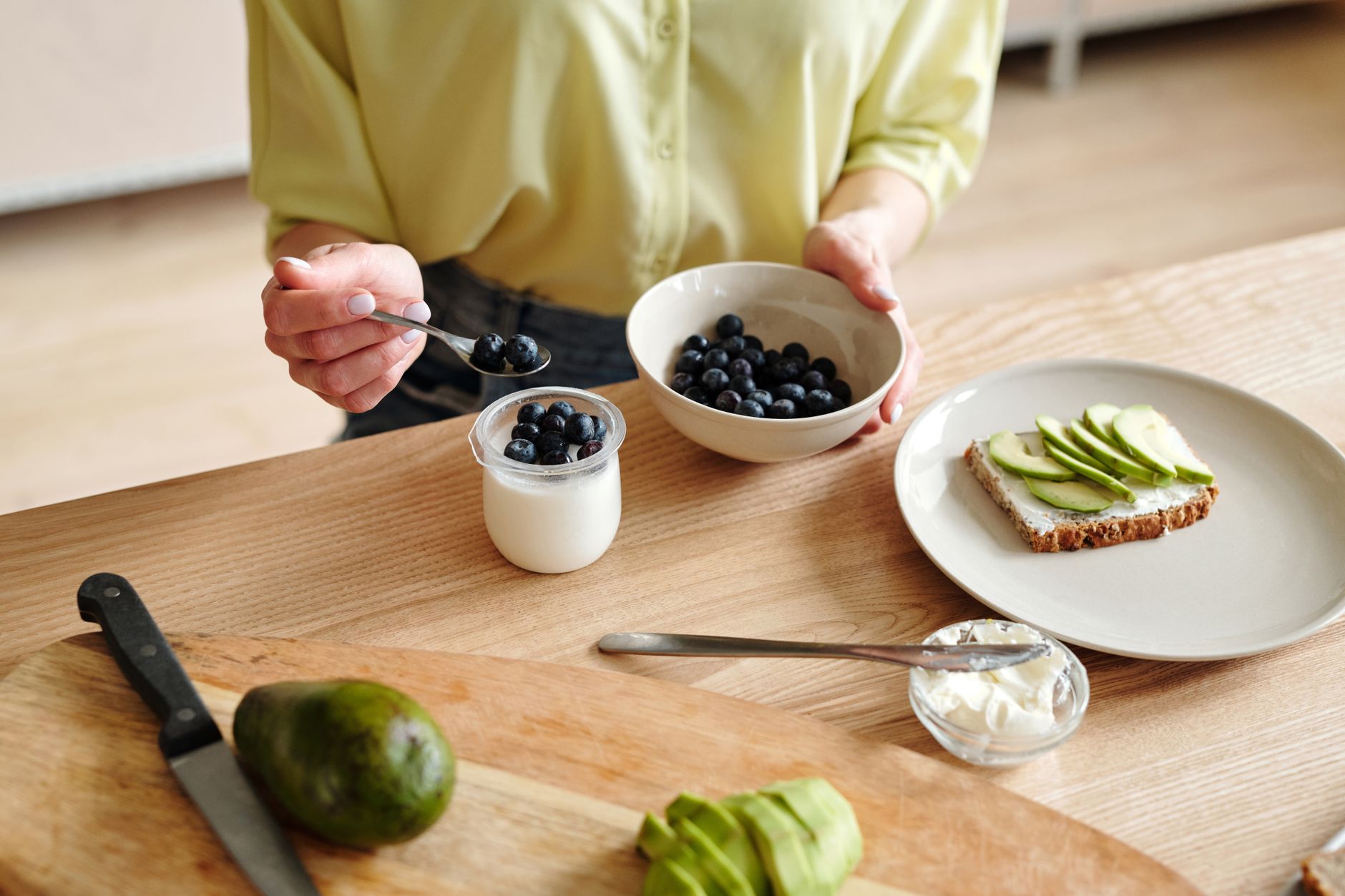
What to buy: Here’s your rosacea-friendly grocery cart checklist for these categories:
---
Rosacea-Friendly Grocery List for Sensitive Skin: What to Avoid and What to Buy
This is where things get tricky. Rosacea triggers aren’t just about spicy foods—they’re also about histamines, dairy, processed sugars, and even certain cooking methods. Below is a side-by-side breakdown of what to avoid and what to prioritize in your cart.
What to avoid:
- Histamine-rich foods: Aged cheeses, fermented meats (salami, pepperoni), vinegar-based dressings, wine, beer, and aged sauces (like soy sauce).
- Dairy (especially cow’s milk): Whey, casein, and even some lactose-free products can trigger flares in sensitive individuals.
- Spicy foods: Chili peppers, hot sauces, and spicy seasonings can cause blood vessel dilation.
- Processed sugars: Soda, candy, and even some "healthy" granola bars can spike blood sugar and worsen inflammation.
- Tomatoes and nightshades: Bell peppers, eggplant, and potatoes may irritate some rosacea sufferers.
- Alcohol: Even "low-histamine" wines can trigger flares due to their effect on blood vessels.
What to buy instead:
- Low-histamine proteins: Fresh fish, eggs, turkey, chicken (not processed deli meats).
- Plant-based milks: Almond, coconut, or oat milk (unsweetened) instead of cow’s milk.
- Herbal teas: Green tea, chamomile, or peppermint instead of black tea or coffee.
- Fresh, unprocessed foods: Skip frozen meals and opt for whole ingredients you can prep yourself.
Real talk: Many readers tell us they feel overwhelmed by elimination diets. Start slow. If you love pizza, try a cauliflower crust with fresh tomato sauce and dairy-free cheese instead of pepperoni. Small swaps add up.
Where to shop: Budget-friendly options like Walmart or Target have rosacea-friendly staples, but if you’re open to splurging, organic markets (like Whole Foods or local co-ops) often carry low-histamine sauces, grass-fed meats, and fresh herbs that make a difference.
---
How a Low-Histamine Diet Helps Control Rosacea Symptoms and Where to Shop for It
If you’ve ever noticed your rosacea flares worsen after a big night out with friends or feel like your face turns red after eating sushi, you might be sensitive to histamines. These compounds are naturally occurring in many foods and can trigger inflammation, leading to that telltale rosacea blush.
**Why a low-histamine diet matters:**
- Histamines dilate blood vessels, making redness worse.
- Your body breaks down histamines with an enzyme called diamine oxidase (DAO). If you’re deficient, even small amounts can cause flares.
- Many processed foods contain preservatives and additives that release histamines.
Where to find low-histamine groceries:
- Proteins: Fresh fish (cod, haddock), eggs, turkey, chicken.
- Vegetables: Fresh zucchini, carrots, cucumbers, green beans.
- Fruits: Apples, pears, watermelon, bananas (ripe).
- Dairy alternatives: Coconut milk, almond milk, or oat milk (unsweetened).
- Fats: Olive oil, avocado oil, fresh nuts.
Where to shop:
- Walmart/Target: Look for fresh, unprocessed meats and frozen vegetables (check for no added sauces).
- Whole Foods/Trader Joe’s: Carry low-histamine sauces (like coconut aminos instead of soy sauce) and fresh herbs.
- Local farmers’ markets: Fresh, in-season produce has lower histamine levels than imported fruits.
Pro tip: If you’re new to this, try the “elimination challenge”: Cut out the top 5 histamine triggers for 2 weeks, then reintroduce one at a time to see how your skin reacts. Our AIP grocery list guide has a similar structure if you want to go deeper.
---
Rosacea Diet Meal Prep Ideas: Quick and Easy Recipes Using Grocery List Staples
Meal prepping for rosacea doesn’t have to mean boring salads or sad chicken breasts. With the right ingredients, you can create flavorful, satisfying meals that won’t trigger your skin. Below are 5 easy recipes using staples from our grocery list.
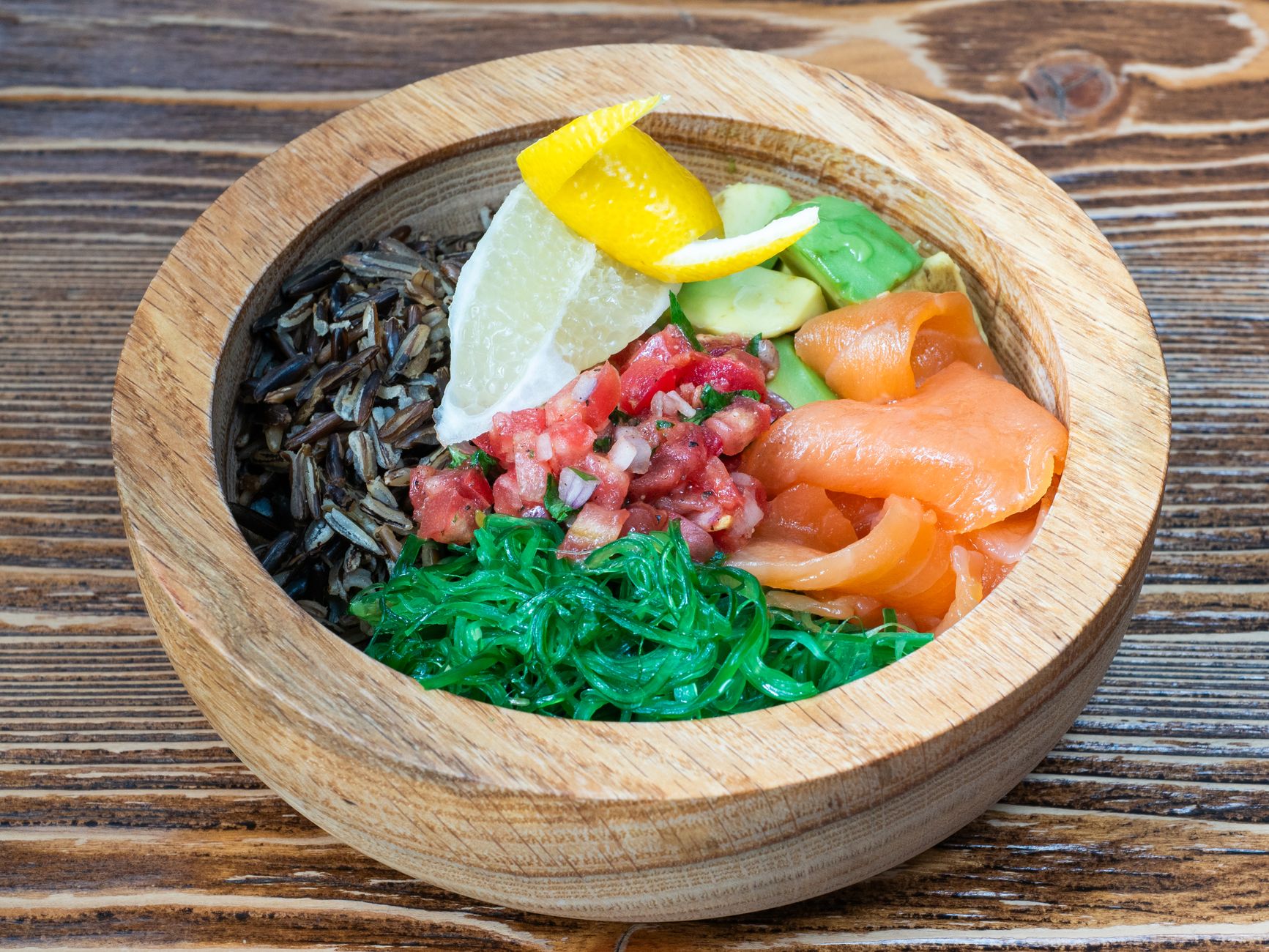
1. Salmon and Spinach Bowl
**Ingredients:** Wild-caught salmon, spinach, quinoa, avocado, olive oil, lemon.
**How to make it:** Bake salmon with olive oil and lemon. Cook quinoa, toss with spinach, avocado slices, and a drizzle of olive oil.
2. Turkey and Veggie Stir-Fry
**Ingredients:** Ground turkey, zucchini, carrots, coconut aminos (instead of soy sauce), ginger.
**How to make it:** Stir-fry turkey with fresh veggies and coconut aminos. Serve over brown rice.
3. Egg and Avocado Toast
**Ingredients:** Whole-grain bread (if tolerated), avocado, eggs, turmeric.
**How to make it:** Toast bread, mash avocado with turmeric, top with a fried egg.
4. Coconut Milk Curry
**Ingredients:** Coconut milk, chickpeas, spinach, fresh ginger, turmeric.
**How to make it:** Simmer coconut milk with spices, add chickpeas and spinach until tender.
5. Berry and Chia Pudding
**Ingredients:** Chia seeds, coconut milk, blueberries, strawberries.
**How to make it:** Mix chia seeds with coconut milk, let sit overnight. Top with fresh berries.
---
Can Drinking Enough Water and Electrolytes Help Manage Rosacea Symptoms?
If you’ve ever noticed your rosacea flares worsen when you’re dehydrated, you’re onto something. Dry skin, poor circulation, and even blood vessel dilation can all be exacerbated by not enough water. But it’s not just about chugging H2O—it’s about hydration balance.
**Why hydration matters for rosacea:**
- Dehydration thins the skin barrier, making it more prone to irritation.
- Electrolytes (like magnesium and potassium) support blood vessel function.
- Drinking water flushes out toxins that can trigger inflammation.
How much water should you drink?
- General rule: Half your body weight (lbs) in ounces. Example: If you weigh 150 lbs, aim for 75 oz.
- Signs you’re dehydrated: Dark urine, fatigue, dry mouth.
- Electrolyte boosters: Coconut water, herbal teas, or a pinch of Himalayan salt in your water.
What to buy:
- Filtered water (or a reusable bottle with a filter).
- Coconut water (unsweetened).
- Electrolyte tablets (like LMNT or Nuun).
- Hydrating fruits: Watermelon, cucumber, celery.
Pro tip: If you’re not a fan of plain water, try infused water—add slices of lemon, cucumber, or mint for flavor without triggers.
---
Rosacea and Dairy: Should You Eliminate It from Your Grocery List and What Alternatives Exist?
Dairy is one of the most controversial rosacea triggers. Some people see immediate improvement when they cut it out, while others tolerate small amounts without issues. The key is listening to your body.
**Why dairy might be a problem:**
- Cow’s milk contains casein and whey, which can trigger inflammation in sensitive individuals.
- Processed dairy (like cheese and yogurt) is often high in histamines.
- Some people have lactose intolerance, which can cause skin irritation.
Should you eliminate it? Try a 2-week trial without dairy. If your flares improve, you’ve found your trigger. If not, you can reintroduce it gradually.
Dairy-free alternatives:
- Plant-based milks: Almond, coconut, or oat milk (unsweetened).
- Fermented dairy-free options: Coconut yogurt, almond milk kefir.
- Cheese substitutes: Cashew-based cheeses or nutritional yeast (for a cheesy flavor).
Where to find them:
- Walmart/Target: Unsweetened almond milk, coconut yogurt.
- Whole Foods/Trader Joe’s: Nutritional yeast, dairy-free cheeses.
- Local health food stores: Homemade fermented dairy-free options.
Real reader story: “I used to drink a gallon of milk a day—it was my go-to post-workout drink. When I switched to coconut milk, my rosacea cleared up within a week. Now I keep a carton in the fridge and never look back.”
---
How to Read Nutrition Labels to Spot Hidden Rosacea Triggers in Packaged Foods
Reading labels can feel like learning a foreign language, but it’s one of the most powerful tools for managing rosacea. Many packaged foods contain hidden triggers like artificial preservatives, high-histamine ingredients, or even dairy in unexpected places.
What to look for:
- Avoid: Artificial colors (like FD&C Blue No. 1), artificial sweeteners (aspartame), and MSG.
- Watch for: Aged cheeses, fermented meats, vinegar, and wine in sauces.
- Check for: Dairy in unexpected places (like bread, salad dressings, or even some protein bars).
How to decode labels:
- Ingredients list: The first 5 ingredients are the most abundant. If dairy or soy is listed early, it’s a red flag.
- Allergen warnings: If it says “contains milk” or “may contain nuts,” it’s likely a trigger.
- Preservatives: Look for sodium benzoate, potassium sorbate, or sulfites—these can worsen histamine intolerance.
Safe swaps:
- Instead of store-bought salad dressing (often high in vinegar and additives), make your own with olive oil and lemon.
- Instead of processed deli meats, buy fresh turkey or chicken and season it yourself.
- Instead of granola bars (often packed with sugar and dairy), opt for nuts and seeds.
Pro tip: Use your phone’s camera to scan barcodes with apps like Fooducate or Yuka to check for hidden triggers.
---
Rosacea Diet for Men: What Groceries Should They Prioritize to Reduce Facial Redness
Rosacea isn’t just a “woman’s issue”—men experience it too, often in ways that feel even more frustrating. The good news? The same dietary principles apply. The key difference? Men often need to be more intentional about protein and healthy fats to support skin repair.
What men should prioritize:
- High-protein foods: Grilled chicken, salmon, eggs, and turkey help maintain skin structure.
- Healthy fats: Avocados, nuts, and olive oil reduce inflammation.
- Fiber-rich foods: Oats, quinoa, and vegetables help with digestion and toxin removal.
- Hydration: Men often need more water than women (about 3.7 liters/day).
Grocery list for men:
- Protein: Wild-caught salmon, grass-fed beef, eggs.
- Fats: Avocados, walnuts, olive oil.
- Carbs: Quinoa, sweet potatoes, brown rice.
- Veggies: Spinach, broccoli, zucchini.
- Hydration: Coconut water, herbal teas, filtered water.
Real talk: Many men struggle with time constraints. If you’re short on time, focus on meal prepping proteins and veggies on Sundays. Throw them in a slow cooker with olive oil and herbs for easy meals.
---
Rosacea Diet Grocery List for Beginners: What to Buy at Walmart or Target
If you’re new to the rosacea diet and want to start simple and affordable, Walmart and Target have everything you need. Below is a budget-friendly shopping list to get you started.
Protein:
- Wild-caught salmon (frozen section).
- Chicken breasts or ground turkey.
- Eggs (pasture-raised if possible).
Fats:
- Extra-virgin olive oil.
- Walnuts or almonds (unsalted).
- Avocados.
Vegetables:
- Spinach (fresh or frozen).
- Carrots, zucchini, bell peppers (green/yellow).
- Broccoli.
Fruits:
- Blueberries, strawberries, apples.
- Watermelon.
Fermented Foods:
- Sauerkraut (look for no added sugar).
- Coconut yogurt.
Pantry Staples:
- Quinoa or brown rice.
- Unsweetened almond milk.
- Olive oil and balsamic vinegar (for dressings).
Pro tip: Walmart’s Great Value brand and Target’s Good & Gather have affordable, low-histamine options. Stick to the outer aisles (produce, meat, dairy-free sections) to avoid processed triggers.
---
How to Create a Rosacea-Friendly Meal Plan Using Only Whole Foods from the Grocery Store
Meal planning for rosacea doesn’t have to be complicated. The goal is simple, whole foods that reduce inflammation and support skin health. Below is a 7-day meal plan using staples from our grocery list.
Meal prep tips:
- Cook grains and proteins in bulk on Sundays.
- Pre-chop vegetables for easy assembly.
- Use airtight containers to keep meals fresh.
- Freeze soups and stews for busy days.
---
Best Organic Groceries for Rosacea Sufferers: Where to Find Them and Why They Matter
If you’re open to investing in organic or high-quality groceries, they can make a big difference for rosacea sufferers. Why? Conventional produce can contain pesticides and additives that may irritate sensitive skin.
Why organic matters:
- Fewer pesticide residues that can worsen inflammation.
- No artificial hormones or antibiotics in meats.
- Higher nutrient density in fruits and vegetables.
Top organic picks for rosacea:
- Leafy greens: Spinach, kale, arugula (high in antioxidants).
- Berries: Blueberries, strawberries (low-histamine and rich in vitamins).
- Fatty fish: Wild-caught salmon, sardines (high in omega-3s).
- Nuts and seeds: Walnuts, chia seeds, flaxseeds (anti-inflammatory).
- Herbs and spices: Turmeric, ginger, fresh basil (soothing for skin).
Where to shop for organic:
- Whole Foods: Carries a wide selection of organic meats, produce, and dairy-free options.
- Trader Joe’s: Affordable organic staples like nuts, seeds, and frozen veggies.
- Local farmers’ markets: Fresh, in-season produce with no preservatives.
- Online retailers: Thrive Market or Amazon Organic (for bulk purchases).
Pro tip: If organic is too expensive, focus on the “Dirty Dozen” (produce with the highest pesticide residues) like strawberries, spinach, and kale. Buy these organic, and opt for conventional for others.
---
If you’ve tried a low-histamine diet and still see flares, you might have other food sensitivities like gluten, soy, or nightshades. The good news? The same principles apply—identify your triggers and eliminate them.
Common rosacea triggers beyond histamines:
- Gluten: Found in wheat, barley, and rye. Can cause gut inflammation.
- Soy: Often in processed foods like tofu and soy sauce. May disrupt hormones.
- Nightshades: Tomatoes, bell peppers, eggplant, potatoes. Can irritate sensitive skin.
- Artificial sweeteners: Aspartame, sucralose. Can trigger inflammation.
Grocery list for sensitivities:
- Gluten-free: Rice, quinoa, buckwheat, certified gluten-free oats.
- Soy-free: Tofu alternatives like tempeh (if tolerated) or pumpkin seeds.
- Nightshade-free: Avoid tomatoes, peppers, and potatoes. Opt for zucchini, carrots, and cucumbers.
- Sweeteners: Honey, maple syrup, or stevia (in moderation).
Where to find sensitivity-friendly foods:
- Walmart/Target: Gluten-free pasta, rice-based snacks.
- Whole Foods: Certified gluten-free and soy-free options.
- Local health stores: Specialty grains like millet and teff.
Pro tip: Keep a food diary to track triggers. Apps like Fooducate or MyLifetracker can help.
---
How to Meal Prep a Week’s Worth of Rosacea-Friendly Meals Using a Single Grocery List
Meal prepping for rosacea doesn’t have to be time-consuming. With a single grocery list and a few smart strategies, you can prep a week’s worth of meals in under 2 hours.
Step-by-step meal prep plan:
- Shop and organize: Buy all your groceries at once and sort them by category (proteins, veggies, grains).
- Cook grains in bulk: Make a big batch of quinoa, brown rice, or farro. Store in airtight containers.
- Prep proteins: Bake or grill chicken, turkey, or fish. Portion into meal-sized containers.
- Chop vegetables: Wash and chop all your veggies for the week. Store in containers with paper towels to absorb moisture.
- Make dressings/sauces: Whisk up olive oil and lemon dressings or coconut aminos for stir-fries.
- Assemble meals: Divide grains, proteins, and veggies into containers. Add sauces or toppings on the day you eat.
Meal prep recipes:
- Grain bowls: Mix cooked quinoa, grilled chicken, roasted veggies, and olive oil.




