When your psoriasis is acting up, your body is already in a state of heightened inflammation. The right snacks can help combat this by providing nutrients that calm your immune response. The best choices are typically rich in omega-3 fatty acids, antioxidants, and fiber—all of which have been shown to reduce inflammation and support skin health.
Here are some of the top anti-inflammatory snacks to keep on hand:
- Fatty fish (salmon, mackerel, sardines): These are packed with omega-3s, which help reduce inflammation. If you’re not a fan of fish, consider omega-3 supplements or algae-based options.
- Nuts and seeds (almonds, walnuts, chia seeds, flaxseeds): These are excellent sources of healthy fats, protein, and antioxidants. A small handful can be a great on-the-go snack.
- Berries (blueberries, strawberries, raspberries): Berries are loaded with antioxidants, which help fight inflammation and oxidative stress. They’re also low in sugar, making them a great choice.
- Leafy greens (spinach, kale, arugula): These are rich in vitamins A, C, and K, as well as folate, which supports skin health. Pair them with a protein source like hummus or nuts for a balanced snack.
- Avocados: Avocados are high in healthy fats and fiber, which help keep your skin hydrated and reduce inflammation.
If you’re looking for something even more convenient, consider pre-packaged options like anti-inflammatory snacks or sensory-friendly snacks designed for people with dietary restrictions. These often include similar ingredients but are packaged in a way that’s easy to grab and go.
---
Psoriasis-Friendly Snack Ideas for Busy Moms
Let’s be real: busy moms don’t have time to spend 20 minutes prepping snacks every day. You need something that’s quick, easy, and—most importantly—won’t make your kids (or your skin) miserable. Here are some ideas that fit the bill:
- Hard-boiled eggs with a sprinkle of sea salt: Eggs are a great source of protein and vitamin D, both of which support skin health. Prep a batch on Sunday and keep them in the fridge for the week.
- Apple slices with almond butter: Apples are high in fiber and vitamin C, while almond butter adds healthy fats and protein. This combo keeps you full and satisfied.
- Cheese and whole-grain crackers: Opt for cheeses like cheddar or gouda, which are lower in lactose and easier to digest. Pair them with whole-grain crackers for added fiber.
- Trail mix with nuts, seeds, and dried fruit: Make your own trail mix with a variety of nuts, seeds, and a small amount of dried fruit (like raisins or cranberries). Avoid mixes with added sugars or artificial ingredients.
- Greek yogurt with a drizzle of honey and a handful of walnuts: Greek yogurt is high in protein and probiotics, which support gut health—a key factor in managing psoriasis. Walnuts add omega-3s, and honey provides natural sweetness.
One mom we spoke with, Sarah, shared how she keeps her snacks organized: “I use small reusable containers to portion out snacks like nuts, seeds, and dried fruit. I keep them in my diaper bag, my car, and even my desk at work. It’s amazing how much easier it is to make healthy choices when the snacks are right there.”
If you’re looking for even more convenience, consider Atkins-friendly snacks or Crohn’s-friendly snacks, which often align well with psoriasis-friendly diets and are designed for people with sensitive stomachs.
---
How to Pack Psoriasis Diet Snacks for Work
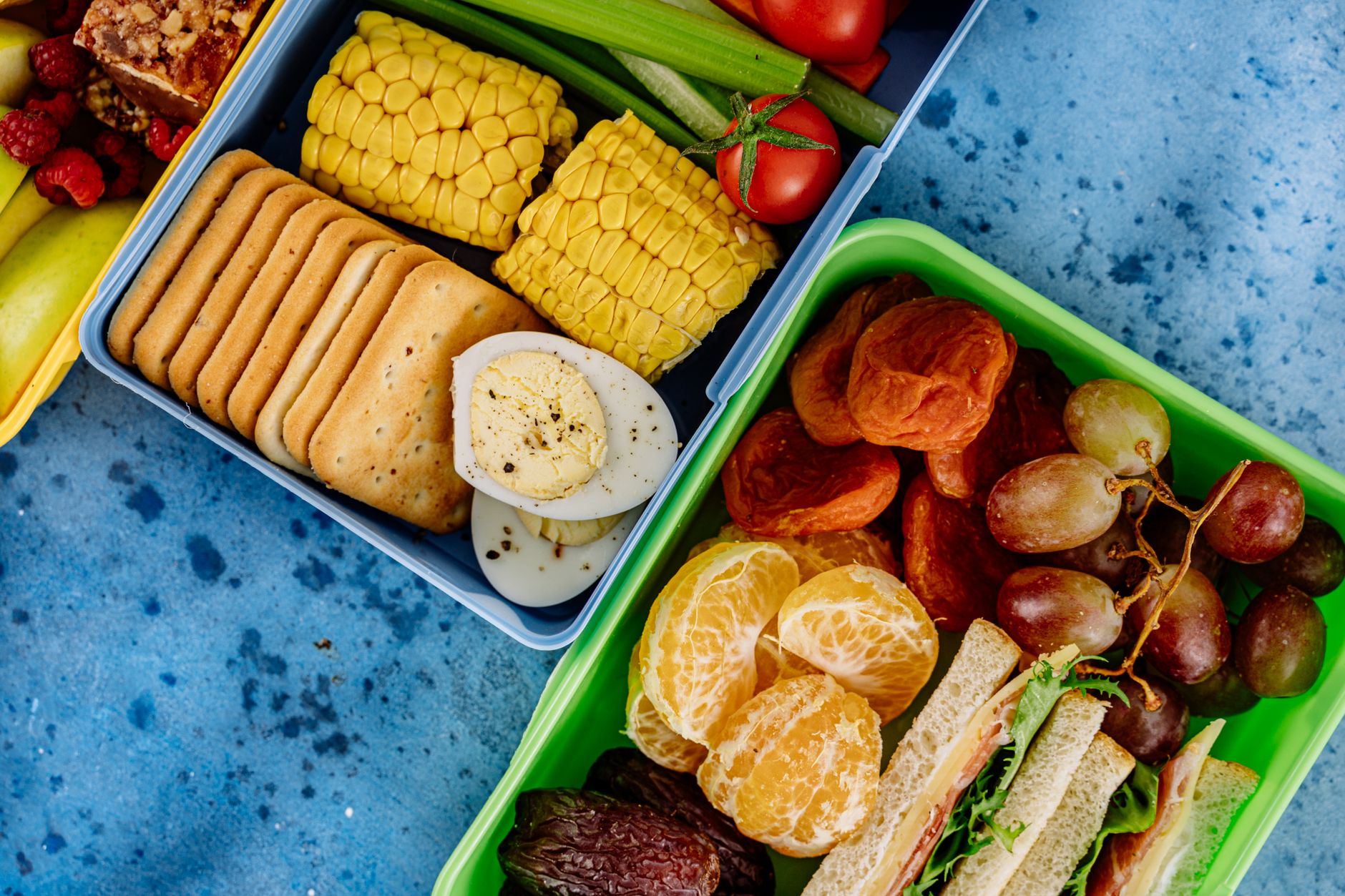
Packing snacks for work can feel like a chore, but with a little planning, it doesn’t have to be. The key is to choose snacks that are easy to transport, won’t spoil quickly, and won’t melt or get squished in your bag. Here’s how to do it:
- Invest in reusable containers: Glass or BPA-free plastic containers are great for keeping snacks fresh. They’re also eco-friendly and can be reused over and over.
- Portion snacks in advance: Pre-portion nuts, seeds, or dried fruit into small bags or containers. This makes it easy to grab and go without overdoing it.
- Keep it cold if needed: If you’re bringing perishable items like cheese, yogurt, or hummus, pack them with an ice pack in a small cooler or insulated bag.
- Use freezer-friendly options: Freeze snacks like grapes, cheese cubes, or even pre-made energy balls. They’ll stay fresh until lunchtime and can be thawed quickly.
- Pack a variety: Include a mix of textures and flavors to keep things interesting. For example, pair a crunchy snack like nuts with something soft like cheese or fruit.
Pro tip: Label your containers with the contents and the date. This helps you keep track of what you’ve packed and ensures you’re not eating anything that’s been sitting in your bag for too long.
---
Gluten-Free Psoriasis Snacks for Travel
Traveling with psoriasis can be tricky, especially if you’re also managing gluten sensitivity or celiac disease. Gluten can sometimes trigger flare-ups, so it’s important to choose snacks that are naturally gluten-free or clearly labeled as such. Here are some great options:
- Fresh fruit (apples, bananas, oranges): These are naturally gluten-free and packed with nutrients. Just be mindful of added sugars in packaged fruit snacks.
- Nuts and seeds (almonds, cashews, pumpkin seeds): These are naturally gluten-free and easy to pack. Just watch out for cross-contamination if you’re buying pre-packaged snacks.
- Gluten-free crackers with hummus or guacamole: Look for crackers made from rice, almond flour, or other gluten-free grains. Pair them with hummus or guacamole for added flavor and nutrients.
- Gluten-free protein bars: Choose bars that are made with ingredients like almond butter, chia seeds, or coconut flour. Avoid bars with added sugars or artificial ingredients.
- Popcorn (plain or lightly salted): Popcorn is naturally gluten-free. Just be sure to avoid flavored or buttered varieties, which often contain gluten.
When traveling, always double-check labels, as gluten can hide in unexpected places like sauces, broths, or even some medications. If you’re unsure, err on the side of caution and stick to fresh, whole foods.
For more gluten-free snack ideas, check out our guide on AIP elimination diet snacks, which often overlap well with gluten-free options.
---
Low-Sugar Psoriasis Snacks for On the Go
High sugar intake can worsen inflammation and trigger psoriasis flare-ups, so it’s important to choose snacks that are low in sugar and high in nutrients. Here are some great low-sugar options:
- Veggies and dip (carrots, cucumbers, bell peppers with hummus or guacamole): Veggies are low in sugar and high in fiber, while hummus or guacamole adds healthy fats and protein.
- Hard-boiled eggs with everything bagel seasoning: Eggs are naturally low in sugar and high in protein. Everything bagel seasoning adds flavor without adding sugar.
- Olives and cheese: Olives are low in sugar and high in healthy fats, while cheese provides protein and calcium. Just be mindful of portion sizes, as cheese can be high in sodium.
- Seaweed snacks: Seaweed is low in sugar and high in iodine, which supports thyroid health—a key player in managing psoriasis.
- g>Dark chocolate (85% or higher cocoa content): Dark chocolate is rich in antioxidants and low in sugar when you choose a high-cocoa variety. Just be mindful of portion sizes, as it’s still calorie-dense.
If you’re craving something sweet, try satisfying it with naturally sweet foods like berries, sliced apples with cinnamon, or a small handful of dark chocolate-covered almonds. These options provide natural sweetness without the blood sugar spikes that can worsen inflammation.
---
Psoriasis Diet Snack Recipes High in Omega-3
Omega-3 fatty acids are one of the most important nutrients for managing psoriasis, as they help reduce inflammation and support skin health. Here are a few easy-to-make snack recipes that are high in omega-3s:
1. Omega-3 Energy Balls
Ingredients:
- 1 cup rolled oats
- 1/4 cup chia seeds
- 1/4 cup almond butter
- 2 tbsp ground flaxseeds
- 1 tbsp honey or maple syrup
- 1 tsp vanilla extract
- 1/4 cup shredded coconut (optional)
Instructions:
- Mix all ingredients in a bowl until well combined.
- Roll into small balls and place on a tray lined with parchment paper.
- Refrigerate for at least 30 minutes to firm up.
- Store in an airtight container in the fridge for up to a week or freeze for longer storage.
2. Smoked Salmon and Avocado Wraps
Ingredients:
- 1 whole-grain tortilla
- 2 oz smoked salmon
- 1/2 avocado, mashed
- 1 tbsp cream cheese or Greek yogurt
- Handful of baby spinach
- Lemon juice and black pepper to taste
Instructions:
- Spread mashed avocado on the tortilla.
- Add smoked salmon, cream cheese, and spinach.
- Squeeze lemon juice and sprinkle with black pepper.
- Roll up tightly and slice into bite-sized pieces. Wrap individually in parchment paper for easy transport.
These recipes are not only high in omega-3s but also easy to make ahead and pack for on-the-go snacking. For more omega-3-rich recipes, consider exploring carnivore diet snacks, which often include fatty fish and other omega-3 sources.
---
Psoriasis Diet Snack Benefits
So, why exactly do certain snacks help manage psoriasis? It comes down to the nutrients they provide:
- Omega-3 fatty acids: Found in fatty fish, flaxseeds, and walnuts, omega-3s help reduce inflammation and support skin cell turnover.
- Antioxidants: Berries, dark chocolate, and leafy greens are rich in antioxidants, which help neutralize free radicals and reduce oxidative stress—both of which can worsen psoriasis.
- Fiber: Found in whole grains, fruits, and veggies, fiber helps regulate blood sugar and supports gut health, both of which are linked to reduced inflammation.
- Probiotics: Greek yogurt, kefir, and fermented foods contain probiotics, which support a healthy gut microbiome—an important factor in managing autoimmune conditions like psoriasis.
- Vitamin D: Found in fatty fish, egg yolks, and fortified foods, vitamin D helps regulate the immune system and may reduce the severity of psoriasis flare-ups.
While diet alone won’t cure psoriasis, incorporating these nutrient-rich snacks can help support your skin health and reduce the frequency and severity of flare-ups. Think of it as a way to give your body the tools it needs to fight inflammation and keep your skin calm.
---
Psoriasis Diet Snack List
Here’s a quick reference list of snacks that align with a psoriasis-friendly diet:
---
Psoriasis Diet Snack Nutrition Facts
Understanding the nutrition facts of your snacks can help you make informed choices. Here’s a breakdown of some popular psoriasis-friendly snacks:
These nutrition facts can help you balance your snacks throughout the day while ensuring you’re getting the nutrients your body needs to manage psoriasis.
---
Psoriasis Diet Snack for Flare-Ups
When your psoriasis is acting up, you might feel like you need to avoid all snacks or stick to a bland diet. But the truth is, certain snacks can actually help calm your skin and reduce inflammation. Here’s what to focus on during flare-ups:
- Prioritize omega-3s: Snacks like salmon, walnuts, and chia seeds can help reduce inflammation and support skin healing.
- Increase antioxidants: Berries, dark chocolate, and leafy greens can help neutralize free radicals and reduce oxidative stress.
- Stay hydrated: While not a snack, drinking plenty of water helps keep your skin hydrated and supports overall health. Herbal teas like chamomile or green tea can also provide additional anti-inflammatory benefits.
- Avoid triggers: Cut back on processed foods, refined sugars, and alcohol, as these can worsen inflammation and trigger flare-ups.
- Consider probiotics: Snacks like Greek yogurt or kefir can help support gut health, which is closely linked to skin health.
If you’re unsure what’s triggering your flare-ups, consider keeping a food diary to track your symptoms and identify patterns. This can help you pinpoint which foods might be exacerbating your condition.
---
Psoriasis Diet Snack for Pregnant Women
If you’re pregnant and dealing with psoriasis, it’s important to choose snacks that are safe for both you and your baby. While many psoriasis-friendly snacks are also safe during pregnancy, there are a few things to keep in mind:
- Avoid high-mercury fish: While fatty fish like salmon and sardines are great for omega-3s, you should limit your intake of high-mercury fish like tuna, swordfish, and shark. Stick to 2–3 servings of low-mercury fish per week.
- Watch your caffeine intake: While a small amount of caffeine is generally safe during pregnancy, it’s best to limit snacks like coffee or energy bars that contain added caffeine.
- Avoid raw or undercooked foods: Snacks like sushi or rare meat can pose a risk of foodborne illness. Stick to cooked, pasteurized, or well-washed foods.
- Choose nutrient-dense options: Focus on snacks that provide essential nutrients like folate, iron, and calcium, which are crucial for both you and your baby’s health.
- Consult your healthcare provider: If you’re unsure about any snack or have concerns about your psoriasis management during pregnancy, always check with your healthcare provider.
Some great pregnancy-safe psoriasis-friendly snacks include:
- Hard-boiled eggs
- Fresh fruit (apples, bananas, berries)
- Cheese (preferably pasteurized)
- Nuts and seeds (in moderation)
- Whole-grain crackers with hummus
---
Meal Prep Tips for On-the-Go Psoriasis Diet Snacks
Meal prepping is a game-changer for busy lives, especially when you’re managing a condition like psoriasis. Here are some tips to make it easier:
- Batch cook and portion: Cook large batches of grains, proteins, and veggies on Sundays and portion them out into containers. This makes it easy to grab and go during the week.
- Use freezer-friendly containers: Many snacks and meals can be frozen and reheated later. Freeze portions of soups, stews, or even energy balls for quick meals on busy days.
- Keep it simple: Focus on easy-to-prepare snacks like hard-boiled eggs, cut veggies, or pre-made salads. The less time you spend prepping, the more likely you are to stick with it.
- Label everything: Use labels to note the contents and date of each container. This helps you keep track of what you’ve prepped and ensures you’re not eating anything that’s been sitting in your fridge for too long.
- Involve your family: If you’re a busy mom, enlist your kids to help with simple tasks like washing veggies or pouring nuts into containers. It’s a great way to teach them about healthy eating too!
Pro tip: Keep a “snack station” in your kitchen with all your prepped snacks easily accessible. This makes it easier to grab something healthy when you’re in a rush.
---
Storing and Transporting Snacks
Proper storage and transport are key to keeping your snacks fresh and safe to eat. Here’s how to do it right:
- Use airtight containers: Airtight containers help keep snacks fresh and prevent them from absorbing odors from your fridge or bag.
- Store nuts and seeds in the fridge or freezer: Nuts and seeds can go rancid quickly, especially in warm climates. Storing them in the fridge or freezer helps extend their shelf life.
- Keep perishable items cold: If you’re bringing perishable snacks like cheese, yogurt, or hummus to work, pack them with an ice pack in a small cooler or insulated bag.
- Avoid plastic bags for long-term storage: Plastic bags can trap moisture and cause snacks to spoil faster. Opt for reusable containers or paper bags for better freshness.
- Label and date everything: Label your containers with the contents and the date. This helps you keep track of what you’ve packed and ensures you’re not eating anything that’s been sitting in your bag for too long.
For travel, consider packing snacks in small, reusable bags or containers that fit easily in your purse, bag, or car. This way, you’re always prepared, no matter where life takes you.
---
Myth vs. Fact: Psoriasis Diet Snacks
There are plenty of myths and misconceptions about psoriasis and diet. Let’s set the record straight:
-
Myth: You can cure psoriasis with diet alone.
Fact: While diet can help manage symptoms and reduce flare-ups, it cannot cure psoriasis. It’s important to work with your healthcare provider to develop a comprehensive treatment plan.
-
Myth: All dairy products worsen psoriasis.
Fact: Some people with psoriasis may find that dairy triggers flare-ups, while others tolerate it fine. It’s best to pay attention to how your body reacts and adjust your diet accordingly.
-
Myth: You need to avoid all nuts if you have psoriasis.
Fact: Nuts are actually a great source of healthy fats and antioxidants, which can help reduce inflammation. However, some people may be allergic to nuts, so it’s important to check for allergies first.
-
Myth: Sugar is the only thing that worsens psoriasis flare-ups.
Fact: While sugar can contribute to inflammation, other processed foods, refined carbohydrates, and alcohol can also trigger flare-ups. It’s important to focus on a balanced, nutrient-rich diet.
---
Key Takeaways
Here are the most important things to remember when it comes to psoriasis-friendly snacks:
- Focus on snacks that are high in omega-3s, antioxidants, and fiber to help reduce inflammation and support skin health.
- Keep a variety of snacks on hand for different occasions—work, travel, and home—and make sure they’re easy to transport.
- Meal prep ahead of time to save yourself time and stress during busy days.
- Be mindful of gluten, dairy, and sugar triggers if they worsen your symptoms.
- If you’re pregnant, choose snacks that are safe for both you and your baby and consult your healthcare provider with any concerns.
- Always listen to your body and adjust your diet as needed to manage your symptoms effectively.
---
Frequently Asked Questions
What snacks are good for psoriasis?
The best snacks for psoriasis are those that are rich in omega-3 fatty acids, antioxidants, and fiber. Think nuts, seeds, fatty fish, berries, leafy greens, and avocados. These snacks help reduce inflammation and support skin health. For more ideas, check out our AIP elimination diet snacks guide, which often overlaps with psoriasis-friendly options.
Can I eat chocolate if I have psoriasis?
Yes, but in moderation! Dark chocolate (85% cocoa or higher) is rich in antioxidants and can be part of a psoriasis-friendly diet. However, avoid milk chocolate or chocolate with added sugars, as these can worsen inflammation. Stick to small portions and choose high-quality dark chocolate for the best benefits.
How do I manage psoriasis flare-ups with diet?
During flare-ups, focus on snacks that are high in omega-3s, antioxidants, and probiotics. Avoid processed foods, refined sugars, and alcohol, as these can worsen inflammation. Stay hydrated and consider keeping a food diary to track triggers. For more tips, see our section on snacks for flare-ups.
What foods should I avoid with psoriasis?
While individual triggers vary, many people with psoriasis find that processed foods, refined sugars, alcohol, and high-mercury fish worsen their symptoms. Dairy can also be a trigger for some, so it’s worth paying attention to how your body reacts. Always consult your healthcare provider for personalized advice.
Are there specific nutrients that help psoriasis?
Yes! Omega-3 fatty acids, antioxidants, fiber, probiotics, and vitamin D are all nutrients that can help manage psoriasis. Incorporate these into your snacks by choosing foods like fatty fish, nuts, seeds, berries, leafy greens, and yogurt. For more details, see our nutrition facts section.
How can I prepare quick snacks for psoriasis?
Prep ahead by portioning nuts, seeds, and dried fruit into small containers. Hard-boil eggs on Sundays, cut up veggies and store them in the fridge, and make energy balls or other snacks in bulk. Keep a “snack station” in your kitchen with prepped options ready to grab. For more tips, check out our meal prep guide.
---
When to See a Doctor or Specialist
While diet can play a significant role in managing psoriasis, there are times when you should consult a healthcare provider. Seek medical advice if:
- Your psoriasis symptoms worsen despite dietary changes.
- You experience severe itching, bleeding, or pain in your skin patches.
- You develop new symptoms like joint pain, which could indicate psoriatic arthritis.
- You’re unsure about which foods are triggering your flare-ups.
- You’re pregnant and concerned about how your diet is affecting your baby.
For general psoriasis management, your primary care provider or a dermatologist can offer guidance tailored to your needs. If you’re dealing with flare-ups or dietary concerns, don’t hesitate to reach out—they can help you navigate the best approach.
---
References
- The National Psoriasis Foundation. (2023). Diet and Nutrition for Psoriasis. Retrieved from https://www.psoriasis.org
- American Academy of Dermatology. (2022). Psoriasis: What Helps?. Retrieved from https://www.aad.org
- Harvard T.H. Chan School of Public Health. (2023). Omega-3 Fatty Acids and Inflammation. Retrieved from https://www.hsph.harvard.edu
- Mayo Clinic. (2023). Psoriasis: Lifestyle and Home Remedies. Retrieved from https://www.mayoclinic.org
- National Institutes of Health. (2022). Dietary Approaches to Stop Hypertension (DASH) Diet. Retrieved from https://www.nhlbi.nih.gov




