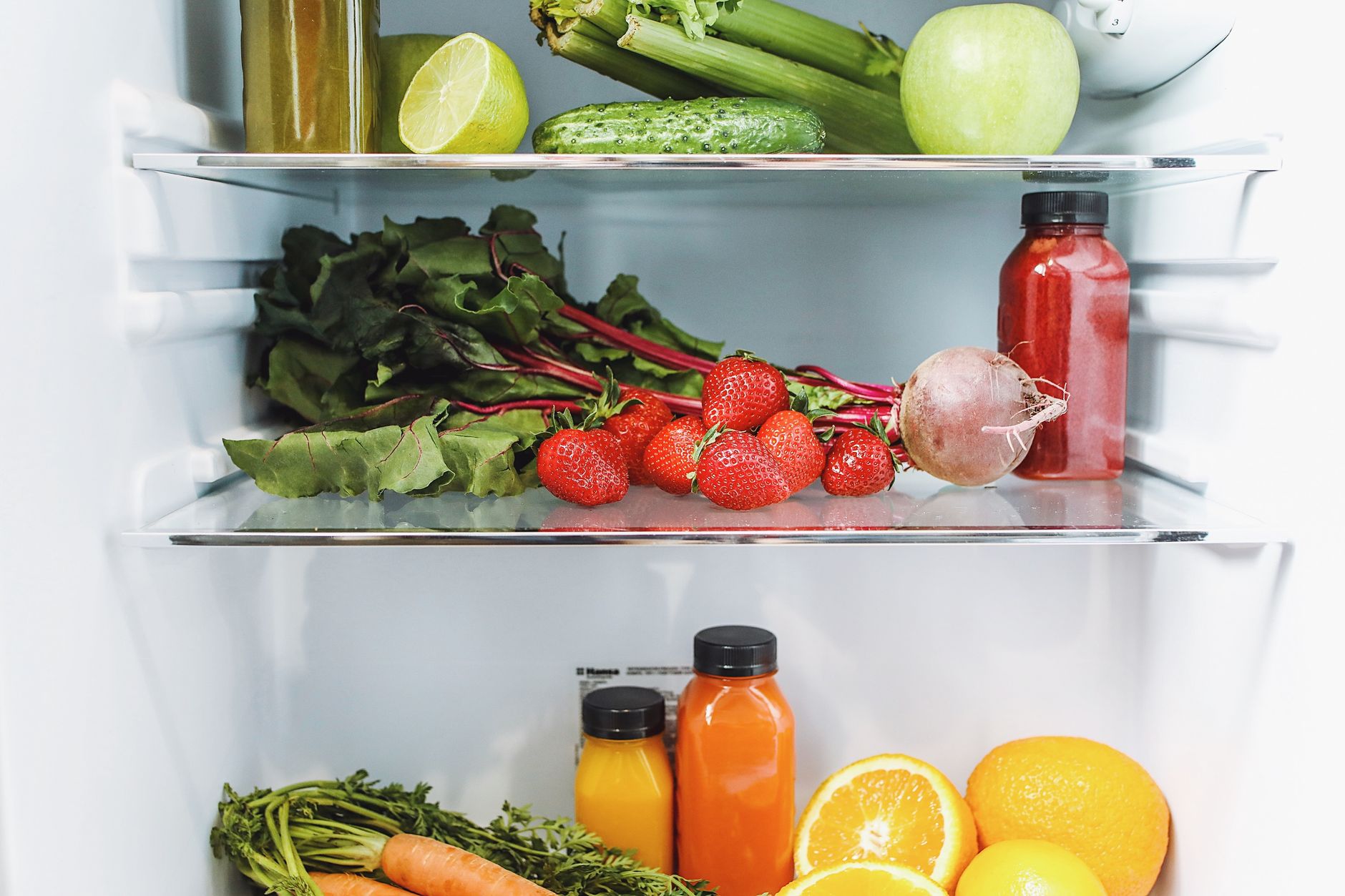
The psoriasis diet isn’t about deprivation—it’s about fueling your body with foods that reduce systemic inflammation. Think of it like putting out a forest fire: you don’t just remove the matches (processed foods), you also add water (hydration), oxygen (healthy fats), and soil nutrients (fiber, vitamins). The goal? Calm your immune system’s overactive response.
Current research, including a 2024 study in Journal of Clinical and Aesthetic Dermatology, highlights that women with psoriasis often see improvements when they increase their intake of:
- Leafy greens (spinach, kale, Swiss chard) – packed with vitamin K and antioxidants
- Berries (blueberries, strawberries, raspberries) – high in polyphenols to fight oxidative stress
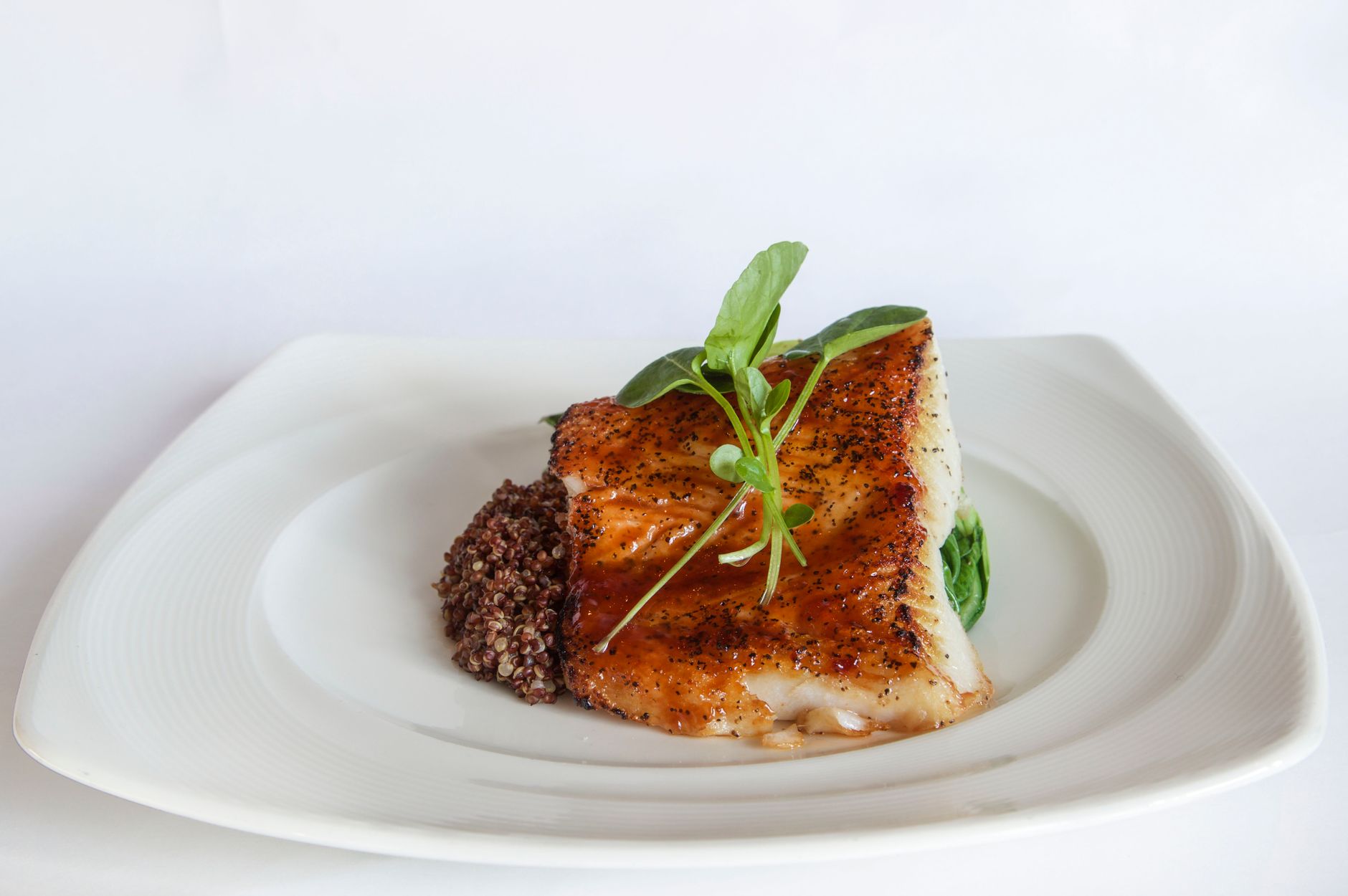
- Fatty fish (salmon, mackerel, sardines) – rich in omega-3s to reduce pro-inflammatory cytokines
- Nuts and seeds (almonds, chia, flaxseeds) – healthy fats and magnesium
- Turmeric and ginger – natural anti-inflammatory spices
Dr. Chen emphasizes that variety matters. "Psoriasis is unique to each person, so while salmon is a top recommendation for most, some women do better with plant-based omega-3s like walnuts or hemp seeds." If you’re new to this, start with one new food per week—your skin will thank you.
**Pro tip:** Pair your veggies with healthy fats (like olive oil or avocado) to boost nutrient absorption. For example, drizzle your spinach salad with extra virgin olive oil—it’s not just about the greens!
**New addition:** Cruciferous vegetables like broccoli, Brussels sprouts, and bok choy contain sulforaphane, a compound that may help regulate immune responses. A 2023 study in Scientific Reports found that sulforaphane reduced psoriasis-like inflammation in mouse models.
---
Foods to avoid with psoriasis grocery list: The hidden triggers
This is where things get tricky. While the anti-inflammatory foods are your allies, certain foods can act like accelerants to your immune system’s flare-ups. The challenge? Many of these are in processed foods—the very items that line the middle aisles of grocery stores. But once you know what to watch for, you’ll spot them instantly.
According to the National Psoriasis Foundation, these are the top culprits to limit or avoid:
**Real talk:** You might not react to every item on this list. That’s why Dr. Chen recommends keeping a food diary for two weeks—track what you eat and how your skin responds. Apps like MyFitnessPal make it easy to log meals and symptoms.
**Budget hack:** Swap processed meats for canned lentils or chickpeas—they’re protein-packed and cost pennies per serving. And if you’re avoiding dairy, try almond or oat milk instead of cow’s milk.
**New insight:** Artificial sweeteners like aspartame and sucralose may also contribute to inflammation. A 2025 study in Frontiers in Nutrition found that women with psoriasis who consumed artificial sweeteners reported more frequent flare-ups than those who avoided them.
---
Anti-inflammatory grocery list for psoriasis: Your printable-friendly checklist
Ready to transform your cart? Below is a comprehensive printable-friendly list organized by grocery store sections. Check off items as you go—this will help you stay focused and avoid impulse buys of processed snacks.
Produce (Leafy Greens & Berries)
- Spinach, kale, Swiss chard (fresh or frozen)
- Blueberries, strawberries, raspberries
- Broccoli, Brussels sprouts, cauliflower
- Avocados (healthy fats + fiber)
- Turmeric root or powder
- Ginger root
- Cruciferous vegetables (broccoli rabe, bok choy)
- Cinnamon sticks or powder
Proteins
- Wild-caught salmon or sardines (fresh or frozen)
- Chicken breast or thighs (organic if possible)
- Eggs (pasture-raised)
- Lentils, chickpeas, black beans (canned or dry)
- Tofu or tempeh (if avoiding dairy)
- Bone broth (for gut health)
Healthy Fats
- Extra virgin olive oil
- Avocado oil
- Almonds, walnuts, chia seeds
- Flaxseeds
- Coconut oil (for cooking)
- Olives (for healthy fats)
Grains & Starches
- Quinoa, brown rice, or millet (if tolerating gluten)
- Certified gluten-free oats
- Sweet potatoes (instead of white potatoes)
- Buckwheat (gluten-free alternative)
Dairy Alternatives
- Almond milk or oat milk (unsweetened)
- Coconut yogurt (unsweetened)
- Coconut milk (for cooking)
- Dark chocolate (85%+ cocoa)
- Herbal teas (ginger, chamomile, turmeric)
- Seaweed snacks
- Rosemary sprigs (for cooking)
- Cloves (for spices)
Pro tip: If you’re avoiding gluten, look for certified gluten-free labels—even oats can be cross-contaminated.
**New addition:** Add fermented foods like sauerkraut or kimchi to your list. These contain probiotics that may help balance gut bacteria, which is linked to reduced psoriasis severity. A 2024 study in Dermatology Practical & Conceptual found that women who consumed probiotics daily saw a 20% reduction in flare frequency.
---
Let’s address the elephant in the room: healthy eating can feel expensive. But you don’t need a six-figure budget to eat for psoriasis. The key is strategic shopping—focusing on whole foods, buying in bulk, and taking advantage of sales. Maria Vasquez, a nutritionist who works with psoriasis patients, says, "I’ve seen women cut their grocery bills in half while improving their skin. It’s all about smart swaps."
Here’s how to shop smarter:
- Shop the perimeter – Most fresh produce, meats, and dairy are on the outer edges of the store. Processed foods? Middle aisles. Avoid them.
- Buy frozen veggies – Just as nutritious as fresh, often cheaper, and lasts longer. Look for no-salt-added options.
- Opt for store brands – Generic canned lentils, olive oil, and nuts are just as good as name brands.
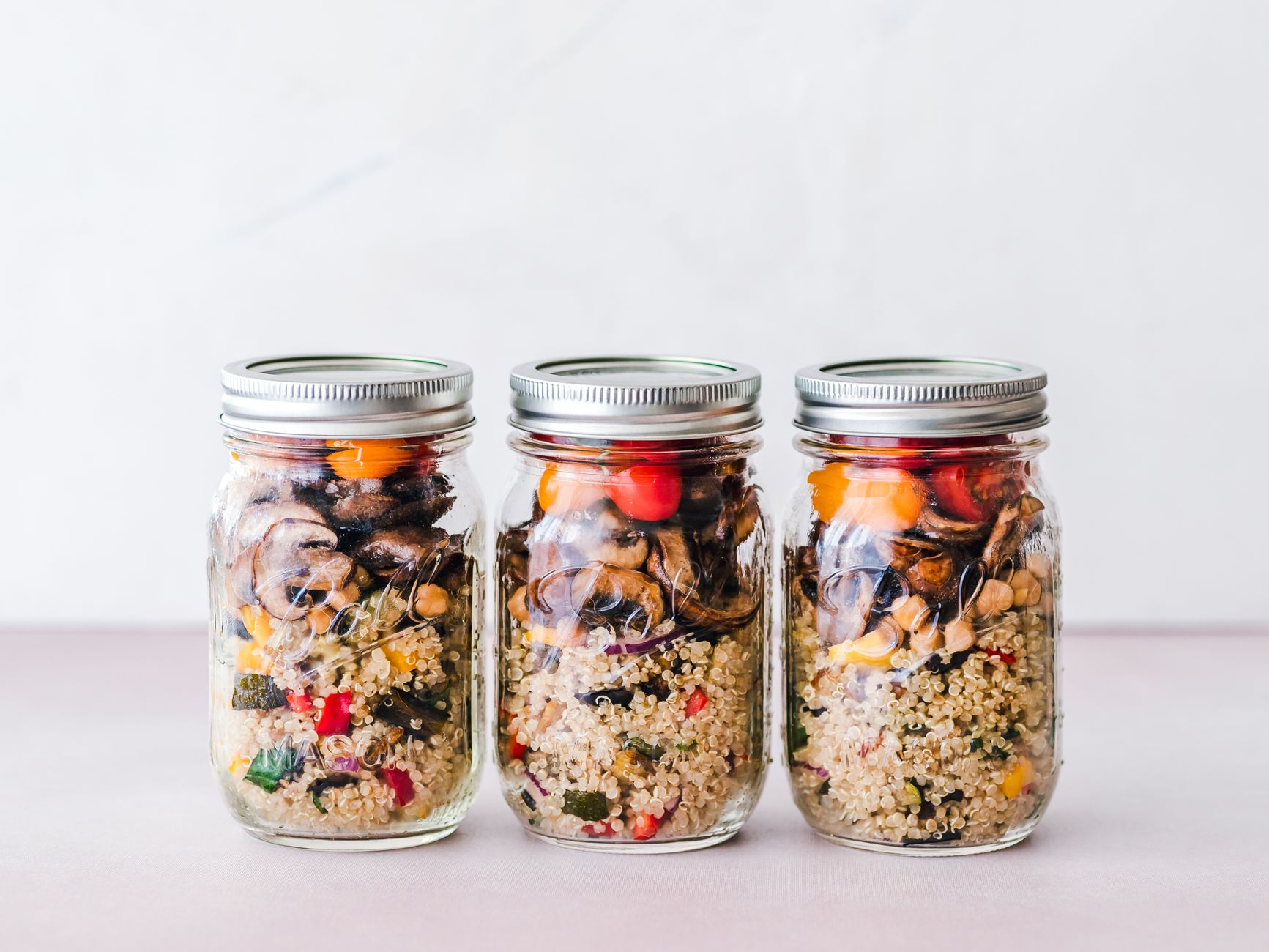
- Cook in bulk – Make a big batch of quinoa or brown rice on Sundays and freeze portions. Same for soups and stews.
- Use apps like Ibotta or Fetch Rewards – Earn cash back on psoriasis-friendly staples like berries, nuts, and canned fish.
- Avoid pre-cut fruits/veggies – They’re convenient but cost more per pound.
**Budget meal idea:** Lentil curry with spinach – Lentils are one of the cheapest protein sources ($1/lb), and spinach is affordable frozen. Add coconut milk (on sale) and turmeric for an anti-inflammatory powerhouse.
**Pro tip:** Check your local food co-op or community-supported agriculture (CSA) boxes—they often offer seasonal produce at lower prices.
**New budget hack:** Buy spices in bulk—turmeric, cinnamon, and rosemary are far cheaper when purchased in large quantities. A small jar costs $5–$7, while a 4-ounce bulk bag might be $3–$4. These spices are anti-inflammatory powerhouses that can be used in soups, teas, and marinades.
---
Psoriasis diet meal prep grocery list ideas: Plan ahead for stress-free meals
We get it: after a long day, the last thing you want to do is chop veggies. That’s why meal prepping is your secret weapon. When you set aside 1–2 hours on Sundays to prep ingredients, you’ll spend less time cooking and more time resting your skin (which is just as important as what you eat).
Here’s how to meal prep like a pro:
- Pre-cut veggies – Wash and chop bell peppers, carrots, and cucumbers. Store in airtight containers for easy snacking or quick stir-fries.
- Cook grains in bulk – Make a big pot of quinoa or brown rice. It keeps in the fridge for 5 days or freezes for months.
- Marinate proteins – Prep chicken or tofu with anti-inflammatory marinades (lemon, garlic, olive oil) and store in the fridge.
- Portion snacks – Divide nuts, seeds, and cut-up fruit into small containers for grab-and-go options.
- Freeze meals – Soups, stews, and casseroles freeze beautifully. Label them with dates so you remember what’s in there!
**Meal prep grocery list add-ons:**
- Extra olive oil
- Spices (turmeric, cumin, paprika, rosemary)
- Lemon juice
- Garlic (fresh or minced)
- Pre-washed salad greens
- Bone broth (for soups)
**Pro tip:** Use glass containers for storage—they’re safer for leftovers and easier to clean than plastic.
---
Healthy snack ideas for psoriasis grocery list: Quick bites to keep inflammation at bay
Snacking isn’t the enemy—it’s about choosing the right snacks. The goal? Keep blood sugar stable and avoid the spikes that can trigger flare-ups. Here are 10 psoriasis-friendly snacks that are easy to grab:
- Hummus + veggie sticks – Carrots, cucumbers, or bell peppers (if tolerated) with chickpea dip.
- Almond butter + apple slices – Healthy fats + fiber to keep you full.
- Hard-boiled eggs – Prep a batch on Sunday for protein on the go.
- Dark chocolate-covered almonds – A small handful (85% cocoa) for antioxidants.
- Roasted chickpeas – Crunchy, protein-packed, and easy to make at home.
- Avocado slices on rice cakes – Healthy fats + fiber for satiety.
- Berries + Greek yogurt (or coconut yogurt) – Probiotics + antioxidants.
- Olives + cheese (if tolerated) or nuts – A salty, satisfying combo.
- Turmeric golden milk latte – Warm, anti-inflammatory, and soothing.
- Seaweed snacks – Low-calorie, high in minerals like iodine.
**New snack idea:** Spiced nuts – Toss almonds or walnuts with cinnamon, turmeric, and a drizzle of olive oil, then bake at 300°F for 15 minutes. These make a great grab-and-go option with added anti-inflammatory benefits.
**Pro tip:** Keep snacks visible and accessible. Stock your desk drawer, car, and nightstand with pre-portioned options so you’re not tempted by vending machine junk.
---
Best drinks for psoriasis diet grocery list: Hydration and anti-inflammatory beverages
You’ve heard it a million times: drink more water. But for psoriasis, hydration isn’t just about quenching thirst—it’s about supporting your skin’s natural barrier function and flushing out toxins. Dehydration can make plaques feel tighter and more uncomfortable. Here’s what to stock in your fridge:
- Water (with lemon or cucumber) – Aim for half your body weight (lbs) in ounces daily. Add lemon for vitamin C.
- Herbal teas – Ginger, chamomile, or turmeric teas reduce inflammation.
- Green tea – Rich in EGCG, an antioxidant that may help calm skin inflammation.
- Coconut water – Natural electrolytes for hydration without added sugar.
- Golden milk (turmeric latte) – Warm, anti-inflammatory, and soothing.
- Sparkling water with berries – Fun and hydrating without sugar.
**Avoid:** Sugary juices, energy drinks, and alcohol—all dehydrate and worsen inflammation.
**Pro tip:** If you struggle with plain water, try an infuser water bottle with slices of lemon, cucumber, or mint.
**New drink idea:** Rosemary-infused water – Add a sprig of fresh rosemary to your water bottle. Rosemary contains rosmarinic acid, which has been shown in animal studies to reduce inflammation. Steep it overnight for a refreshing, skin-friendly beverage.
---
What supplements to buy for psoriasis diet: Evidence-backed additions
While food should be your primary focus, certain supplements may help support your psoriasis diet. Always check with your doctor before starting new supplements, especially if you’re on medications. Here’s what the research says:
**Pro tip:** Look for third-party tested supplements (look for NSF or USP labels) to ensure purity and potency.
---
Psoriasis diet meal prep grocery list ideas: Sample 7-day meal plan
Need a ready-made plan to start? Below is a simple 7-day meal plan with a corresponding grocery list. Adjust based on your preferences and triggers.
Day 1
- Breakfast: Scrambled eggs with spinach and avocado
- Lunch: Quinoa salad with chickpeas, cucumber, and lemon dressing
- Dinner: Baked salmon with roasted Brussels sprouts and sweet potato
- Snack: Almond butter + apple slices
Day 2
- Breakfast: Chia pudding with berries and almond milk
- Lunch: Lentil soup with a side of steamed kale
- Dinner: Turkey stir-fry with bell peppers (if tolerated) and brown rice
- Snack: Dark chocolate-covered almonds
Day 3
- Breakfast: Smoothie with spinach, banana, almond butter, and chia seeds
- Lunch: Tuna salad (with olive oil instead of mayo) on lettuce wraps
- Dinner: Stuffed bell peppers (if tolerated) with ground turkey and quinoa
- Snack: Roasted chickpeas with rosemary
Day 4
- Breakfast: Oatmeal with cinnamon, walnuts, and blueberries
- Lunch: Grilled chicken with a side of roasted sweet potatoes and steamed broccoli
- Dinner: Sardine salad with mixed greens, avocado, and olive oil
- Snack: Coconut yogurt with sliced strawberries
Day 5
- Breakfast: Avocado toast on gluten-free bread with a poached egg
- Lunch: Quinoa and black bean bowl with roasted zucchini
- Dinner: Baked cod with lemon-garlic green beans and mashed cauliflower
- Snack: Spiced nuts (almonds with cinnamon and turmeric)
Day 6
- Breakfast: Smoothie bowl with banana, spinach, and flaxseeds
- Lunch: Turkey and avocado lettuce wraps with a side of roasted carrots
- Dinner: Lentil curry with coconut milk and spinach
- Snack: Seaweed snacks with a handful of walnuts
Day 7
- Breakfast: Chia pudding with coconut milk and raspberries
- Lunch: Grilled salmon with a side of quinoa and roasted Brussels sprouts
- Dinner: Stuffed sweet potatoes with black beans, avocado, and salsa (if tolerated)
- Snack: Dark chocolate (85% cocoa) and almonds
**Full 7-day meal plan + grocery list available as a free downloadable PDF—just enter your email to access!
---
Psoriasis diet grocery list for sensitive skin: Navigating food sensitivities
If you’ve tried the standard anti-inflammatory diet and your psoriasis still flares up, you might have specific food sensitivities that aren’t captured by general guidelines. Many women with psoriasis also experience mast cell activation syndrome (MCAS) or non-celiac gluten sensitivity, which can exacerbate skin symptoms. Here’s how to identify and address these triggers:
**Step 1: Keep a detailed food diary** for at least two weeks. Track not just what you eat, but also how your skin feels—note any redness, itching, or new plaques within 24–72 hours of eating certain foods. Apps like MyFitnessPal or Food Diary make this easy.
**Step 2: Consider elimination diets** if you suspect specific triggers. Common culprits beyond gluten and dairy include:
- Nightshades (tomatoes, eggplant, bell peppers, potatoes)
- Eggs (if you’ve noticed skin reactions after eating them)
- Soy (found in tofu, soy sauce, and some processed foods)
- Corn (often hidden in sauces, processed snacks, and even some gluten-free products)
- Artificial additives (MSG, sulfites, and food dyes)
**Step 3: Test one food group at a time.** For example, eliminate dairy for three weeks, then reintroduce it to see if your symptoms return. If they do, dairy is likely a trigger. Repeat this process with other potential culprits.
**Step 4: Work with a functional medicine practitioner or dietitian** specializing in autoimmune conditions. They can help design a personalized elimination plan and guide you through reintroduction testing. Many women find that a gut-focused approach—combining diet with probiotics, collagen, and stress management—yields the best results.
**New insight:** Histamine intolerance is another common issue in women with psoriasis. Histamine is found in aged cheeses, fermented foods (like sauerkraut), wine, and even some fruits (citrus, bananas, strawberries). If you suspect histamine intolerance, try an elimination diet for two weeks, then reintroduce histamine-rich foods one at a time to monitor reactions.
---
Myth vs. Fact: Psoriasis diet debunked
Misinformation abounds, and it’s easy to get confused. Here’s what doesn’t apply to most women with psoriasis:
- Myth: "You must give up all dairy to see results."
Fact: Some women tolerate dairy just fine, while others see dramatic improvements when they cut it out. Dr. Chen recommends a 30-day elimination trial to test your tolerance.
- Myth: "Nightshades are bad for everyone with psoriasis."
Fact: Nightshades (tomatoes, peppers, eggplant) may trigger inflammation in some but not all. Keep a food diary to identify your personal triggers.
- Myth: "You have to eat keto to manage psoriasis."
Fact: While some women see benefits from low-carb diets, the focus should be on anti-inflammatory foods, not carb restriction. A balanced, whole-foods approach works best for most.
- Myth: "Supplements are a quick fix."
Fact: Supplements support a psoriasis diet but don’t replace whole foods. Think of them as vitamin boosts—not magic bullets.
- Myth: "Psoriasis is only about diet."
Fact: While diet plays a crucial role, stress, sleep, and skincare are equally important. Many women see the best results when they combine a psoriasis-friendly diet with gentle skincare and stress-reduction techniques like yoga or meditation.
---
- Prioritize whole foods—leafy greens, fatty fish, berries, and nuts should dominate your cart.
- Avoid processed foods—they’re packed with additives that worsen inflammation.
- Test one change at a time—keep a food diary to track what works for your body.
- Hydrate like it’s your job—water, herbal teas, and golden milk support skin health.
- Meal prep saves time and stress—set aside 1–2 hours weekly to prep ingredients.
- Supplements can help, but food first—focus on omega-3s, vitamin D, turmeric, and cinnamon.
- Budget-friendly swaps exist—frozen veggies, store-brand nuts, and bulk grains keep costs low.
- Consider food sensitivities—if the standard diet isn’t working, try an elimination plan to identify personal triggers.
---
Frequently asked questions about the