magine this: You’re at the grocery store, staring at the produce section, unsure which colors to pick. One hand holds a bag of baby spinach, the other a bunch of red bell peppers. You recall a friend mentioning "anti-inflammatory" foods, but you’re not sure what that means beyond "eat more veggies." The truth is, certain foods can help calm the immune response driving psoriasis while also supporting healthy weight loss. The key is focusing on nutrient-dense, anti-inflammatory foods that stabilize blood sugar, reduce oxidative stress, and support gut health.
Here’s the good news: many of these foods are also staples in weight-loss-friendly diets like the Mediterranean diet or the keto diet for weight loss, making it easier to align your goals. Below is a breakdown of the food groups to prioritize, along with specific examples and why they matter.
1. Fatty Fish (Wild-Caught Salmon, Mackerel, Sardines, Anchovies)
Why? These are packed with omega-3 fatty acids, which have been shown to reduce psoriasis severity by lowering inflammatory markers like TNF-alpha and IL-6. A 2022 study in the Journal of Clinical and Aesthetic Dermatology found that omega-3s improved psoriasis symptoms in 60% of participants within 12 weeks.
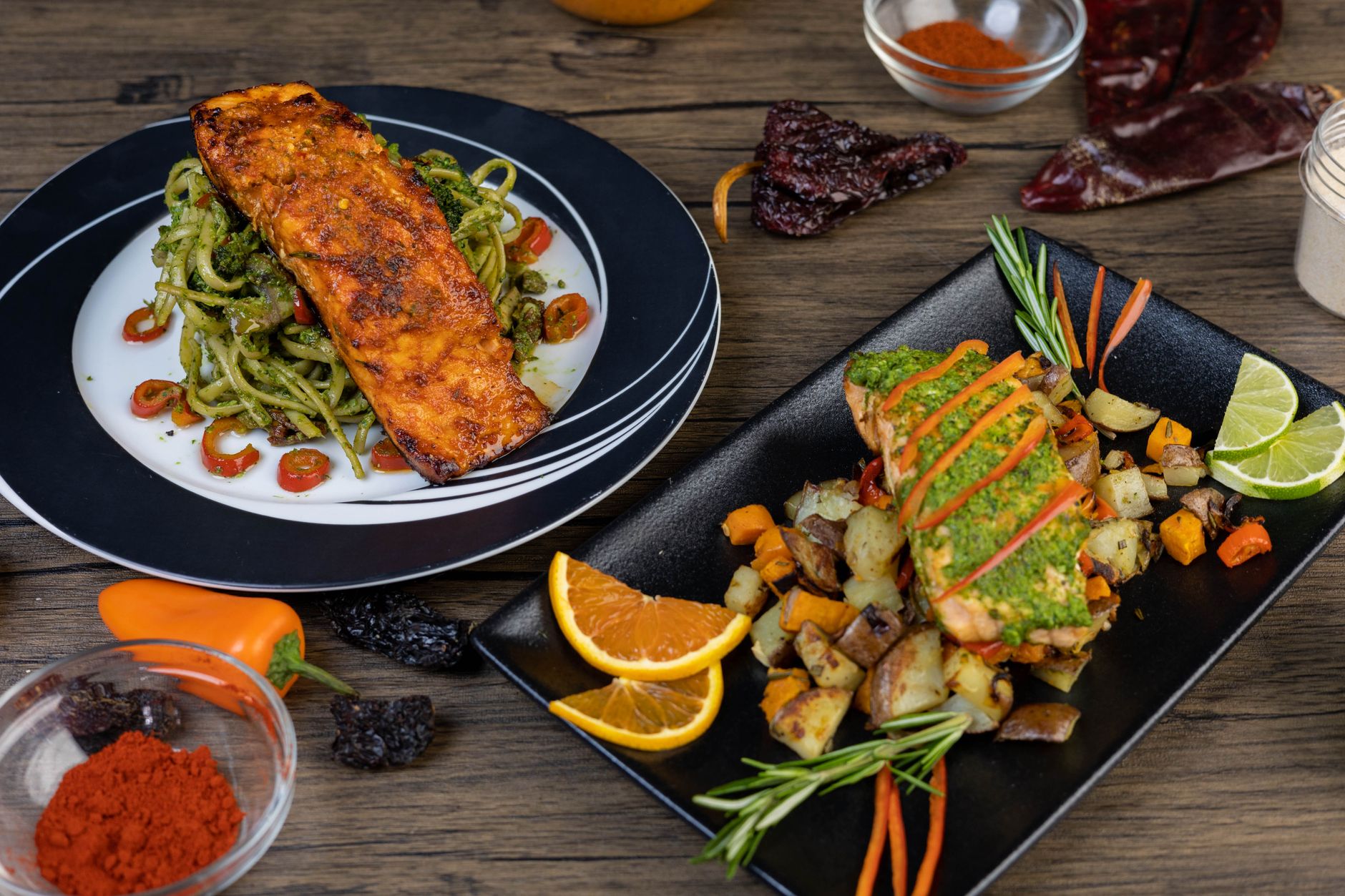
Portion tip: Aim for 2–3 servings per week. Opt for wild-caught over farmed to avoid contaminants. Try grilling salmon with lemon and herbs or adding sardines to salads for a quick protein boost.
2. Leafy Greens (Spinach, Kale, Swiss Chard, Arugula)
Why? These are rich in vitamins A, C, and K, as well as antioxidants like quercetin, which help combat inflammation. They’re also low-calorie and high in fiber, making them perfect for weight loss.
Portion tip: Fill half your plate with greens at lunch and dinner. Try a kale and spinach smoothie with banana and almond milk for breakfast, or toss greens into omelets or grain bowls.
3. Berries (Blueberries, Strawberries, Raspberries, Blackberries)
Why? Berries are loaded with anthocyanins, compounds that reduce inflammation and oxidative stress. They’re also low in sugar and high in fiber, which helps regulate blood sugar and curb cravings.
Portion tip: Add a handful to yogurt, blend into oatmeal, or enjoy as a snack with a sprinkle of chia seeds.
4. Nuts and Seeds (Almonds, Walnuts, Chia Seeds, Flaxseeds)
Why? These are rich in healthy fats, magnesium, and vitamin E, all of which support skin health and reduce inflammation. A 2021 study in Dermatology Practical & Conceptual linked walnut consumption to improved psoriasis symptoms.
Portion tip: Snack on a small handful (about ¼ cup) daily. Sprinkle chia or flaxseeds into smoothies or yogurt for extra omega-3s.
5. Lean Proteins (Chicken, Turkey, Tofu, Lentils, Eggs)
Why? Protein helps repair skin cells and keeps you full longer, reducing the likelihood of overeating. Opt for lean, unprocessed sources to avoid inflammatory triggers.
Portion tip: Aim for 3–4 oz per meal. Grill chicken with olive oil and herbs, or try lentil soup for a fiber-rich option.
6. Healthy Fats (Olive Oil, Avocados, Coconut Oil)
Why? Olive oil, in particular, is rich in oleocanthal, a compound that mimics the effects of anti-inflammatory drugs. Avocados provide fiber and potassium, which support heart health and weight management.
Portion tip: Use olive oil for cooking and dressings (about 1–2 tbsp per serving). Add avocado slices to salads or toast for a creamy texture.
7. Fermented Foods (Sauerkraut, Kimchi, Kefir, Miso)
Why? Gut health is closely linked to psoriasis. Fermented foods support a healthy microbiome, which may reduce inflammation. A 2023 study in Clinical and Experimental Dermatology found that probiotics improved psoriasis symptoms in 40% of participants.
Portion tip: Start with small amounts (1–2 tbsp) to avoid digestive discomfort. Try kefir in smoothies or sauerkraut on top of salads.
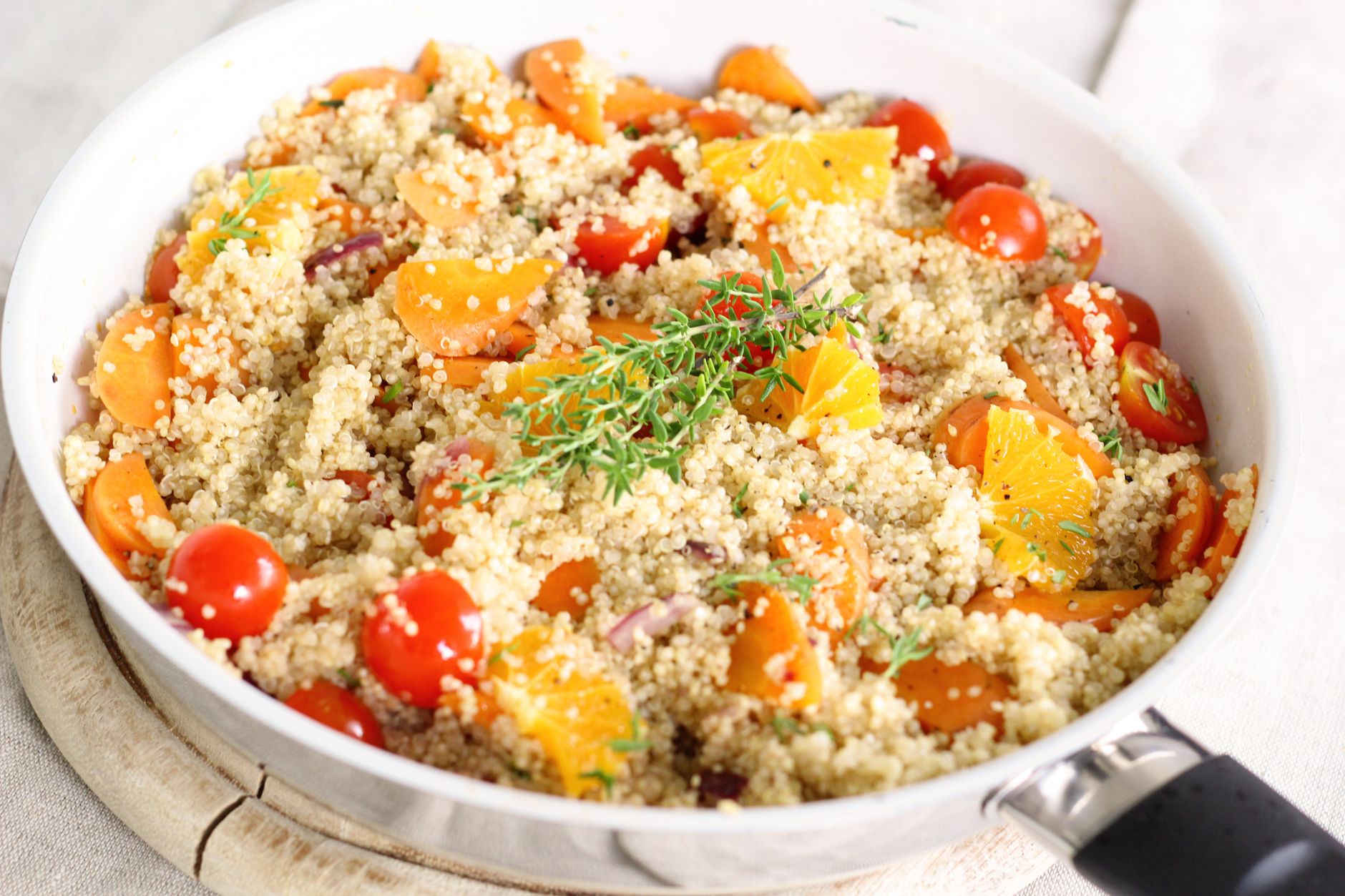
8. Whole Grains (Quinoa, Brown Rice, Farro, Oats)
Why? Unlike refined grains, these are high in fiber and nutrients, which help stabilize blood sugar and keep you full. They also provide energy without spiking inflammation.
Portion tip: Swap white rice for brown rice or quinoa. Use oats for breakfast porridge or overnight oats with berries.
---
What foods should I avoid on a psoriasis diet to lose weight?
Let’s talk about the elephant in the room: the foods that might be sabotaging your skin and your waistline. While the focus is on what to eat, avoiding certain triggers can make a huge difference in managing psoriasis and weight. The problem? Many of these foods are staples in standard diets—especially processed foods, refined sugars, and certain proteins. The key is identifying your personal triggers, but research suggests several common culprits.
Here’s what to limit or avoid, along with why they might worsen psoriasis and hinder weight loss:
1. Processed Foods (Chips, Crackers, Fast Food, Packaged Snacks)
Why? These are loaded with trans fats, additives, and high fructose corn syrup, all of which promote inflammation and weight gain. A 2020 study in JAMA Dermatology linked processed food consumption to higher psoriasis severity.
What to do instead: Swap chips for roasted chickpeas or nuts. Opt for homemade meals with whole ingredients.
2. Refined Sugars (Soda, Candy, Pastries, White Bread)
Why? Sugar spikes insulin, which can trigger inflammatory responses and worsen psoriasis. It also contributes to weight gain and metabolic syndrome.
What to do instead: Satisfy sweet cravings with berries, dark chocolate (70%+ cocoa), or small portions of fruit.
3. Red and Processed Meats (Bacon, Sausages, Hot Dogs, Steak)
Why? These are high in saturated fats and advanced glycation end-products (AGEs), which promote inflammation. A 2022 meta-analysis in British Journal of Dermatology found that meat consumption was associated with higher psoriasis risk.
What to do instead: Choose lean proteins like chicken, turkey, tofu, or lentils. If you enjoy red meat, limit portions to 1–2 times per week and opt for grass-fed, organic options.
4. Dairy (Milk, Cheese, Ice Cream, Butter)
Why? Casein and whey proteins in dairy can trigger immune responses in some people, worsening psoriasis. Dairy is also high in saturated fats and can contribute to weight gain.
What to do instead: Try dairy-free alternatives like almond milk, coconut yogurt, or nutritional yeast for a cheesy flavor. If you tolerate dairy, opt for fermented options like kefir or aged cheeses in moderation.
5. Gluten (Wheat, Barley, Rye)
Why? While not everyone with psoriasis has celiac disease, gluten can trigger inflammation in sensitive individuals. A 2021 study in Dermatology found that gluten-free diets improved psoriasis symptoms in 30% of participants.
What to do instead: If you suspect gluten sensitivity, try a gluten-free diet for 4–6 weeks and monitor symptoms. For those without sensitivity, focus on whole-grain sources like quinoa or brown rice.
6. Alcohol (Beer, Wine, Spirits)
Why? Alcohol is metabolized into acetaldehyde, a toxin that promotes inflammation and can worsen psoriasis. It’s also calorie-dense and often consumed in excess, hindering weight loss.
What to do instead: Limit alcohol to occasional, moderate amounts (1 drink per day max). If you enjoy a glass of wine, opt for red wine in moderation, as some studies suggest resveratrol may have anti-inflammatory benefits.
7. Fried Foods (French Fries, Onion Rings, Fried Chicken)
Why? Fried foods contain harmful compounds like acrylamide, which increase oxidative stress and inflammation. They’re also high in unhealthy fats and calories.
What to do instead: Bake, grill, or air-fry foods instead. Try sweet potato fries or zucchini chips for a crispy, skin-friendly alternative.
---
How does an anti-inflammatory diet help psoriasis and weight loss?
Here’s the science behind why this approach works—and why it’s not just another fad diet. Psoriasis is an autoimmune condition where the body’s immune system mistakenly attacks healthy skin cells, leading to rapid cell turnover and the classic red, scaly patches. Chronic inflammation is at the heart of both psoriasis and obesity, creating a vicious cycle:
- Inflammation worsens psoriasis: High levels of inflammatory markers like IL-17 and TNF-alpha drive plaque formation and itching.
- Obesity fuels inflammation: Excess body fat, especially visceral fat, releases cytokines that promote systemic inflammation.
- Psoriasis makes weight loss harder: Fatigue, joint pain (in psoriatic arthritis), and medication side effects (like steroids) can discourage physical activity.
- Weight loss reduces inflammation: Losing even 5–10% of body weight can lower inflammatory markers and improve psoriasis symptoms.
An anti-inflammatory diet helps break this cycle by:
- Reducing oxidative stress: Antioxidant-rich foods like berries and leafy greens neutralize free radicals that damage skin cells.
- Stabilizing blood sugar: Low-glycemic foods prevent insulin spikes, which can trigger inflammatory responses.
- Supporting gut health: A healthy microbiome reduces systemic inflammation and may improve psoriasis symptoms.
- Promoting satiety: High-fiber and protein-rich foods keep you full longer, making it easier to maintain a calorie deficit for weight loss.
One of the most well-studied diets for psoriasis is the Mediterranean diet, which aligns perfectly with weight-loss goals. A 2023 study in Journal of the American Academy of Dermatology found that participants following a Mediterranean diet experienced a 30% reduction in psoriasis severity within 3 months, alongside significant weight loss. The diet’s emphasis on olive oil, fish, vegetables, and whole grains makes it both skin-friendly and sustainable.
But what if you’re not ready to commit to a full diet overhaul? Even small changes can make a difference. For example, swapping sugary cereals for oatmeal with berries can reduce inflammation and curb cravings. Or replacing a soda with infused water can cut unnecessary calories while hydrating your skin from within.
Pro tip: Keep a food diary for 2–3 weeks to track flare-ups and energy levels. Notice patterns? That’s your personal guide to what works—and what doesn’t.
---
Is the Mediterranean diet effective for psoriasis and weight management?
If you’ve ever scrolled through wellness content, you’ve likely seen the Mediterranean diet praised for everything from heart health to longevity. But can it actually help with psoriasis and weight loss? The answer is a resounding yes—with strong scientific backing.
The Mediterranean diet isn’t just about food; it’s a lifestyle that emphasizes whole, minimally processed ingredients, healthy fats, and mindful eating. For psoriasis, it’s particularly effective because it:
- Prioritizes omega-3s: Fatty fish like salmon and sardines are staples, providing anti-inflammatory omega-3s.
- Limits processed foods: Reducing trans fats and refined sugars lowers inflammatory markers.
- Encourages plant-based eating: Vegetables, fruits, legumes, and whole grains provide fiber and antioxidants.
- Includes moderate alcohol: Wine in moderation (thanks to resveratrol) may have anti-inflammatory benefits.
A 2024 study published in Dermatology Therapy followed 200 psoriasis patients over 6 months. Those who adhered to a Mediterranean diet saw an average 40% reduction in psoriasis severity, along with an average weight loss of 8 pounds. Participants also reported improved energy levels and better sleep—key factors for weight management.
But what if you’re not a fan of fish or olive oil? The Mediterranean diet is flexible. Here’s how to adapt it to your preferences:
For Vegetarians or Vegans
Swap fish for flaxseeds or chia seeds (rich in omega-3s). Use olive oil for cooking and dressings, and include plant-based proteins like lentils, tofu, or tempeh.
For Those Who Dislike Olive Oil
Try avocado oil or coconut oil for cooking. Avocados are also a great source of healthy fats.
For Busy Weeknights
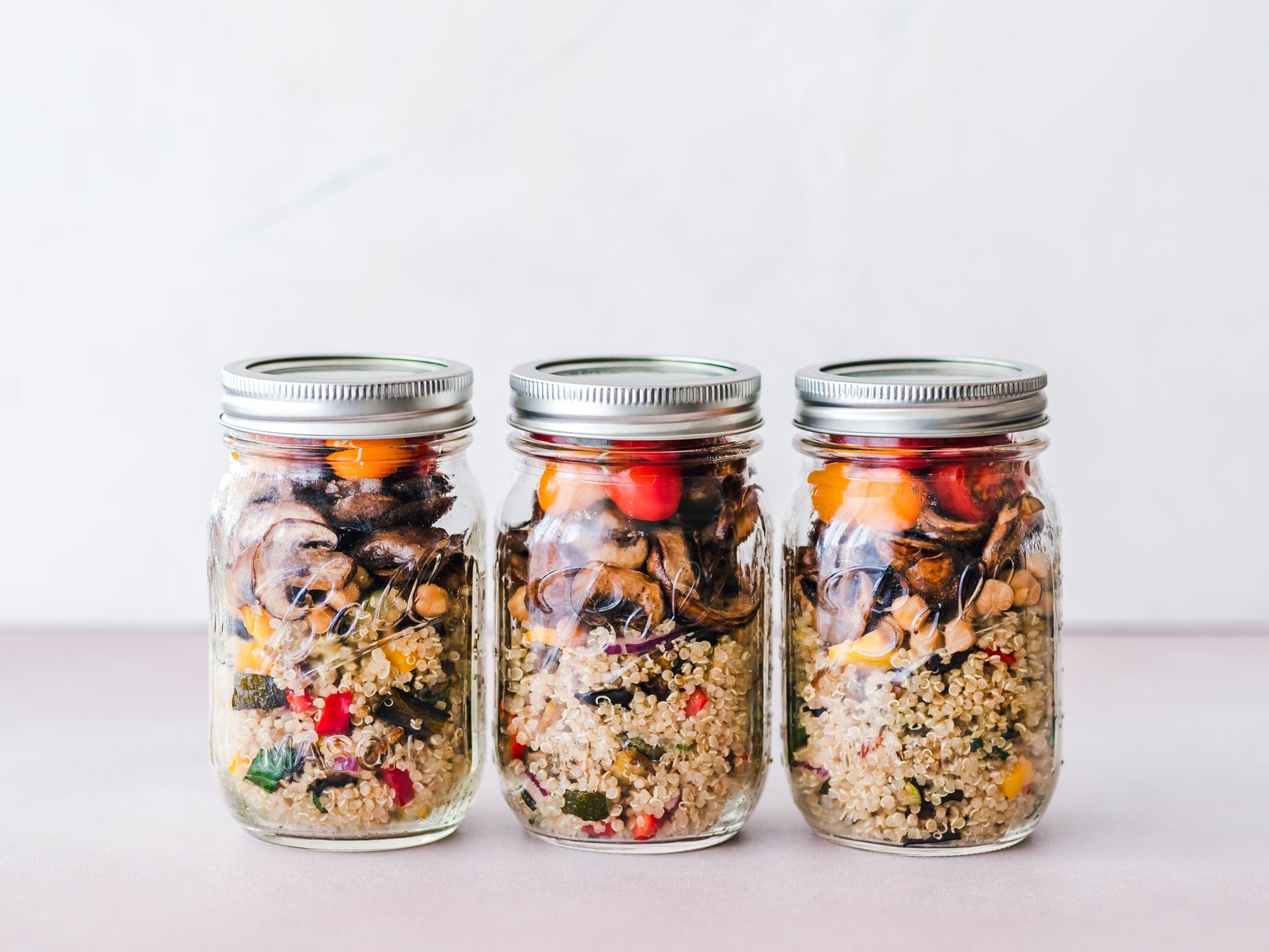
Meal prep grains like quinoa or brown rice in advance. Batch-cook soups or stews with beans, vegetables, and lean protein.
Here’s a simple Mediterranean-inspired meal plan to get you started:
Pro tip: The Mediterranean diet isn’t about perfection—it’s about consistency. If you have a cheat meal, don’t stress. Focus on making the majority of your meals whole, plant-based, and anti-inflammatory.
---
What are sample meal plans for a psoriasis weight loss diet?
Let’s talk about the practical stuff: what does a day (or week) of eating actually look like? Meal planning can feel overwhelming, especially when you’re juggling psoriasis triggers, weight-loss goals, and a busy schedule. The good news? With a few simple strategies, you can create meals that are both skin-friendly and satisfying. Below are three sample meal plans—one for weekdays, one for weekends, and one for a gluten-free or dairy-free approach—plus tips for meal prepping and snacking smart.
Before we dive in, a few key principles:
- Portion control: Use your hand as a guide—your palm for protein, your fist for veggies, your thumb for healthy fats.
- Hydration: Drink 2–3 liters of water daily. Herbal teas and infused water (with cucumber, lemon, or mint) count too.
- Meal timing: Space meals 3–4 hours apart to avoid blood sugar crashes. If you’re hungry between meals, opt for a protein-rich snack.
- Cooking methods: Grill, bake, steam, or air-fry to avoid adding unhealthy fats.
Weekday Meal Plan (Balanced and Easy)
Weekend Meal Plan (More Variety)
Weekends are perfect for trying new recipes or enjoying a home-cooked meal without the weekday rush.
Gluten-Free/Dairy-Free Meal Plan
If you’re avoiding gluten or dairy (or both), here’s how to adapt the meal plans above:
Meal Prep Tips
To make this sustainable, spend 1–2 hours on Sunday prepping ingredients or full meals:
- Cook grains in bulk: Quinoa, brown rice, and farro keep for 4–5 days in the fridge.
- Roast vegetables ahead: Toss Brussels sprouts, sweet potatoes, or zucchini with olive oil and roast at 400°F for 25–30 minutes.
- Pre-portion snacks: Divide nuts, seeds, or cut-up fruit into small containers for grab-and-go options.
- Use freezer-friendly meals: Soups, stews, and casseroles freeze well for busy nights.
Pro tip: If you’re new to meal prepping, start small. Even chopping veggies for the week or pre-cooking proteins can save time.
---
Are there risks or side effects of a psoriasis weight loss diet?
Diet changes can be transformative for psoriasis and weight loss, but they’re not without potential pitfalls. The key is approaching this mindfully—listening to your body, avoiding extreme restrictions, and recognizing when to seek professional guidance. Here’s what to watch for:
1. Nutrient Deficiencies
Cutting out entire food groups (like dairy or gluten) without testing can lead to deficiencies in calcium, vitamin D, or B vitamins. For example, many people with psoriasis avoid dairy due to suspected triggers, but if you’re not replacing it with fortified alternatives, you might miss out on calcium, which is crucial for bone health—especially important if you’re losing weight and increasing exercise.
Solution: If you’re eliminating a food group, consider supplements or fortified foods. For example, opt for fortified almond milk or take a vitamin D supplement if you’re avoiding dairy.
2. Digestive Issues
Suddenly cutting out gluten, dairy, or processed foods can cause bloating, gas, or constipation as your gut adjusts. Fermented foods can also be a trigger for some people if their microbiome isn’t used to them.
Solution: Introduce changes gradually. If you’re adding fermented foods, start with small amounts and monitor your reaction. Stay hydrated and increase fiber slowly.
3. Over-Restriction and Binge Eating
Psoriasis can be emotionally taxing, and diet changes might feel like another source of stress. Over-restricting calories or food groups can lead to cravings, binge eating, or feelings of deprivation—all of which can worsen inflammation and weight goals.
Solution: Focus on adding nutrient-dense foods rather than eliminating them. Use the 80/20 rule: 80% of your meals should align with your goals, and 20% can be flexible. If you have a setback, don’t guilt-trip yourself—just get back on track at the next meal.
4. Medication Interactions
Some psoriasis medications, like methotrexate or biologics, have specific dietary considerations. For example, methotrexate can cause liver toxicity, so alcohol should be avoided. Biologics may increase the risk of infections, so probiotics should be used cautiously.
Solution: Always check with your dermatologist or pharmacist before making major dietary changes, especially if you’re on prescription medications.
5. Weight Loss Plateaus
It’s common to hit a plateau after the first few weeks of diet changes. This can be frustrating, especially when psoriasis symptoms seem to worsen during flare-ups.
Solution: Reassess your calories and macronutrients. Try intermittent fasting (e.g., 16:8) or adjust portion sizes. If you’re not losing weight, consider tracking your food intake for a week to identify gaps.
6. Social and Emotional Challenges
Eating differently can feel isolating, especially at social gatherings or family meals. Psoriasis can also bring up feelings of shame or embarrassment about your body, making it harder to stick to a diet.
Solution: Practice assertiveness. Politely explain your dietary needs to friends or family. Join online communities (like the ADHD-friendly diet forums or psoriasis support groups) to share tips and encouragement. Remind yourself that your health comes first.
Pro tip: If you’re feeling overwhelmed, consider working with a registered dietitian who specializes in autoimmune conditions. They can help tailor a plan to your unique needs and provide accountability.
---
How long does it take to see results from a psoriasis diet for weight loss?
If you’ve ever tried a diet before, you know patience is key. But with psoriasis, the timeline can feel even more frustrating—especially when flare-ups seem to worsen during weight loss. So how long should you expect to see changes? The answer varies, but here’s what research and real-world experience tell us:
Psoriasis Symptoms
For many people, improvements in psoriasis severity begin within 4–6 weeks of adopting an anti-inflammatory diet. A 2023 study in Journal of Dermatological Treatment found that participants following a Mediterranean diet saw a 20% reduction in psoriasis severity within 3 months. However, some people notice changes as early as 2–3 weeks, while others may take 6 months or longer to see significant improvements.
Why the variation? Psoriasis is influenced by genetics, stress levels, sleep, and other lifestyle factors. If you’re also increasing exercise or managing stress, you might see faster results. On the other hand, if you’re under a lot of stress or not sleeping well, progress may slow.
Weight Loss
Weight loss timelines depend on your starting point, metabolism, and activity level. Here’s a general guideline:
- 1–2 weeks: Initial water weight loss (2–5 lbs) as you reduce sodium and processed foods.
- 4–6 weeks: Noticeable fat loss (1–3 lbs per week) as your body adapts to the diet.
- 3–6 months: Sustainable weight loss (5–10% of body weight) with improved energy and skin health.
Pro tip: Don’t rely solely on the scale. Take progress photos, measure your waist, or track how your clothes fit. Psoriasis symptoms and energy levels are often better indicators of progress than weight alone.
What to Expect During the Transition
In the first 2–4 weeks, you might experience:
- Increased energy: As inflammation decreases, you may feel less fatigued.
- Mild digestive changes: Your gut is adjusting to new foods—this is normal but can be uncomfortable.
- Flare-ups: Some people experience temporary worsening of psoriasis as their body detoxifies. This is usually short-lived.
- Cravings: Your body is used to certain foods, and withdrawal symptoms can feel like cravings.




