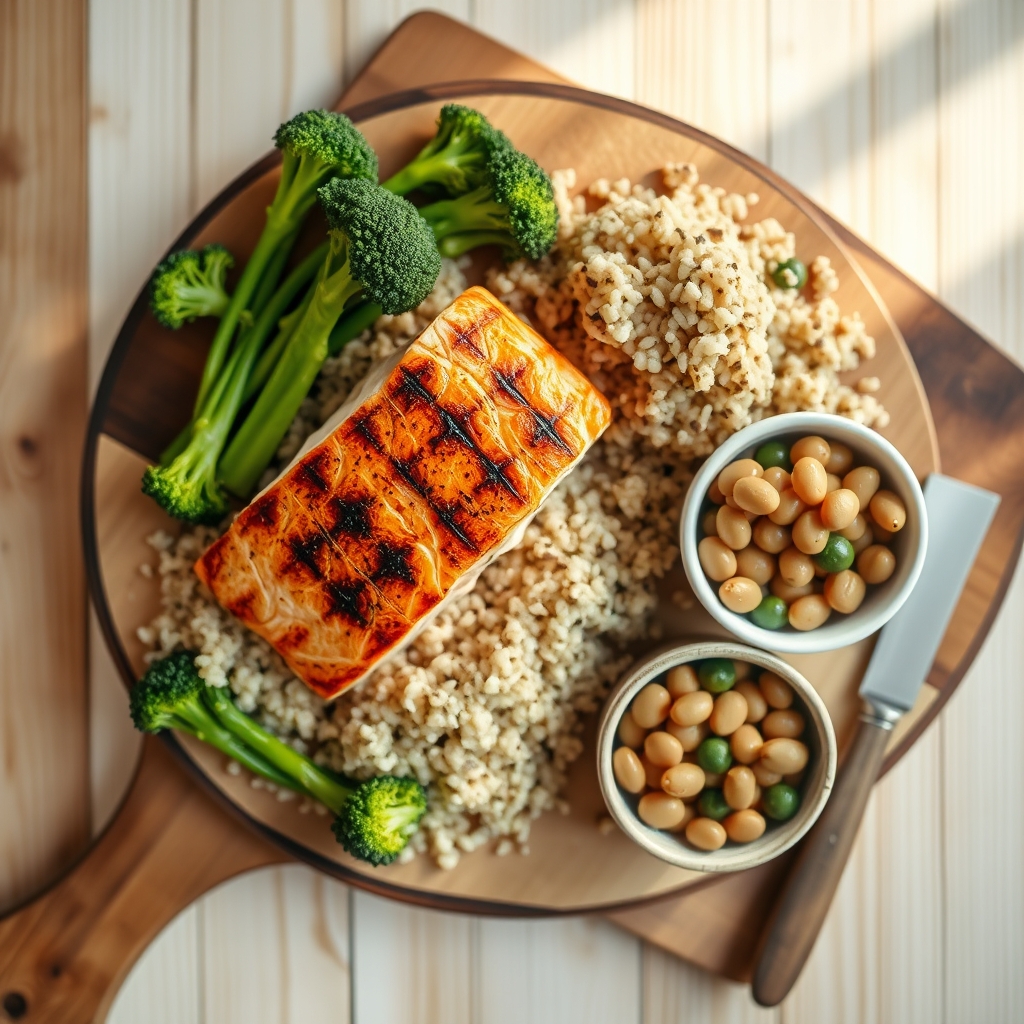
Protein intake during pregnancy is crucial, learn how much protein you need for a healthy pregnancy, including protein rich foods and supplements
By Shubhra Mishra — a mom of two who turned her own confusion during pregnancy into BumpBites, a global mission to make food choices clear, safe, and stress-free for every expecting mother. 💛
Check whether any food is safe during pregnancy with the BumpBites Food Safety Checker.
Quick take: Most pregnant people need about 71 grams of protein a day—roughly 0.5 g per pound of body weight—and a bit more in the second and third trimesters or if expecting twins. Lean meats, dairy, eggs, beans, nuts, and fortified plant‑based milks are safe choices; protein powders are okay when they’re low‑added‑sugar, reputable, and approved by your provider. Too much protein isn’t usually harmful, but extremely high amounts can raise the risk of gestational diabetes and strain the kidneys, so aim for the recommended range and track your intake.
It’s 2 a.m., you’re curled up on the couch, and a craving for a cheesy omelet has you wondering: “How much protein do I really need right now?” You’re not alone. Expecting parents often stare at nutrition labels and wonder whether a protein shake will boost baby’s growth or whether they’re over‑loading the system. The good news is that the science is clear and the guidelines are simple enough to fit into a busy day. Below, we break down everything you need to know about protein intake during pregnancy—from trimester‑by‑trimester numbers to vegetarian options, safe supplements, and how to keep tabs on your daily grams.
In this guide you’ll find:
Exact protein recommendations for each trimester and for twin pregnancies
Best whole‑food sources and a vegetarian protein checklist
How to spot the signs of both deficiency and excess
Practical tools for tracking protein and sample meal ideas
Answers to the most‑asked questions, plus a myth‑busting section
How much protein should I eat each day during the first trimester?
During the first three months, your body is building the foundation for the placenta, uterus, and early fetal tissues. The American College of Obstetricians and Gynecologists (ACOG) recommends a baseline of 71 grams of protein per day for most pregnant people, regardless of trimester. This amount translates to about 0.5 g per pound (1.1 g per kilogram) of body weight. For example, a 150‑lb individual would aim for roughly 75 g of protein daily.
Why the number? Protein supplies the amino acids needed for cell division, hormone production, and the rapid growth of maternal blood volume. Early‑stage research from the World Health Organization (WHO) shows that meeting this baseline reduces the risk of low birth weight and supports healthy placental development.
Practical tip: A single large egg (about 6 g), a cup of Greek yogurt (≈10 g), and a slice of whole‑grain toast with peanut butter (≈7 g) already get you close to 23 g. Add a handful of almonds (≈6 g) and you’re halfway there before lunch. If you’re feeling nauseous, pairing protein with a small amount of complex carbs—like a piece of fruit or a whole‑grain cracker—can help settle your stomach and keep blood‑sugar stable.
Best protein sources for pregnant women
Choosing the right protein matters as much as the amount. Whole foods provide not only protein but also iron, calcium, omega‑3 fatty acids, and B vitamins—nutrients that are especially important during pregnancy.
Lean meats and poultry: Turkey, chicken breast, and lean cuts of beef deliver 20–30 g of protein per 3‑oz serving and are rich in iron and zinc.
Fish low in mercury: Salmon, sardines, and trout offer 22–25 g per 3‑oz portion plus heart‑healthy omega‑3s. Aim for 2‑3 servings per week, per FDA guidelines.
Eggs: One large egg supplies about 6 g of high‑quality protein and choline, which supports brain development.
Dairy: Greek yogurt, cottage cheese, and low‑fat milk provide 8–15 g per cup and boost calcium intake.
Legumes: Lentils, chickpeas, and black beans give 15–18 g per cooked cup and are excellent for vegetarians.
Tofu and tempeh: Firm tofu offers 10 g per ½‑cup, while tempeh provides 15 g per ½‑cup, both with iron and calcium.
Nuts & seeds: Almonds, pumpkin seeds, and chia seeds add 5–7 g per ounce and supply healthy fats.
Cooking matters, too. Grilling, steaming, or baking preserves nutrients, while deep‑frying can add unwanted saturated fat. Always ensure fish and meat are cooked through to eliminate harmful bacteria, and avoid raw or undercooked eggs.
Combine lean animal protein with plant‑based options for a nutrient‑dense meal.
Can I eat too much protein while pregnant?
While protein is essential, “more is not always better.” Extremely high intakes—often defined as > 2 g per kilogram (≈0.9 g per pound) of body weight—can increase the risk of gestational diabetes, especially when paired with high‑protein animal foods that are also high in saturated fat. The National Institute for Health and Care Excellence (NICE) cautions that very high protein diets may lead to decreased calcium absorption, potentially affecting bone health.
Symptoms of excessive protein intake can include persistent dehydration, increased urination, and a feeling of “heaviness” after meals. However, most pregnant people who stay within the ACOG‑recommended range will not encounter these issues.
If you’re an athlete or have a high‑intensity workout routine, you may naturally gravitate toward a higher protein intake. In those cases, discuss your exact needs with your obstetrician or a registered dietitian to tailor a safe plan that respects both your training goals and pregnancy safety.
Protein requirements for pregnant vegetarians
Vegetarians (including vegans) need the same total amount of protein—about 71 g daily—but must be mindful of combining foods to obtain all essential amino acids. The Academy of Nutrition and Dietetics notes that a varied plant‑based diet easily meets these needs when you include legumes, nuts, seeds, whole grains, and soy products.
Here’s a quick snapshot of a vegetarian protein plan:
Breakfast: ¾ cup fortified soy milk (8 g) + 2 slices whole‑grain toast with 2 tbsp peanut butter (7 g)
Dinner: Stir‑fried tofu (15 g) with quinoa (8 g) and broccoli (3 g)
That adds up to roughly 77 g, comfortably within the guideline. Because plant‑based diets can be lower in vitamin B12, iron, and DHA, many clinicians recommend a prenatal supplement that includes these nutrients, especially for vegans.
Does protein intake affect baby’s birth weight?
Yes. Multiple cohort studies, summarized in a 2022 WHO systematic review, found that meeting or slightly exceeding the recommended protein intake is associated with a modest increase (≈ 100–150 g) in average birth weight, especially in low‑resource settings where protein deficiency is common. Adequate protein supports the growth of fetal muscle, organ development, and overall nutrient storage.
Conversely, chronic protein deficiency—less than 60 g per day—has been linked to intrauterine growth restriction (IUGR) and lower birth weight. Ensuring consistent intake throughout pregnancy is therefore a key strategy for a healthy baby size, and it also helps reduce the likelihood of preterm delivery.
Safe protein supplements for pregnancy
Protein powders can be a convenient way to hit your daily target, but not all are created equal. Look for supplements that meet these criteria:
Certified by a third‑party lab (e.g., NSF, USP) for purity and absence of heavy metals.
Low in added sugars—preferably < 5 g per serving.
Free of artificial sweeteners such as aspartame, which some providers advise to limit.
Based on whey, pea, or soy protein—these are well‑studied and generally regarded as safe by the FDA for pregnant consumers.
Collagen peptides are another option, but they provide mainly glycine and proline and lack the full amino‑acid profile of whey or soy. If you have a soy allergy, opt for pea‑based powders, and always check the label for potential cross‑contamination.
One simple recipe (see “Protein shake recipes safe for pregnancy” below) mixes a scoop of certified whey protein with frozen berries, Greek yogurt, and a splash of fortified almond milk. Always discuss any supplement with your obstetrician or midwife before adding it to your routine.
Protein intake recommendations for twin pregnancies
Carrying twins raises protein needs by roughly 25‑30 %. The ACOG suggests an intake of approximately 1.5 g per kilogram (≈0.68 g per pound) of body weight, which translates to about 100–110 g per day for an average‑size mother.
Because twin pregnancies also increase caloric demands, it’s wise to spread protein evenly across meals and snacks. Adding an extra serving of legumes, a second egg, or a larger portion of dairy can help you meet the target without over‑relying on meat. Snack ideas include a small bowl of edamame, a cheese stick, or a slice of whole‑grain toast topped with hummus.
How to track protein intake during pregnancy
Modern smartphones make tracking easier than ever. Here are three low‑tech options:
Paper food diary: Write down each meal, noting the protein source and estimated grams (use nutrition labels as a guide).
Nutrition apps: MyFitnessPal, Cronometer, and the NHS “Food Diary” app have extensive databases and let you set a daily protein goal.
Simple spreadsheet: List foods in column A, grams per serving in column B, and tally daily totals in column C.
Review your log at the end of each day. If you’re consistently below 71 g, consider adding a protein‑rich snack or adjusting portion sizes. Many clinicians ask patients to bring a week’s worth of food logs to prenatal visits, making it easier to spot gaps and personalize recommendations.
Daily protein grams per pound for pregnant women
The conversion of body weight to protein grams is a handy shortcut when you’re grocery‑shopping or prepping meals. The guideline of 0.5 g per pound works for most pregnancies. To calculate:
Weigh yourself (or use your pre‑pregnancy weight).
Multiply the weight in pounds by 0.5.
The result is the daily protein target in grams.
For a 160‑lb individual, the target is 80 g of protein per day. If you’re carrying twins, multiply by 1.3 (≈ 0.65 g per pound), giving about 104 g. As pregnancy progresses and you gain weight, you may need to revisit the calculation—especially if you’re aiming to stay within the recommended range while avoiding excess.
High protein pregnancy meal plan
Below is a sample day that hits roughly 80 g of protein, suitable for a second‑trimester mother.
Baked salmon (3 oz) + sweet potato + mixed green salad with pumpkin seeds
25
Total
87
If you prefer plant‑based meals, swap the chicken for a ½‑cup serving of lentils (≈ 9 g) and add a side of tofu (≈ 10 g). The total protein stays in the target range while providing a different flavor profile.
Low protein diet risks during pregnancy
Consistently low protein intake (< 60 g per day) can lead to:
Intrauterine growth restriction (IUGR): The baby may not gain weight at the expected rate.
Maternal muscle loss: Your own body may break down muscle for amino acids.
Reduced immune function: Both mother and baby may be more susceptible to infections.
Potential anemia: Protein is needed for hemoglobin synthesis.
Long‑term, low protein can affect postpartum recovery, making it harder to regain strength after delivery. If you suspect you’re not getting enough protein, talk to your provider about incorporating fortified foods or a supplement.
Protein shake recipes safe for pregnancy
When you need a quick boost, these shakes keep sugar low and nutrients high.
Berry‑Greek Yogurt Smoothie: 1 scoop whey protein (vanilla), ½ cup Greek yogurt, ½ cup frozen mixed berries, 1 cup fortified almond milk, 1 tbsp ground flaxseed. Blend until smooth.
Green Power Shake: 1 scoop pea protein, 1 cup spinach, ½ banana, ¼ avocado, 1 cup low‑fat milk, 1 tbsp almond butter. Optional: a dash of cinnamon.
Chocolate‑Coconut Delight: 1 scoop soy protein, 1 cup coconut water, 1 tbsp cocoa powder, ¼ cup oats, 1 tbsp chia seeds. Blend for a tropical treat.
All three stay under 200 calories per serving and provide 15–20 g of protein. Store shakes in the refrigerator for up to 24 hours; always give them a quick stir before drinking to keep texture even.
Impact of protein deficiency on pregnancy
Protein deficiency, though less common in high‑income countries, still occurs in individuals with limited access to varied diets or restrictive eating patterns. The main impacts include:
Reduced fetal muscle development: Leading to lower birth weight and possible developmental delays.
Maternal fatigue and weakness: Because muscles lack the building blocks for repair.
Impaired placental function: Which can affect nutrient transport to the baby.
Early detection is key. If you notice persistent fatigue, hair loss, or a tendency toward frequent infections, bring these concerns to your prenatal visit. A simple blood test can reveal low albumin levels, a marker of protein status.
Protein intake and gestational diabetes risk
Research from the CDC and several cohort studies indicates that very high animal‑protein diets (especially red meat) may modestly raise the risk of gestational diabetes, likely due to associated saturated fat and iron overload. Plant‑based proteins, such as beans and lentils, have a neutral or even protective effect.
To stay within safe limits, aim for a balanced mix: about 60 % animal protein and 40 % plant protein, and keep total intake at the recommended 71 g (or slightly higher in later trimesters). Pair protein with fiber‑rich carbs—like whole‑grain toast or fruit—to stabilize blood sugar and reduce spikes.
Vegetarian protein checklist for pregnancy
Use this checklist when planning meals or grocery trips. Tick each item to ensure you’re covering the full amino‑acid spectrum.
Legumes (lentils, chickpeas, black beans) – at least 3 servings/week
Whole‑grain breads or pasta – combine with legumes for complete proteins
Rotate these foods throughout the week and keep a small stash of pre‑cooked beans or canned lentils for quick meals. This variety naturally meets the protein goal without relying heavily on supplements.
Protein needs in second and third trimester
As pregnancy progresses, the fetus grows rapidly, and maternal blood volume expands. The ACOG updates its recommendation to 71 g + 25 g in the second trimester and an additional 15 g** in the third trimester, totaling around 95–100 g per day for a typical pregnancy.
In practical terms, that might look like adding a second serving of dairy, an extra ounce of nuts, or a larger portion of lean meat at dinner. The increase is modest—roughly a half‑cup of beans or an extra egg—so you can meet it without drastically changing your eating habits. Late‑pregnancy cravings for cheese or meat are often a signal that your body needs those extra proteins.
A balanced snack can easily add 15–20 g of protein.
Protein and morning sickness: Managing nausea with protein
Morning sickness can make it hard to keep up with protein goals, especially if you’re avoiding strong smells. Small, protein‑rich snacks—like a slice of cheese, a handful of nuts, or a hard‑boiled egg—are easier on the stomach than large meals. Protein also helps stabilize blood‑sugar levels, which can reduce nausea spikes.
When nausea is severe, try bland options such as plain Greek yogurt with a drizzle of honey, or a smooth protein shake made with low‑fat milk and a tiny amount of fruit. Sipping slowly throughout the day, rather than gulping, can also keep nausea at bay.
Immune support: How protein fuels your pregnancy‑time defenses
Pregnancy naturally shifts the immune system to protect both you and the developing baby. Protein is the building block for antibodies, enzymes, and immune cells. A diet that meets the recommended protein intake helps maintain a robust immune response, lowering the chance of infections that could harm the placenta.
In addition to protein, make sure you get enough vitamin C, zinc, and selenium—nutrients that work synergistically with amino acids to keep the immune system humming. A bowl of lentil soup topped with a sprinkle of pumpkin seeds delivers both protein and zinc in one comforting dish.
Special considerations: Protein for pregnant people with kidney or liver conditions
If you have pre‑existing kidney disease, cirrhosis, or another condition that affects protein metabolism, your needs may differ from the standard recommendations. The National Kidney Foundation advises that moderate protein intake—often slightly lower than the typical 0.8 g/kg for non‑pregnant adults—can help preserve kidney function while still supporting fetal growth.
Work closely with your nephrologist and obstetrician to tailor a personalized plan. They may recommend high‑quality, easily digestible proteins (like whey or egg whites) and limit high‑phosphorus foods such as certain nuts and legumes. Regular blood‑work will guide any adjustments throughout pregnancy.
Doctor's note
From our medical team: Protein needs rise modestly during pregnancy, and most people can meet them with everyday foods. If you’re vegan, focus on variety and consider a prenatal supplement that includes vitamin B12 and iron. Any protein powder should be third‑party tested and low in added sugars. Always share your nutrition plan with your obstetrician, especially if you have kidney disease, pre‑existing diabetes, or are carrying multiples.
Myth vs. fact
Myth: “Pregnant women need to double their protein intake.”
Fact: The increase is roughly 10‑20 g per day, not a 100 % jump. Most adults already meet the baseline, so you only need a modest boost.
Myth: “Plant‑based proteins aren’t complete, so vegetarians will be deficient.”
Fact: Combining legumes with grains (e.g., beans + rice) provides all essential amino acids. A varied vegetarian diet meets the same protein standards as an omnivorous one.
Myth: “Protein shakes are unsafe because they contain artificial ingredients.”
Fact: Certified, low‑sugar protein powders are considered safe when chosen wisely and used in moderation.
Key takeaways
Aim for ~71 g of protein daily in the first trimester, rising to ~95–100 g in later trimesters.
Use the rule of 0.5 g per pound (or 0.68 g per pound for twins) to calculate personal targets.
Choose a mix of lean meats, dairy, fish, legumes, nuts, and fortified plant milks.
Vegetarians can meet needs with varied beans, tofu, quinoa, and fortified soy products.
Protein powders are okay if third‑party tested, low in added sugars, and approved by your provider.
Track intake with a food diary, app, or simple spreadsheet to stay on target.
If morning sickness makes meals tough, opt for small protein‑rich snacks throughout the day.
Women with kidney or liver conditions should personalize protein plans with their care team.
Frequently asked questions
How many grams of protein do pregnant women need?
Most guidelines, including ACOG, recommend about 71 grams per day in the first trimester, increasing to roughly 95 grams by the third trimester; twins require about 100–110 grams daily.
Is it safe to take protein powder while pregnant?
Yes, if the powder is certified by a reputable third‑party lab, low in added sugars, and approved by your obstetrician, it can safely supplement your diet.
What are the best protein foods for a pregnant diet?
Lean meats, poultry, low‑mercury fish, eggs, Greek yogurt, cottage cheese, lentils, beans, tofu, tempeh, nuts, seeds, and fortified plant milks all provide high‑quality protein and essential nutrients.
Can eating too much protein harm my baby?
Excessive protein (> 2 g/kg) may raise the risk of gestational diabetes and reduce calcium absorption, but staying within the recommended range is safe and beneficial.
Do I need extra protein if I’m pregnant with twins?
Yes—twins increase protein needs by about 25‑30 %, aiming for roughly 0.68 g per pound (≈ 1.5 g per kilogram) of body weight, which is about 100–110 grams daily for most mothers.
How does protein intake affect labor and delivery?
Adequate protein supports muscle strength and tissue repair, which can help with the stamina needed during labor. Very low protein may contribute to fatigue and slower recovery postpartum.
Can I get enough protein on a gluten‑free diet?
Absolutely. Focus on gluten‑free grains such as quinoa, buckwheat, and amaranth, along with legumes, nuts, dairy, eggs, and certified gluten‑free meat or fish. Pairing grains with beans ensures a complete amino‑acid profile.
What are the signs of protein deficiency in pregnancy?
Common clues include persistent fatigue, thinning hair, swelling of the hands and feet, and a feeling of “muscle weakness.” If you notice these symptoms, talk to your provider and consider a blood test for albumin levels.
When to call your doctor
Seek immediate medical attention if you experience any of the following:
Severe swelling or sudden weight gain (> 2 kg in a week)
Persistent nausea or vomiting that prevents you from keeping food down
Sharp abdominal pain, especially if accompanied by bleeding
Signs of dehydration (dark urine, dizziness, dry mouth)
Unexplained fatigue or muscle weakness
This article provides general information only and does not replace personalized medical advice. Always discuss your nutrition plan with your healthcare provider.
References
American College of Obstetricians and Gynecologists (ACOG). “Nutrition During Pregnancy.” 2023 clinical guidance.
World Health Organization (WHO). “Protein and Amino Acid Requirements in Human Nutrition.” 2007 report.
National Institute for Health and Care Excellence (NICE). “Antenatal Care Guidelines.” Updated 2022.
U.S. Food and Drug Administration (FDA). “Guidance for Industry: Dietary Supplements.” 2021.
Centers for Disease Control and Prevention (CDC). “Gestational Diabetes Mellitus.” 2022 data brief.
Academy of Nutrition and Dietetics. “Vegetarian Diets in Pregnancy.” Position Paper, 2020.
U.S. Department of Agriculture (USDA). “FoodData Central.” Nutrient database accessed July 2026.
Food and Drug Administration (FDA). “Food Safety: Mercury Levels in Fish.” 2023 consumer advice.
National Health Service (NHS). “Protein Requirements During Pregnancy.” 2022 patient information.
International Federation of Gynecology and Obstetrics (FIGO). “Multiple Pregnancy Nutrition.” 2021 consensus.
National Kidney Foundation. “Nutrition for Pregnant Patients with Kidney Disease.” Clinical practice guideline, 2022.
National Institute of Diabetes and Digestive and Kidney Diseases (NIDDK). “Gestational Diabetes and Nutrition.” Updated 2023.
Not sure about the label on Protein Intake Pregnancy products?
Snap the ingredients list and SafeFilter checks every ingredient for your stage — only 3 free scans this month, then you're locked until reset. Unlimited from $7/mo or $50/yr.
When Shubhra Mishra was expecting her first child in 2016, she was overwhelmed by conflicting food advice — one site said yes, another said never. By the time her second baby arrived in 2019, she realized millions of mothers face the same confusion.
That sparked a five-year journey through clinical nutrition papers, cultural diets, and expert conversations — all leading to BumpBites: a calm, compassionate space where science meets everyday motherhood.
Her long-term vision is to build a global community ensuring safe, supported, and free deliveriesfor every mother — because no woman should face pregnancy alone or uninformed. 🌿
🌍 Stand with mothers, shape safer guidance
Join a small circle of experts who review BumpBites articles so expecting parents everywhere can decide with confidence.