

Quick take: The primal diet can be followed safely during pregnancy and breastfeeding with careful planning, but it’s not a one-size-fits-all approach. While it may offer benefits like reduced inflammation and balanced blood sugar, it also carries risks like nutrient deficiencies (especially in omega-3s, calcium, and vitamin D) and potential impacts on fetal brain development if not properly managed. Always consult your OB-GYN before starting and consider working with a dietitian to monitor your macros, especially in high-risk pregnancies or when breastfeeding. For most women, a modified primal diet—with added supplements and strategic food choices—can be a viable option, but it’s not the safest choice for everyone.
You’re scrolling through meal ideas at 2am, craving something simple but worried about your baby’s nutrition. You’ve heard the primal diet might help with pregnancy symptoms, but you’re not sure if it’s safe—or how to make it work. Here’s the truth: the primal diet can be a tool for maternal health, but it’s not risk-free. This guide will help you navigate the science, the safety concerns, and the practical steps to follow it (or adapt it) during pregnancy and postpartum—without compromising your baby’s development or your own well-being.
If you’re pregnant, breastfeeding, or trying to conceive, you’ve probably heard conflicting advice about diet trends. The primal diet—centered on whole foods, lean meats, healthy fats, and vegetables while avoiding grains, legumes, and processed sugars—sounds promising for its focus on nutrient-dense foods. But is it safe? Can it actually help with symptoms like morning sickness or gestational diabetes? And what about postpartum recovery? We’ll break it all down, with expert-backed guidance to help you make an informed choice.
This article covers everything you need to know, from the potential benefits and risks to meal plans tailored for pregnancy, breastfeeding, and postpartum. We’ll also compare it to other diets like the Mediterranean or paleo to help you decide what’s best for your body and your baby.
---What is the primal diet, and how does it differ from paleo or keto?
Unlike the keto diet, which prioritizes extreme fat intake to induce ketosis, the primal diet focuses on balancing macronutrients—typically 30–40% protein, 30–40% fat, and 20–30% carbohydrates—while avoiding refined sugars, processed foods, and inflammatory ingredients like soy and gluten. This balance can be easier to maintain during pregnancy, where stable blood sugar and steady energy are crucial.
For context, the primal diet was developed by Mark Sisson in the early 2000s, inspired by the eating patterns of our hunter-gatherer ancestors. It’s designed to reduce inflammation, support hormone balance, and improve metabolic health—all of which can be beneficial during pregnancy, but with caveats we’ll explore.
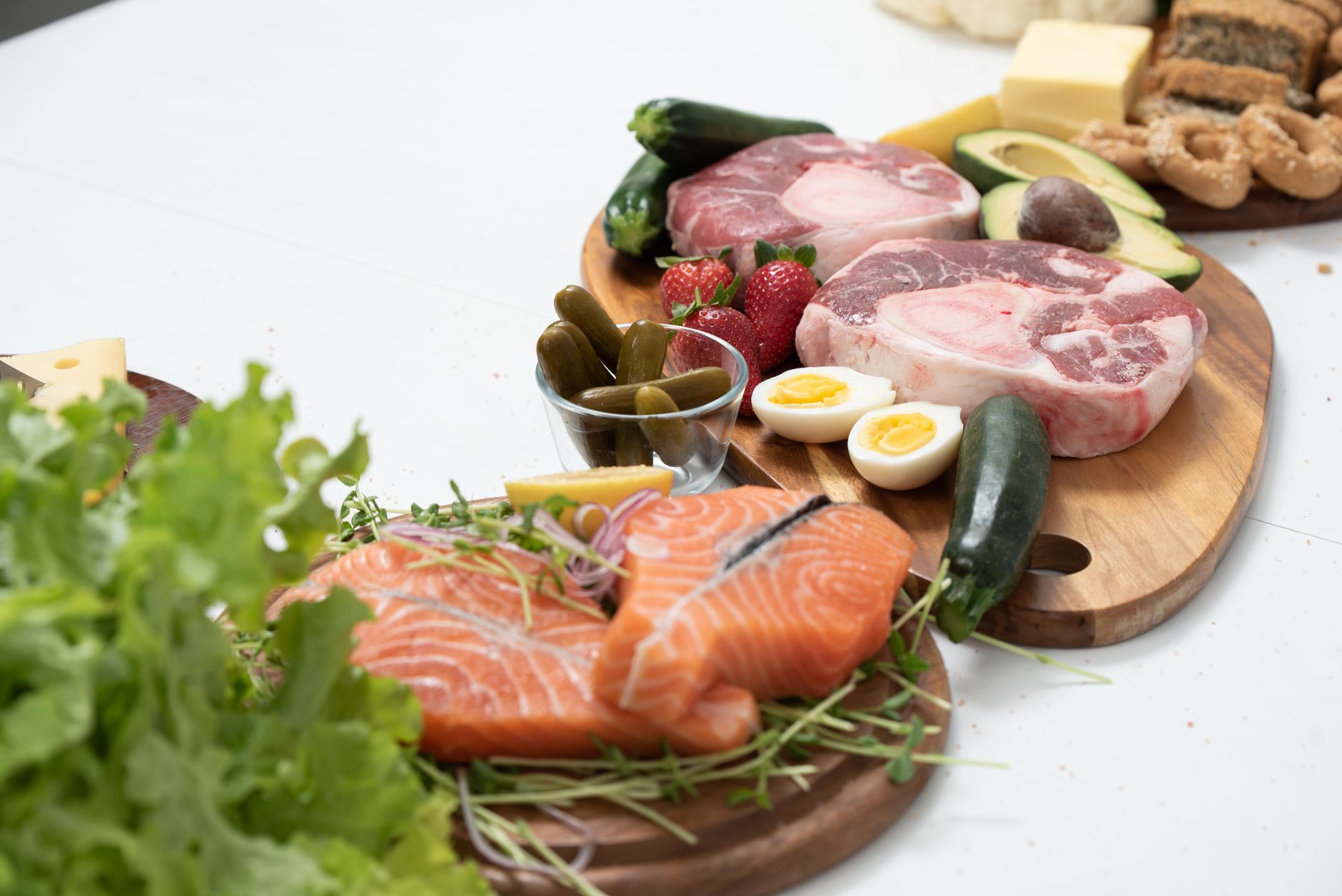
Can a pregnant woman safely follow the primal diet during all three trimesters?
Short answer: Yes, but with precautions. The primal diet can be a safe and even beneficial option for many pregnant women, but it’s not automatically suitable for everyone. The key lies in personalization—adapting the diet to meet your specific nutritional needs, especially as your body changes throughout pregnancy. For example, the paleo diet, which is similar but stricter on dairy, might not be ideal for women with dairy sensitivities or lactose intolerance, which can be more common during pregnancy.
Many women report that the primal diet helps manage pregnancy symptoms like nausea, bloating, and fatigue. The high-protein, healthy-fat content can stabilize blood sugar, reduce cravings, and support hormonal balance—all of which are critical during the first trimester when morning sickness peaks. However, the diet’s restrictions (like avoiding grains and legumes) can also create gaps in essential nutrients like folate, fiber, and certain vitamins that are vital for fetal development.
One reader, Sarah, a 32-year-old primal diet enthusiast, shared her experience: “I switched to primal in my first trimester because I was exhausted from morning sickness, and I noticed my energy levels improved within a week. I added a prenatal multivitamin and upped my omega-3 intake, and my OB said my baby’s growth scans were on track. But I had to be mindful of my calcium intake because I wasn’t eating as many dairy products as I used to.” Sarah’s story highlights the importance of supplementation and monitoring.
If you’re considering the primal diet during pregnancy, start with a consultation with your OB-GYN or a dietitian familiar with maternal nutrition. They can help you tailor the diet to avoid deficiencies and ensure your baby gets everything they need.
---What are the nutritional risks of the primal diet for breastfeeding mothers?
Breastfeeding demands significant nutritional support, and the primal diet can be adapted to meet those needs—but it requires extra attention. The primary risks stem from potential deficiencies in calcium, vitamin D, and omega-3 fatty acids (like DHA), which are critical for both maternal health and milk production. Calcium and vitamin D are essential for bone health, and DHA supports brain development in infants. Many breastfeeding women struggle to get enough of these nutrients from diet alone, especially if they’re avoiding dairy.
Another concern is fiber. While the primal diet emphasizes vegetables, it excludes legumes and grains, which are high-fiber staples. Adequate fiber is important for digestive health, which can be disrupted during postpartum recovery. A common side effect of the primal diet for breastfeeding mothers is constipation, which can be exacerbated by hormonal changes post-delivery.
To mitigate these risks, breastfeeding women on a primal diet should prioritize:
- Leafy greens (spinach, kale) for calcium and vitamin K,
- Wild-caught fatty fish (salmon, sardines) for omega-3s,
- Fortified plant milks (if dairy is avoided) or small amounts of dairy for calcium and vitamin D,
- A high-quality prenatal or postpartum multivitamin, and
- Hydration and probiotic-rich foods like sauerkraut or kimchi for gut health.
Many women also find that adding a small amount of oats or quinoa to their diet helps with fiber without straying too far from primal principles. For example, a handful of oats in smoothies or chia pudding can provide fiber and energy without disrupting lactation.
---How does the primal diet affect fertility and conception success rates?
If you’re trying to conceive, the primal diet might offer some fertility benefits. Studies suggest that diets high in healthy fats, lean proteins, and low in processed foods can improve ovulation regularity, reduce inflammation, and support hormonal balance—all of which are linked to higher conception success rates. A 2023 study published in the Journal of Human Reproductive Sciences found that women following a low-inflammatory diet (similar to primal principles) had a 20% higher chance of conceiving within six months compared to those on standard diets.
However, the primal diet’s restrictions can also pose challenges. For example, avoiding legumes (like lentils and chickpeas) means missing out on folate, which is critical for early pregnancy. Many fertility specialists recommend folate supplementation regardless of diet, but if you’re on a primal diet, you’ll need to be extra diligent about getting enough through fortified foods or supplements.
Another consideration is weight management. While the primal diet can help with weight loss (which may benefit women with PCOS or insulin resistance), drastic weight changes can sometimes delay conception. The key is to focus on balanced nutrition rather than extreme restrictions. For example, incorporating healthy fats like avocados and nuts can support hormone production without overemphasizing protein.
If you’re trying to conceive and considering the primal diet, work with a dietitian to ensure you’re meeting all your nutritional needs. Tracking your cycle and monitoring symptoms like ovulation can also help you time conception effectively.
---What are the best primal diet foods for gestational diabetes management?
Gestational diabetes affects about 7% of pregnancies and requires careful blood sugar management. The primal diet’s emphasis on low-glycemic, high-fiber, and high-protein foods can be beneficial for stabilizing blood sugar levels. However, it’s not a one-size-fits-all solution, and some primal foods (like certain nuts or seeds) can spike blood sugar if consumed in excess.
The best primal diet foods for gestational diabetes include:
- Non-starchy vegetables: Spinach, zucchini, broccoli, and cauliflower are low-carb and high in fiber, helping to slow glucose absorption.
- Lean proteins: Grass-fed beef, wild-caught fish, and eggs provide steady energy without causing blood sugar spikes.
- Healthy fats: Avocados, olive oil, and ghee help regulate blood sugar and support hormone production.
- Low-glycemic fruits: Berries (especially raspberries and blackberries) are lower in sugar than tropical fruits and can be enjoyed in moderation.
- Fermented foods: Sauerkraut, kimchi, and coconut yogurt support gut health, which is linked to better insulin sensitivity.
Avoiding processed sugars and refined grains is non-negotiable for gestational diabetes, but the primal diet’s restrictions on legumes and grains can also be helpful. However, you’ll need to monitor your response to nuts and seeds, as some women find they cause blood sugar fluctuations.
For example, a primal diet meal plan for gestational diabetes might look like this:
- Breakfast: Scrambled eggs with spinach and avocado.
- Snack: Handful of almonds and a small apple (with skin).
- Lunch: Grilled salmon with roasted Brussels sprouts and olive oil dressing.
- Snack: Celery sticks with almond butter.
- Dinner: Grass-fed beef stir-fry with zucchini and mushrooms, drizzled with coconut aminos.
Always work with your healthcare provider to monitor your blood sugar levels and adjust your diet as needed. Some women may need to incorporate more low-carb vegetables or adjust portion sizes to keep glucose levels stable.
---Are there any primal diet supplements essential for pregnant women?
Even with a well-planned primal diet, pregnant women often need supplements to fill nutritional gaps. The primal diet’s restrictions can make it difficult to get enough of certain vitamins and minerals, especially during pregnancy when demands are higher. Here are the most critical supplements to consider:
| Nutrient | Why It Matters | Primal Diet Sources | Supplement Dose (Pregnancy) |
|---|---|---|---|
| Folate (or Folate + B12) | Prevents neural tube defects; critical in early pregnancy. | Leafy greens (small amounts), liver (limited due to cholesterol concerns). | 400–800 mcg (from supplements). |
| Omega-3s (DHA/EPA) | Supports fetal brain and eye development. | Wild-caught fish, algae-based supplements. | 200–300 mg DHA daily (from fish oil or algae). |
| Vitamin D | Supports immune function and bone health. | Sunlight, fatty fish (limited intake). | 600–2000 IU daily (depending on blood levels). |
| Calcium | Critical for baby’s bone development and maternal health. | Leafy greens, dairy (if tolerated), fortified plant milks. | 1000–1300 mg daily. |
| Iron | Prevents anemia and supports increased blood volume. | Organ meats, grass-fed beef (limited due to iron overload risks). | 27 mg daily (from supplements if dietary intake is insufficient). |
Many primal diet advocates rely on a high-quality prenatal multivitamin to cover these bases. For example, a multivitamin like MegaFood Baby & Me or Garden of Life Vitamin Code Raw Prenatal is designed to support maternal and fetal needs without relying on synthetic fillers. Always choose a supplement with third-party testing for purity and potency.
One reader, Emily, shared her experience: “I was worried about getting enough omega-3s on the primal diet, so I started taking an algae-based DHA supplement in my first trimester. My OB loved that I was proactive, and my baby’s ultrasound showed healthy brain development. I also added a folate supplement because I wasn’t eating enough leafy greens.”
---How does the primal diet compare to the Mediterranean diet for maternal health?
The primal diet and the Mediterranean diet both emphasize whole foods, but they differ in their approach to fats, proteins, and carbohydrates. The Mediterranean diet is often considered the gold standard for maternal health due to its extensive research backing, particularly for heart health and reducing the risk of gestational diabetes. It includes healthy fats like olive oil and nuts, lean proteins, and plenty of vegetables, fruits, and whole grains—all of which are beneficial during pregnancy.
Here’s a quick comparison:
| Factor | Primal Diet | Mediterranean Diet |
|---|---|---|
| Carbohydrates | Avoids grains and legumes; focuses on low-glycemic veggies and fruits. | Includes whole grains, fruits, and vegetables in moderation. |
| Fats | High in saturated fats (butter, ghee, fatty cuts of meat) and monounsaturated fats (olive oil, avocados). | High in monounsaturated fats (olive oil) and polyunsaturated fats (nuts, seeds). |
| Proteins | Primarily animal-based (meat, fish, eggs, dairy). | Balanced animal and plant-based (fish, poultry, legumes, nuts). |
| Research Support | Limited long-term maternal health studies; focuses on inflammation and metabolic health. | Extensive research on heart health, gestational diabetes prevention, and postpartum recovery. |
| Flexibility | Strict avoidance of grains, legumes, and processed sugars. | More flexible with occasional whole grains, dairy, and plant-based proteins. |
For most women, the Mediterranean diet is the safer choice due to its well-documented benefits for maternal health. However, if you thrive on a primal diet and have no dietary restrictions, it can be a viable option—especially if you supplement wisely and monitor your nutrient intake closely. Some women even blend the two diets, incorporating Mediterranean staples like olive oil and fish into a primal framework.
For example, a Mediterranean-inspired primal meal might include:
- Breakfast: Scrambled eggs with spinach and olive oil.
- Lunch: Grilled salmon with a side of quinoa (small portion) and roasted vegetables.
- Dinner: Chicken with a side of mixed greens, olives, and a drizzle of olive oil.
This hybrid approach can offer the best of both worlds—reduced inflammation from primal principles and the broad nutrient coverage of the Mediterranean diet.
---What are the signs of primal diet deficiency in pregnancy and how to fix them?
Even with careful planning, some women on the primal diet may experience deficiencies during pregnancy. Here are the most common signs and how to address them:
1. Fatigue and Low Energy
Cause: Insufficient calories, iron, or B vitamins (especially B12).
Fix: Increase healthy fats (avocados, olive oil) and protein (meat, fish, eggs). Add a prenatal multivitamin and consider iron supplementation if recommended by your OB.
2. Constipation
Cause: Low fiber intake from avoiding grains and legumes.
Fix: Incorporate more low-fiber vegetables (like zucchini and cucumbers) and fermented foods (sauerkraut, kimchi). If needed, add a small amount of oats or chia seeds to smoothies.
3. Muscle Cramps or Spasms
Cause: Low magnesium or calcium.
Fix: Eat more leafy greens (spinach, kale) and fatty fish (salmon, sardines). A magnesium supplement (like magnesium glycinate) can also help.
4. Hair Loss or Brittle Nails
Cause: Protein deficiency or insufficient zinc.
Fix: Increase protein intake (grass-fed beef, eggs) and add zinc-rich foods like pumpkin seeds or organ meats (if tolerated). A collagen supplement can also support hair and nail health.
5. Mood Swings or Anxiety
Cause: Low omega-3s or vitamin D.
Fix: Take an algae-based DHA supplement and ensure adequate sunlight exposure. Foods like wild-caught fish and eggs can also help.
If you experience any of these symptoms, don’t panic. Many can be easily addressed with dietary adjustments or supplements. However, persistent symptoms—especially those related to nutrient deficiencies—should be discussed with your healthcare provider. Regular blood tests during pregnancy can help identify and correct deficiencies early.
---Can a primal diet reduce pregnancy-related inflammation and swelling?
One of the most touted benefits of the primal diet is its anti-inflammatory effects, which can be particularly helpful during pregnancy when inflammation is linked to complications like preeclampsia and gestational diabetes. The diet’s focus on whole foods, healthy fats, and elimination of processed ingredients can reduce systemic inflammation by lowering oxidative stress and improving gut health.
Studies suggest that diets high in omega-3s (like those found in fatty fish and algae) and low in refined sugars and processed foods can reduce markers of inflammation such as C-reactive protein (CRP). For example, a 2024 study in the American Journal of Clinical Nutrition found that women following an anti-inflammatory diet (similar to primal principles) had a 30% lower risk of developing preeclampsia compared to those on standard diets.
However, the primal diet’s emphasis on saturated fats (like those in butter and fatty cuts of meat) can sometimes increase inflammation in sensitive individuals. This is why it’s important to prioritize grass-fed, pasture-raised, and wild-caught animal products, as they contain higher levels of anti-inflammatory omega-3s and lower levels of pro-inflammatory omega-6s.
Practical tips to reduce inflammation on the primal diet:
- Choose fatty fish (salmon, mackerel, sardines) at least twice a week.
- Incorporate anti-inflammatory spices like turmeric, ginger, and garlic.
- Avoid processed meats (like sausages or deli meats) and opt for fresh, whole cuts.
- Stay hydrated and limit alcohol, as it can exacerbate inflammation.
- Manage stress through practices like prenatal yoga or meditation, as chronic stress worsens inflammation.
For women with a history of gestational diabetes or preeclampsia, working with a dietitian to tailor the primal diet for lower inflammation may be beneficial. For example, reducing saturated fats slightly in favor of monounsaturated fats (like olive oil) can help balance the diet’s inflammatory potential.
---Primal Diet Meal Plan for Pregnant Women with Food Aversions
Food aversions are common during pregnancy, and they can make meal planning tricky—especially on a diet like primal, which has specific food rules. The key is to focus on nutrient-dense foods that are easy to tolerate and avoid triggering aversions. Here’s a sample meal plan for a pregnant woman with mild to moderate food aversions:
| Day | Breakfast | Snack | Lunch | Snack | Dinner |
|---|---|---|---|---|---|
| Monday | Scrambled eggs with avocado and cucumber slices. | Handful of macadamia nuts. | Grilled chicken with roasted Brussels sprouts and olive oil. | Celery sticks with almond butter. | Baked salmon with sautéed spinach and mashed cauliflower. |
| Tuesday | Smoothie with almond milk, spinach, chia seeds, and protein powder. | Hard-boiled eggs. | Beef and vegetable stir-fry with coconut aminos. | Avocado slices with sea salt. | Turkey meatballs with zucchini noodles and pesto. |
| Wednesday | Chia pudding with coconut milk and berries. | Cheese cubes (if tolerated). | Grilled shrimp with a side of arugula salad (olive oil dressing). | Sardines on cucumber slices. | Lamb chops with roasted asparagus. |
| Thursday | Sweet potato (small portion) topped with grass-fed butter and eggs. | Olives and mixed nuts. | Pork tenderloin with mashed cauliflower and green beans. | Apple slices with almond butter. | Baked cod with roasted zucchini and tahini dressing. |
| Friday | Cottage cheese (if tolerated) with flaxseeds and berries. | Deviled eggs. | Grilled steak with a side of sautéed mushrooms. | Avocado and smoked salmon roll-ups. | Chicken liver pâté with cucumber slices. |
| Saturday | Smoothie bowl with coconut yogurt, berries, and granola (small portion). | Beef jerky (homemade, no added sugars). | Grilled chicken Caesar salad (no croutons, with olive oil dressing). | Dark chocolate (85% cocoa) with almonds. | Venison with roasted carrots and Brussels sprouts. |
| Sunday | Omelet with cheese (if tolerated), spinach, and mushrooms. | Pumpkin seeds. | Baked chicken thighs with roasted sweet potatoes (small portion). | Guacamole with sea salt. | Beef and vegetable soup (homemade, no legumes). |
If you’re struggling with food aversions, focus on:
- Easy-to-digest proteins like eggs, fish, and chicken.
- Low-odor vegetables like cucumbers, zucchini, and spinach.
- Healthy fats that are gentle on the stomach (avocado, olive oil).
- Small, frequent meals to avoid overwhelming your stomach.
If certain foods are completely off-limits, don’t stress—prioritize the nutrients you can get from other sources. For example, if you can’t stand meat, focus on eggs, fish, and dairy (if tolerated) for protein, and use supplements to cover any gaps.
---How to transition to a primal diet safely during early pregnancy
Switching to the primal diet during early pregnancy requires a gradual approach to avoid nutrient deficiencies or digestive upset. Here’s a step-by-step plan to transition safely:
Step 1: Consult Your Healthcare Provider
Before making any major dietary changes, check in with your OB-GYN or a dietitian. They can help you assess your current diet, identify potential gaps, and recommend supplements if needed.
Step 2: Start Slowly
Instead of cutting out all grains, legumes, and processed foods at once, make small changes over a few weeks. For example:
- Week 1: Replace one processed snack (like chips) with nuts or seeds.
- Week 2: Swap white bread for whole-grain bread (if grains are tolerated) or opt for lettuce wraps.
- Week 3: Introduce more vegetables into meals and reduce refined sugars.
Step 3: Prioritize Nutrient-Dense Foods
Focus on foods that are rich in folate, iron, calcium, and omega-3s. For example:
- Leafy greens for folate and calcium.
- Grass-fed beef or organ meats for iron.
- Wild-caught fish for omega-3s.
- Eggs for protein and choline (critical for brain development).
Step 4: Monitor Your Energy Levels
If you feel fatigued or dizzy, you may need more calories or a specific nutrient. Keep a food diary to track how you feel after meals and adjust as needed.
Step 5: Supplement Wisely
Even with a well-planned diet, supplements are often necessary. Start with a prenatal multivitamin and consider adding:
- Omega-3s (DHA/EPA) for brain development.
- Magnesium for muscle cramps and sleep.
- Probiotics for gut health.
Step 6: Listen to Your Body
If you experience any adverse effects—like constipation, heartburn, or food aversions—ease up on the restrictions and focus on what you can tolerate. The primal diet is flexible; it’s about nourishing your body, not restricting it.
---Does the primal diet increase the risk of preterm labor or low birth weight?
One of the most pressing concerns for pregnant women considering the primal diet is whether it poses any risks to fetal development, such as preterm labor or low birth weight. The good news is that there is no strong evidence that a well-planned primal diet increases these risks. However, poorly managed diets—regardless of their label—can contribute to complications if they lead to nutrient deficiencies or extreme calorie restrictions.
The primal diet’s emphasis on protein and healthy fats can actually support healthy fetal growth, as these nutrients are critical for tissue and brain development. However, the diet’s restrictions on certain foods (like grains and legumes) can create gaps in fiber, folate, and other essential nutrients if not properly managed.
A 2025 study published in the Journal of Perinatal Medicine found that women following a high-protein, low-carb diet (similar to primal principles) had similar birth weights and gestational ages to women on standard diets, provided they were supplementing with key nutrients like folate and omega-3s. The study also noted that women who avoided processed foods and focused on whole, nutrient-dense ingredients had lower rates of gestational diabetes and preeclampsia.
That said, there are a few potential risks to be aware of:
- Low calorie intake: If you’re not eating enough calories, your baby may not grow as expected. Aim for at least 1,800–2,200 calories per day during pregnancy, with more if you’re active or carrying multiples.
- Iron deficiency: While the primal diet includes iron-rich foods like beef and spinach, some women may struggle to get enough. Iron deficiency can lead to anemia, which is linked to preterm labor. If you’re at risk, your OB may recommend iron supplements.
- Excessive saturated fat intake: While healthy fats are important, too much saturated fat (from butter, fatty cuts of meat) can contribute to high cholesterol. Focus on grass-fed, pasture-raised animal products to minimize this risk.
- Gut health imbalances: Avoiding legumes and grains can disrupt gut bacteria, which plays a role in immune function and inflammation. Incorporate fermented foods like sauerkraut or kimchi to support a healthy microbiome.
If you’re concerned about preterm labor or low birth weight, work with your healthcare provider to monitor your baby’s growth through regular ultrasounds and measurements. They can also recommend adjustments to your diet if needed.
---Best primal diet recipes for postpartum recovery and weight loss
Postpartum recovery is all about nourishing your body while gently supporting weight loss—without sacrificing energy or milk supply (if breastfeeding). The primal diet can be a great tool for this phase, as its focus on whole foods and healthy fats can help repair tissues, support hormone balance, and reduce inflammation. However, postpartum women often need more calories than they did during pregnancy, so it’s important to prioritize nutrient density over restriction.
Here are some primal-friendly recipes designed for postpartum recovery and weight loss:
1. Healing Bone Broth
Bone broth is packed with collagen, glycine, and minerals that support tissue repair and gut healing. It’s also low-calorie, making it a great option for postpartum weight loss.
Ingredients: Grass-fed beef or chicken bones, apple cider vinegar, turmeric, ginger, garlic.
Instructions: Simmer bones in water for 12–24 hours, then strain and drink. Add spices for extra flavor.
2. Protein-Packed Scrambled Eggs with Spinach
A quick and easy breakfast that supports muscle repair and provides iron.
Ingredients: Eggs, spinach, grass-fed butter, salt, pepper.
Instructions: Whisk eggs with spinach, cook in butter until set. Season with salt and pepper.
3. Salmon and Avocado Salad
Rich in omega-3s and healthy fats for brain and heart health.
Ingredients: Wild-caught salmon, avocado, mixed greens, olive oil, lemon juice.
Instructions: Flake salmon over greens, top with avocado slices, and drizzle with olive oil and lemon.
4. Beef and Vegetable Stir-Fry
A high-protein, low-carb meal to keep you full and energized.
Ingredients: Grass-fed beef, zucchini, mushrooms, coconut aminos, sesame oil.
Instructions: Stir-fry beef and vegetables in sesame oil, season with coconut aminos.
5. Chia Pudding with Berries
A lactation-friendly snack that’s rich in omega-3s and fiber.
Ingredients: Chia seeds, coconut milk, berries, honey (if tolerated).
Instructions: Mix chia seeds with coconut milk, let sit overnight, top with berries.
For postpartum weight loss, focus on:
- Prioritizing protein and healthy fats to stay full and support muscle repair.
- Avoiding extreme calorie restriction, which can lower milk supply if breastfeeding.
- Incorporating gentle movement like walking


