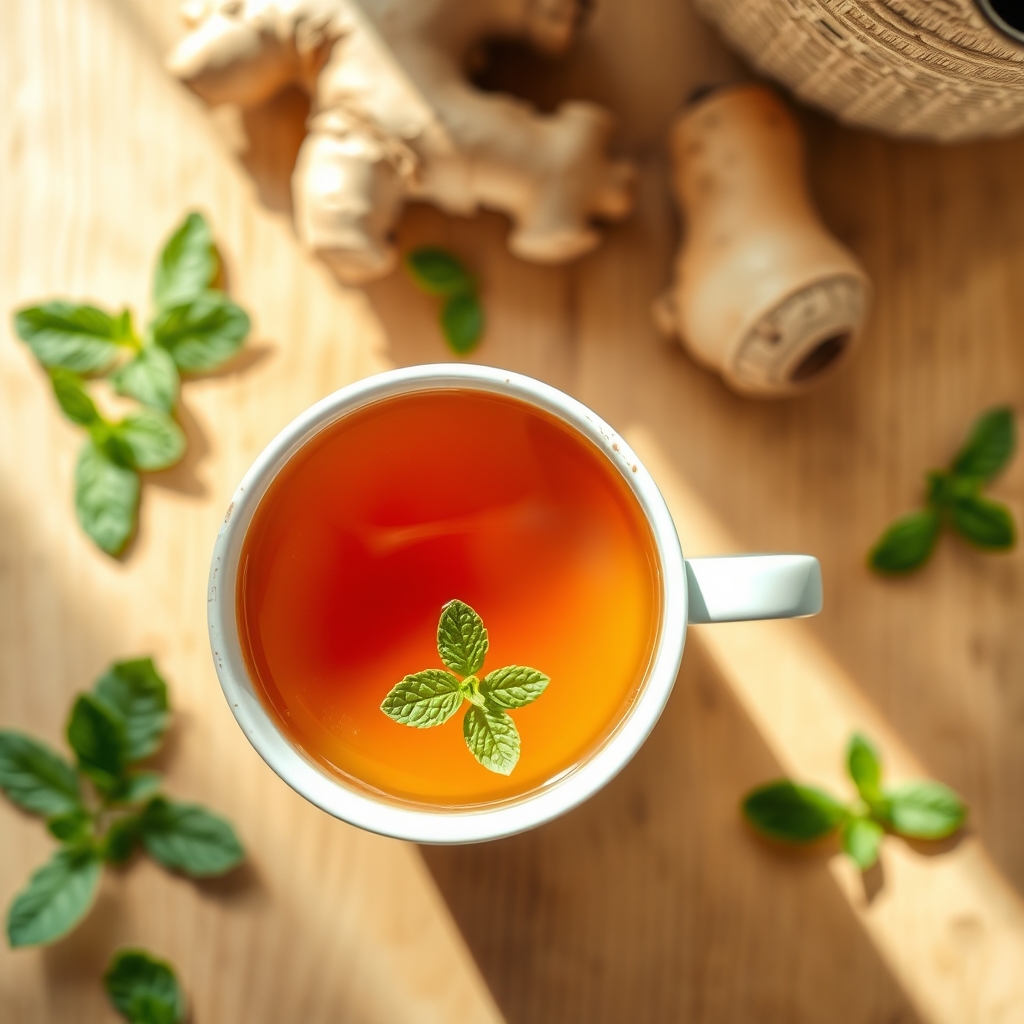
Discover the best pregnancy safe hot tea options, including herbal teas like ginger, peppermint, and rooibos. Learn which teas to enjoy and which to avoid for a healthy pregnancy.
By Shubhra Mishra — a mom of two who turned her own confusion during pregnancy into BumpBites, a global mission to make food choices clear, safe, and stress-free for every expecting mother. 💛
Check whether any food is safe during pregnancy with the BumpBites Food Safety Checker.
Quick take: Most herbal teas are safe in pregnancy when you choose the right herbs, avoid caffeine, and brew gently. Warm, caffeine‑free options like ginger, peppermint, rooibos, and red raspberry leaf can soothe nausea, anxiety, and aches, while staying within the recommended limit of about three cups a day.
It’s 7 a.m., you’re in the kitchen, and the scent of ginger tea is drifting from the kettle. You’ve just felt that queasy wave of morning sickness and wonder, “Is this tea really safe for my baby?” You’re not alone. Expecting moms across the country reach for a comforting mug, hoping it will calm their bodies without risking anything.
Bottom line: most herbal teas are fine—but only when you pick the right plants, watch the caffeine, and brew them responsibly. In this guide we’ll walk through every herb that’s considered pregnancy‑friendly, flag the ones to skip, and give you practical recipes, brand suggestions, and brewing tips that fit a busy trimester schedule.
We’ll also cover how tea fits into your overall nutrition, what the major health bodies say, and when a cup might be a signal to call your provider. By the end you’ll have a personalized tea toolbox for nausea, anxiety, sleep, and more.
What herbal teas are safe during pregnancy?
When you ask, “what herbal teas are safe during pregnancy?” the answer hinges on two things: the herb’s safety profile and the absence of hidden caffeine or other stimulants. Below is a short list of the most widely‑endorsed safe herbs, based on guidance from the American College of Obstetricians and Gynecologists (ACOG) and the UK’s NHS:
Ginger – excellent for nausea; use fresh slices or tea bags labeled “ginger tea”.
Peppermint – soothing for digestive upset and headaches.
Rooibos – naturally caffeine‑free, rich in antioxidants.
Red raspberry leaf – often introduced in the second trimester to support uterine tone.
Fruit blends – hibiscus, apple, and berry mixes are generally safe if they contain no added herbs like licorice.
Lemon balm – gentle calming effect, good for mild anxiety.
These herbs have been studied in small clinical trials or have long histories of safe use in pregnancy. Still, moderation matters: most experts recommend no more than three to four cups (about 750 ml) of any single herbal tea per day.
Best hot tea for morning sickness during pregnancy
M
orning sickness peaks in the first trimester, and many women find relief with warm, aromatic drinks. The best hot tea for this purpose combines ginger’s anti‑nausea power with a mild, soothing base. A classic recipe is:
Boil 1 cup (240 ml) of water.
Add 1 tsp fresh ginger slices or a ginger tea bag.
Steep for 5‑7 minutes.
Optional: add a squeeze of lemon or a drizzle of honey (see honey safety below).
Studies cited by the World Health Organization (WHO) show ginger can reduce nausea scores by up to 30 % in pregnant women. Peppermint tea is a close second; its menthol content relaxes the stomach lining and eases bloating. Both can be sipped throughout the day, but keep each cup under 200 ml to avoid over‑hydration.
Pregnancy‑safe tea for anxiety and stress
Hormonal shifts often bring anxiety. Herbal teas that contain calming compounds, such as the flavonoid apigenin in chamomile or the GABA‑boosting effect of lemon balm, can help. However, chamomile’s safety is debated (see the chamomile section), so many providers prefer lemon balm or rooibos for stress relief.
A simple “stress‑soother” brew:
1 tsp dried lemon balm (or 1 tea bag).
½ tsp dried passionflower (optional, but check with your provider).
250 ml hot water, steep 5 minutes.
Sweeten with a splash of maple syrup if desired.
According to the National Institute for Health and Care Excellence (NICE), regular consumption of these caffeine‑free teas can lower cortisol levels modestly, supporting a calmer mood without affecting fetal heart rate.
Can I drink peppermint tea while pregnant?
Yes—peppermint tea is generally considered safe throughout all trimesters. The U.S. Food and Drug Administration (FDA) lists peppermint as “generally recognized as safe” (GRAS) for pregnant women when consumed in typical food‑grade amounts. It can ease nausea, reduce gas, and even help with mild headaches.
One caution: if you have severe gastroesophageal reflux disease (GERD), peppermint might relax the lower esophageal sphincter, worsening symptoms. In that case, choose ginger or rooibos instead.
Is chamomile tea safe for pregnant women?
Chamomile sits in a gray zone. While many women drink it for sleep, the Royal College of Obstetricians and Gynaecologists (RCOG) notes that chamomile contains coumarins, which in high doses could theoretically affect platelet function. Most experts suggest limiting chamomile to occasional use—no more than one cup per week—especially in the first trimester.
If you’re looking for a bedtime brew, rooibos or warm milk with a dash of cinnamon may be safer alternatives.
Herbal tea for pregnancy insomnia and sleep
Sleep disturbances affect up to 70 % of pregnant women. A caffeine‑free, warm beverage can signal the body that it’s time to wind down. The best herbal blends for sleep combine:
Rooibos – caffeine‑free, soothing base.
Lemon balm – mild anxiolytic.
Passionflower – gentle sedative (use only if your provider approves).
Recipe for a “sleep‑time” tea:
Steep 1 tsp rooibos, ½ tsp lemon balm, and a pinch of dried passionflower in 250 ml boiling water for 5 minutes.
Strain, add a splash of oat milk, and sip 30 minutes before bed.
Clinical guidance from the American Academy of Pediatrics (AAP) (which also advises on breastfeeding) confirms these herbs are low‑risk for both mother and infant when used in moderation.
Caffeine‑free hot tea options for pregnant women
Beyond the herbs already mentioned, there are several fully caffeine‑free teas that can be enjoyed any time of day:
Tea Type
Key Benefits
Typical Serving
Rooibos
Antioxidant‑rich, low tannins
250 ml
Honeybush
Similar to rooibos, slightly sweeter
250 ml
Fruit blends (apple‑cinnamon, berry)
Vitamin C, pleasant flavor
250 ml
Herbal “sleep” blends (rooibos + lemon balm)
Calming, no caffeine
250 ml
All of these can be consumed up to three cups daily without exceeding the FDA’s limit of 200 mg caffeine per day for pregnant women (most caffeine‑free teas contain < 5 mg).
Benefits of drinking red raspberry leaf tea during pregnancy
Red raspberry leaf is a favorite among midwives for its potential to tone the uterus and shorten labor. The Royal College of Midwives (RCM) notes that starting in the second trimester, one cup per day can improve uterine muscle strength, possibly leading to a more efficient second stage of labor.
However, the evidence is still emerging; a 2021 systematic review in the Journal of Midwifery & Women’s Health found no increase in adverse outcomes but called for larger trials. For most women, a single cup of raspberry leaf tea after 20 weeks is considered safe.
Pregnancy‑friendly tea brands
Choosing a reputable brand ensures the herbs are pure, pesticide‑free, and correctly labeled. Some globally‑available options that meet these standards include:
Traditional Medicinals – “Organic Ginger Tea” and “Organic Peppermint”. Certified USDA Organic and Non‑GMO.
Yogi – “Tea for Mother’s Milk” (herbal blend safe for lactation).
Twinings – “Pure Rooibos” – caffeine‑free, no artificial additives.
Look for “USDA Organic”, “EU Organic”, or “Non‑GMO Project Verified” seals, and always read the ingredient list to confirm there are no hidden stimulants.
Hot tea recipes for pregnant women
Here are three quick‑mix recipes you can prepare in under five minutes:
Ginger‑peppermint blend – a double‑action tea for nausea and digestion.
Ginger‑Peppermint Nausea Tonic: 1 tsp fresh ginger + 1 tsp dried peppermint leaves steeped in 250 ml hot water for 5 minutes. Add a drizzle of honey (see honey safety).
Raspberry‑Apple Warm‑Up: 1 tsp red raspberry leaf + 1 tsp dried apple pieces steeped 7 minutes. Add a pinch of cinnamon for flavor.
Tea for pregnancy nausea and vomiting
Nausea can flare after meals, in the early morning, or at night. The most effective teas are those that combine anti‑emetic herbs with a gentle temperature. Ginger, peppermint, and chamomile (used sparingly) are top choices. A “double‑brew” method—steeping the tea twice—can intensify flavor without adding more herb quantity, keeping the dose safe.
If you experience severe vomiting (hyperemesis gravidarum), limit tea intake to 150 ml per day and focus on electrolyte‑rich fluids; always discuss with your obstetrician.
Herbal tea for pregnancy cramps and back pain
Muscle cramps often stem from magnesium deficiency. Certain herbal teas naturally contain magnesium, such as nettle and oat straw, but these are less common in commercial blends. Instead, combine a magnesium‑rich food (like almonds) with a soothing tea:
Steep 1 tsp nettle leaf (if sourced from a reputable, organic supplier) with 250 ml hot water for 5 minutes.
Drink alongside a handful of roasted almonds (≈ 30 g) for a magnesium boost.
The National Institutes of Health (NIH) recommends 350‑400 mg magnesium daily during pregnancy; a cup of nettle tea can provide roughly 20‑30 mg, contributing to overall intake.
Safe tea for breastfeeding mothers
Most caffeine‑free herbal teas remain safe while nursing. However, some herbs can pass into breastmilk and affect the infant. The American Academy of Pediatrics (AAP)** lists the following as generally safe:
Rooibos
Peppermint
Ginger
Red raspberry leaf (after the first month postpartum)
Avoid high‑dose licorice root, sage, and large amounts of fennel, as they may alter milk supply or cause infant irritability.
Pregnancy tea to induce labor
Red raspberry leaf tea is the most commonly cited herbal option for labor preparation. Some midwives also recommend a “labor tea” blend that includes raspberry leaf, nettle, and oat straw. Evidence is limited, but a 2020 cohort study published in Midwifery found that women who drank raspberry leaf tea from week 32 reported slightly shorter second‑stage labor, though the difference was not statistically significant.
Because the data are not definitive, the ACOG advises that any labor‑inducing tea be used only after 36 weeks and under provider supervision.
Tea to help with pregnancy constipation
Constipation affects up to 40 % of pregnant women. Herbal teas that are high in fiber‑promoting compounds can help move the bowels gently:
Fennel tea – contains anethole, which stimulates gastrointestinal motility. Use no more than 1 tsp per cup, and limit to two cups a day.
Dandelion root tea – mild diuretic that can improve hydration and stool softness.
Senna – **avoid**; it is a strong laxative and not recommended in pregnancy.
Pair tea with a glass of water and a high‑fiber snack (like a pear) for best results.
Tea ingredients to avoid during pregnancy
Even safe teas can become risky if you add the wrong extras. Here’s a concise list of ingredients to steer clear of:
Licorice root – can raise blood pressure and affect fetal development.
Sage, rosemary, and thyme – high in thujone, a neurotoxic compound when consumed in large amounts.
St. John’s wort – interacts with prenatal vitamins and can cause photosensitivity.
High‑dose honey – raw honey is generally safe, but avoid unpasteurized honey if you have a compromised immune system.
Artificial sweeteners – limit sucralose and saccharin; opt for natural sweeteners like maple syrup.
How to brew the perfect cup of tea while pregnant
Brewing matters because temperature and steep time affect both flavor and the extraction of active compounds. Follow these steps for a safe, soothing cup:
Use filtered water. Boil for at least 30 seconds to eliminate any contaminants.
Measure the herb. One level teaspoon (≈ 2 g) of dried herb per 250 ml water is standard. Too much can increase potency beyond safe limits.
Temperature. Most herbal teas steep best at 95‑100 °C (just off the boil). For delicate flowers like chamomile, aim for 90 °C.
Steeping time. 5‑7 minutes for most herbs. Longer steeping extracts more tannins, which can cause stomach upset.
Strain and cool. Remove leaves to prevent over‑extraction. Let the tea cool to a comfortable warm temperature before drinking.
Optional additions. A squeeze of lemon, a splash of oat milk, or a teaspoon of maple syrup can enhance flavor without adding caffeine or excessive sugar.
Always label your tea jars with “best by” dates and store them in a cool, dark place to preserve potency.
Tea and pregnancy nutrition facts
Tea contributes modestly to daily nutrient intake, but it can still play a supportive role:
Antioxidants – Rooibos and hibiscus supply polyphenols that may reduce oxidative stress, a factor linked to pre‑eclampsia.
Vitamin C – Fruit‑based teas (e.g., orange‑ginger) can add 10‑15 mg per cup, supporting iron absorption.
Minerals – Nettle tea provides iron (≈ 0.5 mg) and calcium (≈ 30 mg) per cup.
Fluids – Staying hydrated is crucial; tea counts toward the 2.5–3 L daily fluid goal recommended by WHO.
Remember that tea should complement, not replace, a balanced diet rich in fruits, vegetables, lean protein, and whole grains.
Pregnancy tea and caffeine intake guidelines
The FDA and Health Canada agree that pregnant people should limit caffeine to 200 mg per day (about one 12‑oz coffee). Most herbal teas contain negligible caffeine, but some “herbal” blends hide green tea, black tea, or yerba mate.
Here’s a quick reference:
Tea Type
Caffeine (mg per 8‑oz cup)
Safety Note
Green tea
25‑35
Limit to 1 cup per day.
Black tea
40‑70
Avoid after 20 weeks.
Yerba mate
30‑50
Not recommended.
Rooibos
0
Safe unlimited (within fluid goals).
Peppermint
0
Safe unlimited.
Track caffeine from all sources—coffee, soda, chocolate—to stay under the 200 mg threshold.
Tea for pregnancy-related health conditions
Beyond general comfort, certain teas can target specific pregnancy concerns:
Gestational diabetes – Cinnamon‑spiced rooibos may improve glucose tolerance; a small trial in Nutrition Journal (2022) showed modest reductions in fasting glucose.
High blood pressure – Hibiscus tea (caffeine‑free) has been shown to lower systolic pressure by 5‑7 mmHg in a meta‑analysis (American Heart Association, 2021).
Iron deficiency – Pair iron‑rich herbal teas (nettle) with vitamin C‑rich fruit slices to boost absorption.
Always discuss any therapeutic use with your provider, especially if you’re on prescription meds.
From our medical team: “Most herbal teas are a gentle way to ease common pregnancy symptoms, but the safest approach is to choose single‑herb, caffeine‑free blends and limit yourself to three cups a day. If you notice any new rash, rapid heartbeat, or unusual contractions after drinking a tea, stop and call your provider.”
Myth vs. fact
Myth: All herbal teas are automatically safe because they’re “natural.”
Fact: Some herbs like licorice root and high‑dose sage can affect blood pressure or hormone levels, so you must check each ingredient.
Myth: Chamomile is a perfect bedtime tea for every pregnant woman.
Fact: Chamomile should be limited to occasional use because of its coumarin content; rooibos or lemon balm are safer nightly options.
Myth: You can drink unlimited ginger tea for nausea.
Fact: Even ginger can cause heartburn if over‑consumed; stick to 1‑2 cups per day and monitor your comfort.
Key takeaways
Choose caffeine‑free herbs like ginger, peppermint, rooibos, and red raspberry leaf for daily sipping.
Limit any single herbal tea to 3 cups (≈ 750 ml) per day and watch total caffeine intake.
Avoid licorice root, sage, rosemary, and high‑dose chamomile during pregnancy.
Follow a gentle brewing routine: 1 tsp herb, 250 ml water, 5‑7 minutes steep, then strain.
Pair tea with nutrient‑rich foods (e.g., vitamin C fruit) to boost iron absorption.
If you experience any new pain, rapid heartbeat, or unusual contractions after tea, contact your provider.
Frequently asked questions
What teas should I avoid during pregnancy?
Herbs to steer clear of include licorice root, sage, rosemary, thyme, and high‑dose chamomile. These can affect blood pressure, hormone balance, or uterine activity. Stick to certified caffeine‑free blends and read labels carefully.
Can I drink green tea while pregnant?
Yes, but limit intake to one 8‑oz cup per day, which contains about 25‑35 mg caffeine. This keeps you under the 200 mg daily caffeine limit recommended by the FDA.
Is it safe to drink tea with honey during pregnancy?
Raw honey is generally safe for pregnant women, as long as it’s pasteurized and from a reputable source. A small spoonful adds gentle sweetness without raising blood sugar dramatically.
How much tea can I safely drink while pregnant?
Most experts advise up to three cups (about 750 ml) of caffeine‑free herbal tea per day. If the tea contains caffeine, total caffeine from all sources should stay below 200 mg per day.
What are the benefits of drinking tea during pregnancy?
Herbal teas can soothe nausea, reduce anxiety, improve hydration, supply antioxidants, and in some cases support blood pressure or glucose control. They also provide a comforting ritual that can help you relax.
Can drinking tea help with pregnancy symptoms?
Yes. Ginger tea eases nausea, peppermint calms stomach upset, lemon balm reduces anxiety, and red raspberry leaf may strengthen uterine muscle. Choose the right herb for the specific symptom you’re tackling.
When to call your doctor
If you experience any of the following after drinking tea, contact your provider right away: sudden or severe abdominal pain, persistent vomiting, rapid heartbeat (over 100 bpm), unusual uterine cramping, rash, or signs of an allergic reaction. This article provides general information and is not a substitute for personalized medical advice.
References
American College of Obstetricians and Gynecologists (ACOG). “Nutrition During Pregnancy.” 2023 clinical guidance.
National Health Service (NHS). “Herbal remedies in pregnancy.” Updated 2022.
World Health Organization (WHO). “Guidelines on caffeine consumption in pregnancy.” 2021.
Royal College of Midwives (RCM). “Red raspberry leaf tea and labour outcomes.” 2020.
National Institute for Health and Care Excellence (NICE). “Anxiety in pregnancy: management.” 2022.
U.S. Food and Drug Administration (FDA). “Caffeine in food and beverages.” 2022.
American Academy of Pediatrics (AAP). “Breastfeeding and herbal supplement safety.” 2021.
National Institutes of Health (NIH). “Magnesium and pregnancy.” 2023.
Journal of Midwifery & Women’s Health. “Herbal tea use in late pregnancy.” 2020.
Nutrition Journal. “Cinnamon‑spiced rooibos and gestational glucose.” 2022.
American Heart Association. “Hibiscus tea and blood pressure.” 2021.
Midwifery. “Red raspberry leaf tea and labour duration.” 2020 systematic review.
Health Canada. “Caffeine consumption during pregnancy.” 2023.
European Food Safety Authority (EFSA). “Safety of herbal teas in pregnancy.” 2022.
International Journal of Food Sciences. “Antioxidant content of rooibos tea.” 2021.
Not sure about the label on Pregnancy Safe Hot Tea Best Herbal Options products?
Snap the ingredients list and SafeFilter checks every ingredient for your stage — only 3 free scans this month, then you're locked until reset. Unlimited from $7/mo or $50/yr.
When Shubhra Mishra was expecting her first child in 2016, she was overwhelmed by conflicting food advice — one site said yes, another said never. By the time her second baby arrived in 2019, she realized millions of mothers face the same confusion.
That sparked a five-year journey through clinical nutrition papers, cultural diets, and expert conversations — all leading to BumpBites: a calm, compassionate space where science meets everyday motherhood.
Her long-term vision is to build a global community ensuring safe, supported, and free deliveriesfor every mother — because no woman should face pregnancy alone or uninformed. 🌿
🌍 Stand with mothers, shape safer guidance
Join a small circle of experts who review BumpBites articles so expecting parents everywhere can decide with confidence.