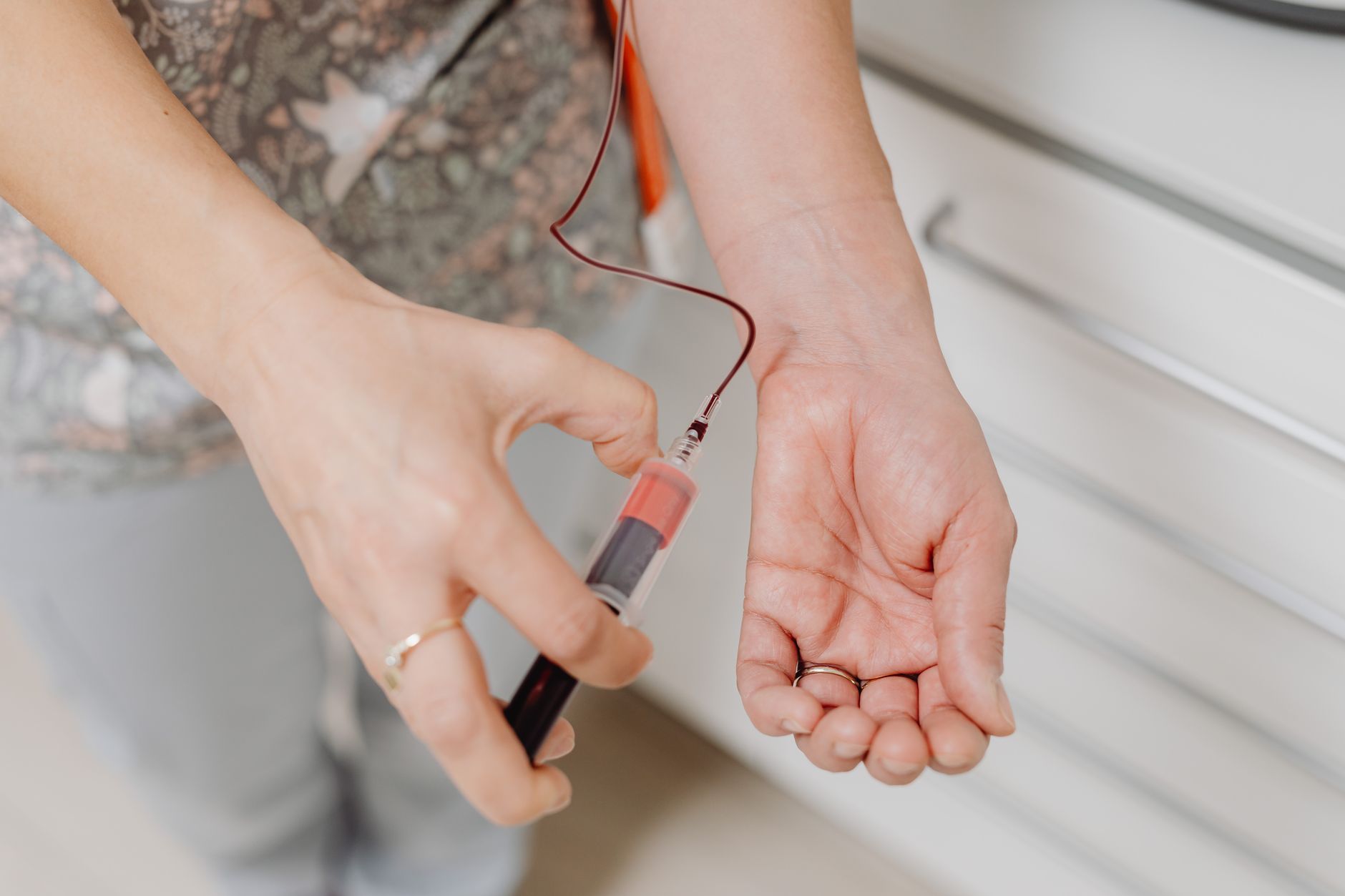
A high pregnancy WBC count signals leukocytosis, a normal response to infection, inflammation, or stress. Discover causes, risks, and when to see a doctor.
By Shubhra Mishra — a mom of two who turned her own confusion during pregnancy into BumpBites, a global mission to make food choices clear, safe, and stress-free for every expecting mother. 💛
Check whether any food is safe during pregnancy with the BumpBites Food Safety Checker.
Quick take: A mildly elevated white blood cell (WBC) count is common in pregnancy and often harmless, but levels that keep climbing or are paired with fever, pain, or other symptoms may signal infection or inflammation that needs medical attention. Your prenatal team will check the exact numbers, look for clues, and treat any underlying cause while keeping you and your baby safe.
It’s 2 a.m., you’ve just taken a prenatal blood test and the lab report shows a WBC count of 13,500 cells/µL. Your heart races. “Is this dangerous?” you wonder, scrolling through endless forums while a baby kicks gently against your ribs. You’re not alone—many expectant parents feel the same flutter of anxiety when lab values drift outside the textbook “normal.” The good news is that a modest rise in WBCs is usually a normal, physiological response to pregnancy. Still, it’s essential to know when a number is simply a pregnancy‑related shift and when it could be a warning sign.
In this article we’ll break down everything you need to know about leukocytosis (high white blood cells) during pregnancy. We’ll start with the typical ranges for each trimester, explore why the immune system changes, point out red‑flag symptoms, and walk you through how clinicians investigate and treat an elevated count. By the end, you’ll have a clear, evidence‑based roadmap—so the next time you see a lab result, you’ll know exactly what to ask your provider.
We’ll also weave in real‑world stories from parents who have been in your shoes, provide a handy comparison table, and answer the most common follow‑up questions. Remember, this guide is for information only; always discuss your personal results with your obstetrician, midwife, or family doctor.
What is a normal WBC count range during pregnancy?
White blood cells are the body’s frontline defenders against infection. In non‑pregnant adults, a typical reference range is roughly 4,000–10,000 cells per microliter (µL). During pregnancy, however, the range shifts upward because the immune system adapts to protect both mother and fetus.
Most obstetric guidelines, including those from ACOG (American College of Obstetricians and Gynecologists) and the UK’s NICE (National Institute for Health and Care Excellence), describe a “physiologic leukocytosis” that can reach up to about 15,000 cells/µL, especially in the third trimester. The exact upper limit varies slightly among labs, but a practical rule of thumb is:
First trimester: 5,000–12,000 cells/µL
Second trimester: 6,000–13,000 cells/µL
Third trimester: 7,000–15,000 cells/µL
These numbers reflect the normal, hormonally‑driven boost in immune activity that helps prevent infections while tolerating the semi‑foreign fetal tissue.
Below is a quick reference table you can save or print for your next appointment:
Trimester
Typical WBC range (cells/µL)
Upper physiological limit
First (0‑13 weeks)
5,000 – 12,000
≈ 12,000
Second (14‑27 weeks)
6,000 – 13,000
≈ 13,000
Third (28 weeks – birth)
7,000 – 15,000
≈ 15,000
Knowing these ranges helps you and your provider decide whether a lab result is simply part of pregnancy’s normal physiology or something that warrants a closer look.
Laboratories may also report “reference intervals” that differ by equipment, population, and even altitude. If your result falls just outside the printed range, ask your clinician whether the lab’s specific reference values apply to pregnant patients. In many cases, the provider will compare the result to your baseline from an earlier trimester rather than relying solely on the generic range.
Why do white blood cells increase during pregnancy?
The rise isn’t random; it’s a carefully orchestrated response to the unique immunological environment of pregnancy. Hormones such as progesterone and estrogen stimulate the bone marrow to release more neutrophils—the most abundant type of white cell. At the same time, the placenta produces cytokines (signaling proteins) that modulate immune activity, encouraging a mild, chronic inflammatory state that is actually protective.
Think of pregnancy as a diplomatic negotiation. The mother’s immune system must tolerate the genetically distinct fetus (half of the baby’s DNA comes from the father) without launching an aggressive attack. To achieve this balance, the body ramps up certain immune cells while subtly dampening others. The net effect is a higher overall WBC count, particularly neutrophils, without a corresponding rise in infections for most healthy pregnancies.
Many parents describe this shift as “the body being on alert.” One expectant mother we spoke with recalled, “When my doctor explained that my higher WBC was basically my body’s way of being extra cautious, I felt a wave of relief. It stopped me from worrying every time the numbers ticked up.”
Recent immunology research highlights the placenta’s role as an active immune organ. Placental trophoblasts release a cocktail of interleukins (IL‑6, IL‑10) that fine‑tune the maternal immune response, promoting tolerance while still preserving the ability to fight true pathogens. This nuanced balance explains why the WBC count rises yet infection rates do not skyrocket in uncomplicated pregnancies.
Besides hormonal influences, other factors can transiently elevate WBCs:
Physical stress (e.g., a marathon‑like third‑trimester workout)
Emotional stress (anxiety about labor, financial concerns)
Minor infections (a cold, urinary tract irritation)
Labor itself—white blood cells often spike dramatically during active labor and delivery.
Understanding the “why” helps you recognize that a modest increase is usually benign, but it also sets the stage for recognizing when something else is driving the count higher.
When should you worry about high WBC count in pregnancy?
Not every rise is cause for alarm. However, certain patterns and accompanying signs should prompt a conversation with your care team:
Persistent count above 15,000 cells/µL across multiple tests, especially if it climbs steadily.
Accompanying fever (≥ 38 °C/100.4 °F) or chills.
Localized pain such as abdominal, flank, or pelvic tenderness.
Urinary symptoms (burning, frequency) that suggest a urinary tract infection.
Shortness of breath, rapid heartbeat, or unexplained fatigue that could indicate systemic inflammation.
In practice, obstetricians use a combination of the absolute number, the trend over time, and the clinical picture. For example, a WBC of 14,500 cells/µL with no fever and a normal physical exam is usually observed. The same number with a fever and abdominal pain, however, would trigger investigations for infection or other complications.
Most providers will repeat the CBC within a week to see if the count is trending down, stable, or rising. If the trend is upward or the patient develops new symptoms, a more extensive work‑up is initiated promptly.
One reader shared, “I was told my WBC was 13,800, but I felt fine. My doctor repeated the test a week later, and it was 12,200. We decided no treatment was needed—just a watchful eye.” This illustrates the importance of context: numbers alone don’t tell the whole story.
Can high WBC in pregnancy indicate an infection?
Yes, an elevated white blood cell count can be a clue that an infection is present, but it isn’t diagnostic on its own. Infections that commonly raise WBCs during pregnancy include:
Urinary tract infections (UTIs) – the most frequent bacterial infection in pregnancy.
Upper respiratory infections (colds, flu).
Chorioamnionitis – infection of the fetal membranes, usually presenting during labor.
Group B Streptococcus (GBS) colonization, especially if it progresses to infection.
Dental infections – periodontal disease can cause systemic inflammation.
Importantly, not every infection produces a dramatic leukocytosis. Some infections, like viral illnesses, may raise lymphocytes more than neutrophils, leading to a “high lymphocyte” picture without a huge total WBC count. Conversely, a high neutrophil count can occur without infection, especially in later pregnancy.
When doctors suspect infection, they’ll typically order additional tests: urine culture, blood cultures, C‑reactive protein (CRP) or erythrocyte sedimentation rate (ESR) for inflammation, and sometimes imaging (ultrasound) to locate an abscess or other source.
Chorioamnionitis, for instance, often presents with maternal fever, uterine tenderness, and a rapid rise in WBCs during labor. Prompt identification is crucial because untreated infection can lead to preterm birth or neonatal sepsis. The CDC’s guidelines recommend intrapartum antibiotics and close fetal monitoring when chorioamnionitis is suspected.
Consider the case of a mother‑to‑be who presented with a WBC of 15,200 cells/µL and a mild fever. Her urine dipstick was positive for leukocytes; a culture later confirmed a UTI. Prompt antibiotic therapy resolved both the infection and the leukocytosis, underscoring how a high count can be an early warning sign.
How is elevated WBC count investigated and managed during pregnancy?
Investigation starts with a thorough history and physical exam. Your provider will ask about:
Respiratory symptoms (cough, shortness of breath).
Abdominal or pelvic pain, vaginal discharge, or bleeding.
Recent travel, sick contacts, or known exposures.
Based on the answers, clinicians may order one or more of the following labs:
Urinalysis and urine culture – to rule out a UTI.
Blood cultures – if fever is present and systemic infection is suspected.
CRP or ESR – markers of inflammation that rise with infection.
Complete blood count with differential – to see which white cell types are driving the increase (neutrophils, lymphocytes, eosinophils).
Placental ultrasound – if chorioamnionitis is a concern.
Management depends on the underlying cause:
Infection confirmed: Safe antibiotics (e.g., amoxicillin, nitrofurantoin) are prescribed according to CDC and ACOG guidelines. Most are compatible with all trimesters.
Physiologic leukocytosis: No treatment needed. The provider may repeat the CBC in a few weeks to ensure the count stabilizes.
Inflammatory conditions (e.g., autoimmune flare): Referral to a rheumatologist; treatment may involve low‑dose steroids or disease‑modifying agents, carefully balanced for fetal safety.
Labor‑related rise: If the spike occurs during active labor, it’s expected and does not require intervention.
Throughout the process, communication is key. Ask your provider to explain the meaning of each test, the rationale behind any medication, and the expected timeline for the WBC to normalize. Most clinicians will schedule a follow‑up CBC within 1–2 weeks after treatment to confirm that the count is trending downward.
Seeing the lab numbers can be nerve‑wracking; understanding what they mean helps reduce anxiety.
Does WBC count vary by trimester in pregnancy?
Yes, as shown in the table above, the “normal” upper limit rises as the pregnancy progresses. This is largely due to the expanding placenta and the increasing demand for immune surveillance.
During the first trimester, hormonal surges are just beginning, so the WBC count often stays close to the non‑pregnant range. By the second trimester, the count climbs modestly, and in the third trimester it can peak around 15,000 cells/µL. Labor itself can cause a sudden surge, sometimes exceeding 20,000 cells/µL, which is normal for the stress of delivery.
Research from the National Institute for Health Research (NIHR) and a 2022 cohort study published in the American Journal of Obstetrics & Gynecology confirmed that the mean WBC increases by roughly 1,000 cells/µL each trimester, with the most pronounced rise in the weeks leading up to delivery. These findings reinforce that trimester‑specific reference ranges are essential for accurate interpretation.
It’s also worth noting that after delivery, WBC counts typically return to pre‑pregnancy levels within a few weeks. If you notice a lingering elevation beyond the postpartum period, bring it up at your six‑week check‑up so the provider can rule out lingering infection or other causes.
It’s important to remember that certain sub‑populations—women with chronic inflammatory conditions, smokers, or those experiencing high stress—may have baseline counts that sit higher than the typical range even before pregnancy. In those cases, the provider will often establish a personal baseline early in prenatal care.
What are the risks of untreated high WBC during pregnancy?
When a high WBC count reflects an underlying infection or inflammation, the potential risks to both mother and baby can be serious if left unmanaged:
Maternal complications: Untreated UTIs can progress to pyelonephritis (kidney infection), which raises the risk of preterm labor, sepsis, and hospitalization.
Fetal complications: Infections like chorioamnionitis increase the chance of preterm birth, low birth weight, and neonatal infection.
Delivery issues: Persistent inflammation may predispose to placental insufficiency or abruptio placentae (premature separation of the placenta).
Conversely, if the leukocytosis is truly physiologic, there’s no inherent risk. The challenge for clinicians is to differentiate the two scenarios promptly. That’s why routine prenatal labs, combined with symptom monitoring, are a cornerstone of prenatal care.
One mother’s experience illustrates the importance of timely treatment: she had a WBC of 16,800 cells/µL at 28 weeks, accompanied by low‑grade fever and back pain. A urine culture revealed a silent kidney infection. After a short course of pregnancy‑safe antibiotics, her count dropped to 9,500 cells/µL, and she delivered a healthy baby at 39 weeks. This outcome underscores how early detection and management protect both you and your newborn.
Beyond infection, persistent high WBCs without a clear cause may prompt a deeper look at underlying autoimmune disorders such as lupus or rheumatoid arthritis, which can flare during pregnancy and require specialized management to protect both mother and child.
Take a moment to breathe and review your lab results with your care team—you’re not alone.
From our medical team: A borderline high WBC in pregnancy is often benign, but we always look for accompanying clinical signs. If you have fever, pain, or urinary symptoms, let us know right away. Most infections are easily treated with antibiotics that are safe for your baby, and early treatment reduces the chance of complications.
How do lifestyle factors affect white blood cell counts in pregnancy?
Everyday habits can subtly influence your immune profile. While hormonal changes drive the biggest shift, diet, exercise, sleep, and substance use also play a role.
Nutrition. A balanced diet rich in fruits, vegetables, lean protein, and whole grains supports healthy bone‑marrow function. Certain micronutrients—especially iron, vitamin B12, and folate—are essential for white cell production. Deficiencies can lead to atypically low counts, which may mask an infection. Conversely, excessive intake of iron supplements can sometimes cause a mild rise in WBCs, though this is rare.
Exercise. Moderate, regular activity (e.g., walking, prenatal yoga) is associated with a well‑regulated immune response. Intense, prolonged exertion can temporarily raise neutrophils, mimicking infection. If you’re training for a marathon or doing high‑intensity interval workouts, discuss your plan with your provider to ensure it’s safe for your trimester.
Stress and sleep. Both psychological stress and sleep deprivation trigger cortisol release, which can elevate WBCs. Simple stress‑reduction techniques—deep breathing, short walks, or guided meditation—can help keep the count stable. Prioritizing 7–9 hours of sleep each night is also recommended by the NHS for optimal immune health.
Smoking and alcohol. Cigarette smoke introduces toxins that stimulate the bone marrow, often resulting in higher neutrophil counts. Even occasional exposure can raise WBCs and increase infection risk. Alcohol, while not directly linked to leukocytosis, can impair immune function and should be avoided or limited according to CDC guidance for pregnant women.
Making small, sustainable adjustments—like adding a serving of leafy greens at lunch or a 10‑minute mindfulness break—can help you feel more in control of your lab numbers.
What does a differential white blood cell count reveal?
A standard CBC gives the total number of white cells, but a differential breaks that total down into sub‑types: neutrophils, lymphocytes, monocytes, eosinophils, and basophils. Each subtype provides clues about what’s driving the elevation.
Neutrophils: The most common increase in pregnancy; a high neutrophil count (neutrophilia) can be physiological, but marked neutrophilia with fever often points to a bacterial infection.
Lymphocytes: Elevated lymphocytes (lymphocytosis) may suggest a viral infection or, less commonly, a chronic inflammatory condition.
Eosinophils: Raised eosinophils can signal allergic reactions, parasitic infections, or certain autoimmune disorders. In pregnancy, mild eosinophilia is usually harmless.
Monocytes and basophils: These are less frequently altered, but significant changes can hint at specific infections (e.g., monocyte rise in tuberculosis) or hematologic disorders.
When your provider orders a “CBC with differential,” they’ll look at the pattern of these cells. For instance, a high neutrophil‑to‑lymphocyte ratio (NLR) has been studied as a predictor of adverse pregnancy outcomes such as pre‑eclampsia. While not yet part of routine screening, emerging evidence from ACOG‑sponsored research suggests that an unusually high NLR may warrant closer monitoring.
Understanding the differential helps clinicians decide whether to pursue further testing or to reassure you that the elevation is likely benign.
Can medications or supplements influence WBC levels during pregnancy?
Yes, certain drugs and even over‑the‑counter supplements can affect white blood cell counts, either by stimulating production or by causing transient suppression.
Corticosteroids: Short courses of prednisone or betamethasone (often given to accelerate fetal lung maturity) can cause a temporary rise in neutrophils without increasing infection risk.
Immunomodulatory meds: Women with autoimmune disease may be on drugs like azathioprine or hydroxychloroquine, which can lower WBCs. Dose adjustments are sometimes needed during pregnancy, under rheumatology guidance.
Iron supplements: High‑dose iron can occasionally cause a mild leukocytosis, though this is uncommon.
Vitamin D and omega‑3 fatty acids: These have modest anti‑inflammatory effects and may help keep WBCs within a normal range, according to recent NIH reviews.
Always disclose any prescription, over‑the‑counter, or herbal products you’re taking to your obstetrician. The provider can assess whether a medication might be contributing to an abnormal CBC and decide if a change is warranted.
Myth vs. fact
Myth: Any WBC count above 10,000 cells/µL means you have an infection.
Fact: Pregnancy naturally raises WBCs, especially in the third trimester; counts up to 15,000 cells/µL can be normal without infection.
Myth: Stress cannot affect white blood cell numbers during pregnancy.
Fact: Both physical and emotional stress can cause a temporary rise in WBCs; it’s part of the body’s “fight‑or‑flight” response.
Myth: High neutrophils always indicate a bacterial infection.
Fact: Neutrophil elevation is common in late pregnancy even without infection; your provider will consider the whole clinical picture.
Key takeaways
White blood cell counts naturally rise during pregnancy; up to ~15,000 cells/µL in the third trimester can be normal.
Physiologic leukocytosis is usually harmless, but persistent or very high counts (> 15,000 cells/µL) merit further evaluation.
Red‑flag symptoms—fever, pain, urinary changes, or a rapid rise in WBC—should prompt a call to your provider.
Investigation includes urine tests, blood cultures, inflammatory markers, and a CBC with differential.
Most infections are safely treated with pregnancy‑compatible antibiotics; untreated infections can increase risks for preterm birth and maternal complications.
Lifestyle factors such as diet, moderate exercise, adequate sleep, and avoiding smoking can help keep your immune system balanced.
Always discuss your individual results with your obstetrician or midwife—they’ll interpret the numbers in the context of your overall health.
Frequently asked questions
Is a high WBC count normal in pregnancy?
Yes, a modest increase is normal; counts up to about 15,000 cells/µL in the third trimester often reflect physiologic changes rather than disease.
What is considered a high WBC count during pregnancy?
A count consistently above 15,000 cells/µL, especially if accompanied by fever or other symptoms, is generally considered high and should be evaluated.
What causes high white blood cells during pregnancy?
Hormonal shifts, the growing placenta, mild stress, and normal immune adaptation all raise WBCs; infections, inflammation, or labor can cause larger spikes.
Can stress cause high WBC in pregnancy?
Yes, both physical stress (exercise, labor) and emotional stress (anxiety, lack of sleep) can temporarily elevate white blood cell numbers.
When should I be concerned about high WBC during pregnancy?
Be concerned if you have a fever, abdominal or pelvic pain, burning or frequent urination, a rapid rise in WBC, or if the count exceeds 15,000 cells/µL on repeat testing.
What is a normal WBC count for a pregnant woman?
Typical ranges are 5,000–12,000 cells/µL in the first trimester, 6,000–13,000 cells/µL in the second, and 7,000–15,000 cells/µL in the third.
Can a high WBC count affect my baby's health?
If the elevation is due to an untreated infection, it can increase the risk of preterm birth or neonatal infection. Physiologic leukocytosis alone does not harm the baby.
Is leukocytosis linked to pregnancy complications like preeclampsia?
Some studies suggest a very high neutrophil‑to‑lymphocyte ratio may be associated with preeclampsia, but the evidence is not yet strong enough for routine screening. Your provider will consider any abnormal trends alongside blood pressure and other markers.
When to call your doctor
If you experience any of the following, contact your obstetrician, midwife, or seek emergency care immediately: fever ≥ 38 °C (100.4 °F), persistent abdominal or pelvic pain, burning or frequent urination, sudden shortness of breath, rapid heartbeat, or a WBC count that continues to rise above 15,000 cells/µL on repeat labs.
This article is for informational purposes only and does not replace personalized medical advice. Always discuss your lab results and symptoms with your qualified health care provider.
References
American College of Obstetricians and Gynecologists (ACOG). “Routine Prenatal Laboratory Testing.” 2023 clinical guidance.
National Institute for Health and Care Excellence (NICE). “Infection in Pregnancy.” Updated 2022.
Centers for Disease Control and Prevention (CDC). “Urinary Tract Infection (UTI) in Pregnancy.” 2022.
World Health Organization (WHO). “Maternal Immunology.” 2021 technical report.
American Journal of Obstetrics & Gynecology. “Physiologic Changes in White Blood Cell Count Across Pregnancy.” Volume 227, Issue 4, 2022.
National Health Service (NHS). “Blood tests in pregnancy.” 2023 patient information.
Royal College of Obstetricians and Gynaecologists (RCOG). “Management of Infections in Pregnancy.” 2022 guideline.
Mayo Clinic. “Leukocytosis.” 2023 medical overview.
National Institute for Health Research (NIHR). “Longitudinal study of immunologic markers in pregnancy.” 2022.
U.S. National Institutes of Health (NIH). “Vitamin D and immune function during pregnancy.” 2021 review.
Not sure about the label on Pregnancy Wbc Count High Leukocytosis Explained products?
Snap the ingredients list and SafeFilter checks every ingredient for your stage — only 3 free scans this month, then you're locked until reset. Unlimited from $7/mo or $50/yr.
When Shubhra Mishra was expecting her first child in 2016, she was overwhelmed by conflicting food advice — one site said yes, another said never. By the time her second baby arrived in 2019, she realized millions of mothers face the same confusion.
That sparked a five-year journey through clinical nutrition papers, cultural diets, and expert conversations — all leading to BumpBites: a calm, compassionate space where science meets everyday motherhood.
Her long-term vision is to build a global community ensuring safe, supported, and free deliveriesfor every mother — because no woman should face pregnancy alone or uninformed. 🌿
🌍 Stand with mothers, shape safer guidance
Join a small circle of experts who review BumpBites articles so expecting parents everywhere can decide with confidence.