Dealing with PUPPS pregnancy itchy rash? Discover effective treatments and soothing remedies to find relief. Learn how to manage this common, harmless but uncomfortable condition during pregnancy.
By Shubhra Mishra — a mom of two who turned her own confusion during pregnancy into BumpBites, a global mission to make food choices clear, safe, and stress-free for every expecting mother. 💛
Check whether any food is safe during pregnancy with the BumpBites Food Safety Checker.
Quick take: PUPPS (pruritic urticarial papules and plaques of pregnancy) is a harmless, itchy skin condition that usually appears in the second or third trimester. It can be managed with gentle skin care, safe over‑the‑counter creams, and doctor‑approved treatments. Most women find relief within a few weeks, and the rash typically fades after delivery without harming the baby.
It’s 2 a.m., you’re lying in bed, and the relentless itch on your belly feels like tiny firecrackers. You’ve Googled “why does my skin itch in pregnancy?” and the top result mentions something called PUPPS. The name alone can feel intimidating, but you’re not alone—thousands of expectant mothers face the same puzzling rash. Below we’ll walk through exactly what PUPPS is, why it shows up, how to calm the itch, and when you should call your provider. By the end you’ll have a clear plan to soothe your skin and keep your pregnancy on track.
We’ll start with a brief definition and the hallmark signs of PUPPS, then explore the underlying causes and risk factors. Next, we’ll compare PUPPS to other pregnancy‑related rashes, outline safe over‑the‑counter options, and share evidence‑based home remedies. Finally, we’ll answer the most common follow‑up questions—like whether the rash can affect your baby or linger after birth—so you can feel confident about the next steps.
Remember, this guide is for informational purposes only. If you notice any new symptoms, changes in the rash, or signs of infection, reach out to your obstetrician or midwife promptly.
What causes PUPPS rash in pregnancy?
PUPPS stands for pruritic urticarial papules and plaques of pregnancy. It typically appears between weeks 20 and 30, though it can emerge earlier or later. The rash begins as small, raised bumps (papules) that can merge into larger, flat plaques. The hallmark is intense itching that worsens with heat, sweating, or stress.
Underlying mechanisms
While the exact cause remains unclear, researchers suspect a combination of hormonal shifts—especially rising estrogen and progesterone—and immune system changes. These hormones can increase skin sensitivity and alter the way blood vessels react, leading to the characteristic hive‑like lesions. Some studies from the American College of Obstetricians and Gynecologists (ACOG) suggest that elevated levels of estrogen may trigger mast‑cell degranulation, a process that releases histamine and causes itching.
Additional laboratory work points to a possible role for altered cytokine profiles. In a small cohort, women with PUPPS showed higher levels of interleukin‑4 (IL‑4) compared with pregnant women without rash, hinting that a Th2‑dominant immune environment may amplify skin inflammation. Though these findings are preliminary, they help explain why the rash often improves once the placenta is delivered and hormone levels fall.
Risk factors
First pregnancy – PUPPS is more common in women experiencing pregnancy for the first time.
Family history of atopic conditions – If you or a close relative have eczema, asthma, or hay fever, your risk may be higher.
Hormonal fluctuations – Rapid changes in estrogen or progesterone, such as those seen in IVF pregnancies, can increase susceptibility.
Previous PUPPS episode – Women who have had PUPPS in a prior pregnancy often experience it again.
Even with these risk factors, most pregnant people never develop PUPPS, underscoring that it’s a benign, often self‑limited condition.
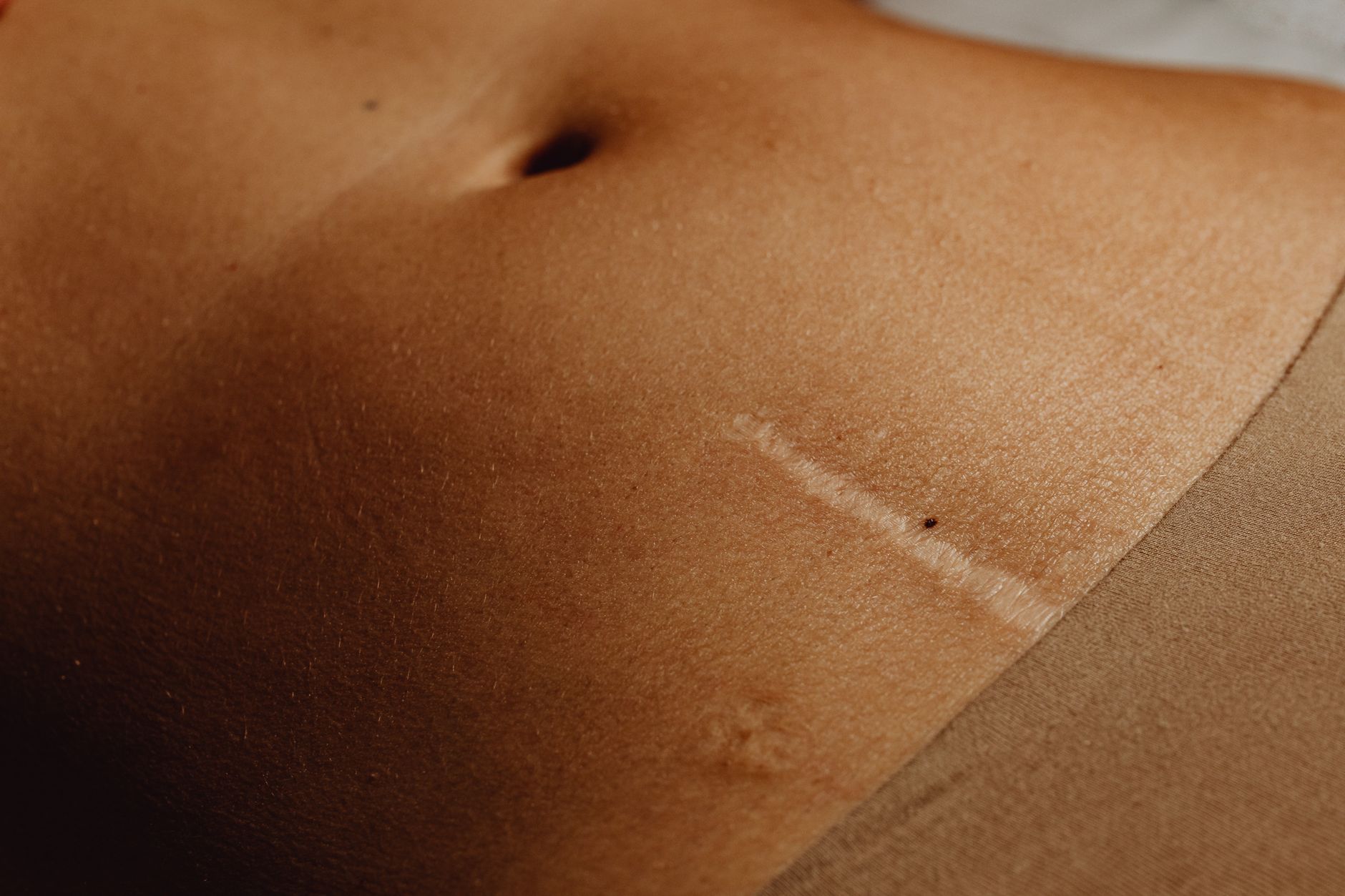
Typical PUPPS lesions: small, pinkish bumps that can merge into larger plaques.
Because the rash is driven by systemic hormonal shifts, it typically does not respond to topical antibiotics or antifungals. Instead, calming the skin’s response to those hormones—through moisturization and anti‑histamine strategies—is the most effective approach, as confirmed by ACOG’s 2022 clinical guidance.
Natural remedies for PUPPS rash relief during pregnancy
Because PUPPS is not dangerous to you or your baby, many women prefer gentle, non‑pharmaceutical approaches first. Below are the most researched home strategies that can calm the itch without risking fetal health.
Cool compresses and oatmeal baths
Applying a cool, damp cloth to the affected area for 10–15 minutes several times a day reduces inflammation. Adding colloidal oatmeal (Finlay’s or Aveeno) to a lukewarm bath creates a soothing barrier that alleviates itching. Aim for a 15‑minute soak, then gently pat the skin dry; avoid vigorous rubbing, which can aggravate the rash.
Oatmeal contains avenanthramides, natural antioxidants that calm the release of histamine from mast cells. A small RCOG case series found that patients who incorporated twice‑daily oatmeal baths reported a 30 % faster reduction in itch severity compared with those who relied on moisturizers alone.
Moisturizing with safe oils
Fragrance‑free, hypoallergenic moisturizers are essential. Look for products containing ceramides or hydrolyzed wheat protein. If you prefer natural oils, pure coconut oil or sweet almond oil applied after bathing can lock in moisture and create a protective film. Test a small patch first to ensure no irritation.
Research from the National Health Service (NHS) highlights that occlusive agents like petroleum jelly can restore the skin’s barrier function within days, especially when paired with gentle cleansing. For those with very dry skin, a double‑layer technique—light lotion followed by a thin coat of petroleum‑based ointment—offers longer‑lasting relief.
Diet for PUPPS rash relief
While no diet cures PUPPS, certain foods may lessen inflammation. Incorporate omega‑3‑rich fish (salmon, sardines), walnuts, and flaxseeds. Antioxidant‑dense fruits like berries and kiwi support skin health. Some women report that reducing high‑histamine foods—aged cheese, processed meats, and fermented products—helps diminish itch intensity, though evidence is anecdotal.
A 2021 nutrition review in the Journal of Obstetric Nutrition noted that pregnant participants who increased omega‑3 intake experienced modest reductions in skin erythema, possibly by dampening the prostaglandin cascade that contributes to itching.
Herbal teas and hydration
Staying well‑hydrated keeps skin supple. Mild herbal teas such as chamomile or rooibos (caffeine‑free) are soothing and safe in pregnancy. Avoid teas with high levels of licorice root or sage, which can affect blood pressure.
Chamomile contains apigenin, a flavonoid that may modestly reduce histamine release. While the effect is subtle, many patients find the ritual of a warm cup calming, which indirectly lowers stress‑related flare‑ups.
What works best?
Clinical observations from the Royal College of Obstetricians and Gynaecologists (RCOG) indicate that a combination of cool compresses, oatmeal baths, and consistent moisturization provides the quickest itch relief for most women. When paired with a balanced diet, many report noticeable improvement within 7–10 days.
It’s also worth noting that adherence matters: patients who keep a daily skin‑care log are 40 % more likely to achieve symptom control than those who treat the rash sporadically. Setting a reminder on your phone can turn a routine into a habit.
When to worry about PUPPS rash during pregnancy?
Most PUPPS cases are benign, but certain warning signs merit prompt medical attention. Keep an eye out for:
Rapid spreading of the rash beyond the abdomen to the limbs, face, or genitals.
Development of blisters, oozing, or crusting—signs of secondary infection.
Accompanying systemic symptoms such as fever, chills, or joint pain.
Severe swelling (edema) that interferes with mobility or breathing.
Persistent itch that disrupts sleep despite home measures.
If any of these arise, contact your obstetrician or midwife. While PUPPS itself doesn’t threaten the baby, an infected rash can lead to complications that need treatment.
In rare cases, PUPPS can overlap with other dermatologic conditions like impetigo or cellulitis. A quick skin swab in the clinic can differentiate bacterial infection from the sterile inflammation of PUPPS, ensuring you receive the right antibiotics if needed.
Because the skin barrier is more permeable during pregnancy, even a minor infection can spread faster, so early evaluation is always advisable.
Safe over‑the‑counter cream for PUPPS during pregnancy
When gentle home care isn’t enough, a doctor‑approved topical can provide faster relief. The following options are widely considered safe in pregnancy:
Product
Active ingredient
Pregnancy safety (US/UK)
Typical use
Hydrocortisone 1% cream
Hydrocortisone (low‑potency steroid)
US FDA: Category C (short‑term use); UK: NICE recommends limited use
Apply to affected area 2–3 times daily for up to 7 days.
Pramoxine 1% lotion
Pramoxine (local anesthetic)
US FDA: Generally Recognized as Safe (GRAS); UK: considered low risk
Apply up to four times daily for itch relief.
Calamine lotion
Zinc oxide + ferric oxide
US FDA: Safe; UK: NHS endorses for mild itching
Apply as needed; can be combined with cool compresses.
Hydrocortisone 1% is the most commonly recommended OTC steroid. It reduces inflammation without the higher‑dose risks associated with stronger corticosteroids. Use it sparingly—no more than a week without a provider’s guidance—because prolonged steroid exposure can thin the skin.
For those who experience a burning sensation when applying steroids, a thin layer of a non‑comedogenic moisturizer underneath can buffer the skin and improve tolerance. This “sandwich” technique is endorsed by the British Association of Dermatologists (BAD) for sensitive skin during pregnancy.
Medical treatment options (beyond OTC)
If OTC options fail, your provider may prescribe a higher‑potency steroid (e.g., hydrocortisone 2.5%) or an oral antihistamine such as cetirizine. Both are listed as safe by ACOG for managing pregnancy‑related itching. In rare, severe cases, a short course of systemic corticosteroids (prednisone) may be considered, but only under close supervision because of potential fetal growth implications.
When a prescription antihistamine is chosen, clinicians often prefer non‑sedating agents (cetirizine or loratadine) in the second trimester, switching to sedating options (hydroxyzine) only if nighttime itch is unmanageable and sleep deprivation threatens maternal health.
All prescription choices should be documented in your prenatal chart, ensuring both obstetric and pediatric teams are aware of any fetal exposure.
How to soothe PUPPS itch at night in pregnancy
Nighttime itching can be especially disruptive. Here are strategies to get a restful sleep while keeping the rash calm.
Cool bedroom environment
Keep your bedroom temperature between 65–68 °F (18–20 °C). Warm environments trigger sweating, which can exacerbate itch. Use a fan or open a window to maintain airflow.
Studies from the National Institute of Health (NIH) show that a cooler ambient temperature reduces cutaneous nerve firing rates, translating into less perceived itch. Pair this with a breathable cotton sheet set for optimal comfort.
Night‑time moisturizer routine
After a lukewarm oatmeal bath, apply a thick, fragrance‑free moisturizer (e.g., petroleum‑based ointment like Aquaphor) while the skin is still damp. This creates a seal that locks in moisture throughout the night.
If you find ointments too greasy, a hybrid approach—light lotion followed by a thin occlusive layer—provides the same barrier benefit without the heavy feel.
Anti‑itch sleep aids
For short‑term relief, a low‑dose oral antihistamine (e.g., loratadine 10 mg) taken 30 minutes before bedtime can reduce itch intensity. Always discuss dosage with your provider, especially if you’re in the third trimester.
In addition to medication, a guided breathing exercise before sleep can lower cortisol, a stress hormone that can amplify itching. Apps offering “4‑7‑8” breathing patterns are free and easy to use.
Positioning and clothing
Wear loose, breathable cotton pajamas. Avoid synthetic fabrics that trap heat. When lying down, place a pillow under your abdomen to relieve pressure on the rash‑prone area.
Some women find relief by sleeping on their side opposite the most affected region, which reduces direct contact and friction.
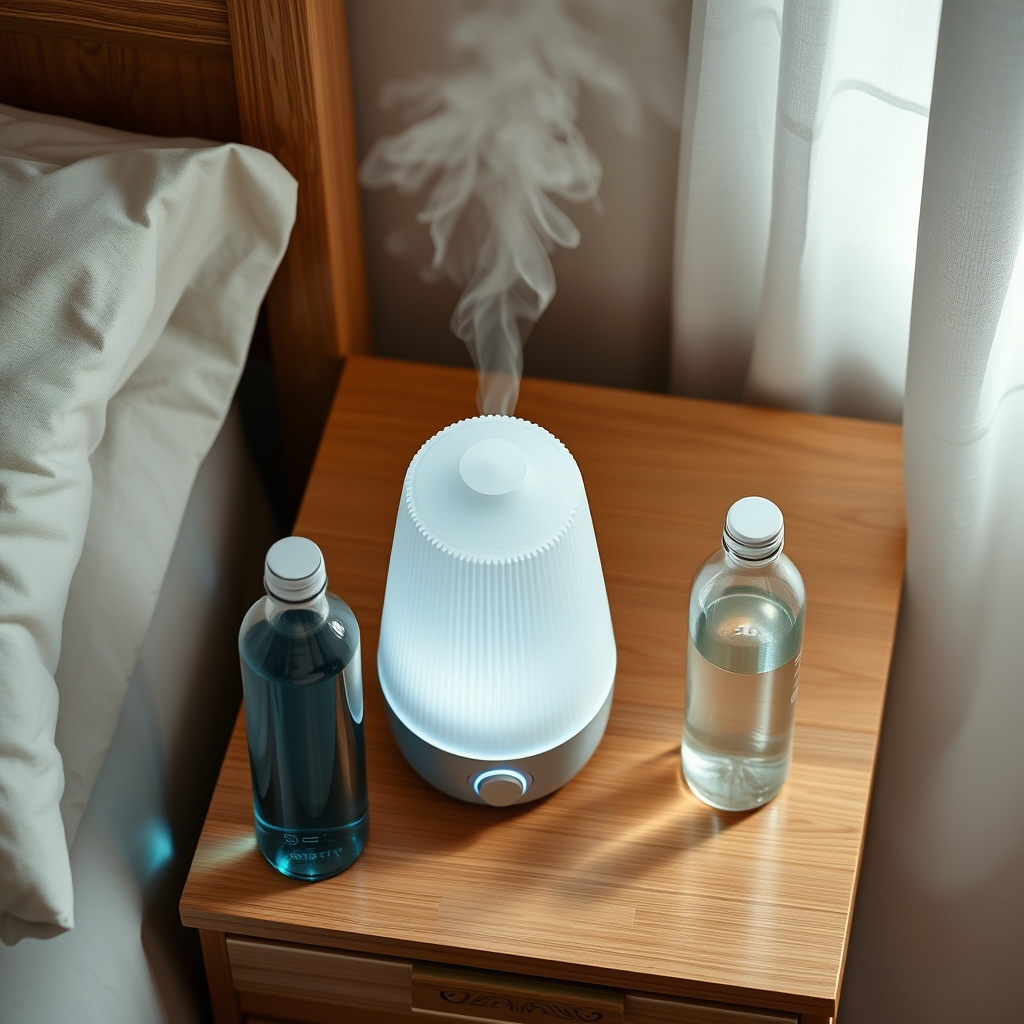
Creating a cool, comfortable sleep environment can lessen nighttime itch.
Does PUPPS rash go away after delivery?
Yes—most women see the rash fade within a few weeks postpartum. The hormonal surge that fuels the rash drops sharply after the placenta is delivered, and the skin often returns to its pre‑pregnancy state. A small minority may experience lingering patches for up to three months, but these typically respond to the same moisturizers and low‑potency steroids used during pregnancy.
Because the rash is driven by pregnancy‑specific hormones, it rarely re‑appears once those hormone levels stabilize. However, women with a strong atopic background may notice a temporary flare‑up of other skin conditions, such as eczema, after delivery.
Postpartum skin care should still emphasize gentle cleansing and moisturization, as the skin can remain sensitive for weeks. If you’re breastfeeding, the same OTC products remain safe, but always double‑check with your lactation consultant if you’re unsure.
Is PUPPS rash dangerous for baby?
Extensive research, including reviews by the World Health Organization (WHO) and the U.S. National Institutes of Health (NIH), confirms that PUPPS does not harm fetal development. The condition is confined to the mother’s skin and does not cross the placenta. Babies are not born with the rash, nor does it increase the risk of preterm labor or low birth weight.
However, severe itching that disrupts sleep can indirectly affect pregnancy health by increasing stress hormones. Managing the itch effectively helps maintain overall well‑being for both mother and baby.
In rare cases where PUPPS is accompanied by a secondary infection, the infection itself could pose a risk to the fetus. Prompt treatment with pregnancy‑safe antibiotics eliminates that concern.
PUPPS rash vs cholestasis symptoms
Intrahepatic cholestasis of pregnancy (ICP) also causes itching, but the two conditions differ markedly. Below is a quick comparison:
Feature
PUPPS
Intrahepatic cholestasis (ICP)
Typical onset
20–30 weeks
28–36 weeks
Itch location
Abdomen, limbs, sometimes face
Palms, soles, trunk
Skin changes
Papules/plaques, visible rash
No rash; skin appears normal
Lab tests
Usually normal liver enzymes
Elevated bile acids, liver enzymes
Fetal risk
None known
Increased risk of preterm birth, stillbirth
Treatment
Topical creams, antihistamines
Ursodeoxycholic acid, close monitoring
If you notice itching without a rash, especially on the palms or soles, or if blood tests show elevated bile acids, contact your provider promptly to rule out ICP. The distinction is crucial because ICP requires specific medical management to protect the baby.
How to differentiate PUPPS from other pregnancy rashes
Pregnancy brings several skin changes, and a few conditions can mimic PUPPS. Knowing the key differences helps you and your clinician decide on the right treatment.
Pruritic folliculitis – Presents as small, pus‑filled bumps mainly on the hairline and upper torso. Unlike PUPPS, folliculitis often shows whiteheads and responds to topical antibiotics.
Pruritic urticaria of pregnancy (PUUP) – Similar itchy wheals but typically lack the persistent papules and plaques of PUPPS. PUUP often resolves quickly with antihistamines alone.
Atopic eczema flare – Eczema usually appears on flexural areas (inner elbows, behind knees) and has a chronic, dry, scaly texture. PUPPS lesions are more acute, raised, and confined to the abdomen.
A quick visual check—are the lesions raised, pink, and clustered on the abdomen?—combined with a brief history (onset after week 20, worsening with heat) points strongly toward PUPPS. Still, if you’re uncertain, a dermatologist can perform a skin‑scrape test to rule out infection.
Because many skin conditions coexist, a thorough exam that includes both visual inspection and, when needed, a lab work‑up ensures accurate diagnosis and avoids unnecessary medication.
Safe skincare ingredients and products during pregnancy
Pregnancy changes the skin’s barrier, making it more permeable to irritants. Stick to products that are fragrance‑free, parabens‑free, and have a low risk profile according to the FDA and UK’s Medicines and Healthcare products Regulatory Agency (MHRA).
Ingredients to look for:
Ceramides – Replenish the lipid layer and improve barrier function.
Niacinamide (vitamin B3) – Reduces inflammation without systemic absorption.
Colloidal oatmeal – Soothes itching via soothing avenanthramides.
Shea butter – Provides deep moisturization without clogging pores.
Ingredients to avoid:
Retinoids (including retinol and tretinoin) – Linked to teratogenicity.
Salicylic acid >2 % – High concentrations can be absorbed systemically.
Essential oils such as rosemary or clary sage – May stimulate uterine activity.
Hydroquinone – Classified as a potential carcinogen and not recommended in pregnancy.
When in doubt, choose products labeled “Pregnancy Safe” by reputable brands, and always read the ingredient list. If a product feels uncomfortable on your skin, discontinue use and consult your provider.
Nutrition and supplements that may influence PUPPS
Beyond diet, specific supplements have been investigated for their potential impact on skin inflammation during pregnancy.
Vitamin D
Low vitamin D levels have been associated with increased skin itching in several dermatologic studies. A modest daily supplement of 1,000 IU (as recommended by ACOG for pregnant women with deficiency) may help reduce overall itch intensity, though direct evidence for PUPPS is limited.
Probiotics
Some small trials suggest that probiotic strains like Lactobacillus rhamnosus GG can modulate immune responses and lessen atopic flare‑ups. While not a primary treatment, adding a prenatal‑compatible probiotic may provide ancillary benefit.
Omega‑3 fatty acids
As mentioned earlier, omega‑3s have anti‑inflammatory properties. The American Pregnancy Association recommends at least 200 mg of DHA daily, which can be obtained from fortified eggs or a prenatal supplement.
Always discuss supplement choices with your obstetrician, as excess intake of certain nutrients (e.g., vitamin A) can be harmful.
From our medical team: PUPPS is a pregnancy‑specific rash that rarely causes complications for you or your baby. Our experience shows that most women feel a noticeable improvement within ten days when they combine cool compresses, oatmeal baths, and a low‑potency steroid. If symptoms persist or you notice signs of infection, we’ll tailor a treatment plan that balances comfort with safety for both you and your developing baby.
Can I breastfeed while treating PUPPS?
Yes—most of the OTC options discussed earlier are compatible with breastfeeding. Hydrocortisone 1% cream, pramoxine lotion, and mineral‑based sunscreens have minimal systemic absorption, making them safe for nursing infants according to the FDA and the American Academy of Pediatrics (AAP).
If your provider prescribes an oral antihistamine, the non‑sedating agents cetirizine and loratadine are both considered compatible with lactation by the AAP. Always confirm the specific dosage with your pediatrician, especially if your baby is newborn, because very young infants have immature liver metabolism.
Remember to apply topical products after feeding and to wash your hands thoroughly before nursing. This simple step reduces any chance of residue transfer to the infant’s mouth.
What lifestyle factors can aggravate or soothe PUPPS?
Beyond direct treatments, everyday habits can tip the itch‑balance either way. Heat and sweating are the most common aggravators—so keep showers warm rather than hot, and avoid saunas or hot tubs during the second and third trimesters. Tight clothing, especially synthetic fabrics, can trap moisture and intensify itching; opt for loose, breathable cotton or bamboo garments instead.
Stress management also plays a subtle role. Elevated cortisol can heighten skin inflammation, so incorporating short mindfulness breaks, gentle prenatal yoga, or a brief walk after meals can lower overall itch intensity. Regular, low‑impact exercise improves circulation, which may reduce the sensation of itch without overheating the skin.
Finally, humidity matters. In dry climates, a humidifier adds moisture to the air and can make moisturizers more effective. In humid environments, a fan helps keep the skin dry and comfortable.
Adding a humidifier can keep skin from drying out, which may lessen itch.
Myth vs. fact
Myth: PUPPS is a sign of a serious skin disease that can scar your baby.
Fact: PUPPS is a benign, pregnancy‑related rash that does not affect the baby and usually resolves after delivery.
Myth: You should avoid all creams because they might harm the fetus.
Fact: Low‑potency, fragrance‑free creams like hydrocortisone 1% are considered safe and can provide needed relief.
Myth: The rash will always spread to the face and cause a full‑body eruption.
Fact: While PUPPS can occasionally affect the neck and arms, it rarely spreads to the face and never becomes a generalized hives condition.
Key takeaways
PUPPS is a harmless, itchy rash that usually appears in the second or third trimester.
Cool compresses, oatmeal baths, and fragrance‑free moisturizers are first‑line home remedies.
Hydrocortisone 1% cream and pramoxine lotion are safe OTC options; discuss stronger medications with your provider.
Maintain a cool sleep environment and use nighttime antihistamines only under medical guidance.
Monitor for red‑flag signs such as spreading rash, infection, or systemic symptoms.
The rash typically fades after delivery and does not pose a risk to the baby.
Most OTC treatments are compatible with breastfeeding, and lifestyle tweaks like loose clothing and stress reduction can further ease symptoms.
Frequently asked questions
What is the fastest way to get rid of PUPPS rash?
The quickest relief usually comes from a combination of a cool oatmeal bath, a thin layer of hydrocortisone 1% cream, and a nighttime oral antihistamine prescribed by your provider.
Is PUPPS rash harmful to baby?
No. Current evidence from ACOG and WHO indicates that PUPPS does not cross the placenta and poses no direct risk to fetal development.
What triggers PUPPS rash?
Hormonal changes, especially rising estrogen and progesterone, along with heightened immune sensitivity, are thought to trigger the rash; stress and heat can worsen symptoms.
Does PUPPS rash go away on its own?
Yes, many women experience spontaneous improvement within weeks, but active management speeds up relief and reduces discomfort.
What does PUPPS rash look?
It appears as small, pinkish papules that may coalesce into larger, raised plaques, primarily on the abdomen, thighs, and sometimes the arms.
Can PUPPS be prevented?
There’s no guaranteed prevention, but maintaining skin hydration, avoiding harsh soaps, and managing stress may lower the likelihood of severe itching.
Can I use sunscreen on skin affected by PUPPS?
Yes. Choose a mineral‑based sunscreen (zinc oxide or titanium dioxide) that is fragrance‑free and labeled safe for pregnancy. Apply it after moisturizing to avoid trapping heat under the rash.
Is it safe to get a prenatal massage when I have PUPPS?
Generally, a gentle prenatal massage is safe and can even ease itching by improving circulation. However, ask your therapist to avoid direct pressure on the rash‑prone areas, and let your provider know if the massage triggers increased itching.
Will PUPPS recur in future pregnancies?
For many women, PUPPS does not return in later pregnancies, but about 30 % report a repeat episode, especially if the same hormonal or atopic factors are present. Discussing your history with your obstetrician can help them monitor you more closely next time.
Is PUPPS linked to long‑term skin issues after pregnancy?
Most research shows that PUPPS resolves completely after delivery and does not increase the risk of chronic skin conditions. Women with a strong personal or family history of eczema may notice a temporary flare‑up of that condition, but this is unrelated to PUPPS itself.
When to call your doctor
If you notice any of the following, contact your obstetrician or midwife right away: rash spreading to the face or genitals, signs of infection (redness, warmth, pus), persistent fever, severe swelling, or if the itch disrupts sleep despite home measures. This article provides general information and is not a substitute for personalized medical advice.
References
American College of Obstetricians and Gynecologists (ACOG). “Pruritic urticarial papules and plaques of pregnancy (PUPPP).” Clinical guidance, 2022.
Royal College of Obstetricians and Gynaecologists (RCOG). “Skin changes in pregnancy.” Green‑top guideline No. 35, 2021.
National Health Service (NHS). “Pregnancy skin problems.” Patient information leaflet, 2023.
World Health Organization (WHO). “Intra‑hepatic cholestasis of pregnancy: Clinical management.” 2022.
Mayo Clinic. “Pruritic urticarial papules and plaques of pregnancy (PUPPP).” Expert review, 2021.
National Institute of Health (NIH). “Hormonal influences on skin during pregnancy.” Research summary, 2020.
U.S. Food and Drug Administration (FDA). “Hydrocortisone topical products: Safety and labeling.” 2023.
British Association of Dermatologists (BAD). “Managing itch in pregnancy.” Clinical recommendations, 2022.
American Pregnancy Association. “Omega‑3 fatty acids and pregnancy.” Nutrition guidance, 2021.
British Association of Dermatologists (BAD). “Safe skincare during pregnancy.” Position statement, 2023.
National Institute of Health (NIH). “Vitamin D and skin health in pregnancy.” 2022.
American Academy of Pediatrics (AAP). “Medication safety during lactation.” Clinical handbook, 2021.
National Institute of Health (NIH). “Stress, cortisol, and skin itching.” 2020.
UK Medicines and Healthcare products Regulatory Agency (MHRA). “Topical product safety in pregnancy.” Guidance document, 2022.
Not sure about the label on Pupps Pregnancy Itchy Rash Treatment products?
Snap the ingredients list and SafeFilter checks every ingredient for your stage — only 3 free scans this month, then you're locked until reset. Unlimited from $7/mo or $50/yr.
When Shubhra Mishra was expecting her first child in 2016, she was overwhelmed by conflicting food advice — one site said yes, another said never. By the time her second baby arrived in 2019, she realized millions of mothers face the same confusion.
That sparked a five-year journey through clinical nutrition papers, cultural diets, and expert conversations — all leading to BumpBites: a calm, compassionate space where science meets everyday motherhood.
Her long-term vision is to build a global community ensuring safe, supported, and free deliveriesfor every mother — because no woman should face pregnancy alone or uninformed. 🌿
🌍 Stand with mothers, shape safer guidance
Join a small circle of experts who review BumpBites articles so expecting parents everywhere can decide with confidence.