Safe sunblock during pregnancy is mineral‑based, featuring zinc oxide or titanium dioxide and avoiding oxybenzone, avobenzone, and retinol. Here are the best‑rated products that protect your skin while keeping your baby safe.
By Shubhra Mishra — a mom of two who turned her own confusion during pregnancy into BumpBites, a global mission to make food choices clear, safe, and stress-free for every expecting mother. 💛
Check whether any food is safe during pregnancy with the BumpBites Food Safety Checker.
Quick take: Choose a broad‑spectrum, mineral‑based sunblock with SPF 30–50, apply it generously to your face, belly, and any exposed skin, and reapply every two hours or after swimming. Mineral formulas (zinc oxide or titanium dioxide) are the safest option for most pregnant people, while SPF 100 offers no extra protection over SPF 50 for everyday use.
It’s 11 a.m., you’re on the couch, and the baby bump you’ve been watching grow is now a soft, round curve. A quick glance at the window shows bright sunshine, and you wonder: “Is the sunscreen I’m using still safe for my baby?” You’re not alone. Many expecting parents pause their daily routine to double‑check the safety of everyday products, especially sunblock, which sits directly on the skin.
During pregnancy, your skin undergoes significant changes due to hormonal shifts. It can become more sensitive, prone to hyperpigmentation like melasma (often called the "mask of pregnancy"), and more reactive to environmental factors, including sun exposure. This makes choosing the right sun protection not just about preventing sunburn, but also about maintaining skin health and peace of mind during a sensitive time.
In this guide we’ll walk through everything you need to know about safe sunblock during pregnancy. We’ll cover which ingredients to avoid, how to read labels, the difference between mineral and chemical formulas, tips for applying sunblock to your belly and lips, and what to do if you still get a sunburn. By the end you’ll feel confident picking a product that protects both you and your developing baby.
We’ll also answer common questions like whether SPF 100 is necessary, how to protect sensitive or melasma‑prone skin, and what after‑sun care looks like when you’re pregnant. Let’s start with why sun protection matters more than ever during pregnancy.
Best sunblock for pregnant women
Choosing the “best” sunblock is a mix of science and personal preference. The top priorities for pregnant people are:
Broad‑spectrum protection: blocks both UVA (aging) and UVB (burn) rays.
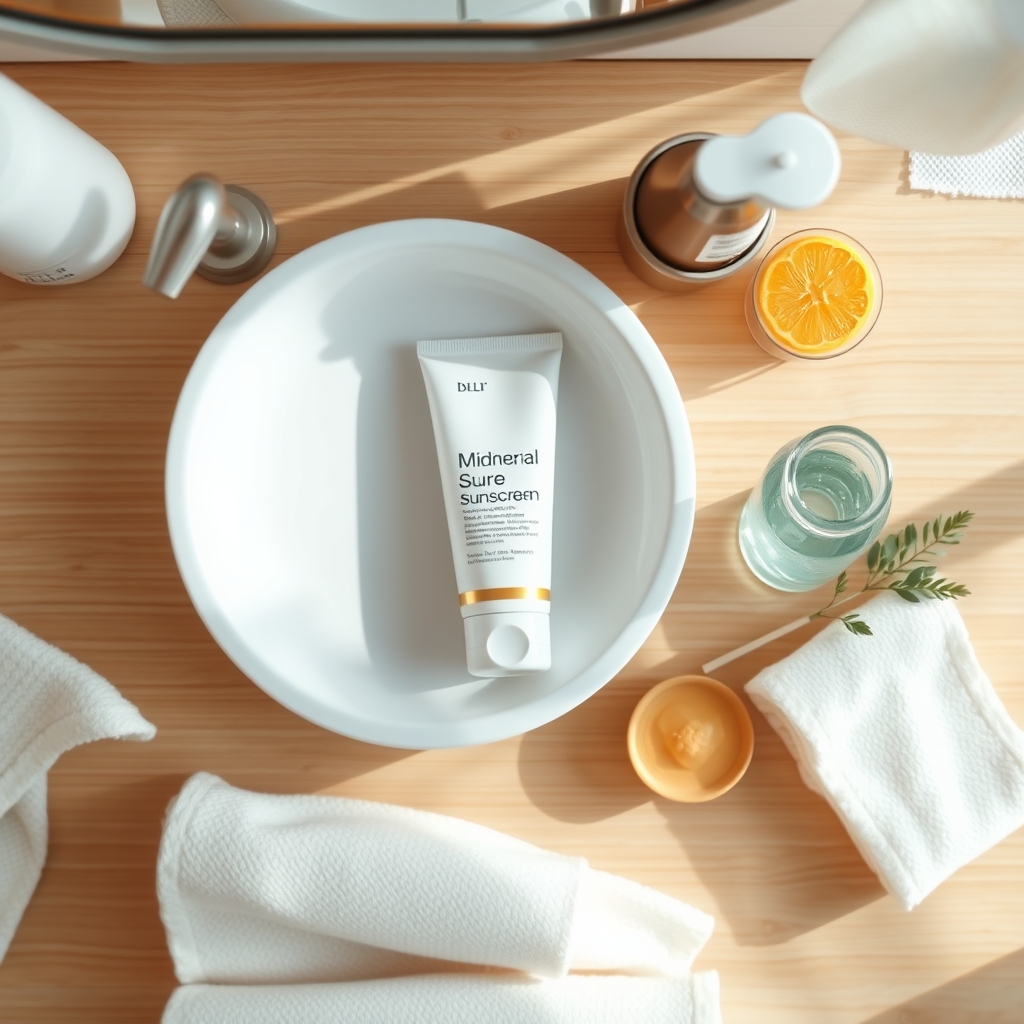
Mineral (physical) active ingredients: zinc oxide or titanium dioxide, which sit on the skin and are not absorbed.
SPF 30–50: provides adequate protection for most outdoor activities; higher SPF offers diminishing returns.
Fragrance‑free, hypoallergenic base: reduces risk of irritation on hormone‑sensitive skin.
Beyond the active ingredients, consider the formulation. Lotions and creams are generally preferred as they allow for thorough, even application. While spray sunscreens can be convenient, it's harder to ensure full coverage, and there's a risk of inhaling the particles, which isn't ideal during pregnancy. If you do use a spray, apply it in a well-ventilated area, spray it into your hands first, then rub it onto your skin.
Based on recommendations from the American College of Obstetricians and Gynecologists (ACOG) and the U.S. Food and Drug Administration (FDA), the following products consistently meet these criteria:
Brand
Active ingredient
SPF
Water‑resistant?
Notes
EltaMD UV Clear Broad‑Spectrum SPF 46
Zinc oxide 9%
46
Yes (80 min)
Gentle, suitable for acne‑prone skin
Badger Classic Zinc Oxide Sunscreen SPF 30
Zinc oxide 22.5%
30
No
Organic ingredients, reef‑safe
Thinksport SPF 50+ Sunscreen
Zinc oxide 20%
50+
Yes (80 min)
No synthetic fragrances, high UVA protection
Neutrogena Sheer Zinc Face Dry‑Touch Sunscreen SPF 50
Zinc oxide 21%
50
Yes (80 min)
Non‑greasy finish, dermatologist‑tested
All four are mineral‑based, fragrance‑free, and carry the “broad‑spectrum” label required by the FDA. If you have very sensitive skin, the Badger Classic line is a good starting point because it uses minimal additives. Many of these brands also offer tinted versions, which can be a great option for minimizing the white cast often associated with mineral sunscreens and for helping to camouflage melasma.
Why mineral sunblocks are preferred
Mineral ingredients work by reflecting and scattering UV radiation, staying on the surface of the skin. Studies cited by the National Institutes of Health (NIH) show that zinc oxide and titanium dioxide have negligible systemic absorption, even after repeated application. This means they create a physical barrier on your skin rather than being absorbed into your bloodstream, offering immediate protection upon application. Chemical filters, by contrast, are absorbed into the outer layers of the skin and, in some cases, into the bloodstream, raising theoretical concerns for a developing fetus.
The immediate action of mineral sunscreens is another advantage. Unlike chemical sunscreens that need about 15-20 minutes to absorb and activate, mineral sunscreens offer protection as soon as they are applied. This can be especially helpful when you're rushing out the door or need quick reapplication for yourself or your little one once they arrive.
How to test a product before full use
Patch‑test a new sunblock on a small area of your inner forearm for 24 hours. If no redness, itching, or swelling occurs, the product is likely safe for broader use. This simple step can prevent unexpected irritation, especially if you’re prone to eczema or have a history of allergic reactions. When performing a patch test, look not only for visible reactions but also for any subtle sensations like itching, burning, or tightness, which could indicate a mild sensitivity. Your skin can become more reactive during pregnancy, so even products you used before might cause irritation now.
Mineral sunscreens sit on the skin surface and are the safest choice during pregnancy.
Is chemical sunblock safe during pregnancy?
Short answer: most experts advise avoiding chemical (organic) sun filters during pregnancy, especially those that have been linked to hormonal activity.
Common chemical filters include oxybenzone, avobenzone, octinoxate, and homosalate. These ingredients work by absorbing UV rays and converting them into heat, which is then released from the skin. The U.S. FDA’s 2021 safety review highlighted that oxybenzone can be detected in urine and blood after regular use, suggesting systemic absorption. While no definitive study has shown harm to a fetus, the precautionary principle—endorsed by ACOG and the UK’s National Health Service (NHS)—recommends limiting exposure when safer alternatives exist. This principle is particularly important in pregnancy, where the developing baby is more vulnerable to potential exposures.
The concern isn't about immediate toxicity, but rather the potential for long-term or subtle effects from repeated exposure to compounds that can enter the bloodstream. Because comprehensive, long-term studies on pregnant humans are ethically challenging to conduct, medical bodies err on the side of caution. Opting for mineral sunscreens helps you avoid these theoretical risks entirely, offering peace of mind.
Which chemical ingredients raise the most concern?
Oxybenzone (Benzophenone‑3): This filter is perhaps the most scrutinized. It has shown weak estrogenic activity in vitro (in lab studies) and is readily absorbed into the bloodstream. There are also concerns about its potential impact on marine ecosystems, leading to "reef-safe" labeling on many mineral sunscreens.
Octinoxate (Ethylhexyl methoxycinnamate): Similar to oxybenzone, octinoxate also shows estrogen‑like effects in animal models. Its absorption into the body is well-documented, making it another ingredient often flagged for avoidance during pregnancy.
Homosalate and Octocrylene: These ingredients are known for their high penetration rates into the skin. While research is ongoing, the limited long-term safety data specifically for pregnancy, combined with their systemic absorption, places them on the list of ingredients to be cautious about.
Avobenzone: While generally considered safer than oxybenzone, avobenzone is still a chemical filter. It's often paired with other ingredients for stability and broad-spectrum protection, but its systemic absorption still makes mineral alternatives preferable during pregnancy.
If you already own a chemical sunscreen, you don’t have to toss it immediately. Instead, reserve it for brief indoor exposure (e.g., near a window) and switch to a mineral product for outdoor activities. This approach reduces the amount of chemical filter absorbed while still providing some protection. Remember, any sun protection is better than none, but choosing mineral options for significant outdoor exposure is the safest bet.
What does the research say?
A 2020 review in the Journal of Dermatological Science noted that while no teratogenic effects (effects causing birth defects) have been documented for most chemical filters, the data are insufficient to declare them “completely safe.” This highlights the gap in research that leads to the precautionary advice. The safest route—endorsed by the World Health Organization (WHO) and the American Academy of Dermatology (AAD)—is to prioritize mineral filters during pregnancy and while breastfeeding.
The challenge with studying these compounds in pregnancy is that it's difficult to isolate the effects of a single chemical from other environmental exposures and genetic factors. Therefore, until more conclusive human-specific data is available, the medical community recommends minimizing exposure to these chemical filters, especially when effective and well-studied mineral alternatives are readily available.
Natural sunblock options for pregnancy
“Natural” often means mineral‑based, but it can also refer to products that use plant‑derived antioxidants (like green tea or carrot seed oil) alongside zinc oxide. These combos can boost UV protection and soothe the skin. While these botanical additions don't replace the need for effective mineral UV filters, they can offer additional skin benefits, such as reducing inflammation and protecting against free radical damage caused by sun exposure and other environmental stressors.
When looking at "natural" sunblocks, always scrutinize the active ingredients list first. Ensure it clearly states zinc oxide or titanium dioxide as the primary UV blockers. The "natural" label can sometimes be misleading, focusing on inactive ingredients while still containing chemical UV filters or lacking sufficient broad-spectrum protection. A truly pregnancy-safe natural sunblock will prioritize mineral filters and then incorporate beneficial plant extracts.
Top natural‑focused mineral sunscreens
Coola Classic Body SPF 30 – Zinc oxide 15%, enriched with organic green tea extract and Vitamin E. Free of synthetic fragrances. This formula often provides a lighter feel than some other mineral sunscreens, making it pleasant for daily use.
Sun Bum Mineral SPF 30 – Titanium dioxide 13%, plus aloe vera and cucumber for cooling relief. Known for its pleasant texture and subtle scent from natural extracts, it's a popular choice for those seeking a more "beachy" feel without compromising on safety.
Alba Botanica Hawaiian Coconut SPF 30 – Zinc oxide 20% with coconut oil and shea butter; cruelty‑free and reef‑safe. This option is particularly moisturizing, which can be beneficial for pregnancy skin that may be prone to dryness or stretching.
These products meet the “natural” label while still delivering FDA‑approved broad‑spectrum protection. The addition of antioxidants does not replace the need for a proper SPF rating but can help mitigate free‑radical damage caused by UV exposure. They also often include nourishing oils and butters that can keep your skin feeling soft and hydrated, which is a welcome bonus during pregnancy.
DIY natural sunblock (caution advised)
Some blogs suggest mixing zinc oxide powder with coconut oil or shea butter. While this can create a protective barrier, the final SPF is unpredictable, and uneven mixing can lead to gaps in coverage. For reliable protection, especially during pregnancy, stick with commercially tested formulas. The risk of inadequate protection, potential bacterial contamination from homemade concoctions, and the difficulty in achieving a stable, broad-spectrum formula far outweigh any perceived benefits of DIY. Commercial sunscreens undergo rigorous testing for efficacy, stability, and safety that cannot be replicated at home.
What to look for in a pregnancy sunblock? (including mineral vs chemical, SPF 100)
When you’re scanning the sunscreen aisle, keep these five criteria in mind:
Broad‑spectrum label: guarantees UVA & UVB coverage. This is crucial as UVA rays contribute to aging and melasma, while UVB rays cause sunburn.
Active ingredient: zinc oxide or titanium dioxide for mineral safety. These are your non-negotiable filters for pregnancy.
SPF rating: SPF 30–50 is sufficient for most outdoor activities; SPF 100 does not double protection and may feel heavier on the skin.
Water resistance: 40‑80 minutes if you’ll be sweating or swimming. This rating indicates how long the sunscreen maintains its SPF level in water.
Additional skin‑friendly features: fragrance‑free, non‑comedogenic, and added antioxidants. Look for labels like "hypoallergenic" or "dermatologist-tested" if you have sensitive skin.
Consider the texture and finish of the sunscreen as well. Pregnancy hormones can make your skin oilier or drier than usual. Some mineral sunscreens can feel thick or leave a white cast, while others are formulated to be sheer and blend easily. Finding a texture you enjoy will make daily application much easier and more consistent. Many brands now offer tinted mineral sunscreens to help counteract the white residue and provide light coverage.
Mineral vs chemical sunblock during pregnancy
Aspect
Mineral (Zinc/Titanium)
Chemical (Organic)
Mechanism
Reflects UV rays on the surface, like a shield
Absorbs UV rays, converts to heat within skin
Systemic absorption
Negligible (studies show < 1 % penetration)
Higher; some compounds detected in blood and urine
Skin irritation risk
Low, especially when non‑comedogenic and fragrance-free
Higher, especially with fragrance and certain active filters
Environmental impact
Generally reef‑safe, less impact on marine life
Some filters linked to coral bleaching (e.g., oxybenzone)
Typical SPF range
15‑50+ (often feel thicker at higher SPFs)
15‑100+ (can be formulated for lighter feel)
Application time
Effective immediately upon application
Needs 15-20 minutes to absorb before sun exposure
For pregnant people, the mineral column aligns best with safety recommendations from ACOG, NHS, and the FDA. The peace of mind that comes with minimal systemic absorption is a significant factor in this preference.
Is SPF 100 worth it?
SPF 100 blocks about 99 % of UVB rays, compared with 97 % for SPF 50. The extra 2 % is often imperceptible in real‑world use because most people under‑apply sunscreen (averaging 1 mg/cm² instead of the recommended 2 mg/cm²). Over‑applying a high‑SPF product can feel heavy and may increase the likelihood of irritation. For everyday outdoor exposure, SPF 30–50 applied generously and reapplied every two hours is both safe and effective. The FDA has even proposed capping SPF labeling at 60+, suggesting that higher numbers can give a false sense of security without providing substantially more protection.
Focusing on consistent, generous application of an SPF 30-50 mineral sunscreen, along with other protective measures like shade and clothing, will provide far more effective protection than relying solely on a very high SPF product that might be applied too thinly or infrequently.
Special considerations for pregnant belly skin
The abdomen expands and stretches, making the skin more prone to dryness and irritation. This stretching can also make the skin barrier more vulnerable to sun damage and increase the risk of developing melasma or other forms of hyperpigmentation on the belly. Choose a sunblock that:
Is fragrance‑free and free of alcohol, which can be drying and irritating.
Contains moisturizing agents like hyaluronic acid, glycerin, shea butter, or ceramides, to support skin elasticity and hydration.
Has a non‑sticky finish, so you can reapply without feeling greasy or uncomfortable.
Apply the product in a thin, even layer, and consider a second “seal” layer of a gentle, pregnancy‑safe moisturizer after the sunscreen has set for 10–15 minutes. This layering approach can enhance hydration and provide an extra barrier for your stretching skin. Pay particular attention to areas around stretch marks, which can be more sensitive to UV radiation.
Apply sunscreen to your growing belly as part of your daily sun‑protection routine.
Sun protection for sensitive skin, melasma, and fair skin during pregnancy
Hormonal changes can trigger melasma (the “mask of pregnancy”) and make fair skin extra vulnerable to burning. Tailoring your sun protection strategy helps keep these concerns in check. Beyond just sunscreen, these skin types often benefit from a multi-faceted approach that includes protective clothing and shade, as even a small amount of UV exposure can exacerbate conditions like melasma.
Sensitive skin during pregnancy might react to ingredients that never bothered you before. Look for products specifically labeled "for sensitive skin" or "hypoallergenic," and always perform a patch test. Ingredients like chamomile or colloidal oatmeal can be soothing if you find your skin is easily irritated.
Best products for melasma‑prone skin
Melasma responds best to sunscreen that offers high UVA protection (often labeled “UVA‑PF” or “PA+++”). UVA rays penetrate deeper into the skin and are a primary trigger for hyperpigmentation. Look for mineral sunscreens with added niacinamide, which has been shown in a 2021 Dermatology study to reduce pigment formation by inhibiting the transfer of melanin to skin cells. Iron oxides, found in tinted mineral sunscreens, are also crucial as they block visible light, which is another significant trigger for melasma.
La Roche‑Posay Anthelios Mineral SPF 50 – Zinc oxide, titanium dioxide, niacinamide, and a photostable UVA filter. This brand is often recommended by dermatologists for its robust protection and gentle formulations.
ISDIN Eryfotona Actinica SPF 50+ – Mineral base with DNA‑repair enzymes (safe for pregnancy). While the DNA-repair enzymes won't prevent a burn, they can help mitigate some of the cellular damage from UV exposure.
Colorescience Sunforgettable Total Protection Face Shield Flex SPF 50 – This tinted mineral sunscreen uses zinc oxide and titanium dioxide, along with iron oxides, making it excellent for melasma protection and evening out skin tone.
Tips for fair‑skinned pregnant women
Use at least SPF 30, preferably SPF 50, even on cloudy days. Fair skin has less melanin, offering minimal natural protection against UV radiation.
Reapply every 80 minutes if you’re sweating or after toweling off, and even more frequently if engaging in water activities.
Wear protective clothing: wide‑brim hats (at least 3-inch brim), UPF‑rated shirts (Ultraviolet Protection Factor), and sunglasses that block 99-100% of UVA and UVB rays. Darker, tightly woven fabrics offer better protection.
Seek shade between 10 a.m. and 4 p.m. when UV intensity peaks. Plan outdoor activities for earlier mornings or late afternoons.
Consider a physical barrier for direct sun exposure, like an umbrella or pop-up tent, especially if you're spending time at the beach or pool.
Can I use tinted sunblock?
Tinted mineral sunscreens are safe as long as the tint comes from mineral pigments (iron oxides) rather than organic dyes. They can help even out skin tone, which is useful if melasma is a concern. The iron oxides in tinted sunscreens provide an additional layer of protection against visible light, which is known to contribute to melasma. Many women find tinted sunscreens a great two-in-one product, offering both sun protection and light cosmetic coverage. Brands like bareMinerals Complexion Rescue Tinted Sunscreen SPF 30 use zinc oxide plus iron oxides and are pregnancy‑compatible.
Best lip balm with SPF for pregnant women
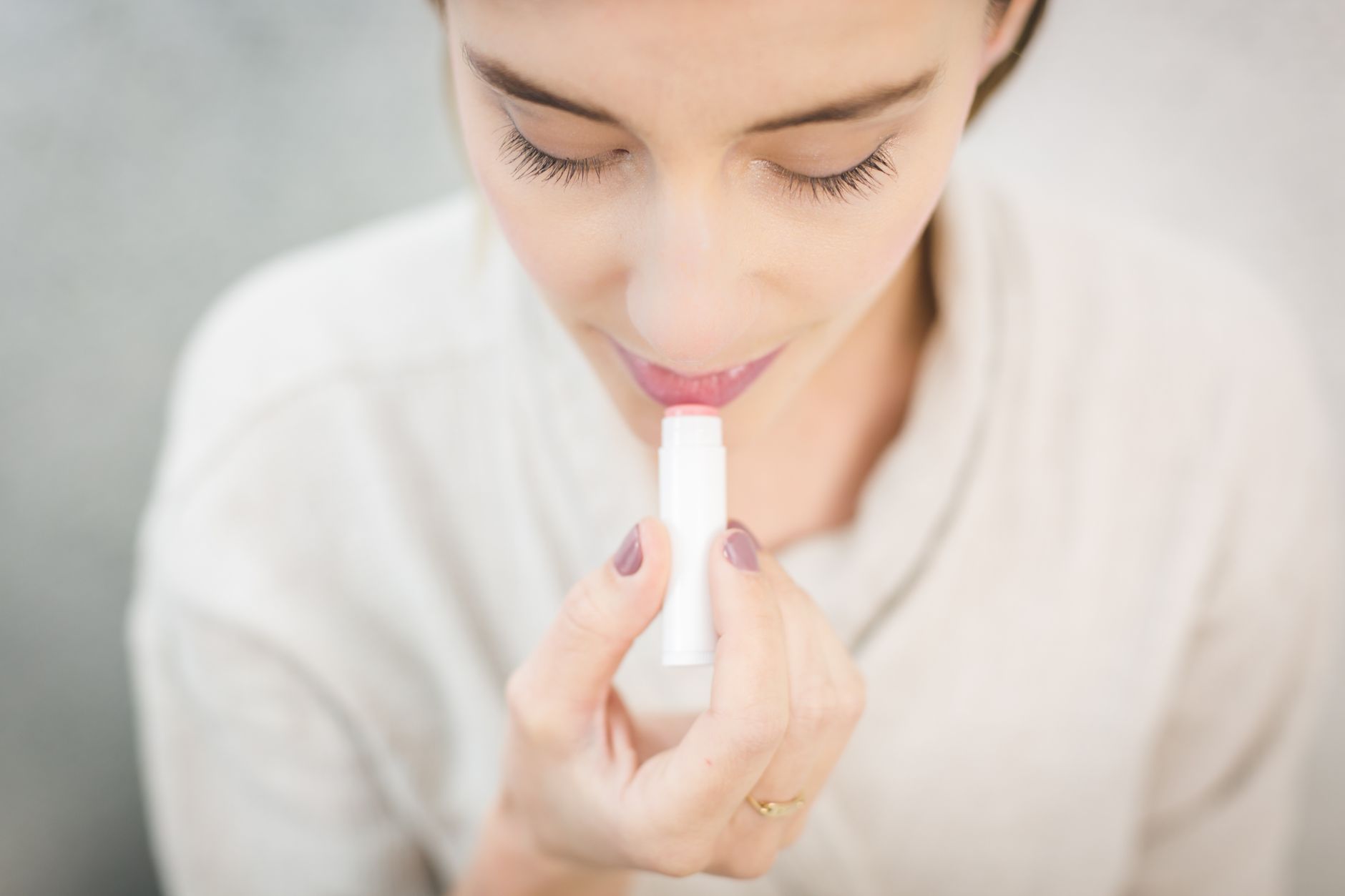
Even lips need protection. The skin on your lips is thin and highly susceptible to sun damage, which can lead to chapping, sunburn, and even increase the risk of skin cancer over time. Look for SPF 15–30, mineral‑based balms without flavor additives that might cause irritation or be inadvertently ingested. Avoid menthol or camphor, which can be irritating.
Badger Lip Balm SPF 15 – Zinc oxide, natural beeswax, and vitamin E. A very simple, effective, and well-regarded option.
Sun Bum Lip Rescue SPF 30 – Titanium dioxide, shea butter, and aloe. Offers higher SPF and additional moisturizing benefits.
EltaMD UV Lip Balm Broad-Spectrum SPF 31 – Zinc oxide, with a hydrating formula designed for sensitive skin.
Holistic sun protection strategies beyond sunscreen
While sunscreen is a vital tool, it's just one part of a comprehensive sun protection strategy, especially during pregnancy. Combining multiple methods offers the best defense against harmful UV radiation and helps minimize your reliance on any single product.
Think of it as layering your protection, much like you would layer clothing for warmth. This approach ensures that even if one method isn't perfect, others are still working to safeguard your skin. Being proactive with these strategies can significantly reduce your overall UV exposure and protect against both immediate sunburn and long-term skin damage, including melasma and premature aging.
Protective clothing and accessories
Clothing is often your first and best line of defense against the sun. Opt for:
UPF-rated apparel: Look for clothing with an Ultraviolet Protection Factor (UPF) label, similar to SPF for sunscreen. A UPF 30 fabric blocks 97% of UV rays, and UPF 50 blocks 98% or more. Many athletic and outdoor brands offer stylish UPF clothing.
Wide-brimmed hats: A hat with a brim of at least 3 inches all around can protect your face, ears, and neck, areas often missed by sunscreen or prone to melasma.
Sunglasses: Choose sunglasses that block 99-100% of both UVA and UVB rays to protect your eyes and the delicate skin around them. Look for labels like "UV400" or "100% UV protection."
Darker, tightly woven fabrics: These generally offer more protection than light-colored, loosely woven materials. If you can see light through a fabric, UV rays can probably penetrate it too.
Seeking shade and timing outdoor activities
The simplest way to reduce sun exposure is to avoid direct sunlight when UV rays are strongest. The sun’s intensity peaks between 10 a.m. and 4 p.m. (or 11 a.m. and 3 p.m. during daylight saving time). If you must be outside during these hours, seek shade under trees, umbrellas, or awnings. Planning your walks, gardening, or outdoor errands for early morning or late afternoon can significantly reduce your risk of sunburn and excessive UV exposure.
Understanding reflective surfaces
Be aware that certain surfaces can reflect UV rays, increasing your exposure even in the shade. Sand, water, snow, and concrete can reflect up to 80% of UV radiation. This means that even under an umbrella at the beach, you're still getting indirect sun exposure. This is why consistent sunscreen application, even in seemingly protected environments, remains crucial.
Understanding the UV Index and its importance for pregnant skin
The UV Index is a scale developed by the World Health Organization (WHO) that measures the intensity of ultraviolet (UV) radiation from the sun at a particular place and time. It ranges from 0 (low) to 11+ (extreme), and understanding it can help you make informed decisions about sun protection, especially when your skin is more vulnerable during pregnancy.
Checking the UV Index daily, often available on weather apps or local forecasts, empowers you to tailor your sun protection efforts. On days with a high UV Index, you'll need to be extra vigilant, combining sunscreen with shade and protective clothing. Conversely, on low UV Index days, you might still need light protection, but the risk of severe burn is reduced.
How the UV Index works
The UV Index scale is as follows:
0-2 (Low): Minimal danger from the sun’s UV rays for the average person. Most pregnant people can safely enjoy outdoor activities, but still consider light sunscreen for prolonged exposure.
3-5 (Moderate): Moderate risk of harm from unprotected sun exposure. Sunscreen, hats, and sunglasses are recommended, especially if spending more than 30 minutes outdoors.
6-7 (High): High risk of harm from unprotected sun exposure. Protection is essential. Seek shade during midday hours, wear protective clothing, and apply SPF 30+ sunscreen generously.
8-10 (Very High): Very high risk of harm from unprotected sun exposure. Take extra precautions. Unprotected skin will be damaged and can burn quickly. Avoid sun exposure between 10 a.m. and 4 p.m.
11+ (Extreme): Extreme risk of harm from unprotected sun exposure. Protection is absolutely essential. Unprotected skin can burn in minutes. Avoid sun exposure during midday hours entirely.
Why the UV Index matters during pregnancy
During pregnancy, your skin's sensitivity to UV radiation can increase, making you more susceptible to sunburn and the development or worsening of melasma. Your body's core temperature regulation can also be affected, and severe sunburn can potentially raise your body temperature, which is not ideal for the developing fetus. By understanding the UV Index, you can:
Prevent sunburn: A higher UV Index means faster burning times.
Manage melasma: Even moderate UV exposure can trigger or worsen melasma, so knowing when to be extra cautious is key.
Avoid overheating: Minimizing direct sun exposure on high UV days can help keep your body temperature stable.
Optimize Vitamin D intake: On lower UV days, you might feel more comfortable spending short periods outdoors for natural Vitamin D synthesis, while still being mindful of protection.
Sun care beyond sunscreen: belly sunscreen, SPF lip balm, and after‑sun products
Sun protection is a multi‑step routine, especially when your skin is changing. It extends beyond just applying sunscreen to include proactive measures and reactive care if a sunburn does occur. This comprehensive approach ensures your skin is protected, nourished, and cared for throughout your pregnancy journey.
Think about your daily routine: what areas are frequently exposed? Are you forgetting your hands, feet, or the back of your neck? These often-overlooked spots are just as vulnerable. Incorporating sun care into your broader skincare routine, rather than treating it as a separate chore, can make it more consistent and effective.
Sunscreen for the pregnant belly
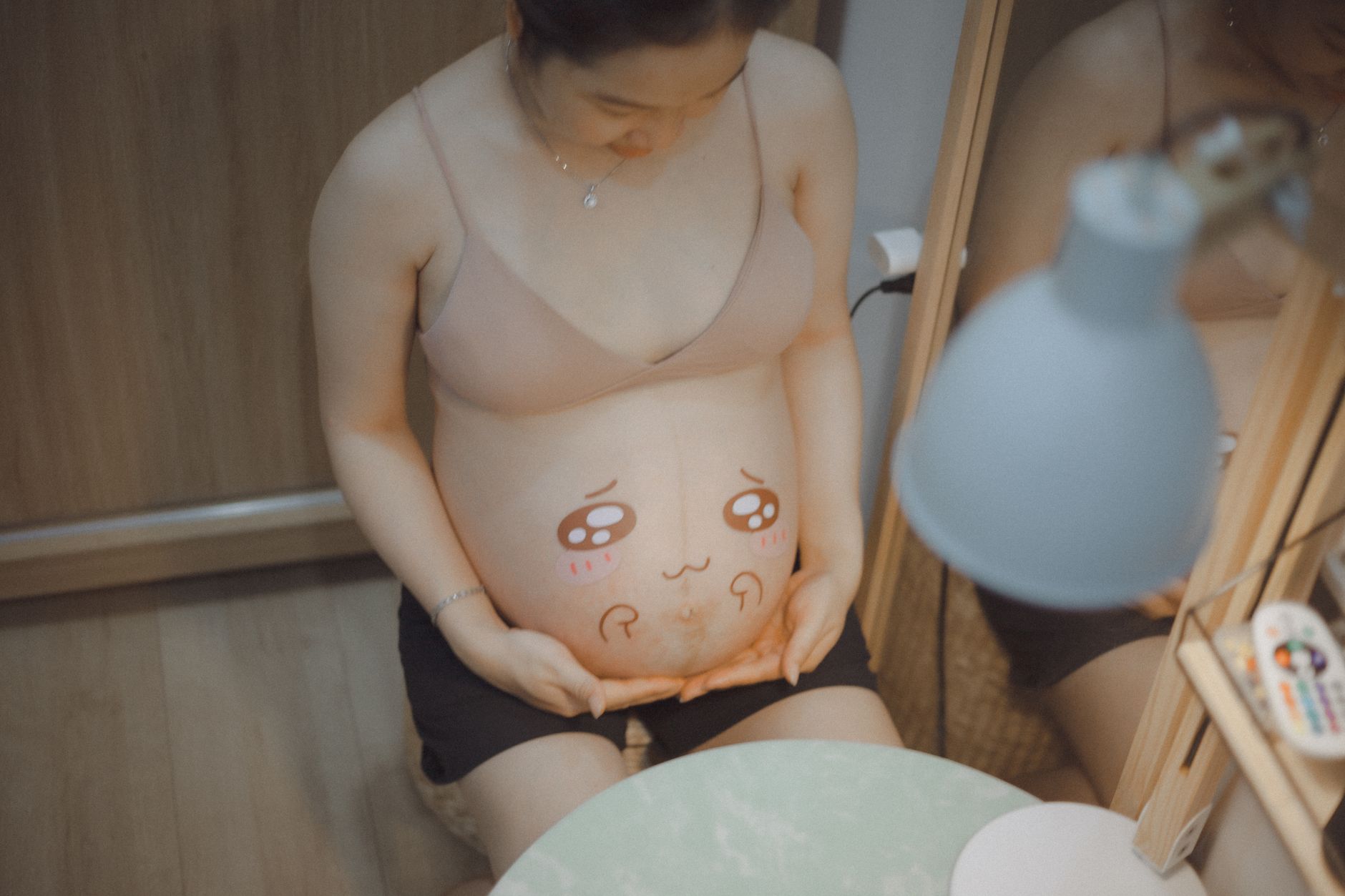
Because the belly can stretch up to 30 % more surface area, a generous amount (about a teaspoon) is needed each time you apply. The skin on your belly is not only stretching but also potentially more sensitive due to increased blood flow and hormonal changes. It's a common area for stretch marks to form, and sun exposure can make these more pronounced or contribute to uneven pigmentation. Look for a product that doubles as a moisturizer, such as Neutrogena Hydro Boost Water Gel Lotion SPF 30, which contains hyaluronic acid for added hydration. When applying, use gentle, circular motions, ensuring even coverage over the entire bump and surrounding areas that might be exposed. Don't forget your sides and lower back if they're likely to catch the sun.
After‑sun care during pregnancy
If you do get a mild sunburn, the CDC recommends cool compresses, staying hydrated, and using aloe‑based gels. However, avoid products containing retinol, salicylic acid, or benzoyl peroxide, as these are contraindicated in pregnancy. Also, steer clear of after-sun lotions with alcohol, menthol, or camphor, as these can be drying and irritating to already compromised skin.
A gentle, pregnancy‑safe after‑sun option is Earth Mama Aloe Vera Gel, which is 100 % organic aloe without added fragrances or alcohol. Apply a thin layer after cooling the skin, and follow up with a moisturizer that contains ceramides to restore the skin barrier. Keeping your skin hydrated internally by drinking plenty of water is also crucial for healing and overall skin health after sun exposure.
How often should I reapply?
The FDA requires that sunscreen be reapplied at least every two hours, or immediately after swimming, sweating, or toweling off. In practice, for pregnant people who may sweat more due to hormonal changes, reapplying every 80 minutes (the water‑resistance rating) is a safe rule of thumb. Environmental factors also play a role: if you're at a higher altitude, near reflective surfaces like water or snow, or it's a particularly windy day, your skin may be exposed to more UV radiation, necessitating more frequent reapplication. Don't wait until you feel a burn; make reapplication a regular part of your outdoor routine.
Don’t forget your lips—use an SPF 15+ mineral lip balm daily.
Balancing sun protection with Vitamin D needs during pregnancy
It's natural to worry about getting enough Vitamin D, especially when you're diligently protecting yourself from the sun. Vitamin D is crucial for bone health in both you and your baby, and it plays a role in immune function and mood regulation. However, achieving adequate Vitamin D levels doesn't require unprotected sun exposure, particularly during pregnancy when skin is more vulnerable.
The good news is that most healthcare providers recommend Vitamin D supplementation during pregnancy, making sun exposure for this purpose largely unnecessary. This allows you to prioritize sun protection without compromising your or your baby's nutritional needs.
The role of Vitamin D in pregnancy
Vitamin D helps your body absorb calcium, which is vital for building your baby's bones and teeth. It also supports your immune system and may play a role in preventing conditions like pre-eclampsia and gestational diabetes. While some Vitamin D is produced in the skin upon exposure to UVB rays, the amount can vary greatly depending on factors like skin tone, time of day, season, and geographical location. Relying solely on sun exposure for Vitamin D can be inconsistent and carries the risk of sun damage.
Safe ways to get Vitamin D
The safest and most reliable ways to ensure adequate Vitamin D levels during pregnancy are:
Prenatal Vitamins: Most comprehensive prenatal vitamins contain a recommended daily allowance of Vitamin D, typically 400-600 IU (International Units). Your doctor might recommend a higher dose if you have a known deficiency.
Dietary Sources: Include Vitamin D-rich foods in your diet, such as fatty fish (salmon, mackerel, sardines), fortified milk, orange juice, and cereals. Some mushrooms also contain Vitamin D.
Supplementation: Your obstetrician or midwife can recommend a specific Vitamin D supplement if your prenatal vitamin doesn't provide enough or if you have a deficiency. The American College of Obstetricians and Gynecologists (ACOG) often recommends a daily intake of 600-800 IU, but some providers may suggest higher amounts depending on individual needs.
By focusing on these methods, you can confidently maintain excellent sun protection without worrying about Vitamin D deficiency, ensuring both your skin health and your baby's development are well supported.
From our medical team: Consistent sun protection is one of the easiest ways to support healthy skin during pregnancy. Even though the risk of skin cancer is low at this stage, preventing UV‑induced pigment changes and maintaining skin elasticity can reduce postpartum concerns. If you notice any unusual rash, persistent redness, or a sunburn that isn’t improving, contact your obstetrician or dermatologist promptly. Remember, protecting your skin now is an investment in your long-term skin health and comfort.
Myth vs. fact
Myth: “All sunscreens are safe because they’re just lotion.”
Fact: Chemical filters can be absorbed into the bloodstream; mineral sunscreens sit on the skin and are the safest choice during pregnancy.
Myth: “I only need sunscreen on sunny days.”
Fact: Up to 80 % of UV rays penetrate clouds, so broad‑spectrum protection is needed year‑round.
Myth: “Higher SPF means I can skip reapplying.”
Fact: SPF measures initial protection only; reapplication every two hours is still essential, regardless of SPF level.
Myth: "I need sun exposure to get enough Vitamin D during pregnancy."
Fact: While sun exposure produces Vitamin D, it's safer and more reliable to get your Vitamin D from prenatal vitamins and fortified foods during pregnancy, allowing you to prioritize sun protection.
Myth: "If I'm in the shade, I don't need sunscreen."
Fact: Shade reduces UV exposure but doesn't eliminate it, especially if you're near reflective surfaces like sand, water, or concrete. Always apply sunscreen, even when seeking shade.
Key takeaways
Choose mineral sunscreens with zinc oxide or titanium dioxide and SPF 30–50.
Avoid chemical filters like oxybenzone, octinoxate, and homosalate during pregnancy.
Apply sunscreen generously to face, neck, arms, and especially the belly; use about a teaspoon for the bump.
Reapply every 80 minutes, or after swimming or sweating.
Use a dedicated SPF 15+ mineral lip balm and a gentle aloe‑based after‑sun gel if you get a mild burn.
Protect fair or melasma‑prone skin with high‑UVA products, wide‑brim hats, and UPF clothing.
Combine sunscreen with other protective strategies like seeking shade, wearing protective clothing, and checking the UV Index.
Ensure adequate Vitamin D intake through prenatal vitamins and diet, rather than relying on unprotected sun exposure.
Frequently asked questions
What are the risks of sun exposure during pregnancy?
Excessive UV exposure can increase the chance of hyperpigmentation (melasma), premature skin aging, and, in rare cases, sunburn that may stress the body. The CDC notes that severe sunburn can raise core temperature, which is not recommended during pregnancy. It can also exacerbate existing skin conditions or trigger new sensitivities.
Can I get a sunburn while pregnant?
Yes. Pregnancy does not make you immune to sunburn; in fact, increased skin sensitivity might make you more prone to it. If you do get burned, cool the area with compresses, stay hydrated, and use a fragrance‑free aloe gel. Seek medical advice if the burn blisters, covers a large area, or is accompanied by fever or chills.
How often should I reapply sunblock during pregnancy?
Reapply every two hours, or every 80 minutes if the product is water-resistant and you're swimming or sweating. After swimming, intense sweating, or vigorous toweling off, reapply immediately to maintain protection. Don't forget to reapply to commonly missed areas like ears, neck, and feet.
Is it safe to use sunscreen with retinol while pregnant?
No. Retinol (a form of vitamin A) and its derivatives (retinoids) are contraindicated in pregnancy because high doses can cause birth defects. Always check the ingredients list and choose retinol‑free formulas. Mineral sunscreens naturally contain no retinoids, making them a safe choice.
Can I use aloe vera gel after sun exposure during pregnancy?
Yes, provided it’s pure aloe without added alcohol, fragrances, or other active ingredients like lidocaine or benzocaine. Aloe helps soothe the skin, reduce inflammation, and supports healing without posing a risk to the fetus. Always opt for a simple, organic aloe vera gel.
What is the best way to protect my skin from the sun during pregnancy?
Combine mineral sunscreen (SPF 30–50) with protective clothing (UPF-rated apparel, wide-brim hats, sunglasses), and seek shade during peak UV hours (10 a.m. to 4 p.m.). Apply sunscreen 15 minutes before going outside and reapply regularly, especially after swimming or sweating. Check the daily UV Index to gauge necessary precautions.
Can I use spray sunscreen during pregnancy?
While convenient, spray sunscreens are generally not recommended during pregnancy due to the risk of inhaling chemical particles. If you must use a spray, opt for a mineral-based formula, spray it into your hands first in a well-ventilated area, and then apply it to your skin to minimize inhalation.
Are self-tanners safe to use during pregnancy?
Most experts consider topical self-tanners (creams, lotions) safe during pregnancy as the active ingredient, dihydroxyacetone (DHA), is not thought to be absorbed beyond the outermost layer of skin. However, avoid spray tans in salons due to the risk of inhaling the product. Always do a patch test first, as skin can be more sensitive during pregnancy.
When to call your doctor
If you develop any of the following, contact your obstetrician or dermatologist right away: severe sunburn with blistering, a fever above 100.4 °F (38 °C) after sun exposure, sudden swelling or rash on the belly, or persistent skin discoloration that worsens despite sun protection. Also, consult your doctor if you experience any signs of heat exhaustion after sun exposure, such as dizziness, nausea, or excessive sweating. This article is for informational purposes only and does not replace personalized medical advice.
References
American College of Obstetricians and Gynecologists (ACOG). “Skin Care During Pregnancy.” Committee Opinion, 2022.
U.S. Food and Drug Administration (FDA). “Sunscreen FAQs.” 2021.
World Health Organization (WHO). “Ultraviolet Radiation and Health.” 2020.
National Health Service (NHS). “Sunscreen and Pregnancy.” 2023.
Centers for Disease Control and Prevention (CDC). “Sunburn and Pregnancy.” 2022.
American Academy of Dermatology (AAD). “Sunscreen Guide for Pregnant Women.” 2021.
Journal of Dermatological Science. “Safety of Chemical Sunscreens in Pregnancy.” 2020.
Mayo Clinic. “Melasma and Pregnancy.” 2023.
National Institutes of Health (NIH). “Absorption of Zinc Oxide in Human Skin.” 2021.
Dermatology Research & Practice. “Niacinamide in Sun Protection for Melasma.” 2021.
U.S. Food and Drug Administration (FDA). “Sunscreen: How to Help Protect Your Skin from the Sun.” 2022.
American Academy of Pediatrics (AAP). “Sun Safety: Information for Parents.” 2022.
Not sure about the label on Safe Sunblock During Pregnancy Best Products For Moms products?
Snap the ingredients list and SafeFilter checks every ingredient for your stage — only 3 free scans this month, then you're locked until reset. Unlimited from $7/mo or $50/yr.
When Shubhra Mishra was expecting her first child in 2016, she was overwhelmed by conflicting food advice — one site said yes, another said never. By the time her second baby arrived in 2019, she realized millions of mothers face the same confusion.
That sparked a five-year journey through clinical nutrition papers, cultural diets, and expert conversations — all leading to BumpBites: a calm, compassionate space where science meets everyday motherhood.
Her long-term vision is to build a global community ensuring safe, supported, and free deliveriesfor every mother — because no woman should face pregnancy alone or uninformed. 🌿
🌍 Stand with mothers, shape safer guidance
Join a small circle of experts who review BumpBites articles so expecting parents everywhere can decide with confidence.